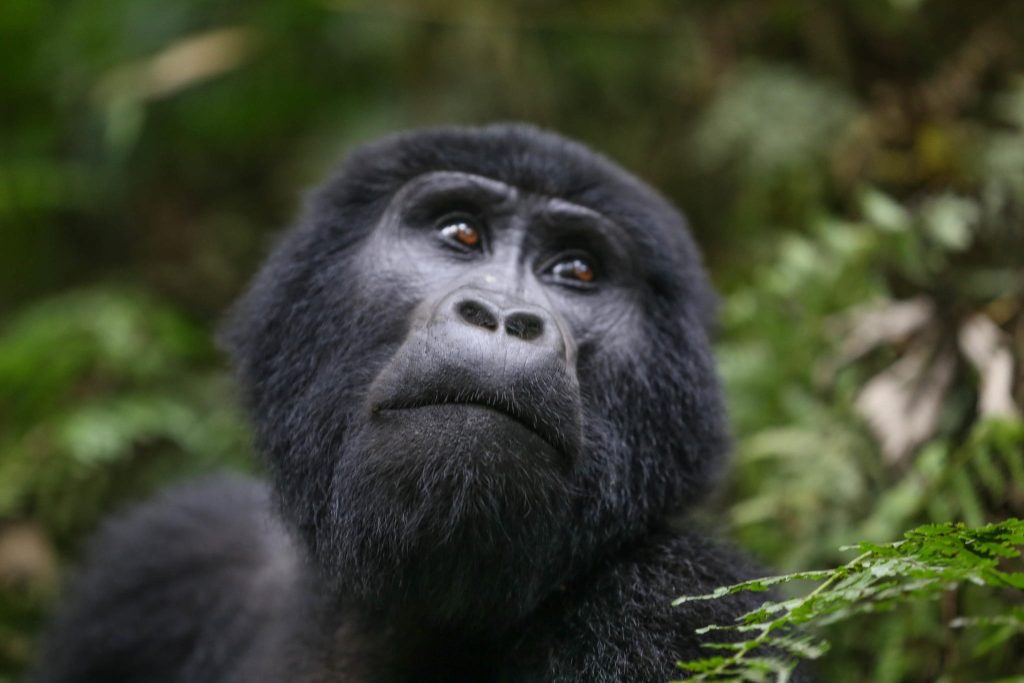
The Ultimate Encounter. Gorilla Trekking

Experience the magic of the mountain gorillas with the premier experts in East African luxury travel.

Gorilla Trekking in East Africa

Gorilla trekking is the ultimate highlight of any trip to Uganda or Rwanda, offering a rare chance to see mountain gorillas in their natural rainforest habitat. While treks run year-round, the best time to visit is during the drier months of June to September and December, when trails are easier to navigate. At In Motion Gorilla Safaris, we handle everything from securing your permits to guiding your hike, ensuring a seamless and unforgettable wildlife encounter.

Silverback Gorillas

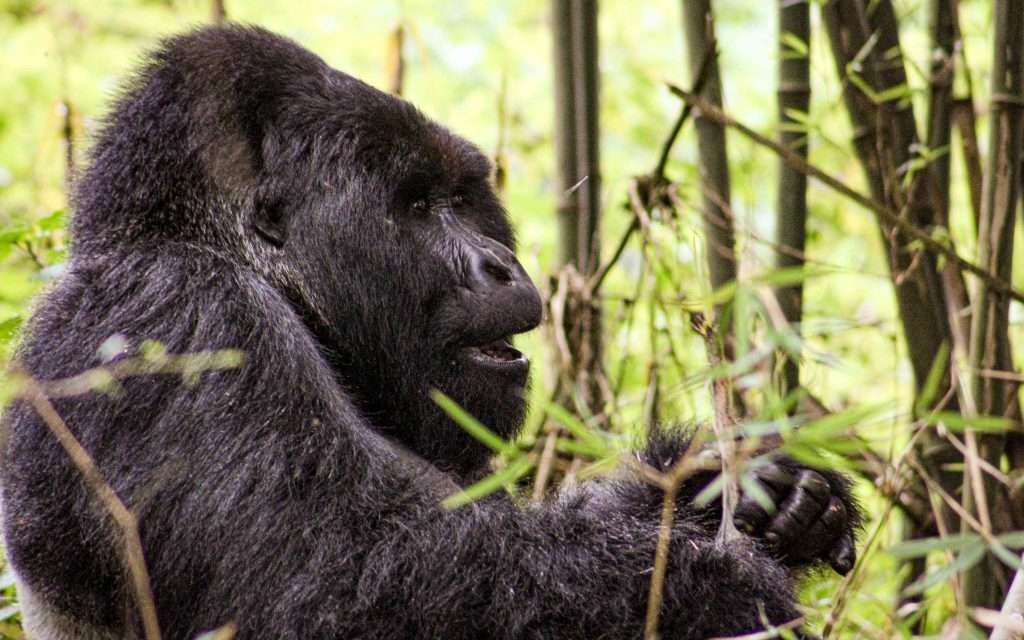
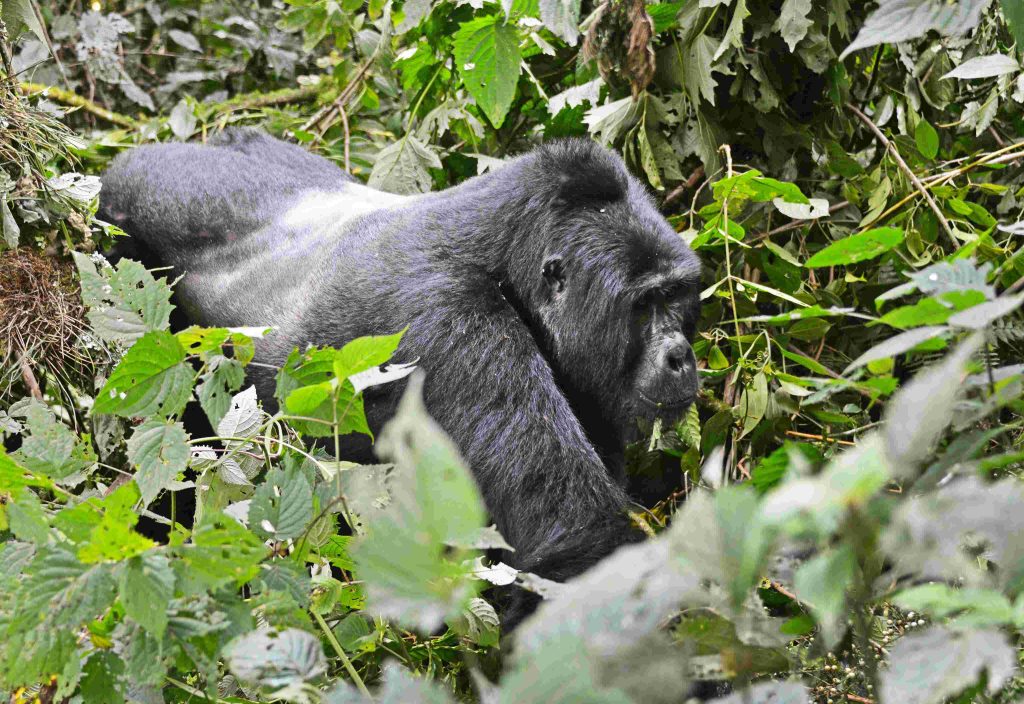
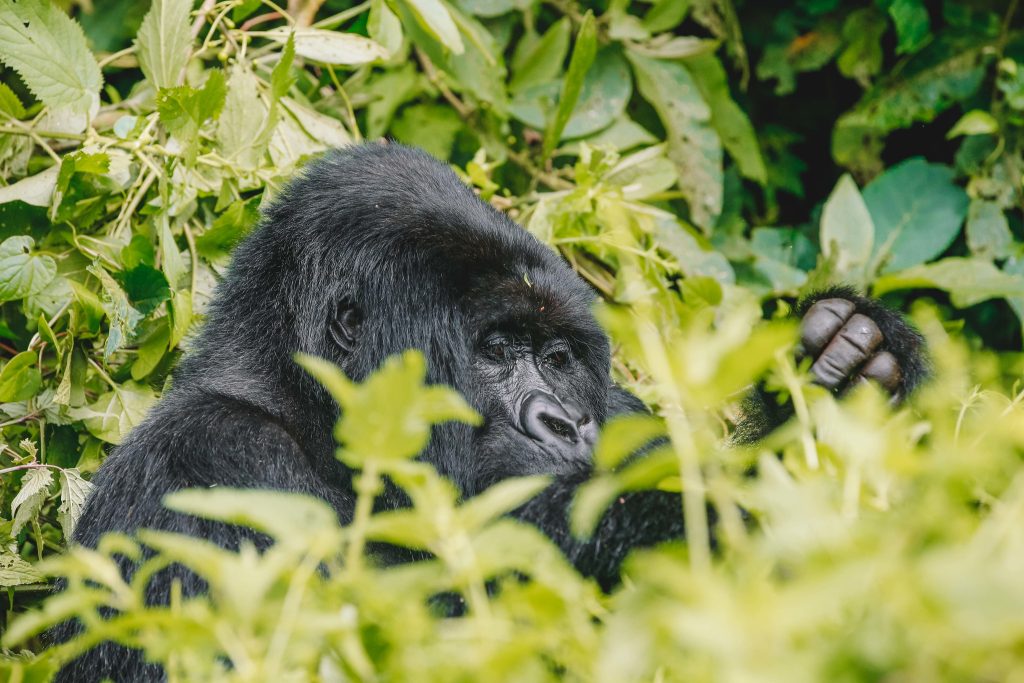
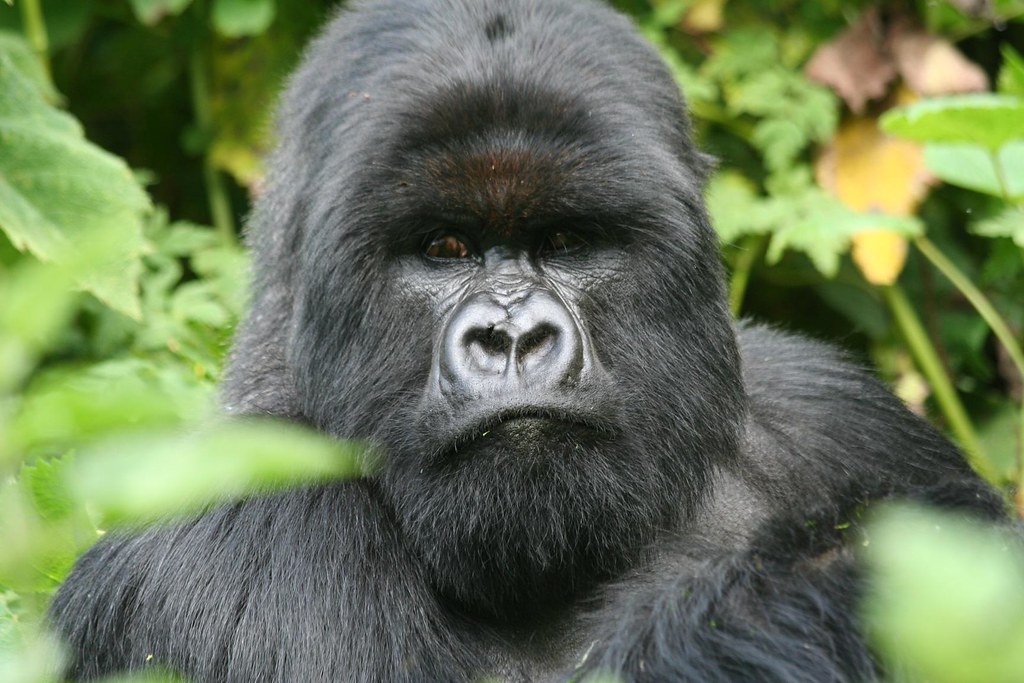
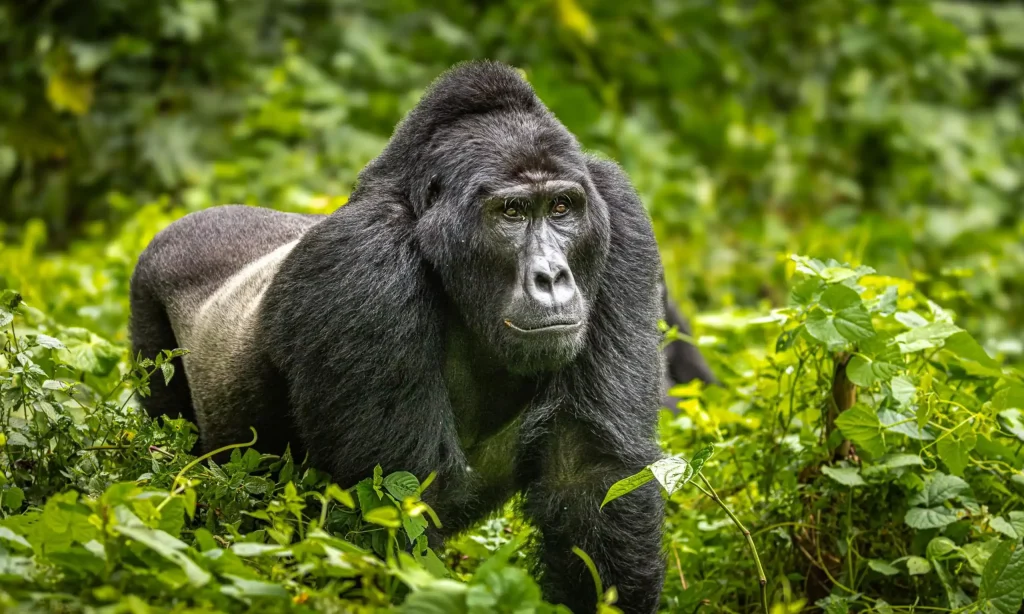
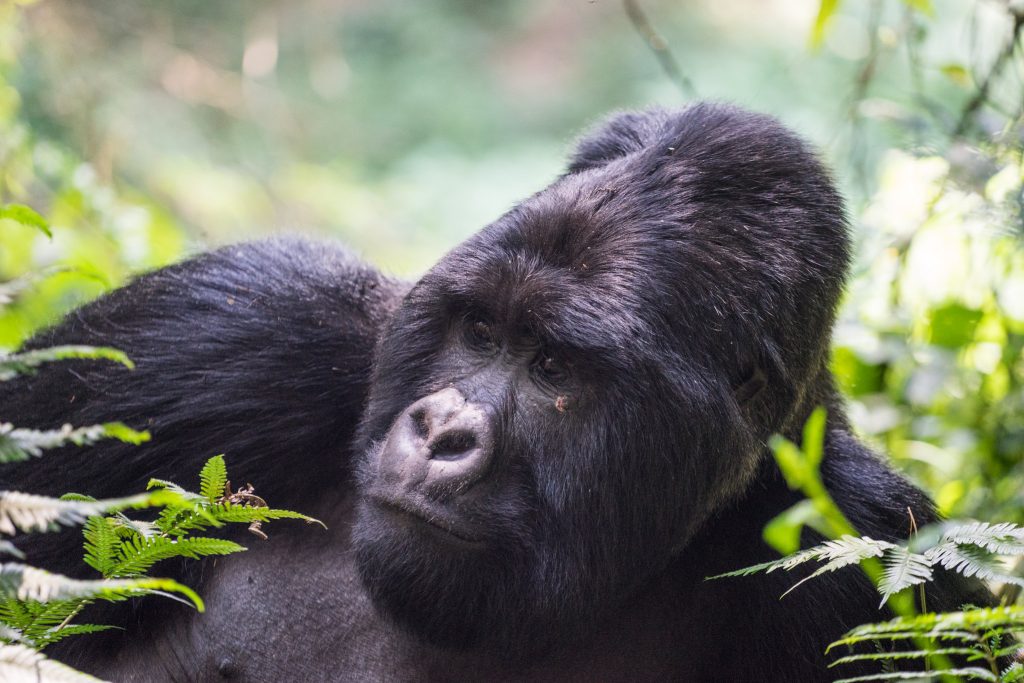
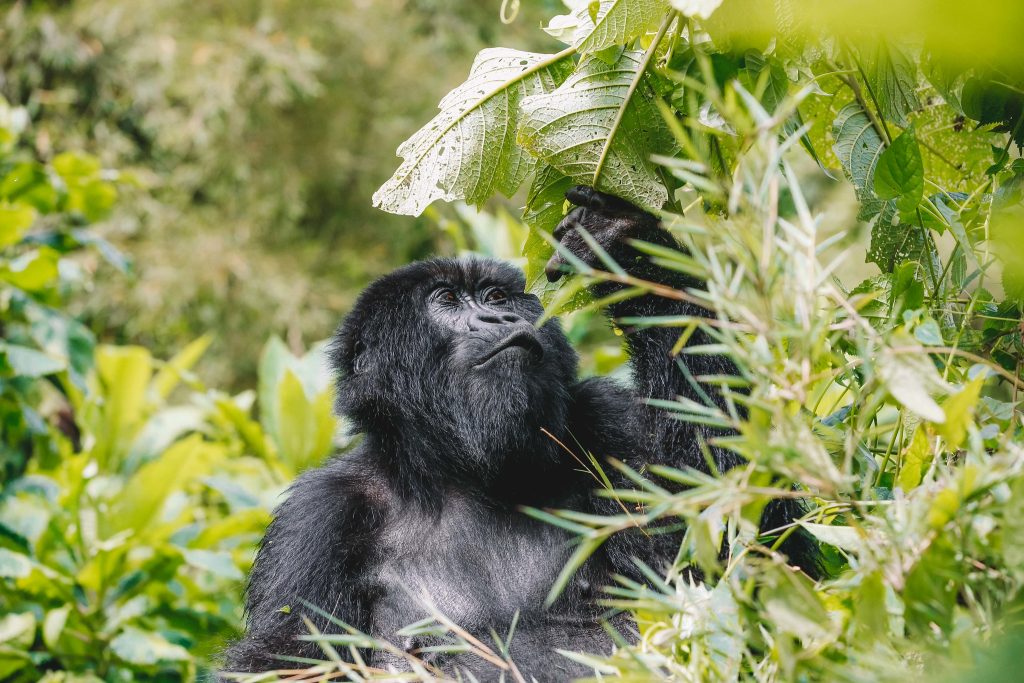
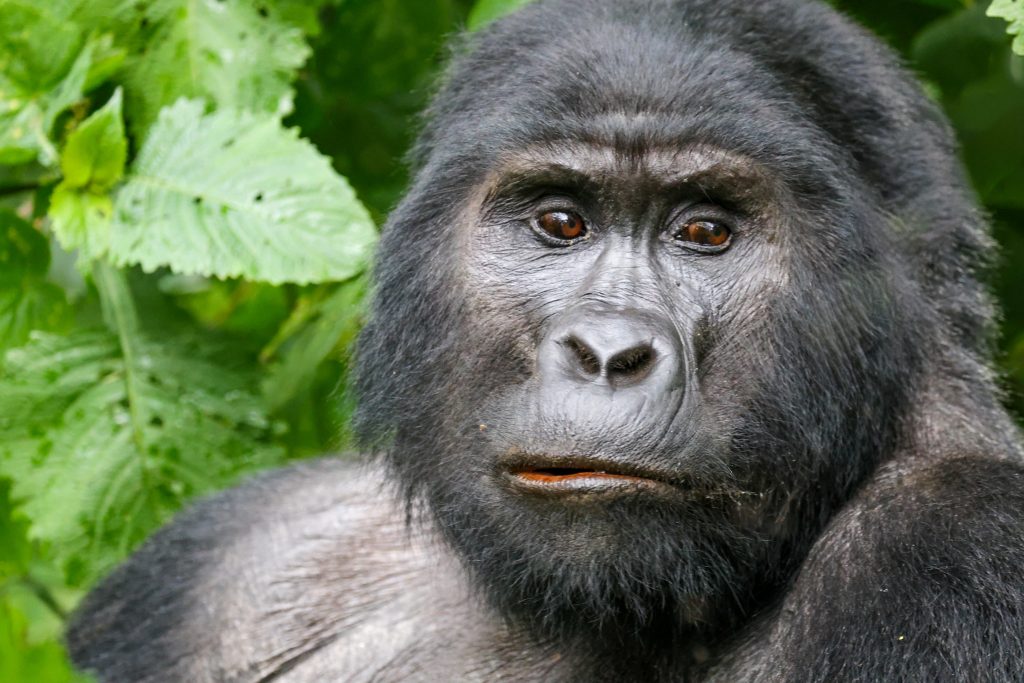
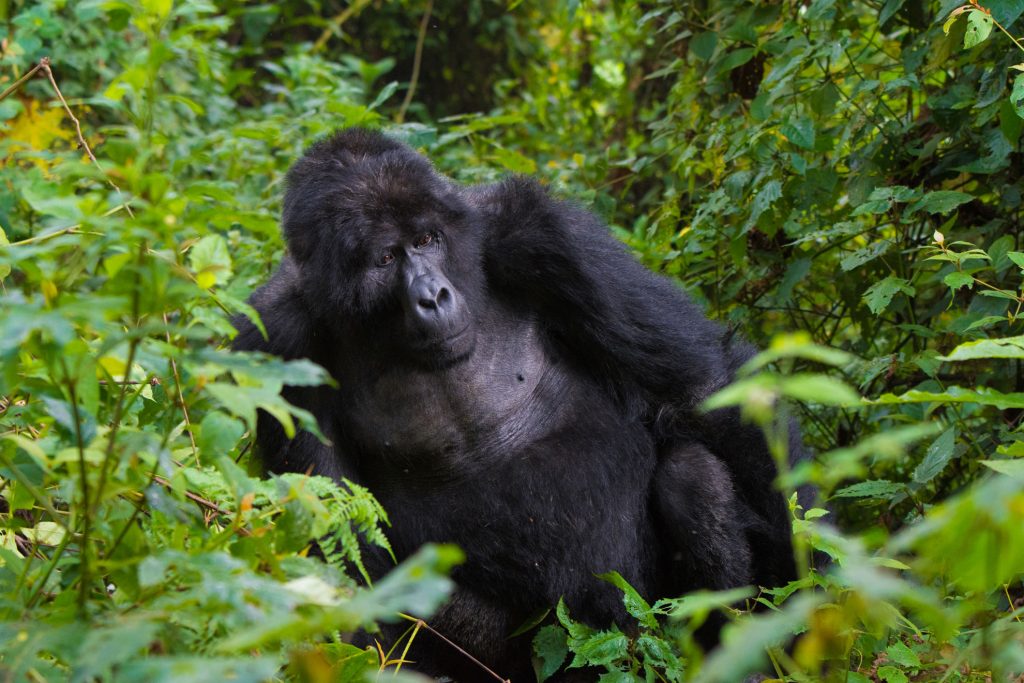
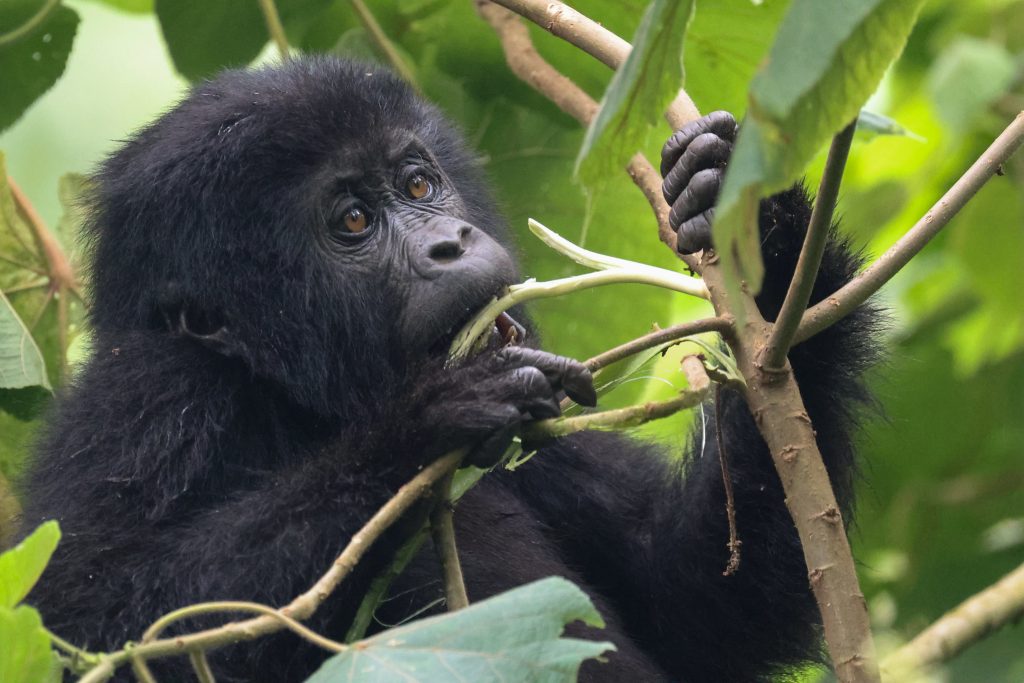
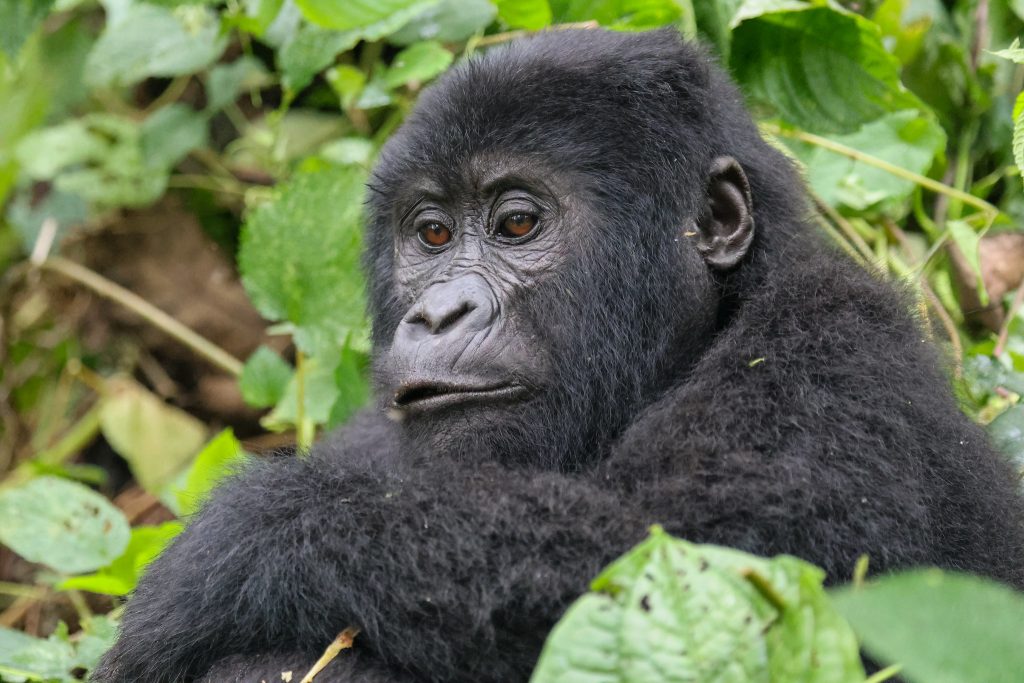
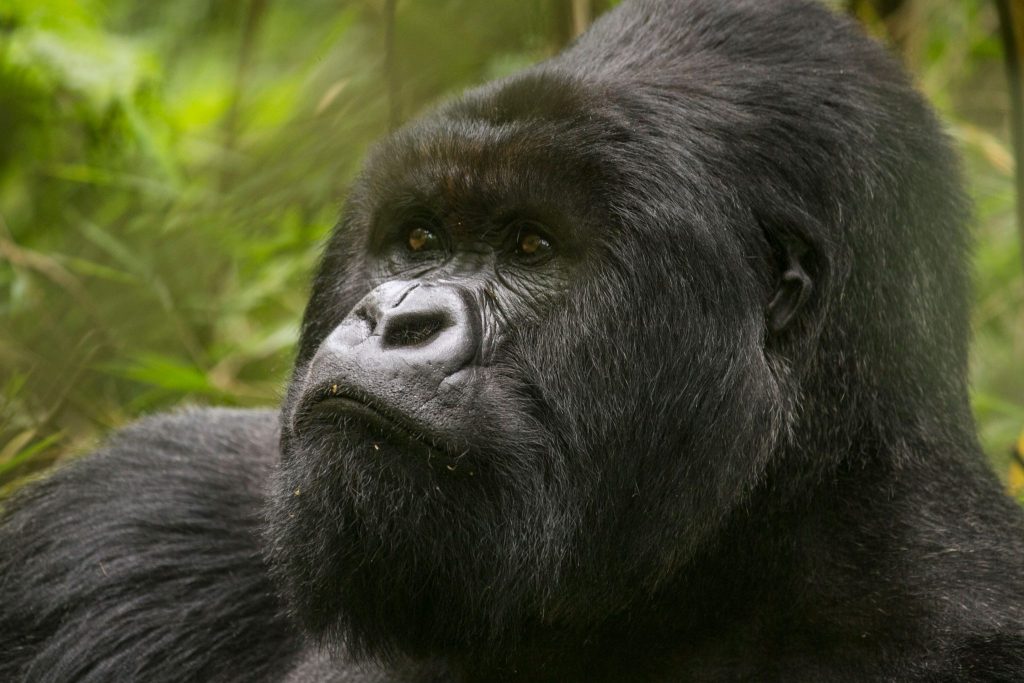
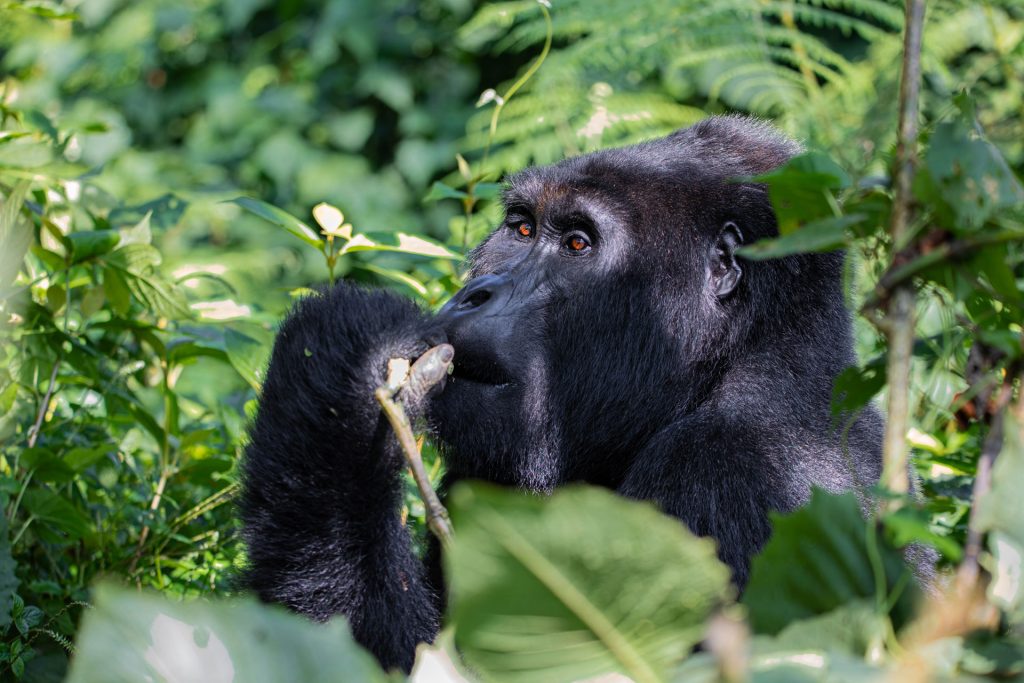
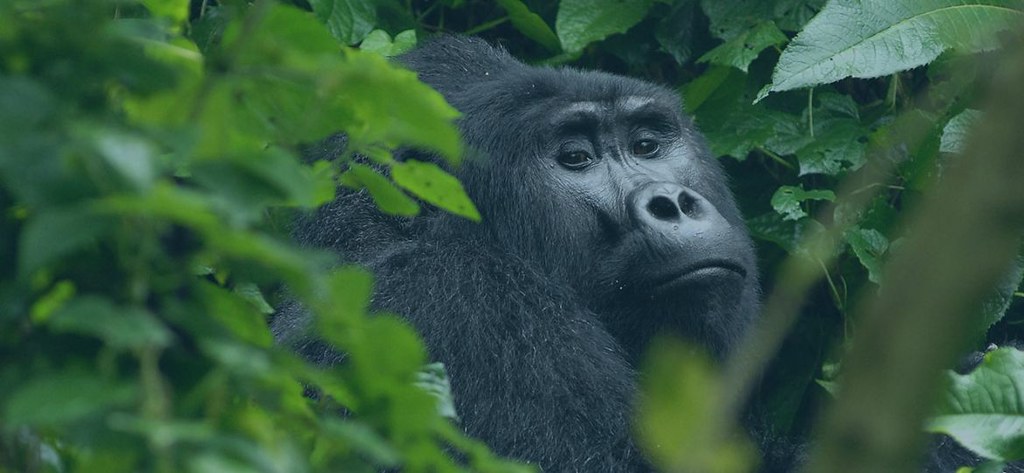
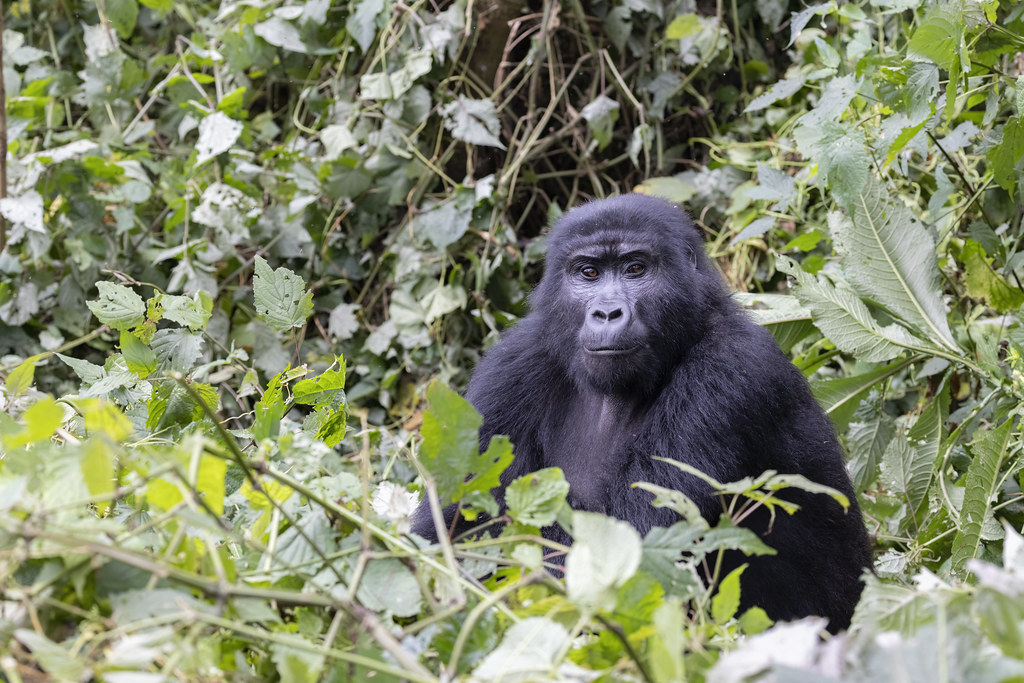
Silverback gorillas are the dominant adult males and leaders of gorilla families, recognized by the silver-gray hair on their backs. Known for their immense strength and gentle nature, they protect and guide their groups, making decisions about movement, feeding, and safety while caring for younger gorillas.

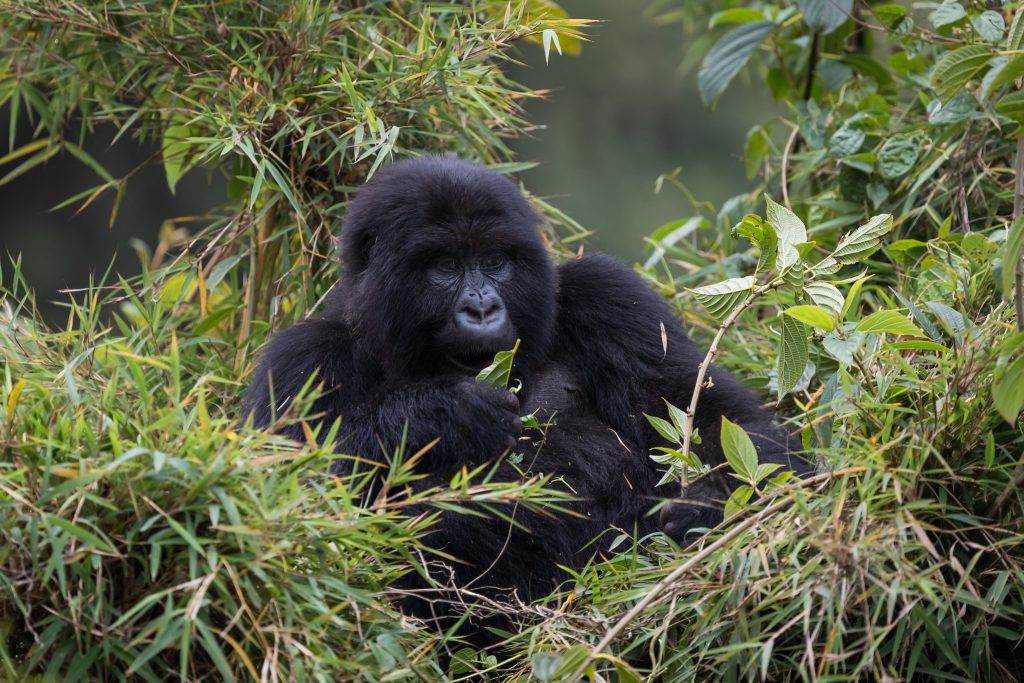
They live in the dense forests of East Africa, including Bwindi Impenetrable National Park and the Virunga region, where they survive on a plant-based diet of leaves, shoots, and fruits. Silverbacks play a vital role in maintaining the social structure and stability of gorilla families.

Today, silverback gorillas are among Africa’s most admired wildlife species, attracting visitors through gorilla trekking experiences in Uganda and Rwanda. Thanks to ongoing conservation efforts, habitat protection, and responsible tourism, mountain gorilla populations continue to recover, symbolizing the importance of wildlife conservation and the connection between humans and nature.


Mountain Gorillas

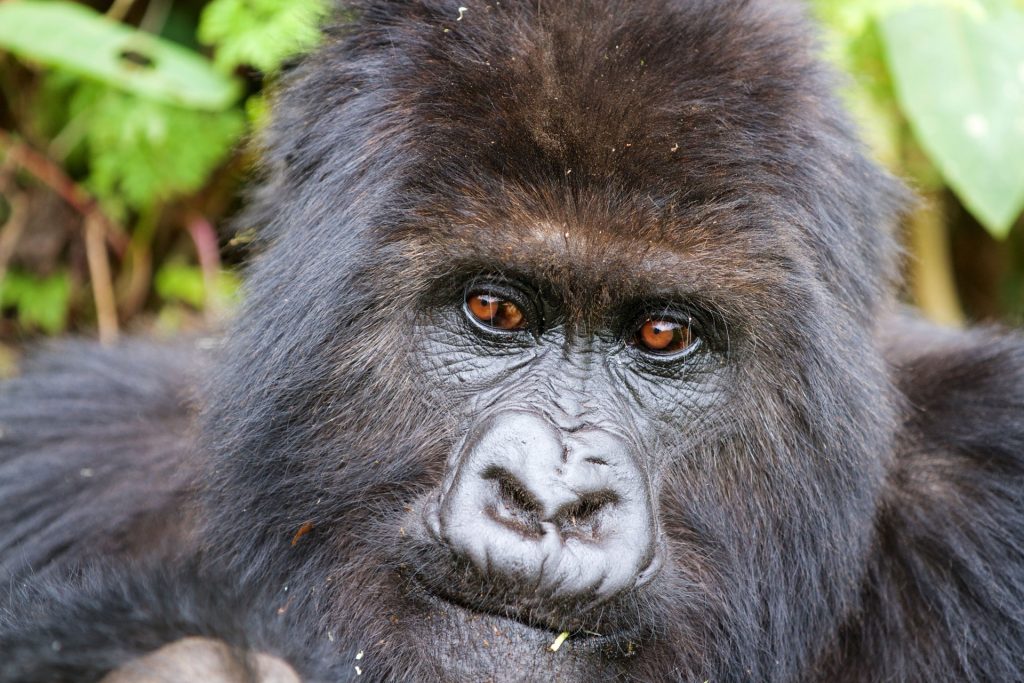
Mountain Gorillas - Virunga National Park

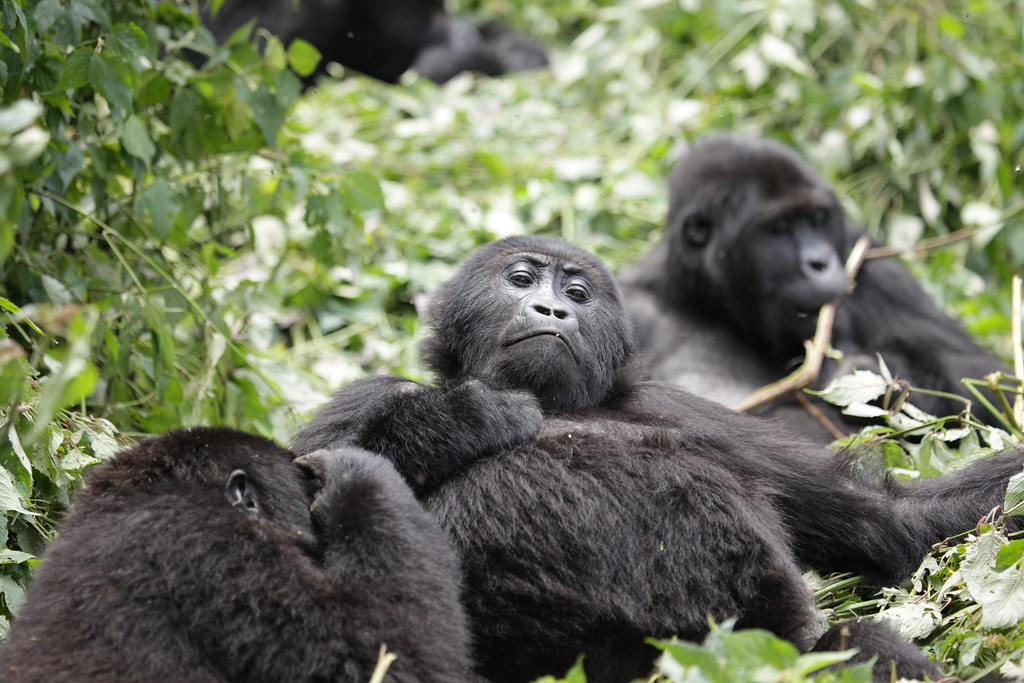
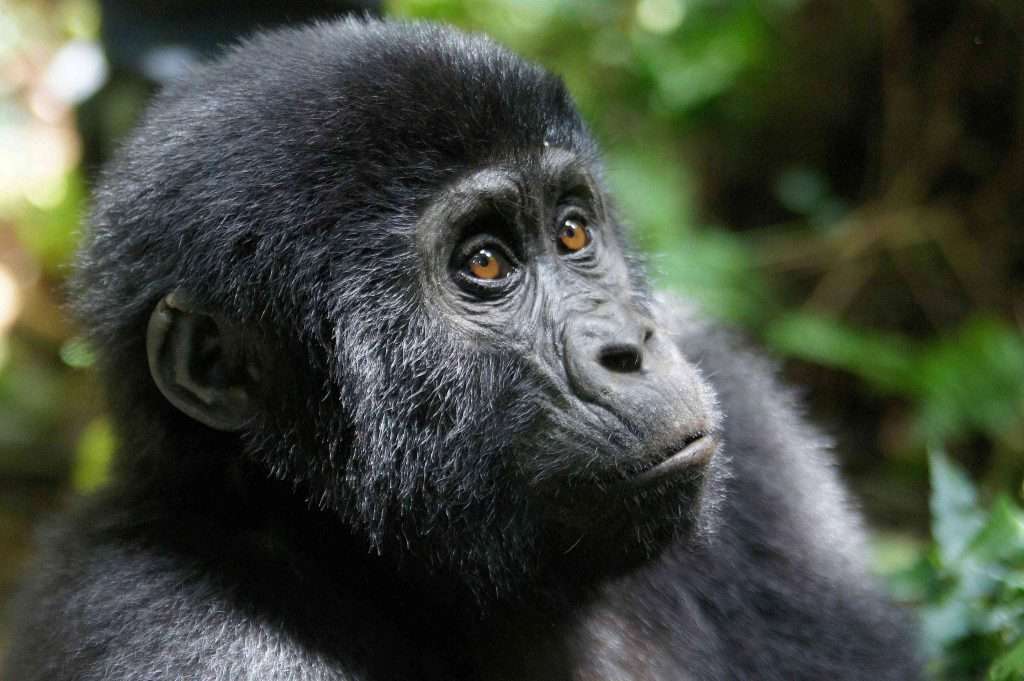
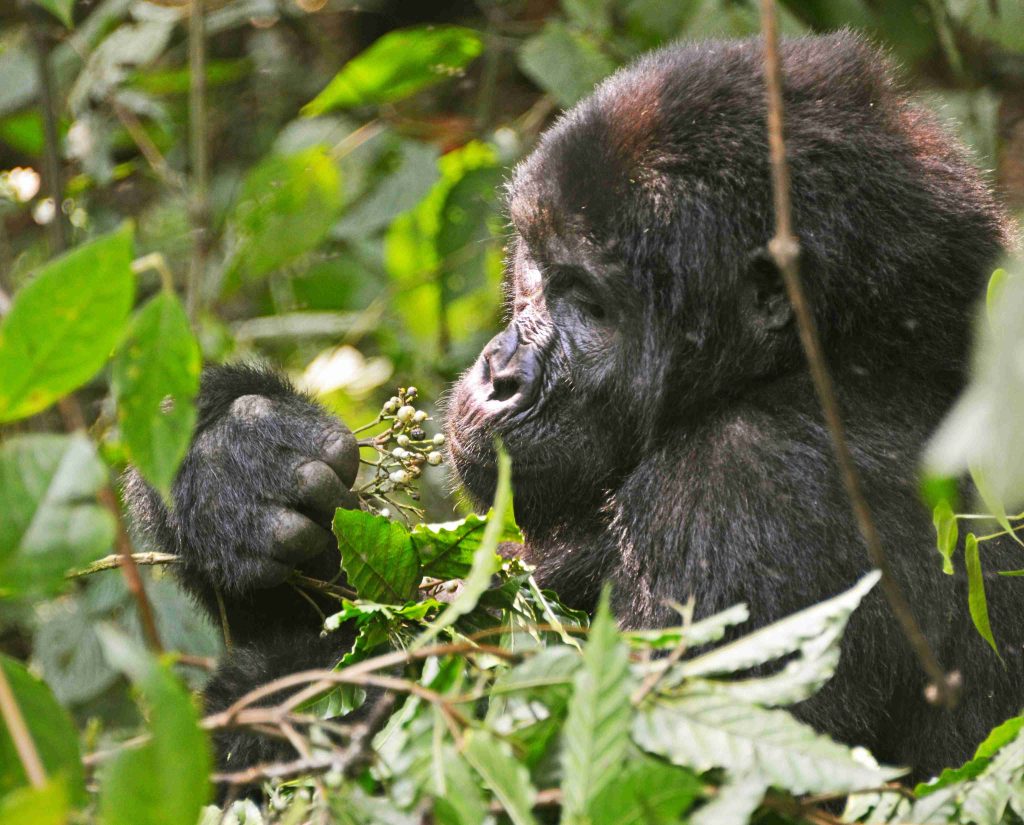
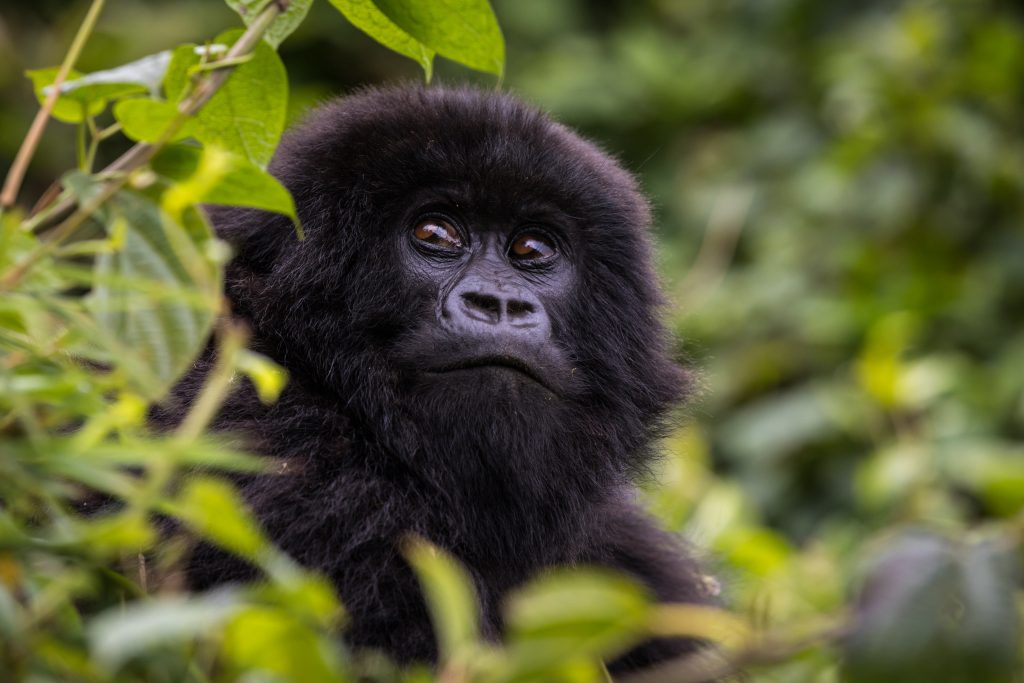
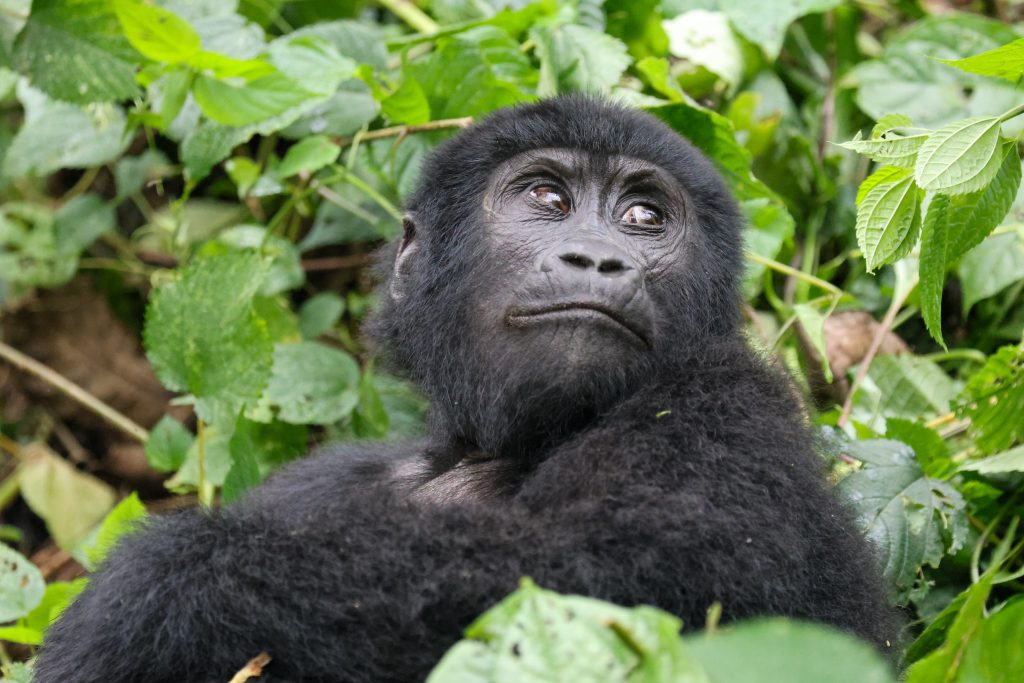
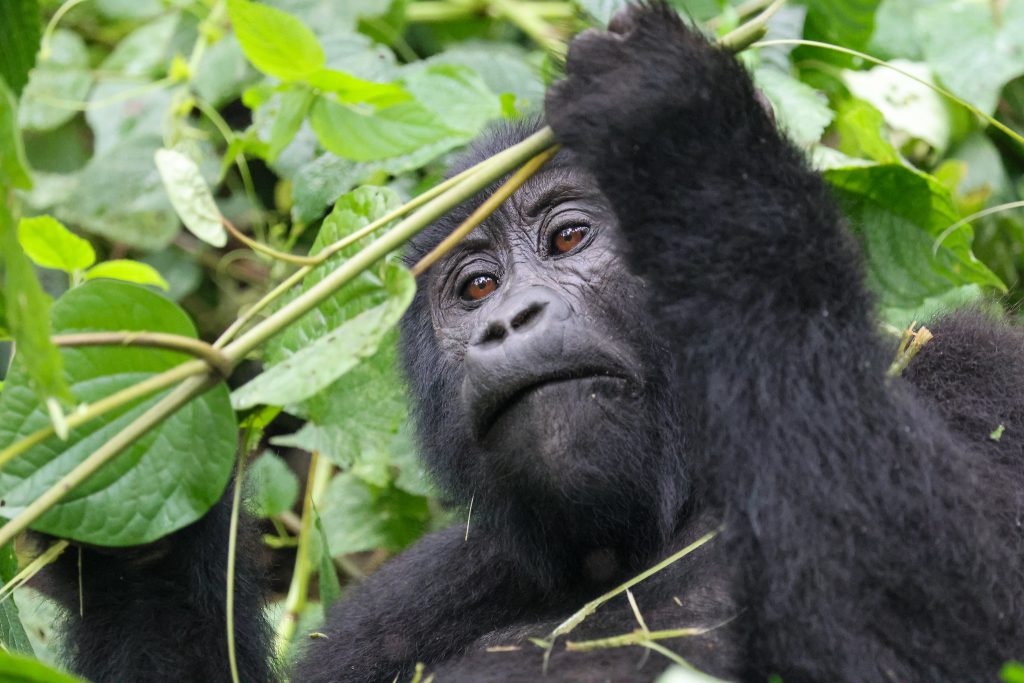
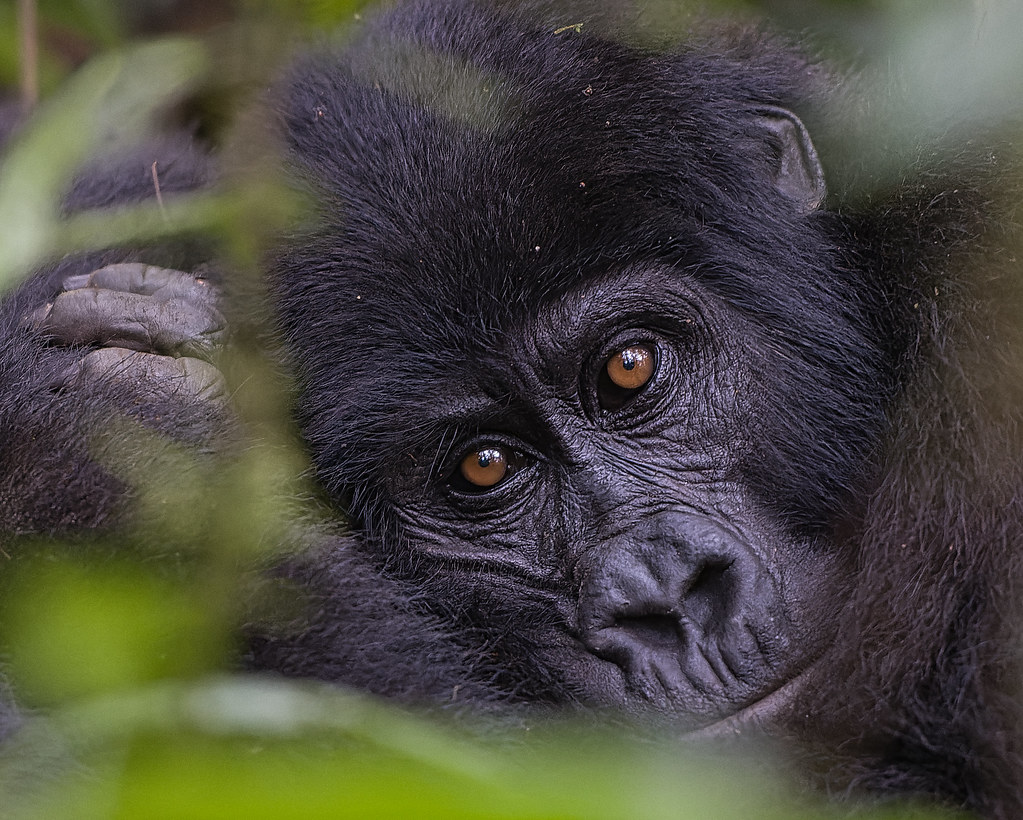
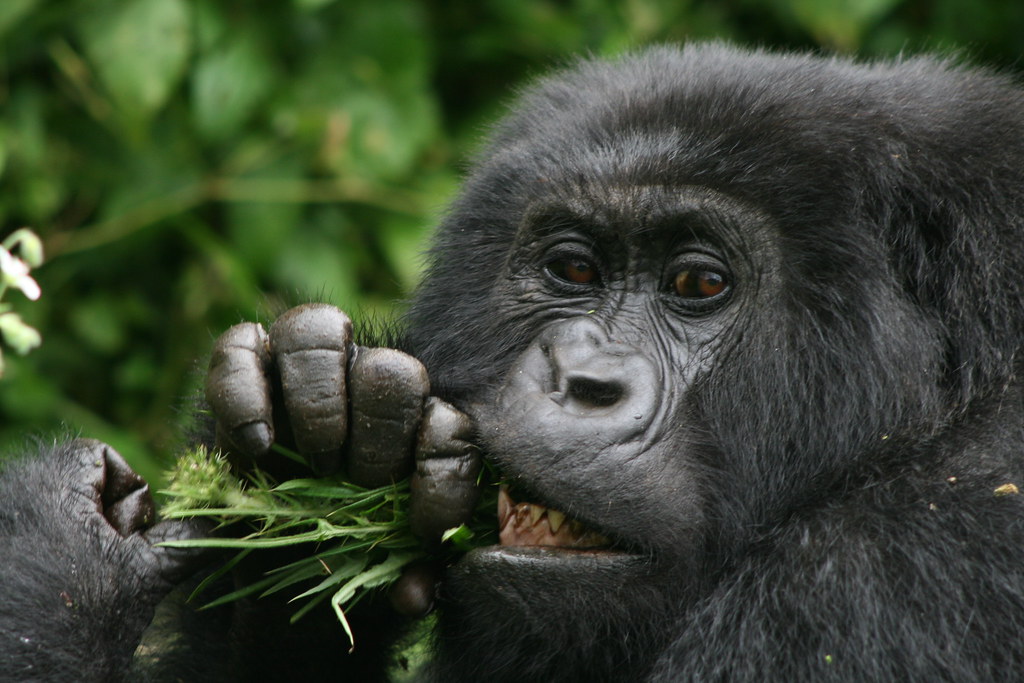
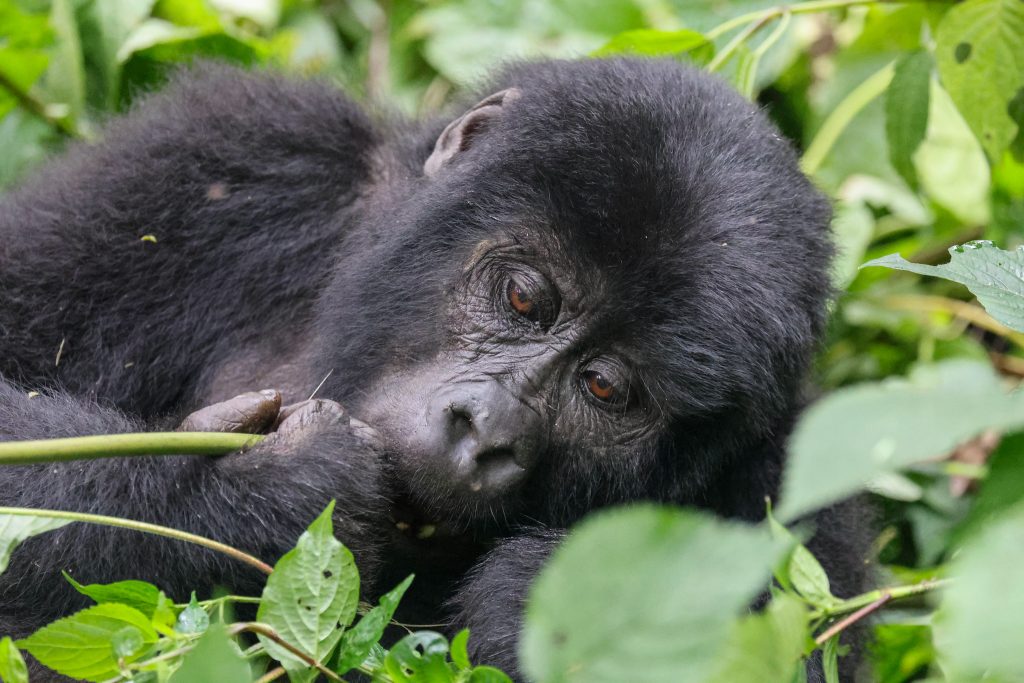
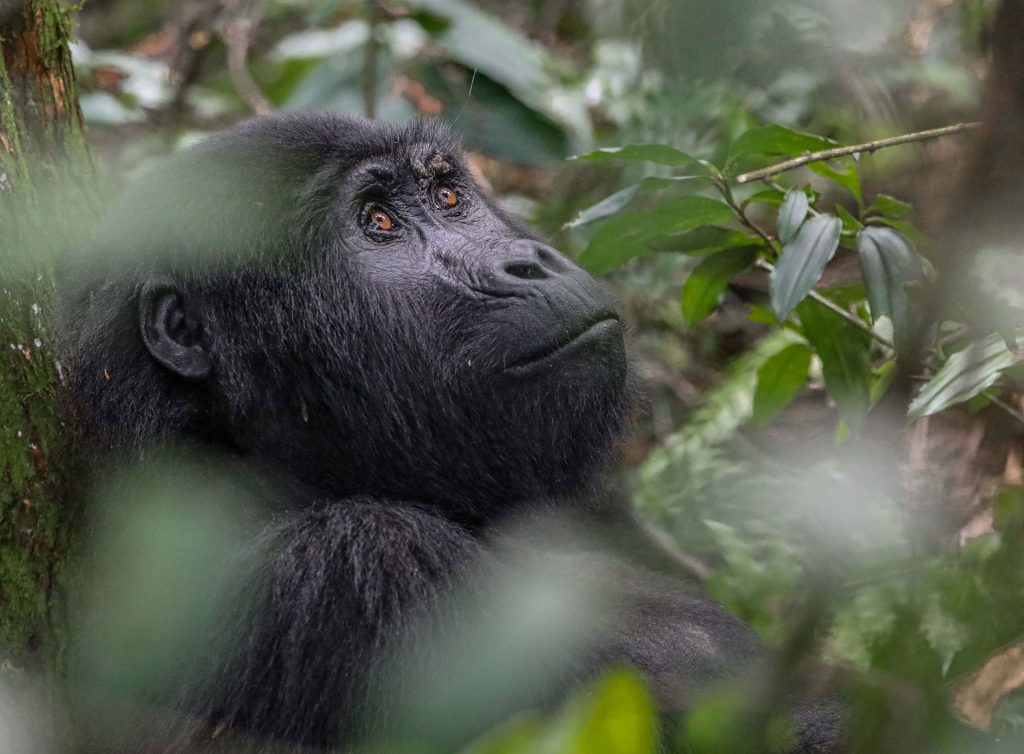
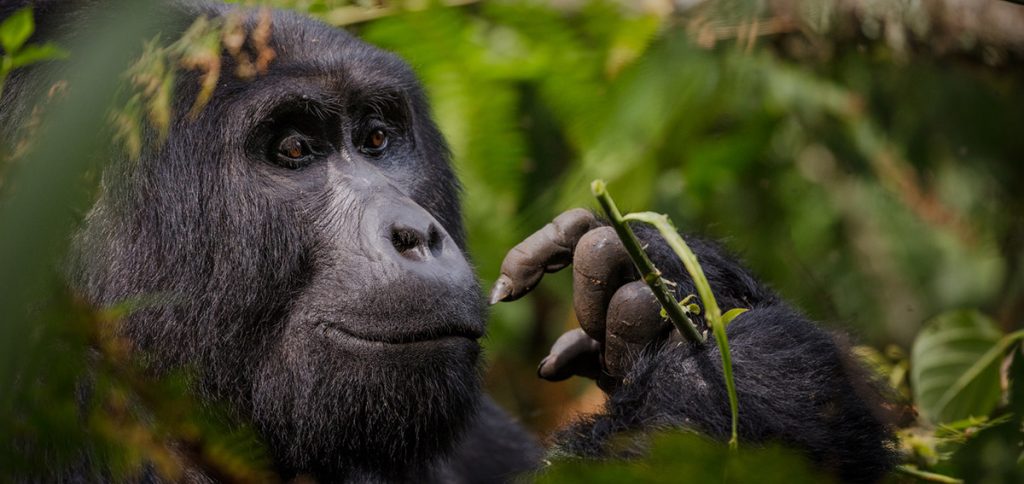
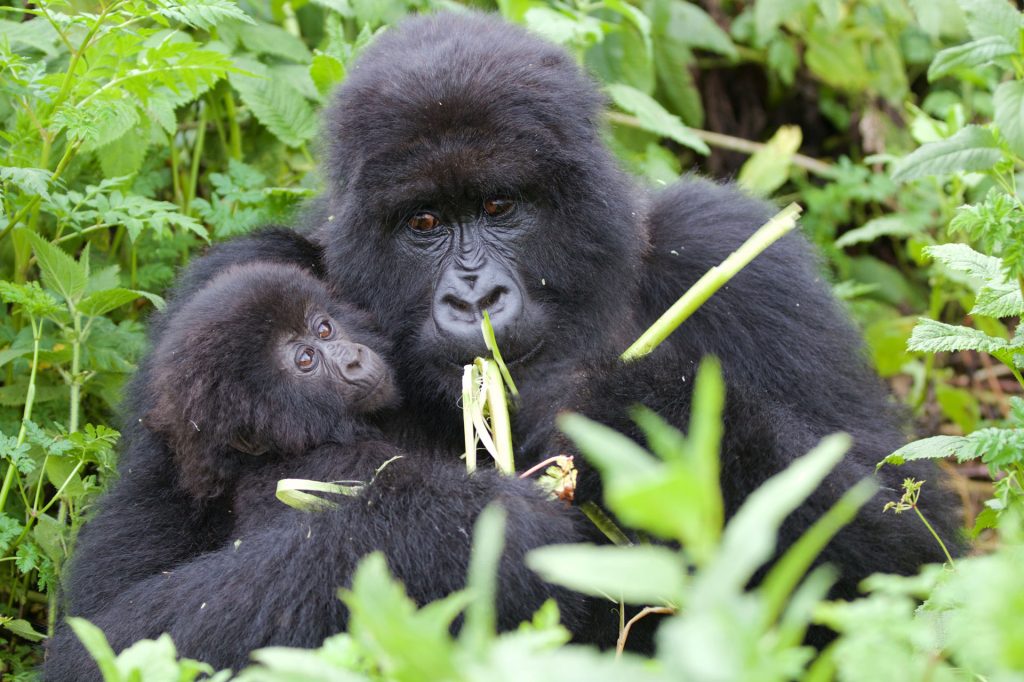
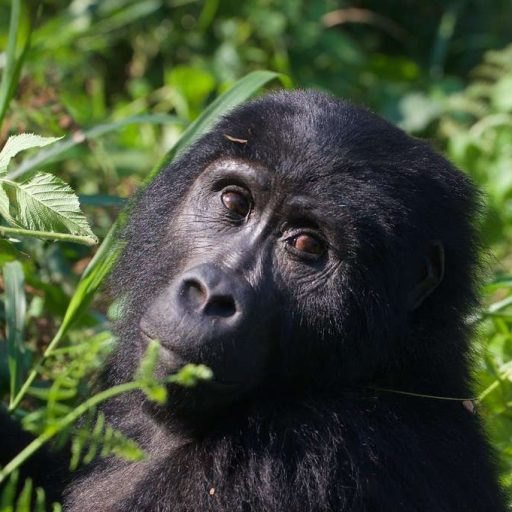
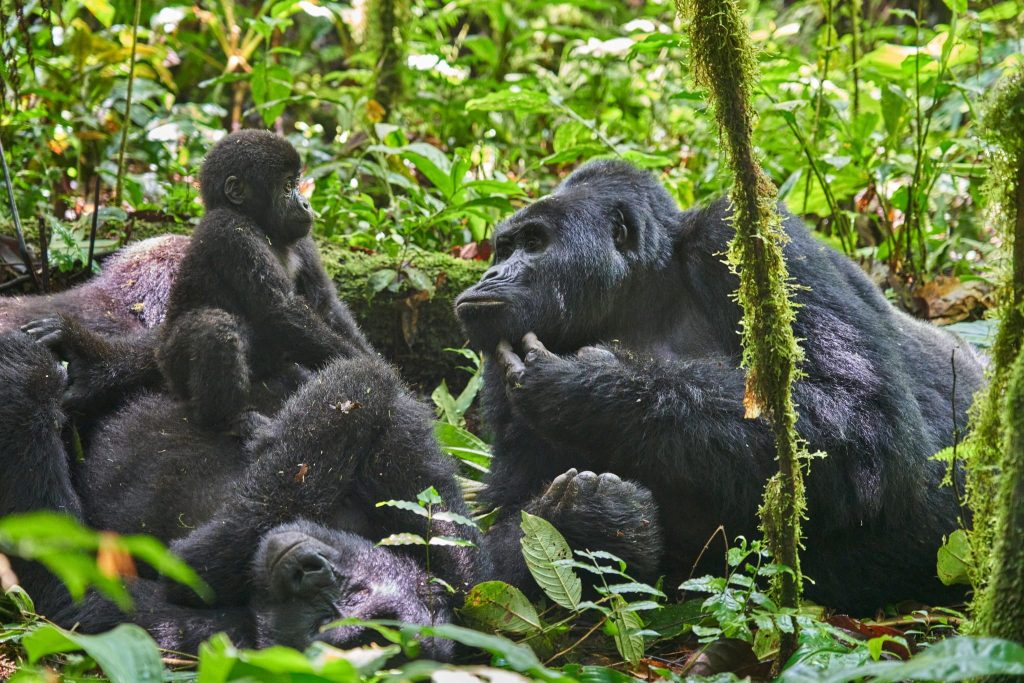
Mountain gorillas are endangered primates known for their intelligence, strong social bonds, and thick fur that helps them survive in the cool forests of Central and East Africa. They live in close family groups led by a dominant silverback, feeding mainly on vegetation and communicating through sounds, gestures, and facial expressions.

These gorillas are found only in Bwindi Impenetrable National Park and the Virunga region, which spans Uganda, Rwanda, and the Democratic Republic of Congo. Thanks to conservation efforts, their population has slowly increased to around 1,000 individuals.

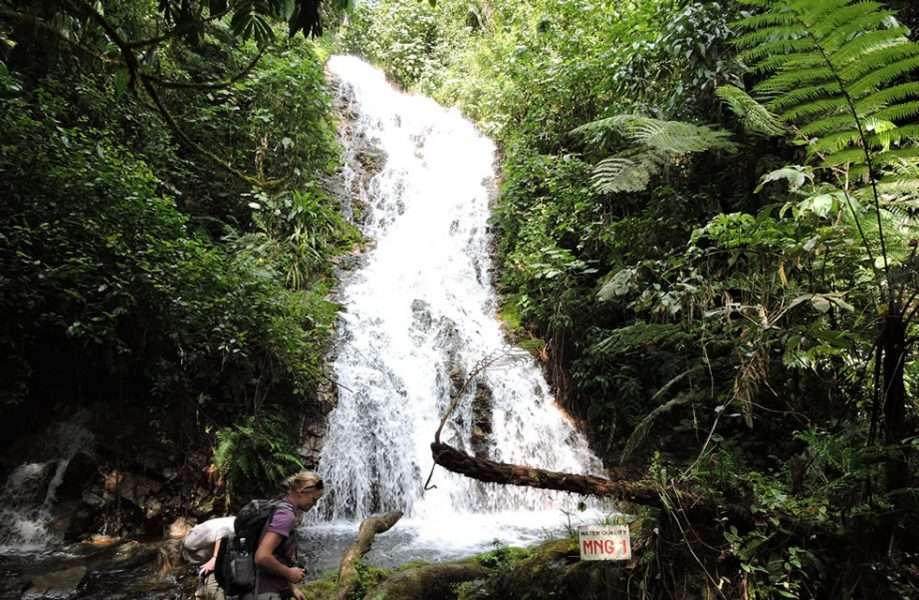
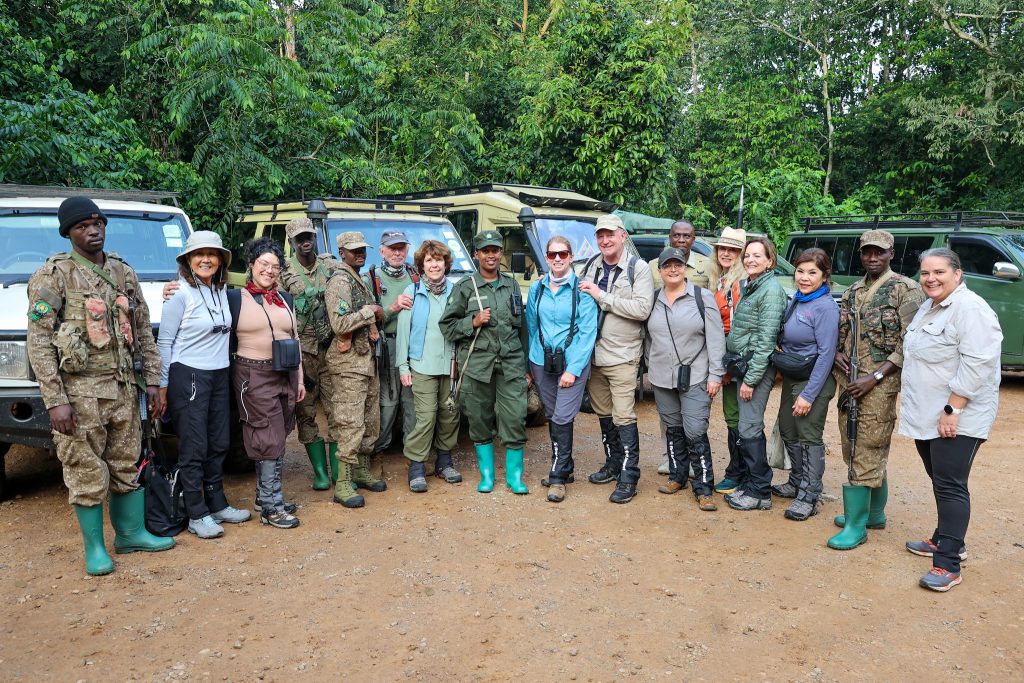
Gorilla trekking offers travelers a rare opportunity to observe these gentle giants in their natural habitat. Guided treks through dense forests lead visitors to habituated gorilla families, where they can spend one unforgettable hour watching their behavior and interactions. Conservation tourism continues to play a major role in protecting mountain gorillas while supporting local communities and preserving their fragile ecosystems.

Frequently Asked Questions About Gorilla Trekking

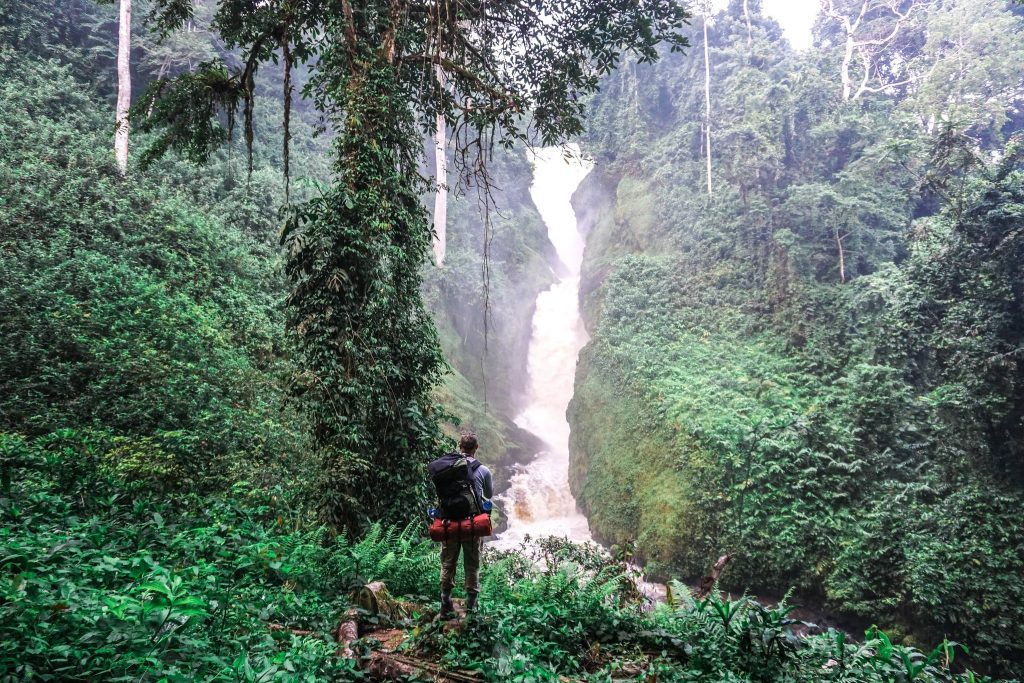
Gorilla trekking is a guided wildlife experience where small groups of visitors hike through dense forests to observe habituated mountain gorillas in their natural habitat. Treks typically last from a few hours to a full day, allowing visitors to spend about one hour with the gorillas once located. It is one of the most exclusive and memorable wildlife adventures in the world.

Mountain gorillas are found only in the Virunga Volcanoes region shared by three countries:

  • Rwanda: Volcanoes National Park (most popular and developed tourism infrastructure).
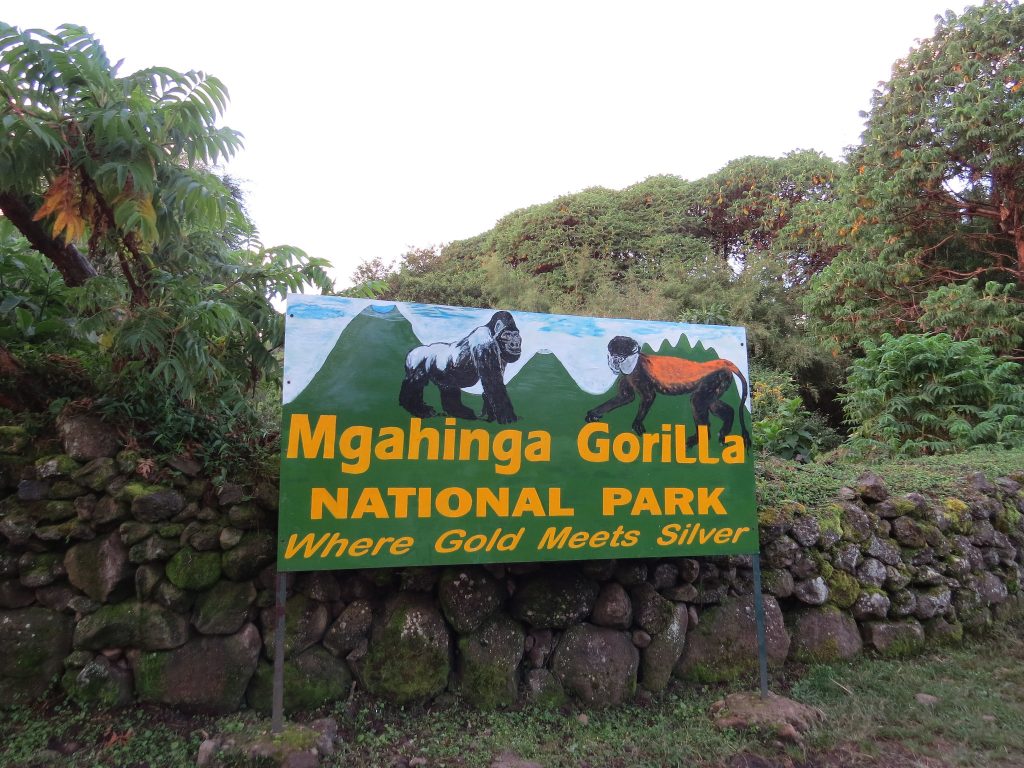
  • Uganda: Bwindi Impenetrable National Park (largest population) and Mgahinga Gorilla National Park.
  • Democratic Republic of Congo (DRC): Virunga National Park (offers excellent experiences but can be affected by security concerns).

The dry seasons are generally best:

  • June to September (peak dry season) — Excellent conditions.
  • December to February — Another good dry period.

Rainy seasons (March–May and October–November) make trails very muddy and slippery, but gorilla viewing can still be good as the animals are more active. Book 6–12 months in advance for peak dry season dates.

As of 2025–2026 Permit Prices (per person, per trek):

  • Rwanda: US$1,500 (standard) – recently increased from $1,000.
  • Uganda: US$800 (Bwindi/Mgahinga) – often the best value.
  • DRC: US$450–$600 (cheapest but with higher logistical costs).

Total trip cost per person (including permits, accommodation, guides, transport, and international flights) typically ranges from $3,000–$8,000+ depending on luxury level and duration.
Permits must be booked through the official national tourism authorities or authorized tour operators:

  • Rwanda: Rwanda Development Board (RDB) / Visit Rwanda.
  • Uganda: Uganda Wildlife Authority (UWA).
  • DRC: Institut Congolais pour la Conservation de la Nature (ICCN).

Serious travelers usually book through reputable tour operators who secure permits and arrange the full itinerary.

A reasonable level of fitness is required. Treks can involve steep, muddy slopes, dense vegetation, and altitudes up to 2,500–3,500m. Ages 15+ are allowed in most parks (some have minimum age 18). Porters can be hired to carry bags, which helps significantly. People with heart, respiratory, or mobility issues should consult a doctor.

Yes, when following rules. Gorillas are generally gentle and habituated, but they are still wild animals. Strict rules minimize risk:

  • Stay 7+ meters away.
  • No eating, drinking, or flash photography near gorillas.
  • Turn away and cover your mouth if you cough/sneeze.
  • Serious incidents are extremely rare.
  • Yellow fever vaccination certificate is often required (especially if arriving from endemic areas).
  • No trekking if you have a cold, flu, or any contagious illness (gorillas are highly susceptible to human respiratory diseases).
  • Malaria prophylaxis is strongly recommended.
  • Travel insurance that covers medical evacuation is essential.

Essentials:

  • Waterproof hiking boots and gaiters.
  • Rain jacket and trousers (even in dry season).
  • Quick-dry long-sleeve shirts and trousers.
  • Gardening or leather gloves (for grabbing vegetation).
  • Binoculars, camera with zoom lens.
  • Daypack, reusable water bottle, snacks, sunscreen, insect repellent.
  • Walking poles (very useful).
  • Rwanda: More expensive, shorter and more predictable treks, better infrastructure, luxury lodges, easier access from Kigali.
  • Uganda: Cheaper permits, more gorillas, possibility of seeing multiple groups, excellent birding and other primates, more adventurous feel.

Many travelers do both countries for a combined experience.

Minimum age is usually 15 years in Rwanda and Uganda (some operators/lodges enforce 18). Children must be able to hike independently and follow rules strictly.

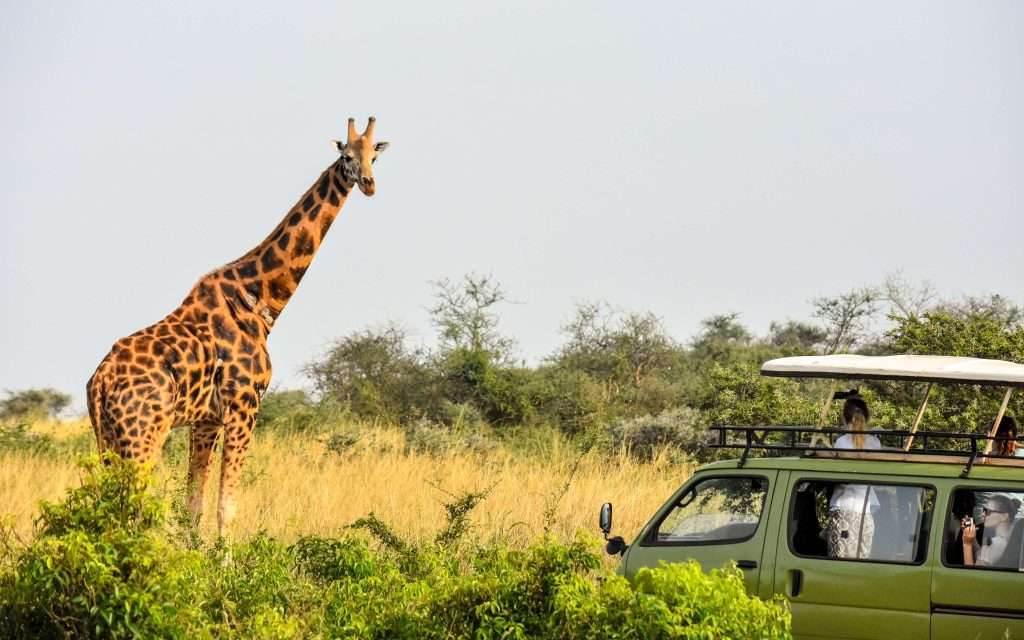
Minimum 3–4 days in the gorilla area (to allow for possible re-treks if weather or gorilla location is poor). Most visitors combine it with 7–14 day safaris including other parks (e.g., Queen Elizabeth, Serengeti, or Akagera).

Our Top Gorilla Trekking Trips in 2026