Chimpanzee Trekking in Uganda & Rwanda - The Ultimate Guide To The Primate Capital

Chimpanzee Trekking in East Africa

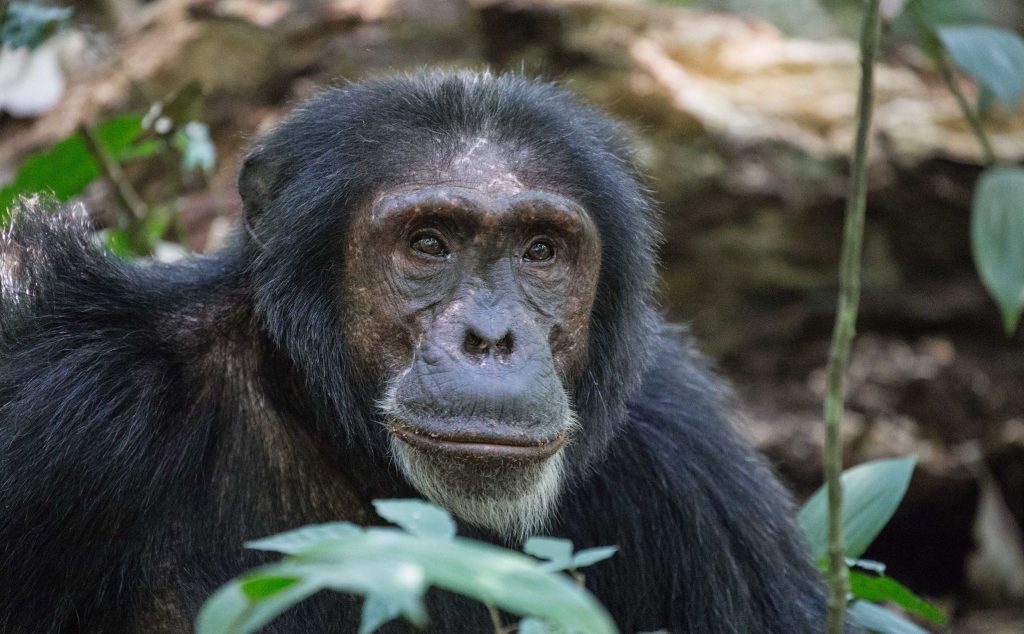
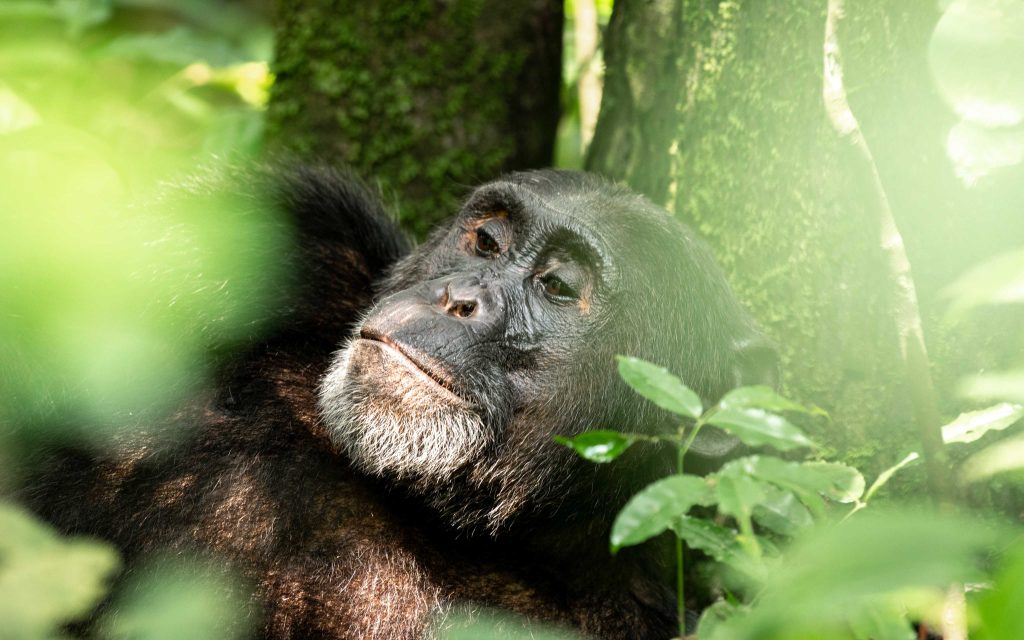
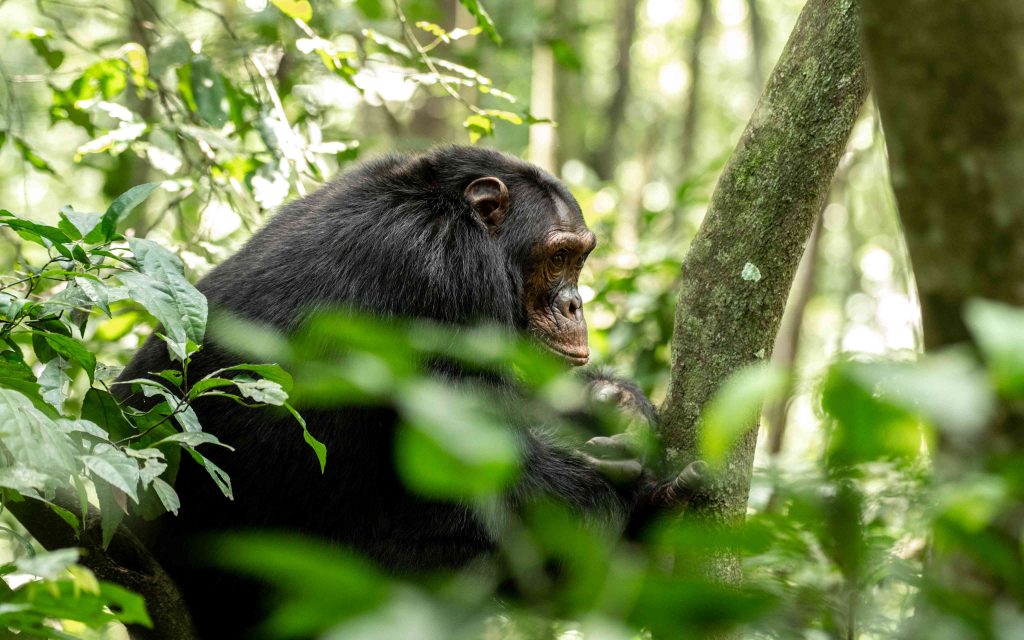
Uganda and Rwanda have become two of Africa’s most rewarding destinations for primate trekking adventures. While gorilla trekking often takes center stage, chimpanzee trekking offers a different kind of excitement—following fast-moving, vocal, and highly expressive primates through dense tropical forests. Sharing over 98% of our DNA, chimpanzees provide a fascinating glimpse into human evolution, making every encounter feel deeply personal and unforgettable.

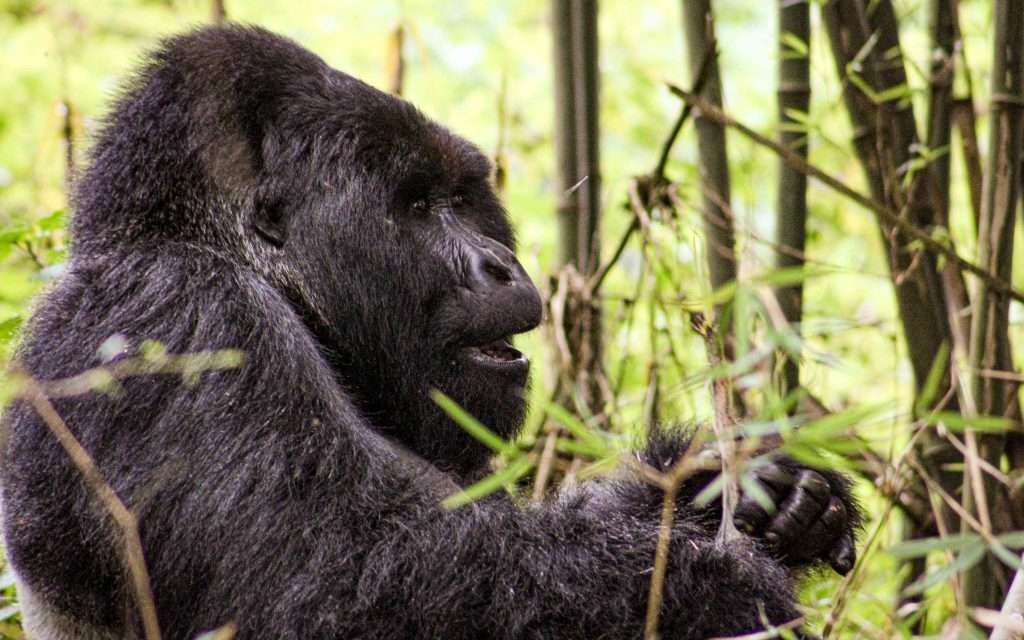
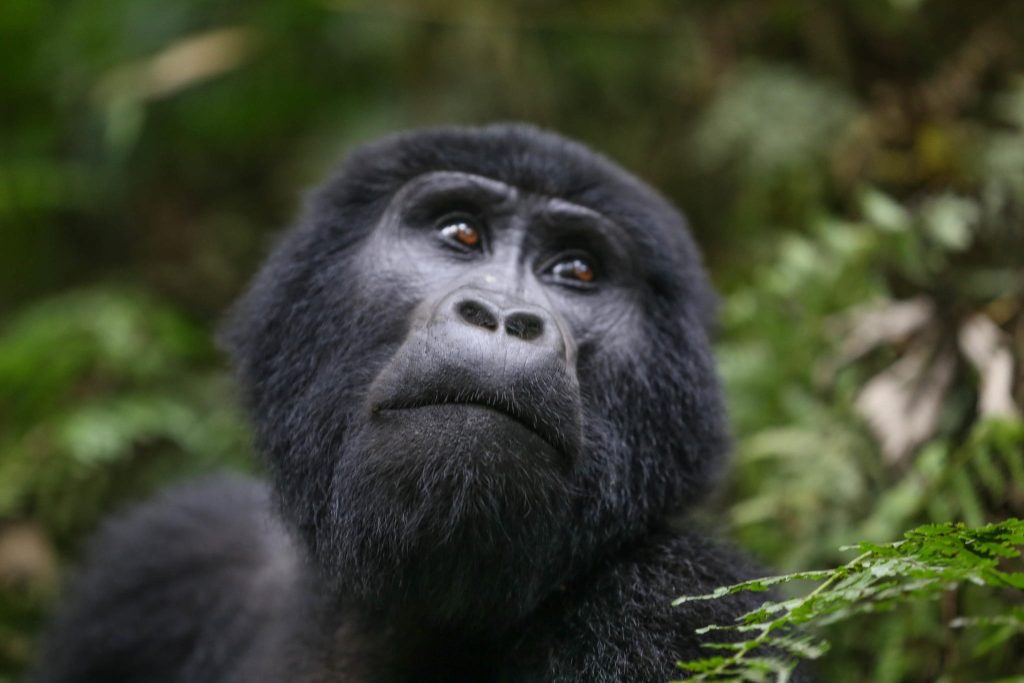
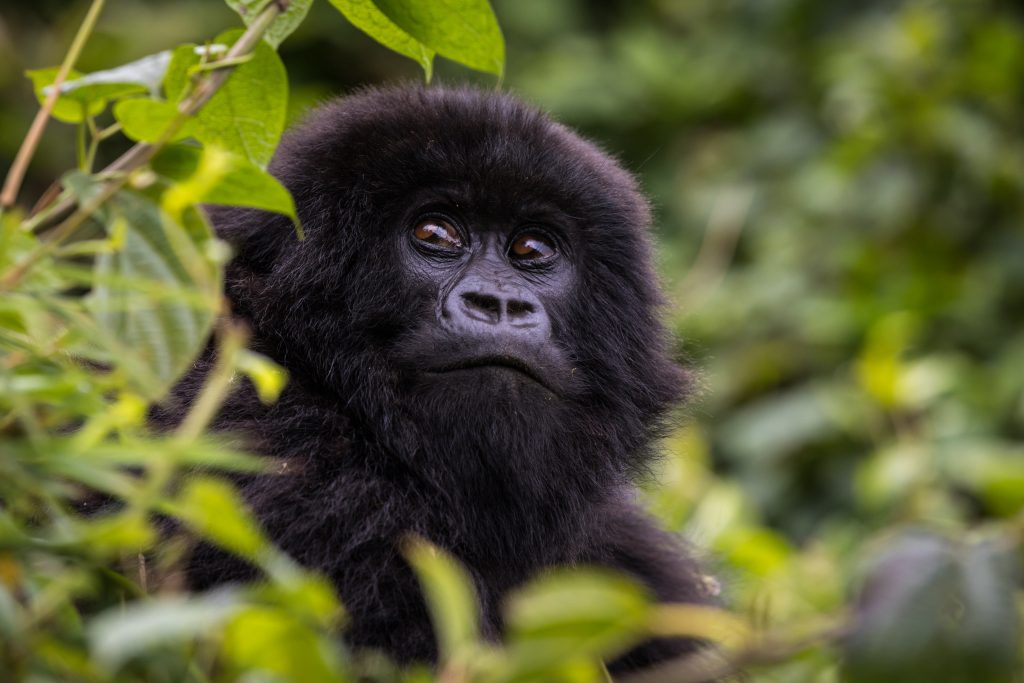
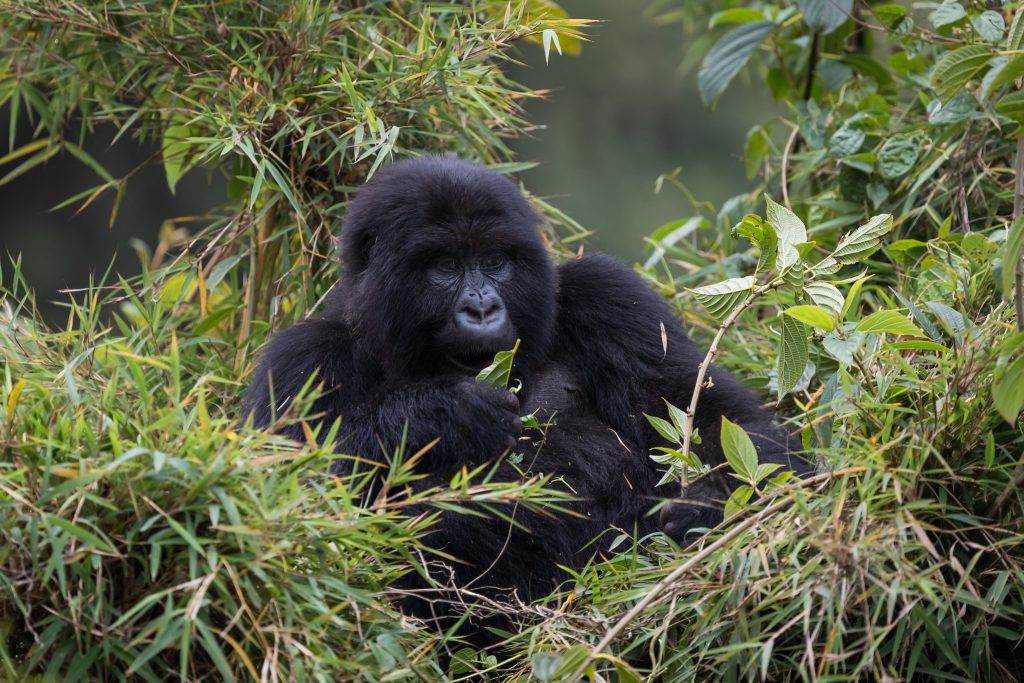
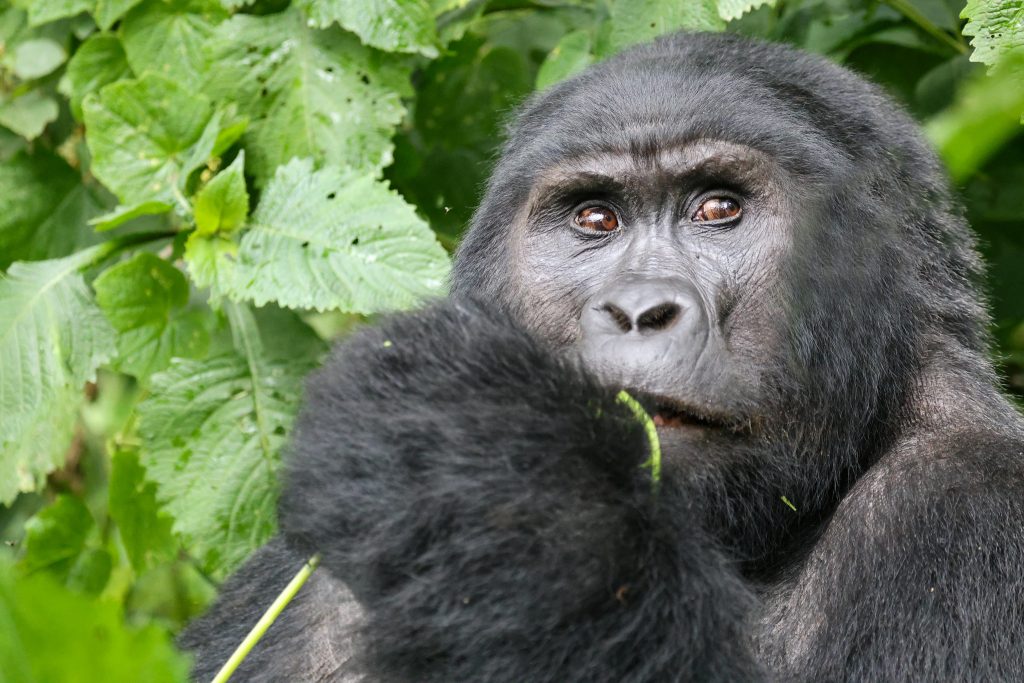
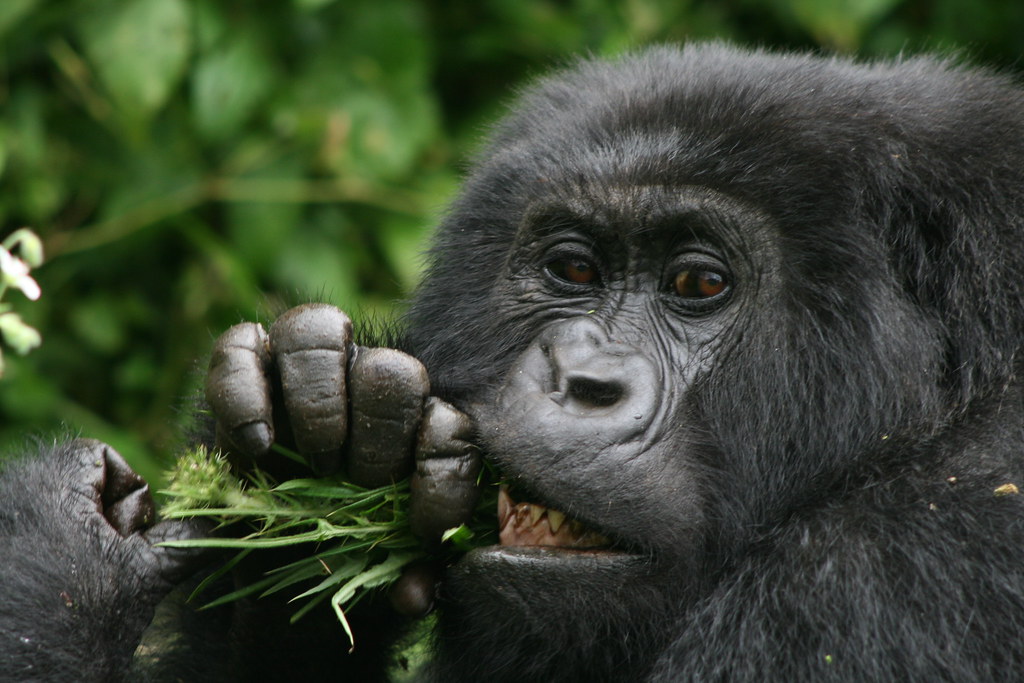
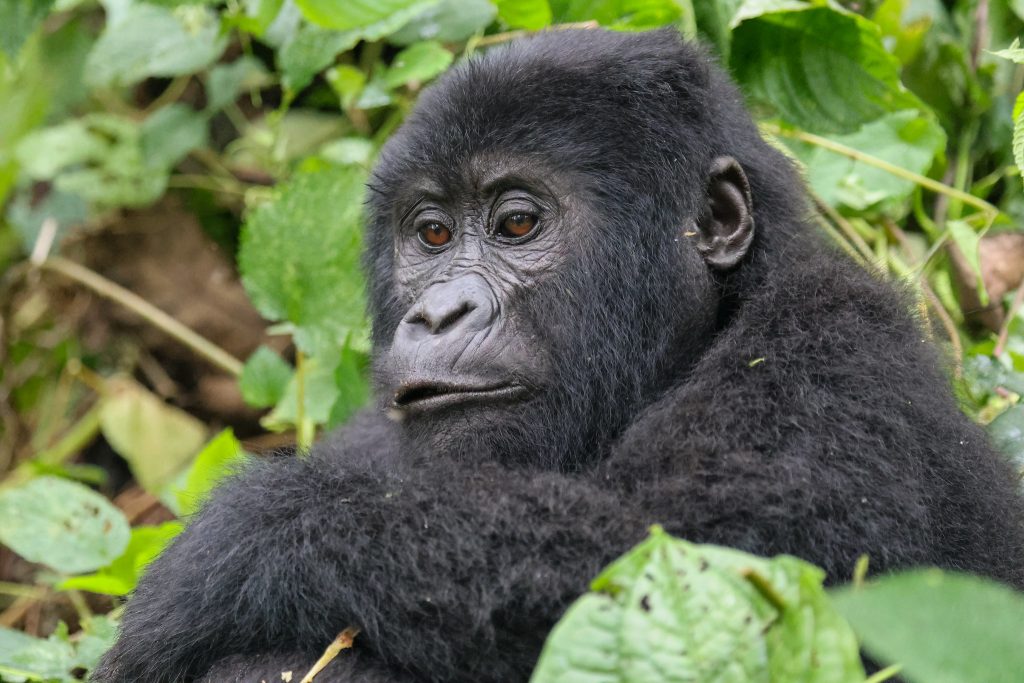
From Uganda’s Kibale Forest and Kyambura Gorge to Rwanda’s Nyungwe Forest National Park, travelers can experience incredible chimpanzee trekking alongside world-famous mountain gorilla encounters in Bwindi Impenetrable Forest and Volcanoes National Park. Together, Uganda and Rwanda offer some of the most immersive wildlife experiences in East Africa, combining adventure, conservation, and close connections with nature.

Frequently Asked Questions About Chimpanzee Trekking in East Africa

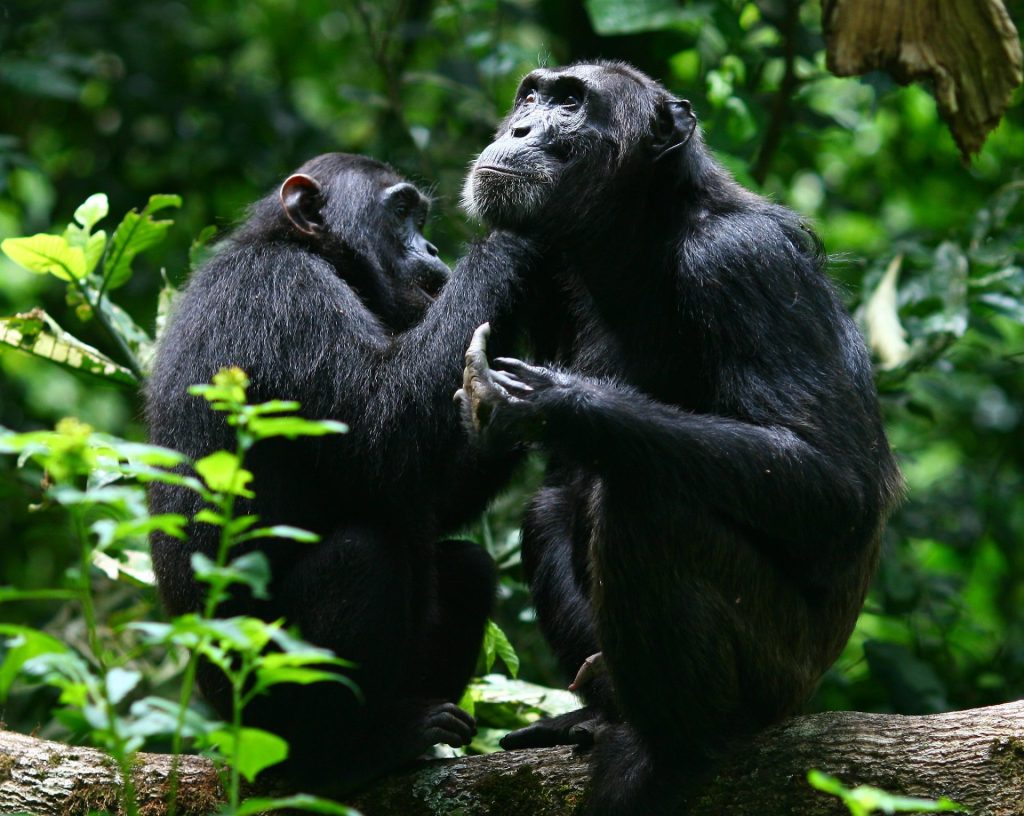
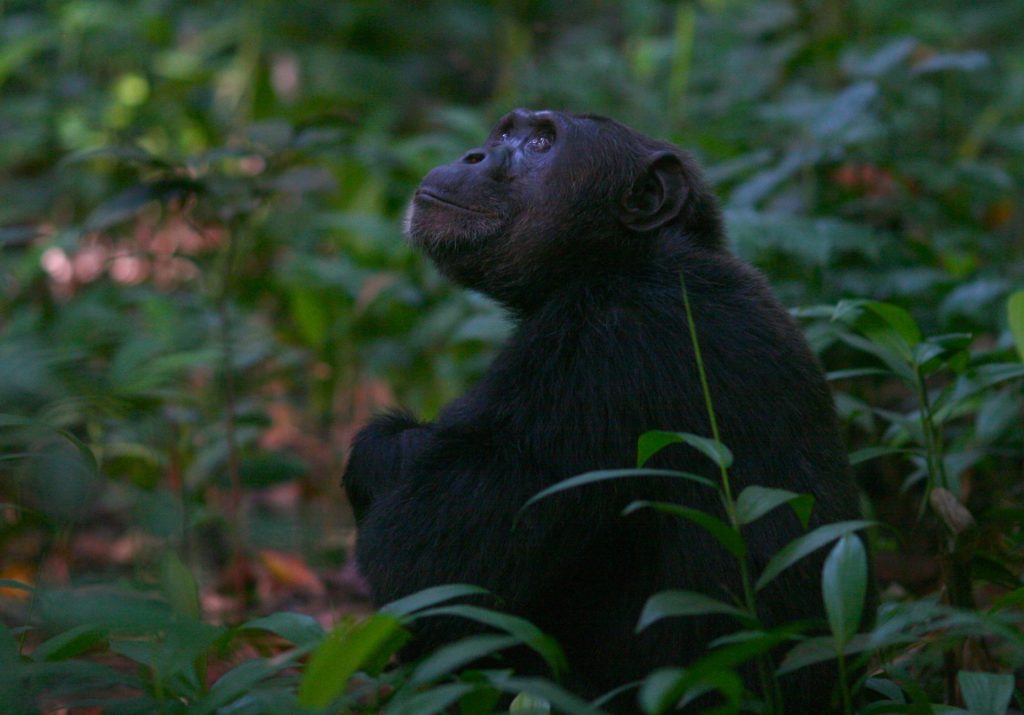
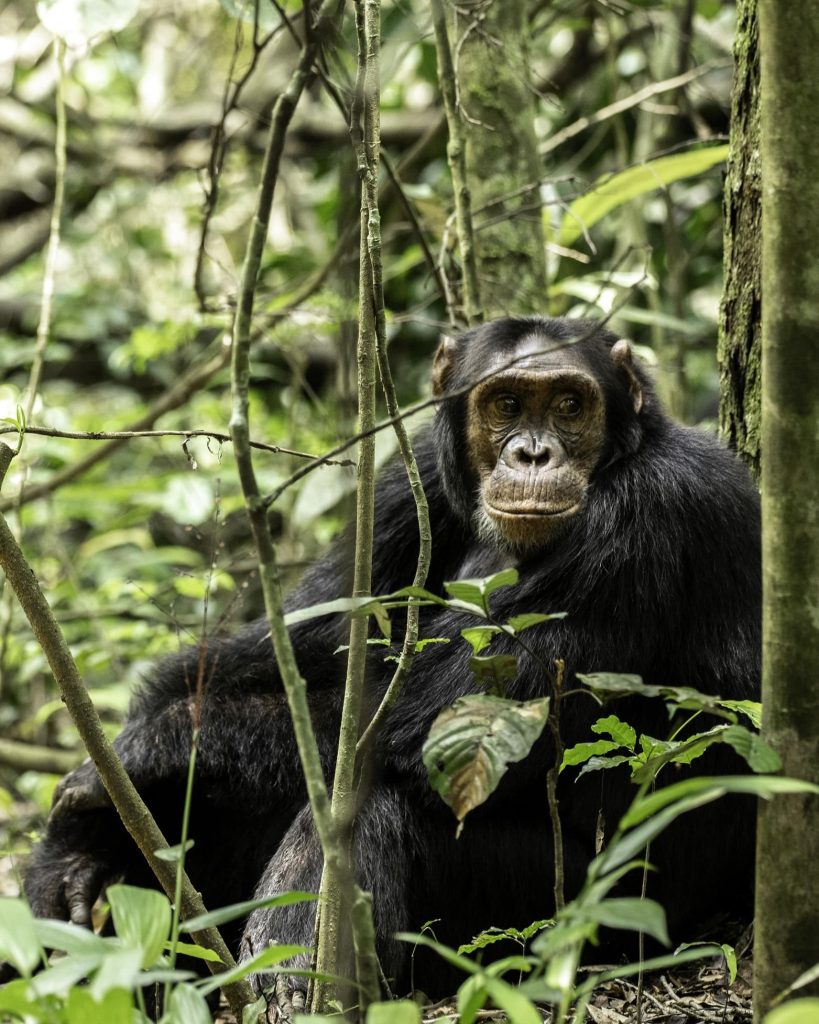
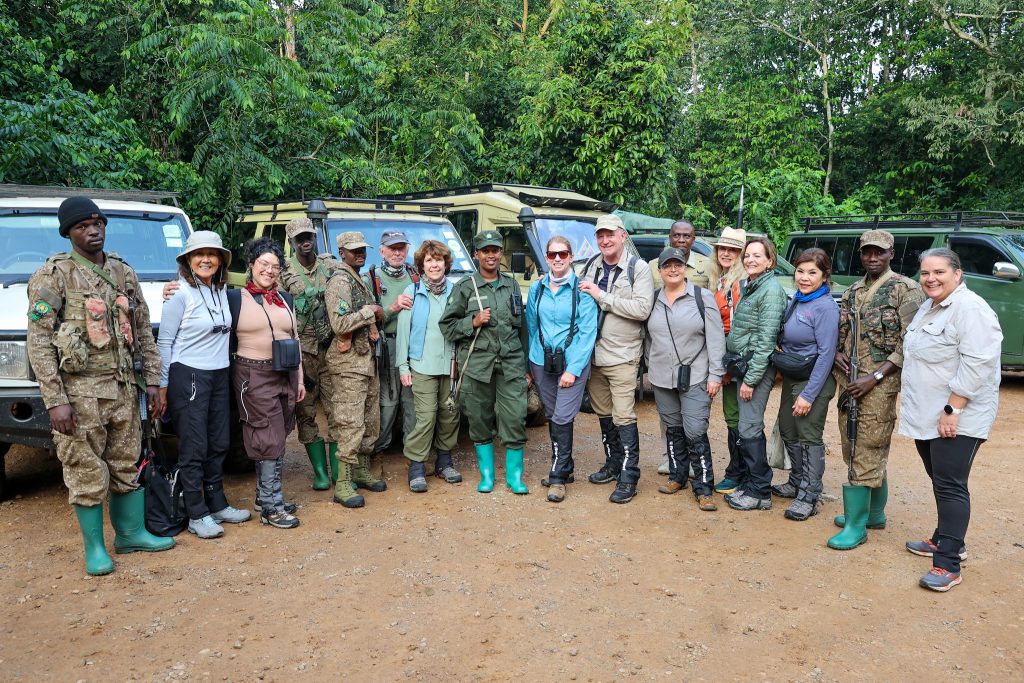
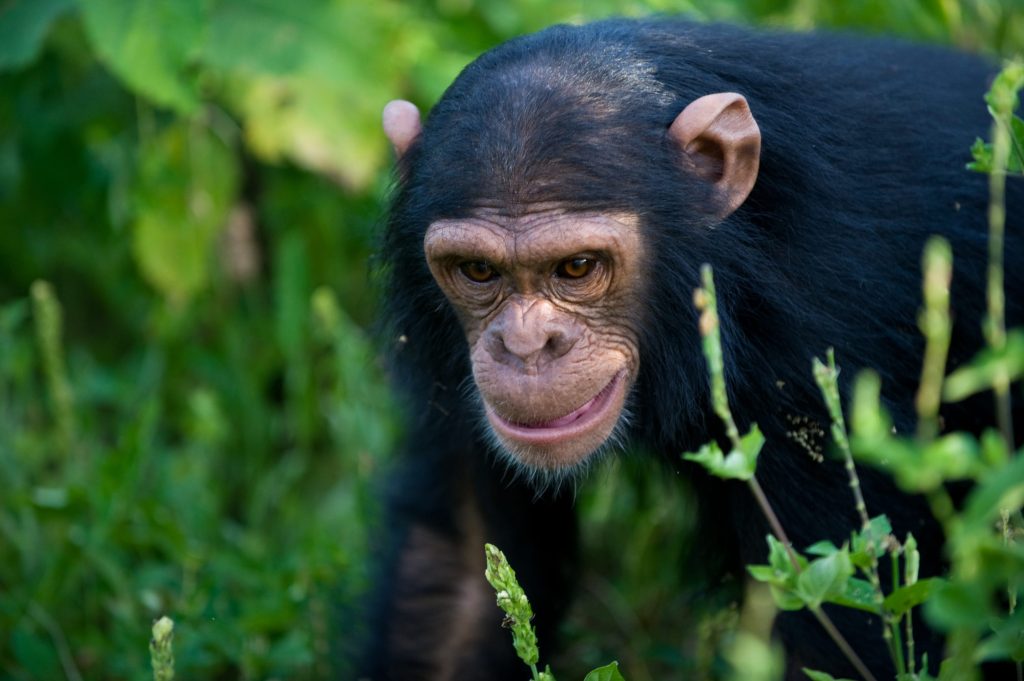
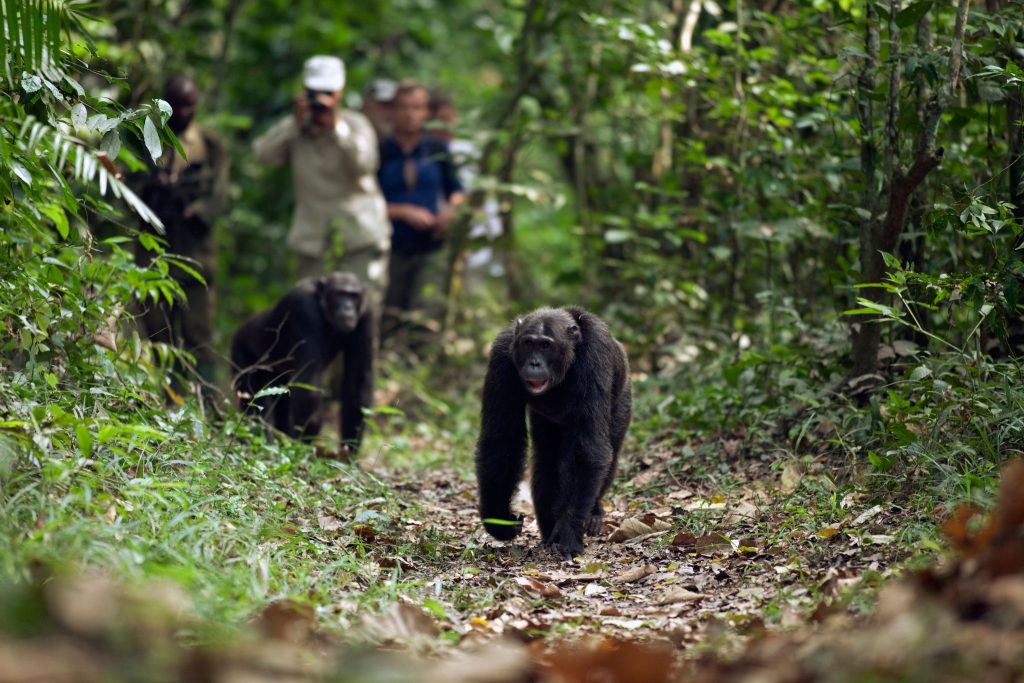
Chimpanzee trekking (also called chimp tracking) involves hiking through forests with experienced guides to locate and observe habituated groups of chimpanzees in their natural habitat. Visitors typically spend about one hour with the chimps once found. Chimps are highly active, intelligent, and vocal—often displaying tool use, hunting, and social behaviors—making the experience dynamic and fascinating.

The best destinations are:

  • Uganda: Kibale National Park (highest chimp density and most popular), Budongo Forest (Murchison Falls area), Kyambura Gorge (Queen Elizabeth NP), and others like Kalinzu.
  • Rwanda: Nyungwe Forest National Park (and Cyamudongo sector).
  • Tanzania: Gombe Stream National Park (famous for Jane Goodall’s research) and Mahale Mountains National Park (remote and scenic on Lake Tanganyika).

Uganda offers the most accessible and reliable options

  • Kibale: Highest success rate, large groups, excellent for first-timers, many other primates.
  • Nyungwe: Stunning montane forest, great biodiversity, good infrastructure.
  • Tanzania (Gombe/Mahale): More remote and adventurous; boat access, lakeside setting, historical significance.

Dry seasons are preferred:

  • June to September/October (main dry season).
  • December to February (short dry period).

Trails are less muddy, and hiking is easier. Rainy seasons (March–May and October–November) bring greener landscapes and potentially more active chimps but slippery conditions. Trekking is possible year-round.

Current Permit Prices (per person, approximate 2025–2026):

  • Uganda (Kibale): US$250 (standard trekking); US$300 (habituation experience – longer time with chimps).
  • Uganda (other sites): Budongo ~US$130; Kyambura Gorge ~US$100.
  • Rwanda (Nyungwe): US$150 (plus park entrance fee ~US$100).
  • Tanzania: Gombe ~US$100; Mahale ~US$150.

Total trip costs (including permits, lodging, meals, and transport) often range from $1,500–$5,000+ per person depending on duration and comfort level. Permits are much more affordable than gorilla trekking
  • Morning or afternoon departures with a briefing.
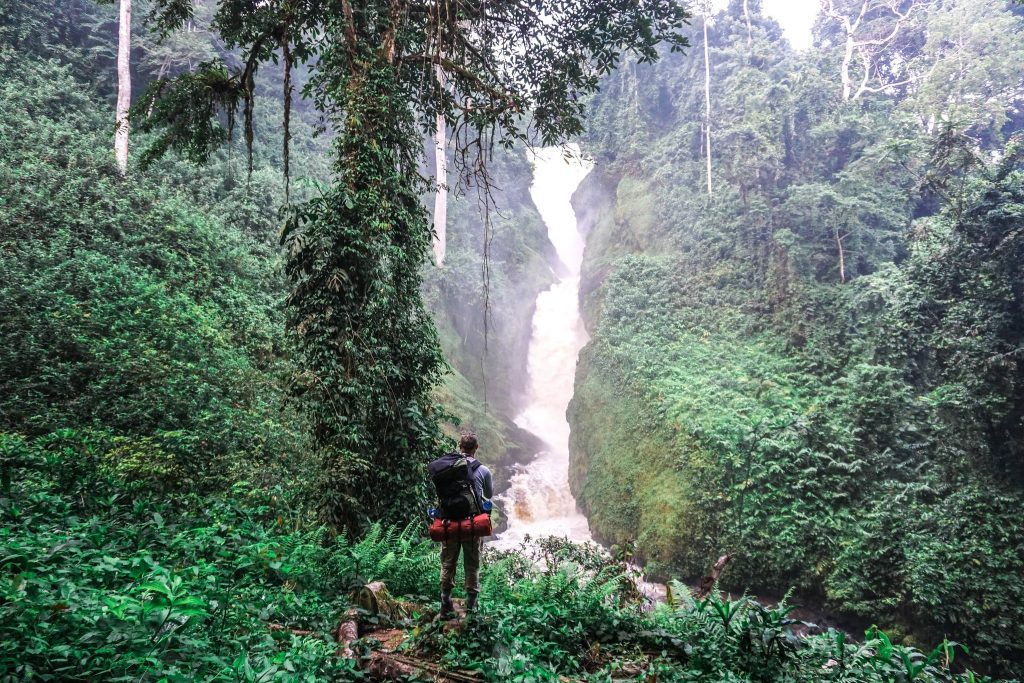
  • Hiking through rainforest while listening for chimp calls.
  • One hour of observation time (longer on habituation experiences).
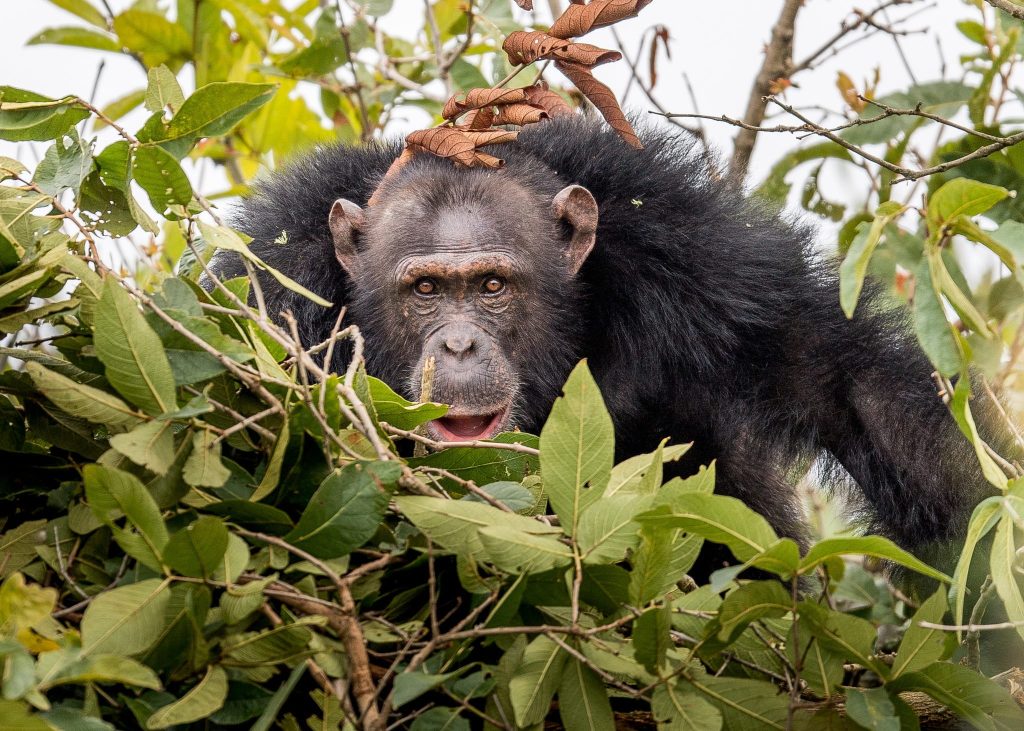
  • Highly energetic animals that vocalize, brachiate (swing through trees), and interact socially.
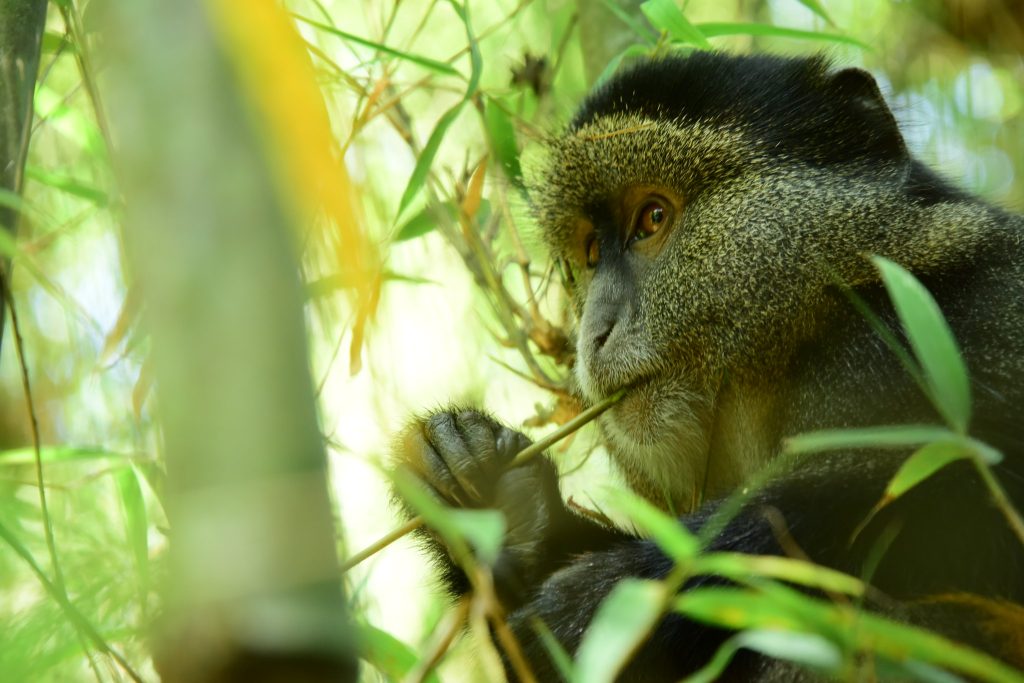
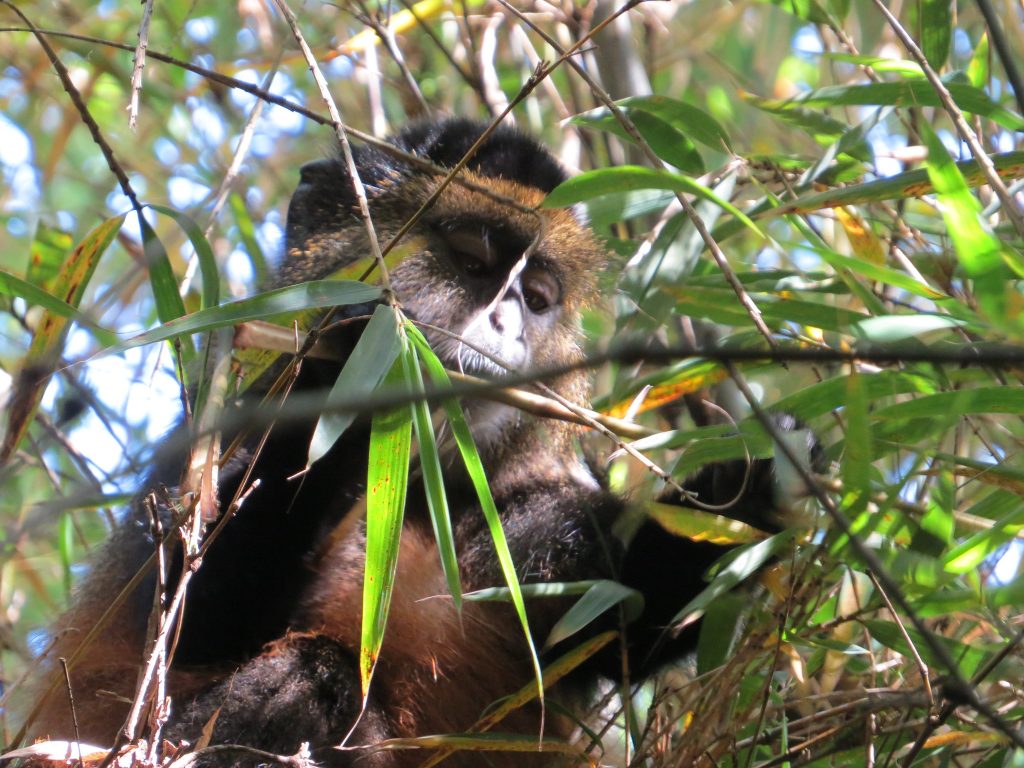
  • Possible sightings of other primates (e.g., monkeys in Kibale).

Success rates are generally high, especially in Kibale.

Permits are issued by the respective wildlife authorities (UWA in Uganda, RDB in Rwanda, TANAPA in Tanzania) and are limited daily. Book through reputable tour operators who handle reservations, as direct bookings can be complex. Book several months in advance for popular spots like Kibale during peak season.

In Motion Gorilla Safaris is ready to assist you in booking a chimpanzee trekking permit.

The minimum age for chimpanzee trekking is usually 12 years, though this may vary slightly by destination.

Wear long-sleeved shirts, long trousers, waterproof hiking boots, and carry a rain jacket, insect repellent, and drinking water. Neutral-colored clothing is recommended.

Chimpanzee trekking is moderately challenging because it involves walking through forests, hills, and uneven terrain. However, it is manageable for most travelers with average fitness levels.

Chimpanzee trekking is available year-round, but the dry seasons—from June to September and December to February—offer easier hiking conditions.

Yes. Photography is allowed, but flash photography is prohibited to avoid disturbing the chimpanzees.

Chimpanzees are wild animals, but trekking is conducted under strict guidelines and with experienced guides to ensure visitor safety. Visitors must always follow ranger instructions.

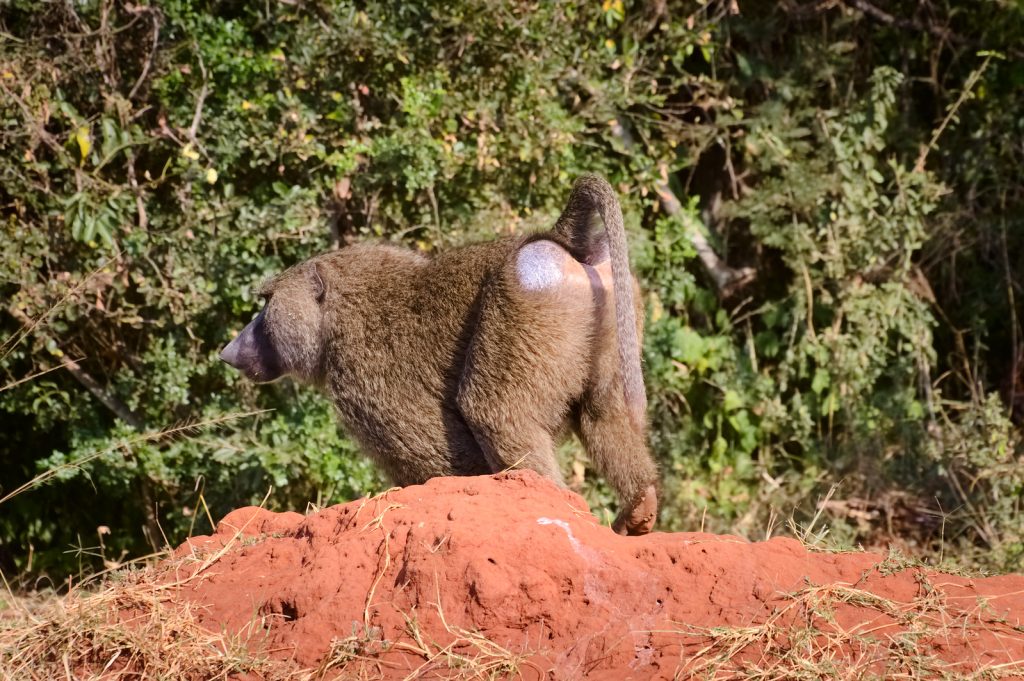
Besides chimpanzees, you may encounter monkeys, forest birds, butterflies, reptiles, and other wildlife species depending on the forest location.

Chimpanzee habituation is a longer experience where visitors spend extended time with researchers and chimpanzees as they become accustomed to human presence.

Yes. Many travelers combine chimpanzee trekking with gorilla trekking and wildlife safaris for a complete East African adventure.
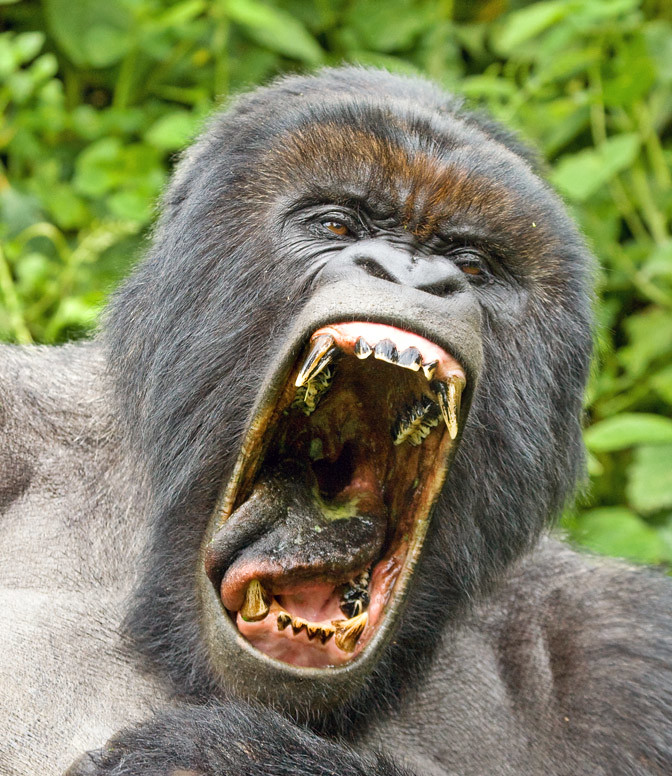
Permit revenue funds habitat protection, anti-poaching efforts, research, and community projects. Chimpanzee populations face threats from habitat loss and disease; tourism helps sustain conservation efforts across East Africa.