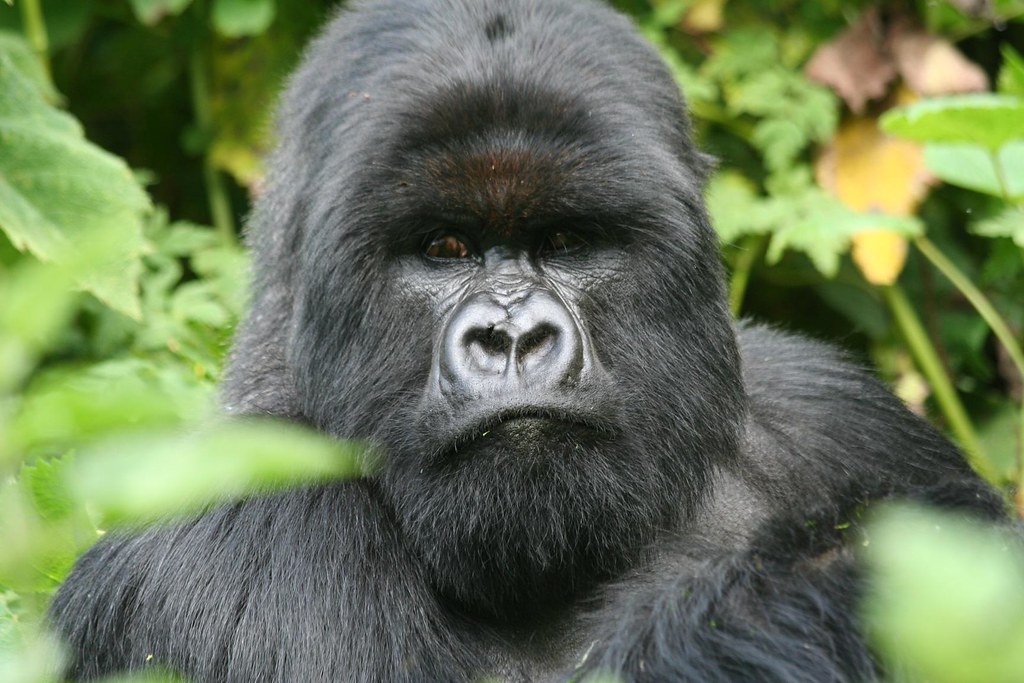
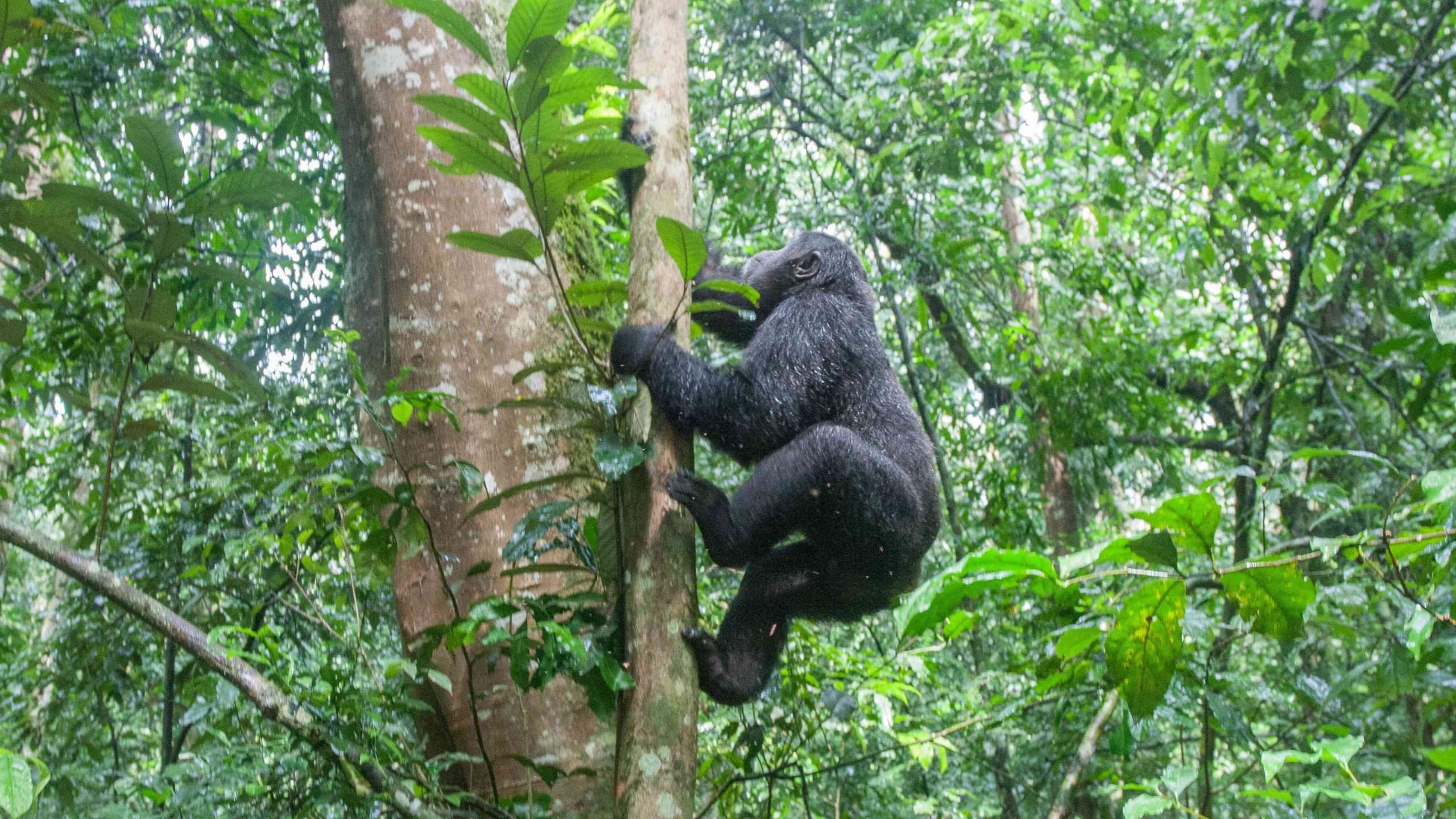
The booking process for gorilla permits in Rwanda’s Volcanoes National Park is straightforward, especially when handled by a reputable local tour company. From the moment a client confirms their preferred date for gorilla trekking, the local operator takes over, ensuring a seamless experience from availability checks to final permit delivery.
Only eight visitors are allowed per gorilla family each day, minimizing stress on the primates and increasing the exclusivity of the experience. Due to this limited access, it is highly recommended to book gorilla permits at least three months in advance.
How to Book Gorilla Permits
Gorilla permits are issued by the Rwandan Development Board (RDB) through licensed tour operators. Once availability is confirmed, visitors make the payment, and the tour company purchases the permit on their behalf. A scanned copy is then sent to the client as proof of purchase. This process ensures a smooth, stress-free booking experience.
Gorilla Permit Costs in Volcanoes National Park
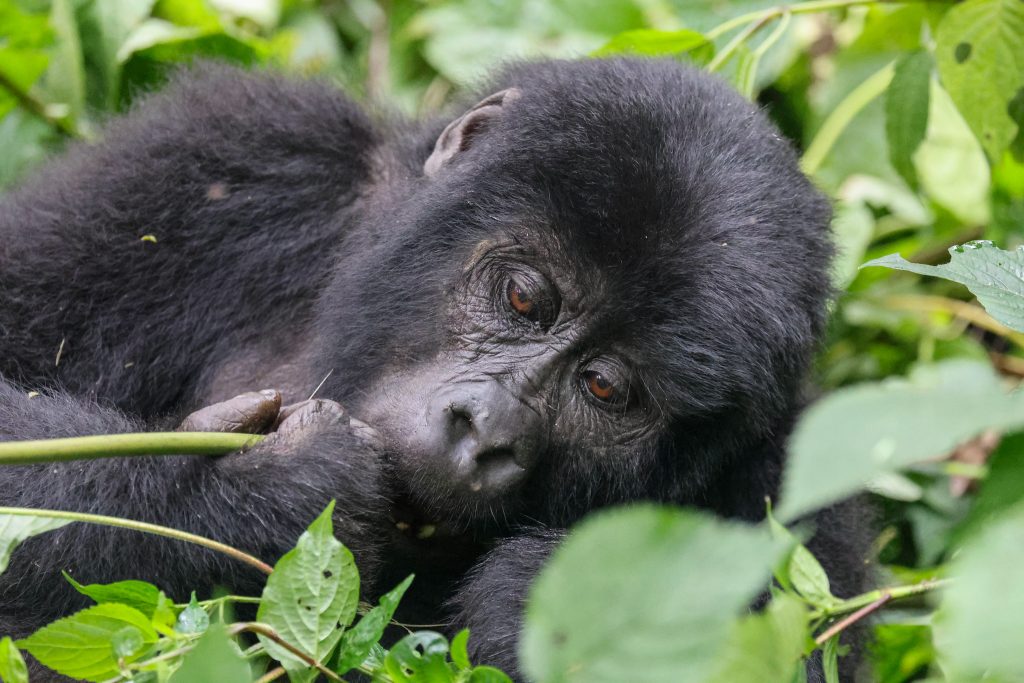
The cost of gorilla permits varies depending on the nationality of the visitor:
-
Foreign non-residents: USD 1,500 per permit
-
Foreign residents: USD 500 per permit
-
East African residents: USD 200 per permit
The funds from these permits are essential for park maintenance and gorilla conservation programs, directly supporting anti-poaching initiatives, habitat protection, and park management.
Volcanoes National Park: A Historic Gorilla Haven
The Gorilla Trekking Experience
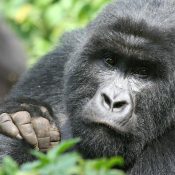
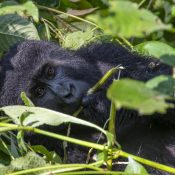
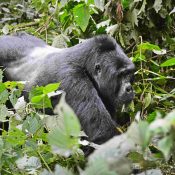
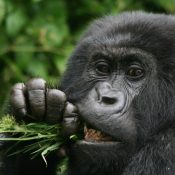
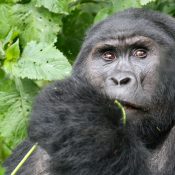
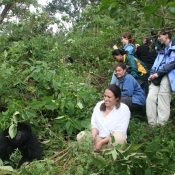
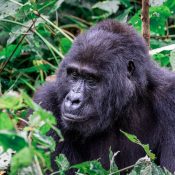
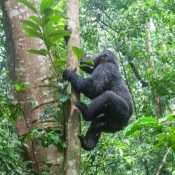
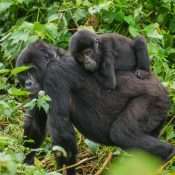
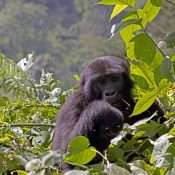
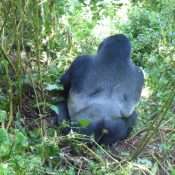
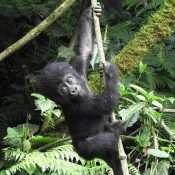
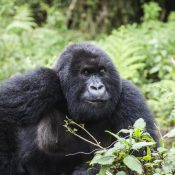
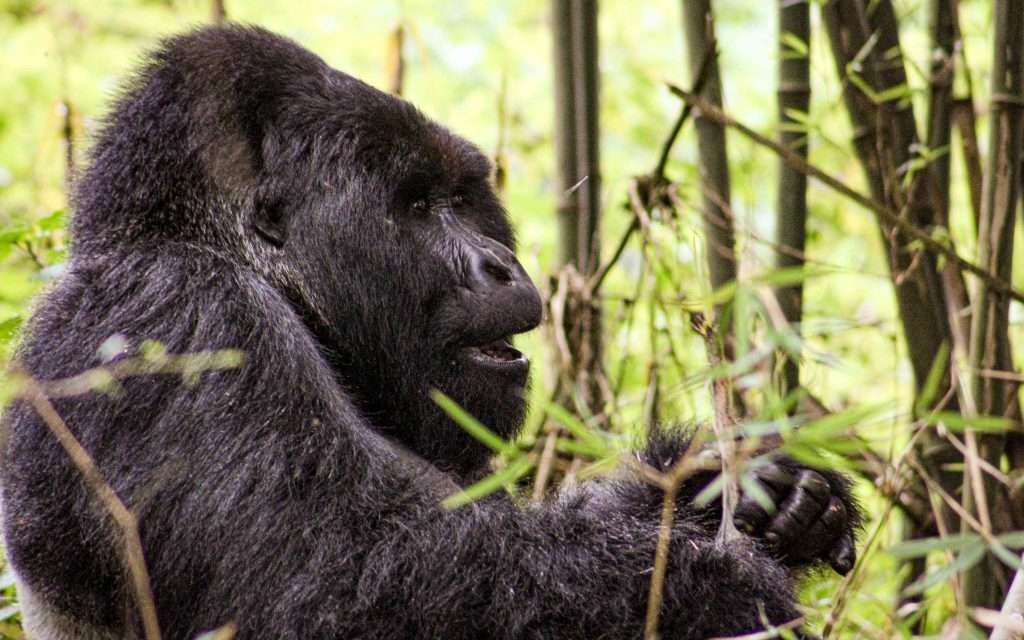
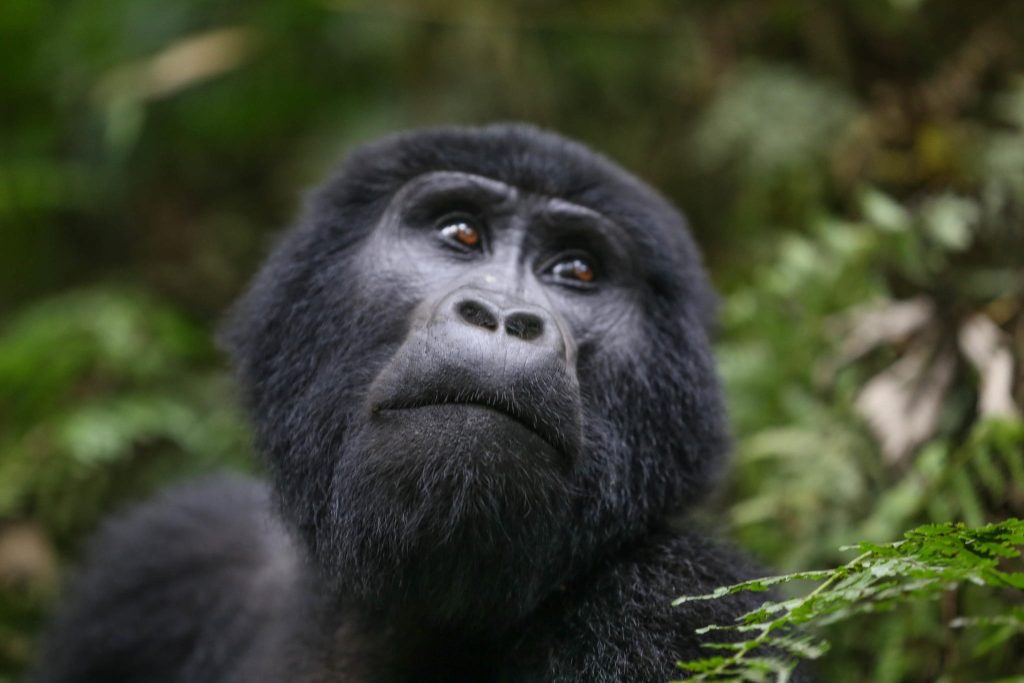
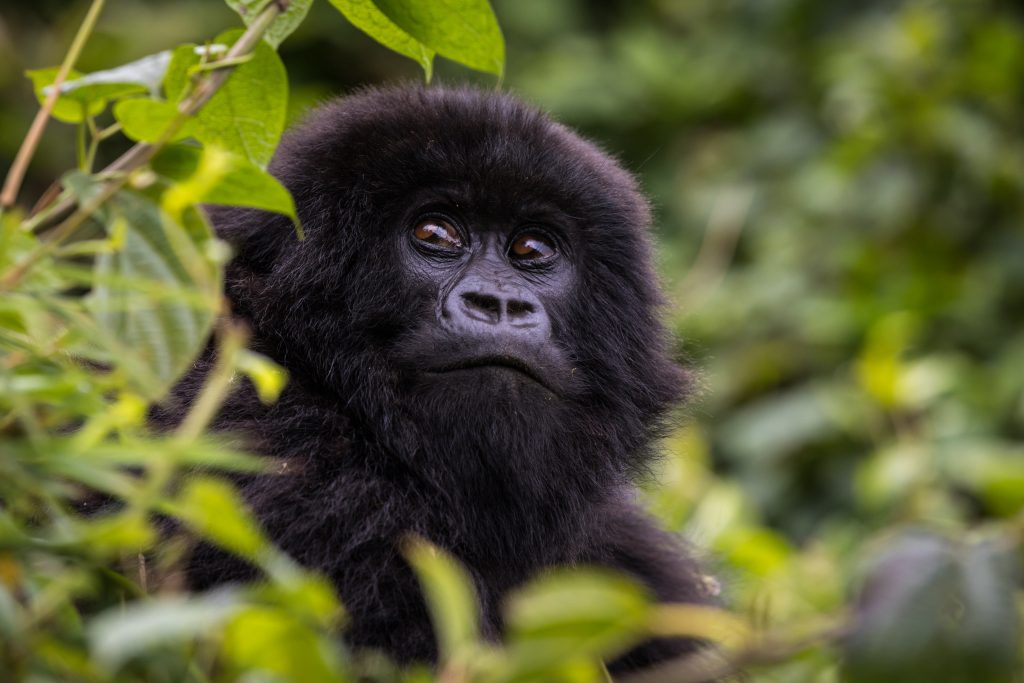
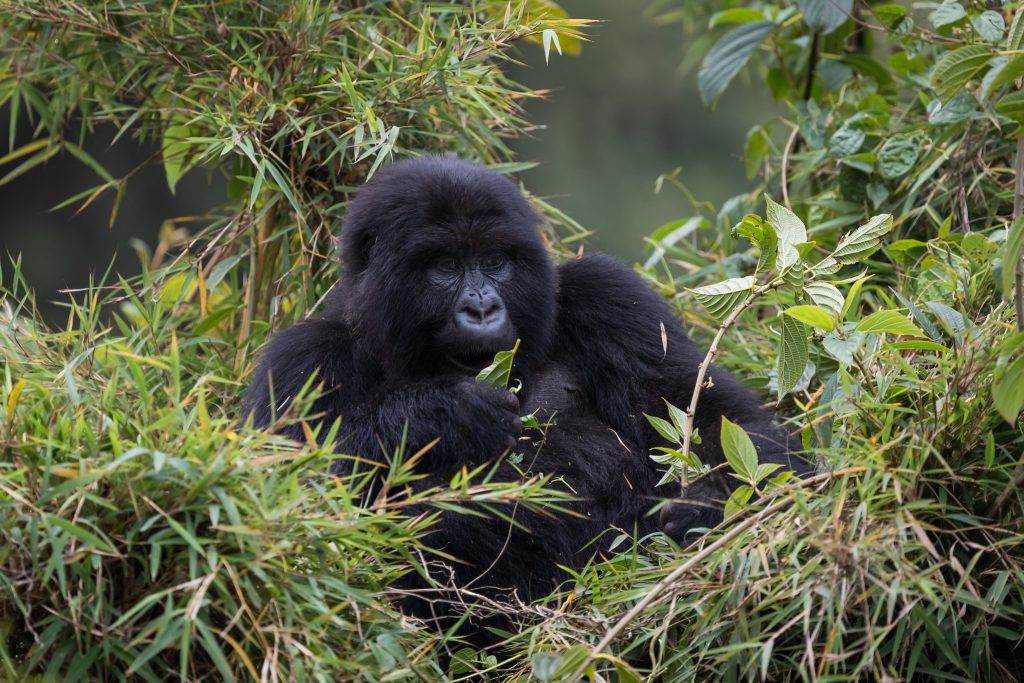
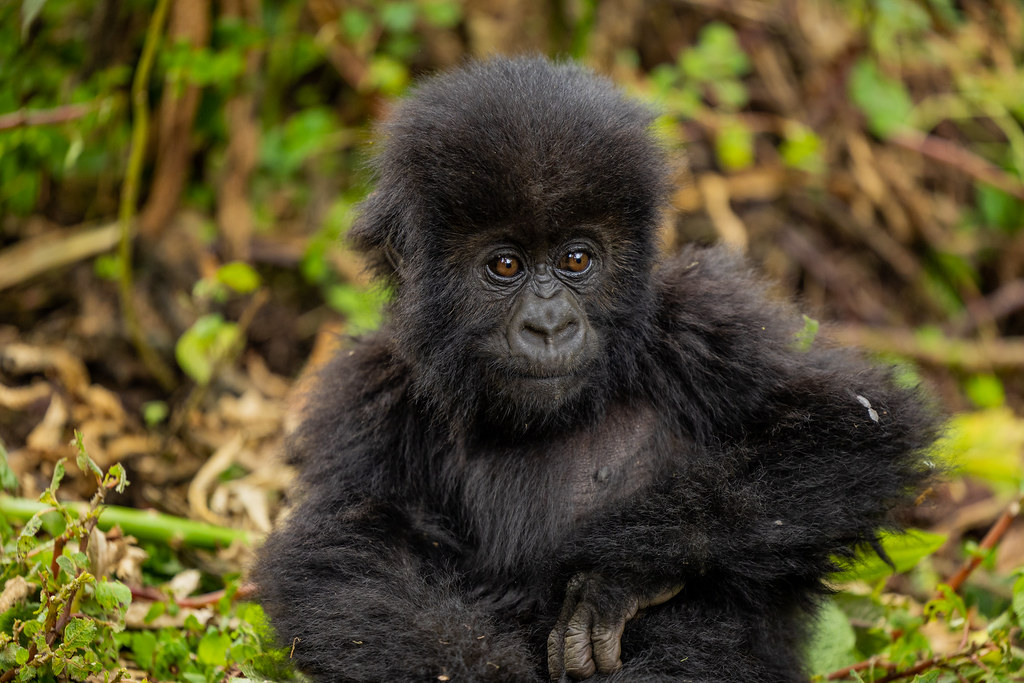
Once a permit is secured, visitors embark on the unforgettable adventure of gorilla trekking. This involves encountering mountain gorillas in their natural habitat for one hour under the guidance of experienced rangers. Trekking occurs on foot through the dense forest and rugged terrain, making it a physically engaging and rewarding activity.
Before entering the forest, all trekkers receive a pre-trekking briefing covering rules, regulations, and proper behavior around the gorillas. Groups of eight are assigned to a specific gorilla family among the 13 habituated families in the park. Guided by rangers, visitors follow gorilla footprints through the lush greenery until the majestic primates appear.
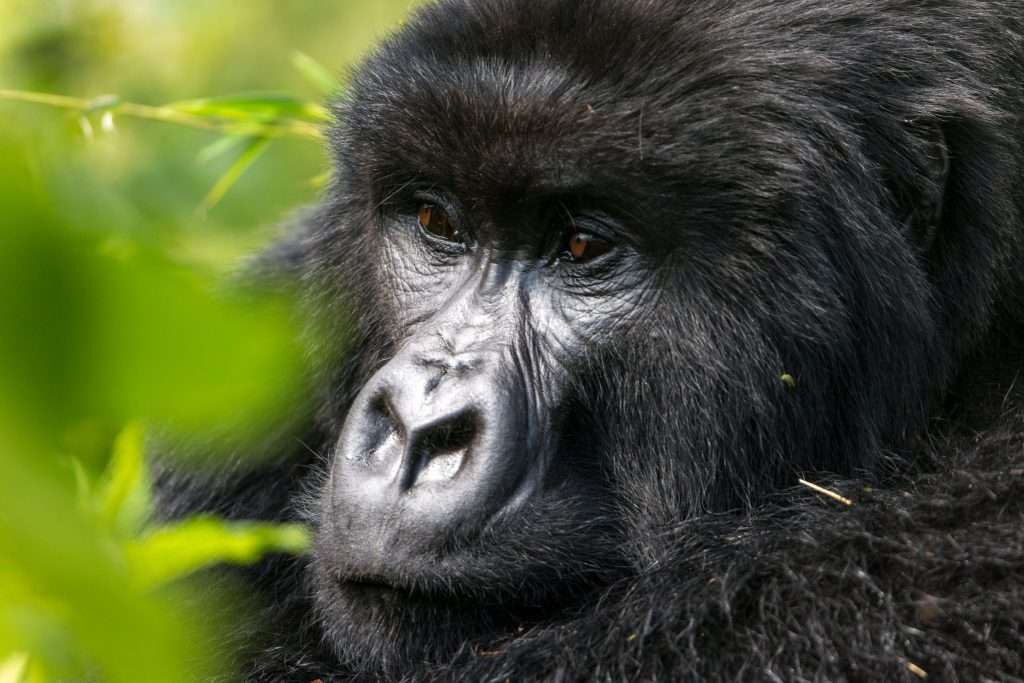
Volcanoes National Park: A Historic Gorilla Haven
Located in Rwanda’s Musanze District, Volcanoes National Park is one of Africa’s oldest national parks, established in 1925. It forms part of the Virunga Conservation Area, the last known habitat of mountain gorillas in the world. This conservation corridor stretches from Virunga National Park in Congo to Rwanda’s Volcanoes National Park and Uganda’s Bwindi and Mgahinga National Parks.
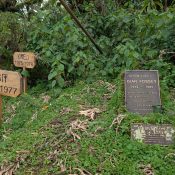
The park gained international recognition thanks to Dian Fossey, a pioneering primatologist who dedicated her life to gorilla conservation. Her Karisimbi Research Center still stands as a testament to her work and commitment to protecting these endangered primates.
Best Time for Gorilla Trekking in Rwanda
The optimal season for gorilla trekking in Volcanoes National Park is the dry season, which runs from June to September and December to February. During this period, trails are easier to navigate, vegetation is less dense, and visibility is ideal.
Trekking is also possible during the wet season (March to May, October to November). While heavier rainfall makes the trails slippery and more challenging, the primates’ reduced movement can make them easier to locate, offering a unique and adventurous experience for trekkers.
What to Pack for Gorilla Trekking in Rwanda
Gorilla trekking in Rwanda is not just a hike it’s a journey into a mist-covered, magical world where endangered mountain gorillas roam freely. The trek takes you through steep slopes, muddy trails, and dense forests, often under unpredictable weather conditions. Packing the right gear allows you to fully immerse yourself in this once-in-a-lifetime wildlife adventure, ensuring comfort, safety, and unforgettable memories.
Clothing for Comfort and Protection
The high-altitude forests of Volcanoes National Park can shift quickly from sunshine to drizzle. Long-sleeved shirts and trousers are essential to protect against scratches, insect bites, and thorny vegetation. Lightweight, moisture-wicking fabrics help regulate body temperature, while neutral colors like green or brown blend with the environment. Waterproof jackets or ponchos are crucial, even during the dry season, and convertible pants provide adaptability for sudden temperature changes.
Footwear for Trekking
Sturdy, waterproof hiking boots with strong grip are indispensable. They protect ankles from twists, offer traction on slippery slopes, and keep feet dry. Break in your boots ahead of time to avoid blisters. Gaiters can be added to prevent mud, insects, and plant debris from entering your shoes. After trekking, lightweight sandals or sneakers provide comfort back at the lodge.
Accessories and Essentials
A compact daypack with a rain cover is ideal for carrying:
-
Water bottle or hydration pack – staying hydrated is critical on steep trails.
-
Energy snacks – nuts, dried fruit, or protein bars help maintain stamina.
-
Gloves – protect hands from rough branches and muddy terrain.
-
Hat or cap – a wide-brimmed hat shields from sun; a light beanie may be needed in the early morning chill.
-
Sunglasses – protect eyes when the sun breaks through the mist.
-
Walking stick – provided by lodges or park authorities, it helps balance on steep or slippery terrain.
Rain and Weather Protection
Volcanoes National Park is known for sudden showers. Lightweight rain jackets or ponchos, along with waterproof covers for your backpack and camera gear, keep you dry. Plastic or dry bags can separate wet items from dry ones during unpredictable weather.
Insect and Sun Protection
While the park has fewer mosquitoes than lowland forests, insects like ants and flies are common. DEET-based or natural insect repellents protect exposed skin. High-SPF sunscreen and lip balm prevent sunburn at elevations of 2,200–3,000 meters.
Photography and Observation Gear
Encounters often occur in misty, low-light conditions. Cameras with adjustable settings and a zoom lens (70–200mm) allow close-up shots without disturbing the gorillas. Carry extra batteries and memory cards, and use waterproof cases. Flash photography is prohibited to avoid startling gorillas. Optional binoculars enhance observation of other wildlife.
Health and Hygiene Supplies
A small first-aid kit with plasters, antiseptic wipes, pain relievers, and personal medication is essential. Biodegradable wet wipes and hand sanitizer help maintain hygiene. Pack toilet tissue for natural breaks, and wear face masks when near gorillas to prevent disease transmission.
Documents and Permits
Keep your passport, gorilla trekking permit, and park entry documents safe in a waterproof pouch. Travel insurance documents are recommended to ensure coverage for adventure activities in remote areas.
Rwanda Gorilla Tours
Plan Your Safari
Plan your Rwanda gorilla trek with our experts. Explore our Rwanda safaris or start planning.