Uganda is one of the few places in the world where travelers can witness mountain gorillas and chimpanzees in their natural habitat. From the misty slopes of the Virunga Mountains to the dense tropical forests of Kibale, these primates offer a once-in-a-lifetime wildlife encounter for nature enthusiasts, adventure seekers, and conservation-minded travelers.
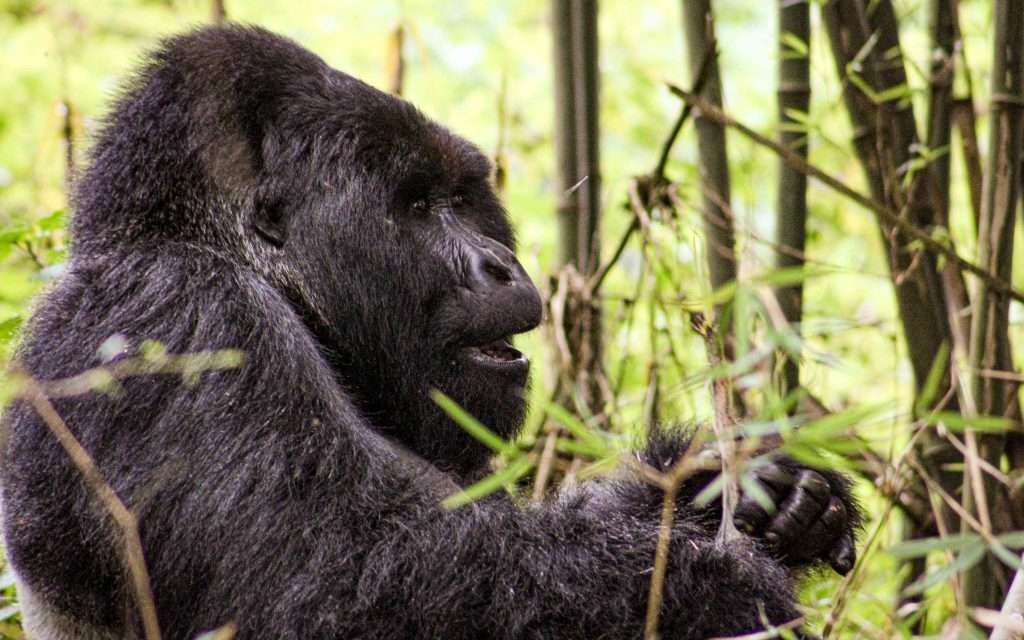
Mountain Gorillas: Gentle Giants of the Virunga Massif
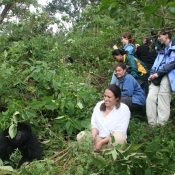
Mountain Gorilla Trekking in Uganda
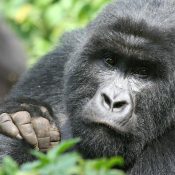
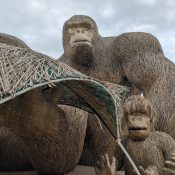
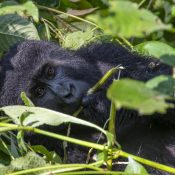
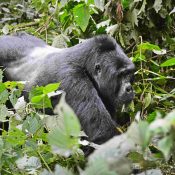
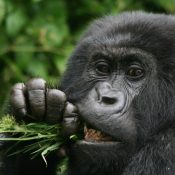
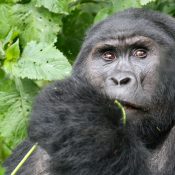
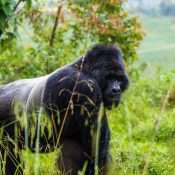
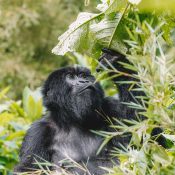
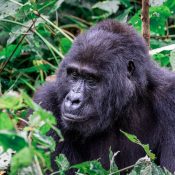
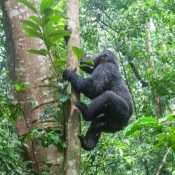
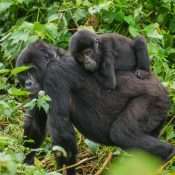
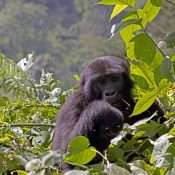
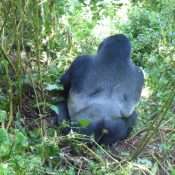
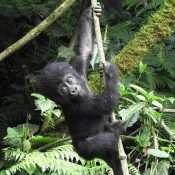
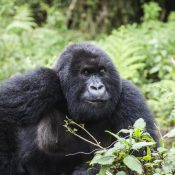
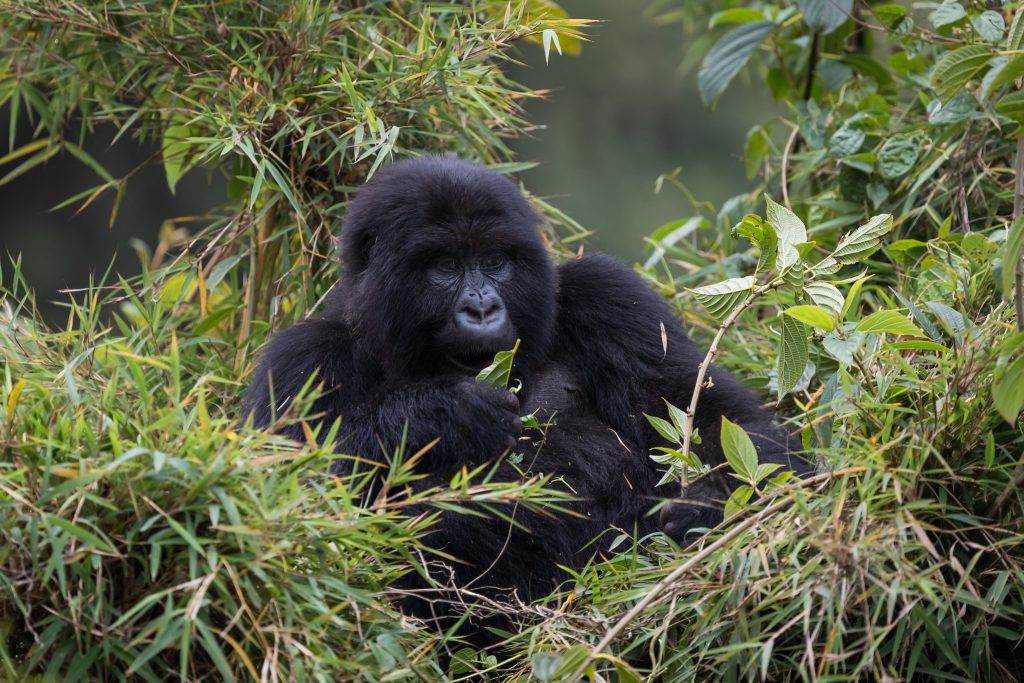
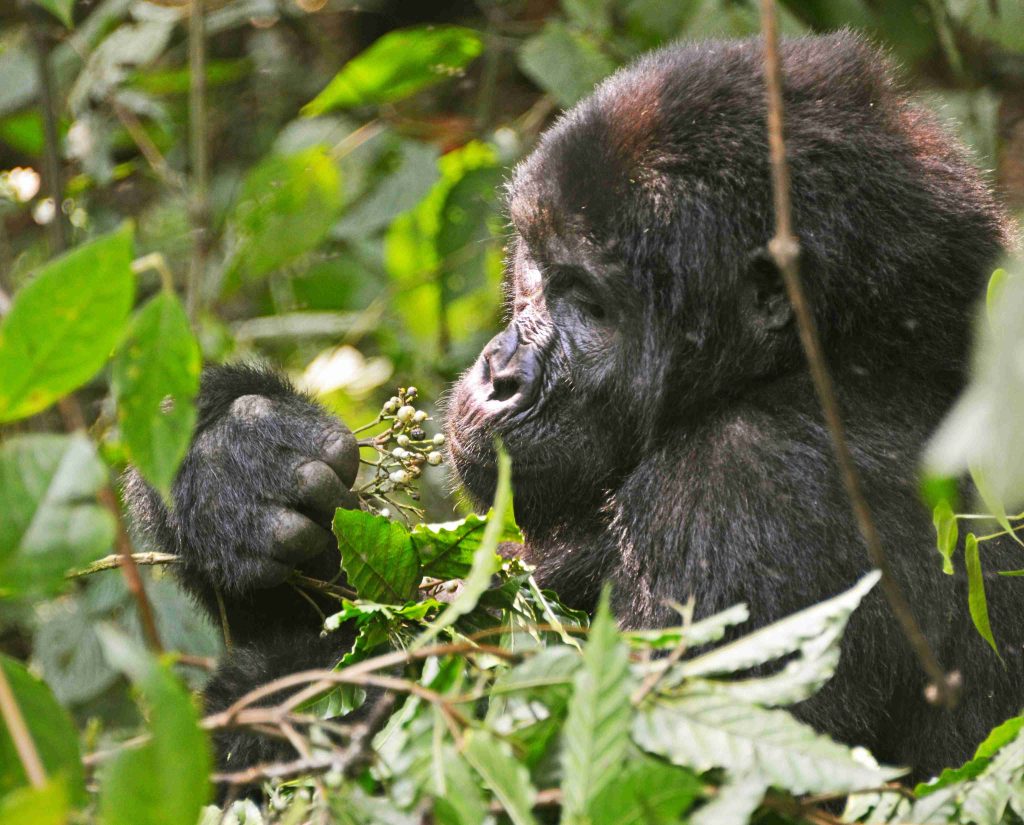
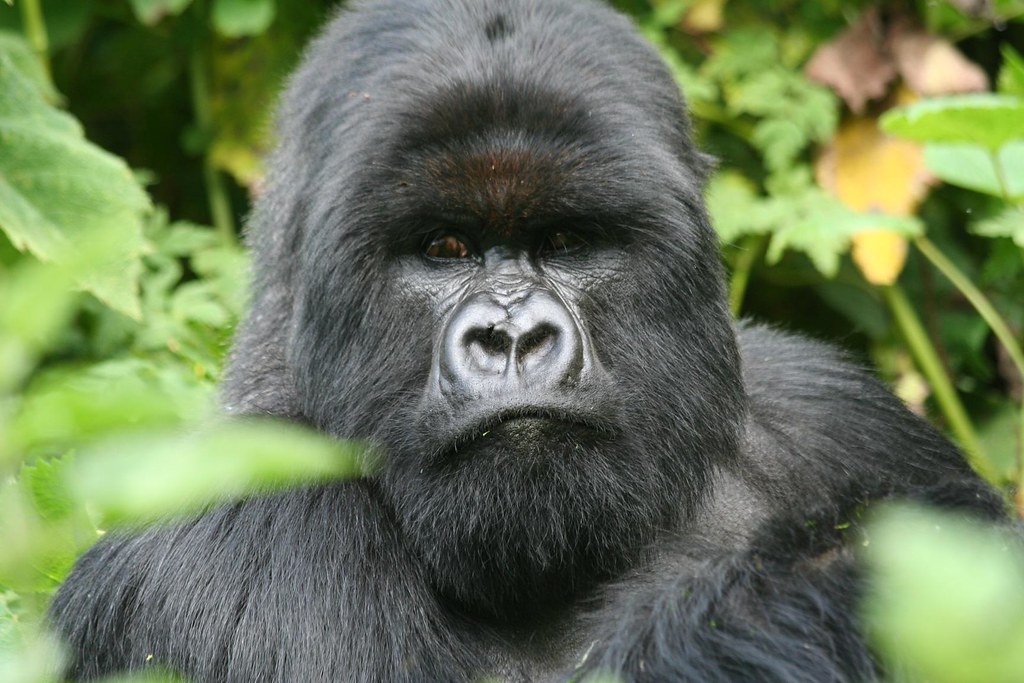
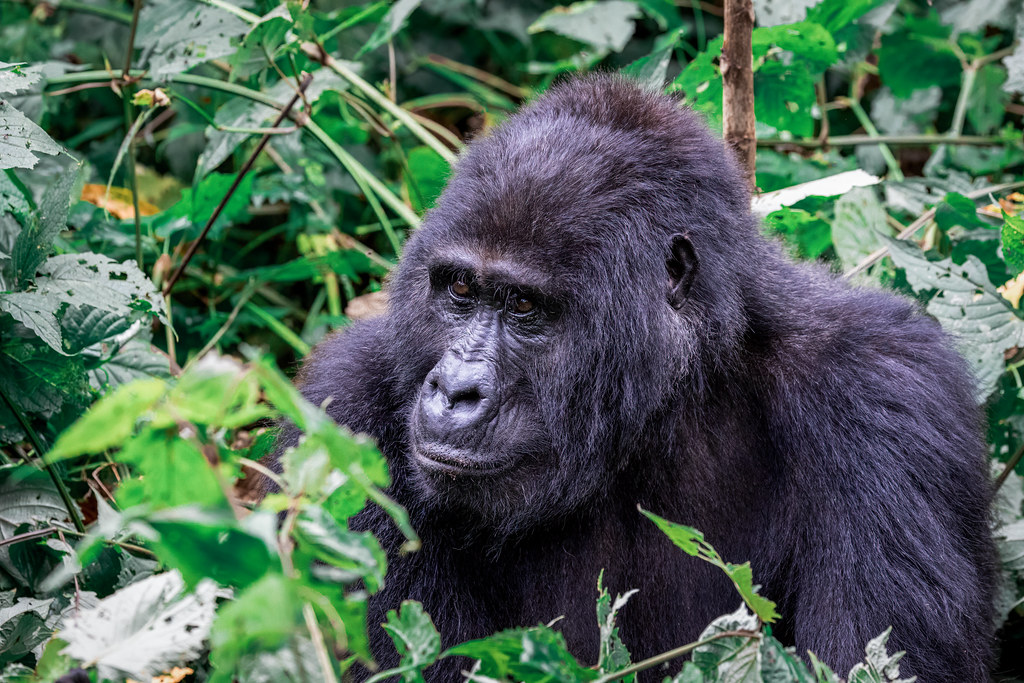
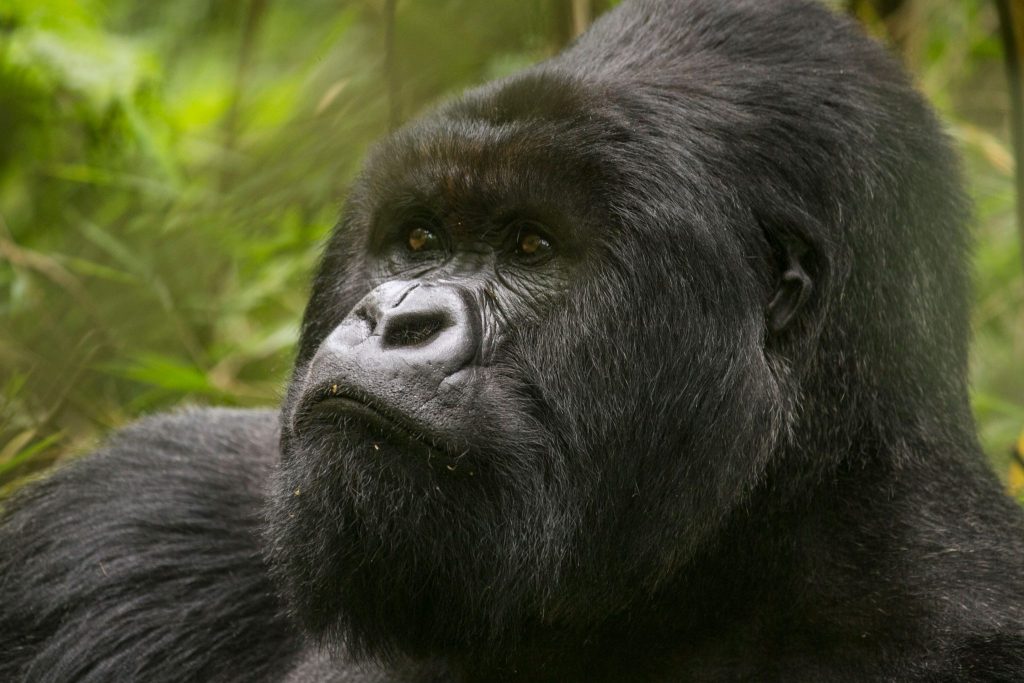
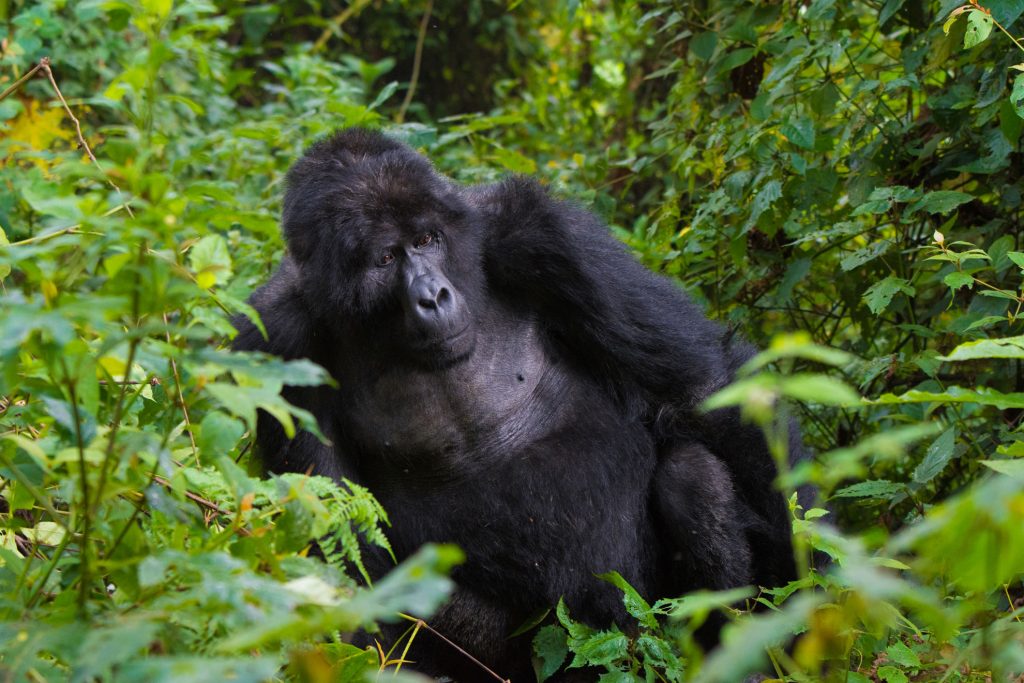
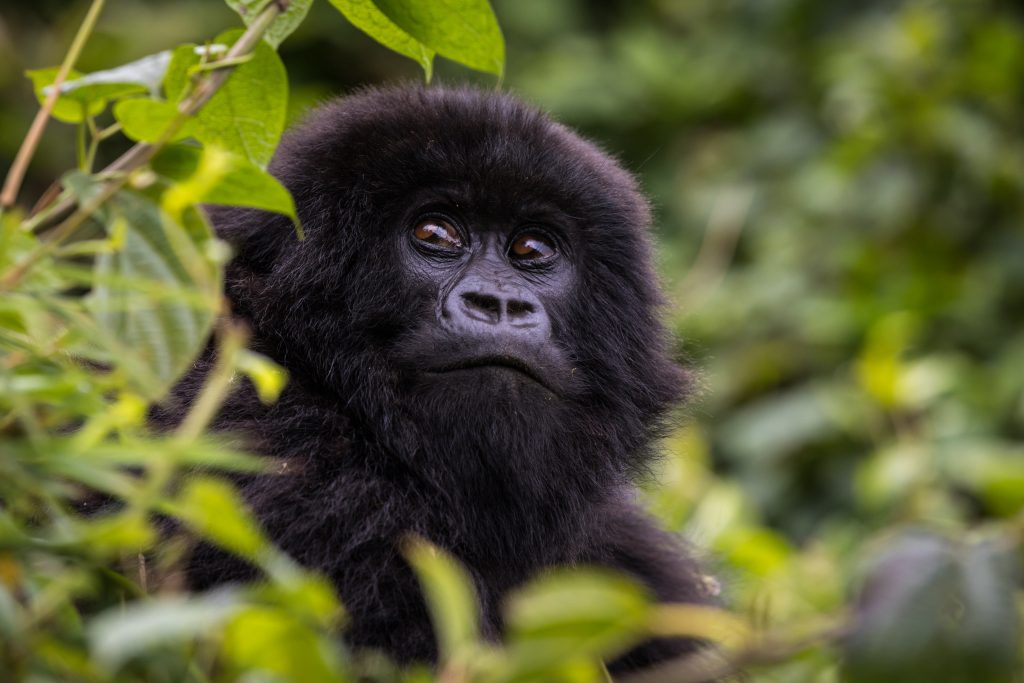
Mountain gorillas are among the most iconic wildlife species in East Africa. Often misrepresented as fierce in movies, these majestic apes are actually gentle, shy, and incredibly intelligent. Found only in Uganda, Rwanda, and the Democratic Republic of Congo, mountain gorillas inhabit high-altitude forests between 8,000 and 13,000 feet, where their thick fur keeps them warm.
Gorilla Trekking Permits in Uganda
To trek mountain gorillas in Uganda, visitors must obtain a gorilla permit. The cost for 2026 is:
-
$800 for foreign non-residents
-
$600 for foreign residents of East African countries
-
250,000 UGX for East African citizens
Gorilla Habituation Experience
Gorilla Habituation Experience
For those seeking a deeper encounter, Uganda also offers a gorilla habituation experience, allowing visitors to spend up to four hours with a gorilla family while observing their daily behaviors. Habituation permits cost:
-
$1,500 for foreign non-residents
-
$1,000 for East African residents
-
750,000 UGX for East African citizens
Additional costs may include vehicle hire ($50–$300), accommodation ($50–$1,000 per night depending on standards), and porters ($10–$20 each) to assist with trekking.
Interesting Facts About Mountain Gorillas
-
Fascinating Mountain Gorilla Facts
Mountain gorillas live in family groups of 10–20 individuals led by a dominant silverback male.
-
Each gorilla has a unique nose print, similar to human fingerprints, which allows rangers to identify them.
-
They are primarily herbivores but occasionally consume small items like snails.
-
Mountain gorillas build new nests each day to sleep and spend their time feeding, playing, resting, and caring for their young.
-
Despite their gentle nature, adult males are incredibly strong—estimated to have the strength of 5–8 adult men.
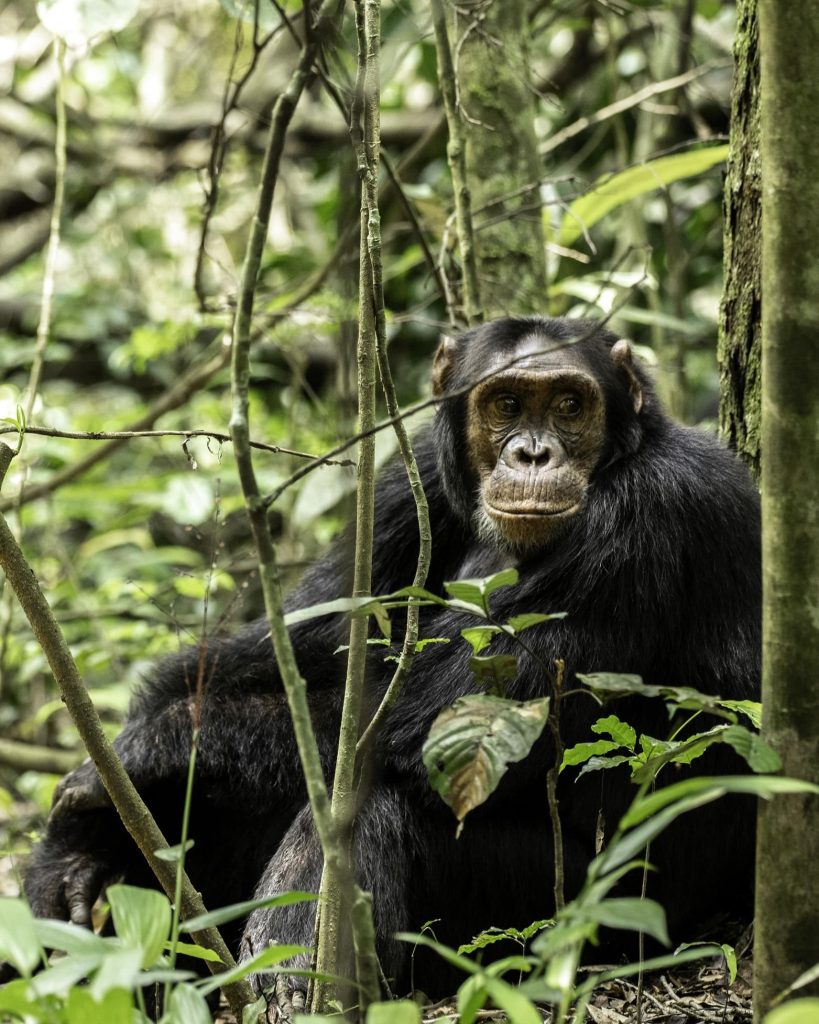
Chimpanzees: Humanity’s Closest Relatives
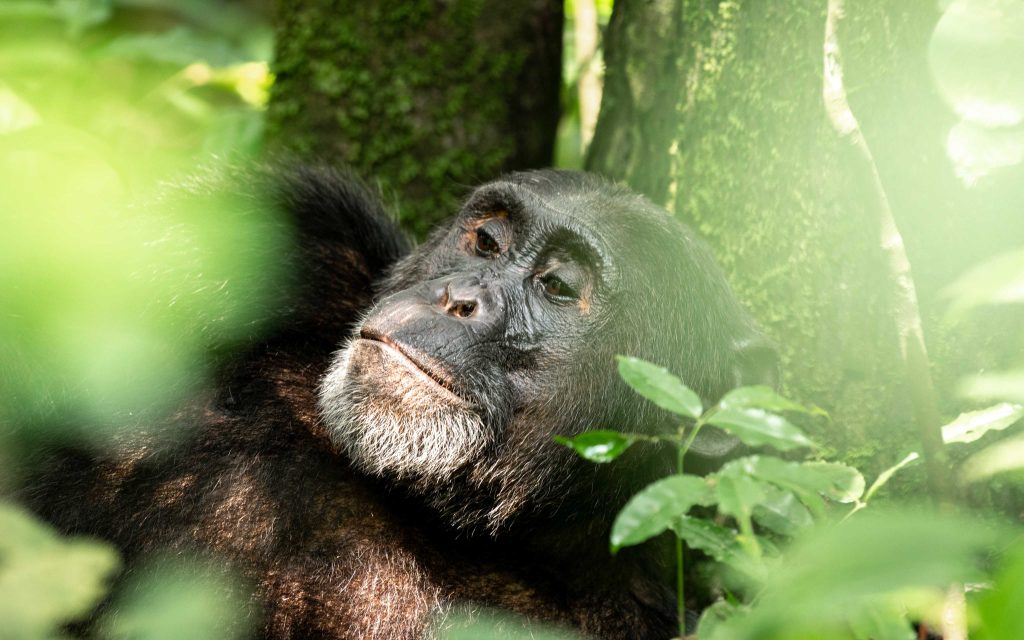
Chimpanzee Trekking in Uganda
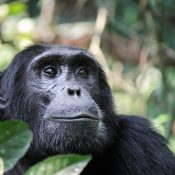
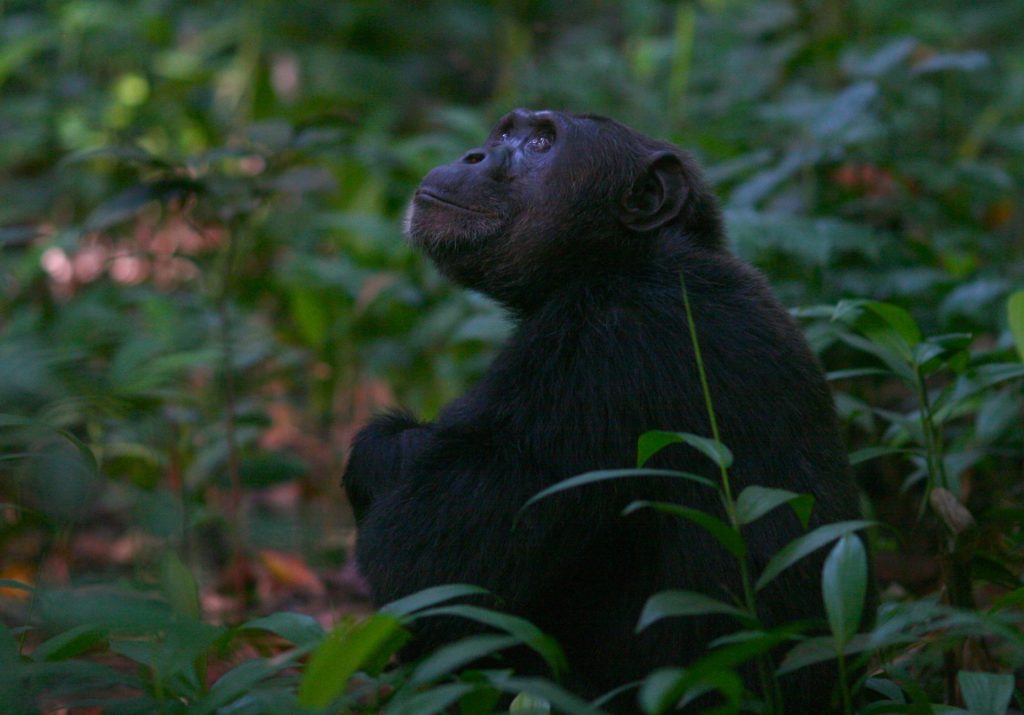
Uganda is also a premier destination for chimpanzee trekking, particularly in Kibale National Park and Kyambura Gorge. Chimpanzees share 98.7% of their DNA with humans, making them fascinating subjects for observation.
Chimpanzee Trekking Permits
-
Kibale National Park: $200 for foreign non-residents, $150 for East African residents, 150,000 UGX for local citizens
-
Kyambura Gorge (Queen Elizabeth National Park): $50 for foreign non-residents, $40 for East African residents, 30,000 UGX for locals
Trekking involves walking through tropical forests, interspersed with birdwatching, butterfly spotting, and plant identification. Morning or afternoon treks are available, offering different wildlife viewing experiences.
Interesting Facts About Chimpanzees
-
Fascinating Chimpanzee Facts
Chimpanzees live in communities of 100+ individuals, organized into hierarchical classes.
-
They communicate with over 20 distinct vocalizations to convey emotions and intentions.
-
Chimpanzees are democratic; they vote leaders based on competence rather than dominance.
-
They can make and modify tools from their environment to solve problems.
-
Female chimps give birth every 4–5 years, and infants stay with their mothers for 8–10 years.
-
Chimpanzees are endangered due to low birth rates and habitat loss.
Planning Your Primate Safari
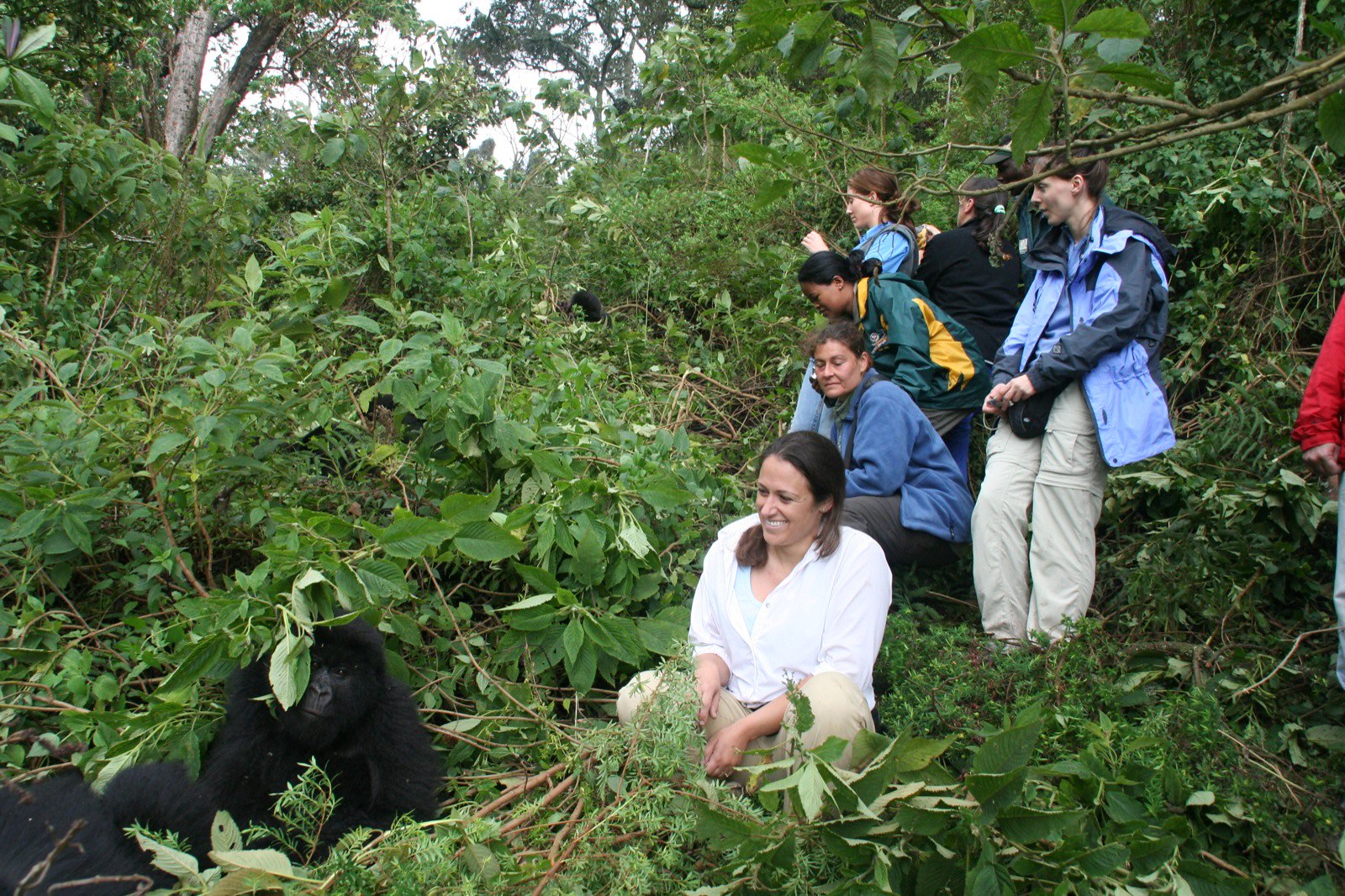
Gorilla Trekking Activity
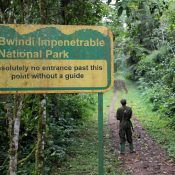
Whether you are trekking gorillas in Bwindi Impenetrable National Park or following chimpanzees in Kibale, Uganda offers an immersive and unforgettable wildlife experience. Observing these primates in their natural habitats provides insights into their social behavior, intelligence, and close relationship to humans.
For travelers eager to experience Uganda’s gorilla and chimpanzee trekking adventures, partnering with a reputable tour operator ensures access to permits, expert guides, and seamless logistics. With proper planning, your journey into Uganda’s forests promises memories that will last a lifetime.
Uganda Primate Tours
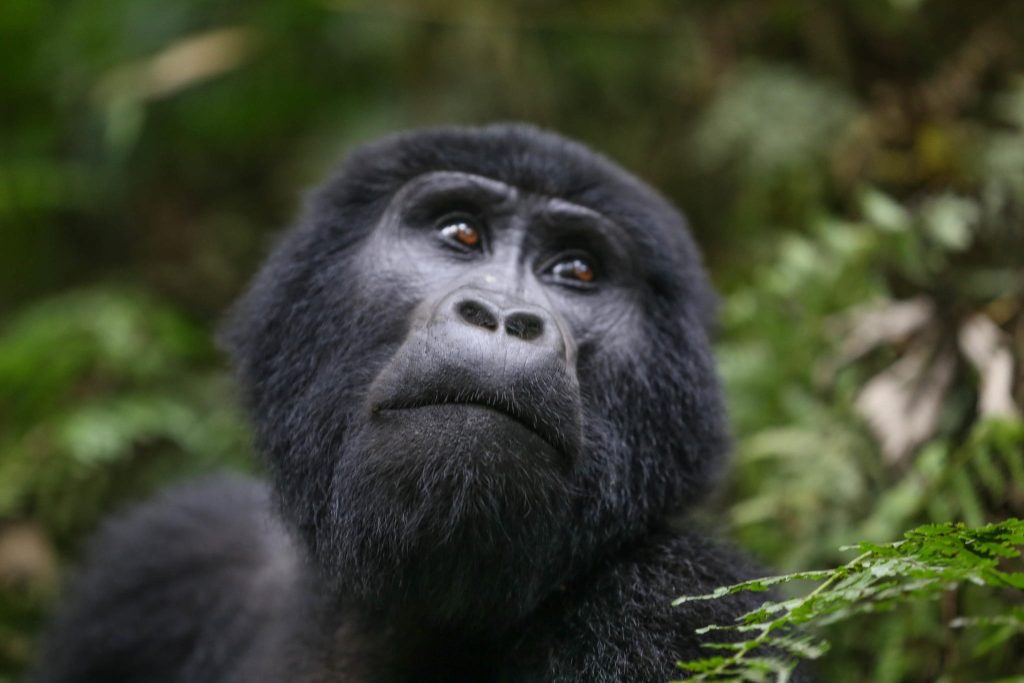
Plan Your Safari
Experience Uganda’s mountain gorillas and chimpanzees on one primate safari. Explore our chimpanzee tours or start planning.