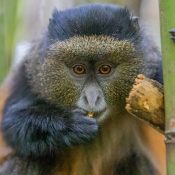
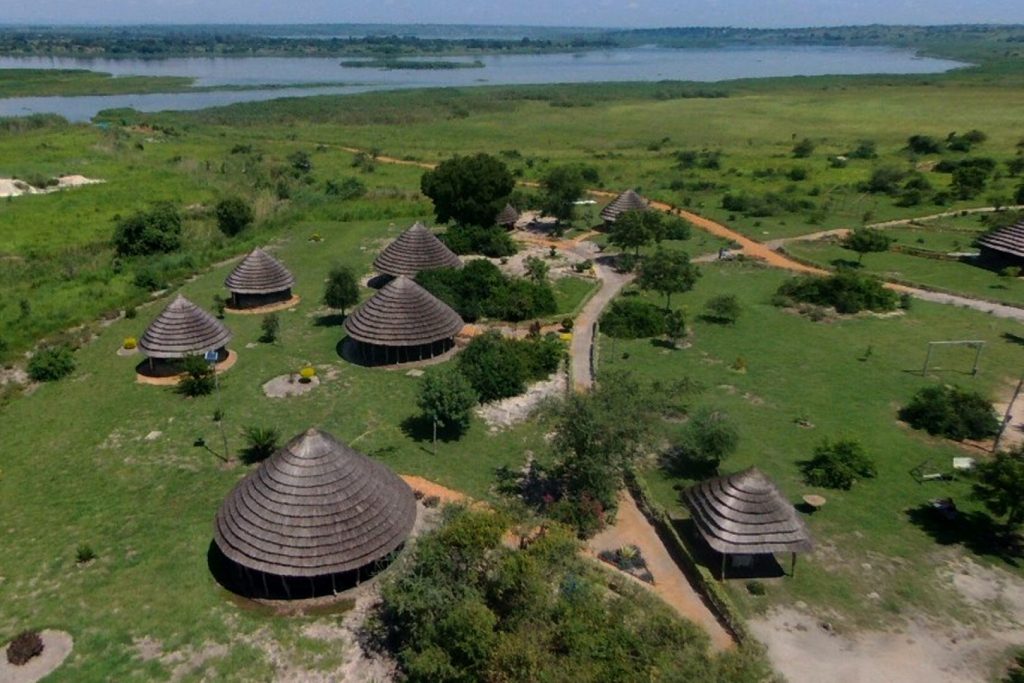
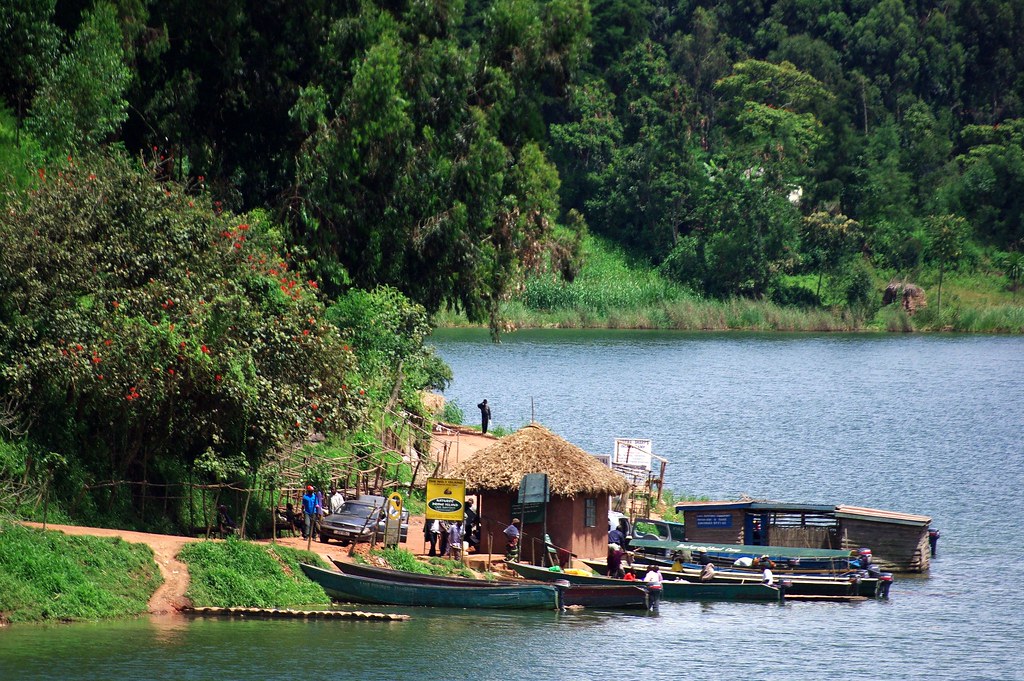
Uganda’s equatorial climate, tempered by elevated altitude, makes the country a true nature and wildlife paradise. In most regions the daytime maximum sits between 20°C and 27°C and nights between 12°C and 18°C – ideal conditions for the thriving flora and fauna typical of the region. Most of Uganda receives 1,000–2,000 mm of rain annually (far less in the drier north), with wet seasons roughly September–October and April–May – though rain here usually means a heavy hour-long shower before the sun takes over again, so travel is possible year-round.
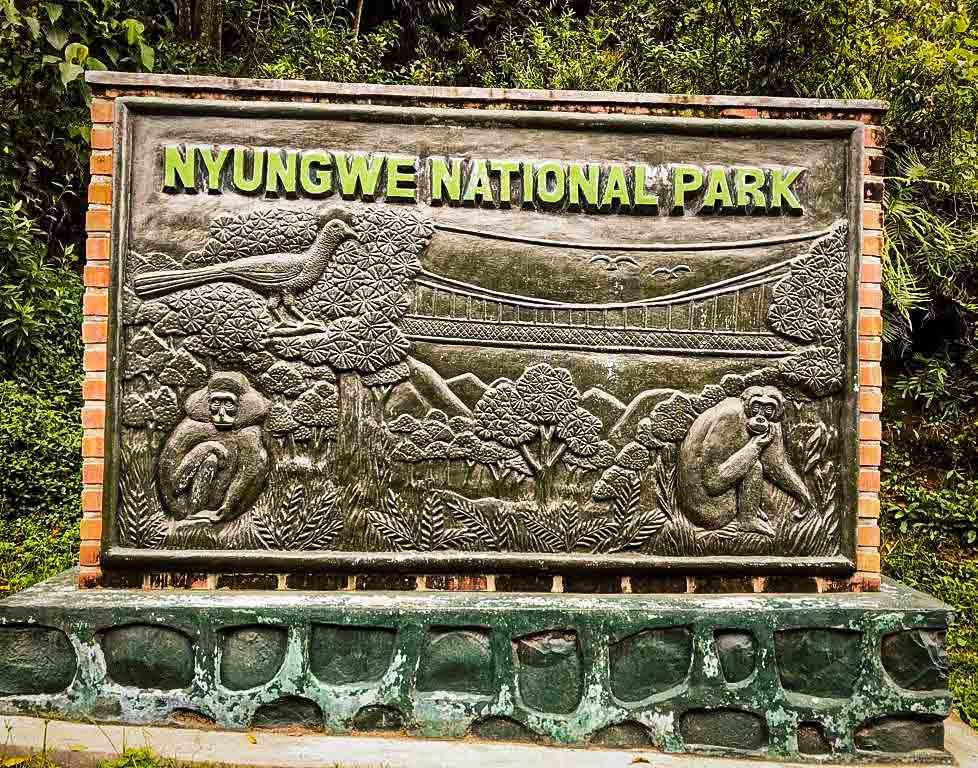
Neighbouring Rwanda shares a similar climate and Rift Valley landscape of lakes and hills, where Nyungwe Forest and the Akagera valley preserve the original beauty of African nature.
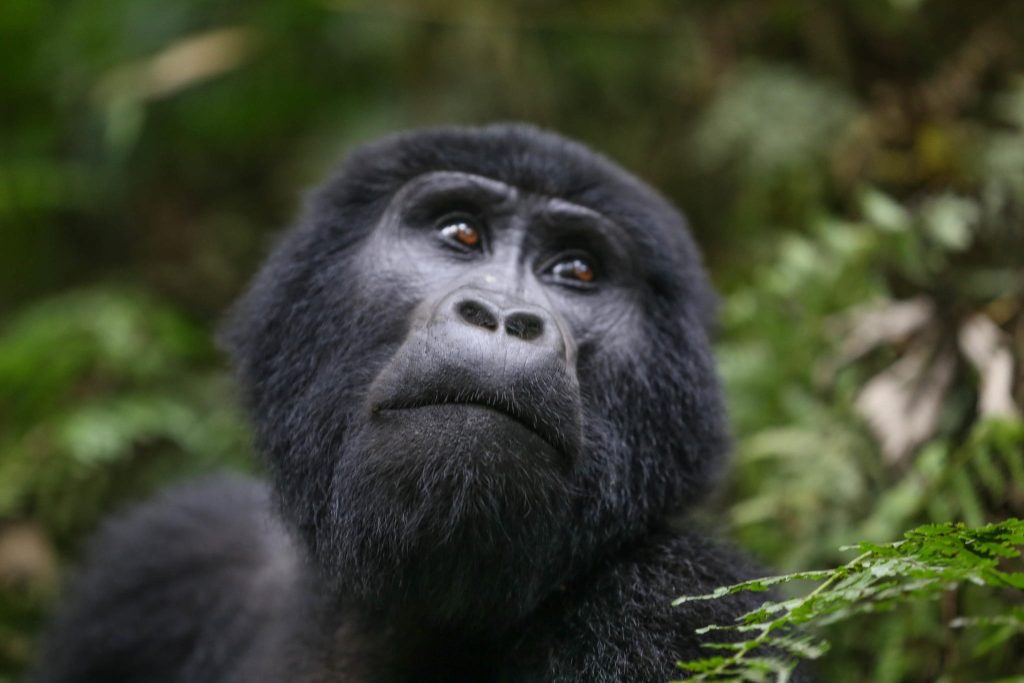
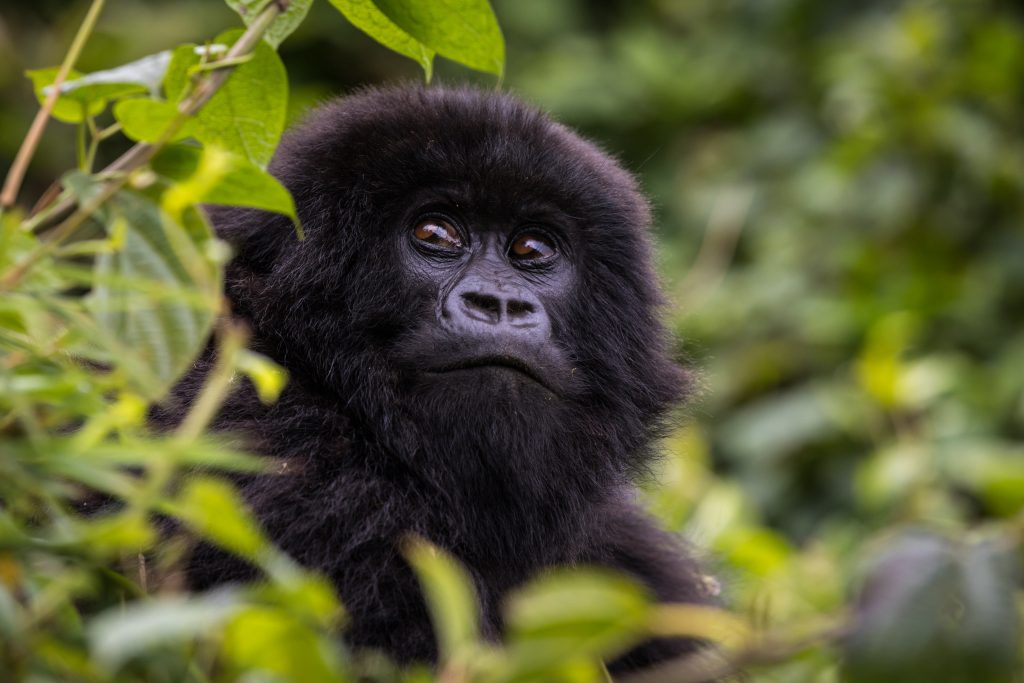
Mountain gorillas: from mystery to conservation icon
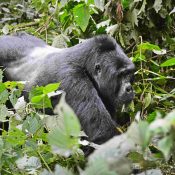
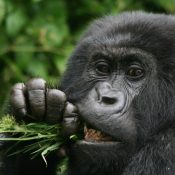
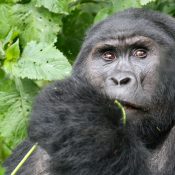
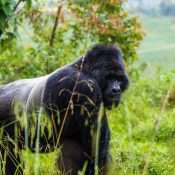
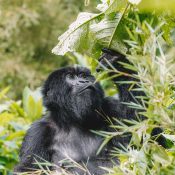
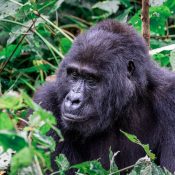
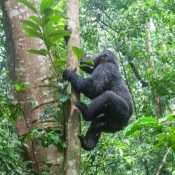
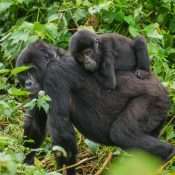
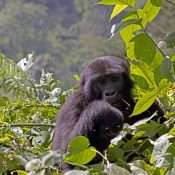
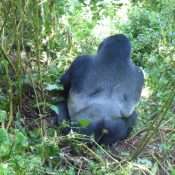
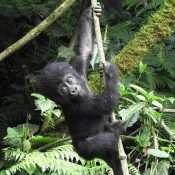
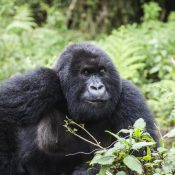
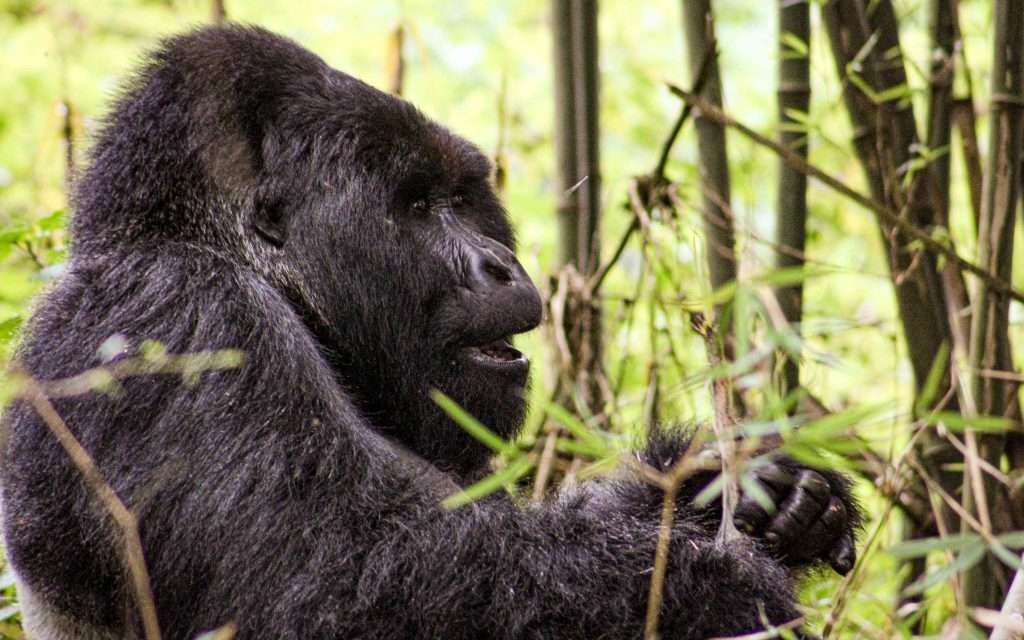
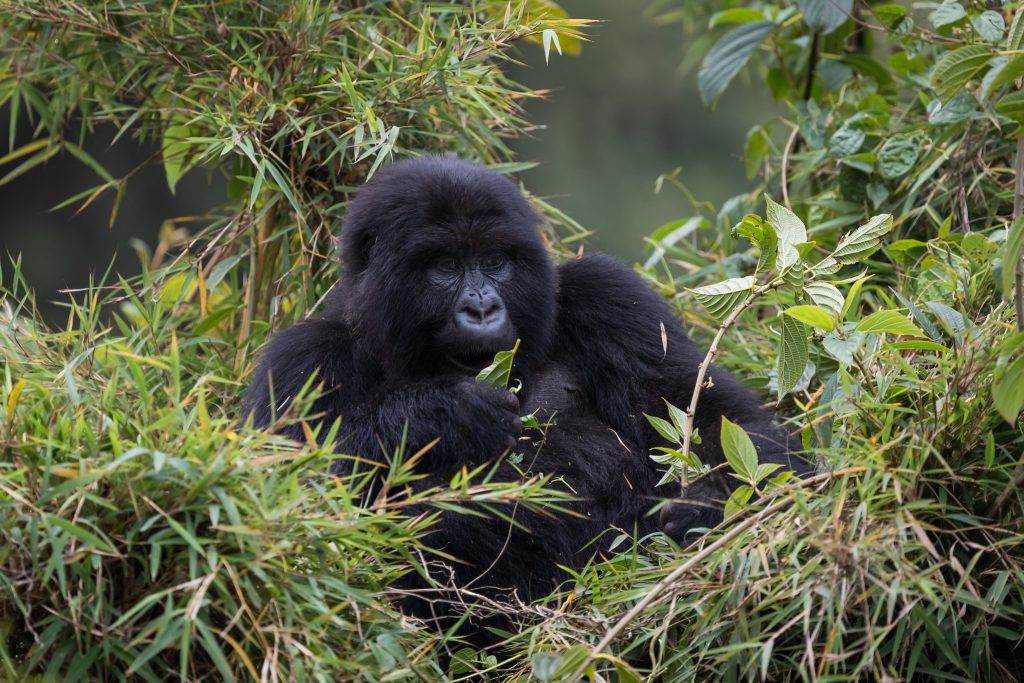
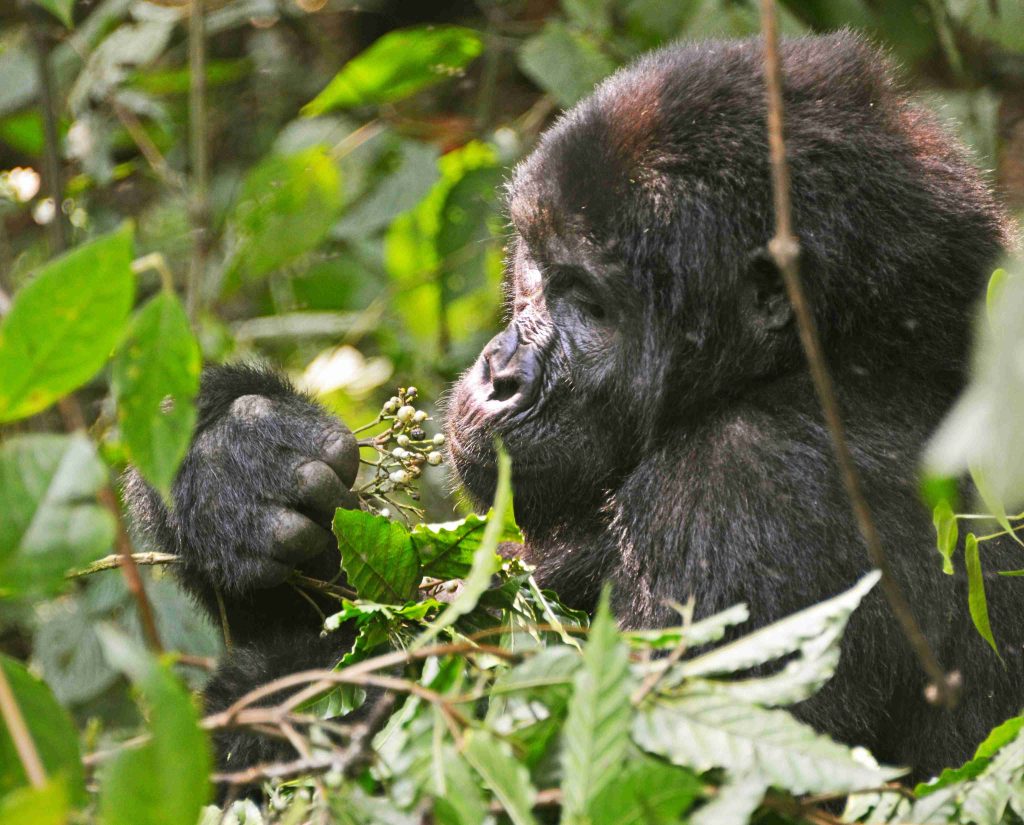
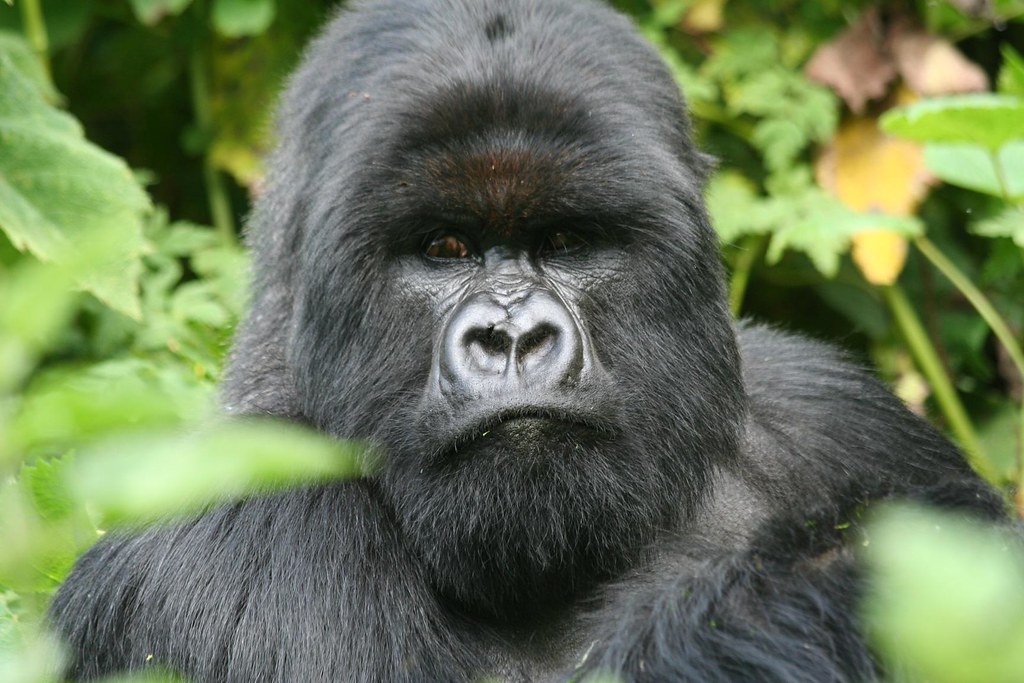
African people long knew that gorillas lived in these forests, but to the rest of the world they remained mysterious until the American zoologist George Schaller first studied them in the Virunga volcanoes in the 1950s, revealing the gorilla’s true nature – a shy, gentle, peace-loving vegetarian – in his landmark book The Mountain Gorilla: Ecology and Behavior.
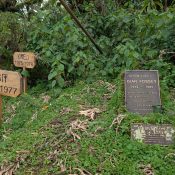
Dr. Dian Fossey took up Schaller’s methods from 1963, founding the Karisoke Research Center in Rwanda and living among the gorillas for nearly two decades – the first person ever to have voluntary contact with a gorilla. Her book Gorillas in the Mist became a celebrated film, and after her death in 1985 she was buried in the Virungas beside the gorillas she had fought to protect. Her legacy – continued by the Gorilla Fund and the governments of Uganda and Rwanda – transformed the world’s awareness of the dangers mountain gorillas face. Visiting the gorillas, and spreading the word about what you saw, remains a great service to their preservation.
The Pearl of Africa – beyond gorillas
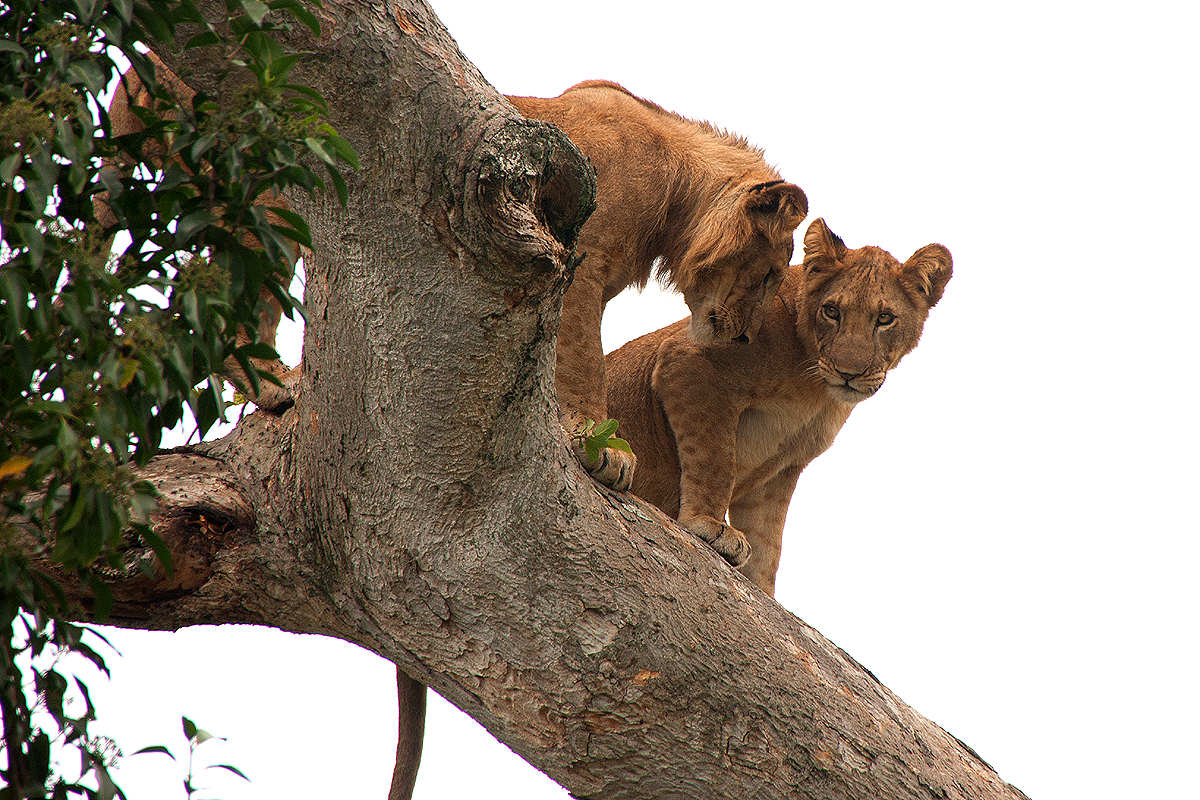
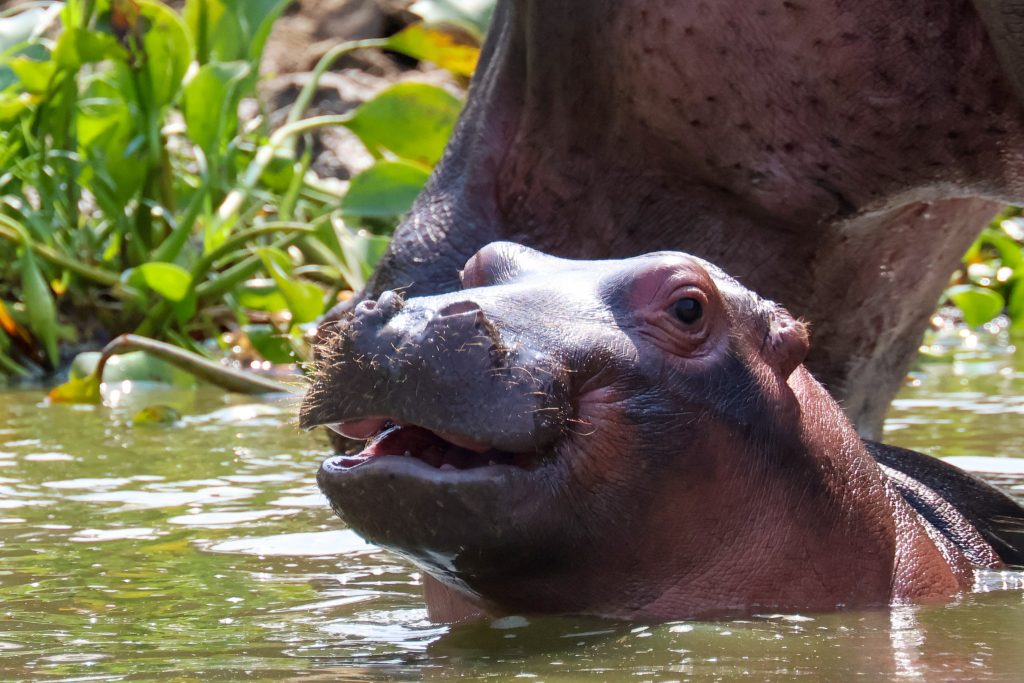
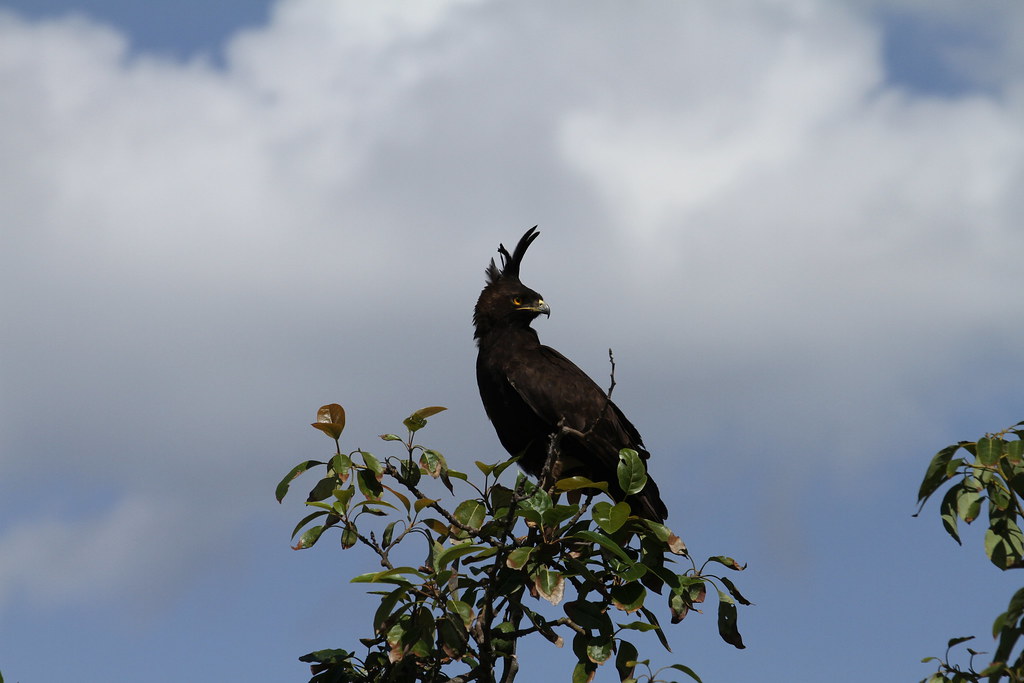
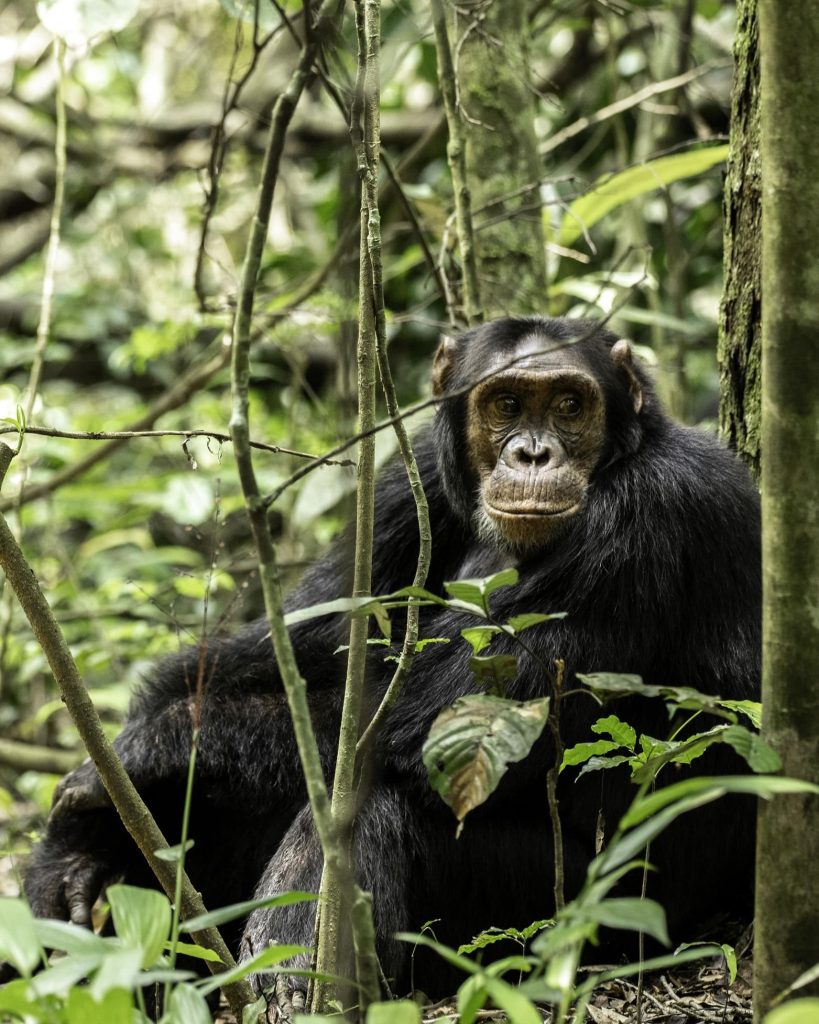
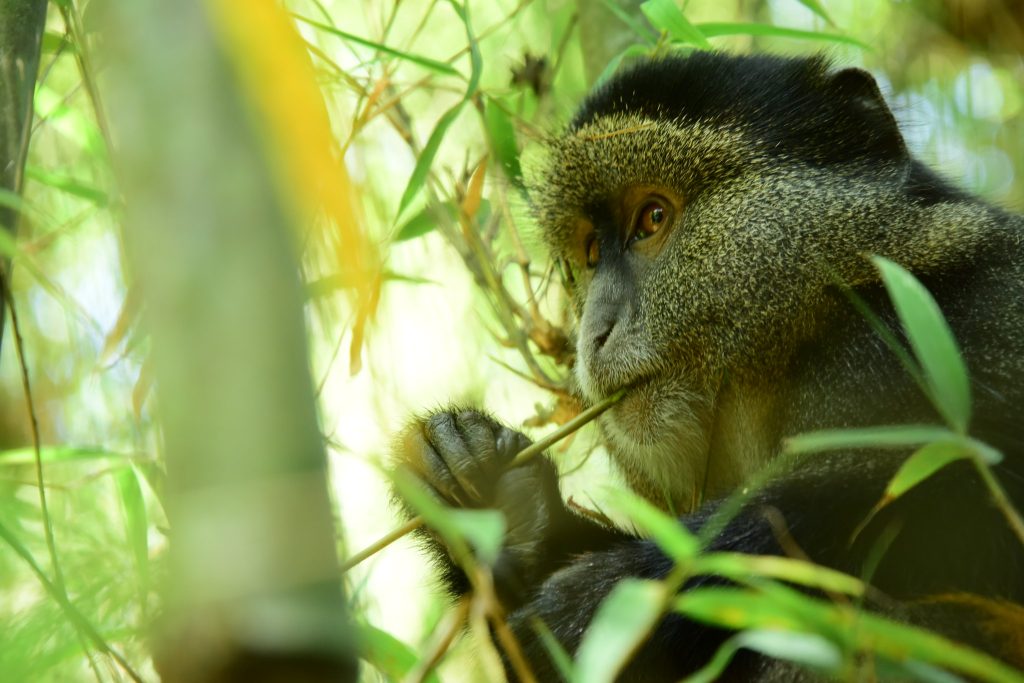
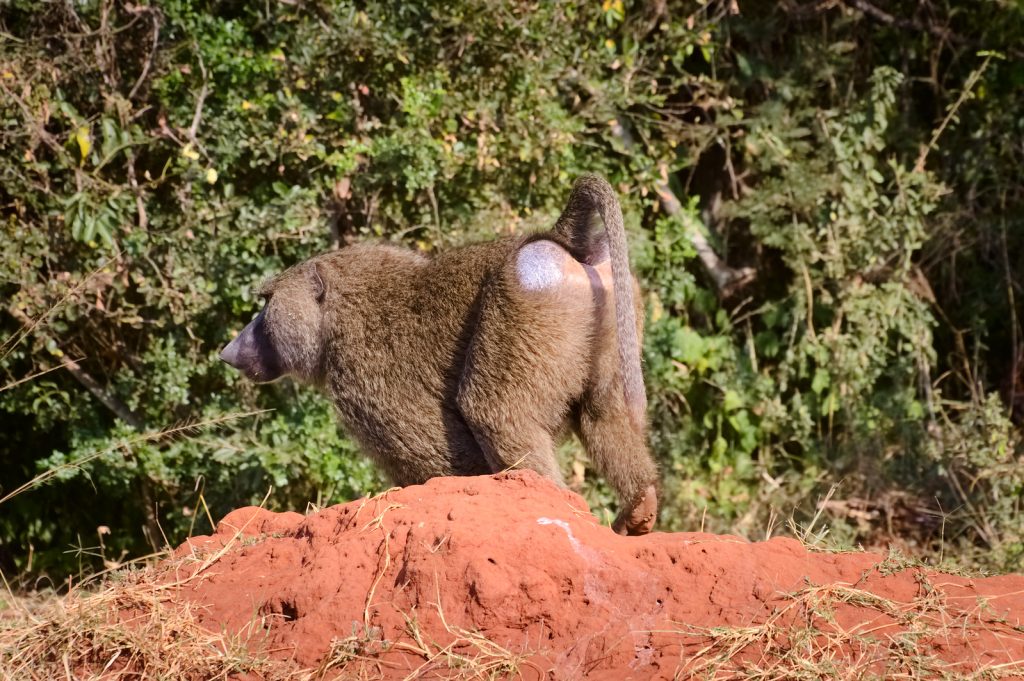
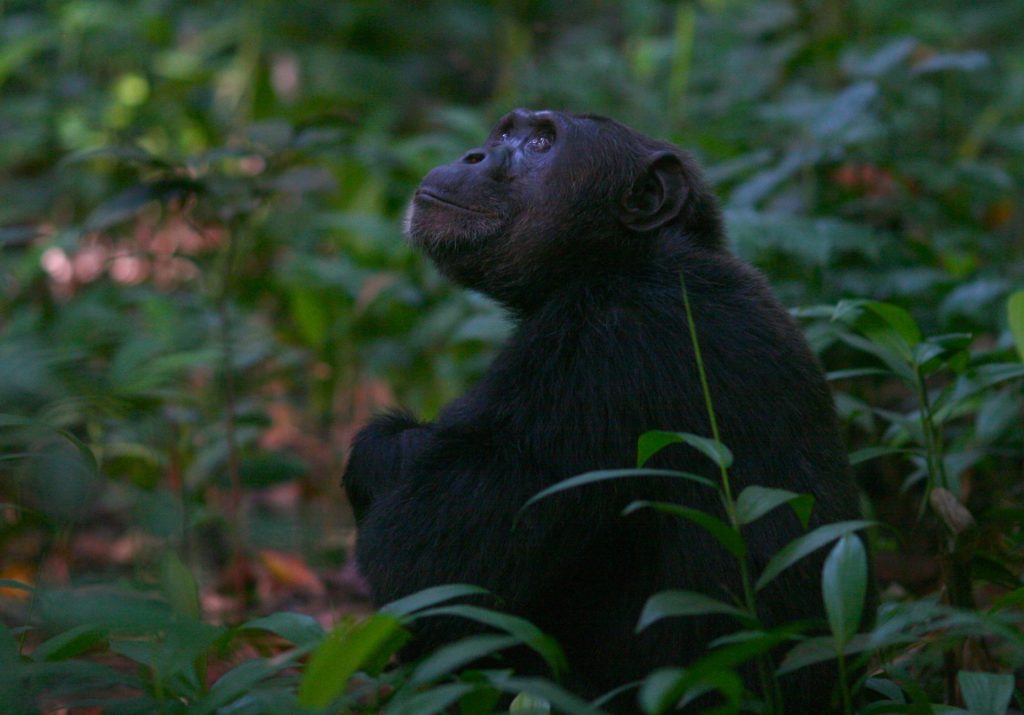
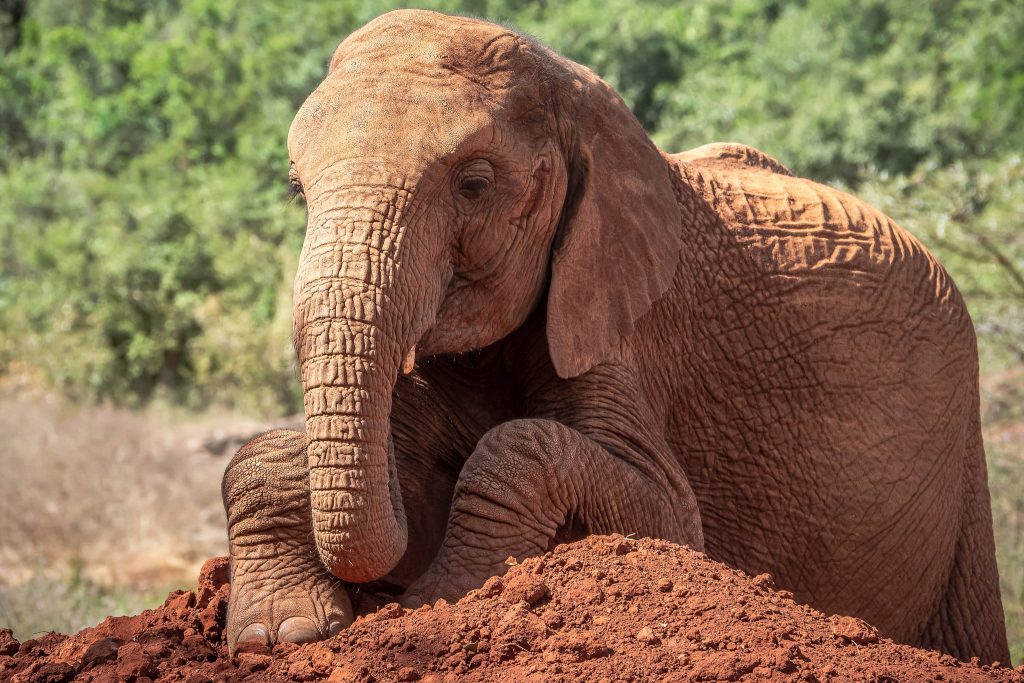
Uganda and Rwanda offer far more than mountain gorillas. The region’s national parks shelter an enormous variety of wildlife – antelopes, elephants, lions, leopards, buffaloes, zebras – while the lakes and the Nile teem with hippos and crocodiles. It is also a birdwatcher’s paradise: more than 1,000 recorded species, of which a good safari can easily deliver over 350 sightings.
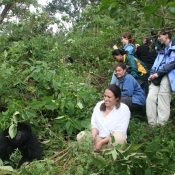
Depending on your interests, we can organize any tour to satisfy your curiosity – track the gorillas on a gorilla trekking safari, tour the savannah on a wildlife safari, or chase the shoebill with our birding safaris.
Related Safari Articles & Travel Guides