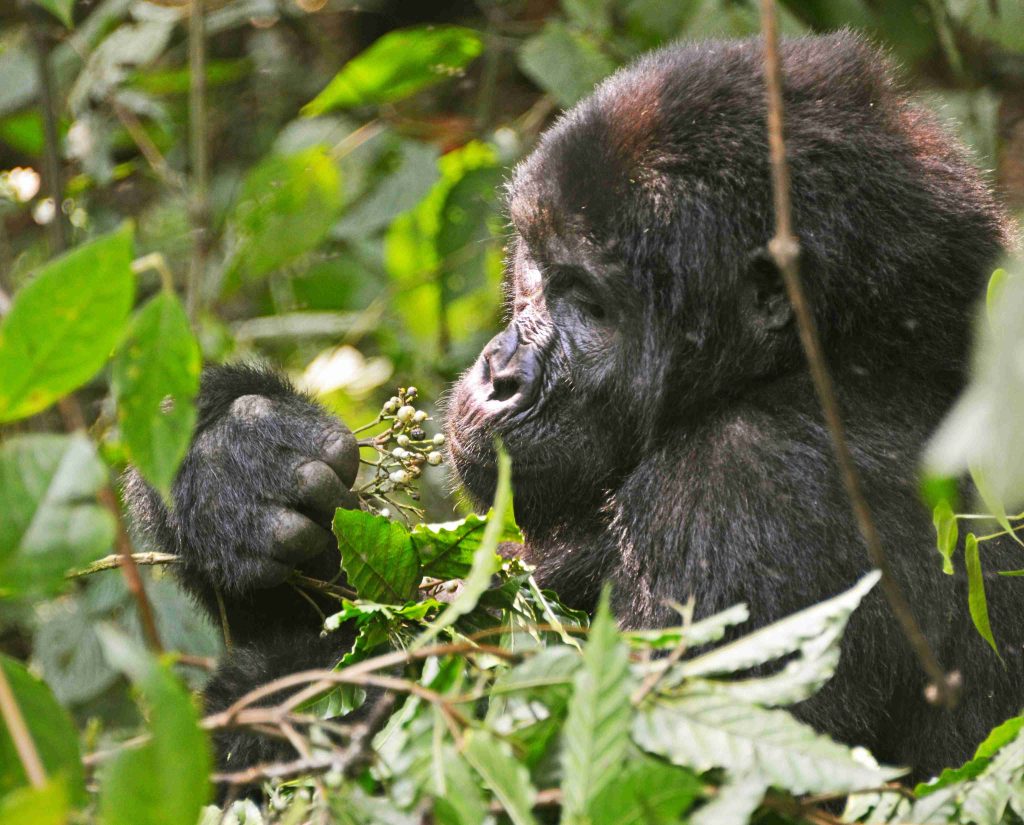
The Big Five of Africa – the often mentioned, relentlessly searched for, and much-loved five large African mammals. The term was originally coined by big-game hunters who found these species the most difficult and dangerous to hunt on foot; today it dominates the safari industry, where sightings of these heavyweights are the most sought-after photo opportunities on the continent. In no particular order, the Big Five are: lion, leopard, elephant, rhino, and buffalo. Here are some remarkable facts about each.
1. African Lion (Panthera leo)
Africa’s apex predator and the world’s second-largest big cat roams grasslands and open plains – not jungles. Lions are the only truly social cats, living in prides where females stay for life, raise cubs communally, and even suckle each other’s young. A lion’s roar carries up to 8 km; males roar loudest to declare territory, while females use quiet roars to call cubs. Lions greet by rubbing heads, exchanging scent information about moods and recent activity. Though they can see in the dark and hunt mostly at twilight or night, these cats sleep up to 20 hours a day – and while the females do most of the hunting, the males still eat first. Wild lions now occupy only about 8% of their historic range.
2. African Leopard (Panthera pardus)
The strongest climber among Africa’s big cats is a stealthy, solitary nocturnal hunter with superb night vision. Leopards can drag prey up to three times their own body weight into trees over six metres tall – where they also nap. They don’t roar: they bark, snarl, and purr when content. Their “spots” are actually rosettes – clusters of dark markings resembling roses – giving perfect camouflage in dappled shade. Adaptable to deserts and forests alike, leopards are also strong swimmers that occasionally eat fish and crabs.
3. African Elephant (Loxodonta africana)
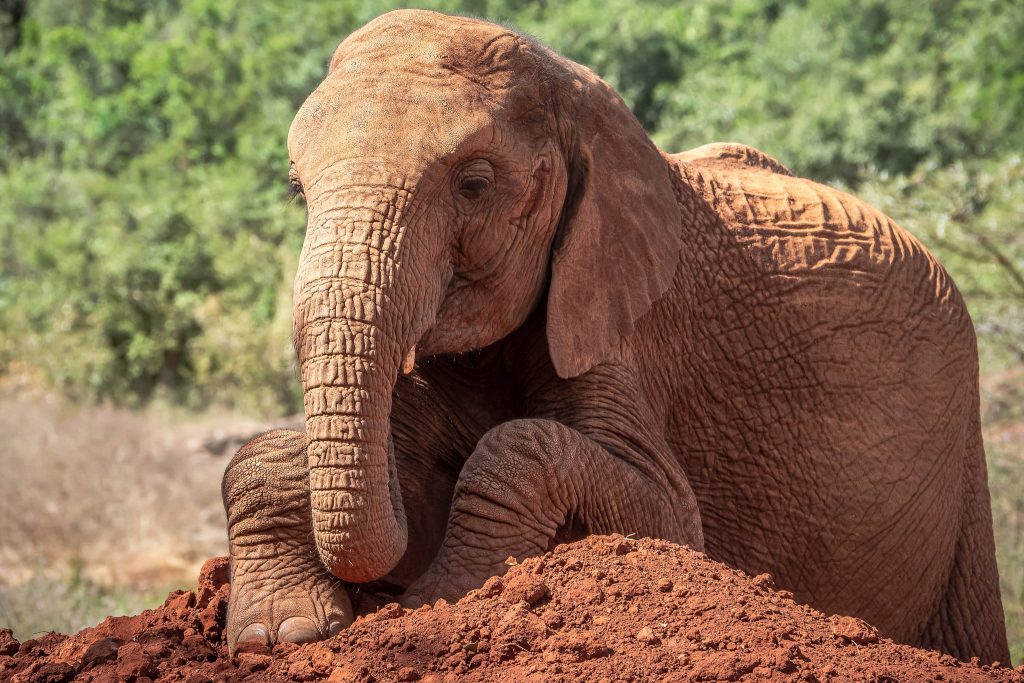
The largest land animal on the planet – and a vegetarian with the largest brain of any land mammal. Elephants throw sand over their backs to prevent sunburn and deter insects, carry their young for a record 22 months, and give birth standing up while the herd forms a protective circle. Sensitive pads under their feet let them walk almost silently despite their bulk, and calves – born nearly blind – sometimes suck their trunks for comfort, much like human thumbs.
4. African Rhinoceros (black & white rhino)
All rhinos are three-toed ungulates, and black rhinos actually run on their toes. The black rhino’s prehensile upper lip is so dexterous it can pick up small objects – and has even been known to open gates and vehicle doors.
5. African Buffalo (Syncerus caffer)
Africa’s only wild cattle species is reputed to have killed more hunters than any other animal on the continent. Buffaloes have long memories and are known to ambush people who harmed them in the past – and herd bonds are so strong that if one member is attacked, the entire herd will defend it.
Want to meet them all? Read where to see the Big 5 in Uganda or browse our wildlife safaris.
Related Safari Articles & Travel Guides