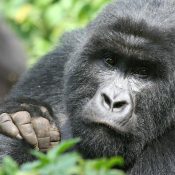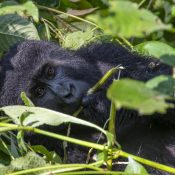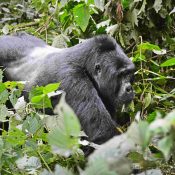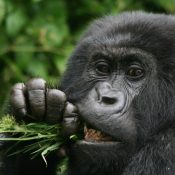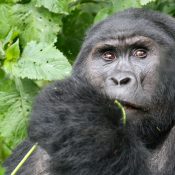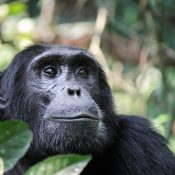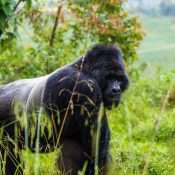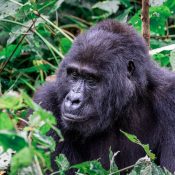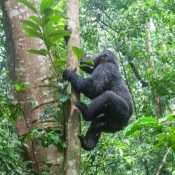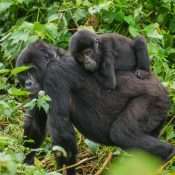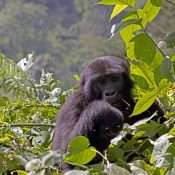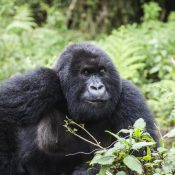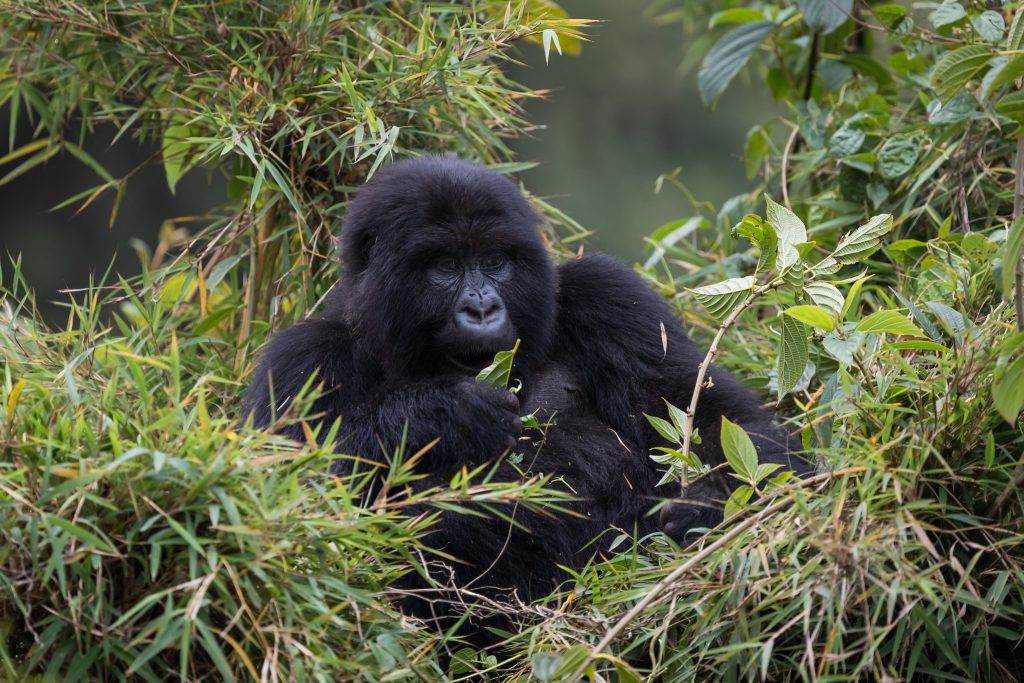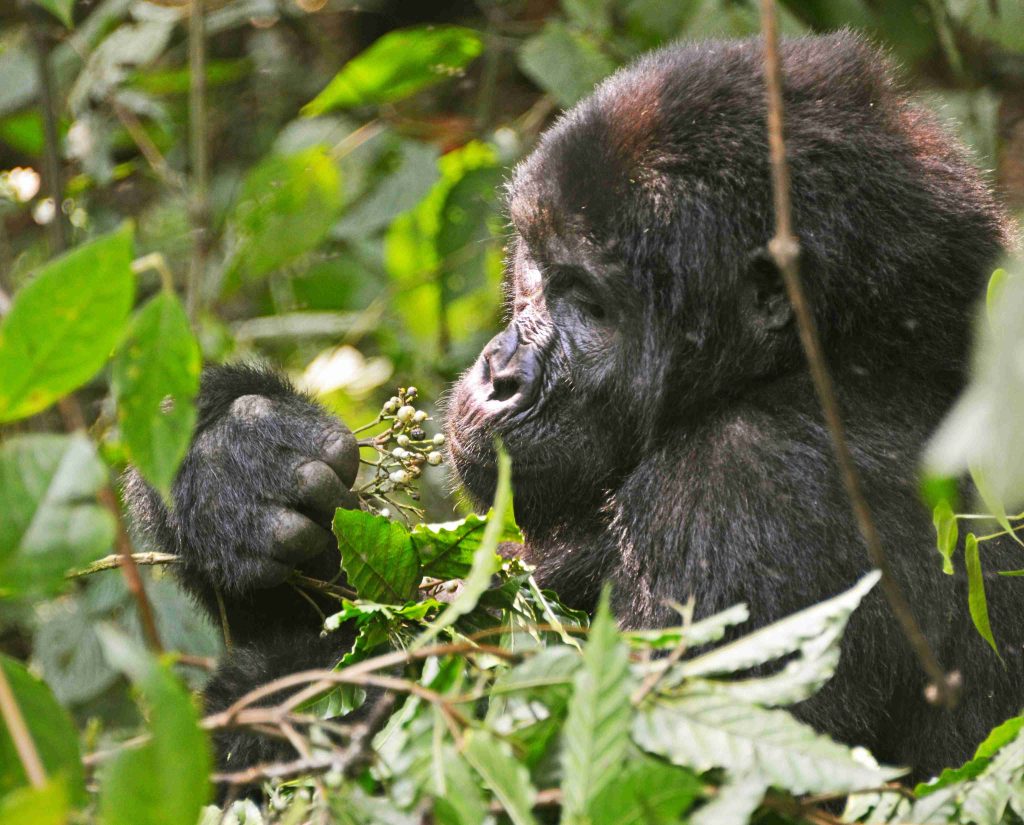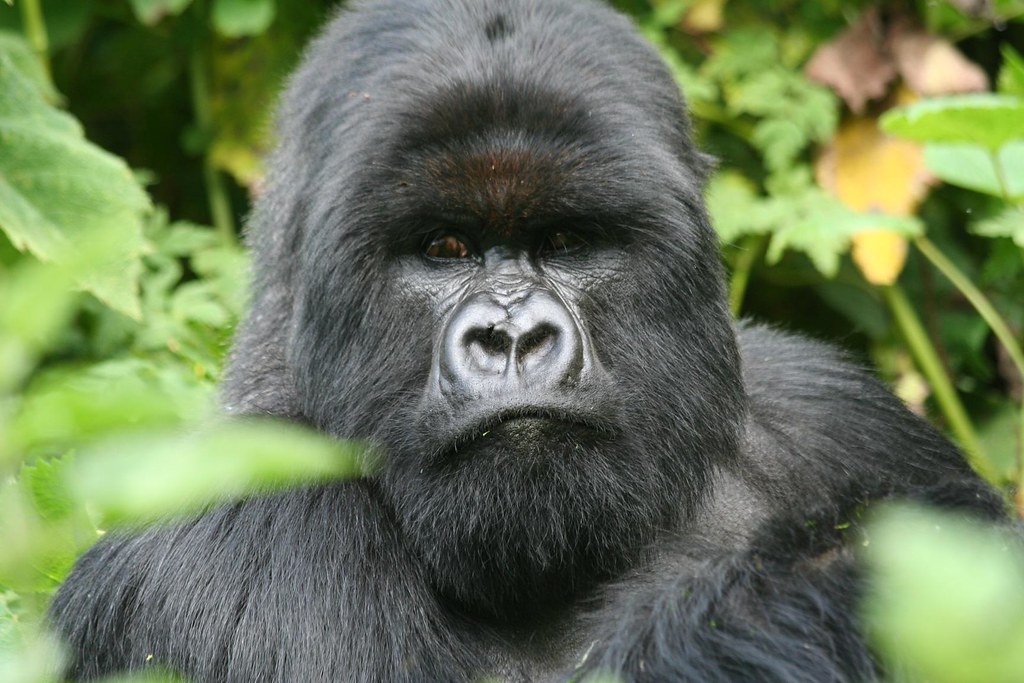
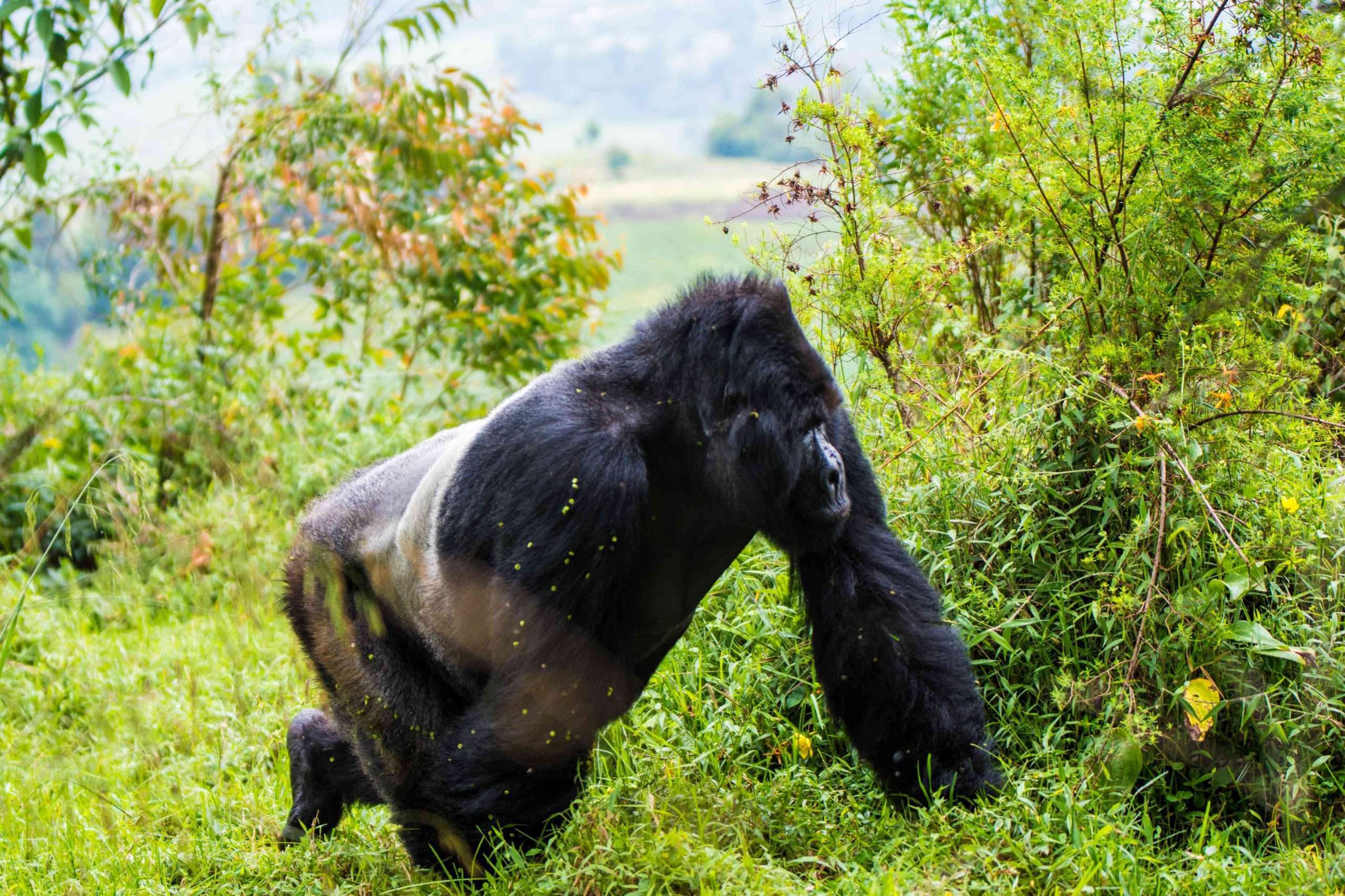
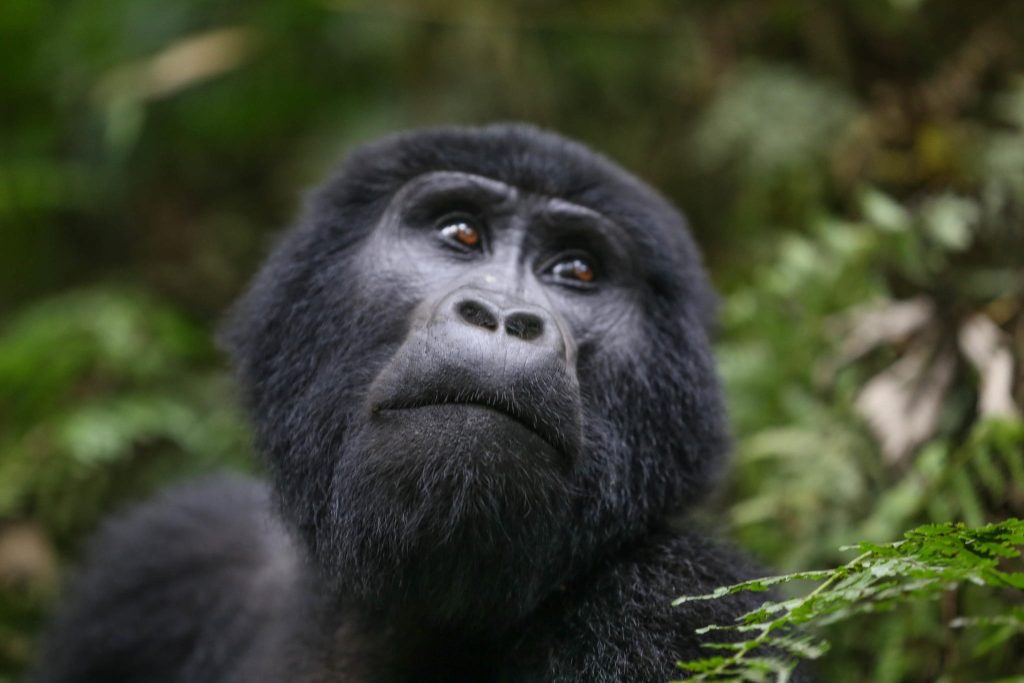
Gorillas are among the most formidable creatures on Earth, and the adult male silverback represents the pinnacle of their physical prowess. Weighing between 300–500 pounds, a silverback can lift an astonishing 1,800 pounds roughly 10 times its own body weight. Their bite force measures an incredible 1,300 PSI, while their grip strength ranges from 500–1,000 pounds, enough to crush bones or deliver a potentially fatal blow in mere seconds.
How Strong Is a Silverback Gorilla?
These gentle giants, however, are built for short, explosive bursts of power rather than long-endurance activity. In moments of threat, they rely on sheer intimidation, remarkable speed capable of charging at up to 25 mph and their thick muscles and tough skin to dominate adversaries. For a lone human, no amount of training can match this raw physicality in a bare-handed confrontation.
How Humans Compare
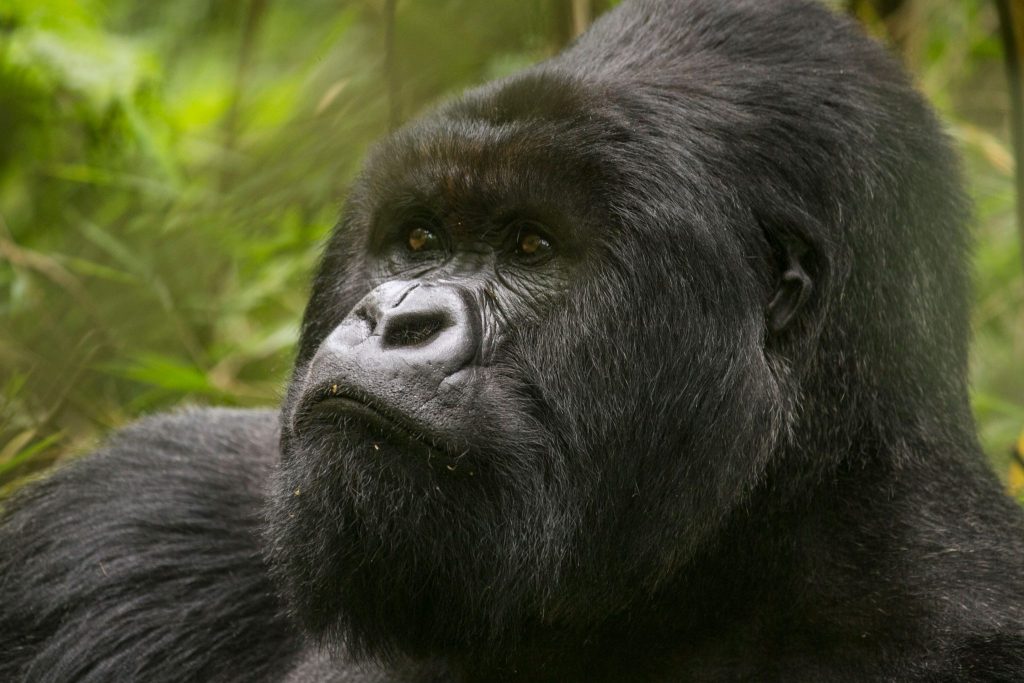
Gorilla Strength vs Humans
Humans, while vastly weaker individually, bring endurance, coordination, and strategic thinking into play. The average adult can deliver punches with 100–400 pounds of force and grip with 100–200 pounds per hand. Humans are not about raw power they rely on tactics, targeting vulnerabilities like the eyes, throat, or joints, and working collectively to overwhelm stronger opponents.
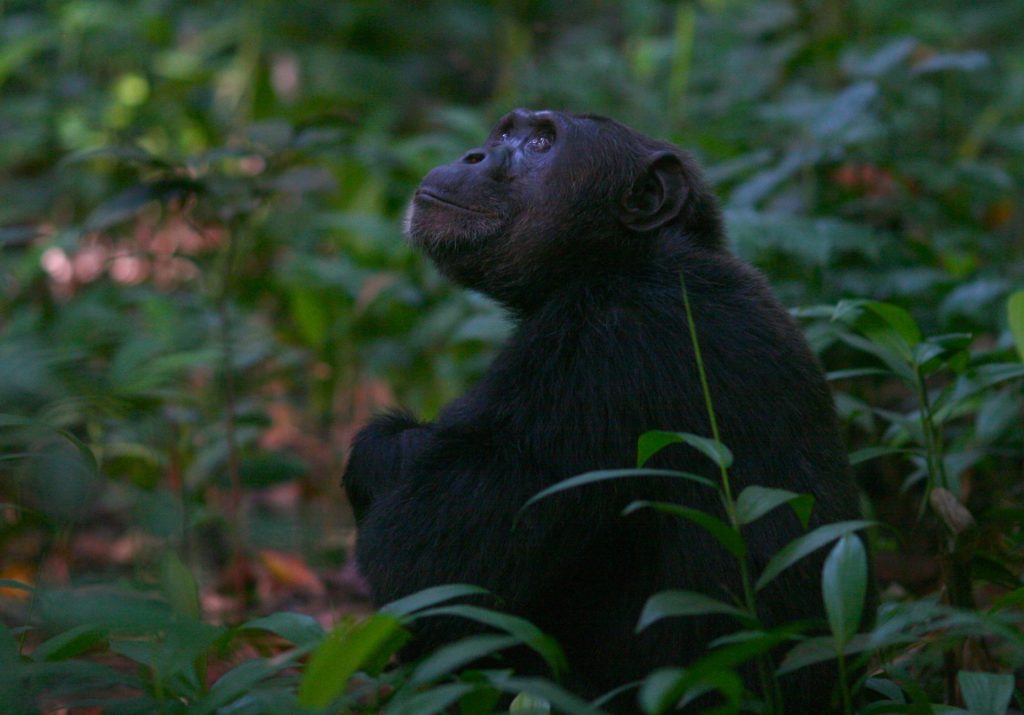
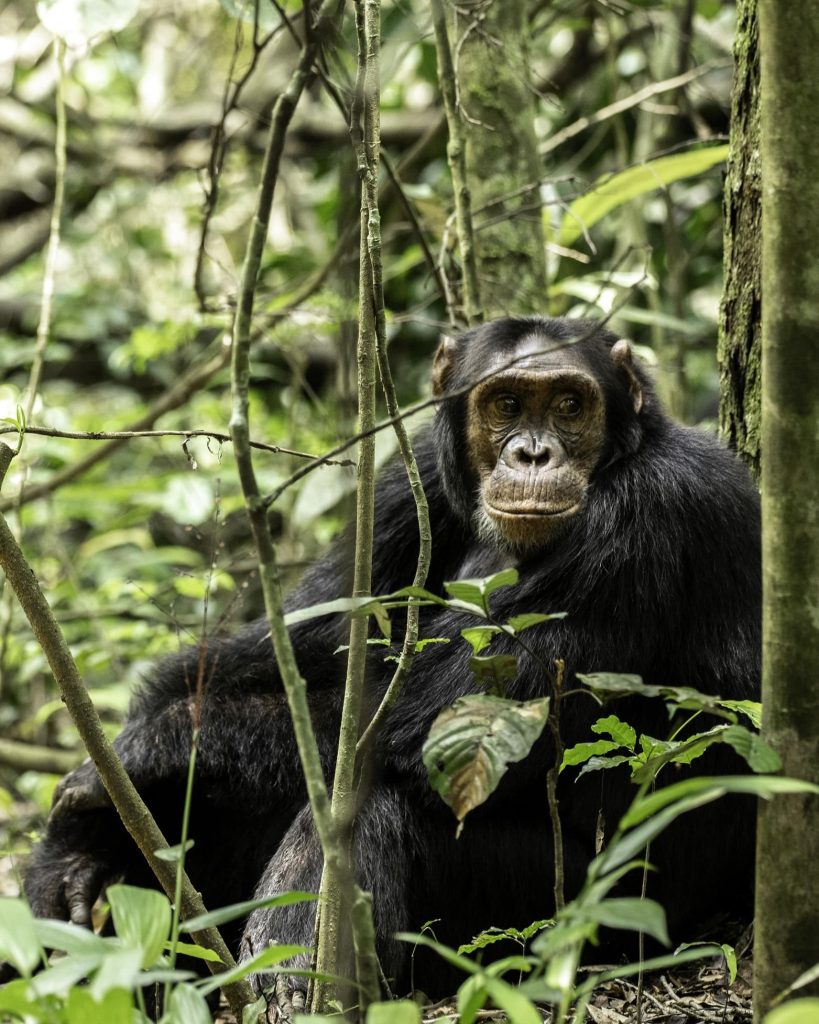
Studies and real-world zoo incidents suggest that chimpanzees, about half the size of gorillas, require 4–5 humans to subdue them bare-handed. Scaling this up, it becomes clear that confronting a silverback would demand 8–10 coordinated adults acting in unison. Even trained handlers often struggle without tools, emphasizing just how extraordinary gorilla strength truly is.
The Role of Numbers and Strategy
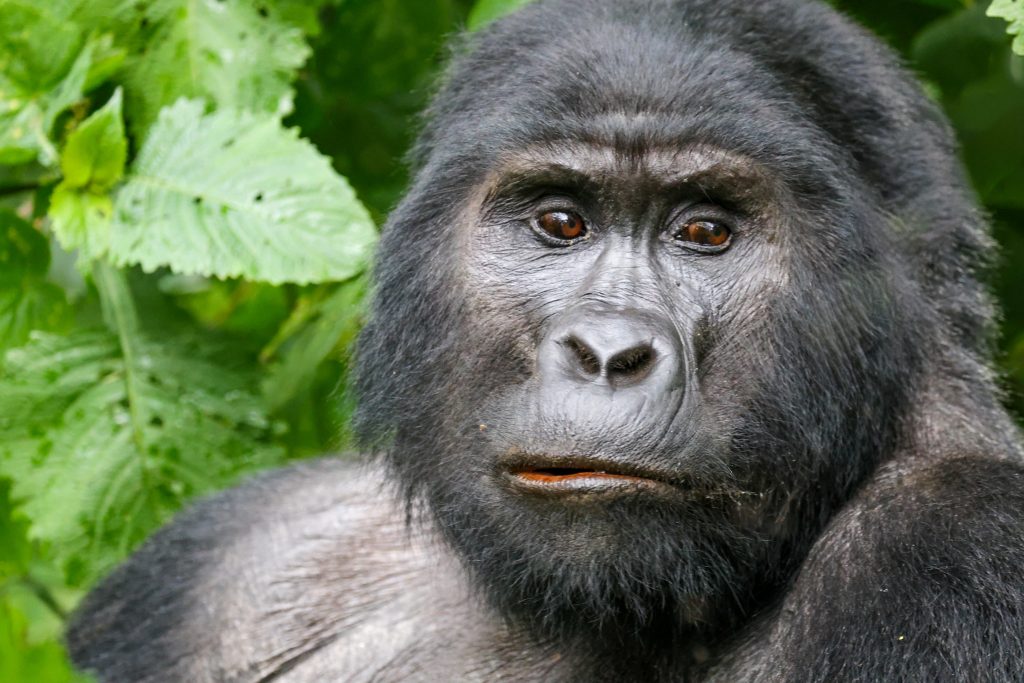
Humans excel not through brute strength, but through cooperation and persistence. Each adult adds roughly 180 pounds to the collective force, allowing a coordinated group to exceed a silverback’s lifting capacity of 1,800 pounds. By pinning and applying controlled pressure from multiple angles, humans can exhaust the gorilla’s muscles over time.
The Numbers Behind the Strength
Experts and physics-based calculations indicate that:
-
5–7 humans might succeed with a mix of luck, speed, and skill
-
8–10 humans provide a reliable threshold to overpower a silverback in a bare-handed scenario
-
Even in this scenario, 1–3 severe injuries among humans are highly likely
Variables such as terrain, gorilla age, and human training can shift outcomes, but the key takeaway remains: gorillas rule through raw, explosive power; humans prevail through numbers, endurance, and strategy.
Respect and Conservation
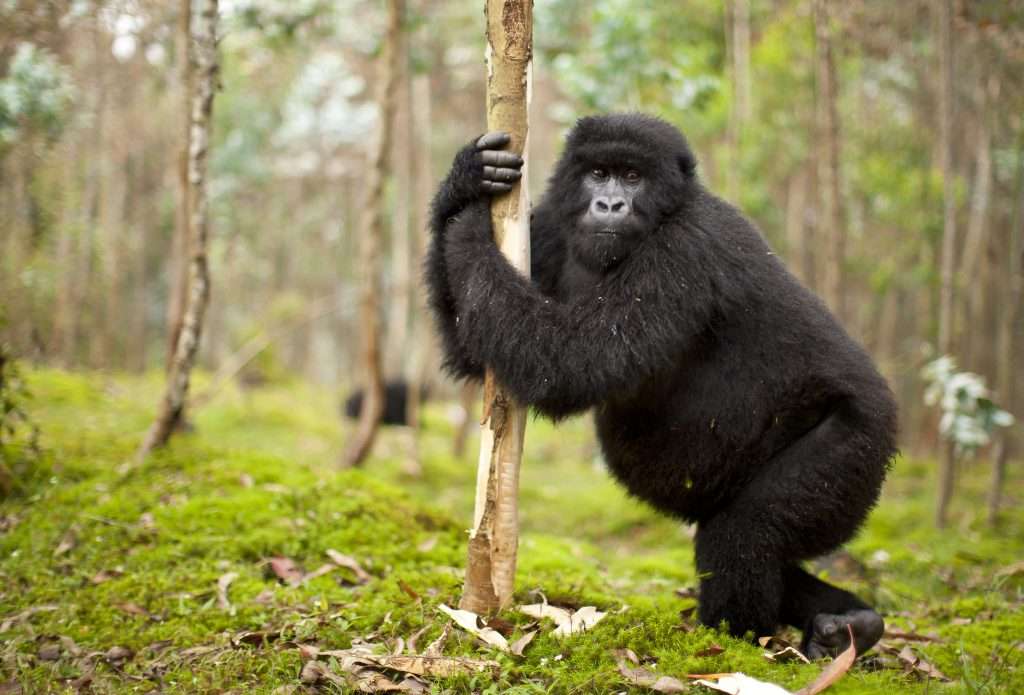
Why It Matters for Conservation
This information underscores a fundamental truth of evolution and wildlife: gorillas are powerful but vulnerable species. Observing them in their natural habitat requires respect and caution. Never attempt to test these limits in reality. Conservation, careful study, and responsible wildlife tourism are the only safe ways to experience the strength and majesty of these incredible primates.
Gorilla Trekking Tours

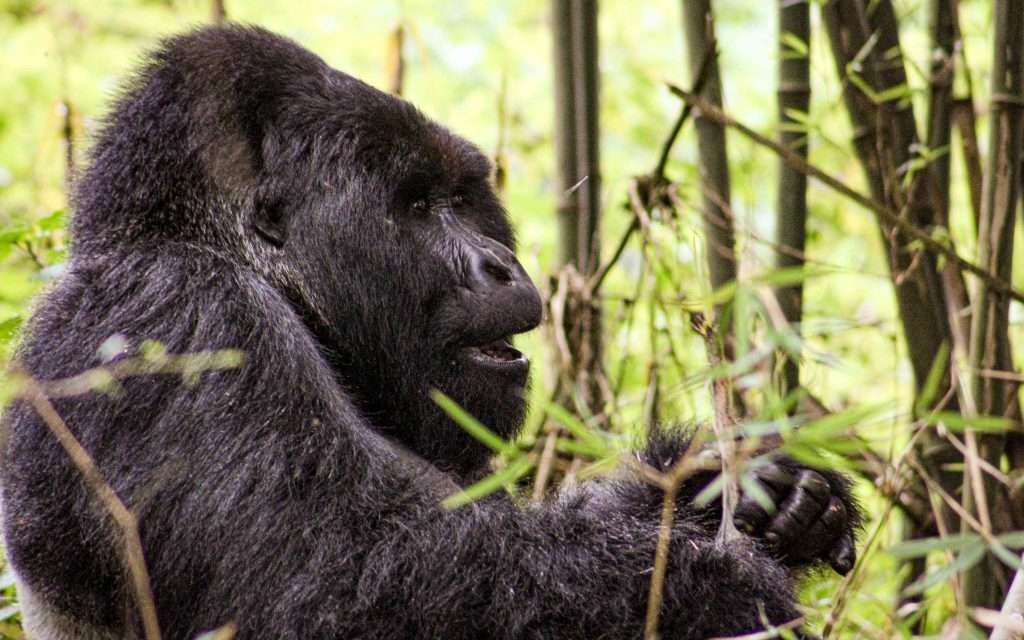
Plan Your Safari
See silverbacks in the wild. Explore our gorilla trekking safaris or start planning.