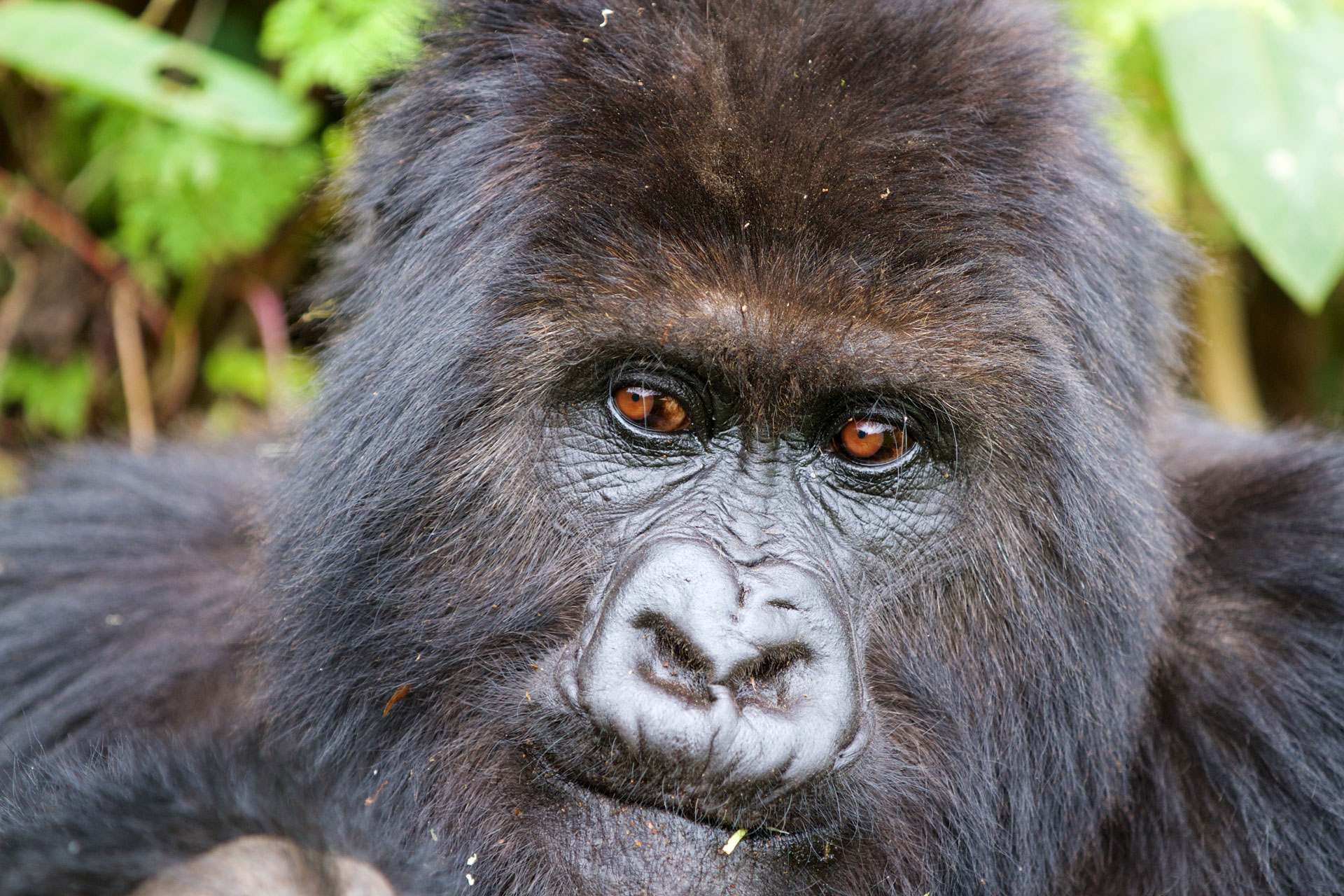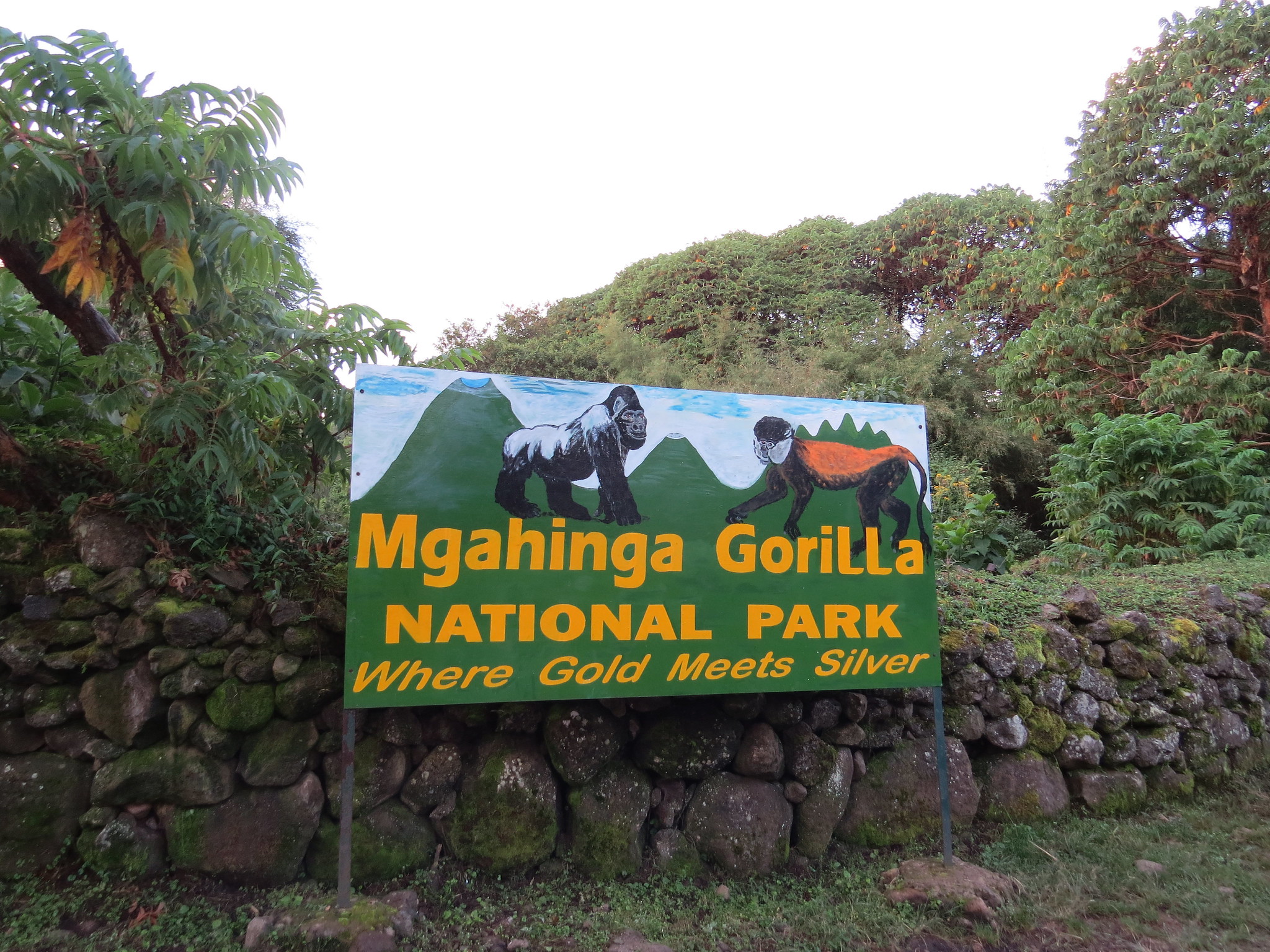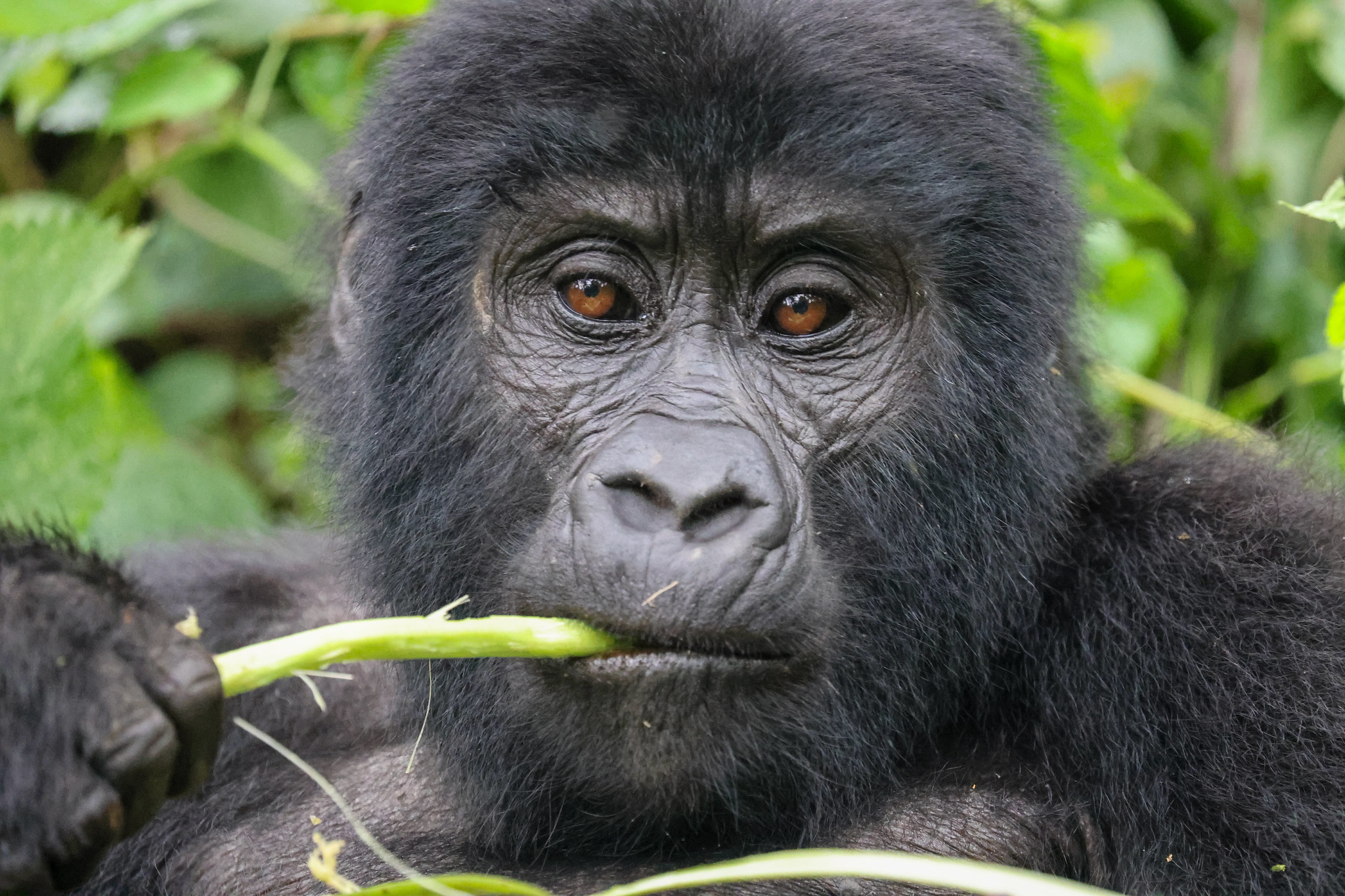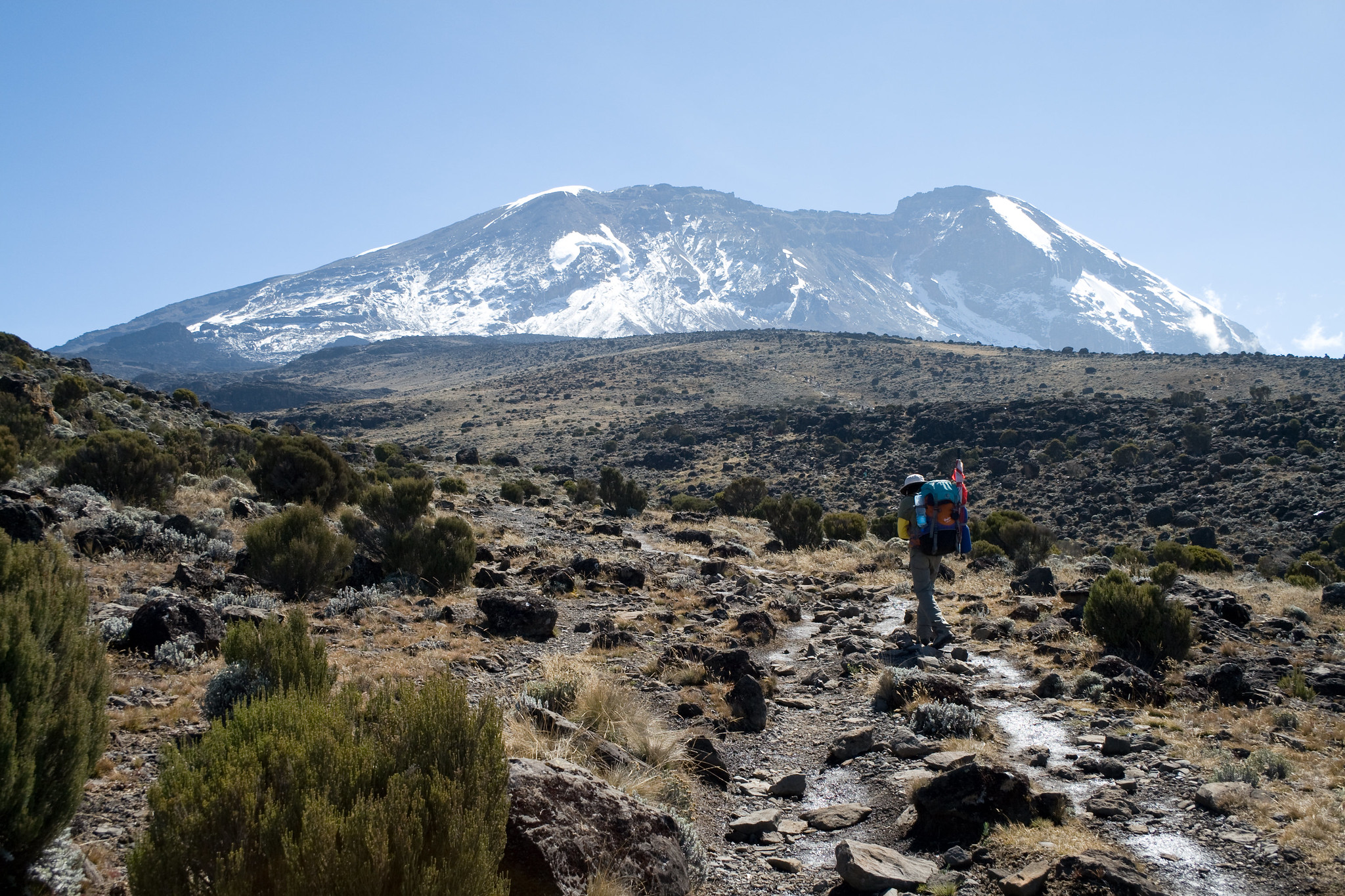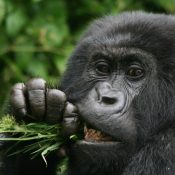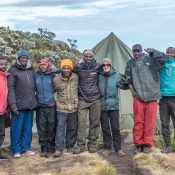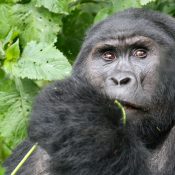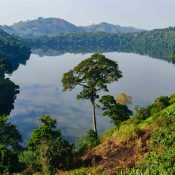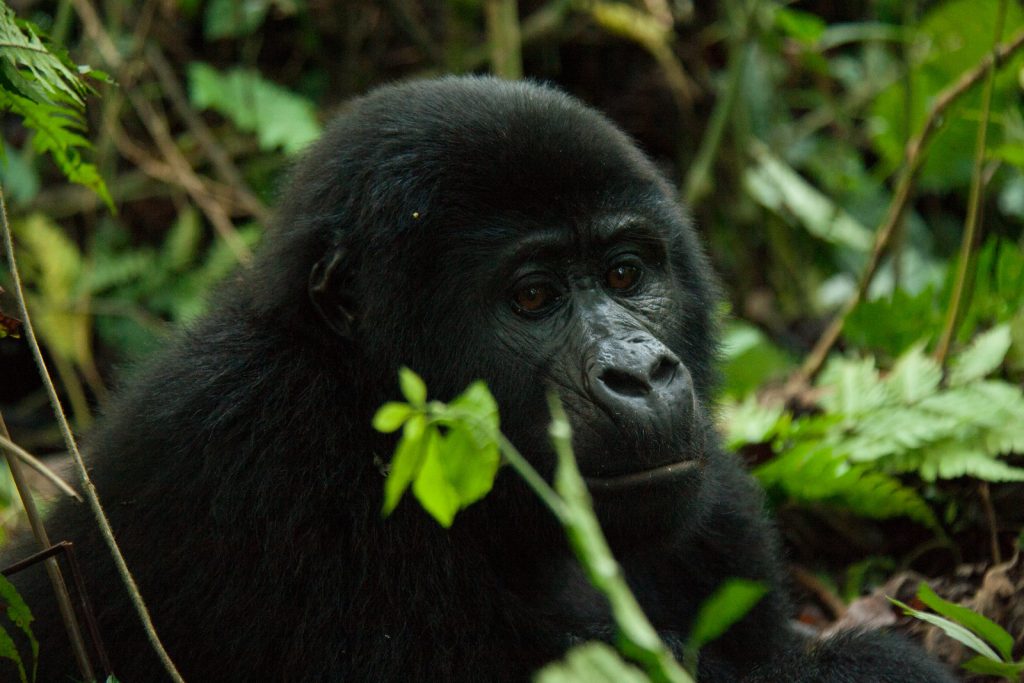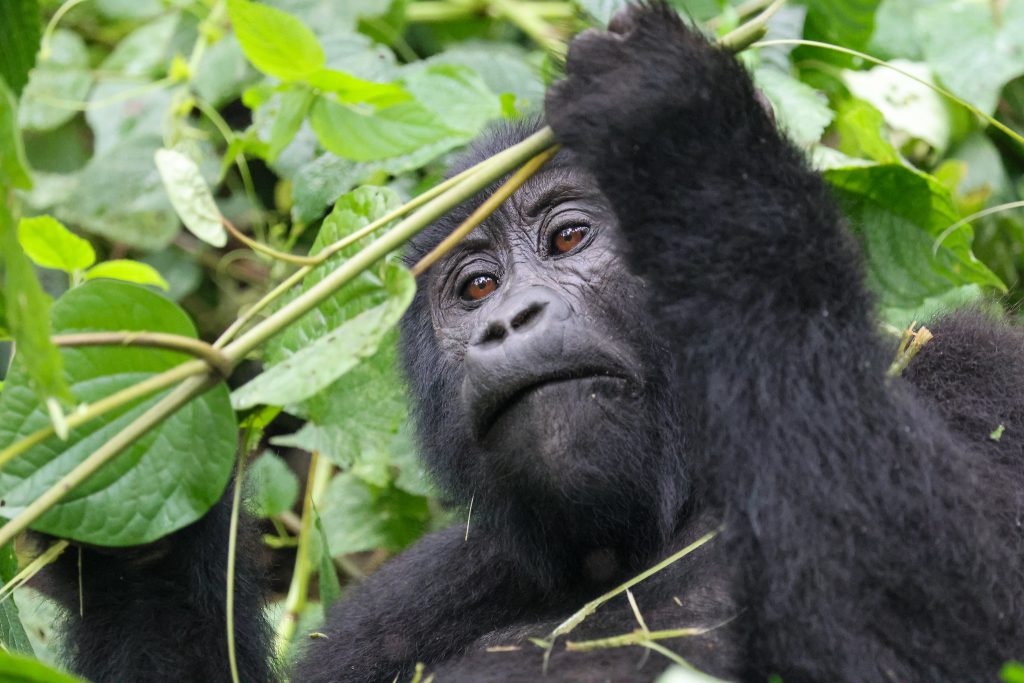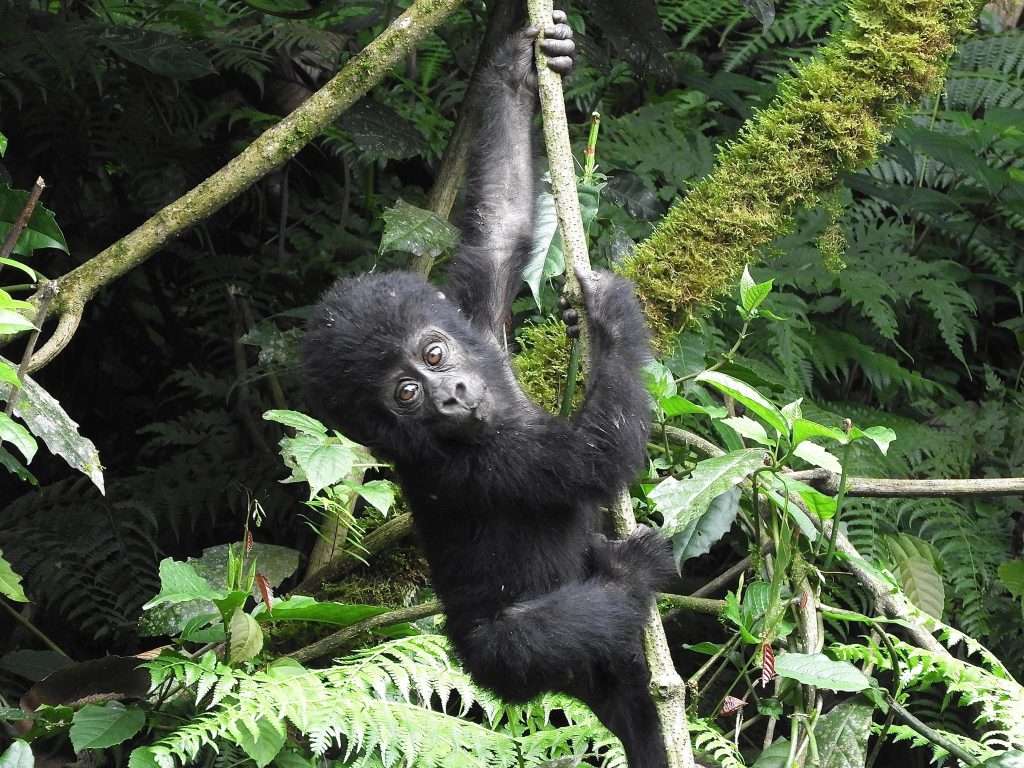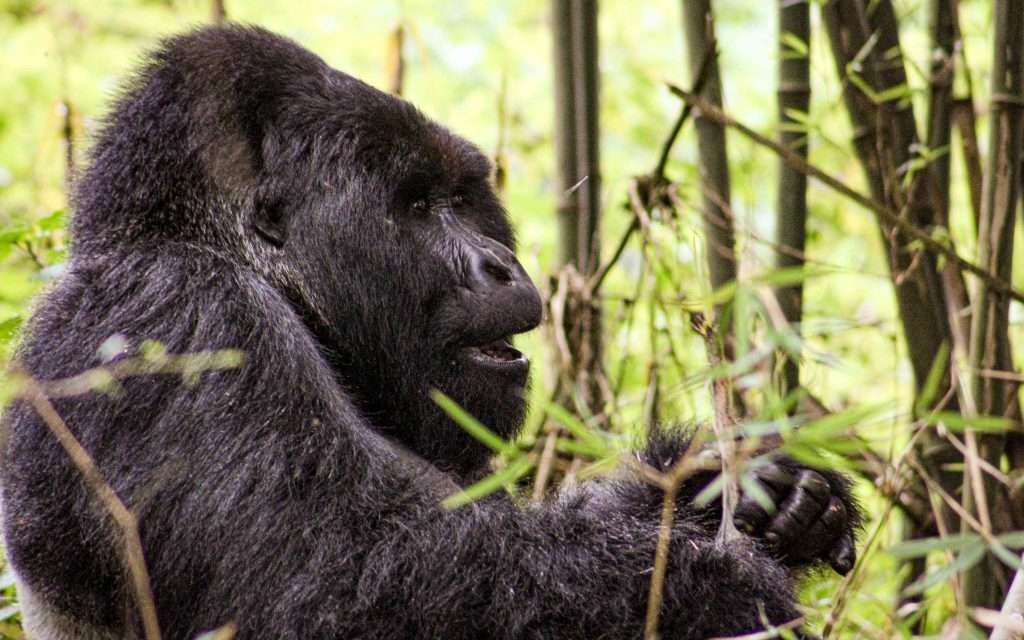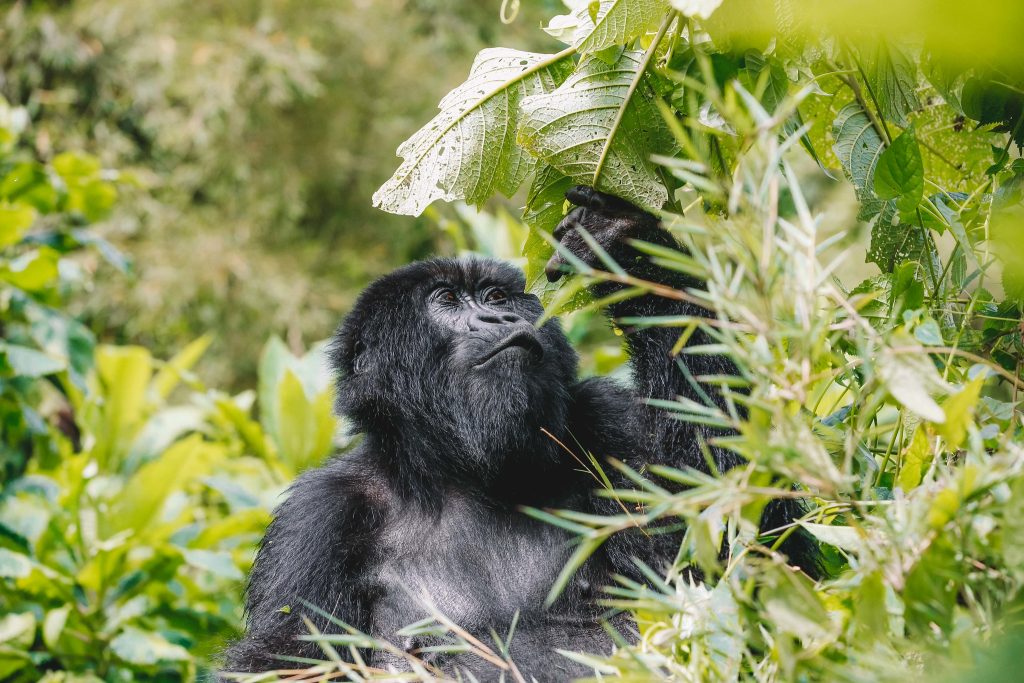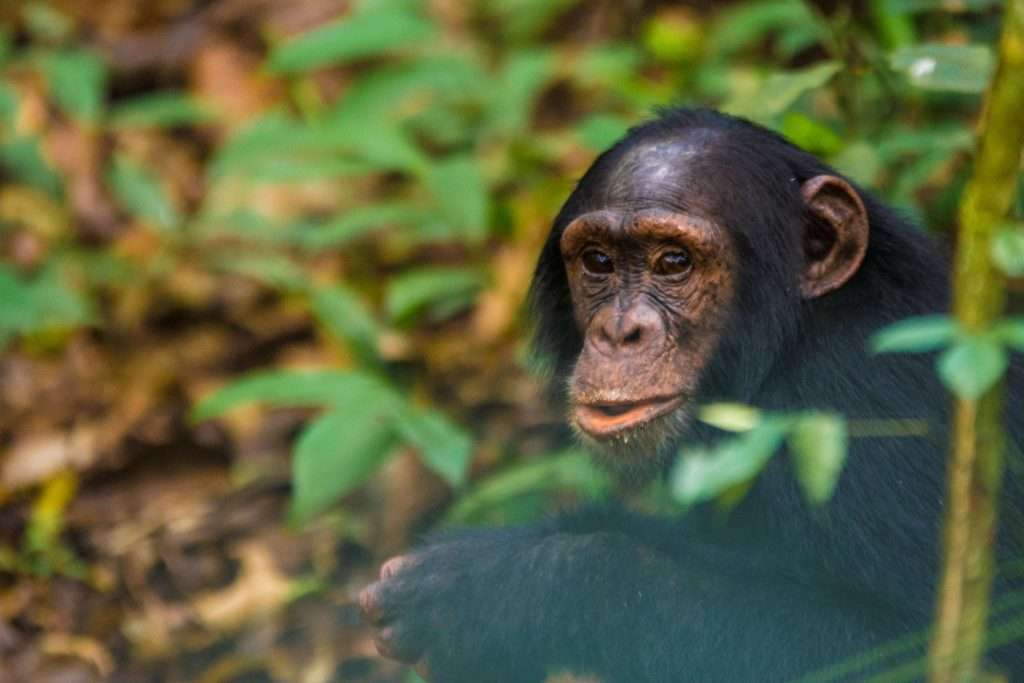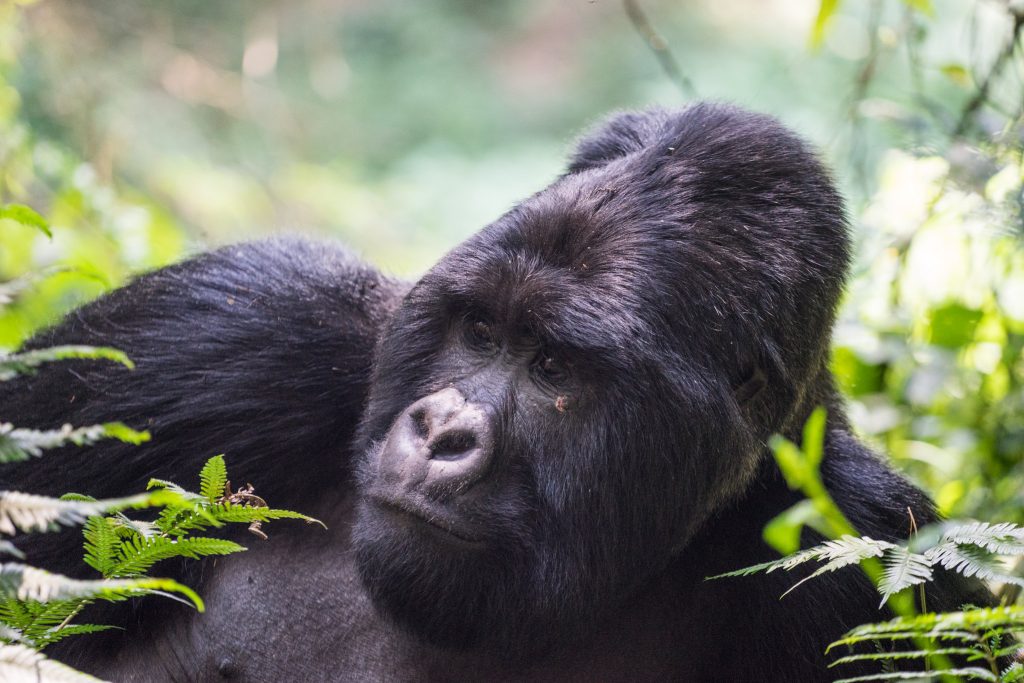
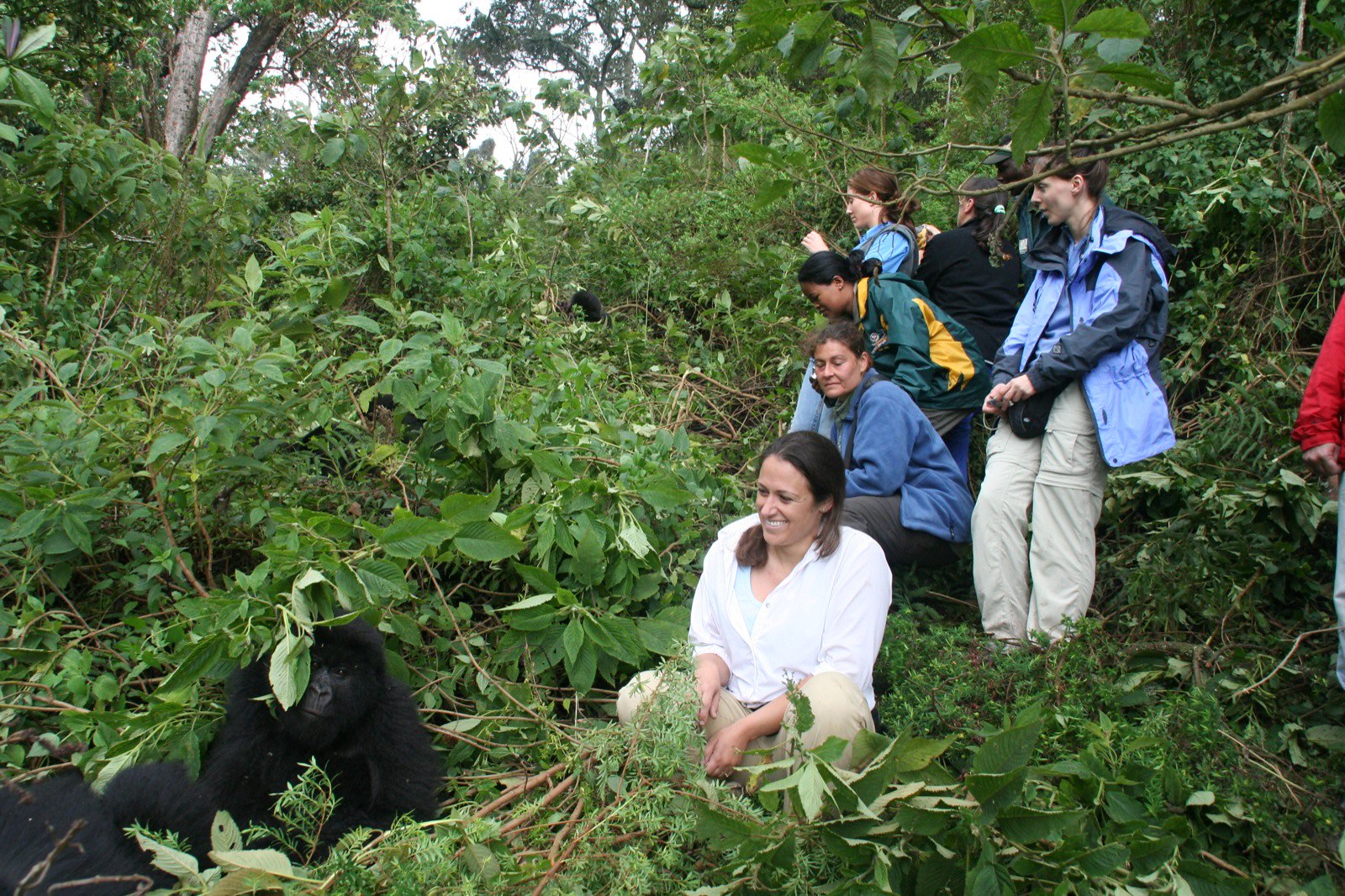
Planning a gorilla trekking adventure in Uganda’s Bwindi Impenetrable National Park or Mgahinga Gorilla National Park requires more than just securing your gorilla permits and accommodations, it demands the right gear. Trekking through dense rainforest, rugged trails, and unpredictable weather can take anywhere from 30 minutes to 8 hours, so being well-prepared ensures a safe, comfortable, and unforgettable encounter with the critically endangered mountain gorillas. This guide also applies to Rwanda’s Volcanoes National Park, making it a must-read for East African gorilla safaris.
Gorilla Trekking Activity
Essential Gear for Your Gorilla Trek
- Hiking Boots
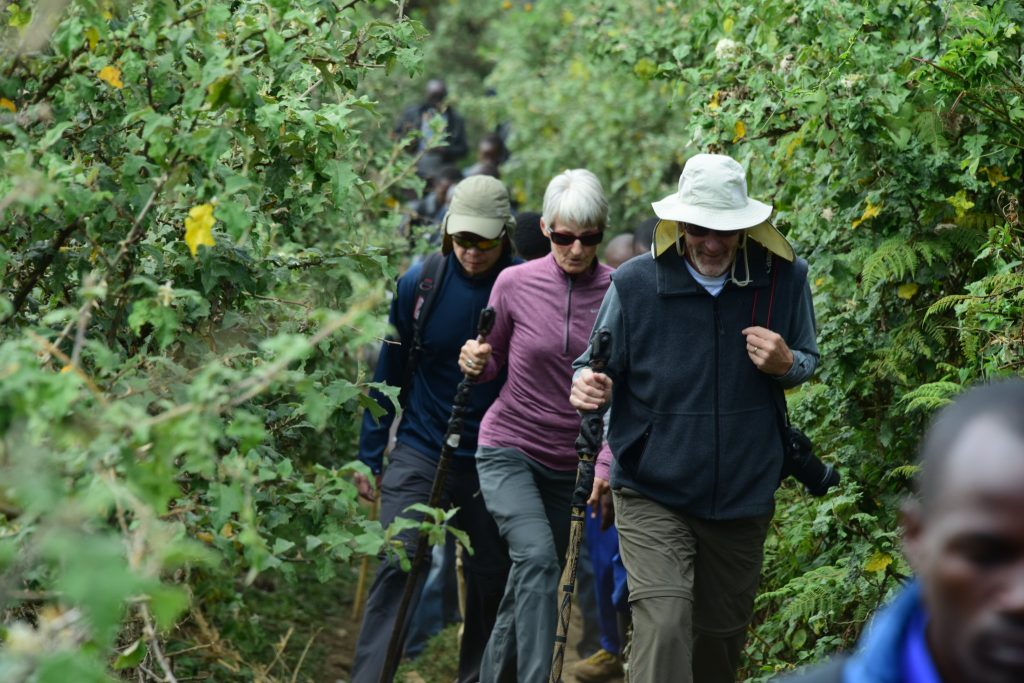
Sturdy, waterproof hiking boots with good ankle support are essential for navigating muddy slopes, dense undergrowth, and steep trails. Break them in before your trek to avoid blisters. - Gloves
Fitted garden or hiking gloves protect your hands from thorns, stinging nettles, insects, and slippery roots. They’re especially useful for holding walking sticks or navigating tricky sections. - Waterproof Jacket or Poncho
Rain can occur year-round, even during Uganda’s dry months (June–September). Pack a lightweight, packable rain jacket or poncho to stay dry without adding weight. - Long-Sleeved Shirts and Trousers
Breathable, quick-dry clothing in neutral tones (khaki or green) shields you from sun, insects, and scratches. Tuck trousers into boots to protect against safari ants and ticks. - Backpack and Packed Lunch
A 20–30L daypack carries water (2–3 liters), a packed lunch, and essentials. Refillable bottles are recommended; guides can point out safe water sources. - Snacks
Nuts, energy bars, or dried fruit will sustain you on longer treks, especially if your fitness level is moderate. - Camera and Extra Batteries
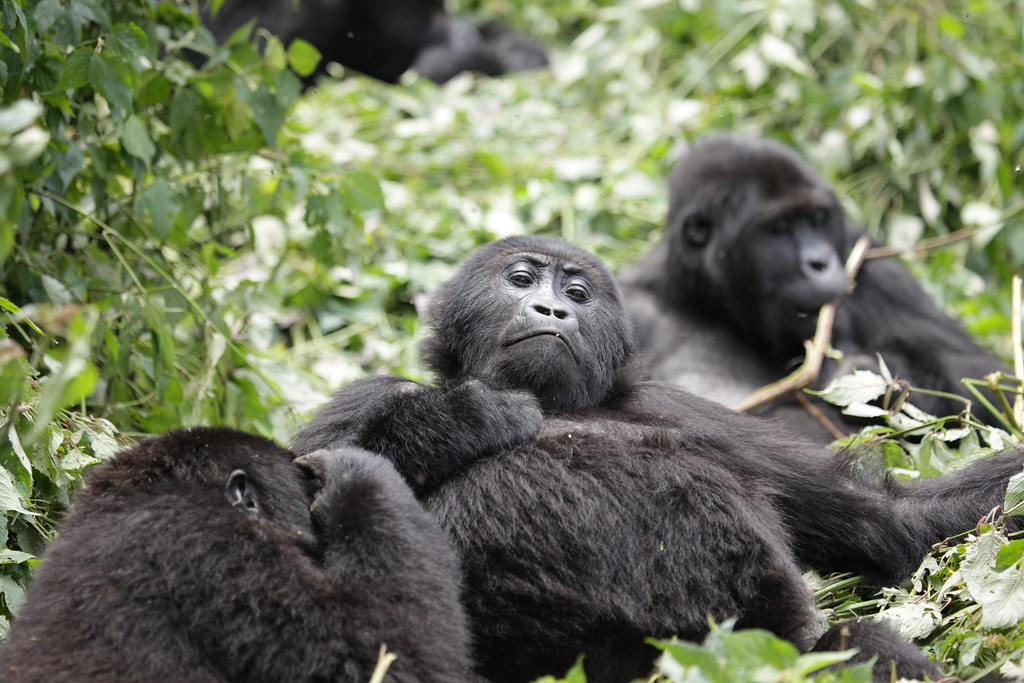
Capture your one-hour gorilla encounter responsibly flash photography is prohibited. Pack spare batteries or a power bank. Move slowly to avoid disturbing the gorillas.
Optional but Recommended Items
-
Hat, Sunglasses, and Sunscreen: Protect against sun exposure during breaks or canopy gaps.
-
Trekking Poles and Gaiters: Enhance stability and prevent mud from entering boots.
-
Insect Repellent: DEET-based sprays and permethrin-treated clothing are ideal.
-
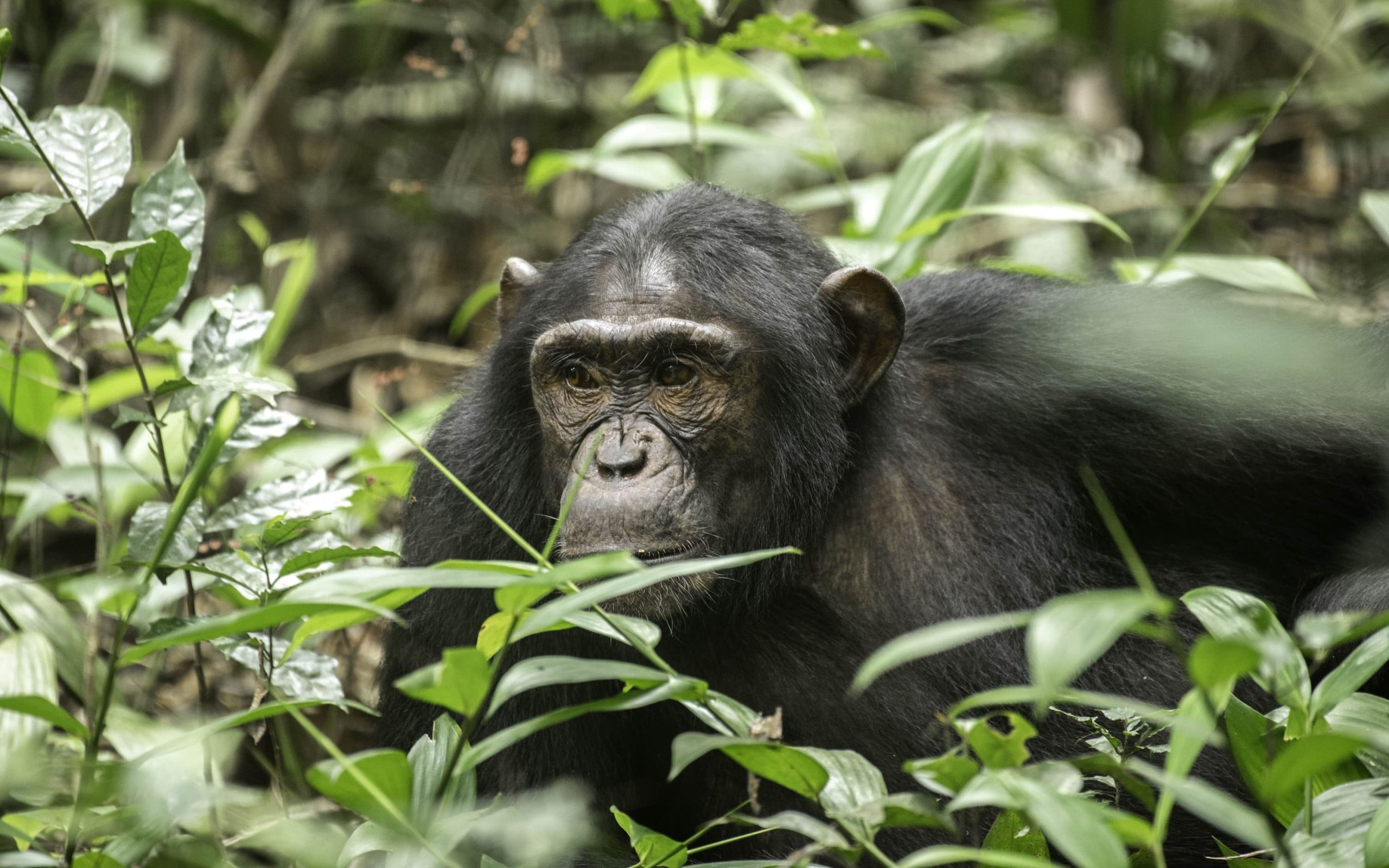
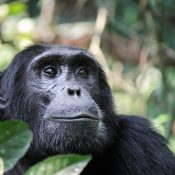
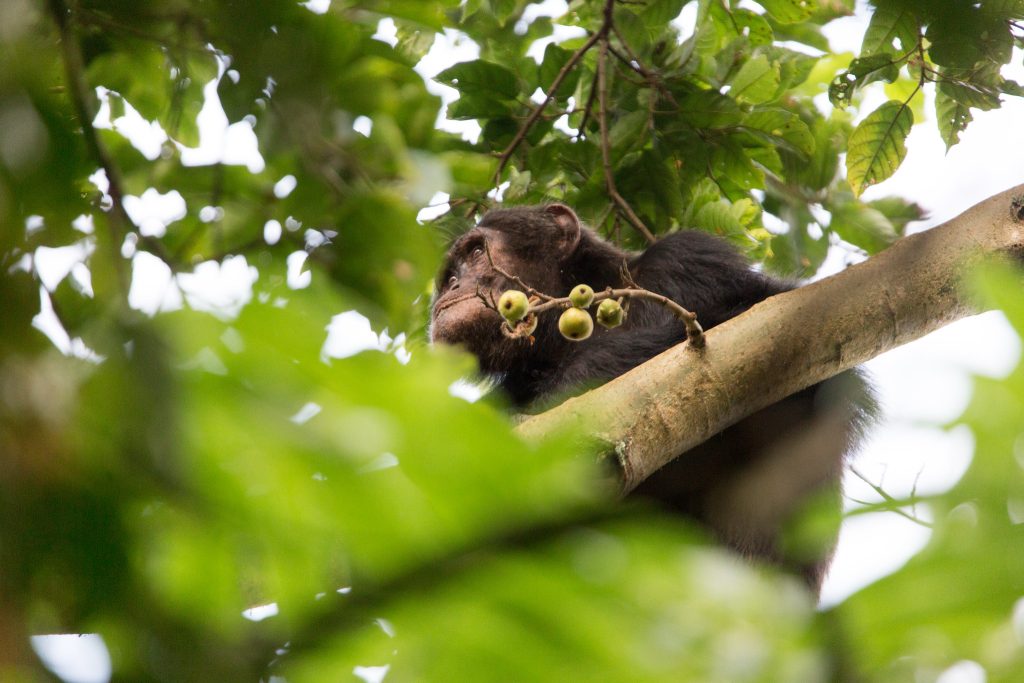
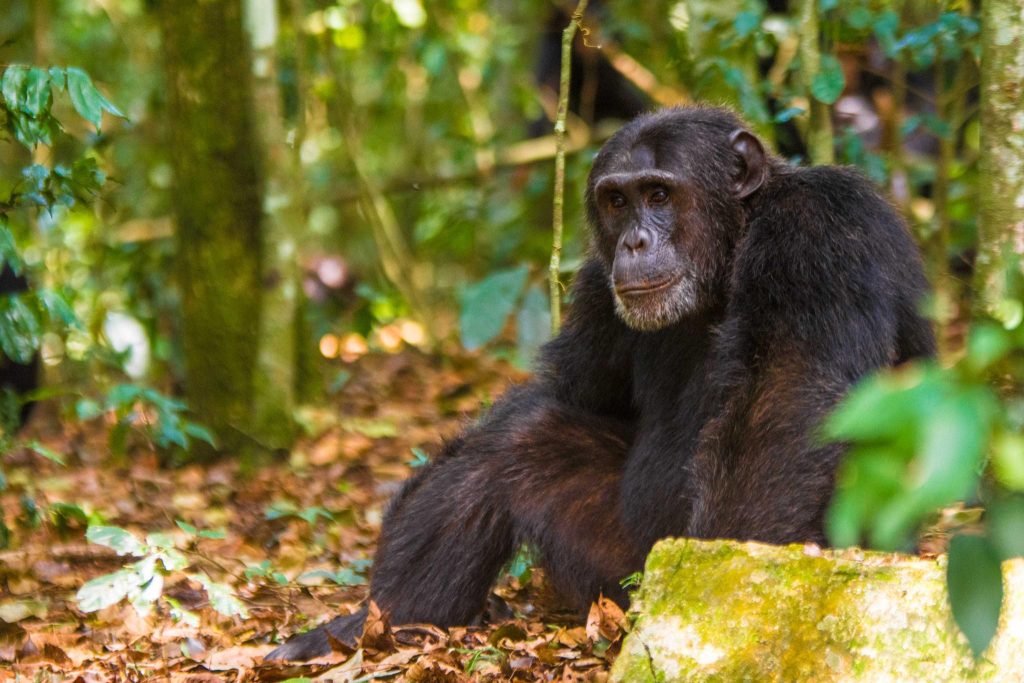
Binoculars: Spot birds, chimpanzees, or colobus monkeys along the trail.
-
Earplugs: Useful if you are sensitive to jungle sounds during overnight stays.
-
Hire a Porter: For $15–20 USD, a local porter can carry your backpack and help navigate difficult terrain. This also supports the local community.
Health, Safety, and Sustainability Tips
-
Vaccinations and Malaria Prophylaxis: Consult a travel doctor before your trip.
-
Fitness Level: Treks vary in difficulty; consider a porter or a shorter trek if needed.
-
Sustainability: Carry out all trash to protect gorillas and their environment.
Gorilla Permit Costs (2025)
-
Standard gorilla trekking permit: $800 USD per person
-
Book 12–18 months in advance for peak season availability.
With the right packing, your focus will be on the awe-inspiring experience of observing wild mountain gorillas rather than discomfort. For tailored itineraries, reliable transportation, and expert guidance, contact In Motion Gorilla Safaris, Your trusted partner for unforgettable gorilla adventures starting from Entebbe or Kigali.