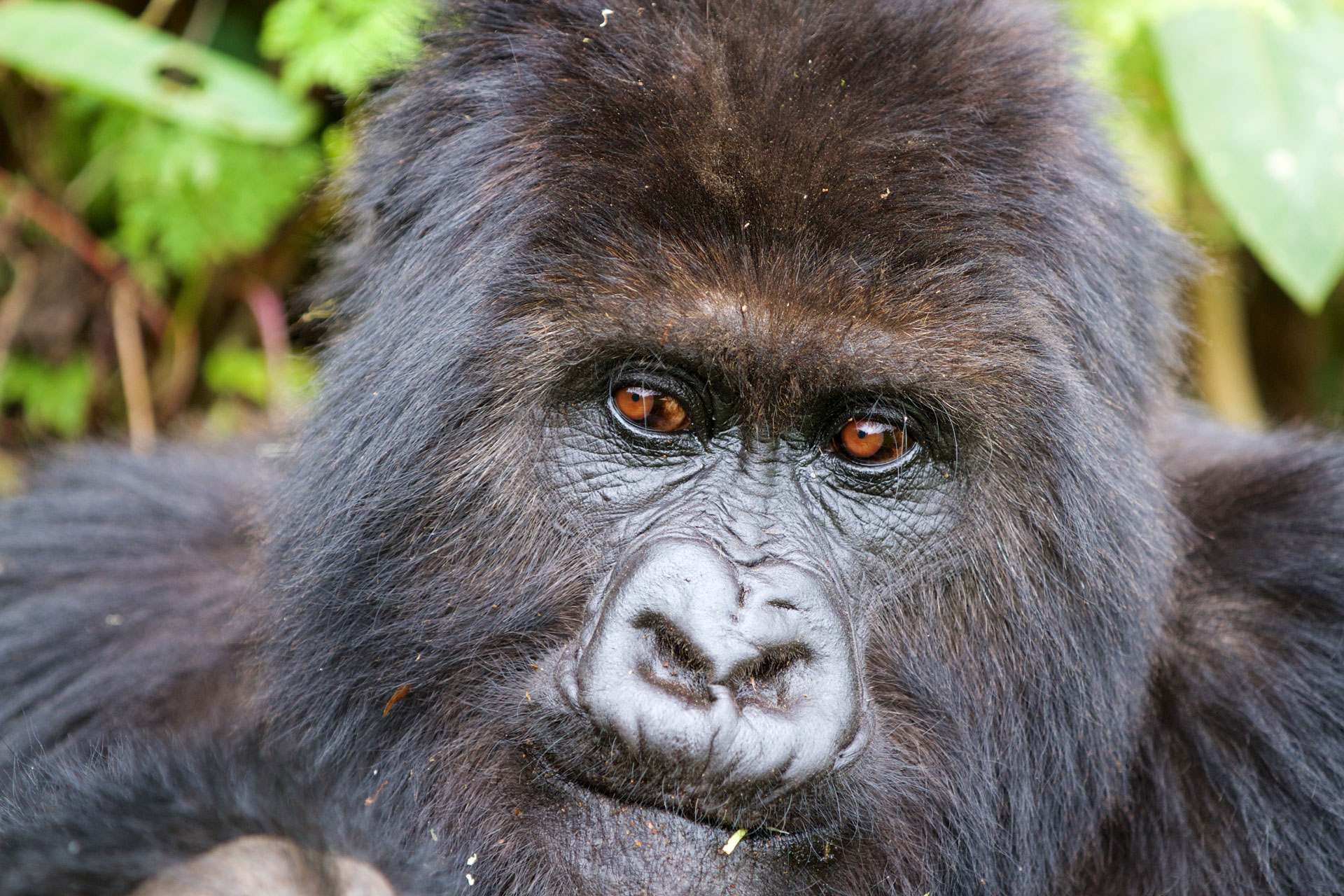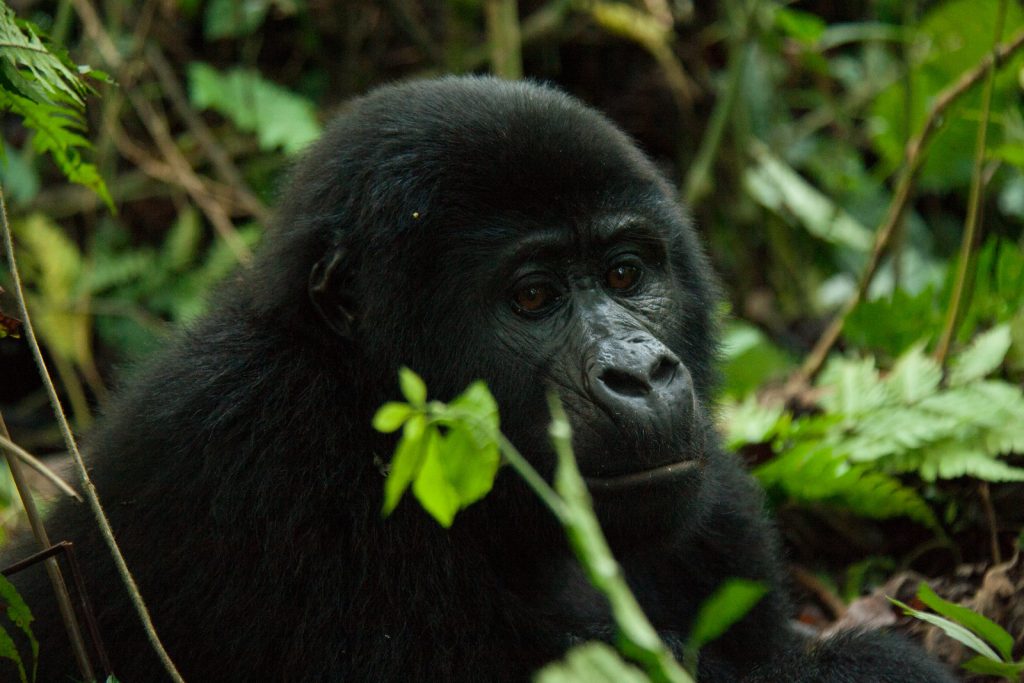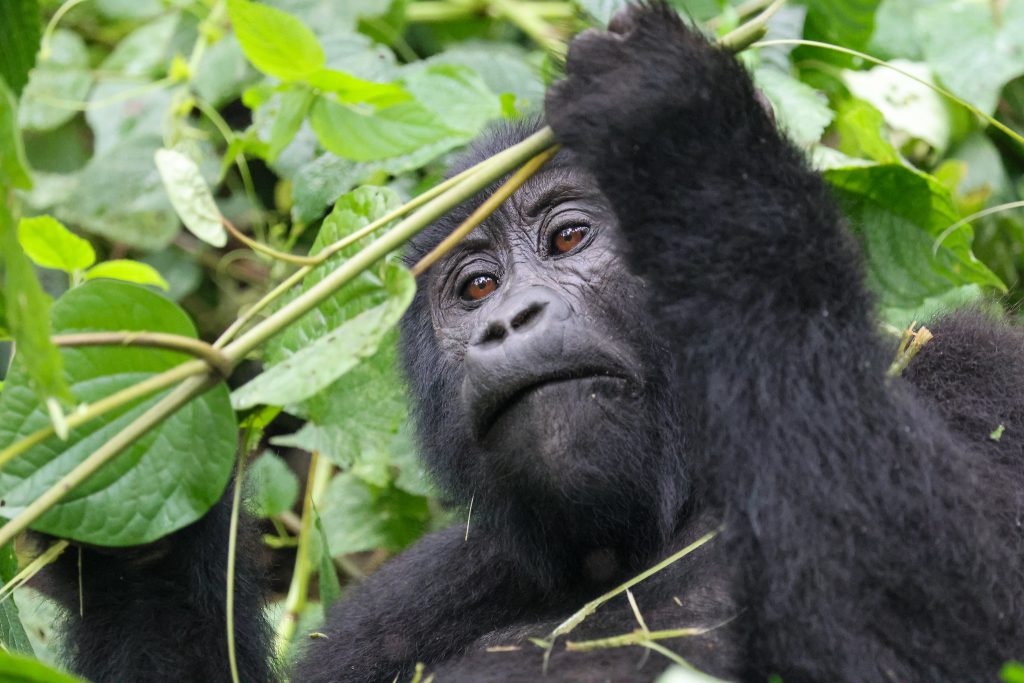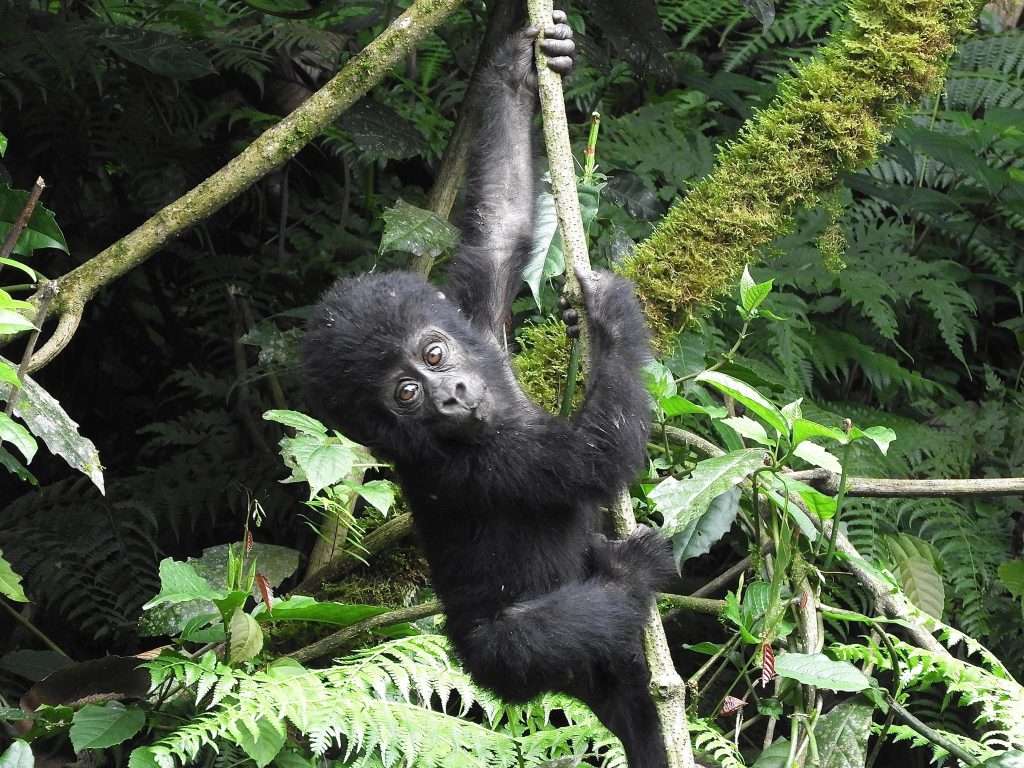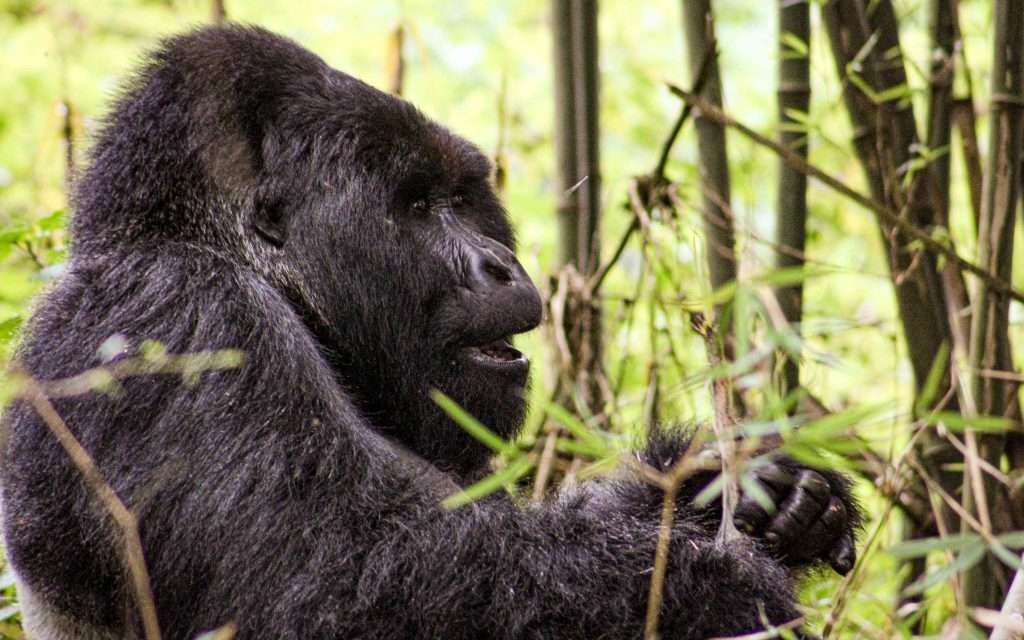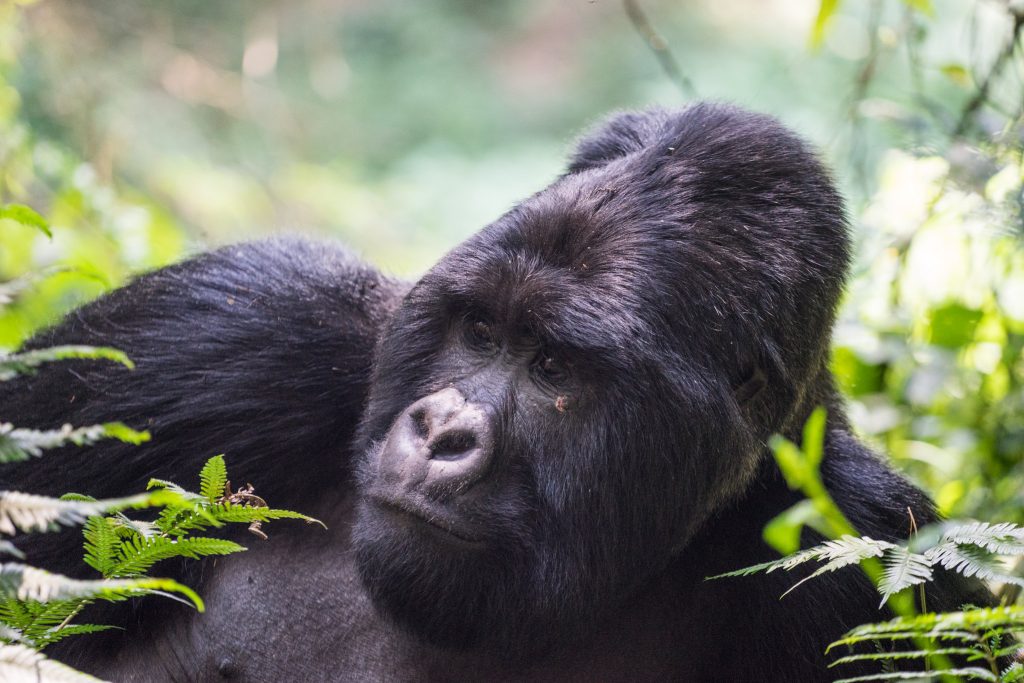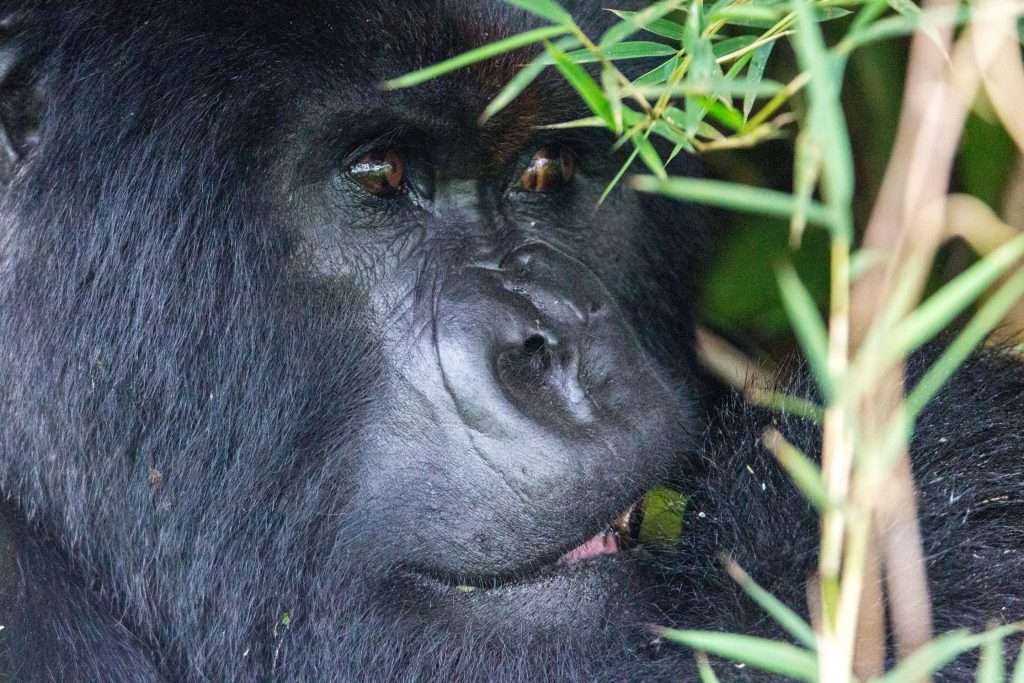
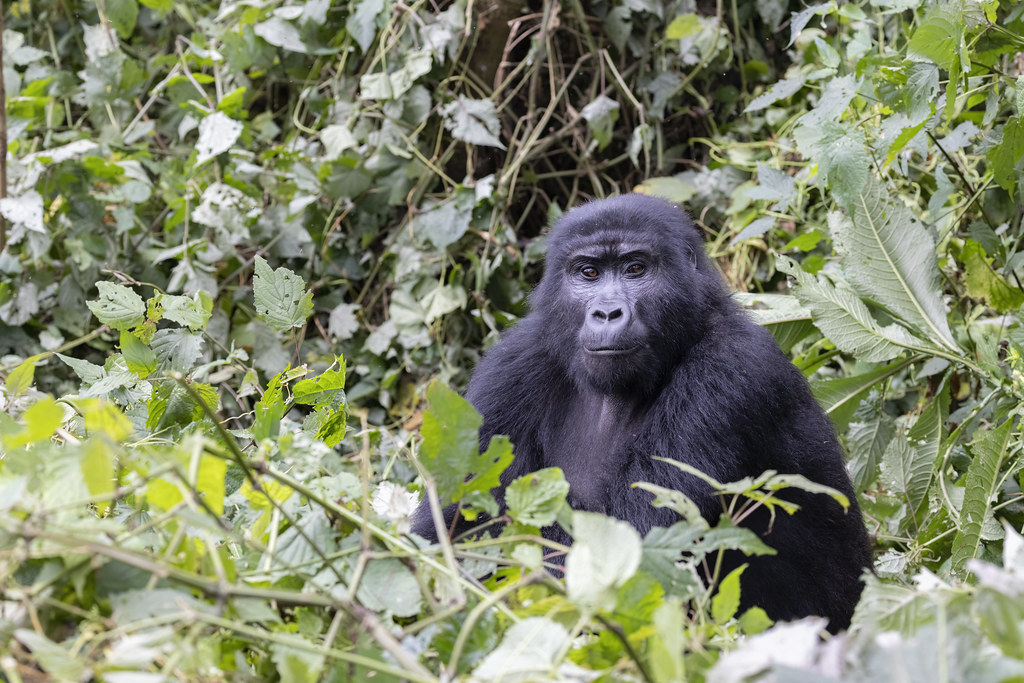
For wildlife enthusiasts, few experiences can compare to coming face-to-face with wild mountain gorillas in their natural habitat. While gorilla trekking offers a thrilling one-hour encounter, gorilla habituation in Uganda takes that experience to an entirely new level. Spending an extended period with these incredible primates allows visitors to observe their behavior, social dynamics, and daily routines in a way few people ever do.
Before diving into the adventure, it’s important to understand what gorilla habituation is, where it happens, and what makes it so special.
What is Gorilla Habituation?
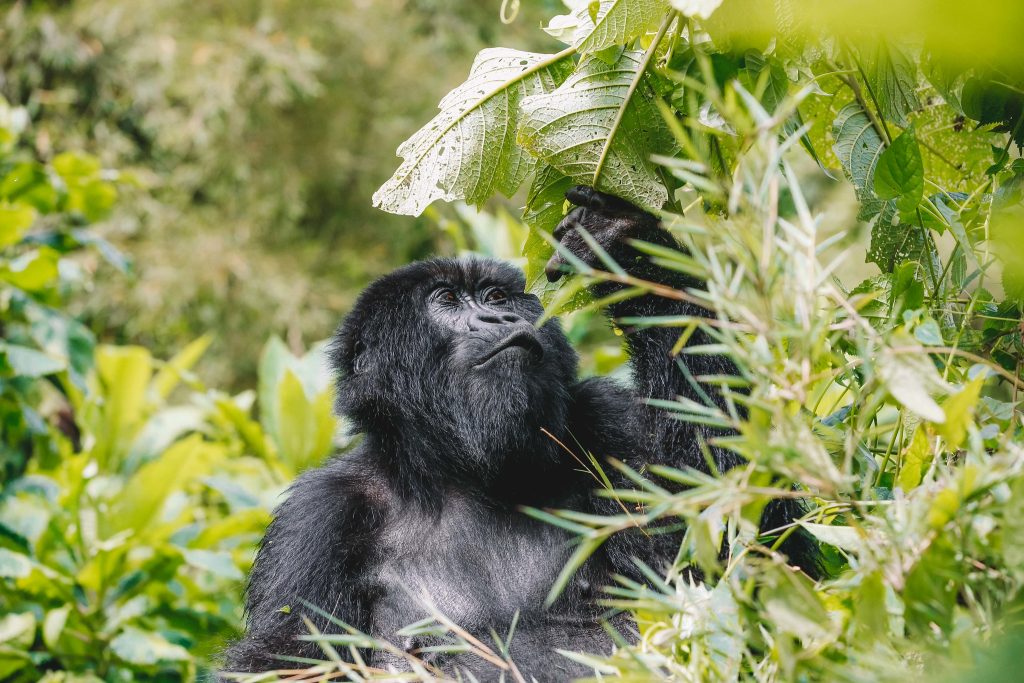
Gorilla habituation is the process of gently introducing wild mountain gorillas to the presence of humans. Unlike regular gorilla trekking, which is limited to a brief one-hour encounter, habituation allows visitors to spend up to four hours with the gorillas.
The primary purpose of habituation is scientific and conservation-driven. Researchers use the process to study gorilla behavior, track population numbers, and monitor the health of families in the wild. By familiarizing the gorillas with humans in a controlled and careful manner, conservationists are able to protect them more effectively and reduce the risk of poaching.
In Uganda, gorilla habituation is offered exclusively in Bwindi Impenetrable National Park, specifically in the Rushaga sector, home to some of the park’s most fascinating gorilla families.
The Gorilla Habituation Experience
Morning Briefing
Your day begins early at the briefing center in Rushaga. Before heading into the forest, experienced rangers provide a comprehensive orientation. Visitors learn the rules and safety measures essential for a safe habituation encounter, and the ranger introduces the specific gorilla family that will be habituated that day.
Adding to the excitement, the morning often begins with a cultural performance from the local Batwa community, allowing guests to connect with Uganda’s rich indigenous heritage before the forest adventure begins.
Trekking Through Bwindi
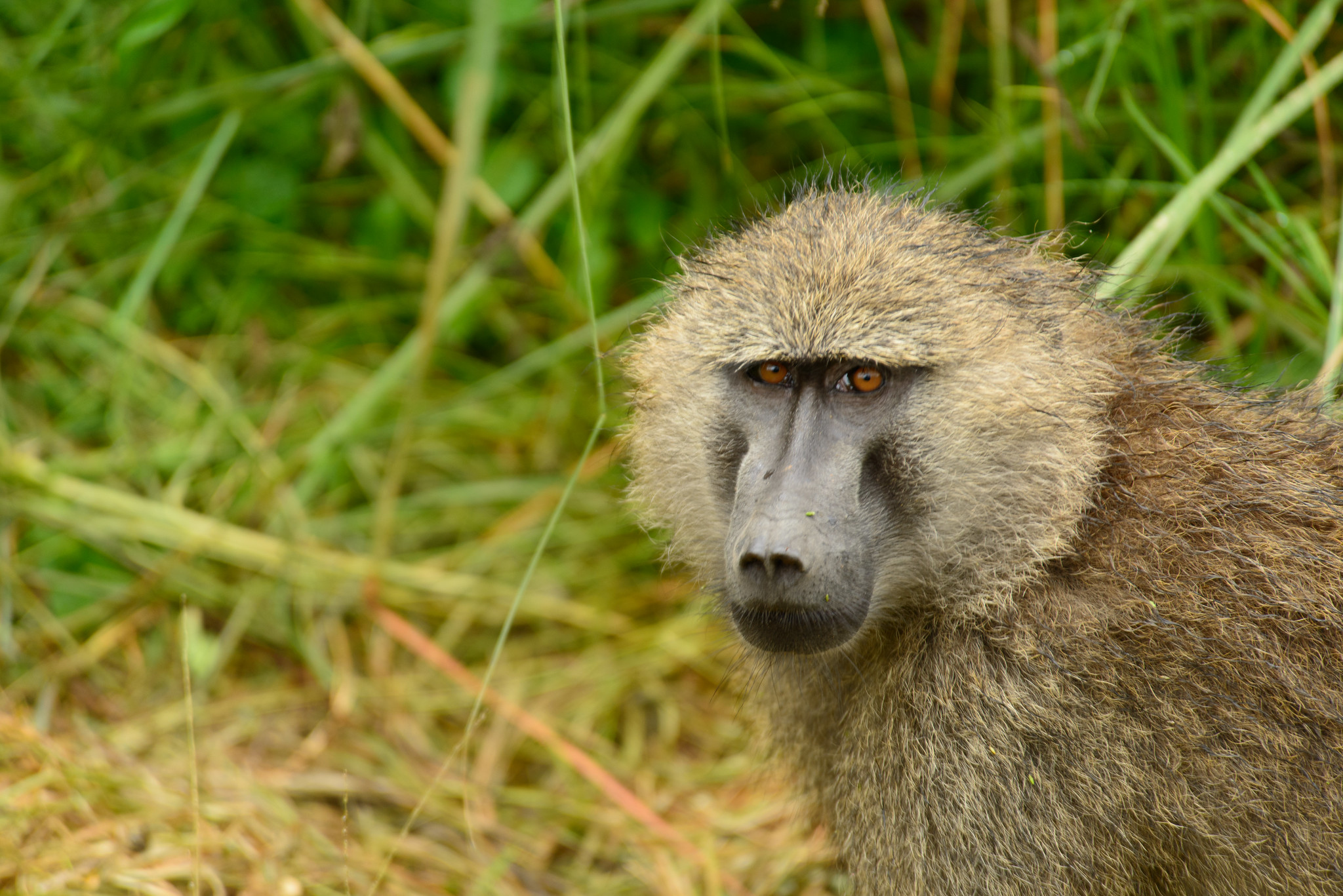
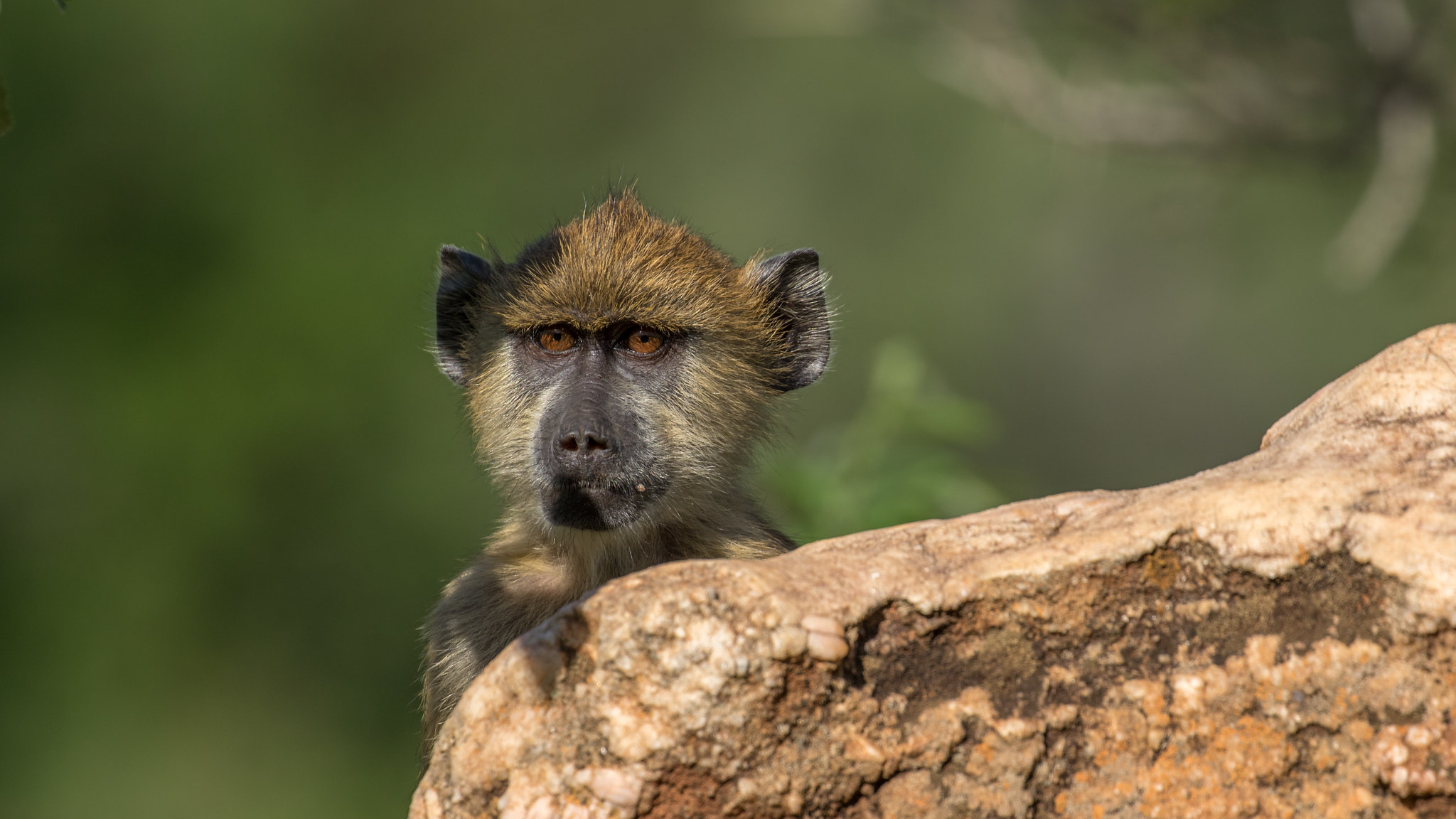
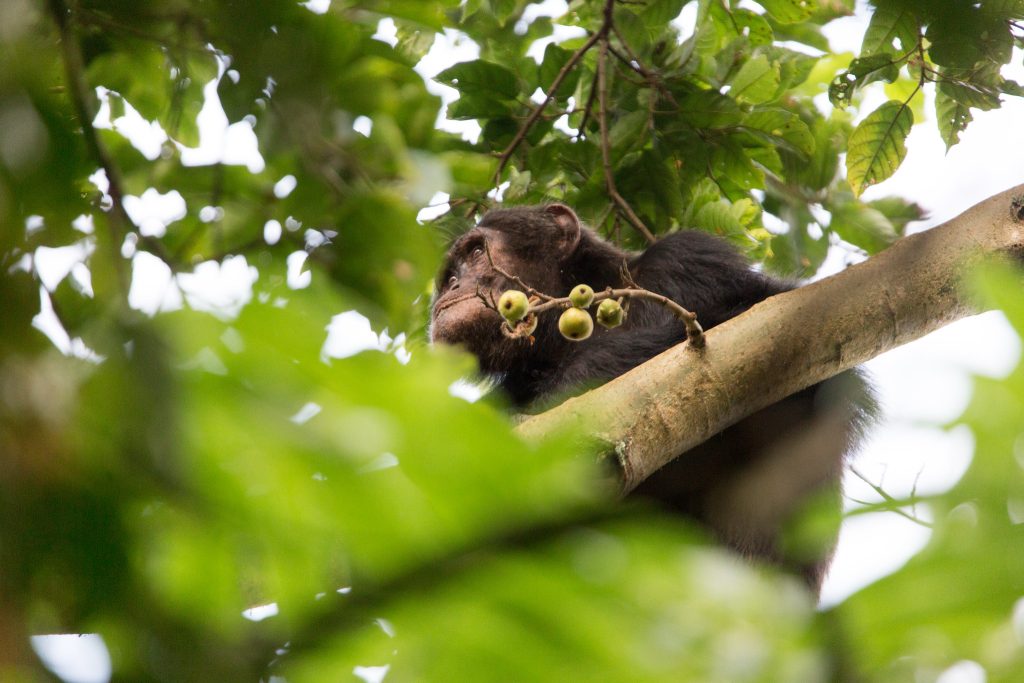
The trek into Bwindi’s dense forest is both challenging and rewarding. Visitors follow the ranger guide in a single-file formation, carefully navigating the steep slopes, vines, and thick undergrowth. Along the way, the forest comes alive with sounds and sights: colorful birds flit between branches, and curious primates such as vervet monkeys, olive baboons, and black-and-white colobus monkeys may appear along the path.
The trekking period varies depending on the location of the gorilla family. Some families are deep in the forest, adding an extra element of anticipation to the adventure.
Observation and Habituation
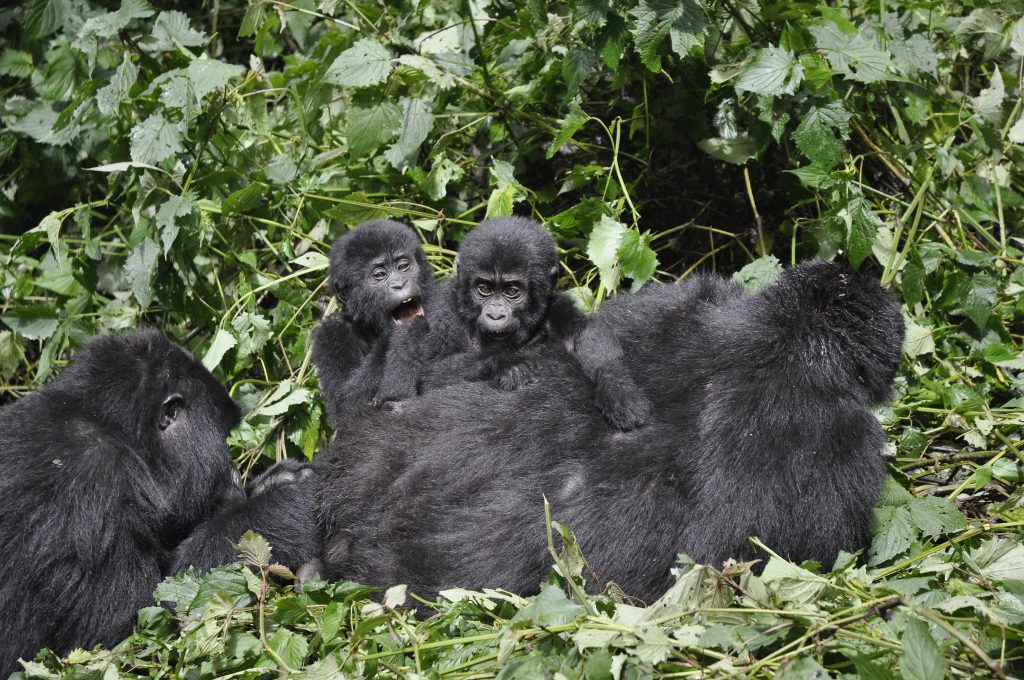
Once the gorilla family is located, silence and patience become the rule of the hour. Visitors must avoid surrounding or startling the gorillas, as these wild primates can react aggressively if threatened.
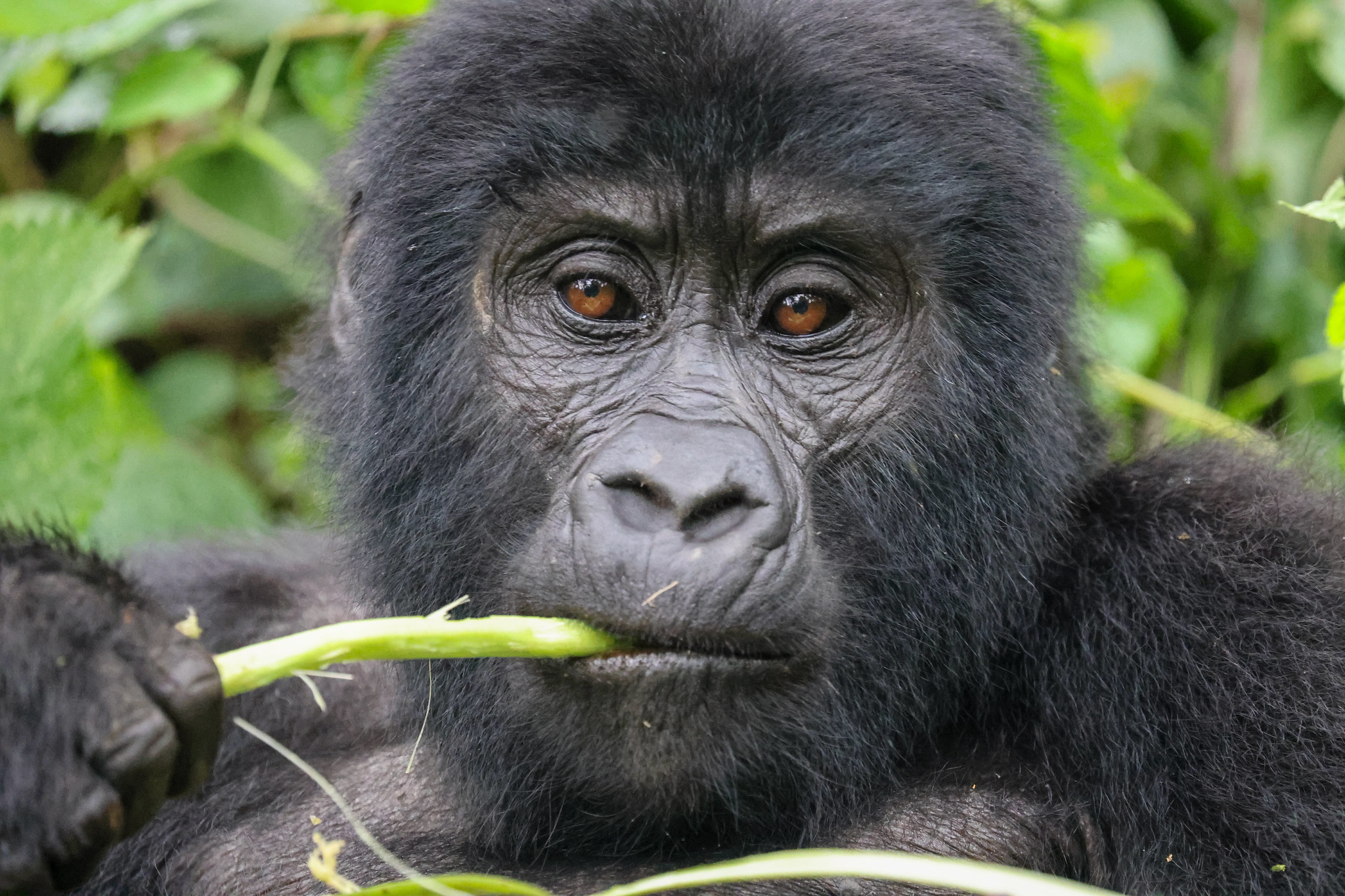
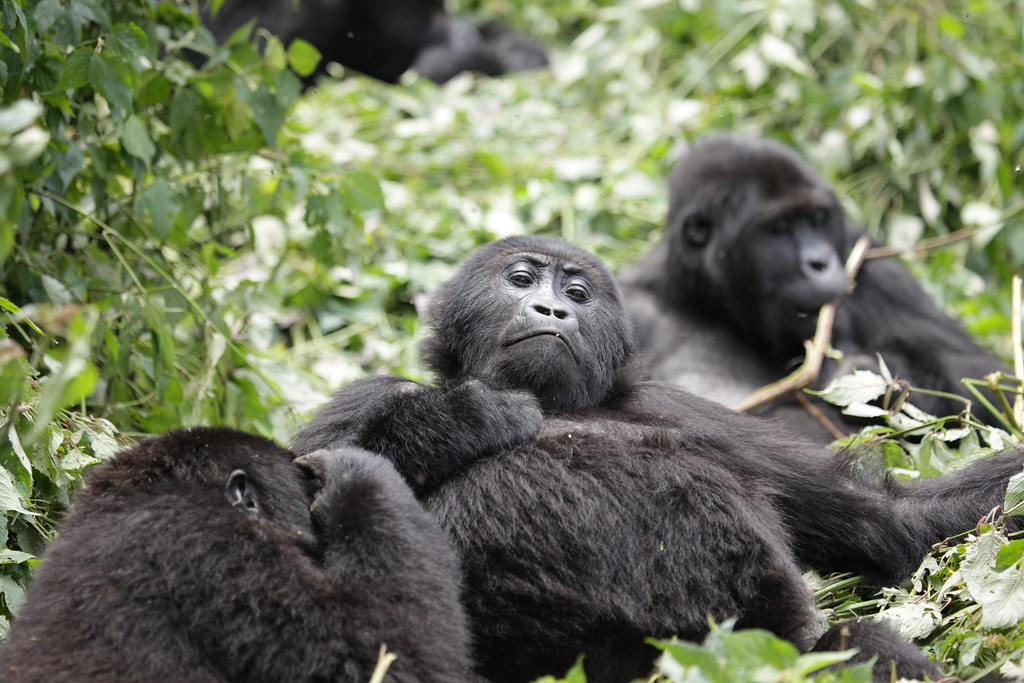
During habituation, guests spend up to four hours observing the gorillas in their natural habitat. With guidance from rangers and researchers, visitors can witness fascinating behaviors:
-
Feeding on leaves, fruits, and stems
-
Grooming and social interactions
-
Nest building for rest
-
Care and play with infants
-
Exploring and patrolling their territory
This extended time allows a deeper understanding of gorilla society, far beyond the short glimpse offered by trekking alone.
Gorilla Habituation Permits
Due to the intimate and specialized nature of the experience, gorilla habituation permits are limited and more expensive than trekking permits, costing USD 1,500 per person. The higher cost reflects the longer duration of the encounter and the exclusive opportunity to observe gorillas for several hours.
Booking Permits
Habituation permits cannot be purchased online. Visitors must work with a trusted tour operator who can secure permits and plan logistics, ensuring that your trek is safe and well-coordinated. Early booking is essential, as permits are extremely limited and in high demand.
Rules and Regulations
To protect both visitors and gorillas, strict rules are enforced during habituation:
-
No feeding the gorillas – Human food can harm the primates.
-
No flash photography – Sudden flashes can startle the gorillas.
-
Maintain silence – Loud noises may scare or provoke aggression.
-
No littering – Preserve the pristine forest environment.
-
Never confront a silverback – These powerful males can weigh over 200 kilograms and are highly territorial; confrontation can be deadly.
Following these rules ensures a safe, respectful, and unforgettable experience.
What to Pack for Gorilla Habituation
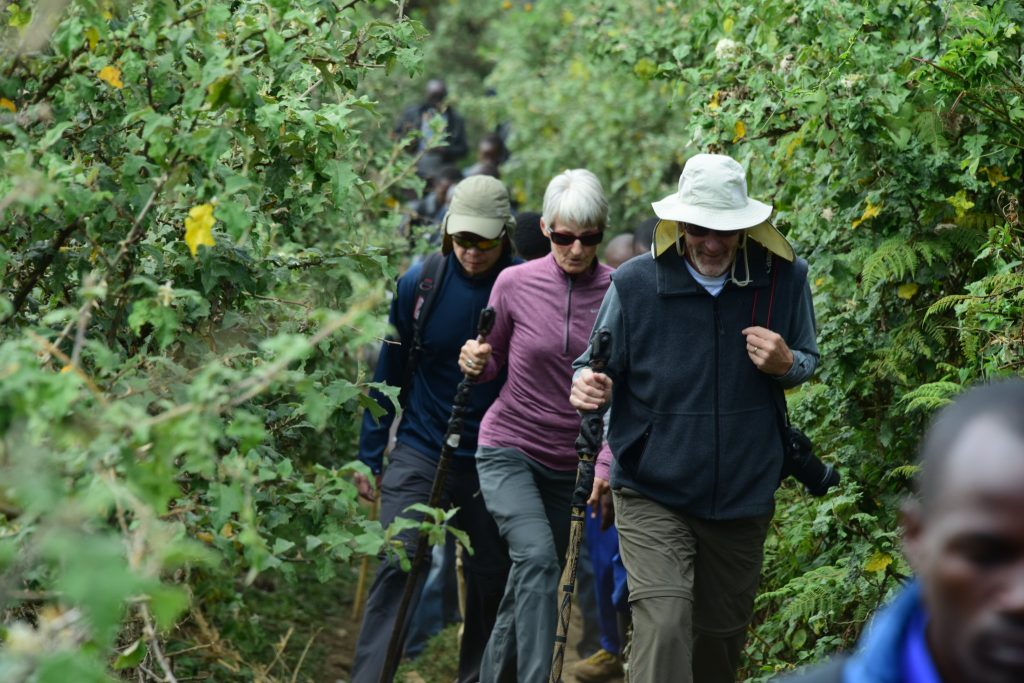
Preparation is key for a comfortable and safe experience in Bwindi:
-
Long-sleeved shirts and lightweight long pants
-
Jungle or hiking shoes with good grip
-
Raincoat or waterproof jacket
-
First aid kit and personal medications
-
Reusable water bottle and energy-giving snacks
-
Sun protection: sunscreen, sunglasses, hat/cap
Packing thoughtfully allows visitors to focus on the incredible wildlife encounter without discomfort or distractions.
Why Gorilla Habituation is Unforgettable
Gorilla habituation offers a rare opportunity to step closer into the world of wild mountain gorillas. Unlike trekking, which provides just a fleeting glimpse, habituation gives you hours to observe, photograph, and connect with these gentle giants in ways few humans ever experience. It’s not just a safari; it’s a chance to witness conservation in action and leave with memories that last a lifetime.