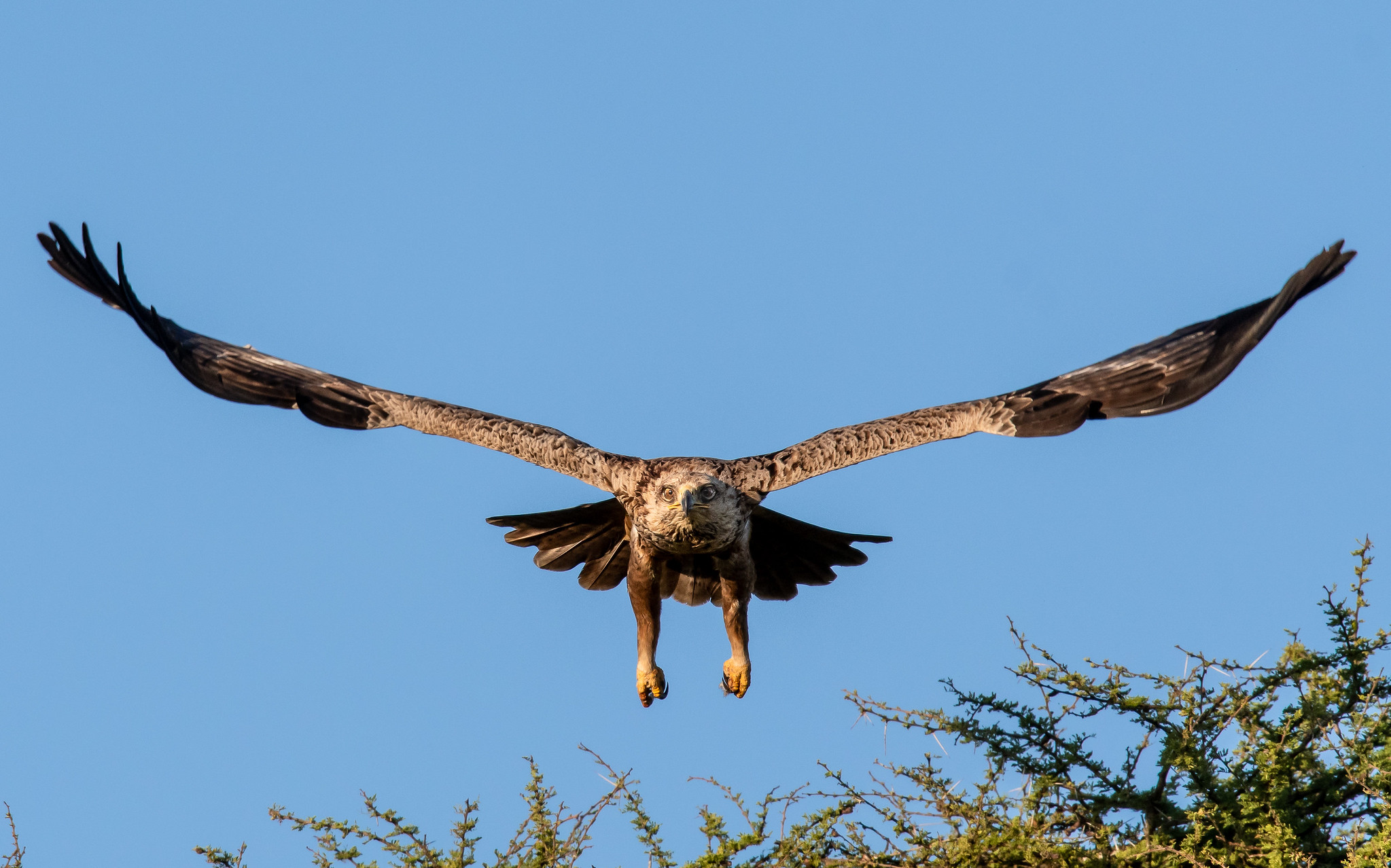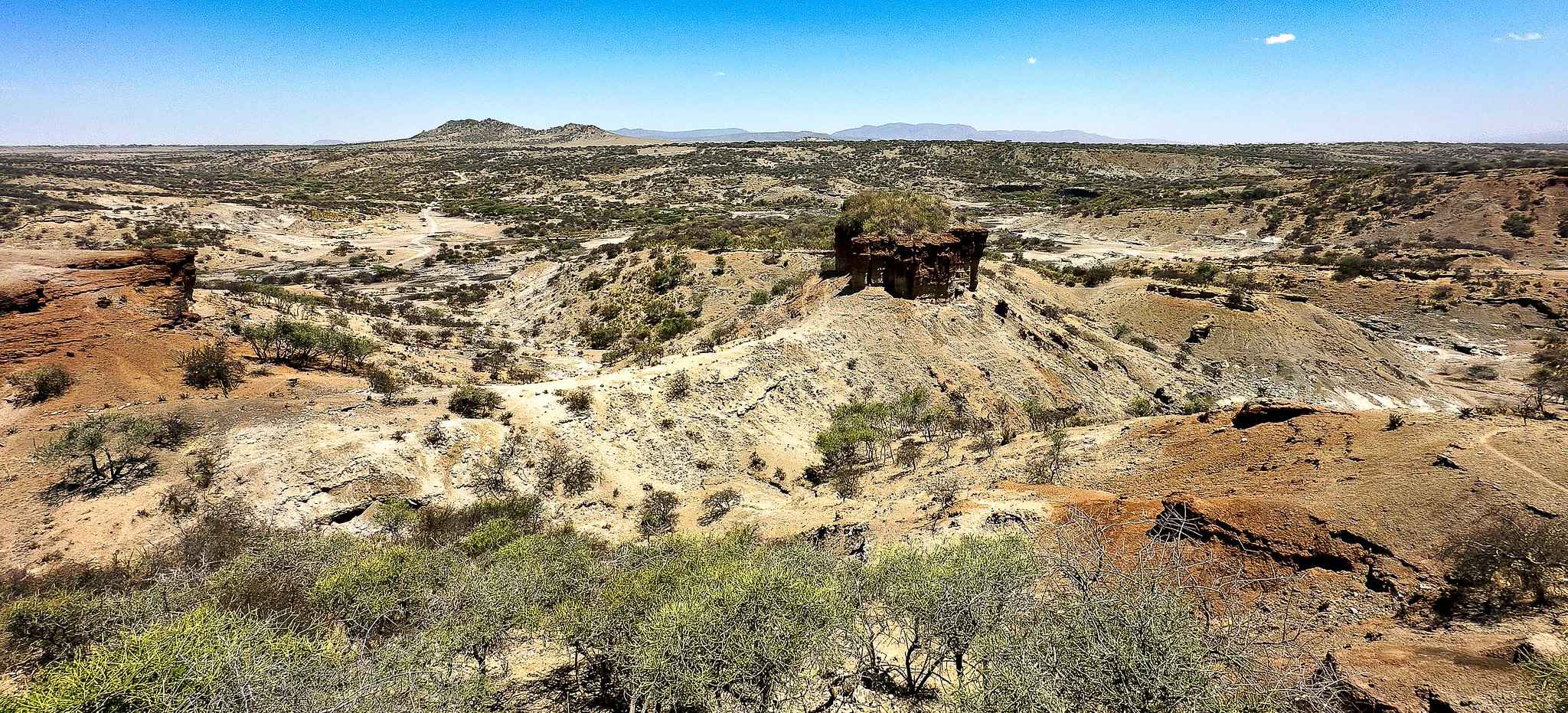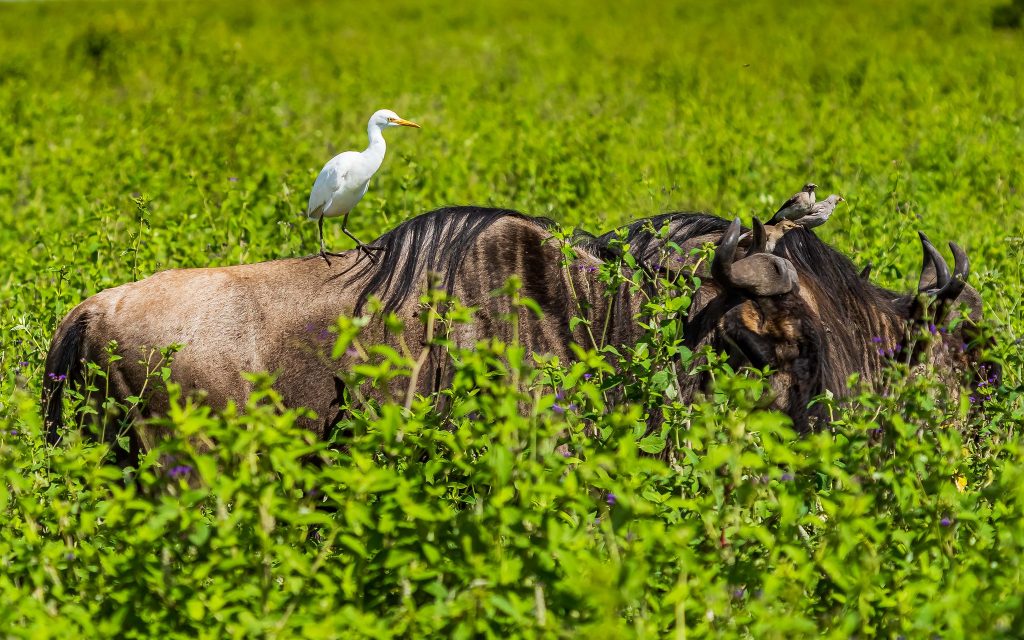
A Big Five safari in Uganda is one of Africa’s most thrilling wildlife experiences. For travelers and wildlife enthusiasts, few adventures compare to the excitement of encountering the continent’s most iconic animals roaming freely in their natural habitats. Uganda, often referred to as the Pearl of Africa, offers an exceptional opportunity to experience these legendary animals while exploring some of East Africa’s most diverse landscapes.
Historically, the Big Five animals were named by trophy hunters in the late 19th century to describe the five most difficult and dangerous animals to hunt on foot. Today, the meaning of the term has evolved dramatically. Modern safaris focus not on hunting but on conservation, photography, and unforgettable wildlife encounters. The only “weapon” used by visitors is now a camera, capturing breathtaking moments of Africa’s greatest wildlife spectacles.
Uganda offers a unique twist to the traditional Big Five safari experience. While the African elephant, lion, leopard, and buffalo roam freely across the country’s savannah national parks, the rhinoceros can be encountered during a guided tracking experience at the Ziwa Rhino Sanctuary. This sanctuary plays a crucial role in reintroducing rhinos to Uganda after they were wiped out by poaching during the 1980s.
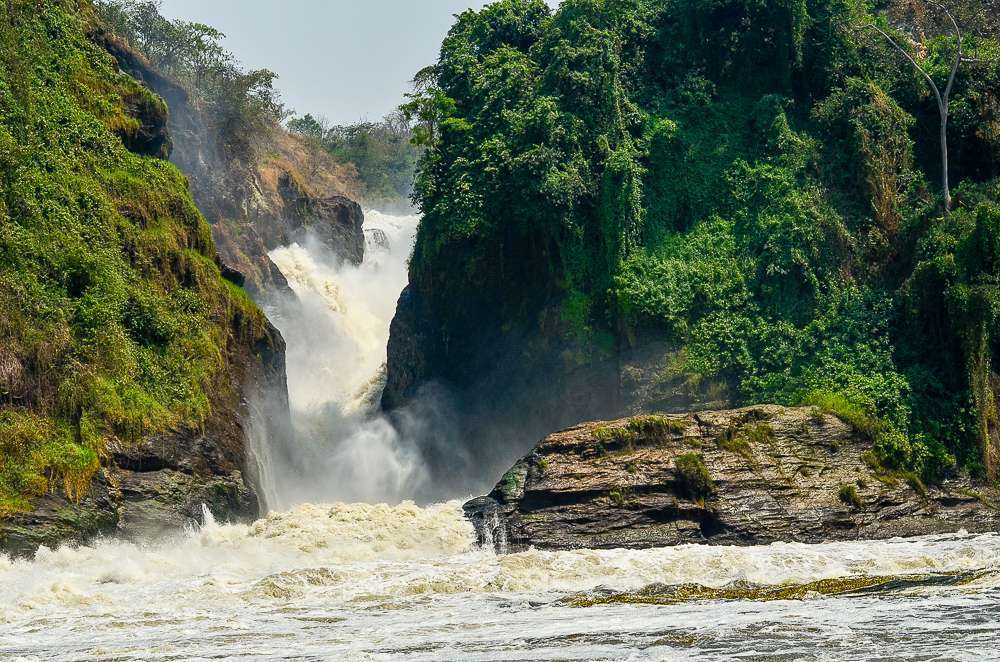
To see all members of the Big Five in Uganda, travelers typically explore the country’s major wildlife parks such as Murchison Falls National Park, Queen Elizabeth National Park, and Kidepo Valley National Park, before completing their safari with rhino tracking at Ziwa. Each destination contributes a unique ecosystem and wildlife experience, making the journey both diverse and unforgettable.
Encountering the Big Five Animals in Uganda
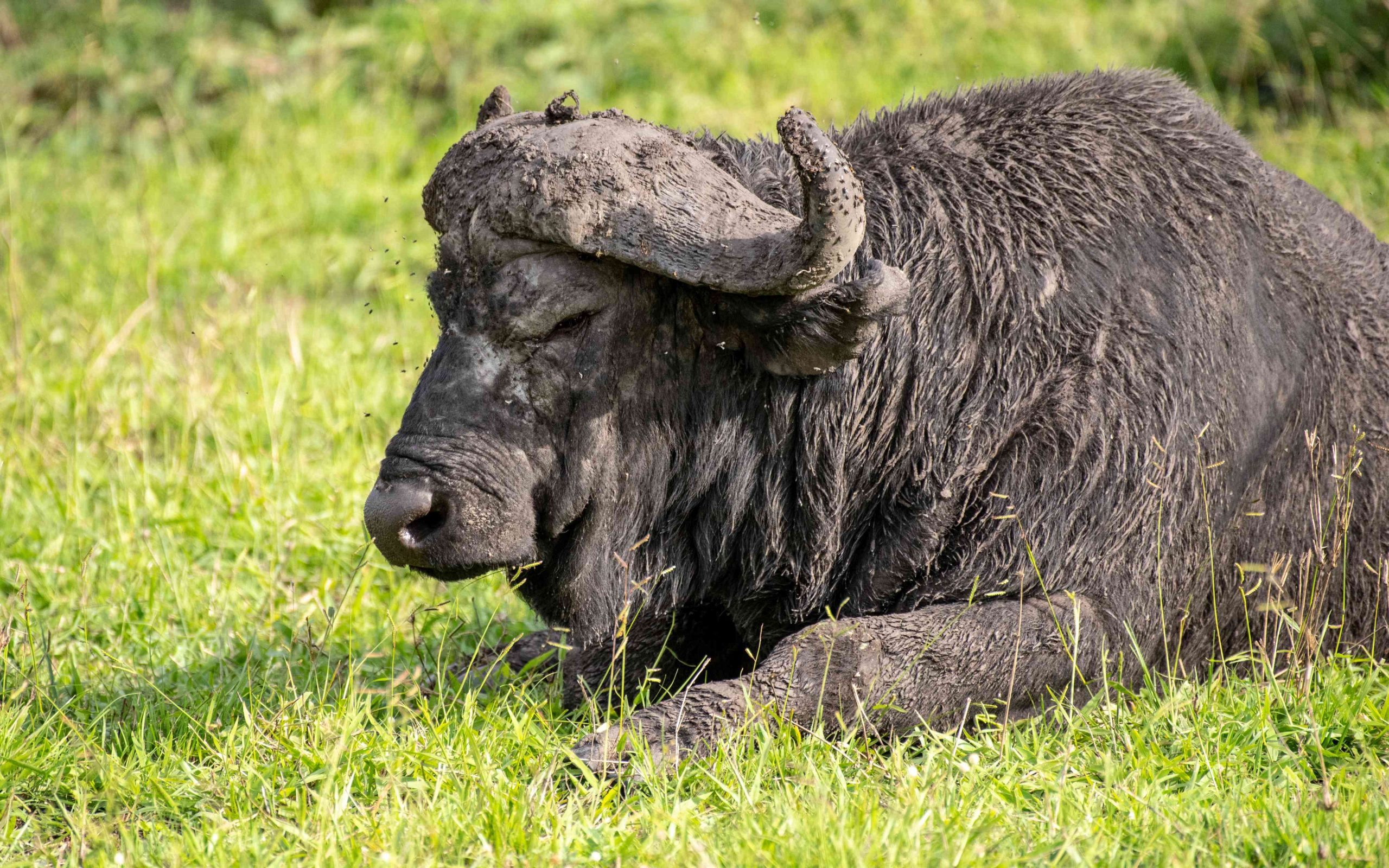
The African Buffalo – The Unpredictable Giant
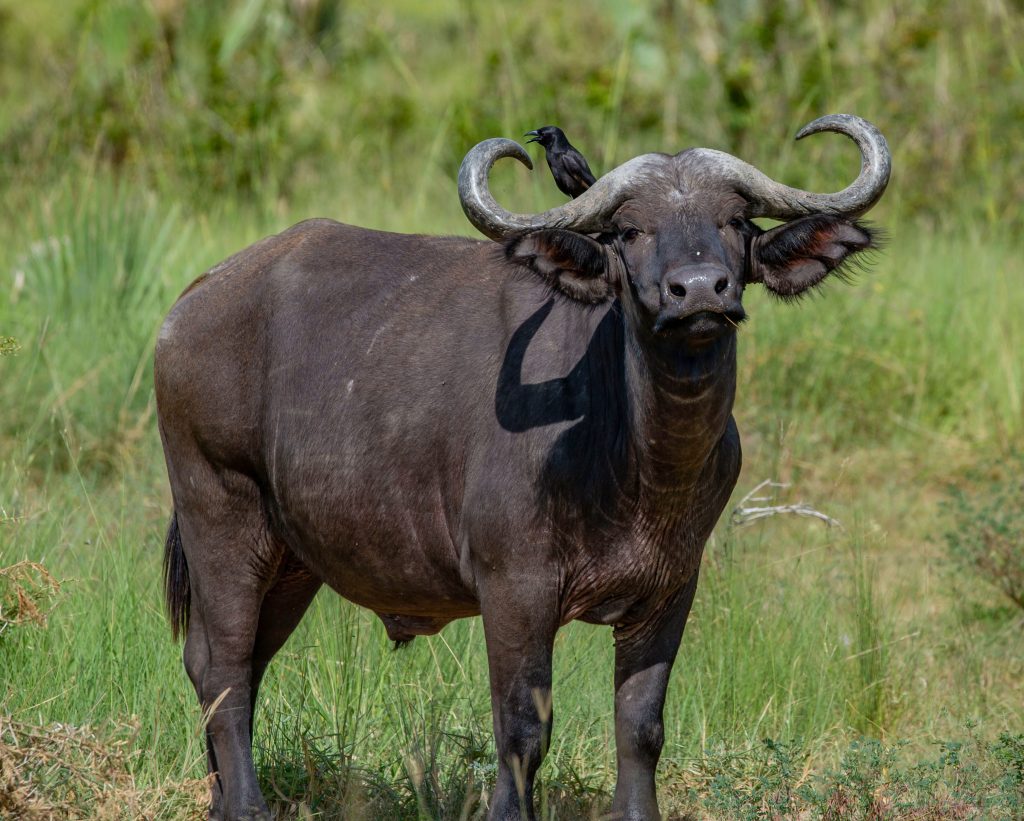
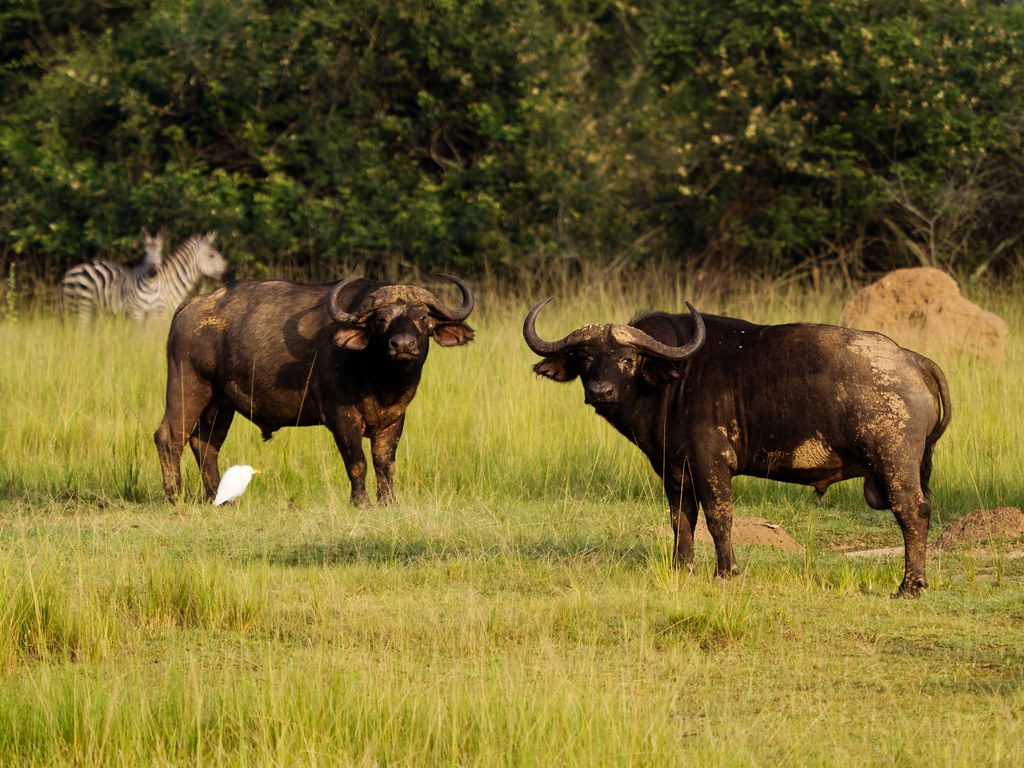
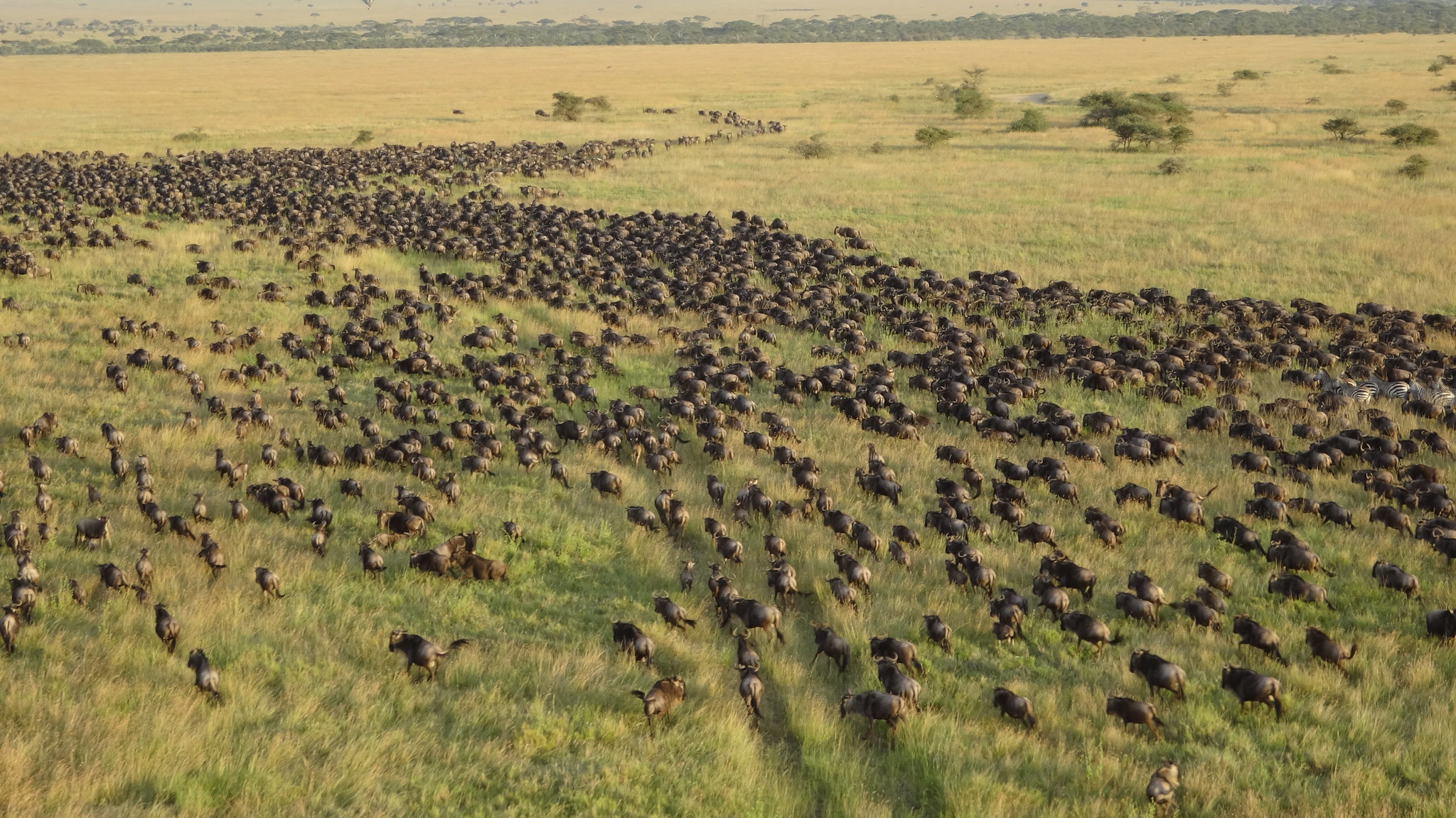
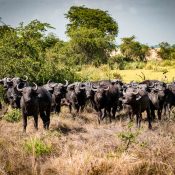
Among Africa’s most formidable animals is the African buffalo, a powerful and highly social species that roams Uganda’s savannahs in impressive herds. Often found grazing in wetlands, woodlands, and river valleys, buffalo are known for their unpredictable temperament and strong herd instincts.
Large herds can number from dozens to hundreds of individuals, forming tight-knit social groups that offer protection against predators. Their dark coats, wide curved horns, and muscular bodies make them instantly recognizable. Despite their calm appearance while grazing, buffalo are widely considered one of Africa’s most dangerous animals, particularly when injured or isolated.
In Uganda, some of the largest buffalo populations thrive within the vast grasslands of Queen Elizabeth National Park, Murchison Falls National Park, and Kidepo Valley National Park, where they often gather near water sources alongside elephants, antelopes, and hippos.
The African Elephant – Africa’s Gentle Giant
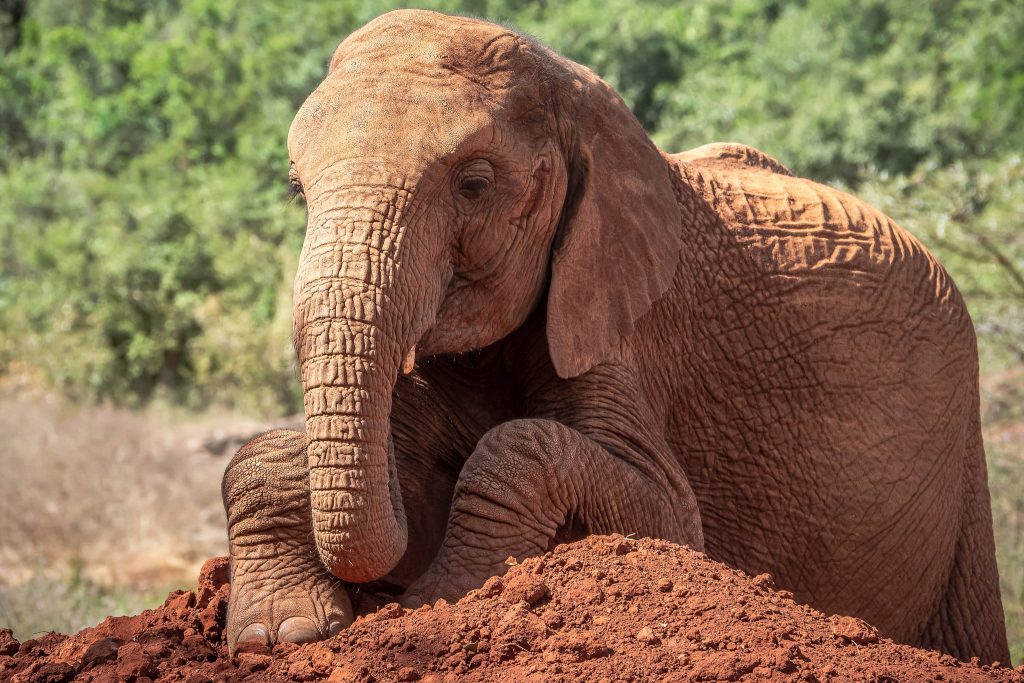
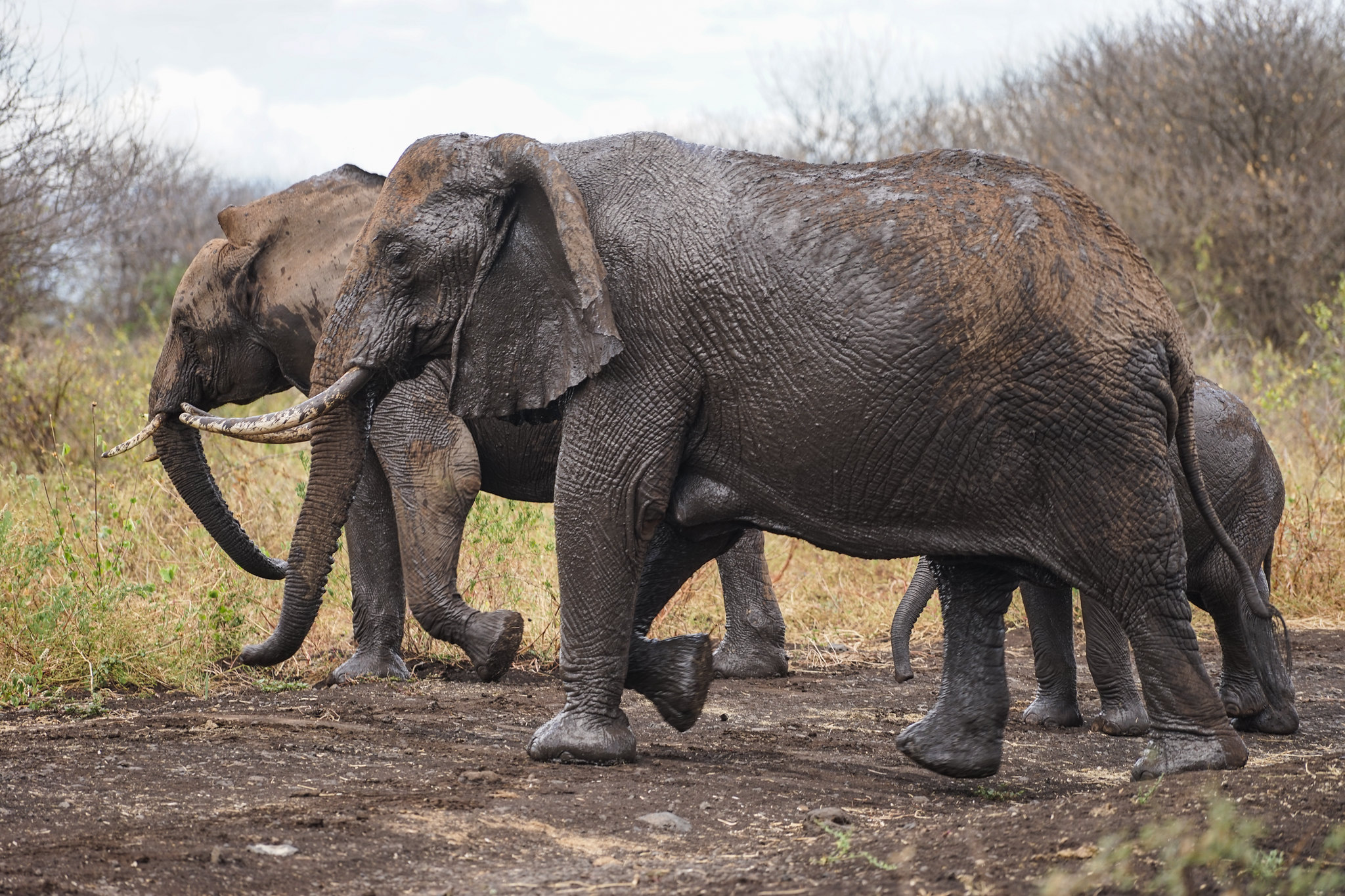
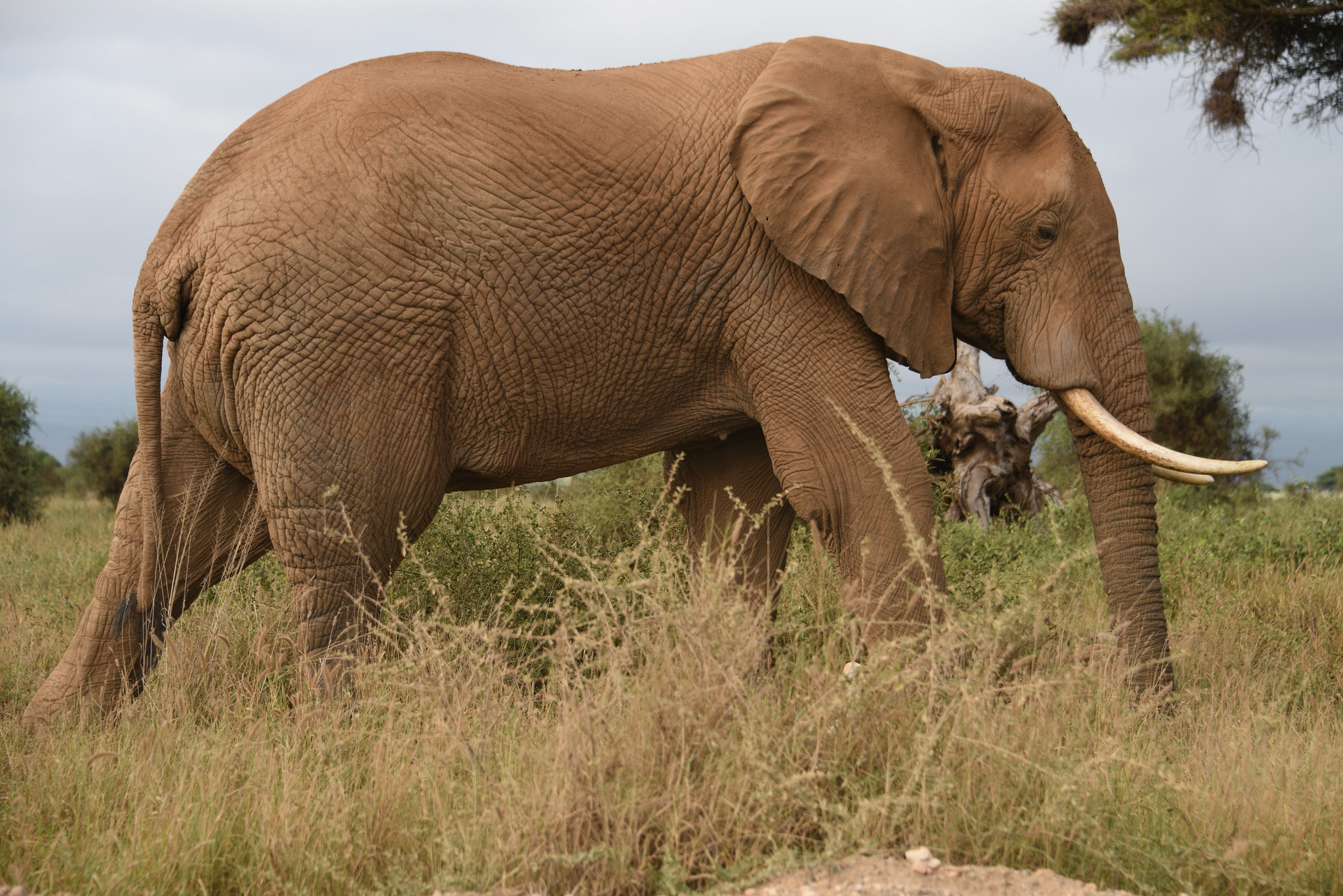
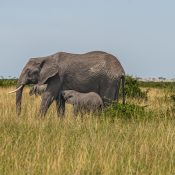
No wildlife encounter captures the imagination quite like seeing the world’s largest land mammal in the wild. The African elephant dominates the landscape with its immense size, intelligence, and complex social structure.
A fully grown male can weigh more than six tons and stand up to four meters tall, while females are typically smaller but equally impressive. Elephants are highly intelligent animals with extraordinary memories, emotional bonds, and advanced communication abilities.
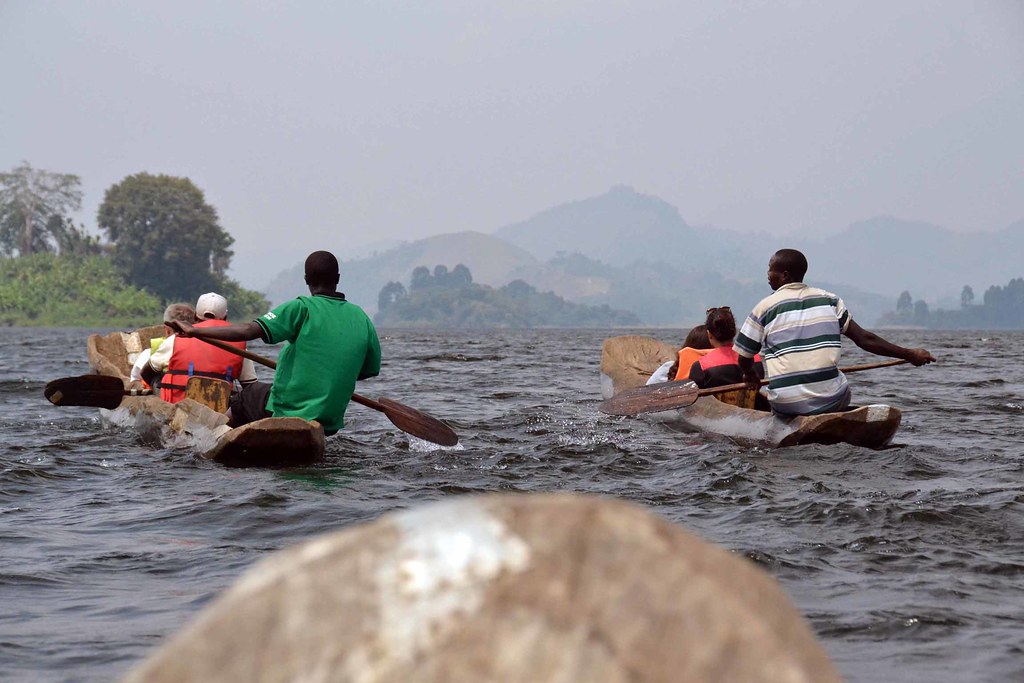
Visitors on safari in Uganda often encounter elephants during game drives or boat safaris. Some of the most spectacular sightings occur along the Nile River in Murchison Falls National Park and the scenic Kazinga Channel in Queen Elizabeth National Park, where elephants frequently gather to drink, bathe, and socialize along the riverbanks.
Watching a herd of elephants move gracefully through the savannah or forest is one of the most memorable highlights of any Uganda safari.
The Leopard – The Silent Predator
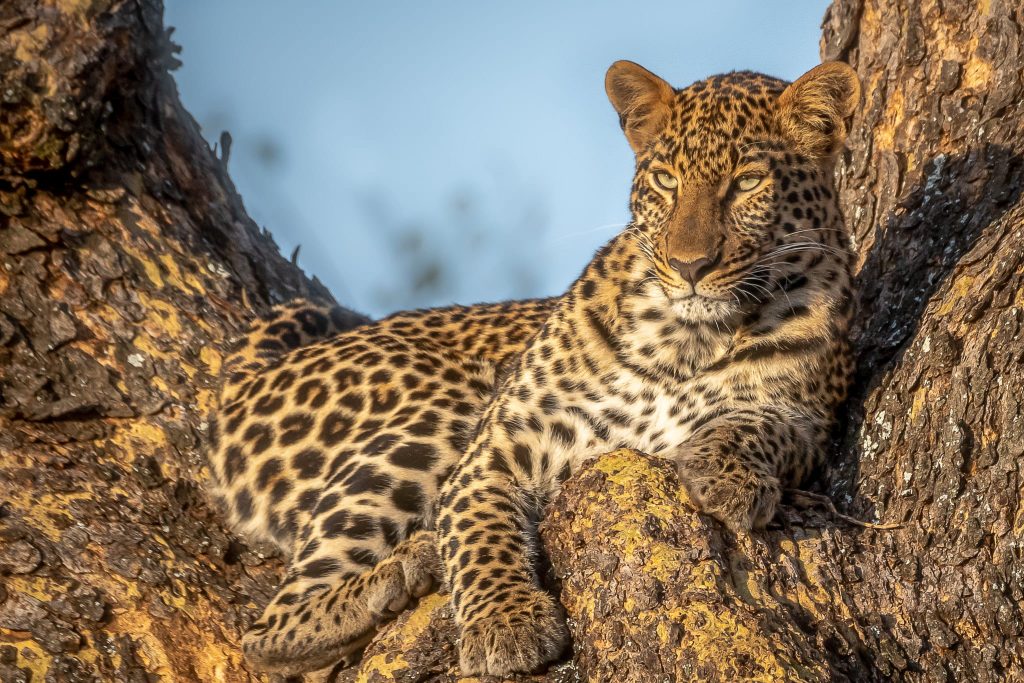
The leopard is perhaps the most elusive member of the Big Five. Known for its remarkable stealth and solitary behavior, this powerful predator often remains hidden in dense vegetation or resting high in tree branches.
Leopards are among Africa’s most adaptable carnivores, thriving in environments ranging from savannahs and woodlands to mountain forests. Their beautiful spotted coats provide perfect camouflage, making them incredibly difficult to spot during the day.
In Uganda, the best chances of seeing a leopard occur during early morning or night game drives in Queen Elizabeth National Park, Murchison Falls National Park, and Kidepo Valley National Park. When successful, the sighting is often magical. Whether the leopard is resting on a tree branch or silently stalking prey across the savannah.
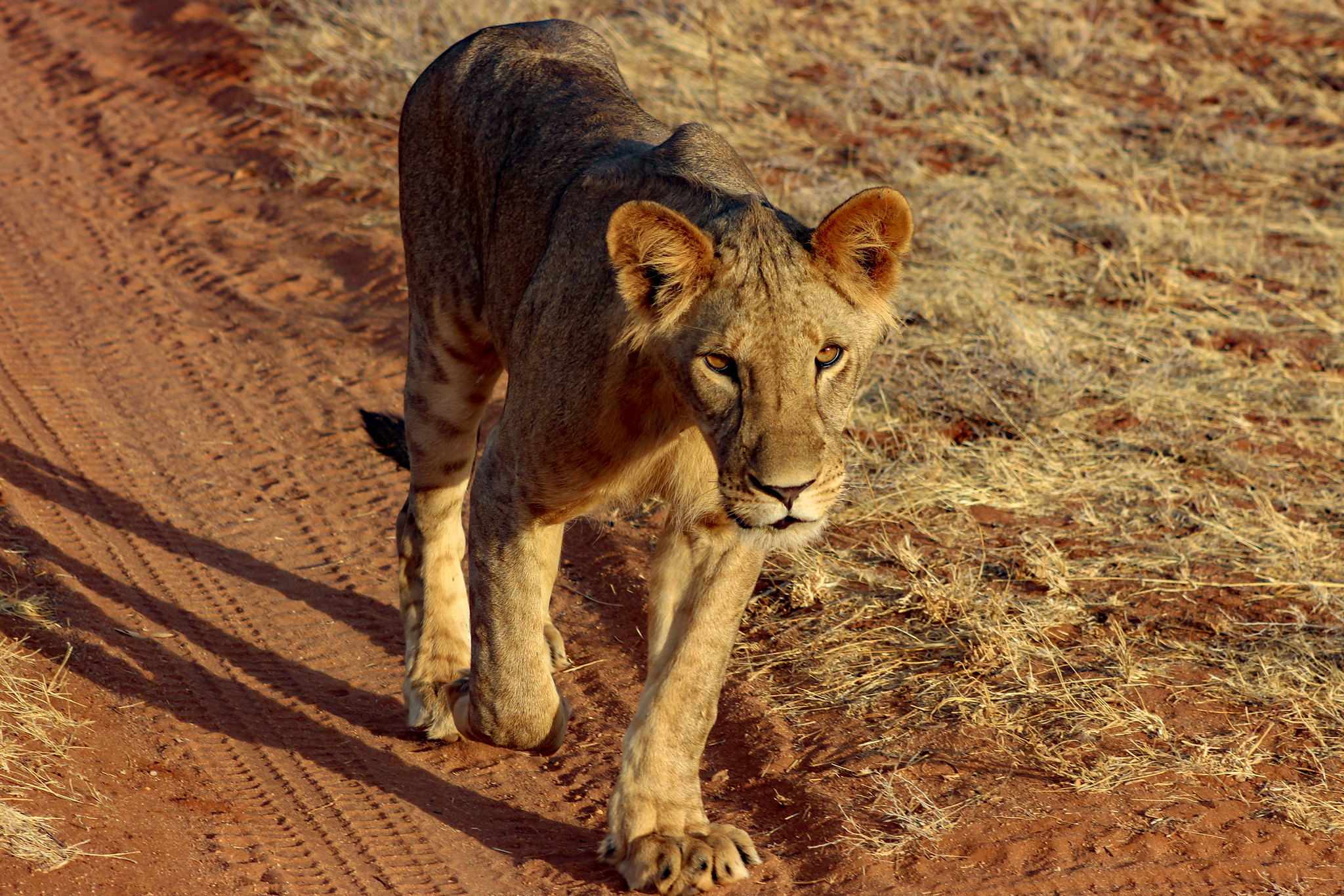
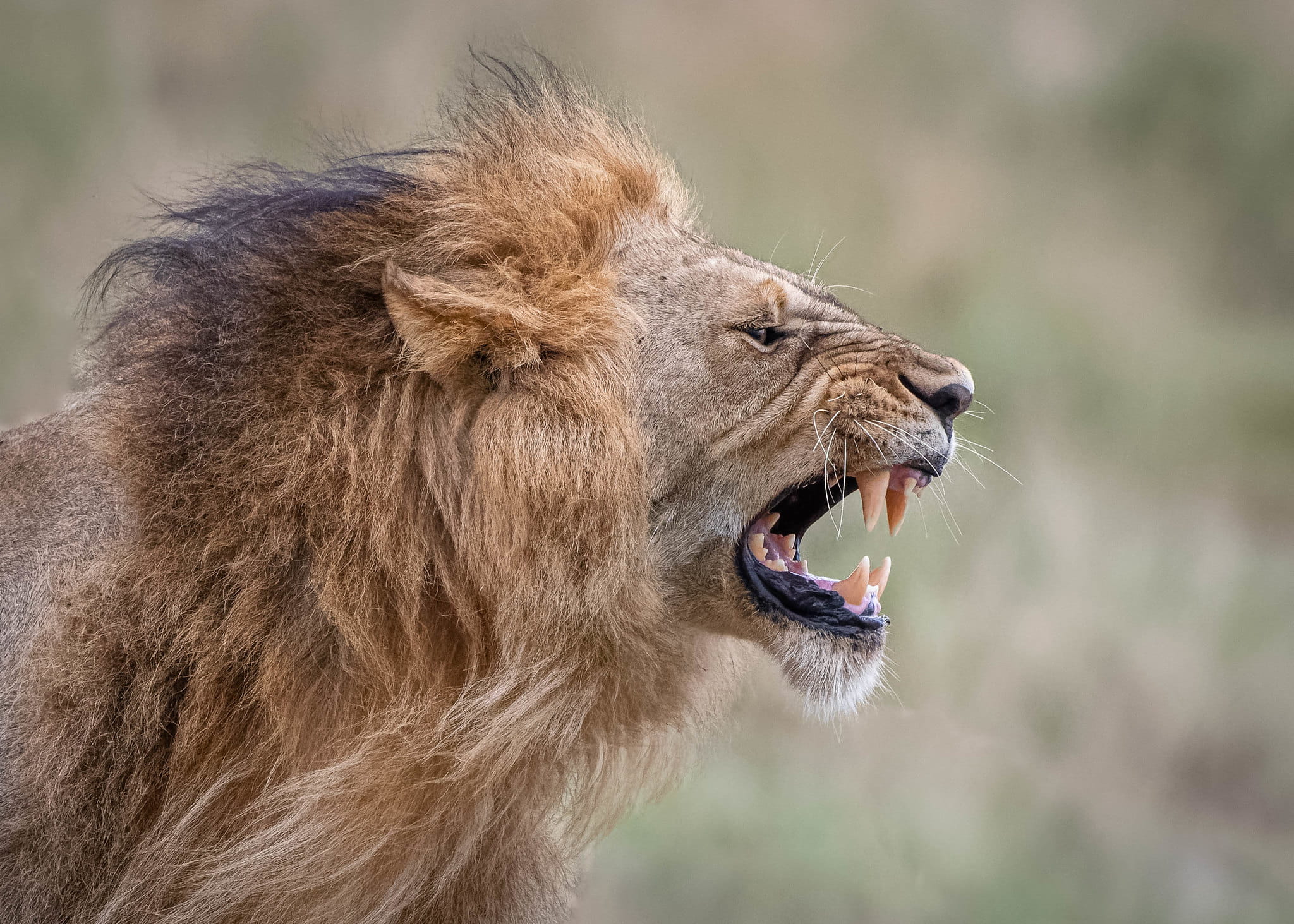
The African Lion – King of the Savannah
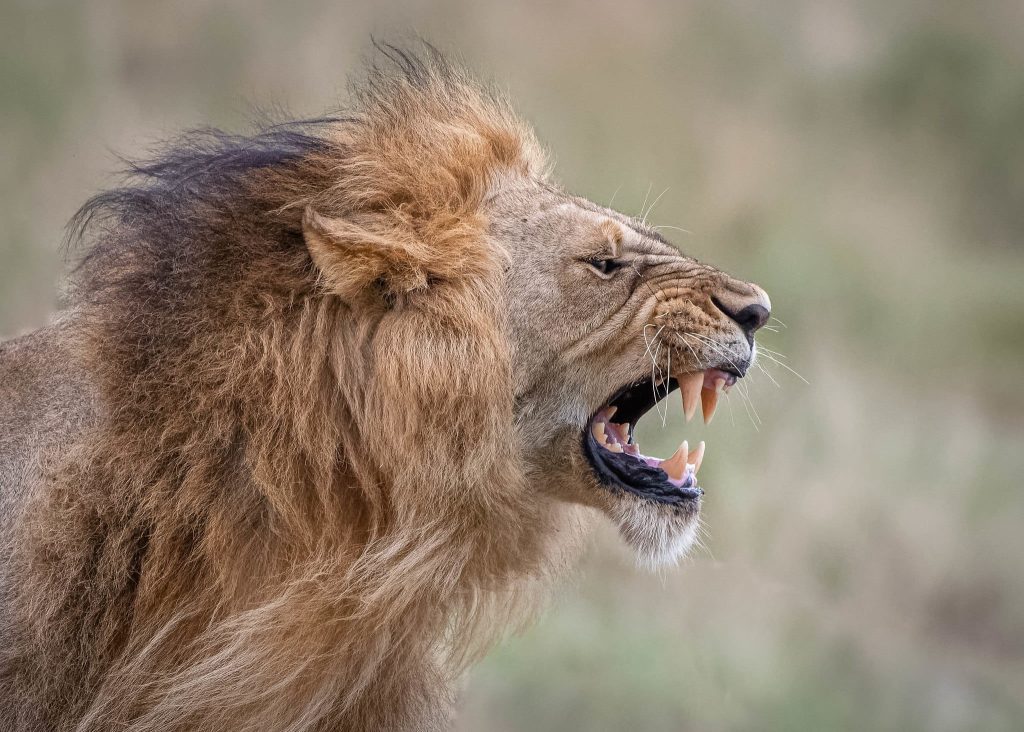
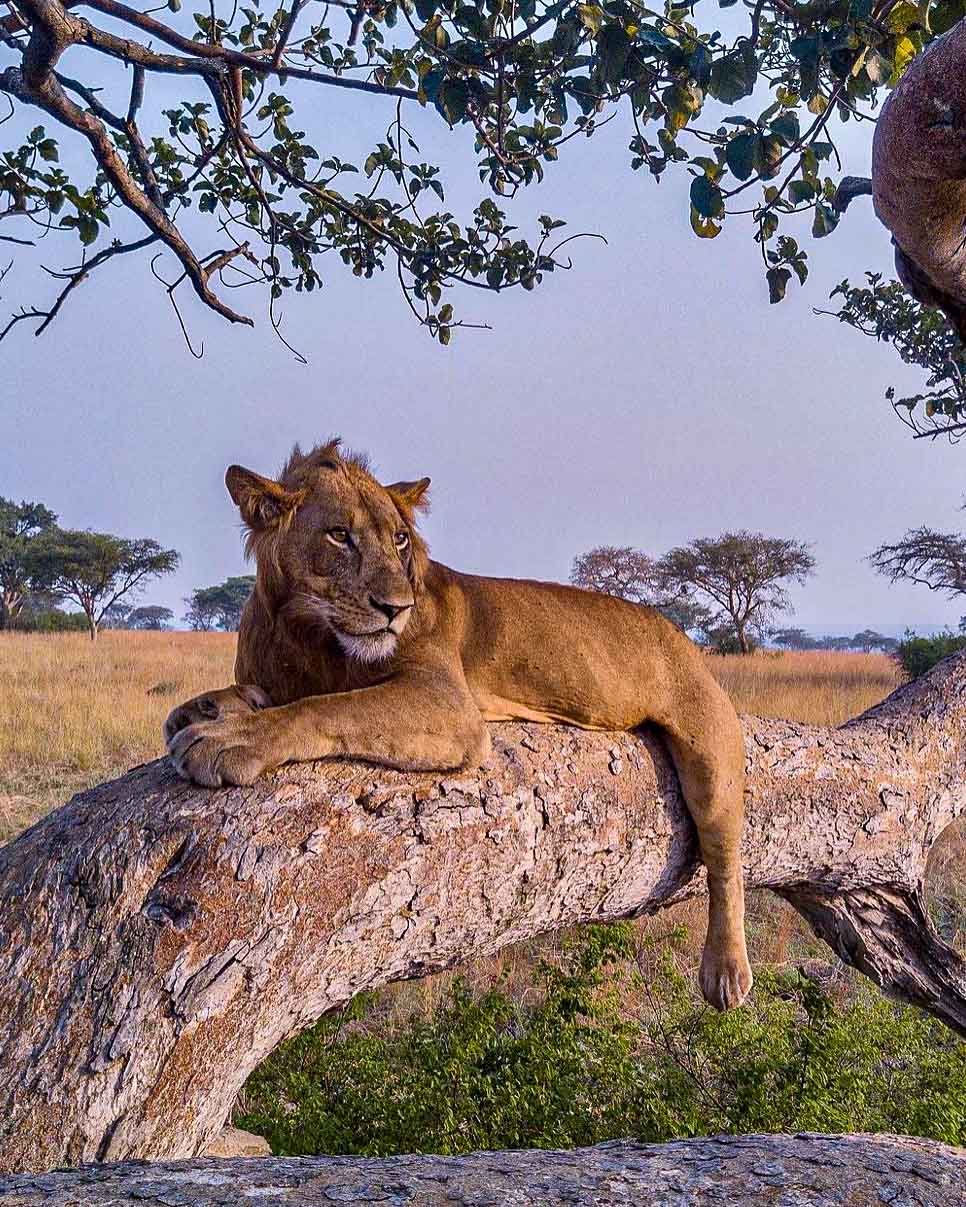
Lions symbolize strength, power, and royalty across many cultures, and seeing them in the wild is one of the greatest safari moments. Unlike most big cats, lions are social animals that live in groups called prides, usually consisting of several related females, their cubs, and a small coalition of males.
Uganda offers one of the most fascinating lion experiences in Africa. In the Ishasha sector of Queen Elizabeth National Park, lions have developed the rare habit of climbing fig trees to escape the heat and biting insects on the ground. These famous tree-climbing lions are among the country’s most photographed wildlife attractions.
Large lion populations can also be seen across the plains of Murchison Falls National Park and the remote wilderness of Kidepo Valley National Park, where predators roam freely across vast landscapes.
The Rhinoceros – Uganda’s Conservation Success Story
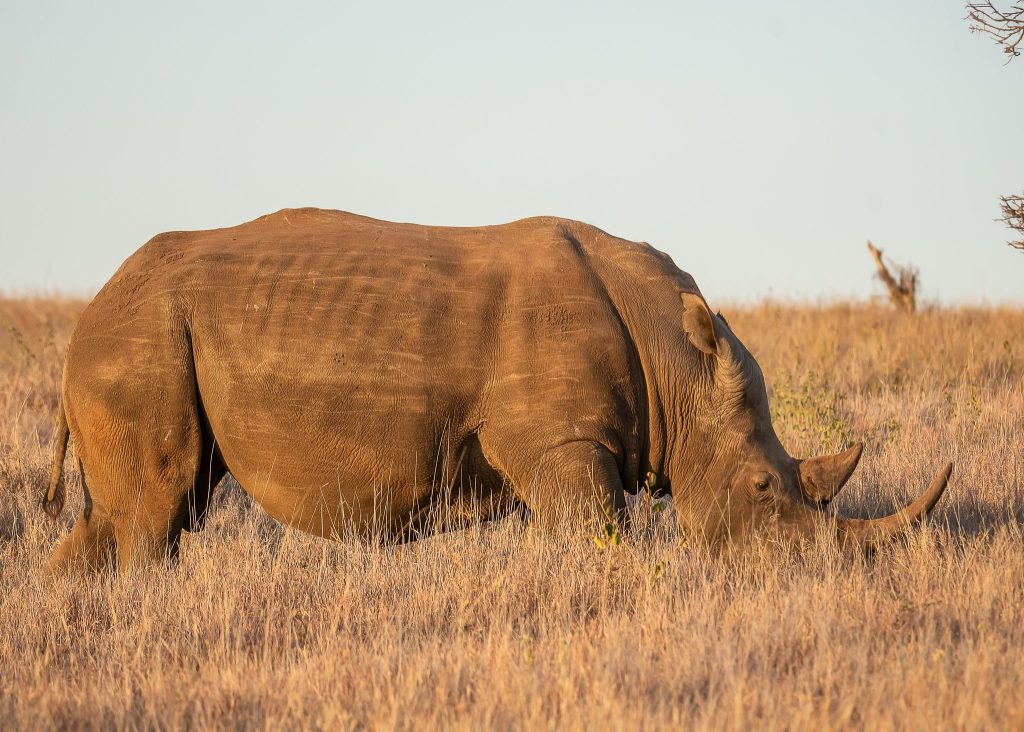
Rhinos once roamed widely across Uganda, but intense poaching drove them to extinction in the wild during the late 20th century. Today, conservation efforts have brought them back through the successful breeding program at Ziwa Rhino Sanctuary.
The sanctuary offers visitors a rare opportunity to track rhinos on foot under the guidance of experienced rangers. Walking quietly through the bush while observing these enormous animals at close range is an extraordinary wildlife experience.
Both black and white rhinos are protected within the sanctuary, and their steadily increasing population represents a major conservation victory for Uganda’s wildlife.
Completing the Big Five Safari Experience in Uganda
A complete Big Five safari in Uganda combines wildlife viewing across the country’s major national parks with rhino tracking at Ziwa. This journey not only allows visitors to encounter Africa’s most iconic animals but also immerses them in a remarkable variety of landscapes from rolling savannah plains and river valleys to remote wilderness.
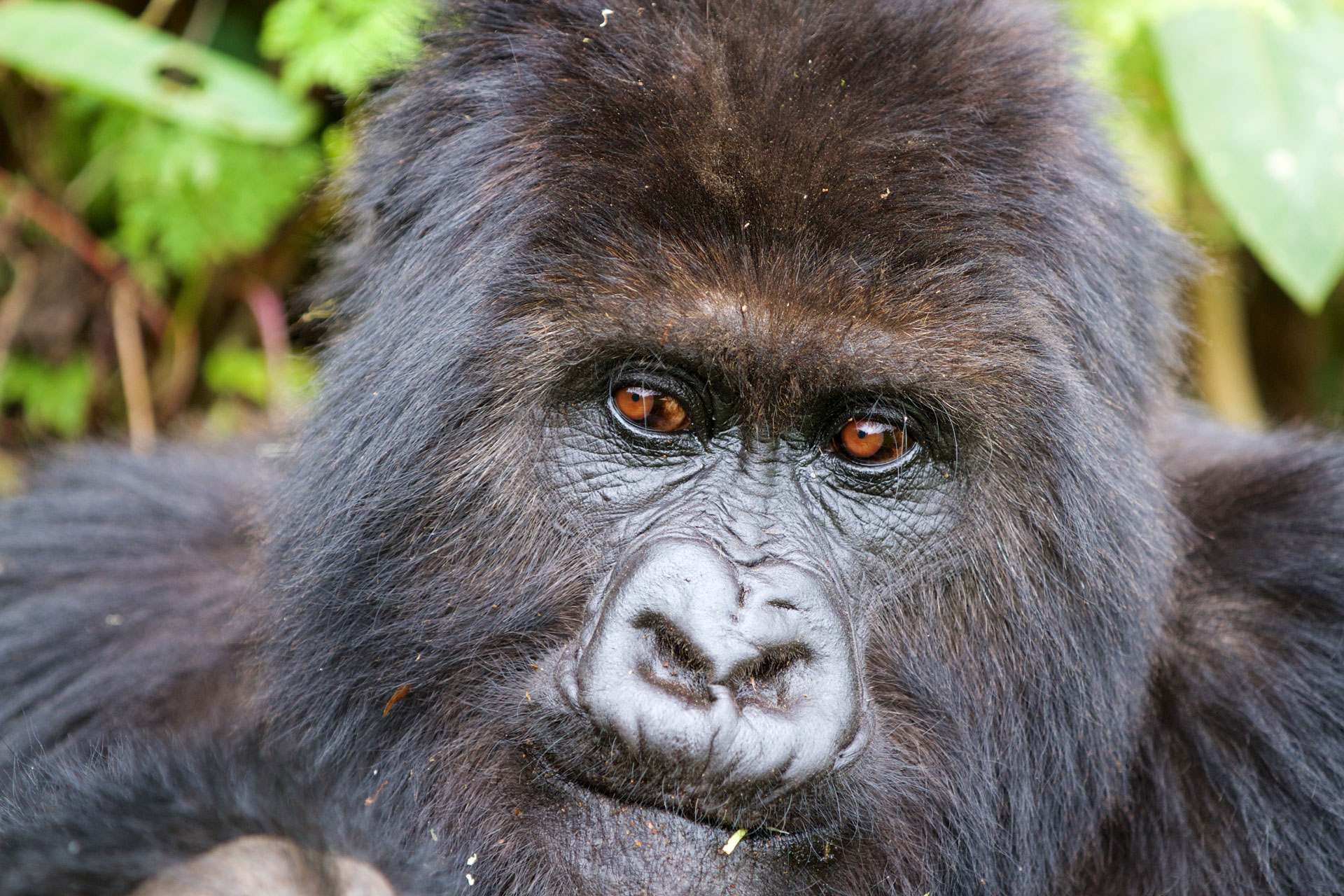
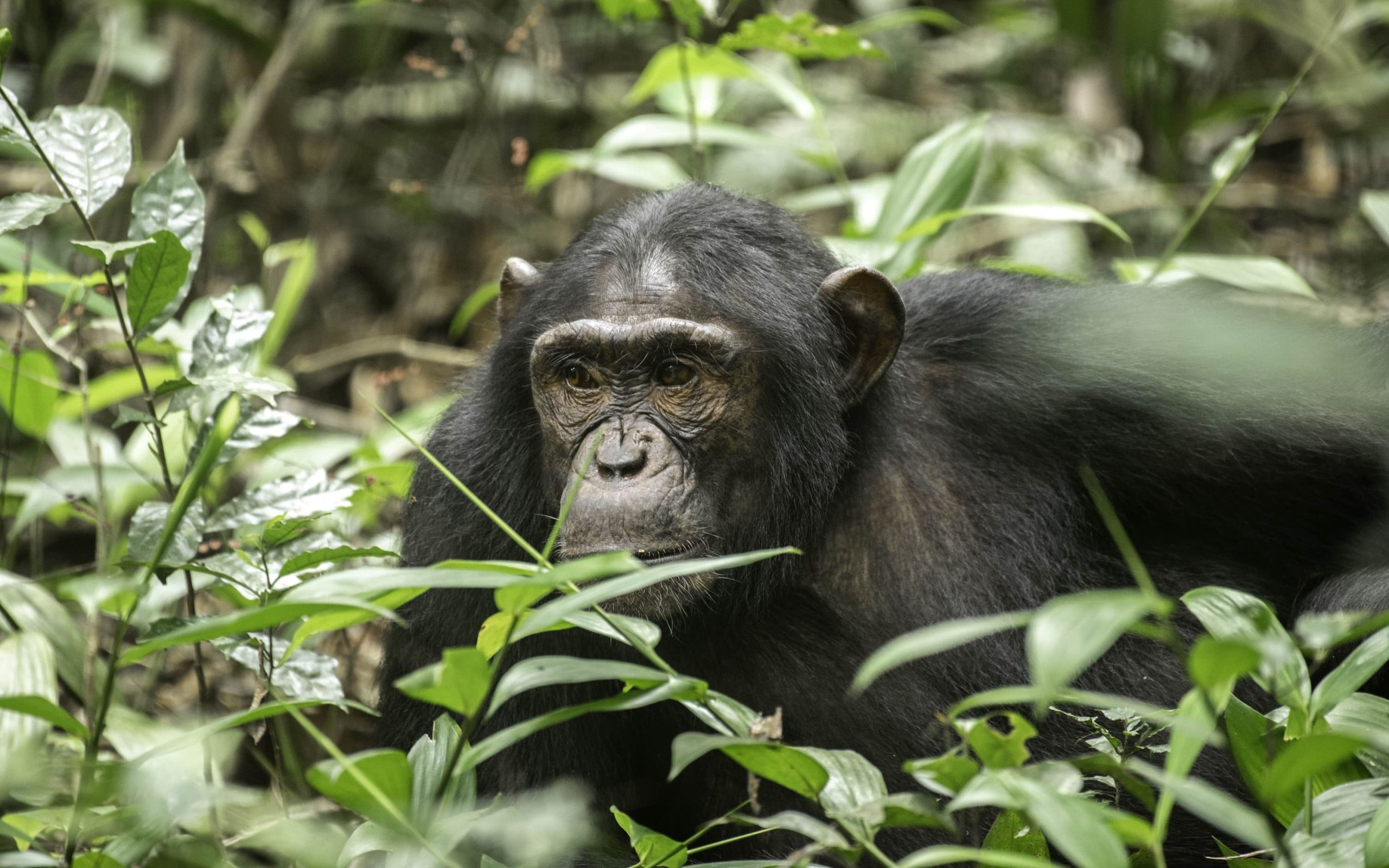
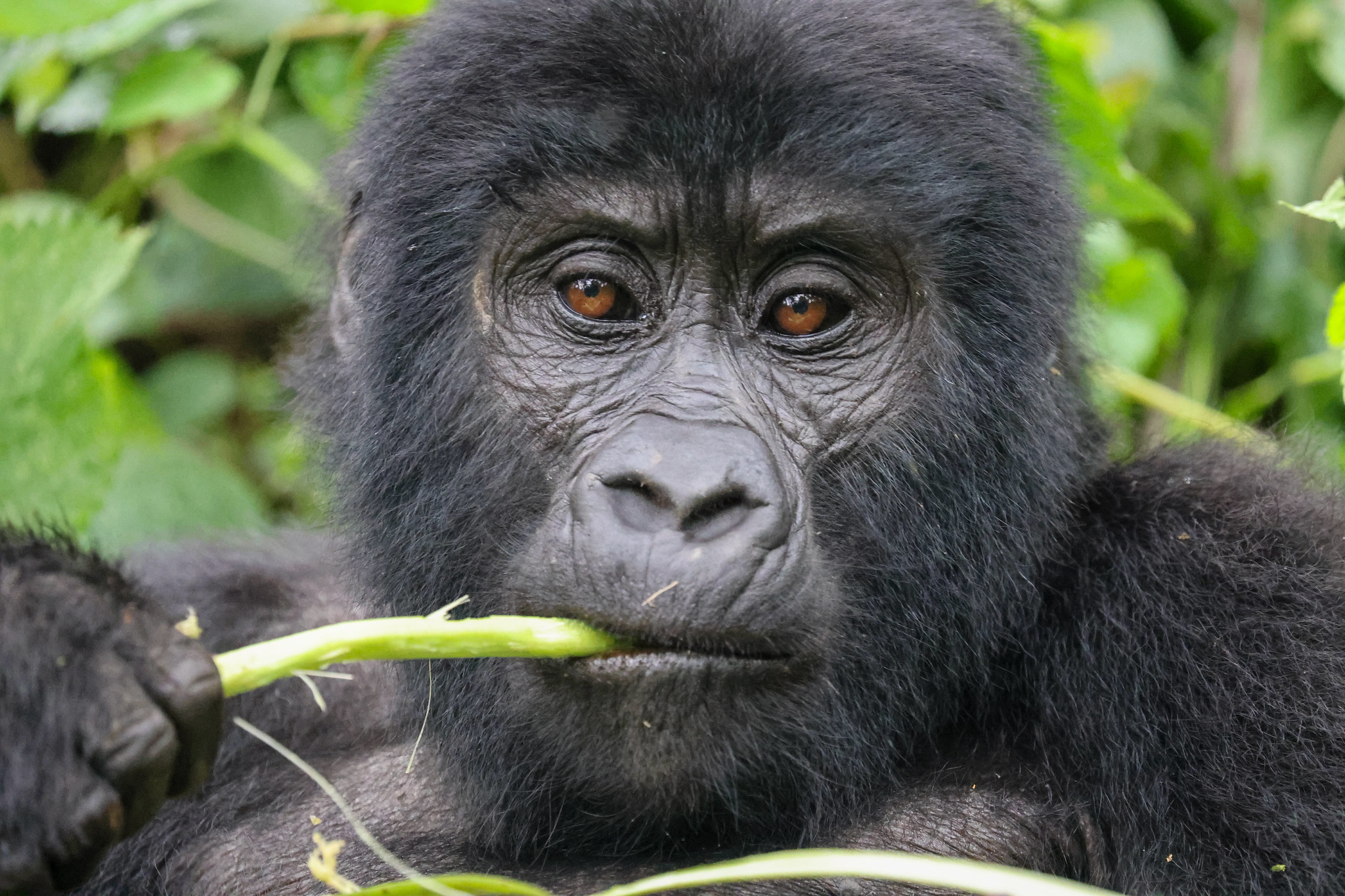
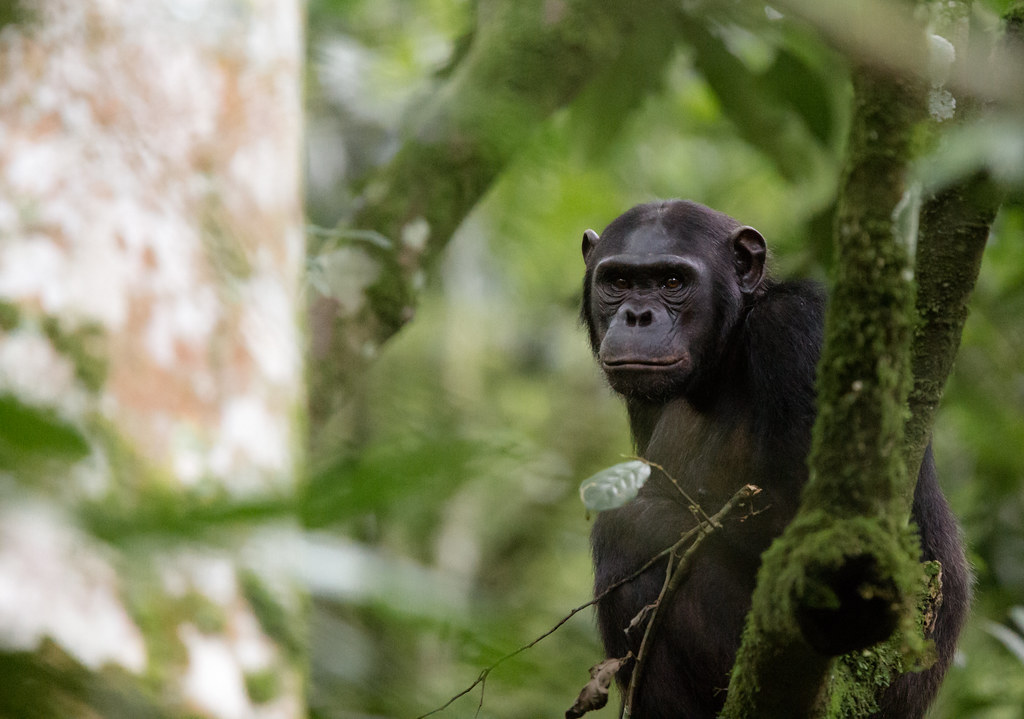
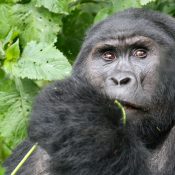
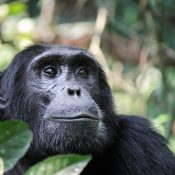
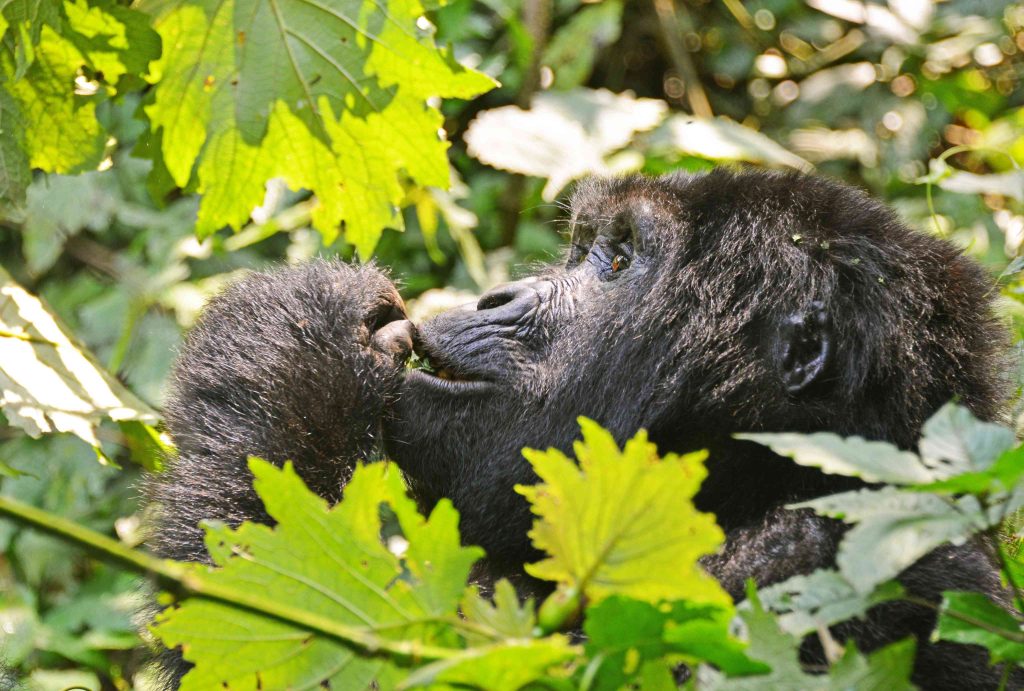
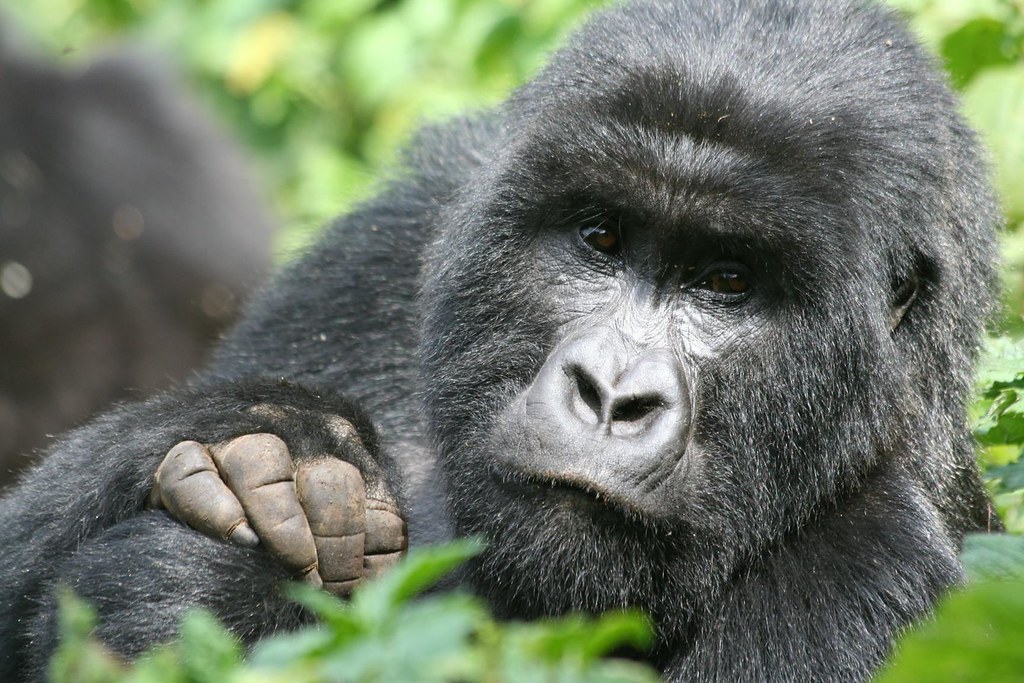
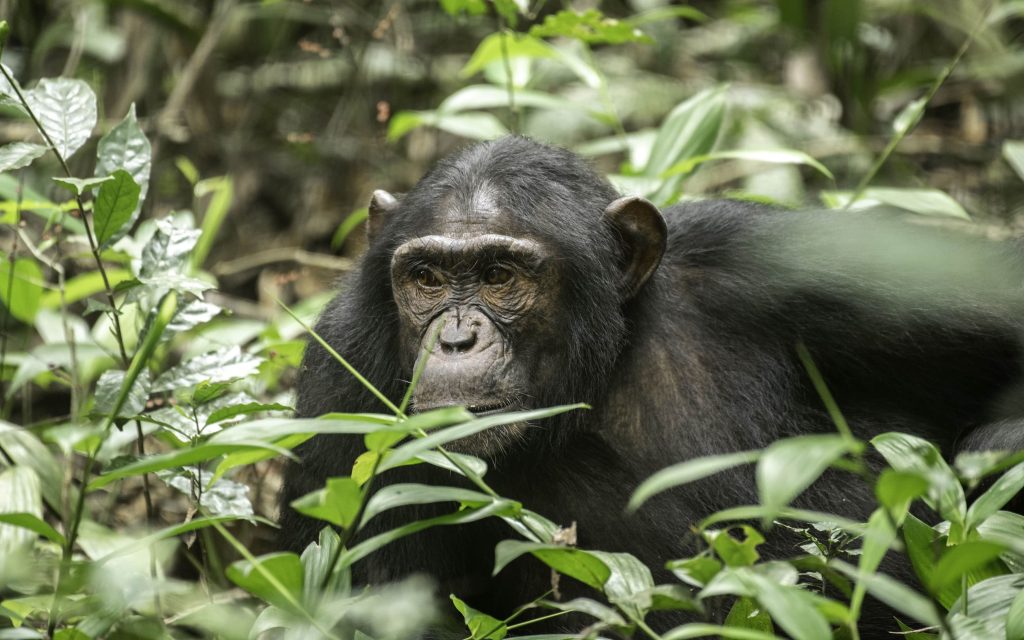
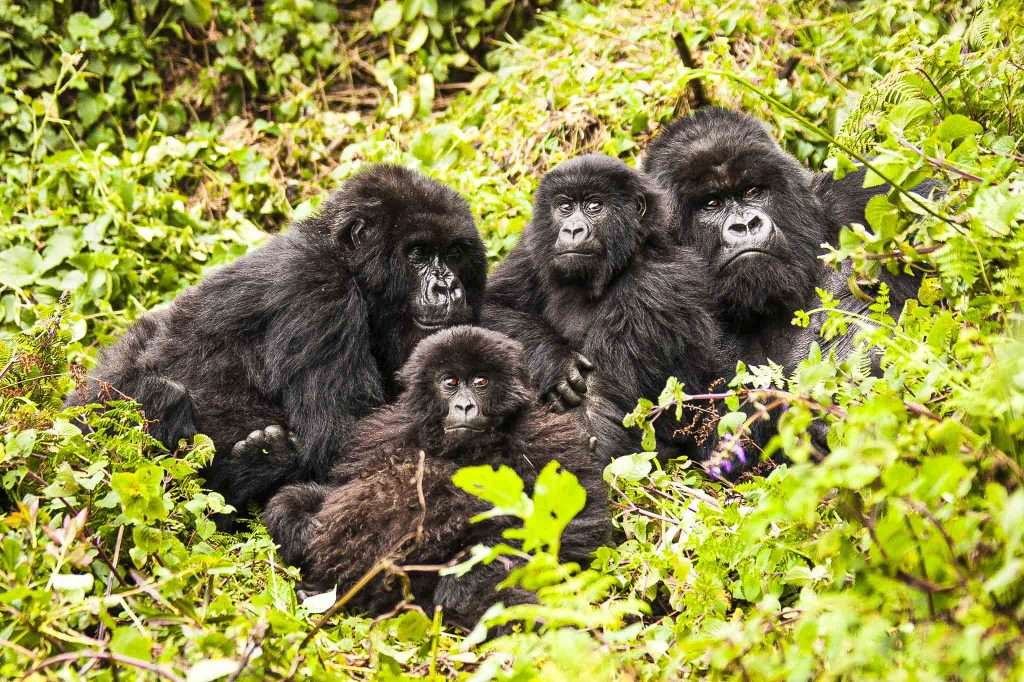
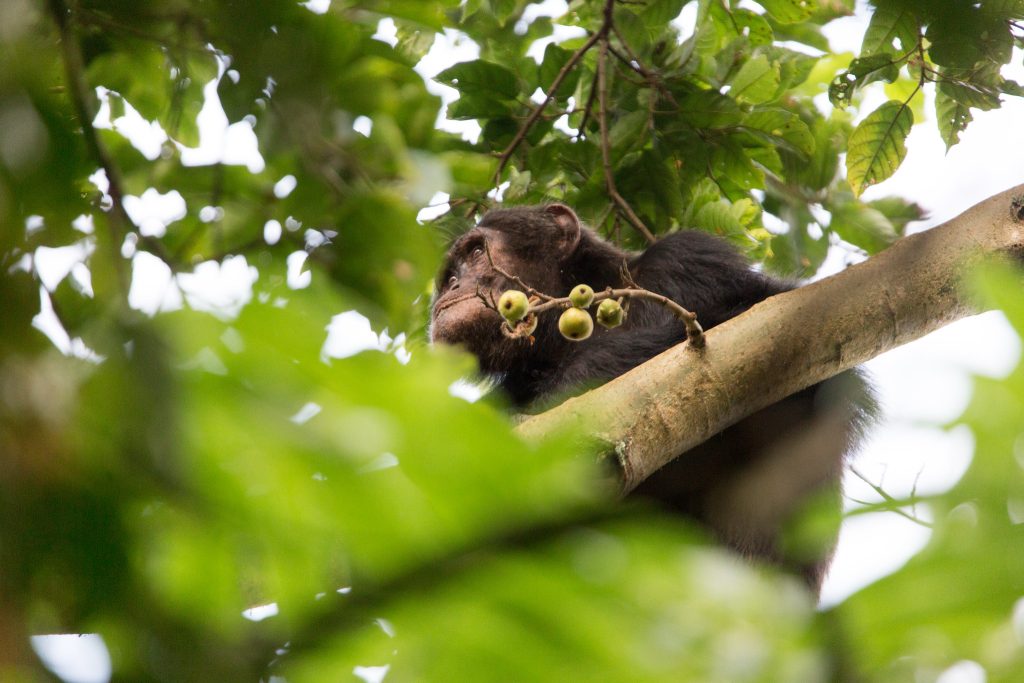
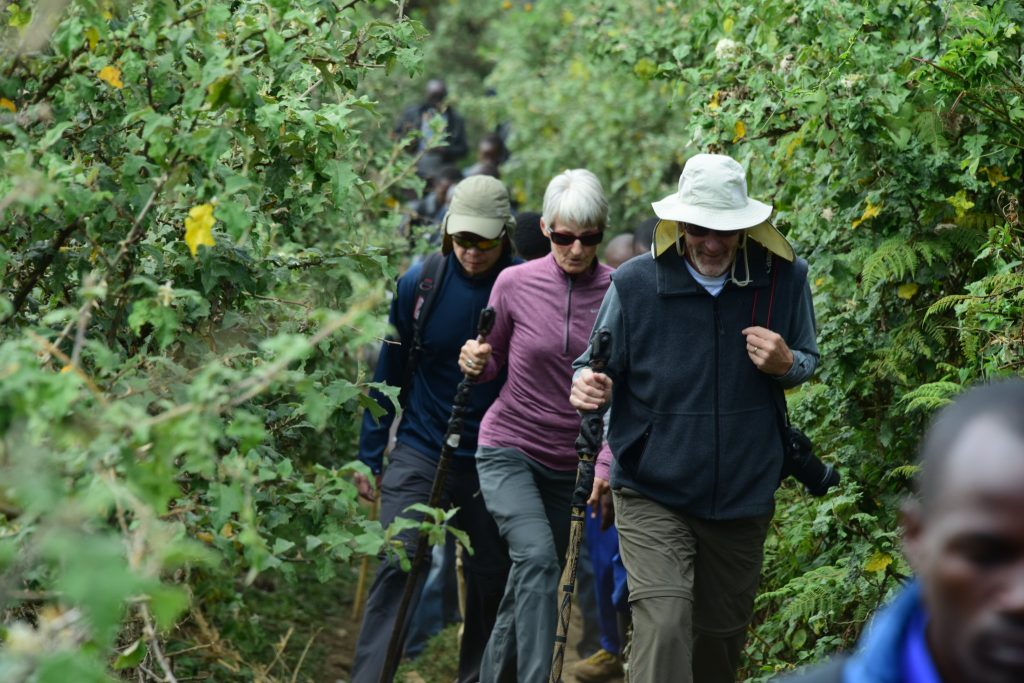
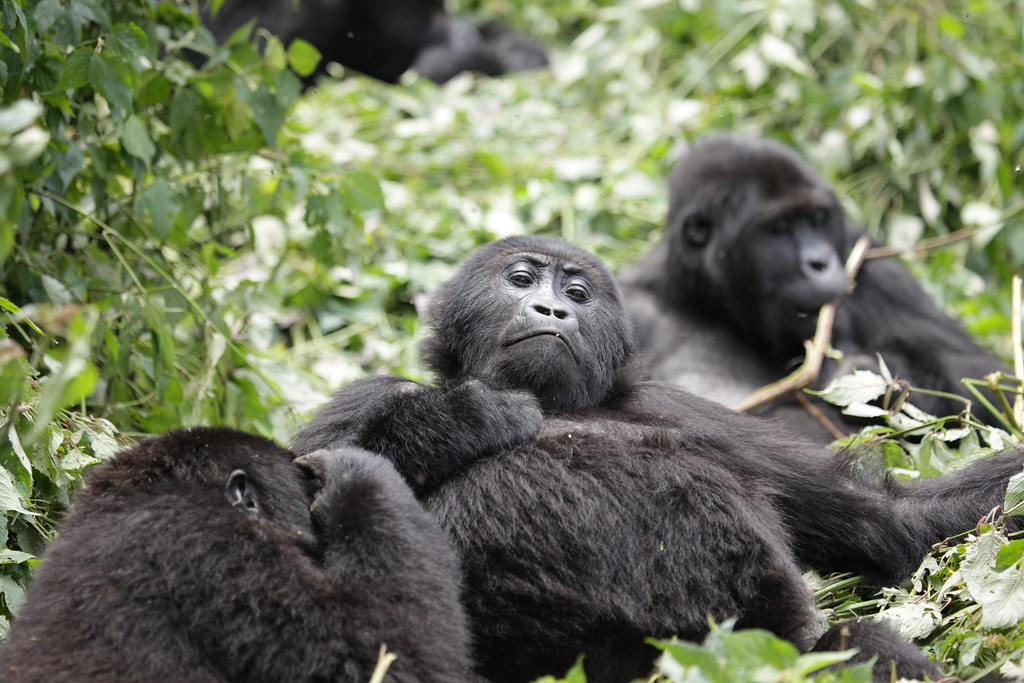
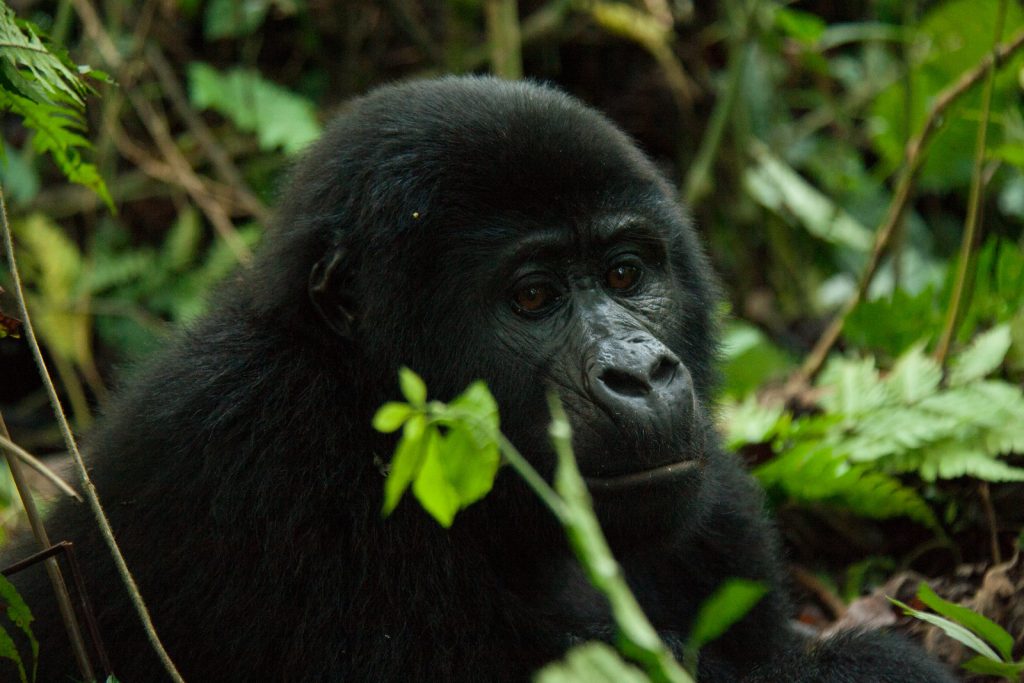
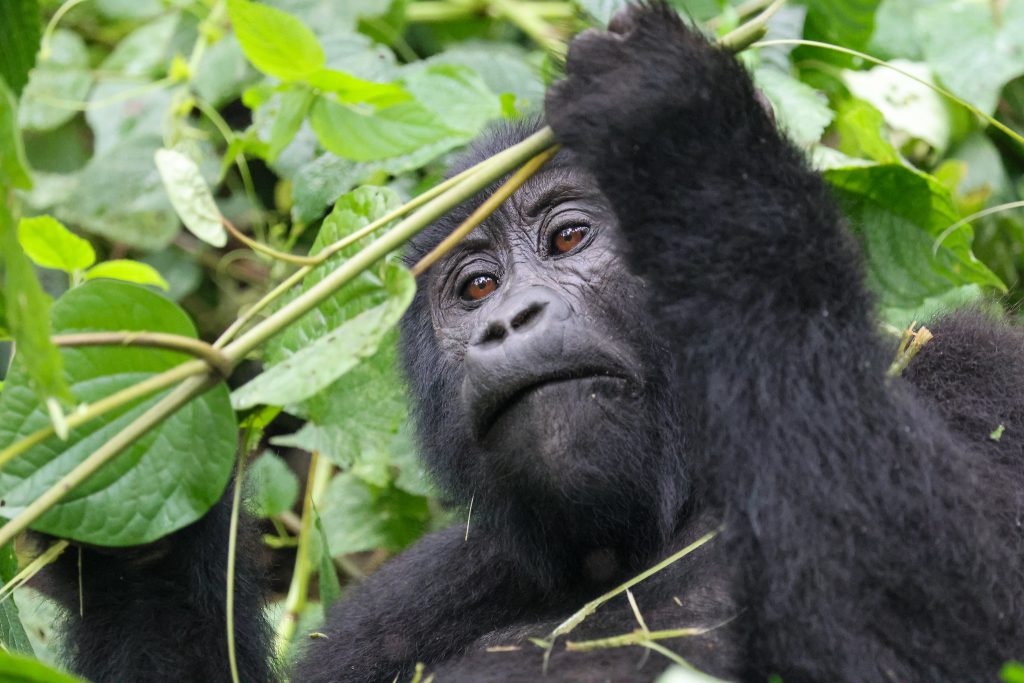
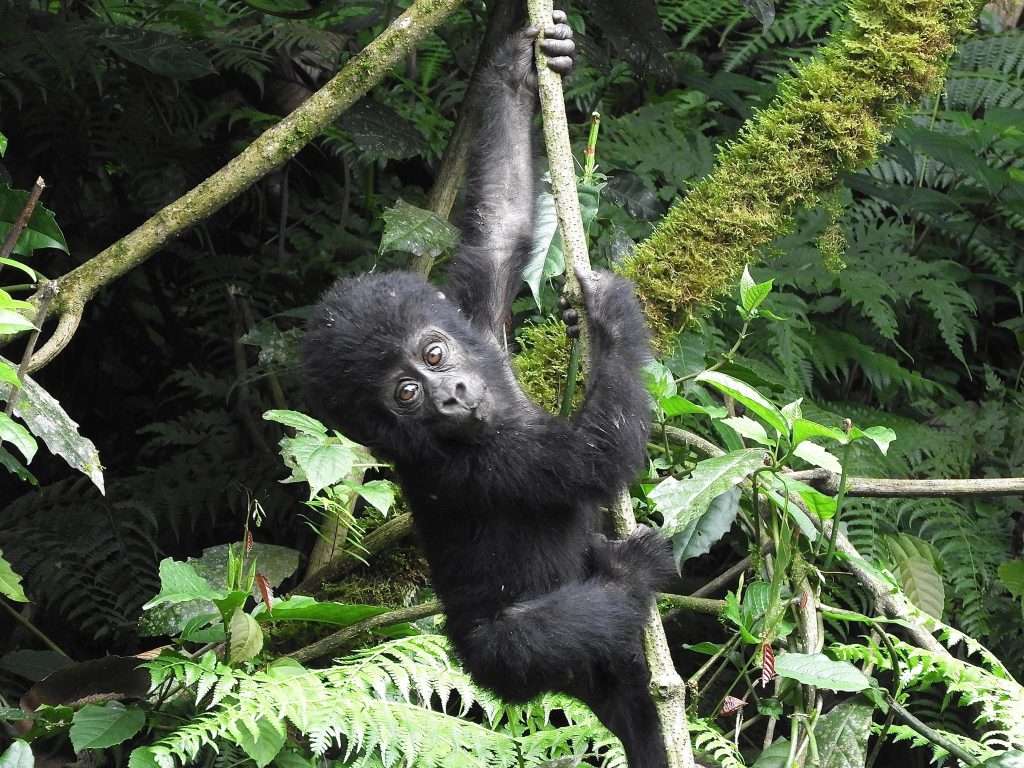
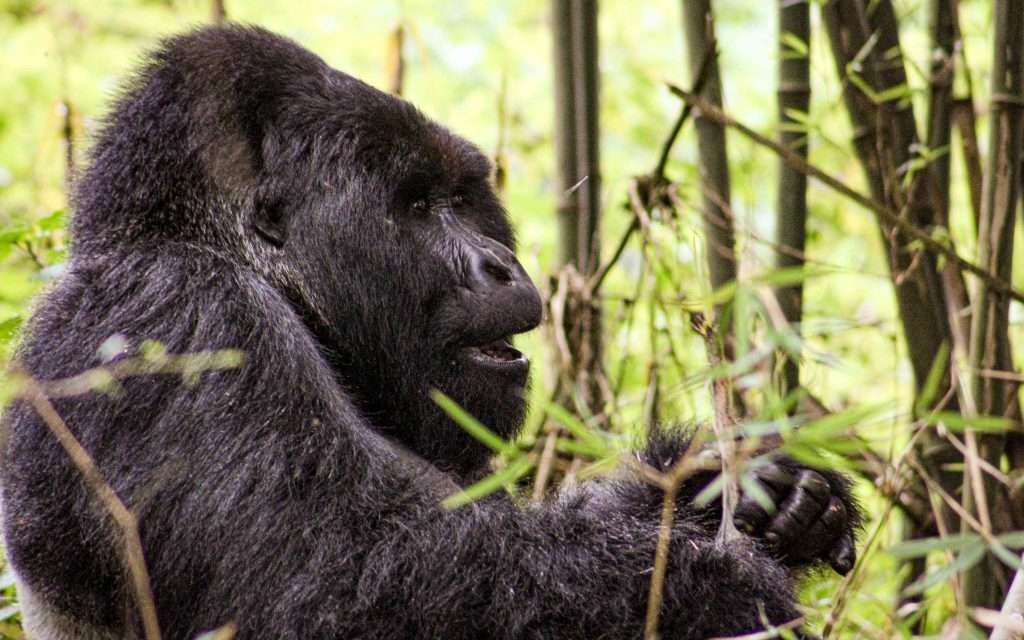
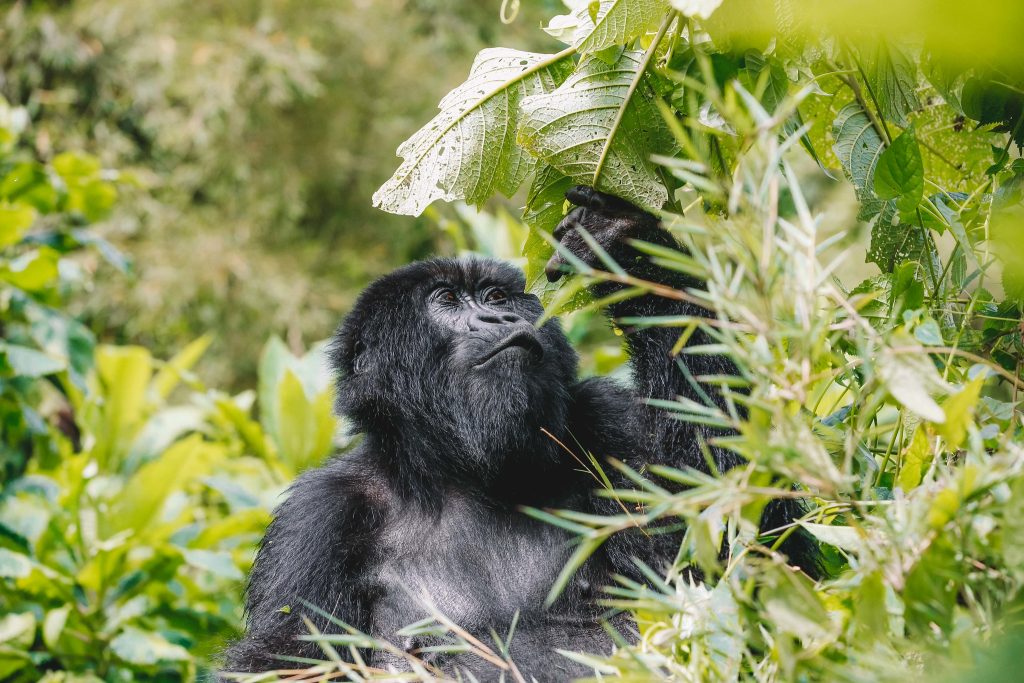
What makes Uganda truly special, however, is the opportunity to extend the adventure beyond the Big Five. Many travelers combine their wildlife safari with gorilla trekking in Bwindi Impenetrable Forest or chimpanzee tracking in Kibale Forest, creating one of Africa’s most diverse safari experiences.
From dramatic waterfalls and thriving wildlife populations to unforgettable primate encounters, a Big Five safari in Uganda is more than just a wildlife tour, it is a journey into the heart of Africa’s natural wonders.
If you are ready to witness the Big Five in the Pearl of Africa, let our Inmotion Gorilla Safaris expert safari planners help you create the perfect journey tailored to your interests, travel style, and budget.