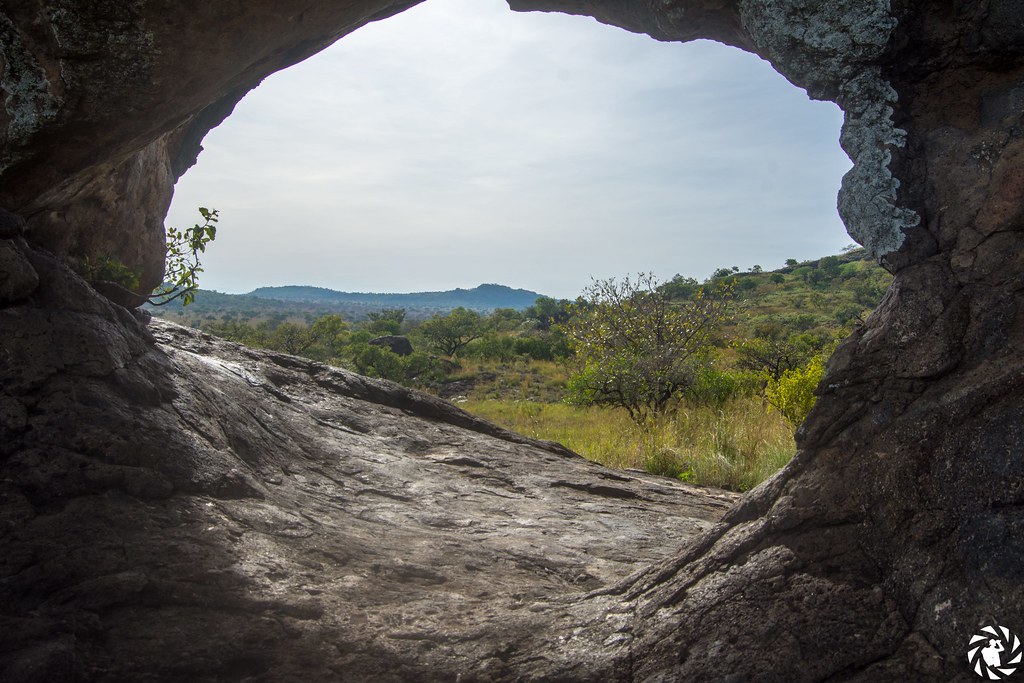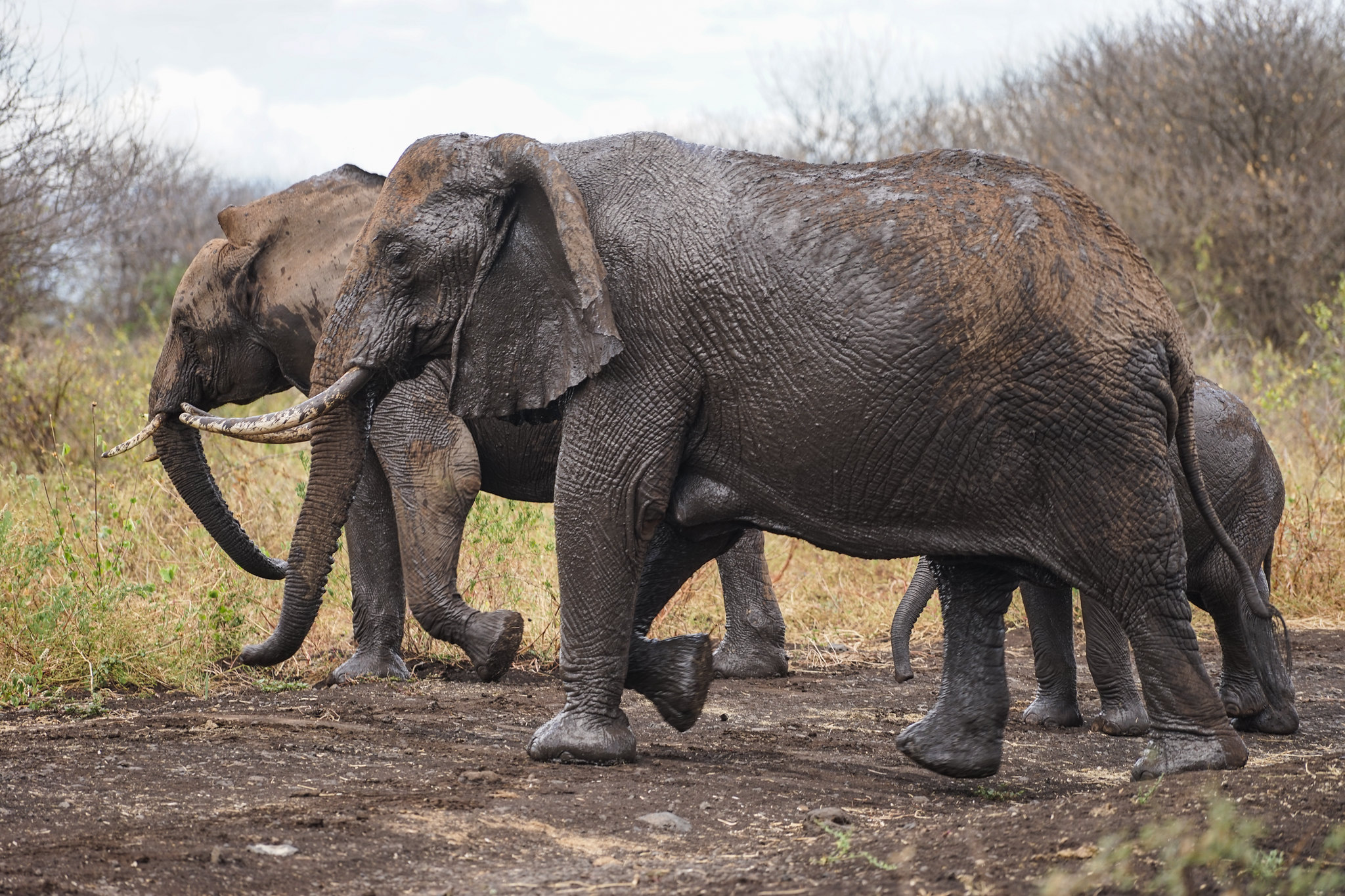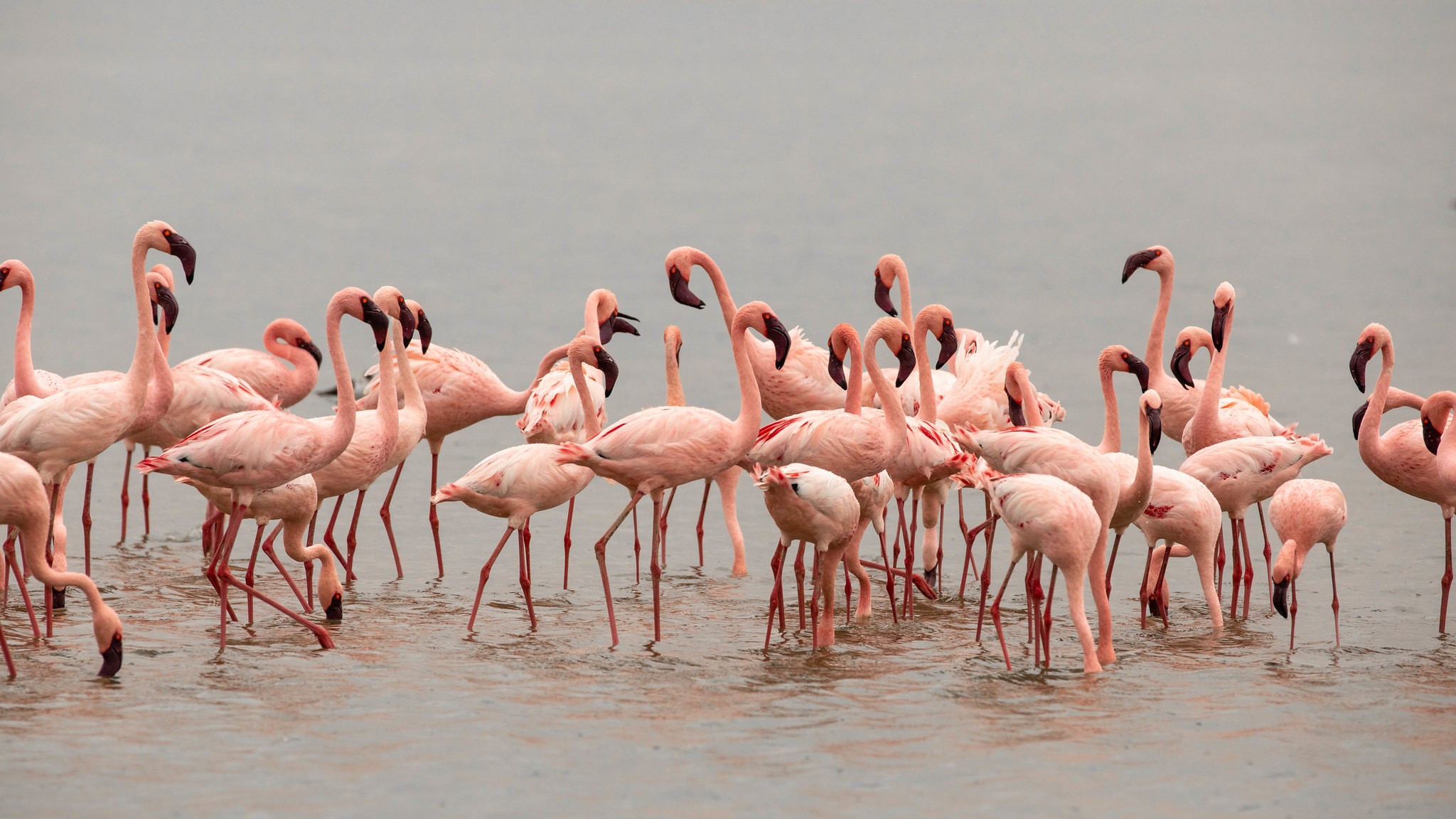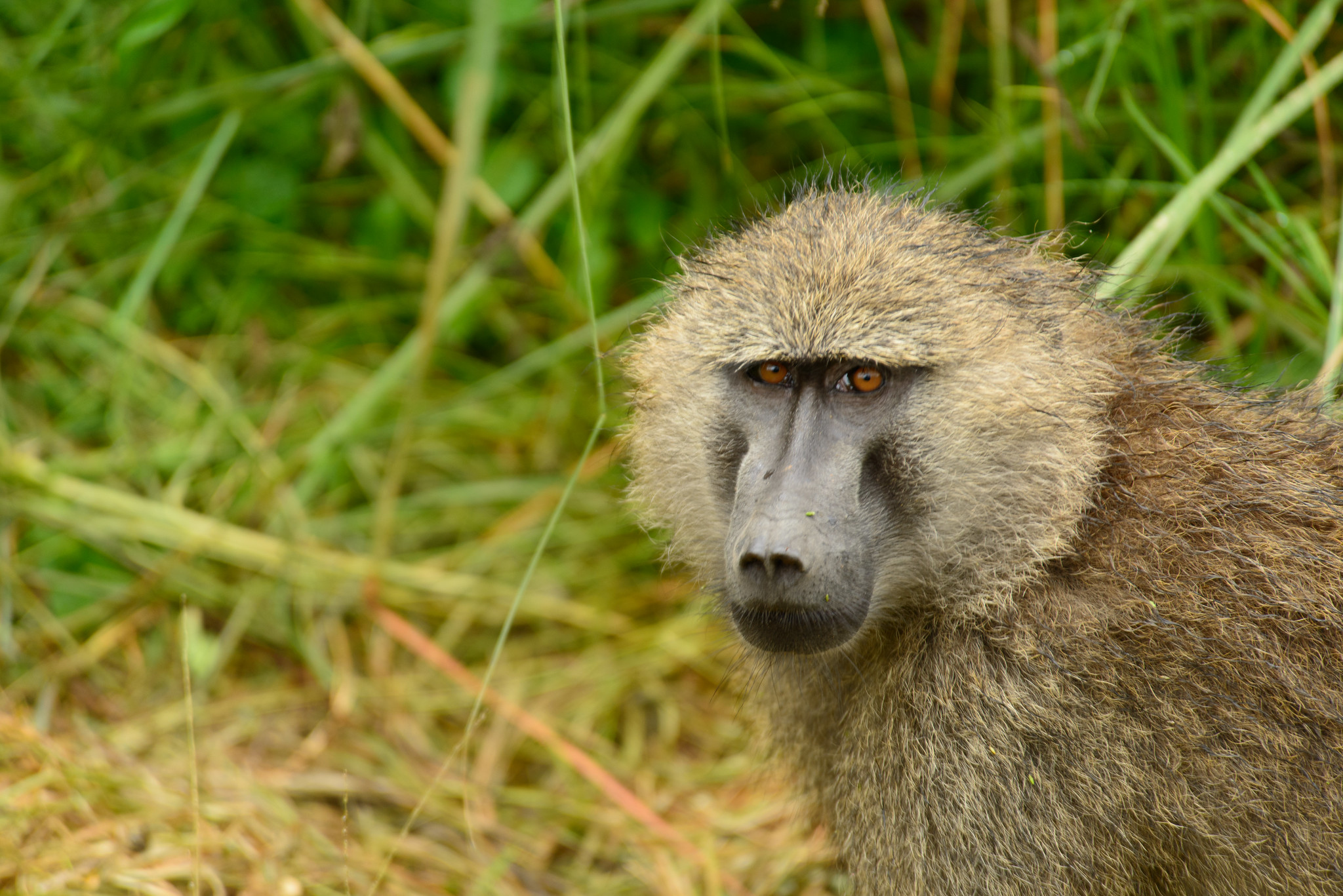
Located in the heart of East Africa, Rwanda is a nation celebrated not only for its breathtaking landscapes but also for its rich and vibrant cultural heritage. Often referred to as the “Land of a Thousand Hills,” Rwanda offers visitors a unique blend of natural beauty, deep-rooted traditions, and a powerful story of resilience and unity. From ancient customs and traditional art forms to modern cultural revival, Rwanda’s culture reflects the strength and harmony of its people.
A Mosaic of Ethnic Communities
Rwanda’s cultural identity has been shaped by several ethnic communities, primarily the Hutu, Tutsi, and Twa. Historically, the Tutsi were largely pastoralists who raised cattle, while the Hutu were predominantly agriculturalists cultivating crops across the fertile hills. The Twa, one of the oldest communities in the region, were traditionally forest dwellers and skilled artisans.
Although these groups once had distinct roles and traditions, modern Rwanda places strong emphasis on national unity rather than ethnic identity. Today, Rwandans share a collective national identity that celebrates common heritage, culture, and values.
Ubunyarwanda: The Spirit of National Unity
One of the most important cultural philosophies guiding modern Rwanda is Ubunyarwanda, which emphasizes the shared identity of all Rwandans. This concept promotes unity, reconciliation, and collective responsibility, encouraging citizens to look beyond ethnic differences and focus on their common identity.
Following the tragic events of the 1994 Rwandan Genocide, the country embarked on an extraordinary journey toward healing and rebuilding. Ubunyarwanda has played a crucial role in fostering dialogue, understanding, and forgiveness, helping communities rebuild trust and coexist peacefully.
Traditional Rwandan Arts and Cultural Expression
Art and cultural performance are deeply embedded in Rwanda’s traditions. Music, dance, and crafts are powerful ways through which communities preserve their history and pass down stories from generation to generation.
Intore Dance
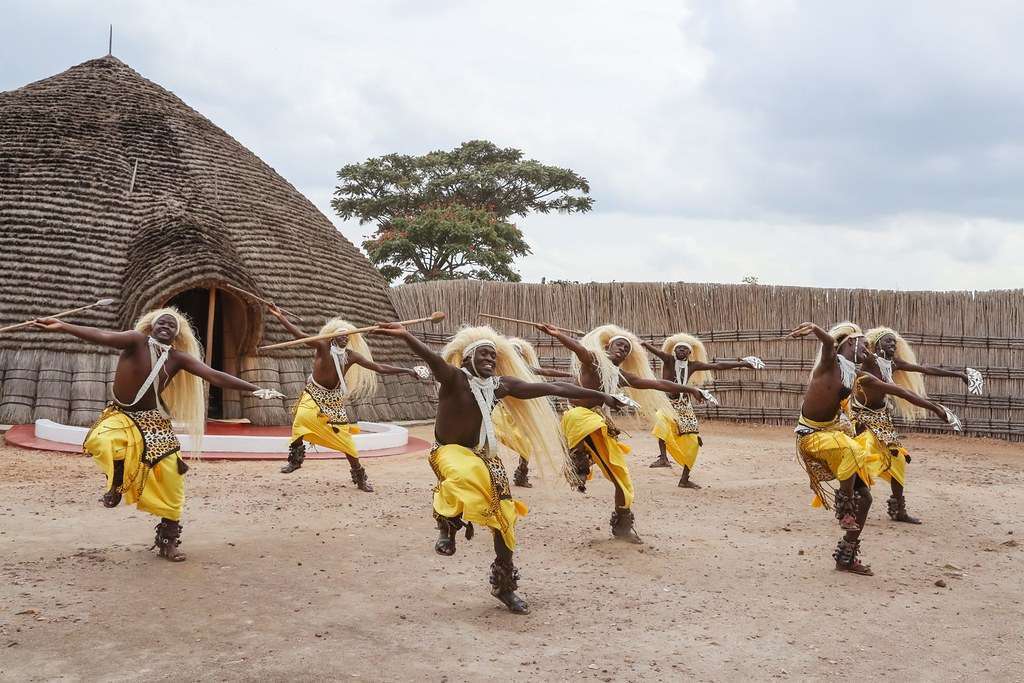
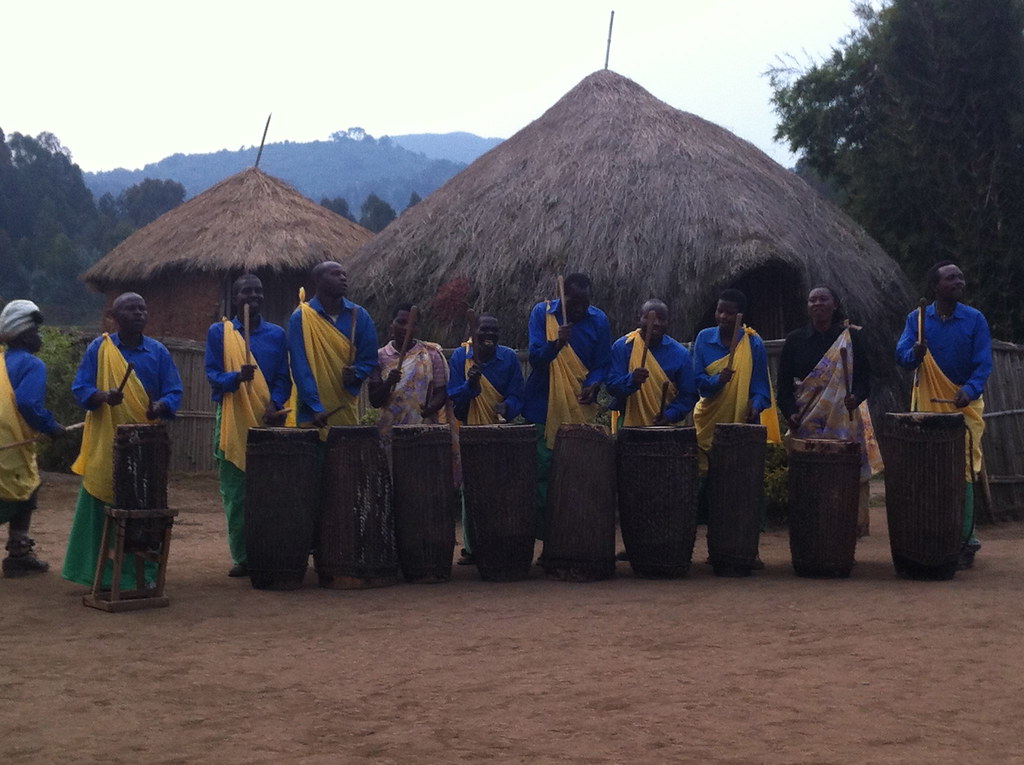
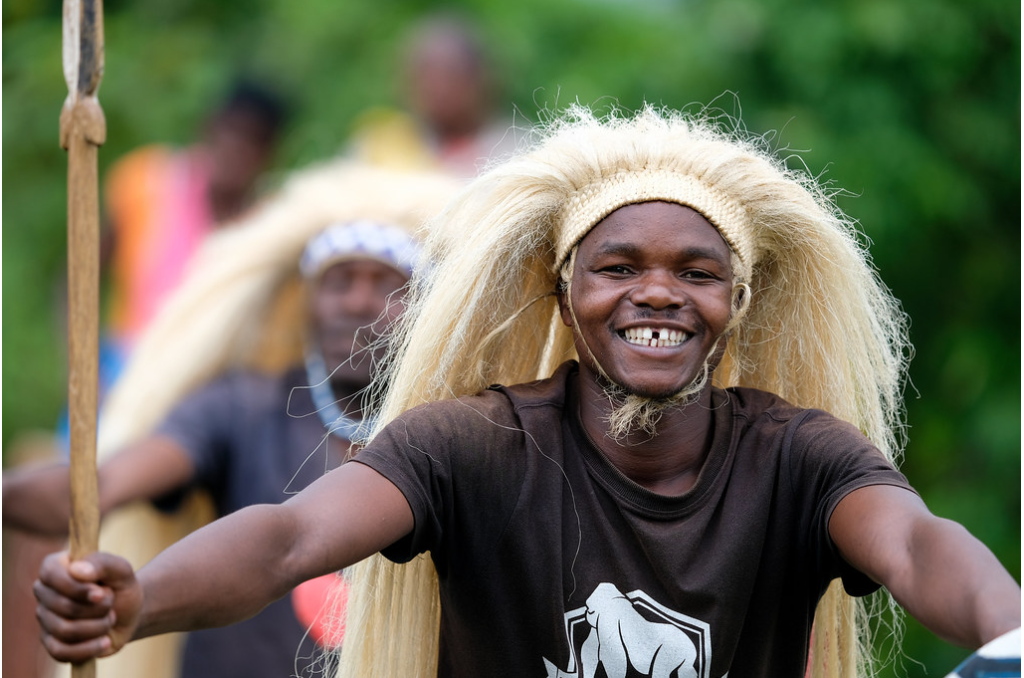
One of Rwanda’s most iconic cultural performances is the Intore Dance. Known for its energy and elegance, the dance features performers dressed in elaborate costumes with grass-like headdresses. Accompanied by rhythmic drumming, the dance showcases agility, strength, and pride, reflecting Rwanda’s historical warrior traditions.
Imigongo Art
Another distinctive cultural expression is Imigongo art, a traditional craft that involves creating intricate geometric designs using natural materials such as cow dung and ash. Originating in eastern Rwanda, these striking black-and-white patterns symbolize creativity, transformation, and cultural identity.
Traditional Music
Rwandan traditional music is characterized by the use of indigenous instruments such as the inanga, a traditional string instrument, and the umuduri, a musical bow. Songs often tell stories about daily life, love, bravery, and historical events, serving as both entertainment and historical record.
Rwandan Cuisine: A Taste of Tradition
Food plays an important role in Rwanda’s cultural life and reflects the country’s agricultural heritage. Many meals are based on locally grown ingredients such as plantains, beans, sweet potatoes, cassava, and maize.
One of the most common staple foods is Ugali, a thick porridge made from maize or cassava flour, typically served with vegetables, sauces, or meat. Another popular dish is brochette, grilled skewered meat often enjoyed with spicy sauces and roasted plantains.
Sharing meals is an important cultural tradition in Rwanda, symbolizing hospitality, community, and togetherness.
Language: A Unifying Force
Language plays a key role in uniting Rwanda’s diverse population. Kinyarwanda, the national language, is spoken by nearly all citizens and serves as a powerful symbol of shared identity.
While Kinyarwanda is the most widely spoken language, Rwanda also recognizes English and French as official languages, reflecting the country’s historical and international connections.
Religion and Spiritual Life
Religion is an important part of everyday life in Rwanda. The majority of the population identifies as Christian, with large Catholic and Protestant communities. However, traditional beliefs and spiritual practices remain significant for many Rwandans.
These indigenous beliefs often include respect for ancestors and spiritual connections to nature. In many communities, traditional values coexist harmoniously with Christian teachings, creating a unique spiritual landscape.
Conservation and Cultural Preservation
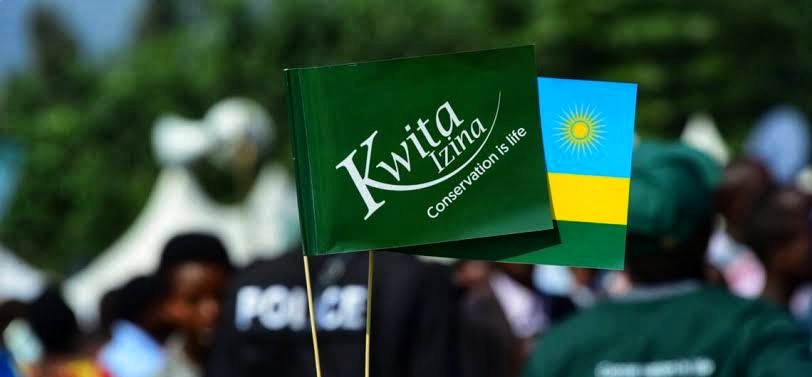
Rwanda has become a global example of conservation success. Efforts to protect wildlife and natural landscapes have also helped preserve cultural traditions connected to the environment.
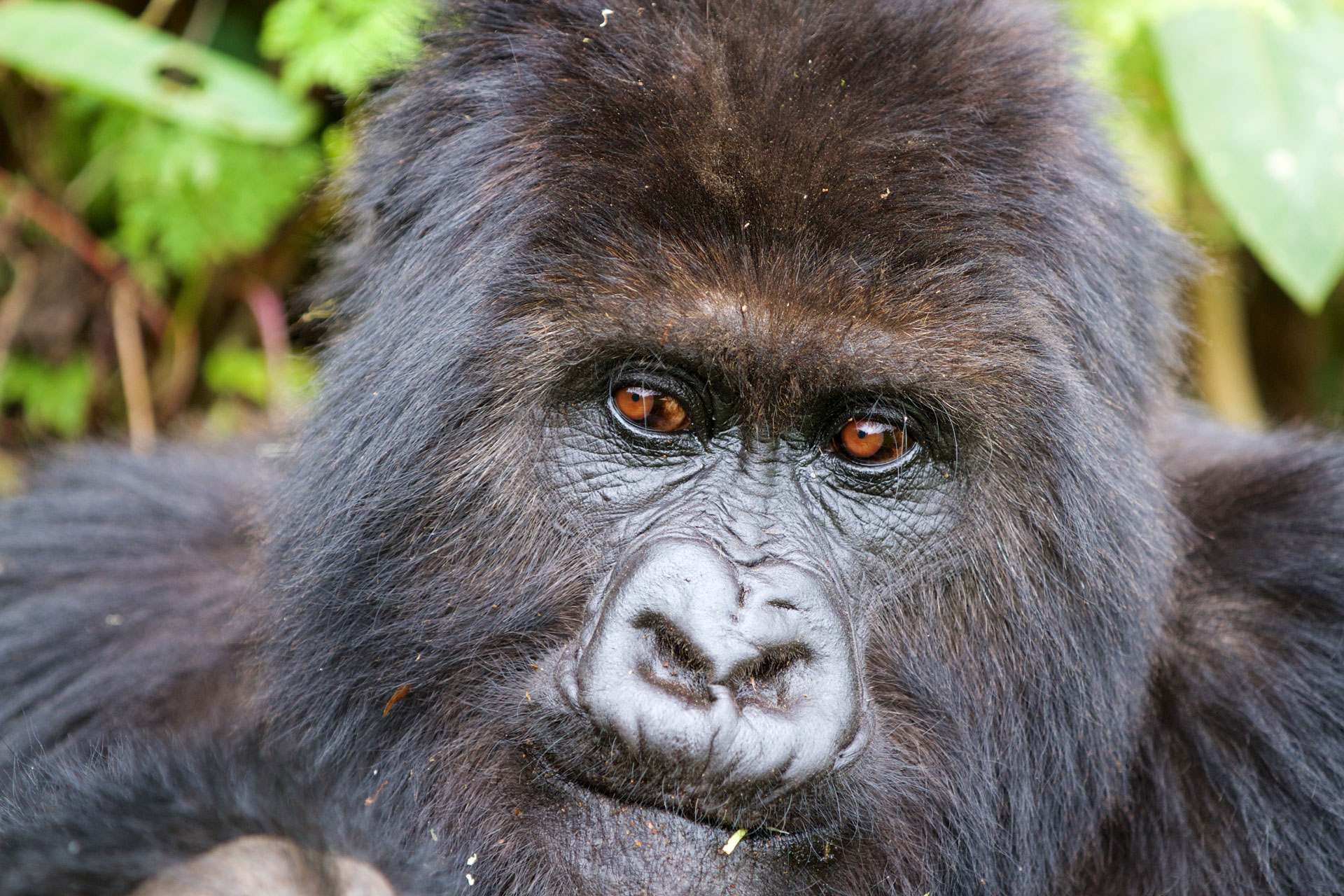
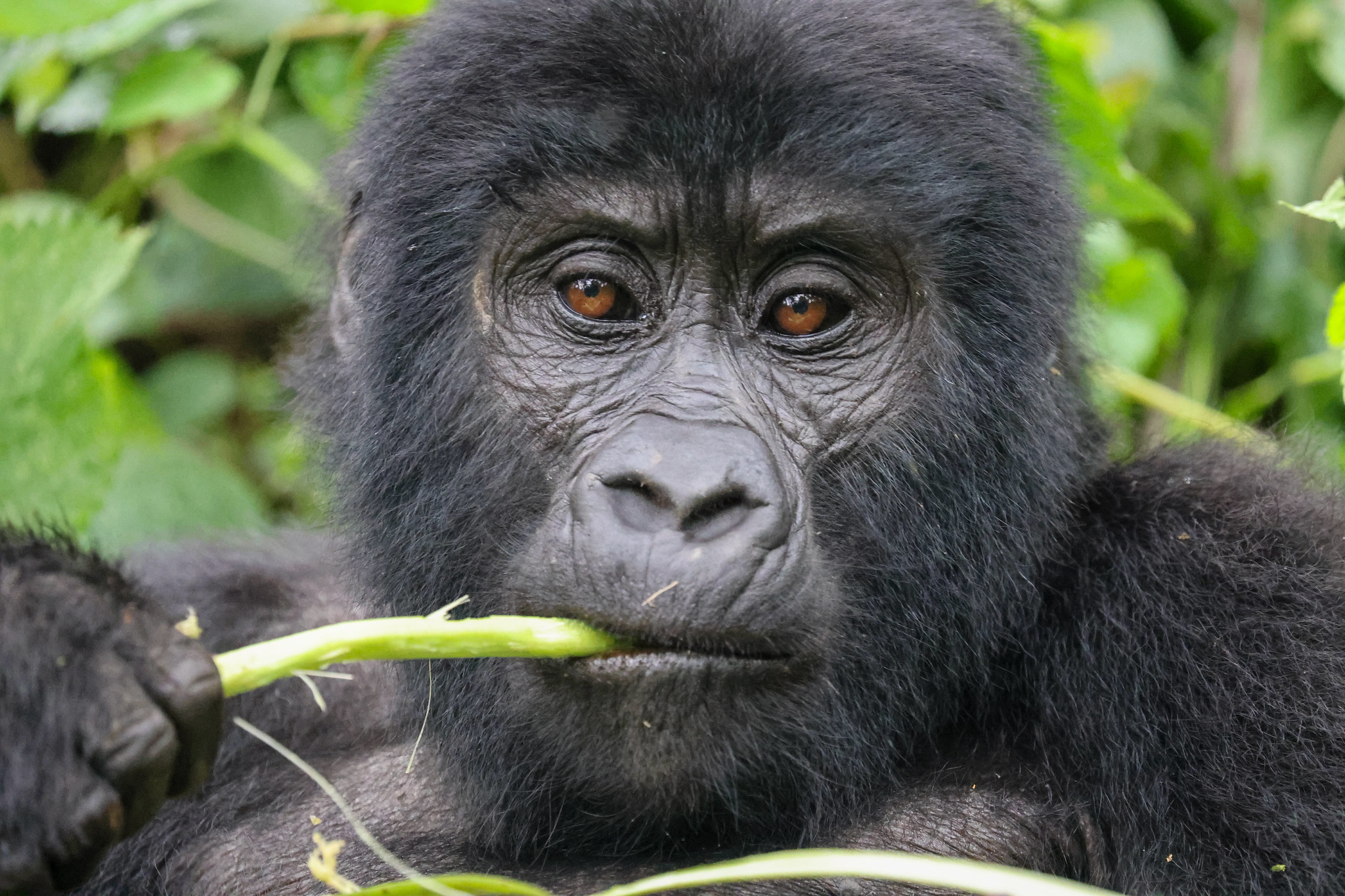
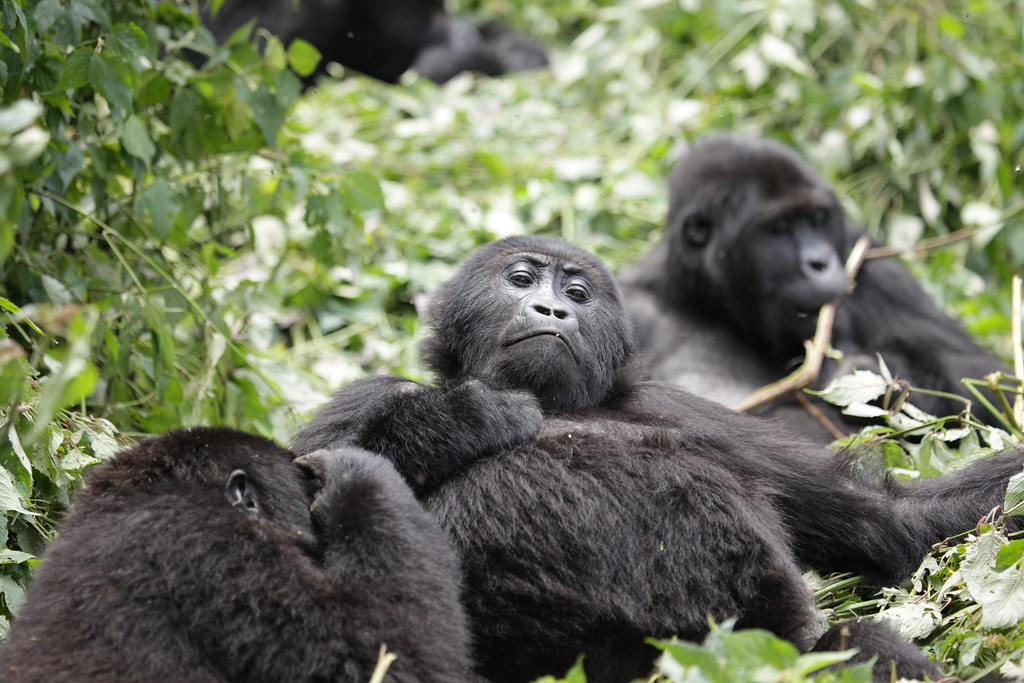
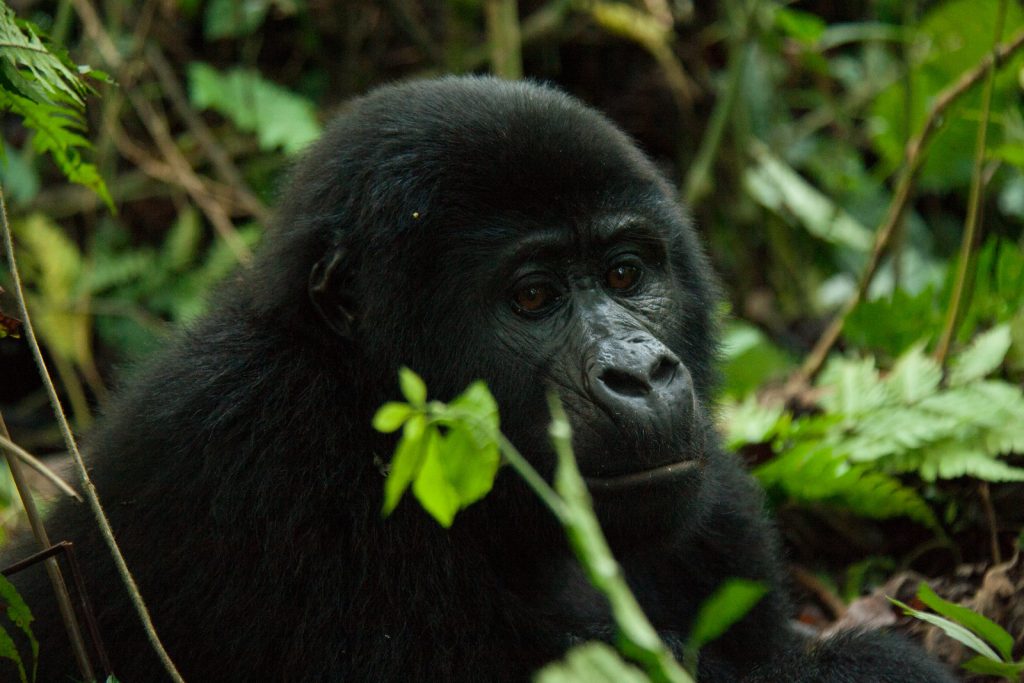
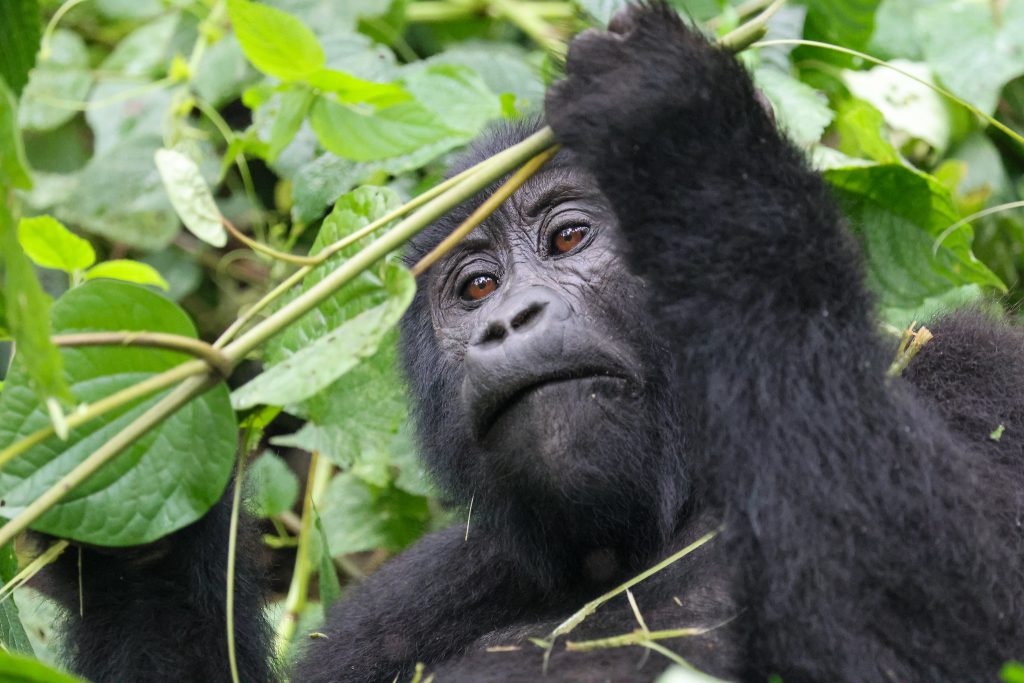
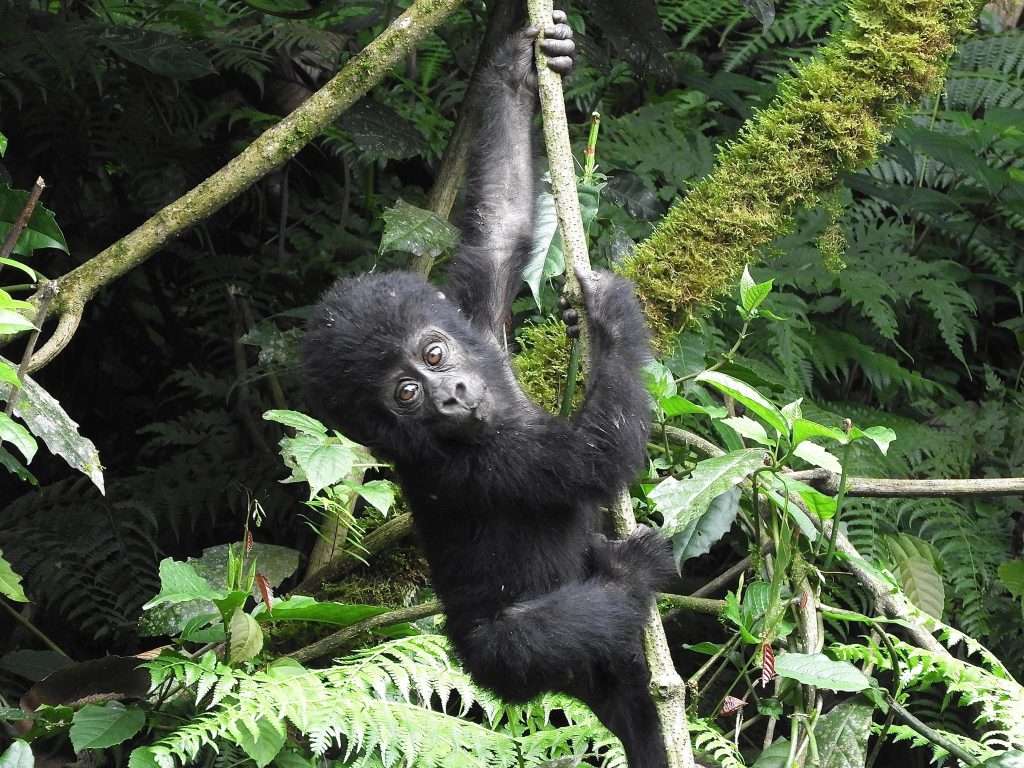
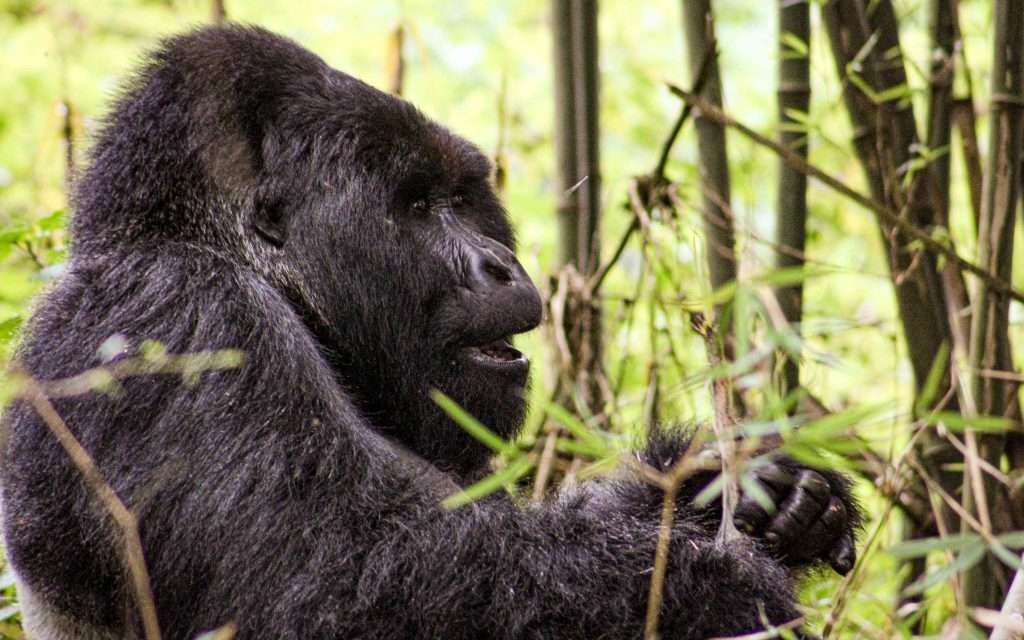
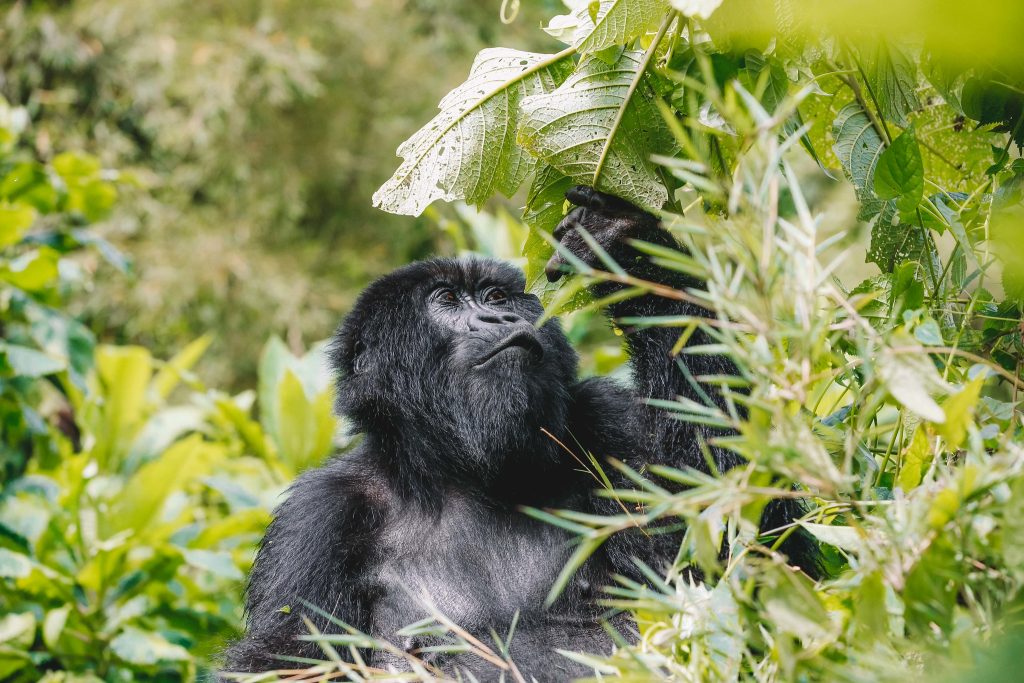
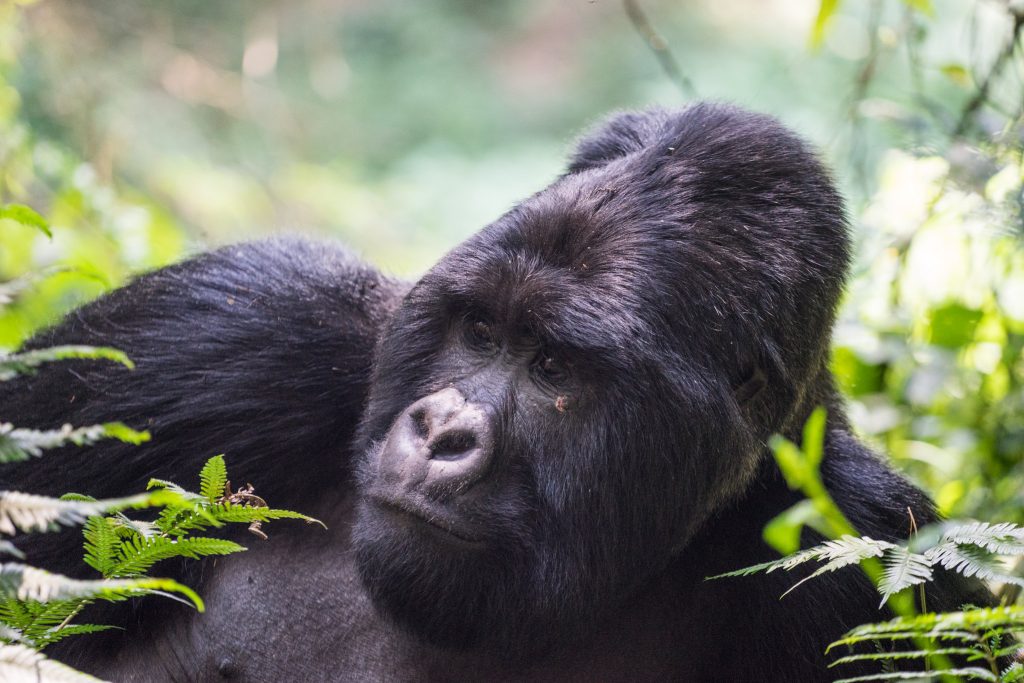
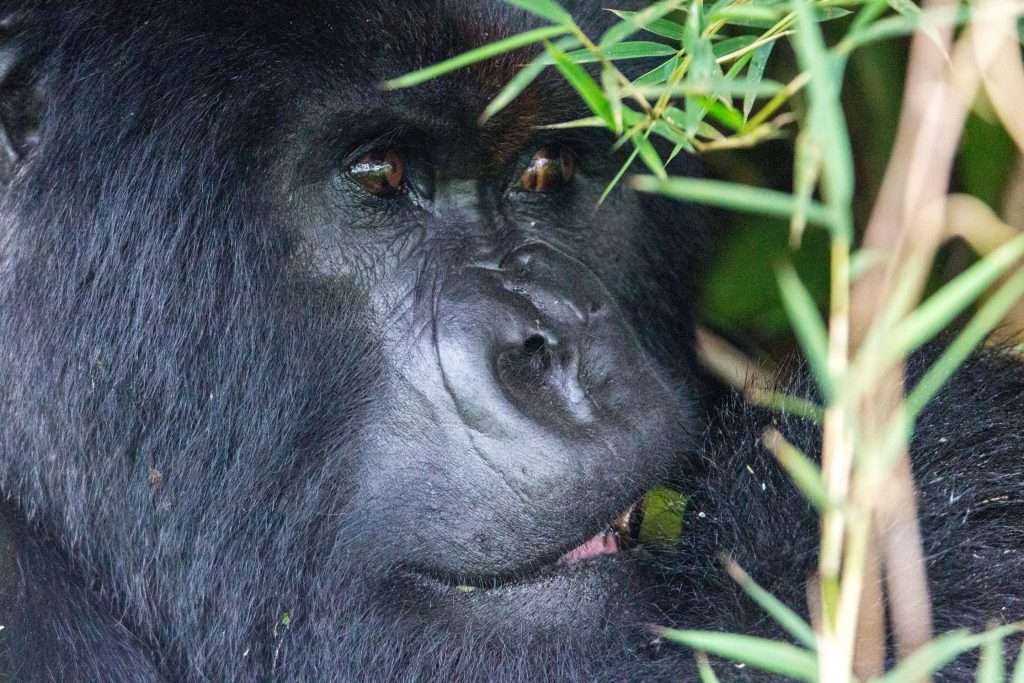
One of the most notable conservation achievements is the protection of mountain gorillas in Volcanoes National Park. This initiative not only safeguards an endangered species but also supports local communities, including the Batwa people who historically lived in the forests.
Rwanda also preserves important historical sites such as the Kigali Genocide Memorial, which serves as a place for remembrance and education about the country’s past.
Rwanda’s Cultural Renaissance
In recent years, Rwanda has experienced a vibrant cultural revival. The arts, education, and cultural exchange programs have flourished as the country continues to redefine its global identity.
Events like the Ubumuntu Arts Festival bring together artists, performers, and storytellers from across the world to explore themes of humanity, unity, and reconciliation.
Institutions such as the Rwanda Art Museum and the Ivuka Arts Center provide platforms for emerging artists to showcase their talents and contribute to Rwanda’s growing creative industry.
A Culture Defined by Resilience
Rwanda’s culture and heritage tell a powerful story of resilience and transformation. Despite a challenging history, the nation has emerged stronger, embracing unity, creativity, and hope for the future.
Today, Rwanda stands as a remarkable example of how culture, reconciliation, and community spirit can shape a nation’s identity. For visitors and scholars alike, Rwanda offers a deeply meaningful cultural experience rooted in tradition, resilience, and the enduring strength of its people.