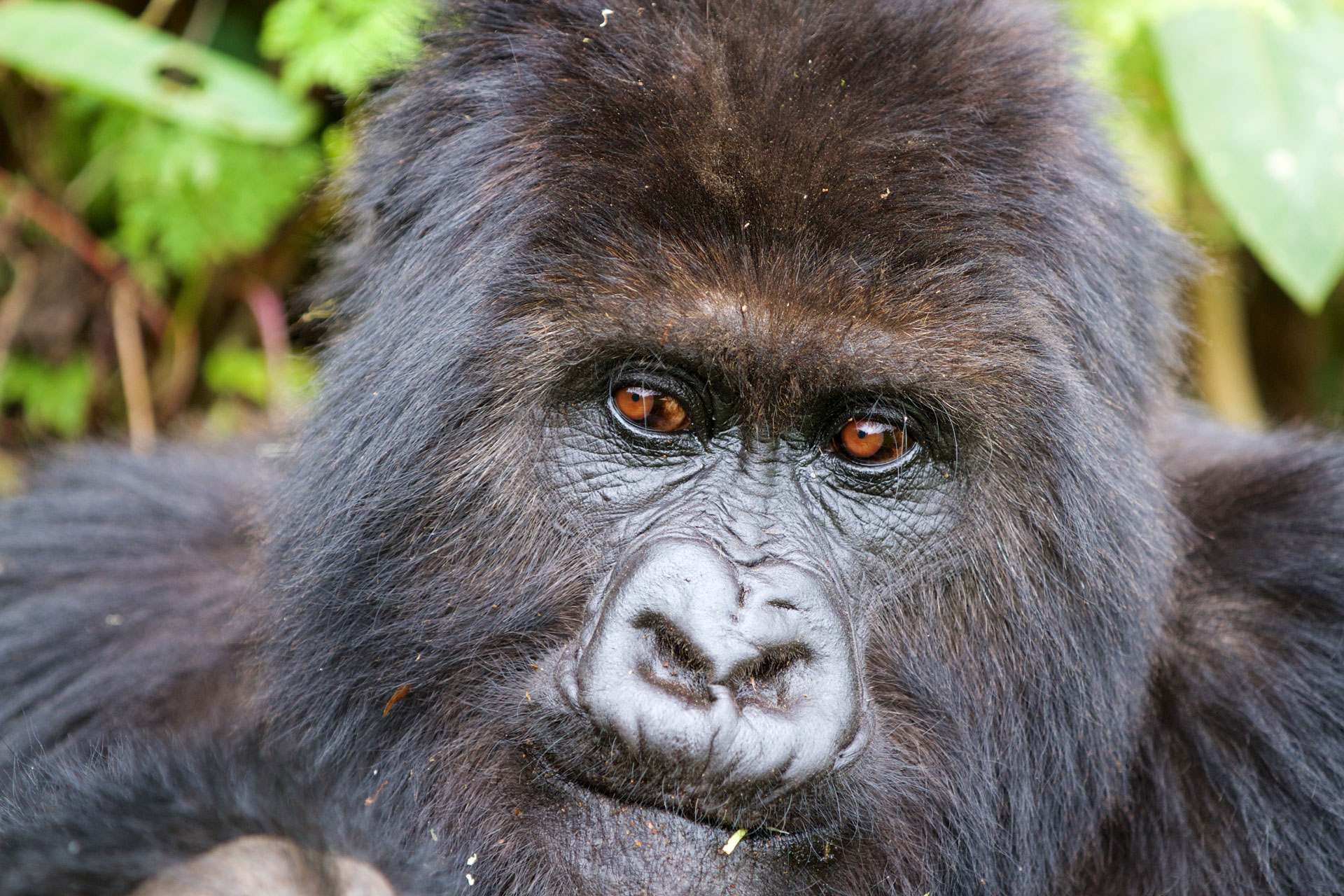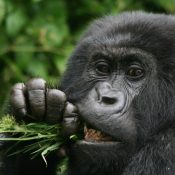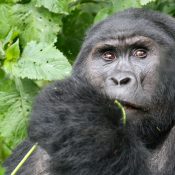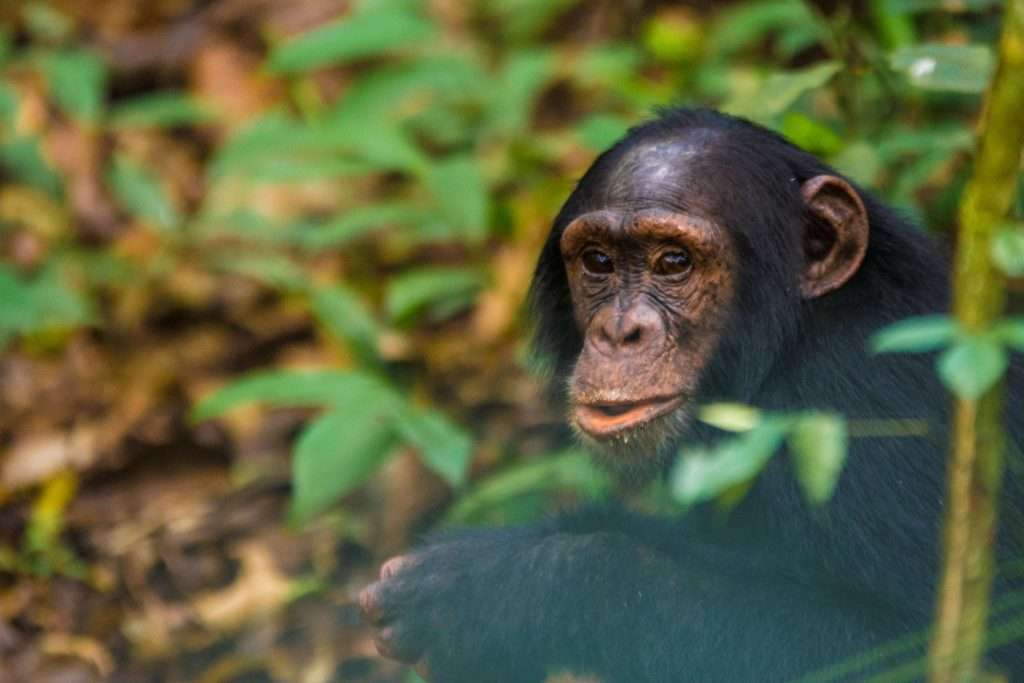
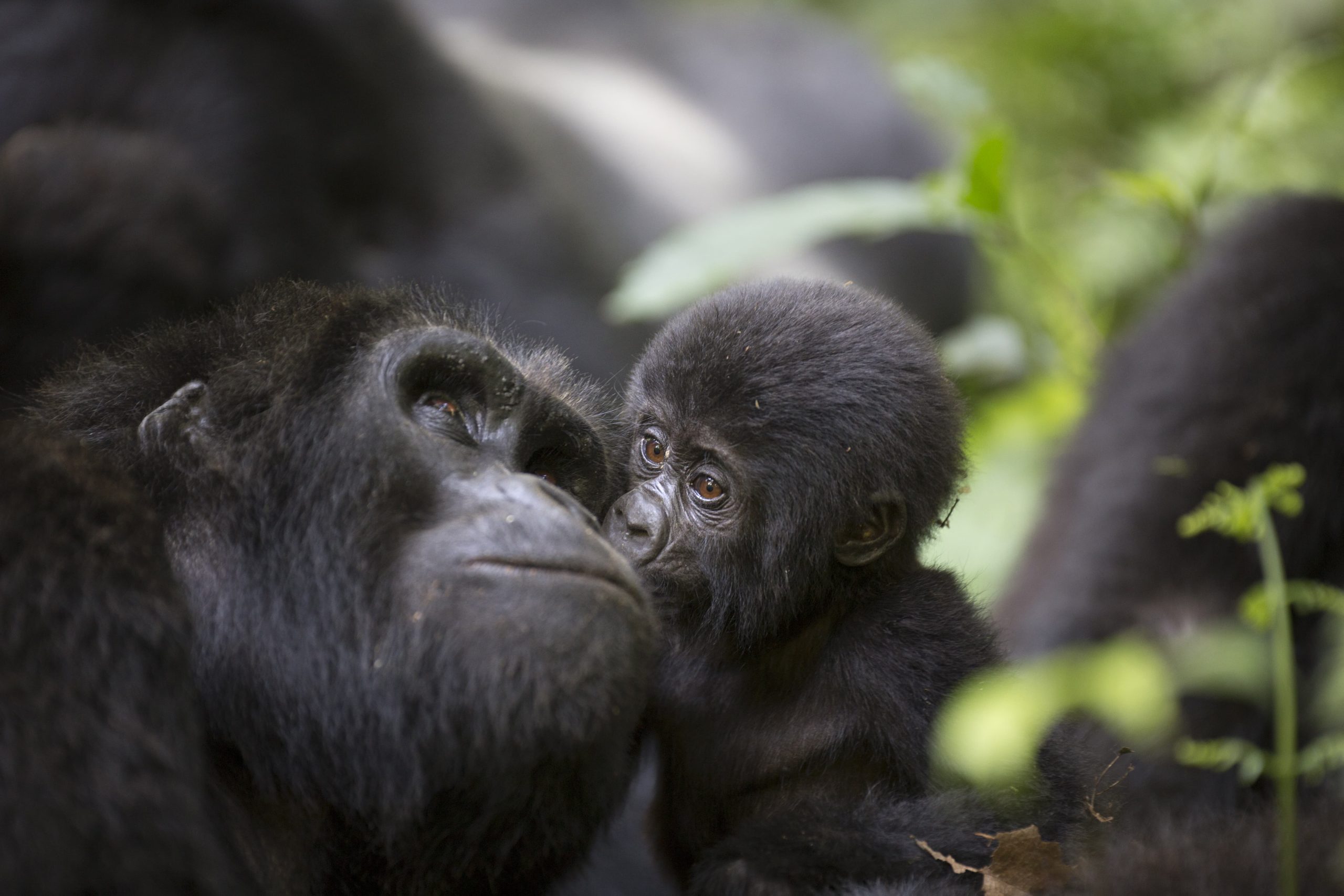
Mountain gorillas are among the most fascinating and endangered wildlife species in the world. These powerful yet gentle primates live in the high-altitude forests of East and Central Africa and are known for their strong social bonds, intelligence, and remarkable similarity to humans. Encountering them in the wild is one of the most extraordinary wildlife experiences on the planet.
This guide explores the life of mountain gorillas, their habitats, behavior, and the best places to see them in Africa.
Understanding Mountain Gorillas
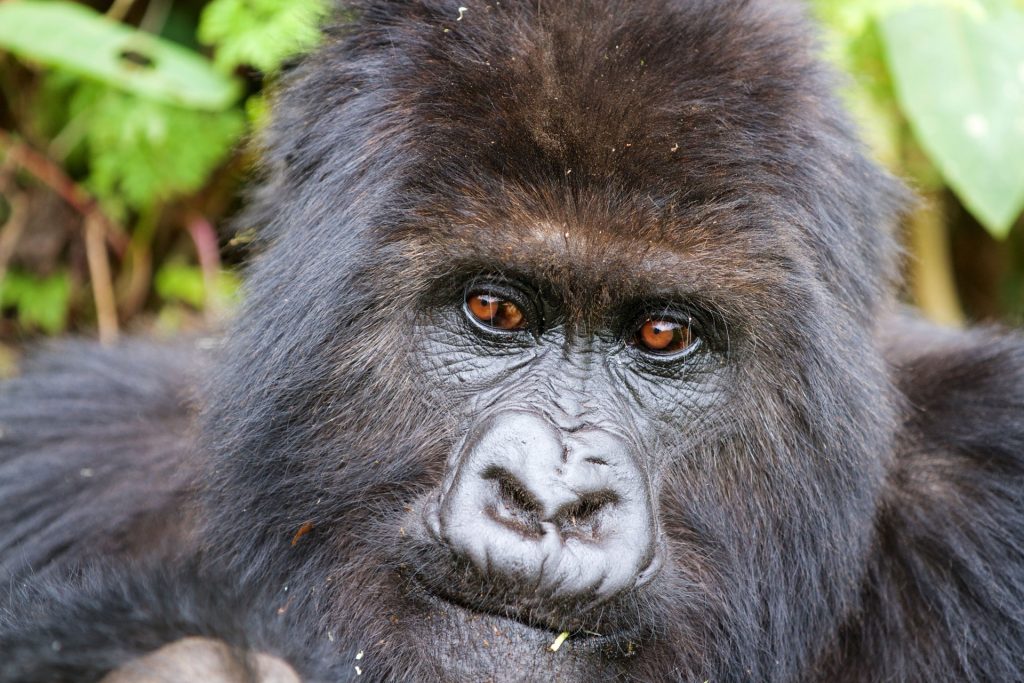
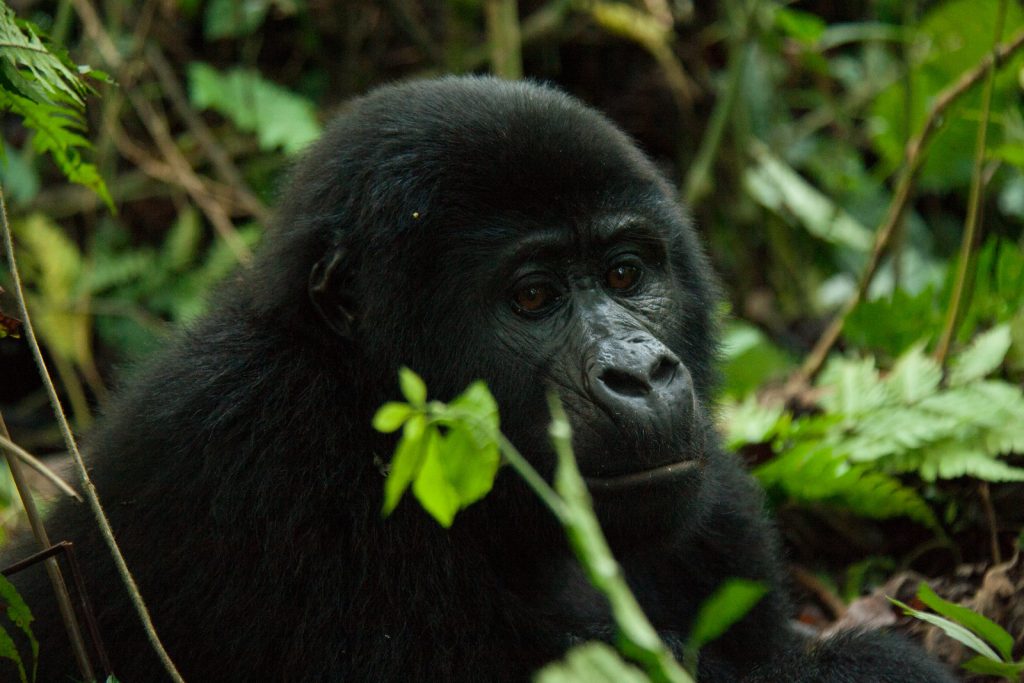
The mountain gorilla is one of the two subspecies of the eastern gorilla and is listed as endangered on the International Union for Conservation of Nature Red List. Conservation efforts over the past decades have helped their population slowly increase, with the global population estimated at just over 1,000 individuals following the 2018 census.
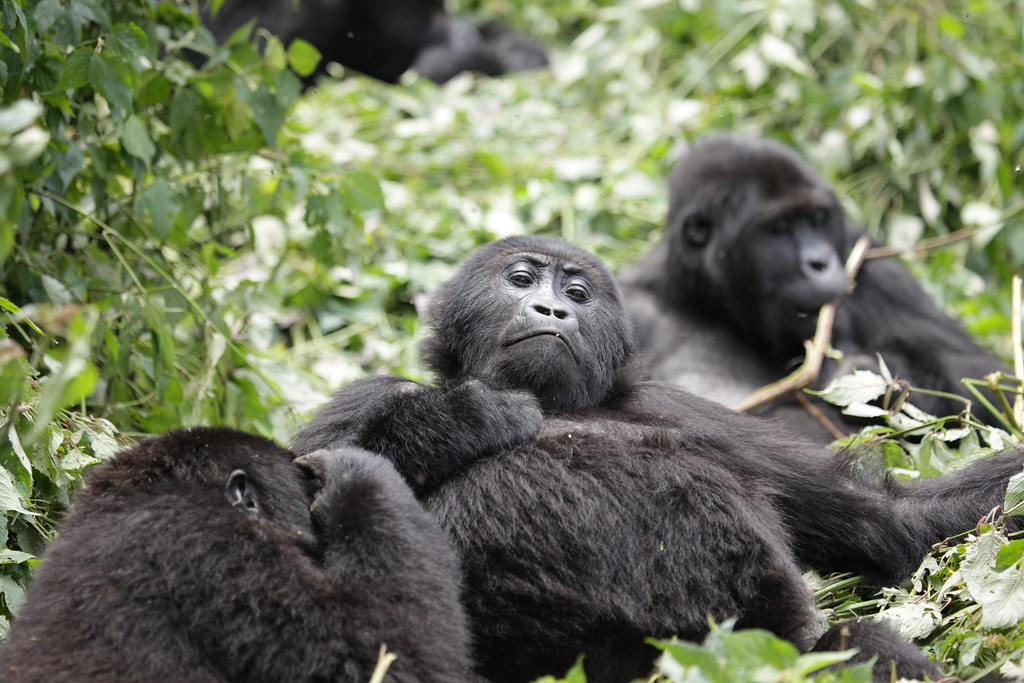
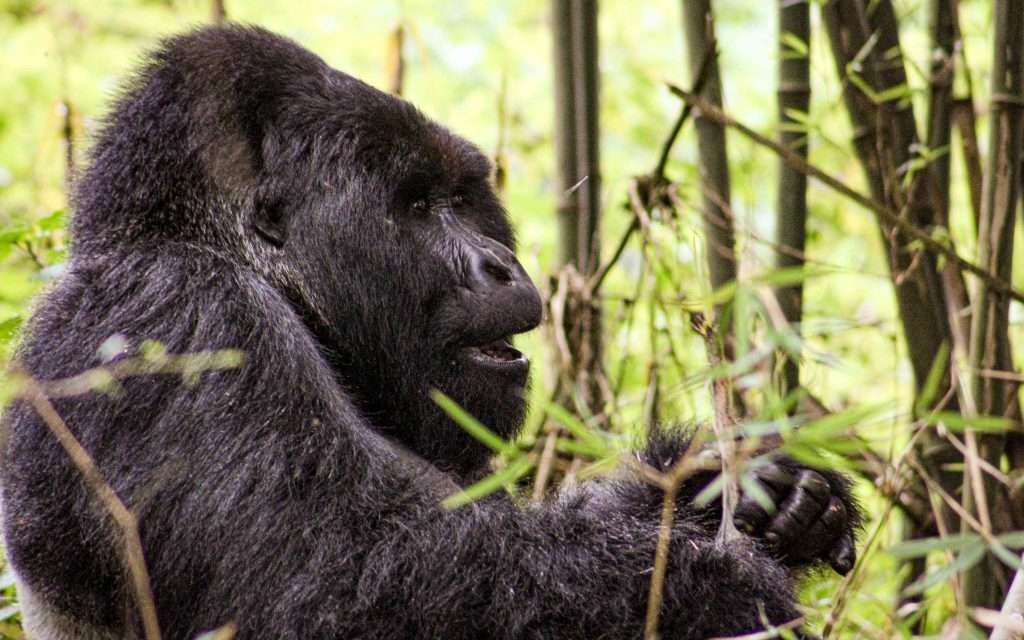
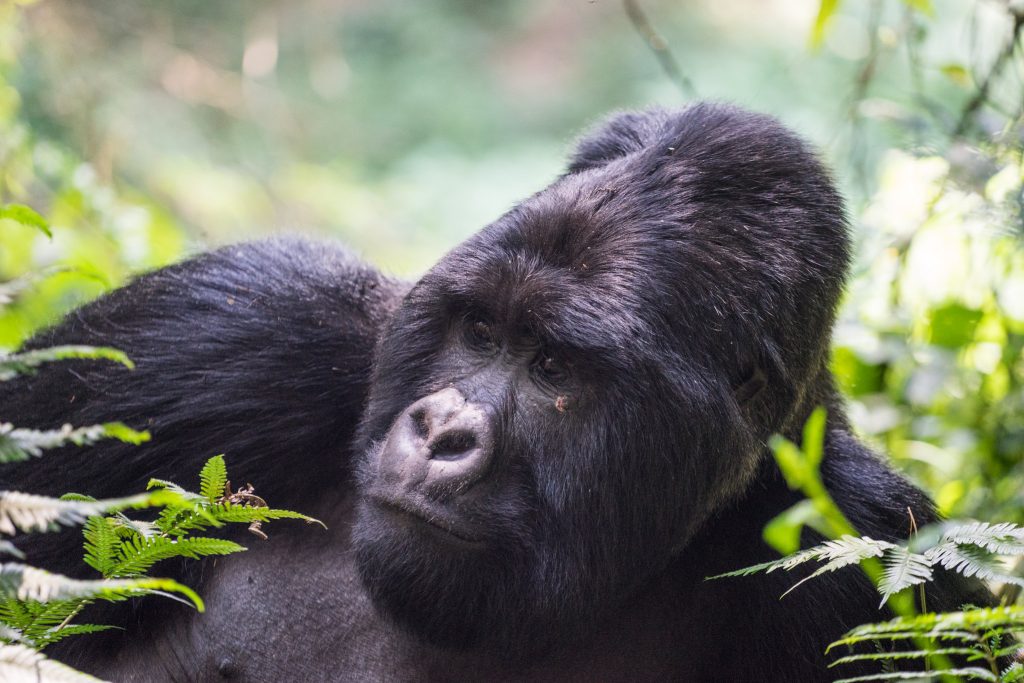
These primates are highly social animals that live in family groups ranging from two to forty individuals. Each group is led by a dominant male known as a silverback. The silverback acts as the leader, protector, and decision-maker for the group, guiding members to the best feeding areas and resting sites throughout the year.
Male gorillas typically leave their birth group around the age of eleven. Some live solitary lives for several years, while others travel with other males before eventually forming their own family group by attracting females.
The Role of the Silverback
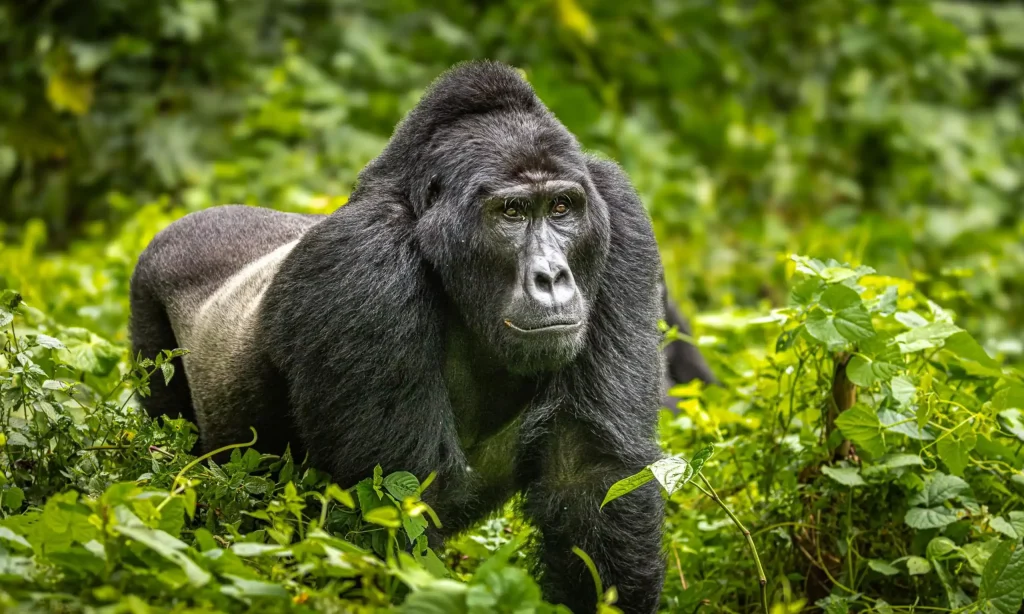
The silverback gorilla is the central figure in every gorilla family. This dominant male maintains order within the group and protects its members from threats such as predators, rival gorillas, or potential human disturbances.
Conflicts are usually resolved through displays of intimidation rather than physical fights. Silverbacks often perform dramatic gestures such as chest beating, charging, and vocalizations to scare away intruders. Despite their peaceful nature, silverbacks are incredibly strong—estimated to be almost ten times stronger than the strongest human athletes—and will fiercely defend their family if necessary.
Gorilla Reproduction and Family Life
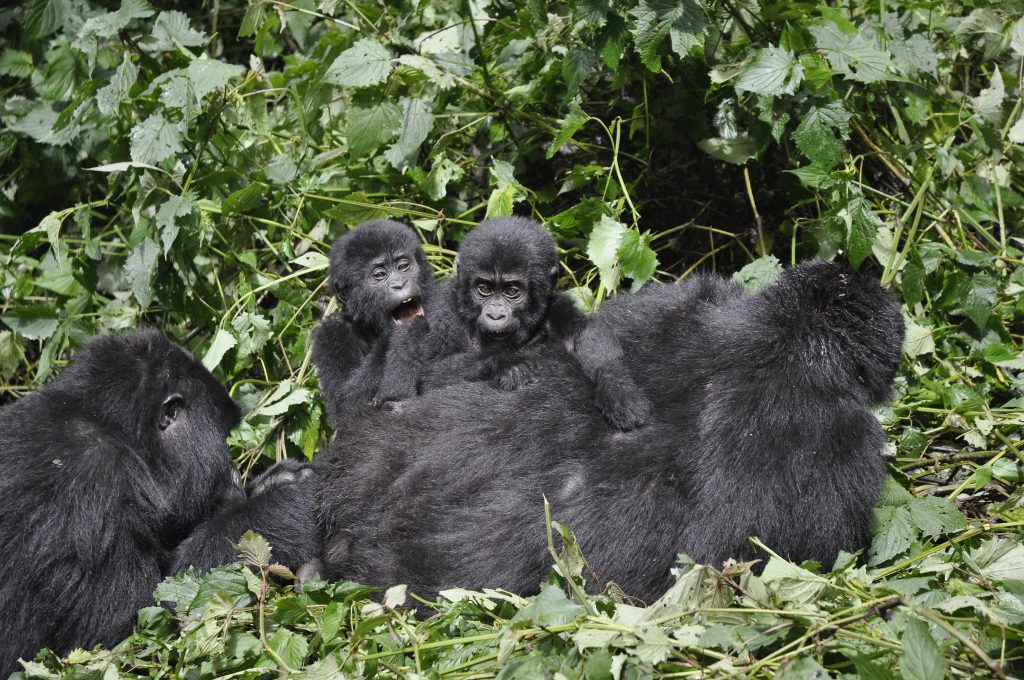
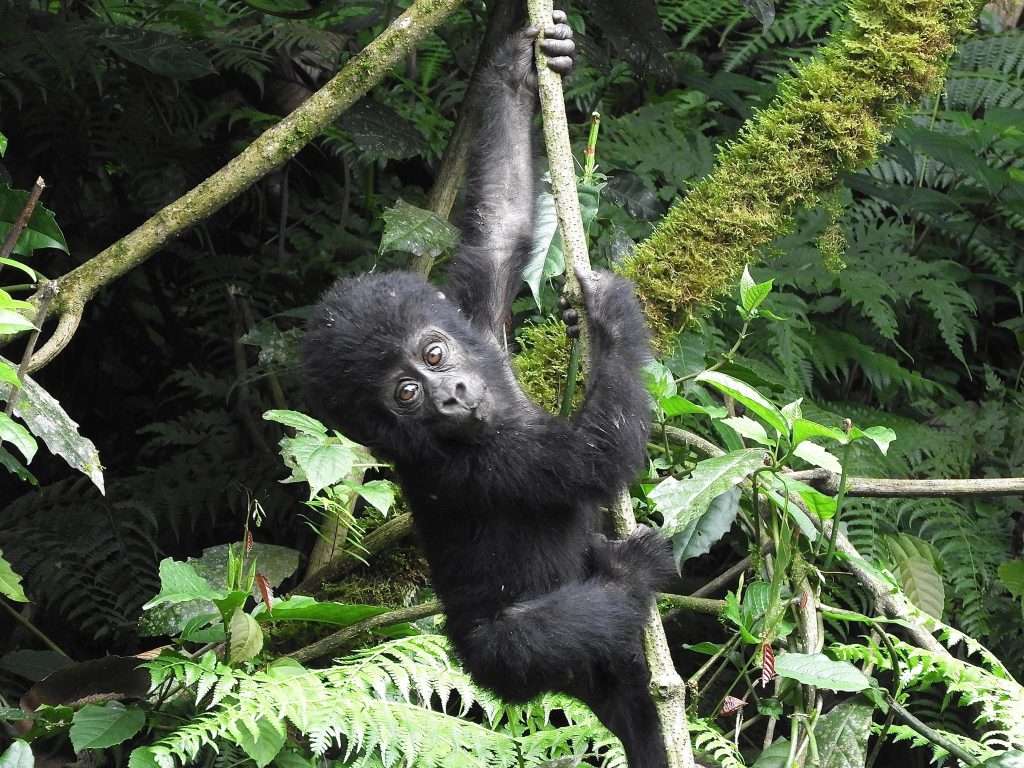
Female gorillas typically give birth for the first time around the age of ten. They usually have one infant every four years, making reproduction relatively slow. Newborn gorillas are fragile and weigh about four pounds at birth.
In the early stages of life, infants depend entirely on their mothers for nourishment and protection. They begin to move and explore gradually, developing faster than human babies. Most infants are weaned at around three years old when they become more independent.
Unfortunately, young gorillas have historically been targeted by poachers, which is one of the major threats to their survival.
What Do Mountain Gorillas Eat?
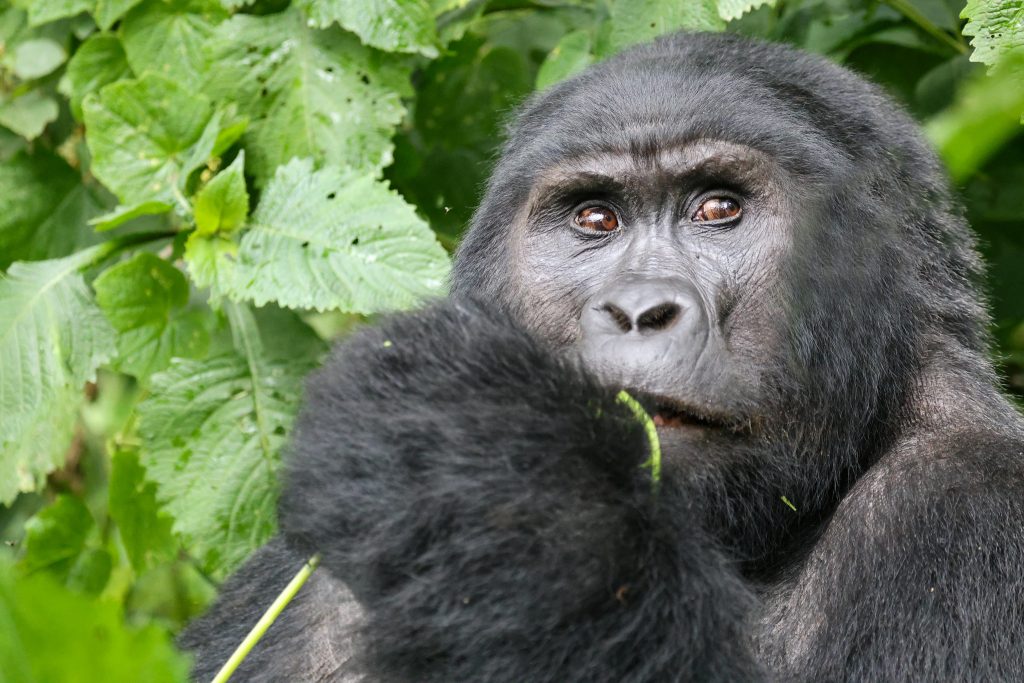
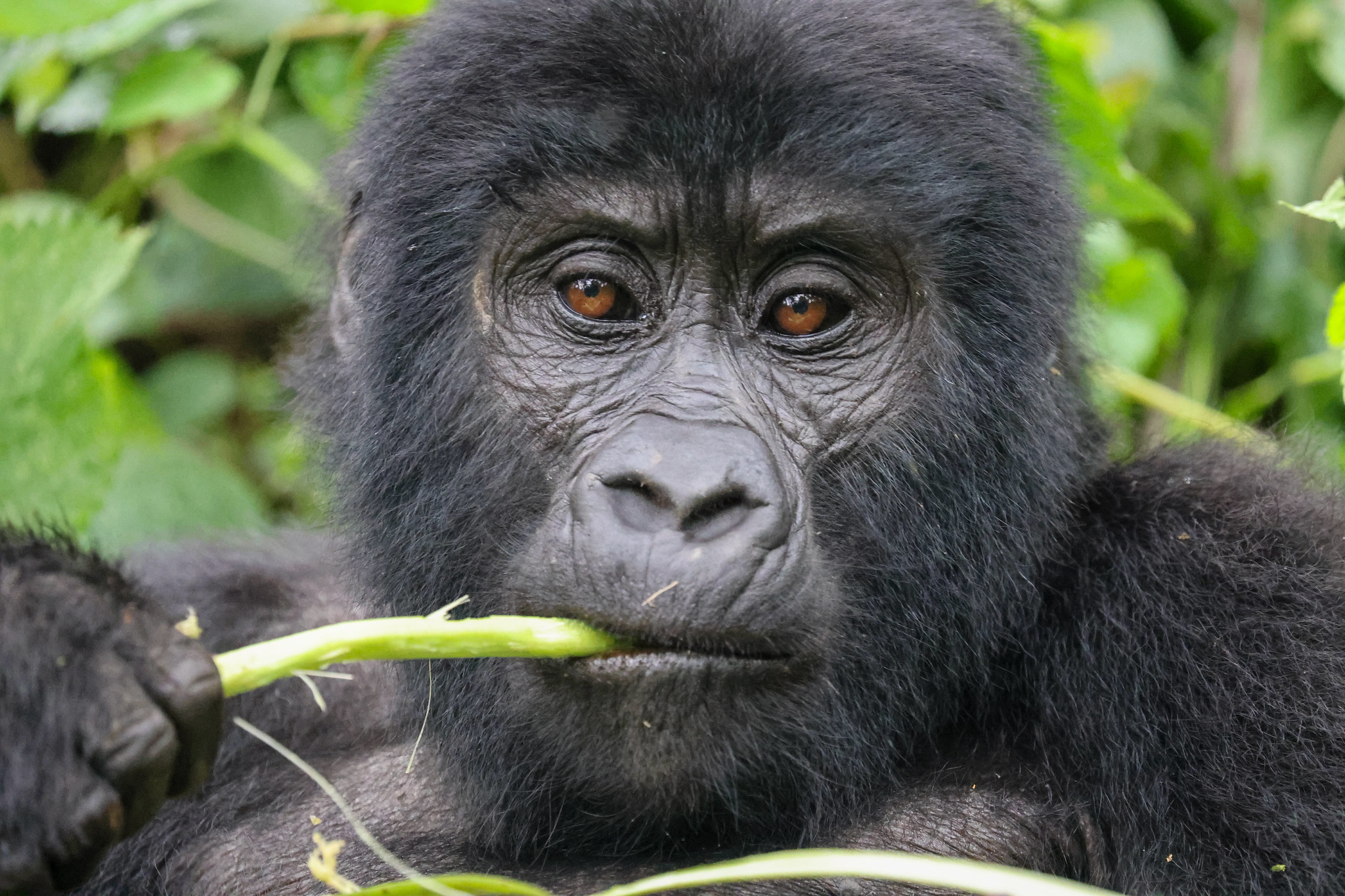
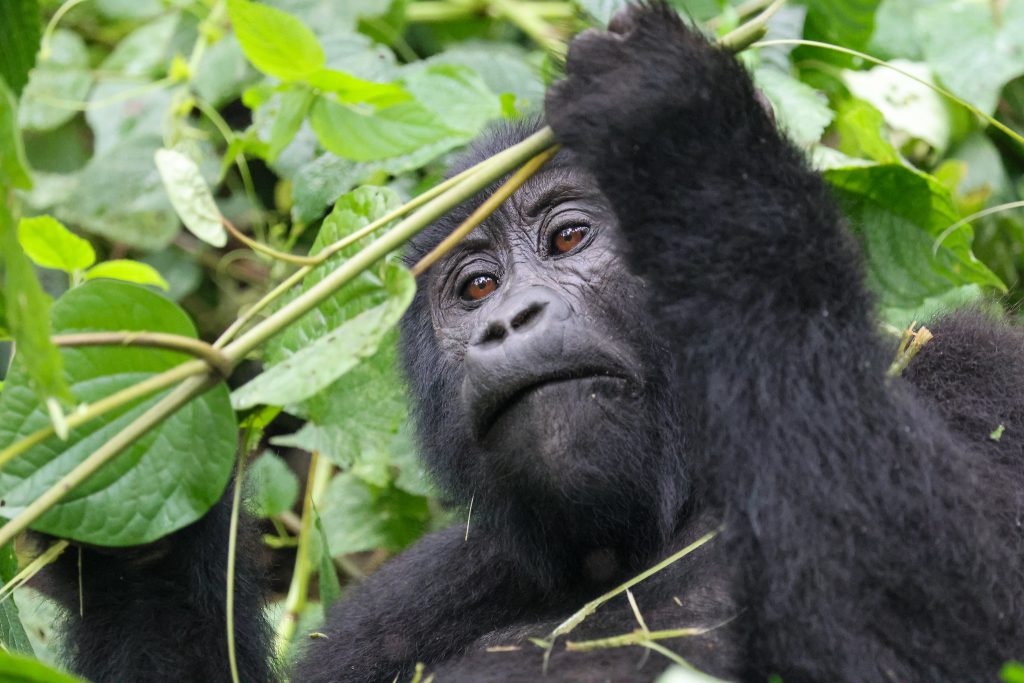
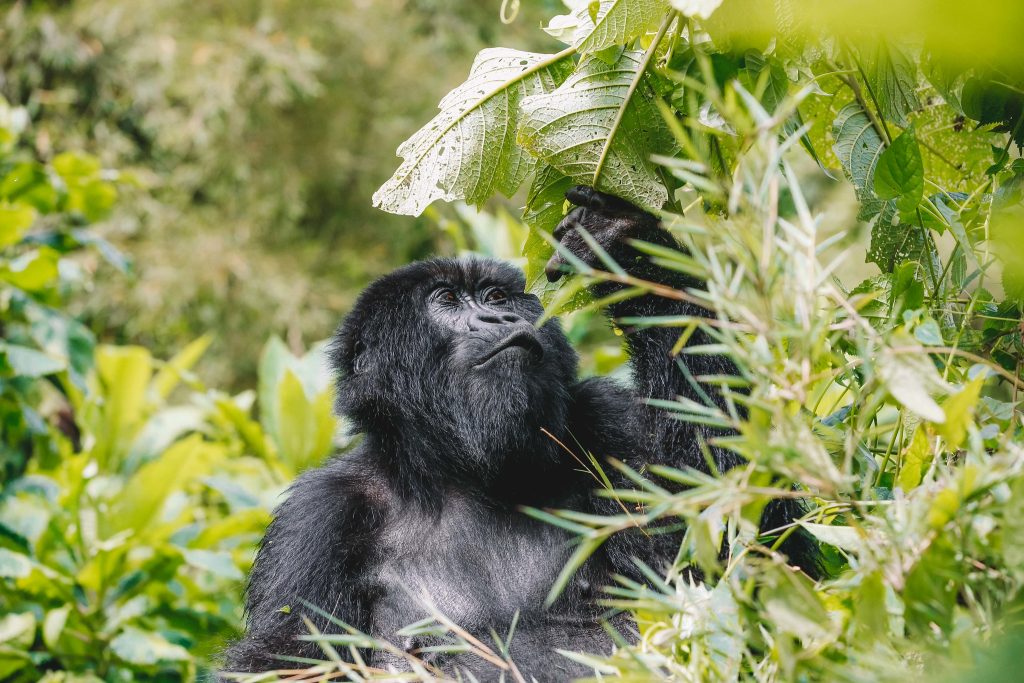
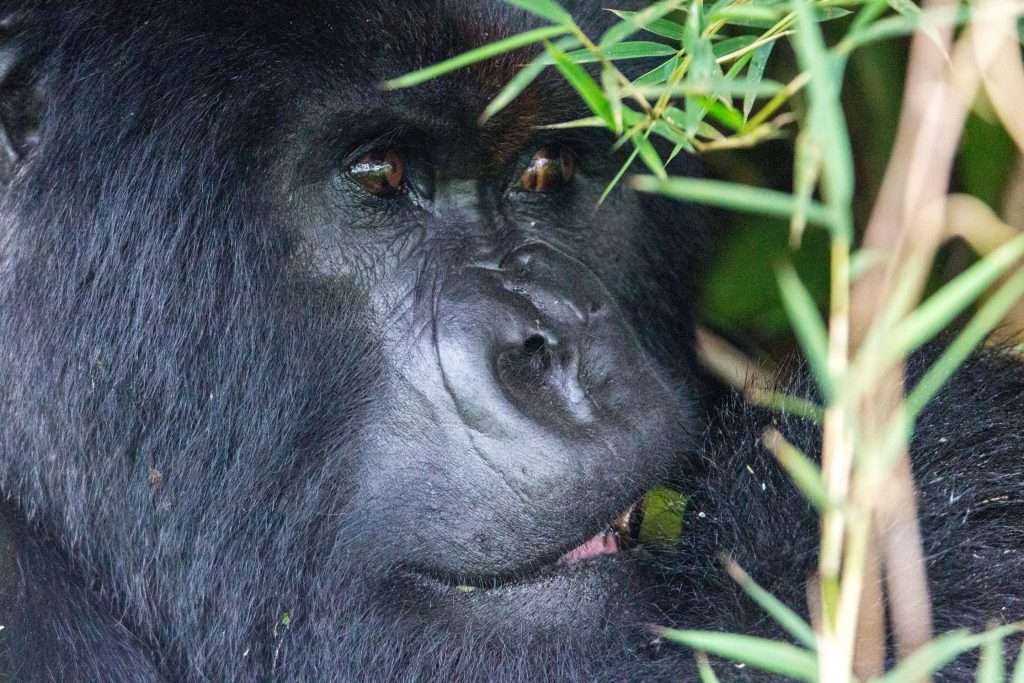
Mountain gorillas are primarily herbivores and feed on a wide variety of vegetation. Their diet includes leaves, stems, bamboo shoots, roots, fruits, and tree bark.
They consume more than ten species of plants regularly and particularly enjoy foods such as celery-like plants, thistles, and wild roots. An adult gorilla can eat up to 30 kilograms of vegetation in a single day.
Because most of their food contains a high water content, mountain gorillas rarely need to drink water directly.
Where Can You See Mountain Gorillas?
Mountain gorillas live in only three countries in the world, making them one of the rarest wildlife species to observe in the wild.
Uganda
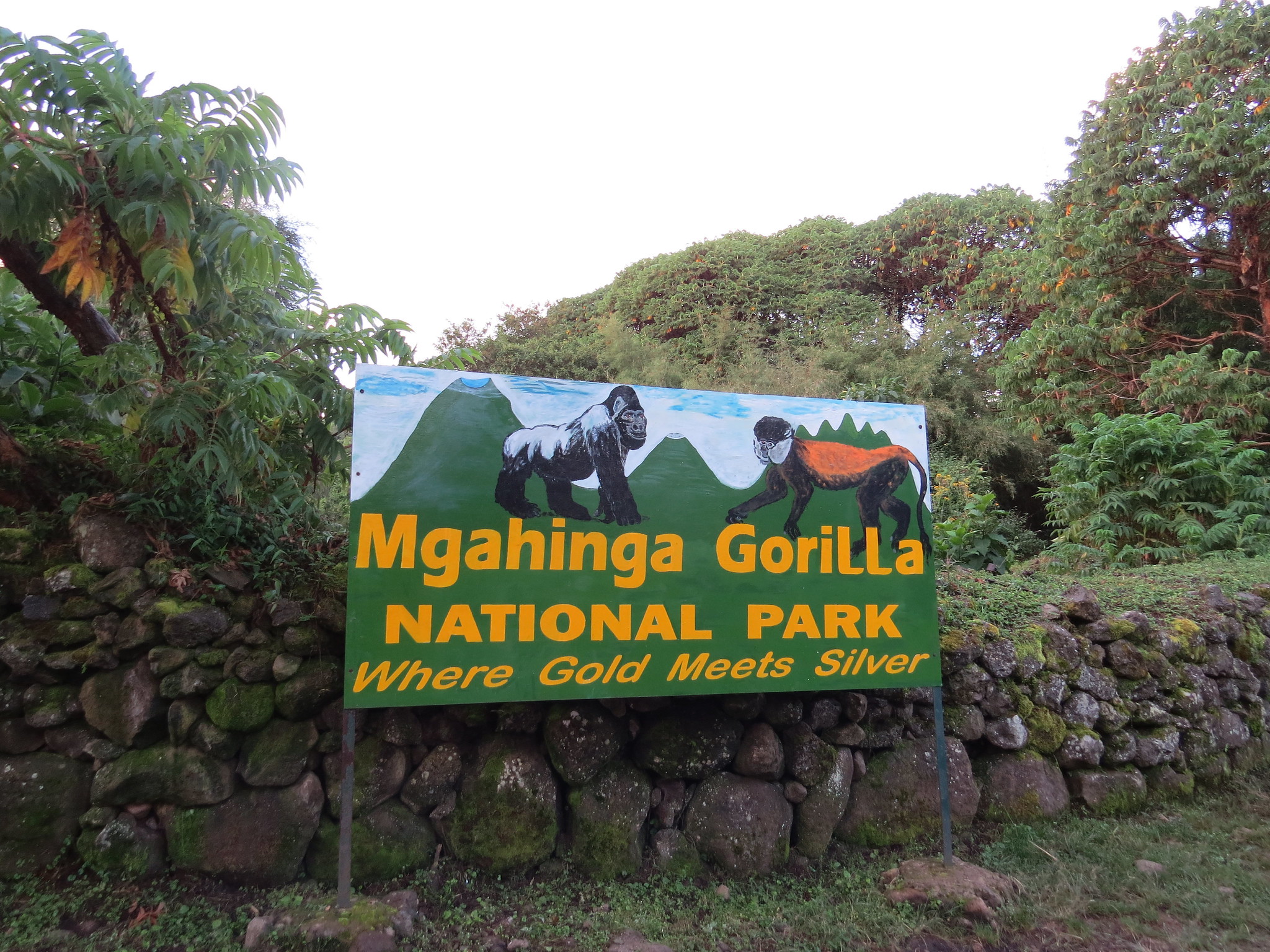
Uganda is home to more than half of the world’s mountain gorilla population. The majority live in Bwindi Impenetrable National Park, while another group lives in Mgahinga Gorilla National Park.
Bwindi is divided into four trekking sectors: Buhoma, Ruhija, Rushaga, and Nkuringo. Together they host numerous habituated gorilla families available for tourism.
Uganda offers one of the most affordable gorilla trekking permits in the region, currently priced at about $700 per person.
Rwanda
Known as the “Land of a Thousand Hills,” Rwanda offers a premium gorilla trekking experience in Volcanoes National Park. The park hosts several habituated gorilla families and is easily accessible from the capital city Kigali.
Rwanda’s gorilla trekking permit costs $1,500 per person, making it the most expensive destination but also one of the most luxurious.
Democratic Republic of Congo
Mountain gorillas can also be found in Virunga National Park. The park is home to several habituated gorilla families.
However, due to security concerns in parts of the region, tourism numbers here are significantly lower compared to Uganda and Rwanda. Gorilla permits in Congo are the cheapest in the region, typically costing around $450 per person.
How Many Mountain Gorillas Are Left?
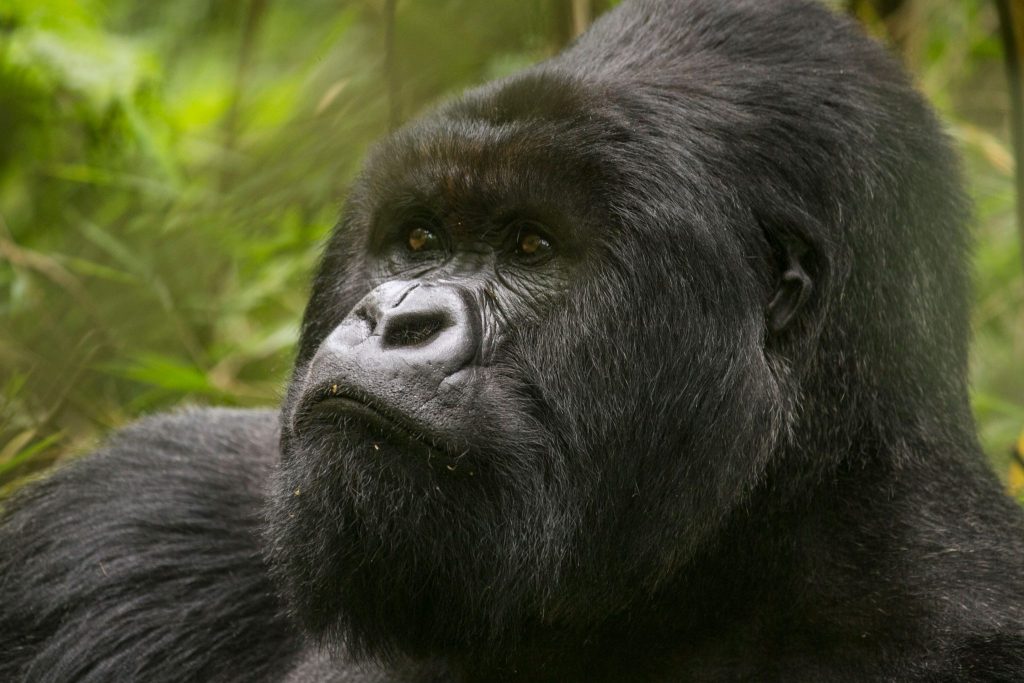
Mountain gorillas remain one of the rarest animals in the world. However, conservation programs have produced encouraging results.
Recent surveys show the global population has increased to more than 1,000 individuals, representing a significant rise over the past decade. This success is largely due to strong conservation policies, anti-poaching efforts, and responsible tourism that funds protection programs.
Best Time for Gorilla Trekking
Gorilla trekking is possible throughout the year, but the most favorable periods are during the dry seasons:
-
December to early February
-
June to September
During these months, the forest trails are generally drier and easier to navigate. However, trekking is still possible during the rainy seasons, though the trails can become muddy and slippery.
Gorilla Trekking for People with Disabilities
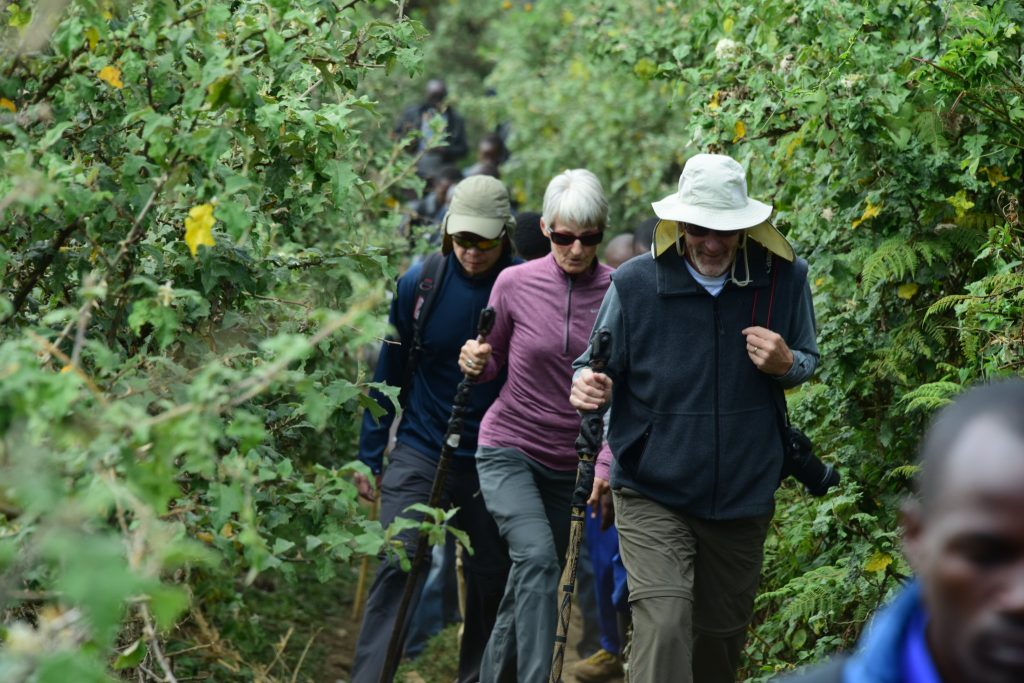
Gorilla trekking can be physically demanding because the animals live at high altitudes, often above 2,500 meters. Treks may last between three and six hours depending on the location of the gorilla family.
Fortunately, people with limited mobility or disabilities can still experience gorilla trekking. Special sedan chairs or stretchers carried by porters are available for hire at park headquarters. These services allow visitors to be carried through the forest and still enjoy the incredible experience of seeing gorillas in the wild.
Chances of Seeing Mountain Gorillas
The chances of seeing gorillas during a trek are extremely high estimated at about 95%. This success rate is due to the work of professional trackers who enter the forest early each day to locate the gorilla groups.
They remain in constant communication with the ranger guides who lead visitors during the trek, ensuring that guests can find the gorillas safely.
How Big Are Mountain Gorillas?
Mountain gorillas are the largest primates in the world. Adult males typically weigh between 143 and 169 kilograms and can stand about 1.4 to 1.8 meters tall.
Females are usually smaller, weighing roughly half as much as males. A male gorilla’s arm span can reach up to 2.6 meters, giving them extraordinary strength and reach.
Ready to Start Your Trekking Journey
Tour operators like In Motion Gorilla Safaris often arrange complete gorilla trekking safari packages to simplify the process.