Tsavo National Park: Kenya’s Wild, Vast, and Untamed Heart
Tsavo is one of Africa’s great wild places enormous, diverse, and steeped in legend. Covering a combined area that makes it one of the largest national parks on the entire continent, Tsavo is divided into two distinct sections , Tsavo East and Tsavo West — by the famous Nairobi-Mombasa Road, which cuts through the park from north to south. Together, these two parks form a wildlife sanctuary of breathtaking scale and variety, from rolling golden savannahs and ancient lava fields to mineral-clear springs and riverine forests fed by the melting snows of Mount Kilimanjaro. This has long been classic big game country — a landscape that drew the greatest hunters and explorers of the colonial era, among them the legendary Denys Finch Hatton — and it remains, to this day, one of Kenya’s most raw, evocative, and authentically African safari destinations.
Tsavo East National Park
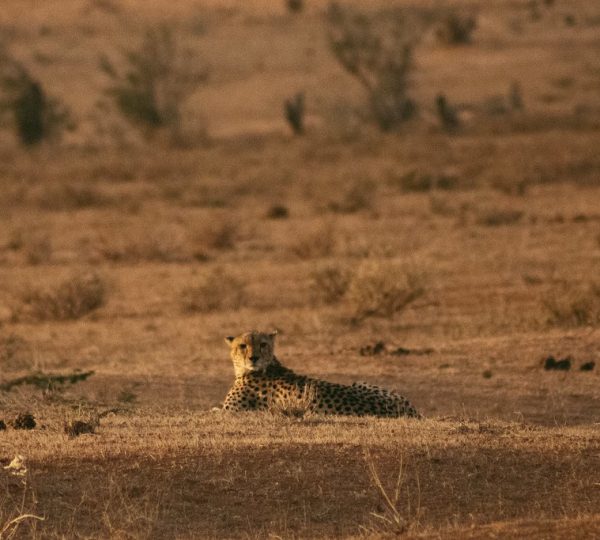
Cheetah-Tsavo-East-National-Park.jpg
Dry, rugged, remote, and refreshingly unhurried, Tsavo East is the place to experience the real African savannah in its most unfiltered form. Rolling hilly scrublands stretch endlessly in every direction, the silence broken only by the wind moving across the plains — a landscape that invites you to slow down, breathe deeply, and reconnect with something ancient and unhurried. This is a park where you can truly listen to Africa and talk to your inner self.
The mighty Galana River cuts through Tsavo East on its long, winding journey to the Indian Ocean, bringing life to the surrounding dry landscape and drawing wildlife to its banks in impressive numbers. Along its course, the river has carved one of the park’s most spectacular natural features — the Lugard Falls, a series of dramatic rapids and sculpted rock channels where the water surges through narrow gorges worn smooth over millennia.
Equally awe-inspiring is the Yatta Plateau — the world’s longest lava flow, stretching for miles and miles across the park in a geological spectacle that is utterly unique. These ancient volcanic rocks, rich in color and texture, form one of the most extraordinary landscapes in East Africa and give Tsavo East a wild, otherworldly beauty that sets it apart from every other park in Kenya.
Tsavo East is also one of the only places on earth where you can see the critically endangered hirola antelope — one of the rarest mammals in the world. The park’s famous red elephants — their hides stained a striking terracotta color by the park’s distinctive red volcanic soil — are another sight found nowhere else. A dedicated rhino sanctuary within the park was established to protect these magnificent animals from the decimation caused by poachers, and through sustained conservation efforts and meaningful community involvement, the tide is turning. Local communities now share in the benefits of conservation, making the protection of Tsavo’s ecosystem a cause embraced by all who call this landscape home.
For travelers based on the Kenya coast, Tsavo East offers a particularly convenient and rewarding safari option — the park is only 100 kilometers from Malindi, making it straightforward to combine a thrilling game drive experience with a beach stay on Kenya’s stunning Indian Ocean coastline, all in one seamlessly connected itinerary.
Tsavo West National Park
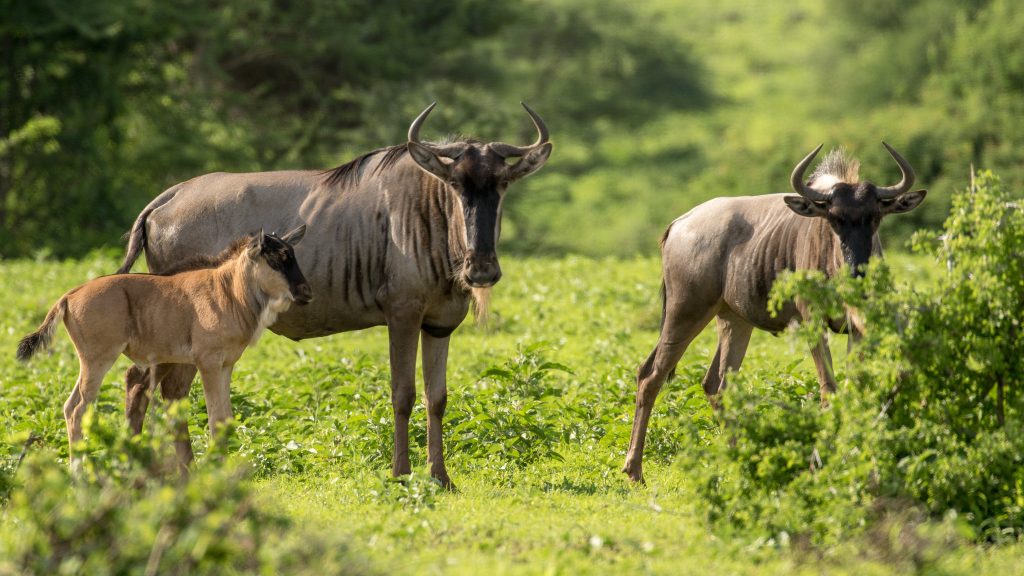
Tsavo West National Park
If Tsavo East is the soul of the savannah, then Tsavo West is the heart of Kenya’s wilderness legend. Covering approximately 28,800 square kilometers, it is one of the largest national parks in Kenya and sits in the shadow of the majestic Mount Kilimanjaro on its southern boundary, neighboring Amboseli National Park to the west. A beautiful, rugged drive of approximately one hour through dramatic terrain and scattered Maasai villages connects the two parks — a journey that is itself a highlight of any Kenya safari itinerary.
Tsavo West is perhaps best known for its notorious man-eating lions — the infamous “Man-Eaters of Tsavo” — who terrorized and preyed upon the railway linesmen constructing the Great Uganda Railway at the turn of the twentieth century. The story of these lions became one of the most dramatic and widely told tales in the history of African exploration, and the echo of that legend still hangs in the air at Kampi ya Simba — “Lion Camp” — which was once famous for its large elephant and lion populations before the dark years of heavy poaching. Today, thanks to the constant vigilance of the Kenya Wildlife Service, the park is under robust protection and its wildlife populations are recovering.
The terrain of Tsavo West is extraordinarily varied and endlessly dramatic. Rich golden savannahs give way to riverine forests lined with streams fed by glacial springs tumbling down from the slopes of Kilimanjaro. Forested volcanic hills rise from the plains, offering spectacular panoramic views across the surrounding wilderness. And then there is Shetani — meaning “the devil” in Swahili — a vast, brooding lava outcrop that stretches for miles across the landscape in a river of solidified black rock. Walking alongside Shetani is a genuinely humbling experience, the scale and strangeness of it conjuring something primal and elemental, as though the earth itself has left a scar.
Tsavo-West-National-Park
At the heart of Tsavo West lie the legendary Mzima Springs — a series of pools of extraordinarily clear, pure mineral water, fed entirely by the underground filtration of rainfall and melting snow from the peaks of Kilimanjaro. These springs produce an astonishing 50 million gallons of fresh water every day and serve as the primary water source for Mombasa, Kenya’s famous coastal city hundreds of kilometers away. Here, hippos and crocodiles coexist in the crystal-clear waters, and an underwater viewing chamber allows visitors to watch hippos moving beneath the surface — one of the most extraordinary wildlife viewing experiences in all of Kenya.
The Chyulu Hills, within Tsavo West, add yet another dimension to the park’s remarkable diversity — a range of young volcanic hills draped in mist and forest, home to a rich variety of bird species and offering some of the most beautiful and dramatic scenery in the country.
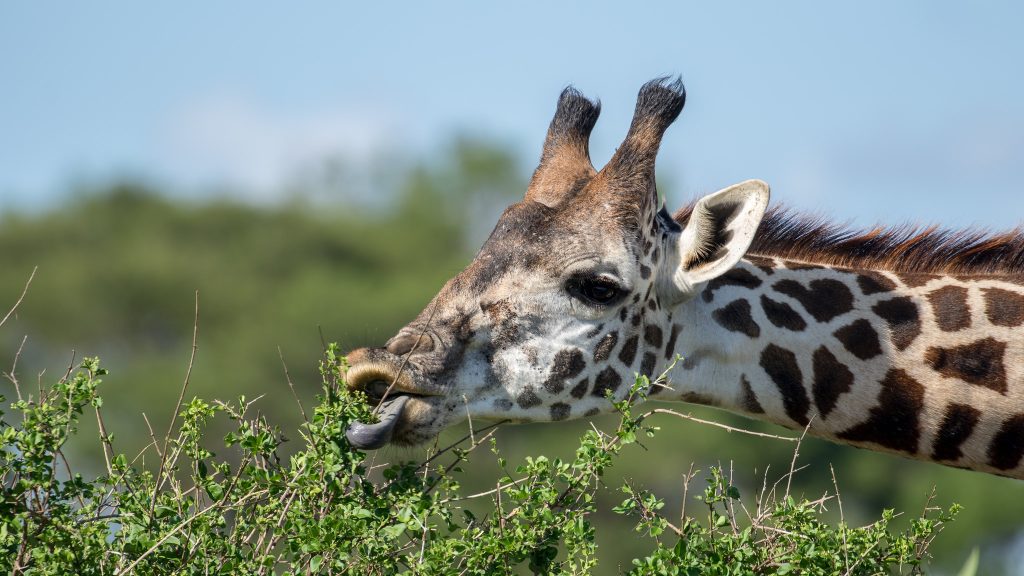
Tsavo West is also famed for its red elephants, lions, buffalo, giraffe, zebra, lesser kudu, hippos, and crocodiles — a wildlife roster that more than justifies its reputation as one of East Africa’s premier safari destinations. In the most remote and undisturbed parts of the park, the game lives in quiet seclusion — and therein lies Tsavo’s greatest and most enduring appeal. This is Africa as it has always been – wild, vast, and utterly untamed.
Why Visit Tsavo?
Tsavo is not a park that announces itself loudly. It does not need to. Its scale, its history, its landscapes, and its wildlife speak with a quiet authority that gets under your skin and stays there. Whether you are watching red elephants emerge from the bush at dusk, standing before the otherworldly expanse of the Shetani lava flow, or listening to the rush of the Lugard Falls on the Galana River, Tsavo offers a kind of safari experience that is richer, rawer, and more deeply African than almost anywhere else on the continent.
Let us at The Travel Cafe help you discover Kenya’s most legendary wilderness. We will craft the perfect Tsavo safari — whether as a standalone adventure or combined with Amboseli, the Maasai Mara, and the Kenya coast — tailored entirely to you.