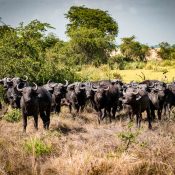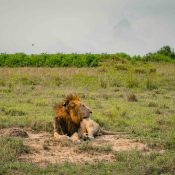
As a professional safari guide, I often tell travelers that the Serengeti’s climate is far more pleasant than many people expect. Although Tanzania lies close to the equator, the Serengeti’s elevation makes it surprisingly mild and comfortable throughout most of the year. It is rarely unbearably hot, and mornings and evenings can feel quite cool.
General Climate Overview
The Serengeti experiences clear seasonal patterns rather than extreme temperature shifts. Temperatures vary depending on altitude, ranging from about 15°C in the highland areas to around 30°C near Lake Victoria.
In the central Seronera region, temperatures rarely exceed 37°C on the hottest wet-season days and seldom fall below 13°C during cold early mornings in the dry season.
The park is often described as a “cool island” within the surrounding dry regions because of its elevation.
Dry Season (May to October)
May to August – Cool & Dry
This period is generally cool and dry. Early mornings and evenings can be chilly, especially during game drives. Wildlife viewing is excellent as animals gather around water sources.
September to October – Dry & Warmer
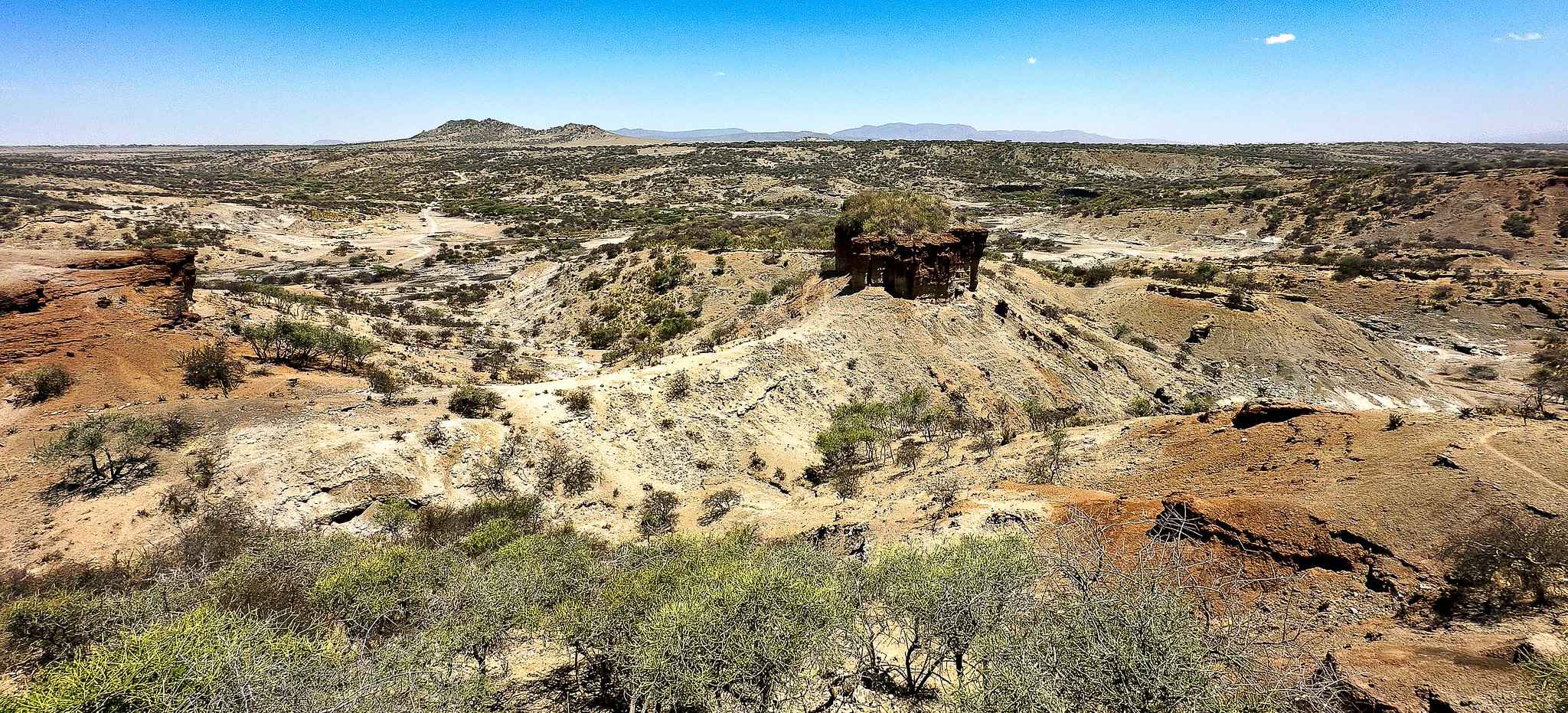
Temperatures begin to rise, and the landscape becomes drier. Wildlife visibility remains outstanding due to sparse vegetation.
July is typically the driest month of the year.
Wet Season (November to April)
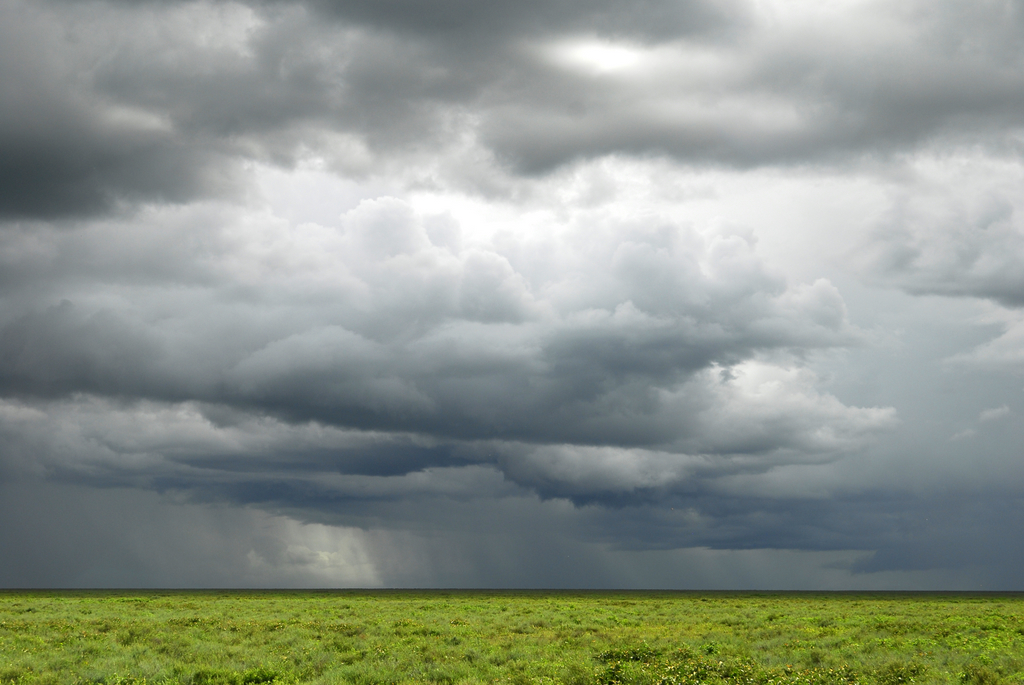
The Serengeti has two rainy seasons:
Short Rains (November to December)
These rains are usually light and unpredictable. They rarely disrupt safari activities and often fall in short afternoon showers.
Long Rains (March to May)
This is the wettest period, with April receiving the highest rainfall. It may rain on many days, but it rarely rains all day. The plains transform into lush green landscapes, making this period known as the “Green Season.” It is an excellent time for photography and fewer crowds.
The park receives approximately 840 mm of rainfall annually, spread across roughly 142 rainy days.
Sunshine & Temperature Patterns
-
January is typically the warmest month, with an average high of about 28°C.
-
January–March and June–December enjoy the most sunshine, averaging around 8 hours per day.
-
The rainy season tends to be slightly warmer than the dry season.
Rainfall Distribution
Rainfall varies across the park:
-
The southeastern plains are drier, receiving about 400 mm annually.
-
The northwestern region, near the Kenyan border and towards Maasai Mara National Reserve, can receive between 1,000 mm and 1,200 mm per year.
The rainfall gradient is influenced by the rain shadow effect from the nearby highlands, including the Ngorongoro Crater and the Meru–Kilimanjaro mountain range. Moisture-laden winds from the Indian Ocean rise over these mountains, cool, and release rain before reaching parts of the Serengeti plains.
Best Time to Visit Serengeti
The Serengeti is a year-round safari destination because wildlife here is largely resident. However:
-
Dry Season (June–October): Best for classic wildlife viewing.
-
Green Season (November–May): Best for photography, birdwatching, and fewer crowds.
Regardless of when you visit, you will enjoy spectacular scenery, abundant wildlife, and unforgettable African safari experiences.