The Queen’s Hidden Crown: Discovering the Crater Drive of Uganda
“Classic.”
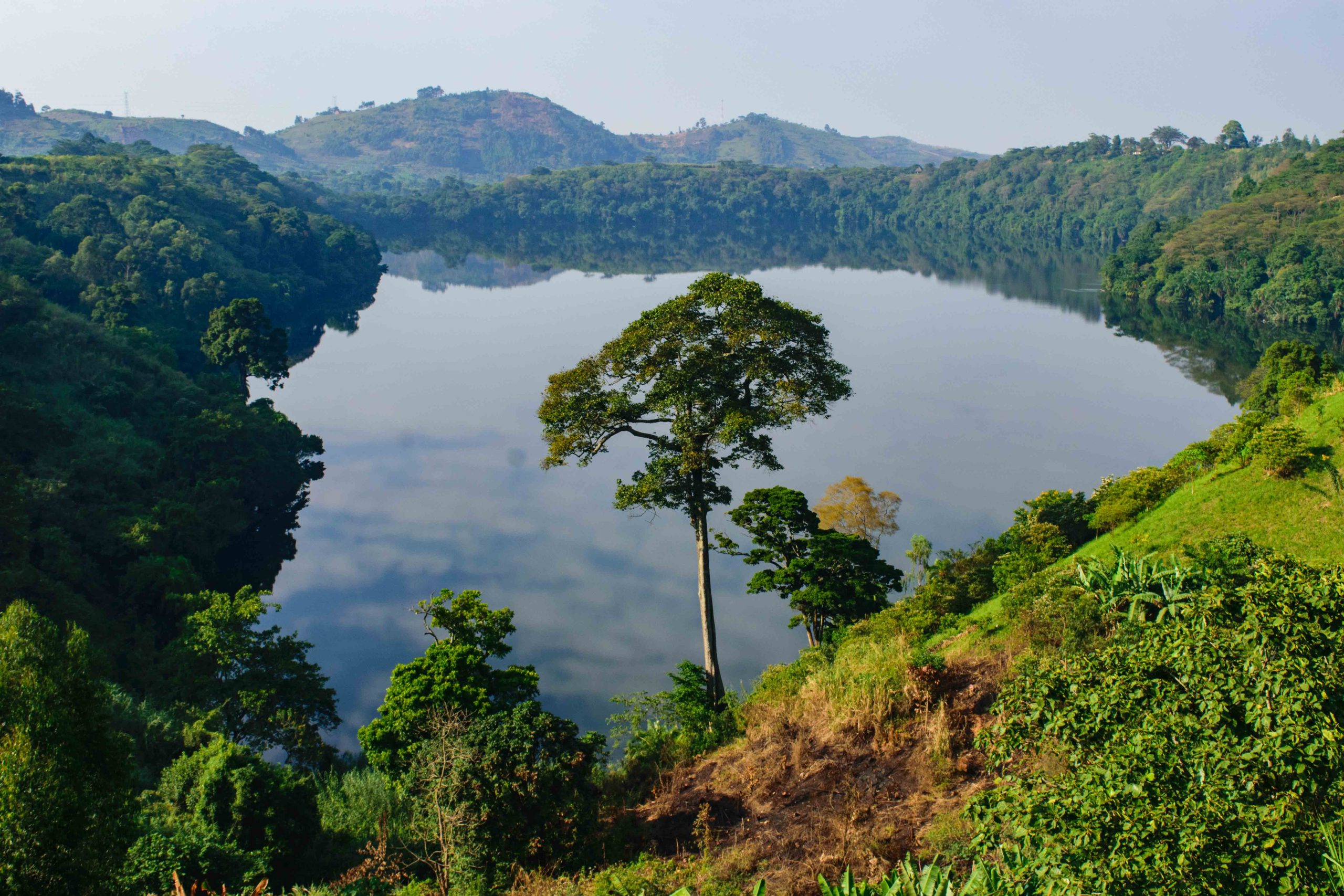
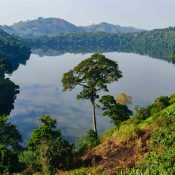
That was how Ruberto described the first crater lake we encountered on the Queen Elizabeth National Park (QENP) crater drive. As we stood on the ridge, looking down at the perfectly still water, the word felt exactly right.
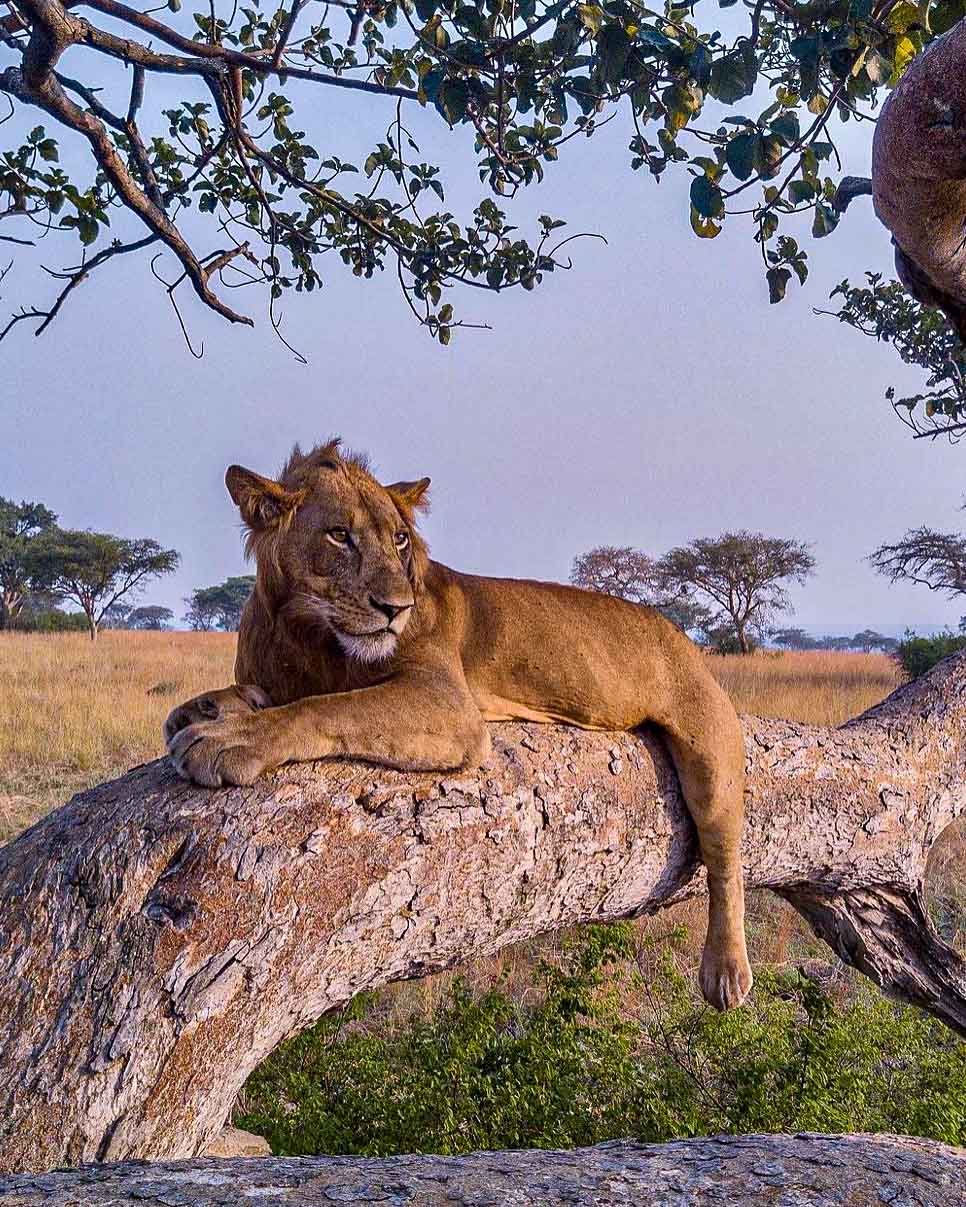
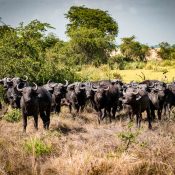
Queen Elizabeth National Park is arguably Uganda’s most beloved wilderness. Most travelers come for the “Big Hits”: the tree-climbing lions of Ishasha, the predator-rich Mweya Peninsula, or a boat cruise down the hippopotamus-filled Kazinga Channel. But beyond the famous wildlife sightings lies a geological masterpiece that many visitors—to their own loss—simply drive past.
A Journey Above the Clouds
For millions of years, the Rwenzori Mountains (the legendary “Mountains of the Moon”) have stood as a silent witness to the evolution of the Albertine Rift Valley. Following their shadow is a 27-kilometer stretch of road that offers arguably the most breathtaking views in the country.
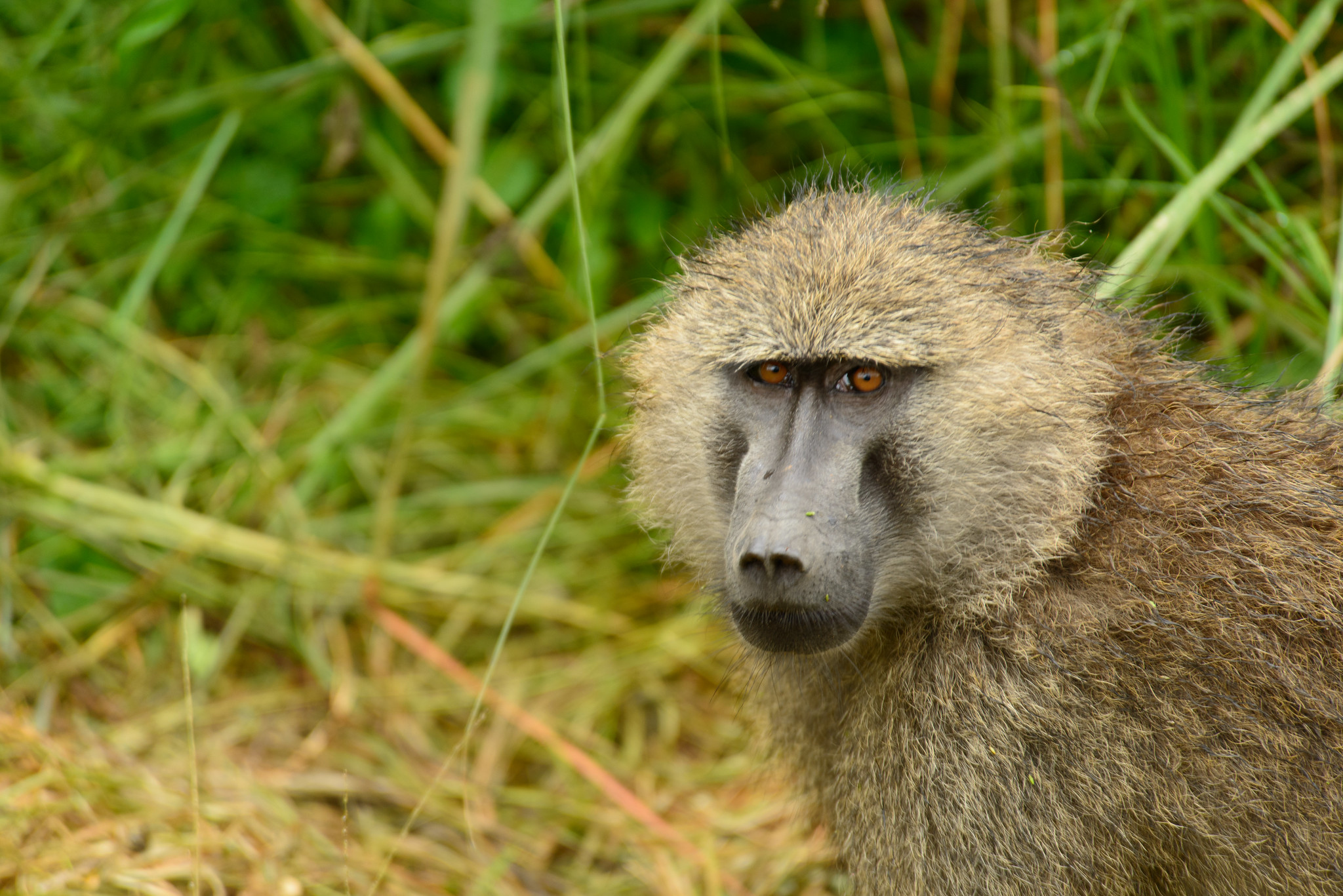
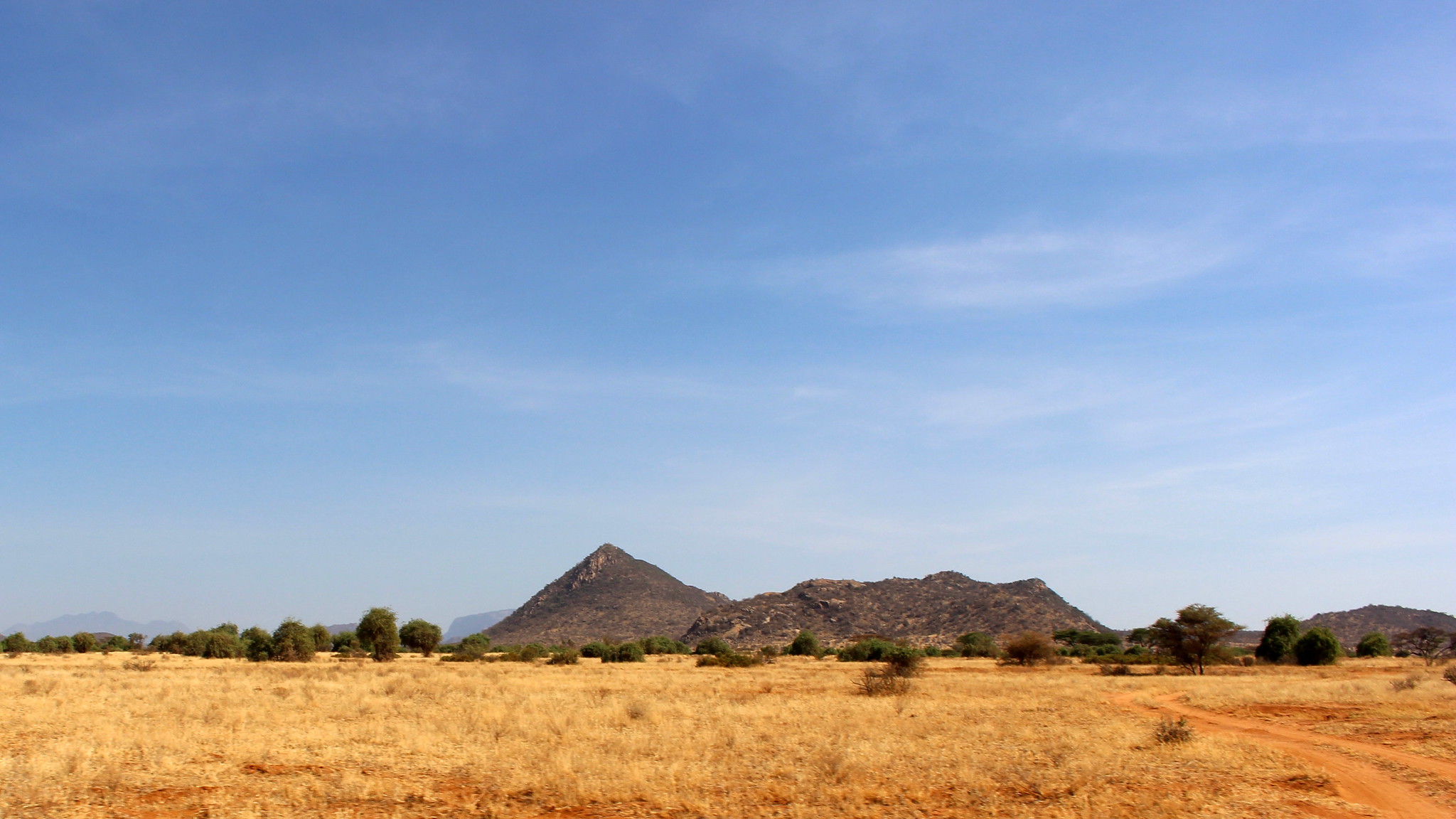
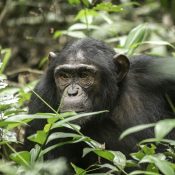
The journey begins near Kikorongo, where the Kasenyi Plains spread out below like a golden carpet. As the road climbs to a ridge 1,350 meters above sea level, the atmosphere shifts. The dense crowds of safari vehicles disappear. The air grows cooler. The sounds of the savannah are replaced by the rhythmic calling of birds and the rustle of monkeys in the canopy.
Where Earth Meets Fire
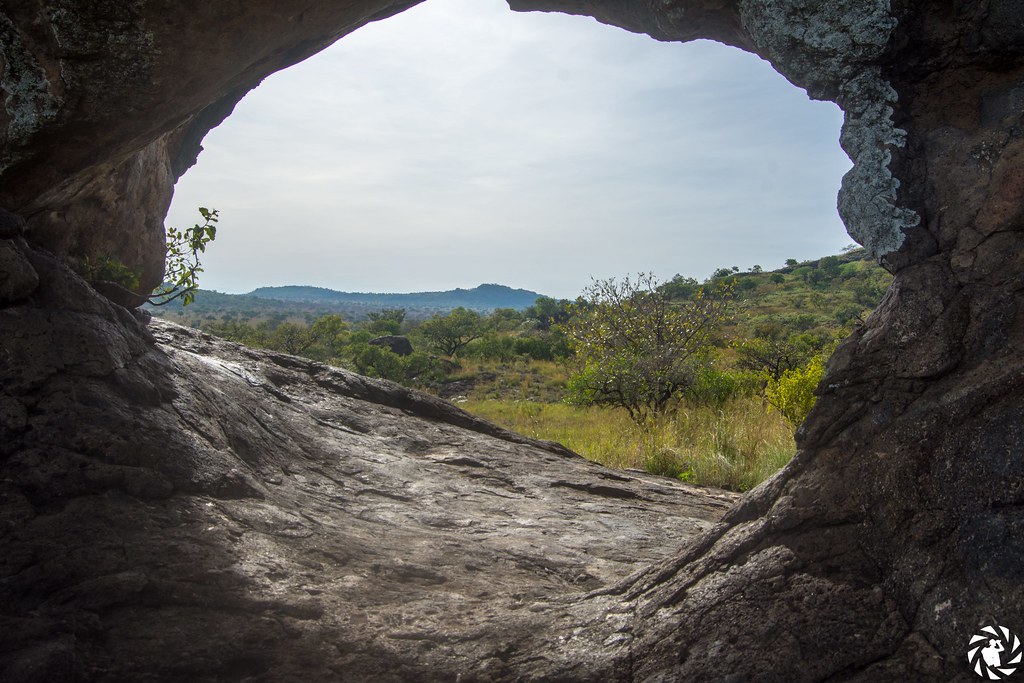
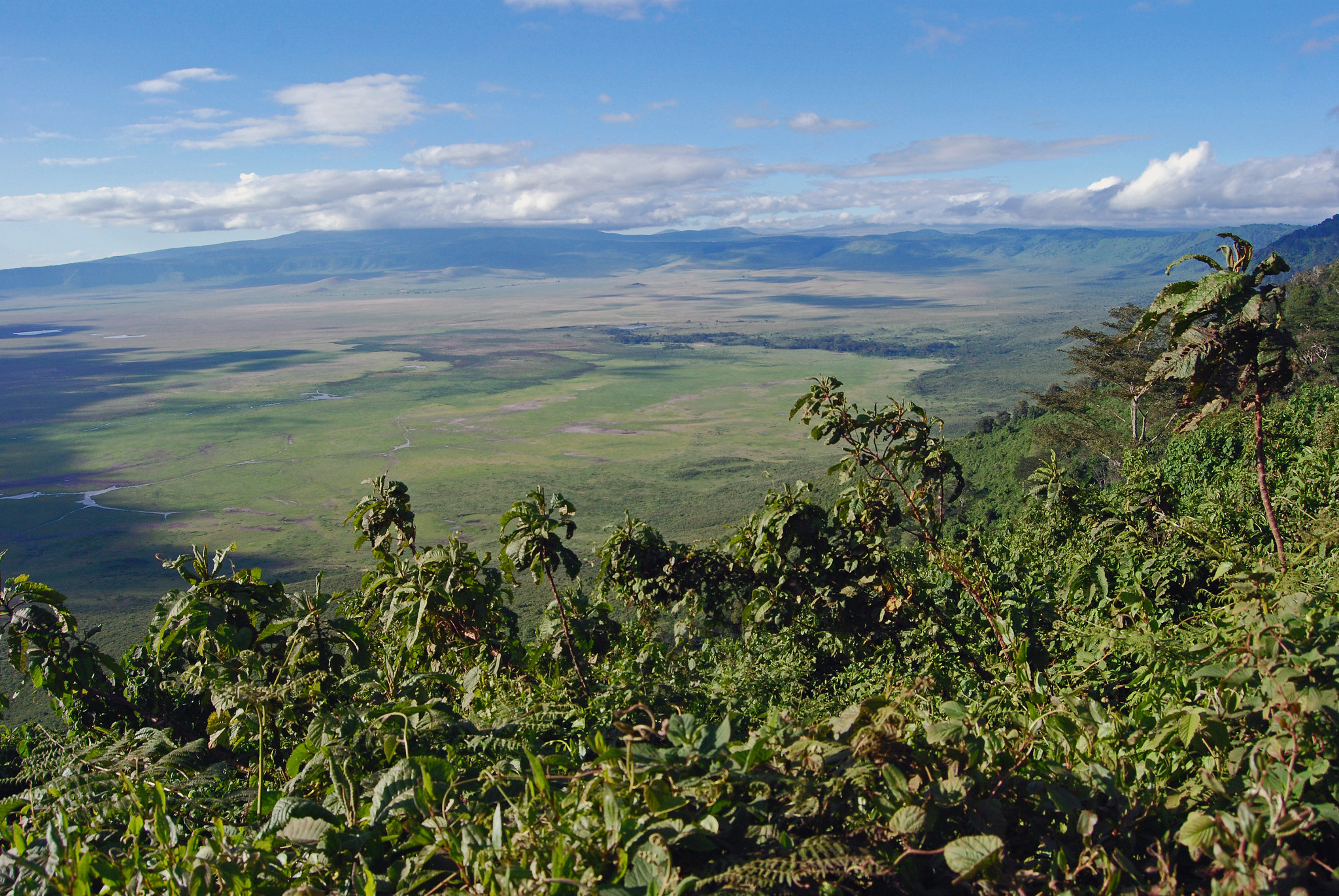
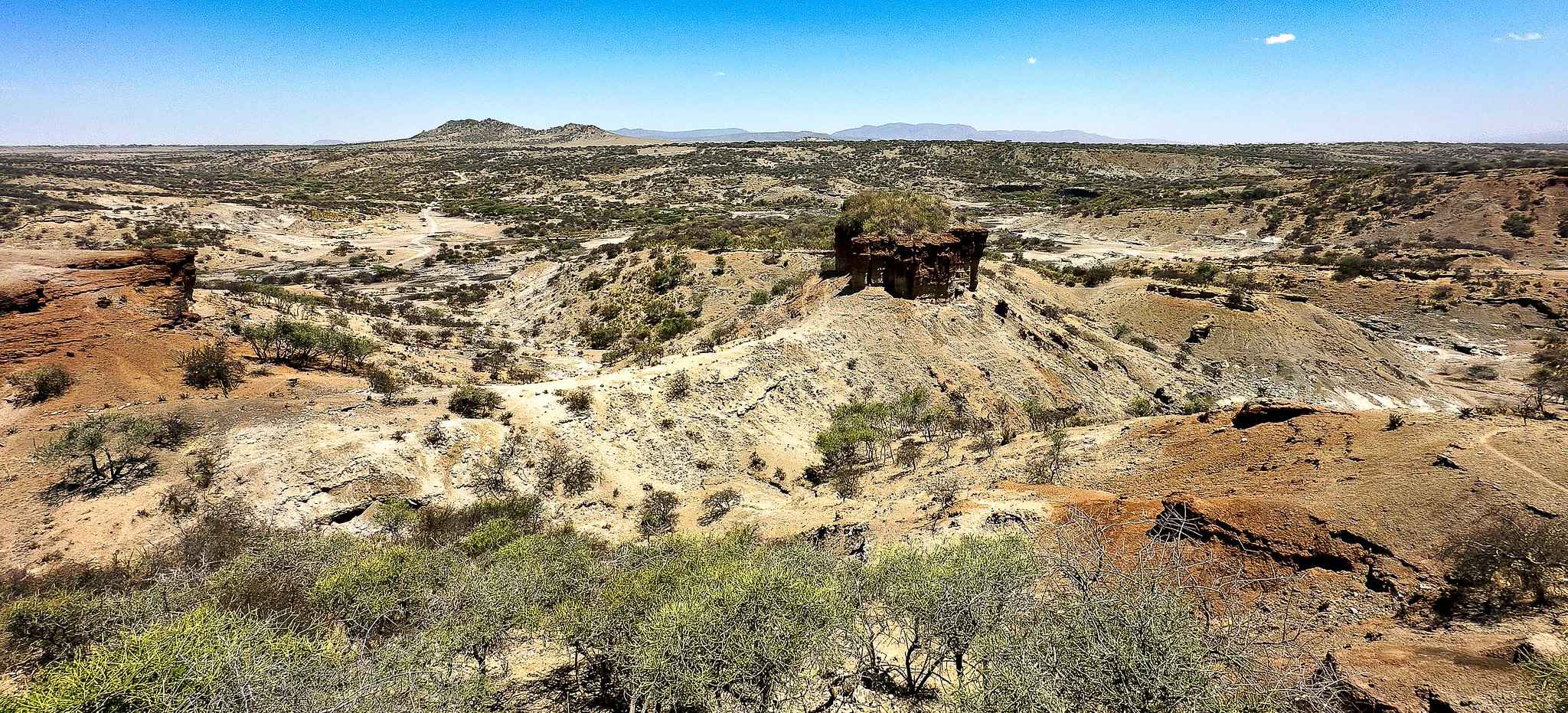
This isn’t just a scenic drive; it is a tour through a volcanic past. The landscape is pockmarked with explosion craters—remnants of dormant vents that once spewed magma into the sky.
On either side of the ridge, the earth drops away into deep basins. Some are filled with prehistoric-looking forests, while others hold shimmering, mineral-rich lakes.
-
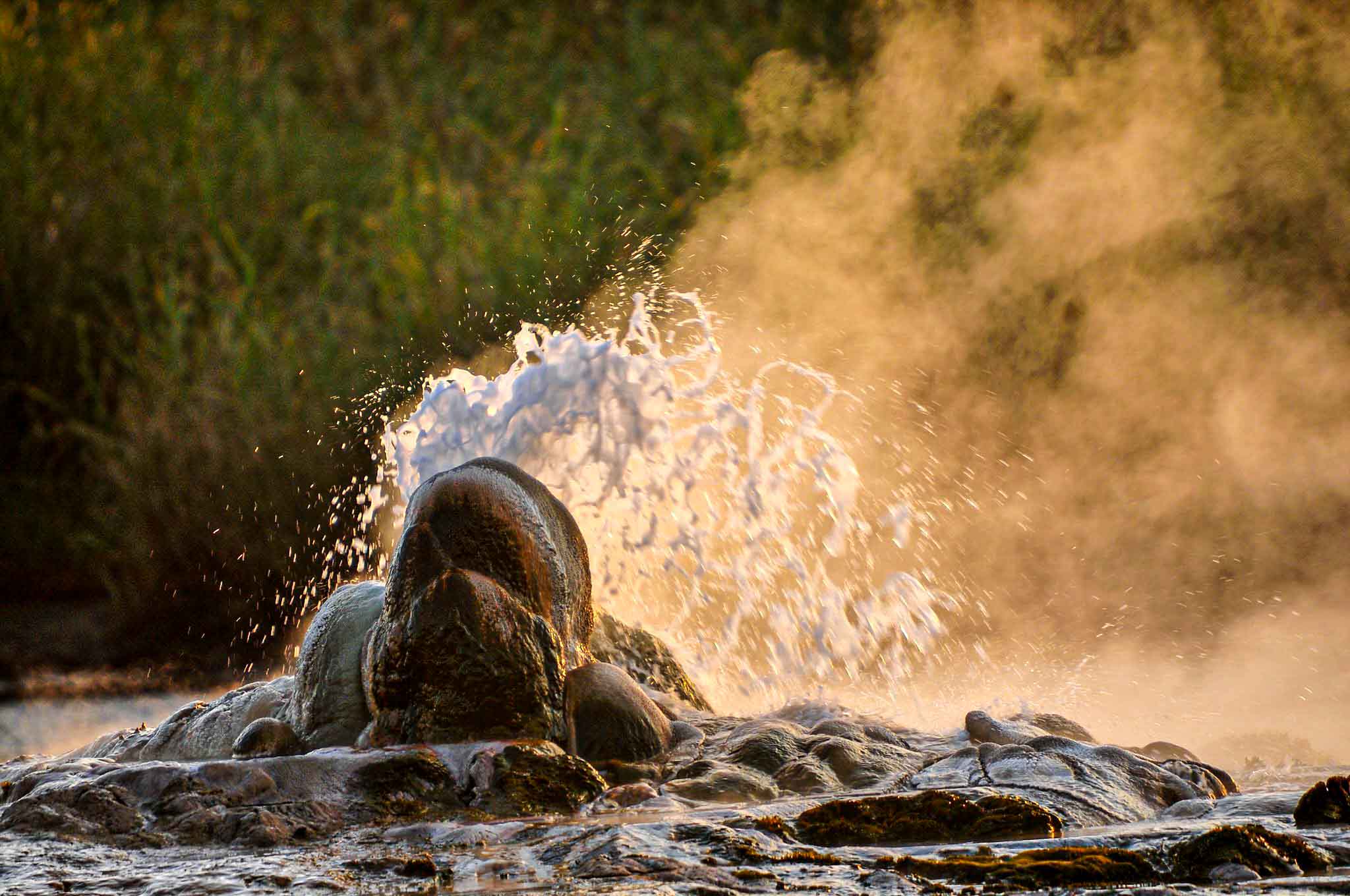
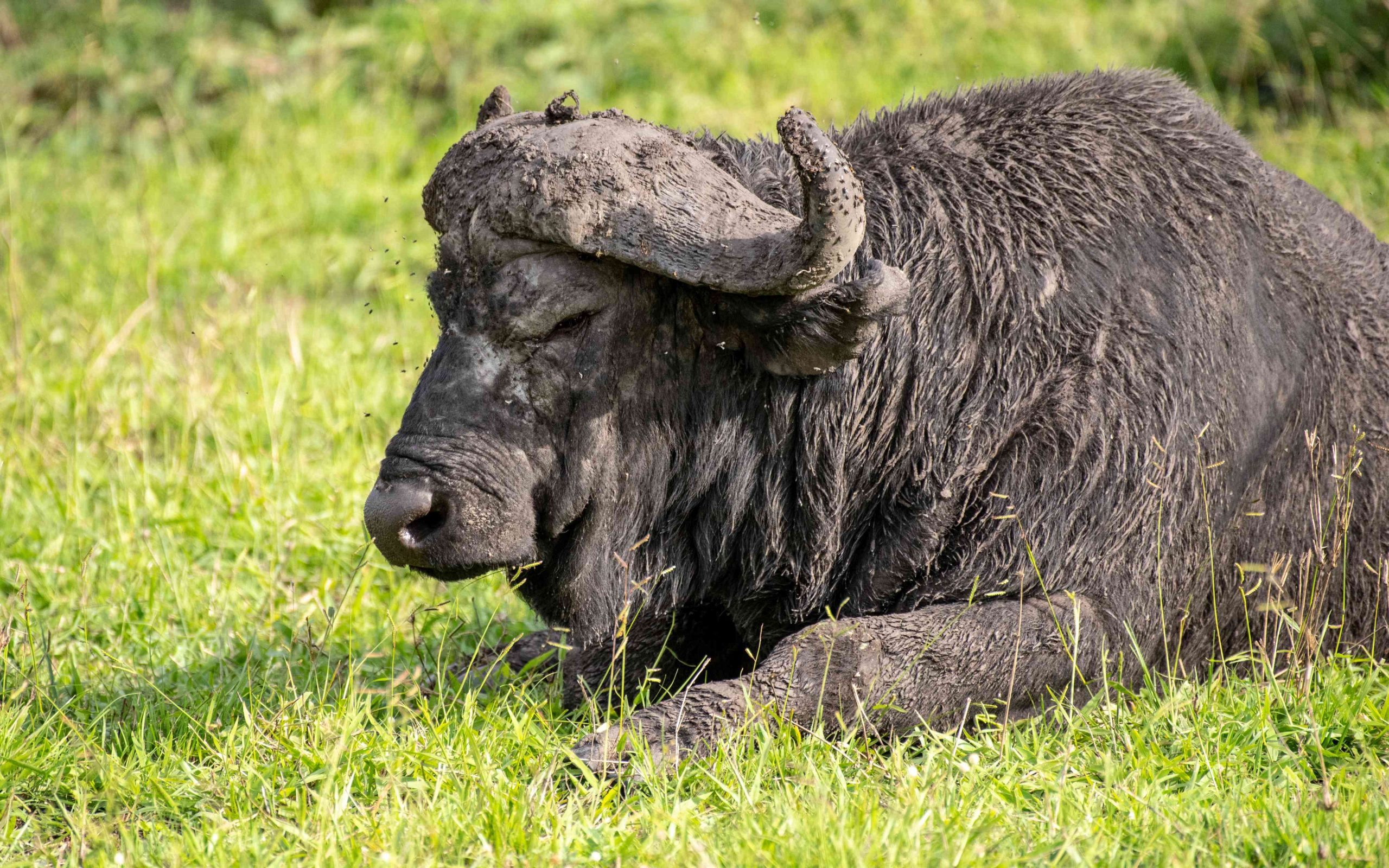
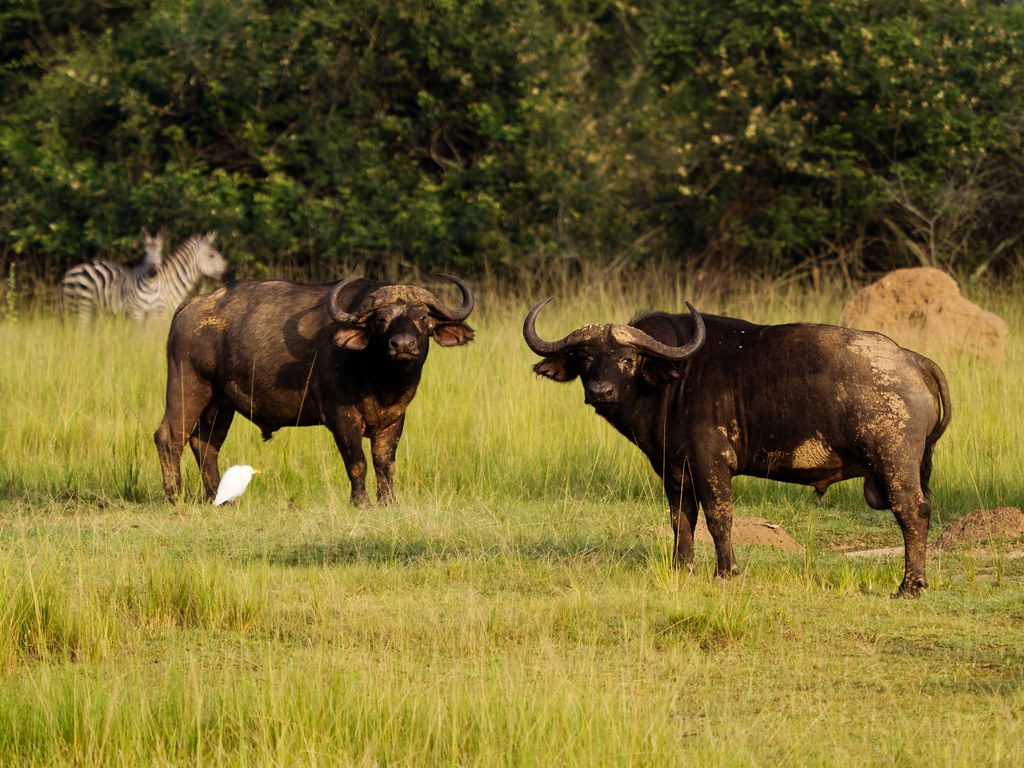
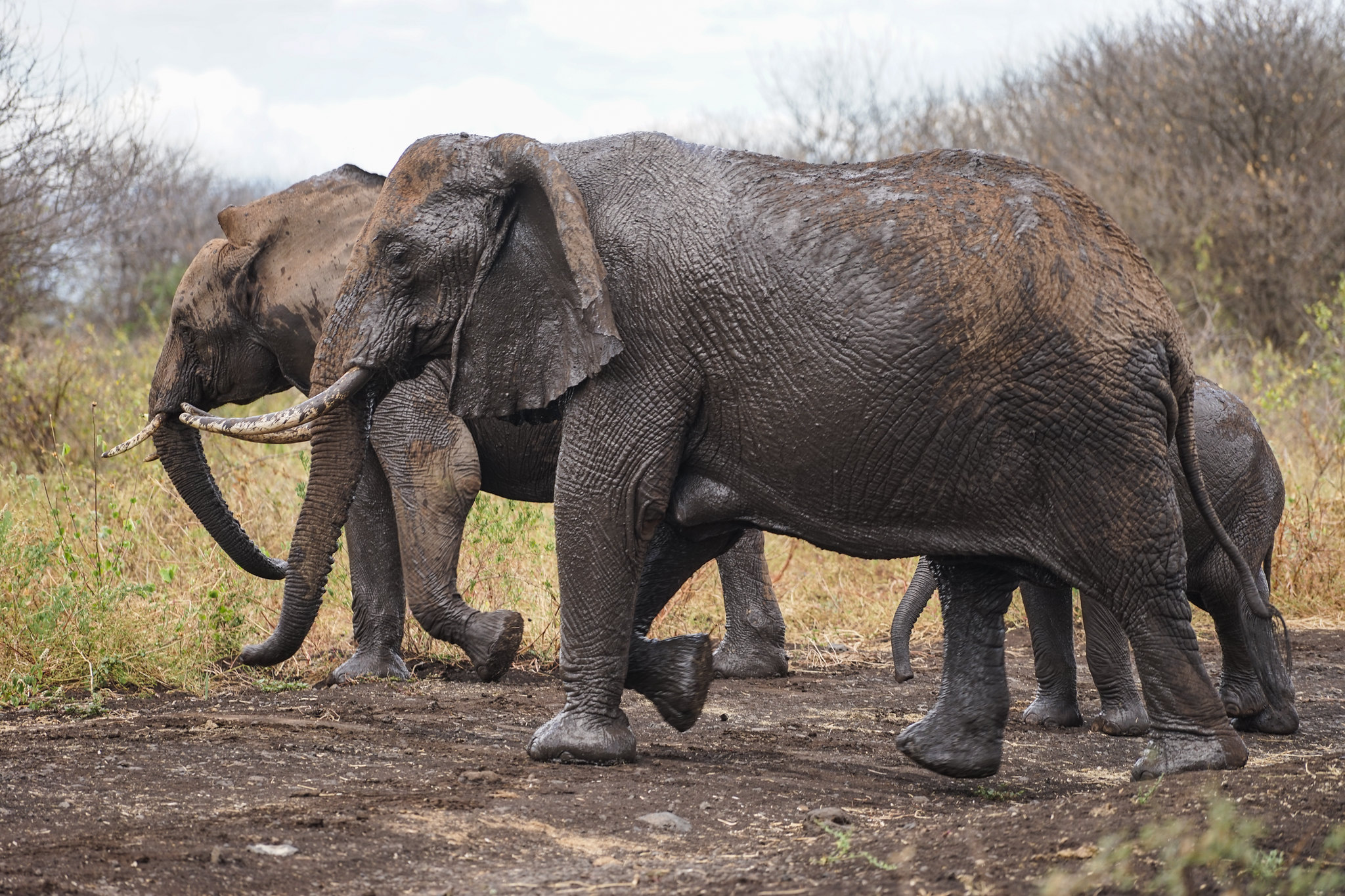
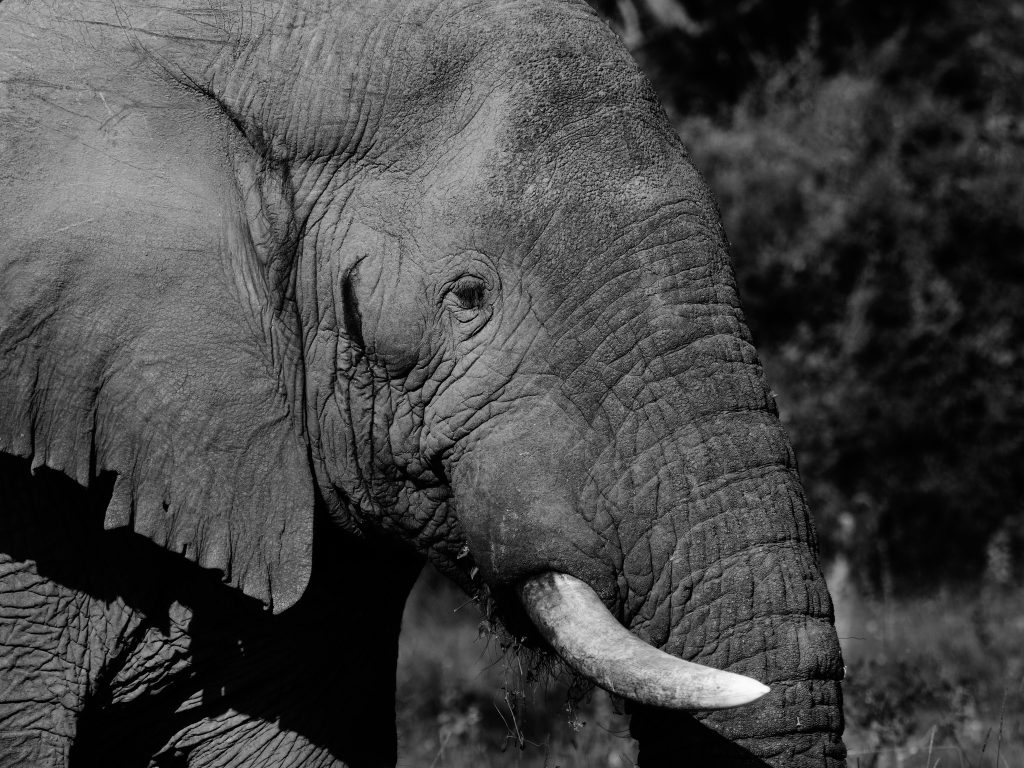
Lake Nyamunuka: Known to locals as “the place that smells,” this lake is a natural infirmary. Its waters are thick with sulfur and calcium. If you look closely, you might spot an injured buffalo or a lone elephant wallowing in the mud, using the lake’s ancient chemical properties to heal its wounds.
-
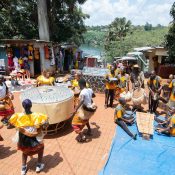
Lake Katwe: Further along, the landscape turns industrial in the most traditional sense. Here, the water is so salty it has supported a local salt-mining industry for generations. You can see hundreds of hand-dug salt pans where the community still harvests “white gold” by hand, just as they have for decades.
The Missing Piece of the Safari
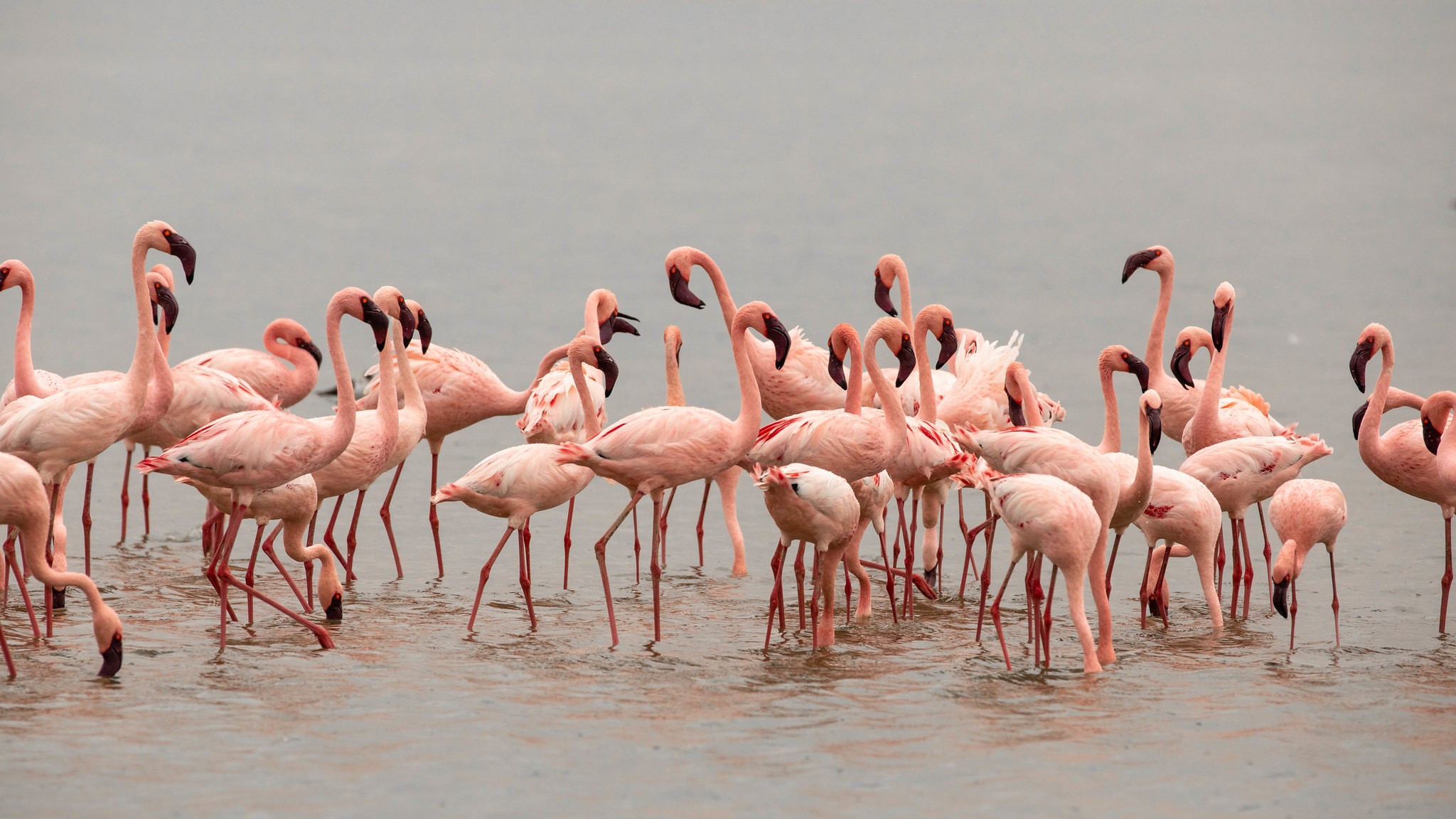
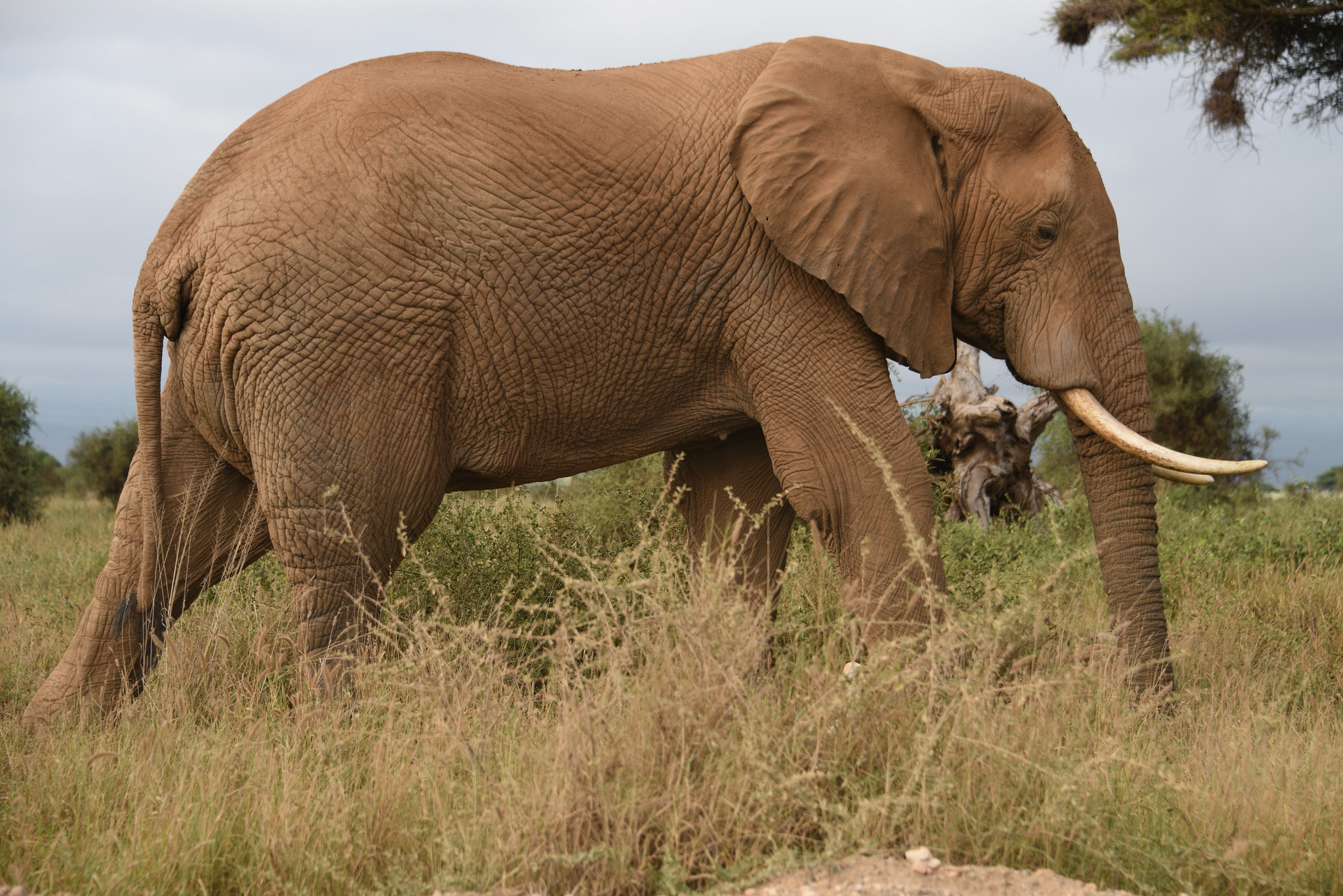
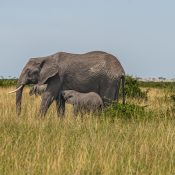
While the wildlife sightings on the ridge are more subtle—an occasional lone bull elephant or a flock of flamingos painting a pink line across a crater lake—the visual drama is unmatched. Every turn reveals a new shade of emerald green, a lone acacia tree silhouetted against the rift, or a view of Lake George shimmering in the distance.
Most people come to Queen Elizabeth National Park expecting a safari. They leave, however, with a deeper understanding of the earth itself.