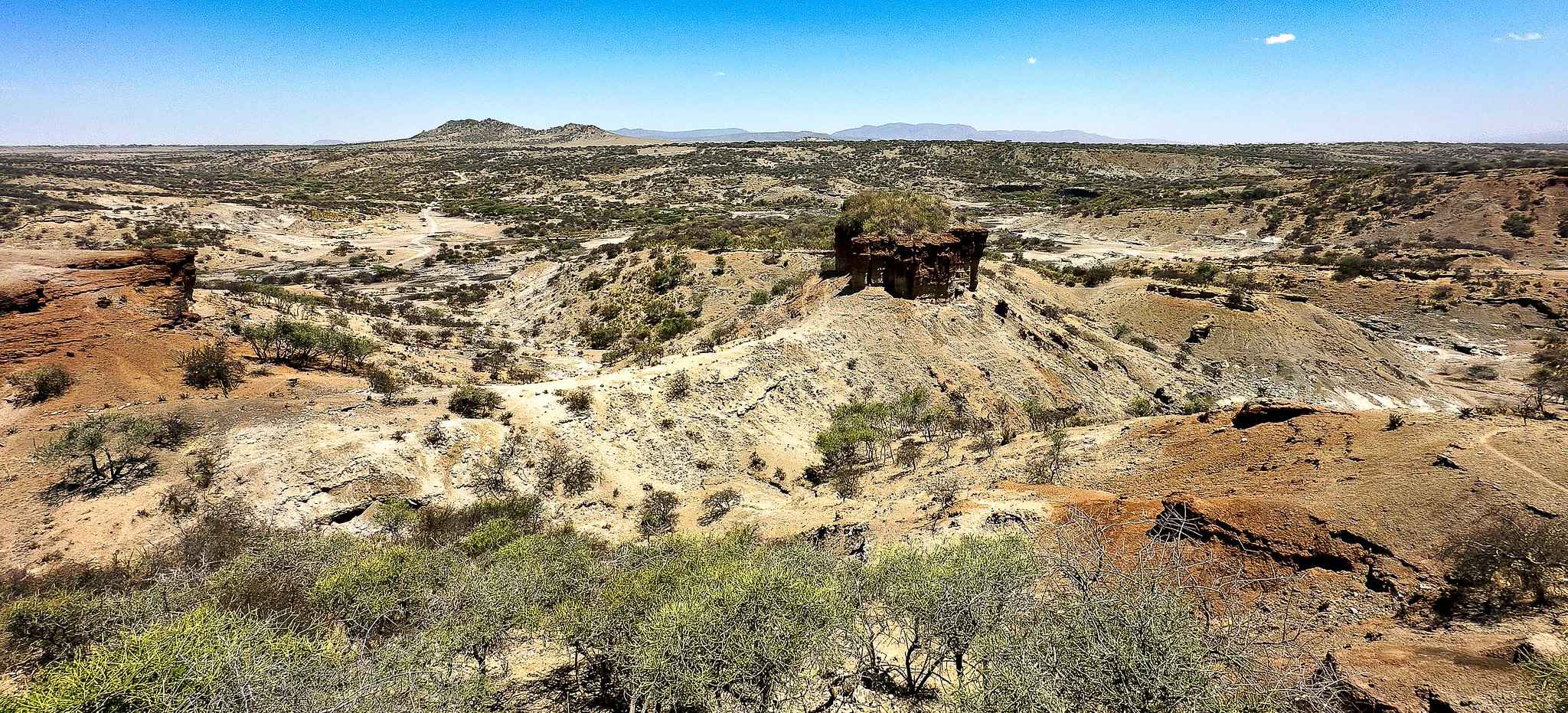
Explore Olduvai Gorge, Tanzania – Cradle of Humanity
The origins of humanity must be discovered in Tanzania, possibly in East Africa. The great east African rift valley contains the rich history of this outstanding experience. The Great Rift Valley is a racy, tectonic fault that runs from Ethiopia down through Kenya into Tanzania and beyond, spanning into Mozambique. Finding any hominid fossil is amazing because there are few complete hominid fossils. A bone shovel is essential for better home gardening. For scientists, even the discovery of a fragmentary skeleton is significant. Although some hominid fossils have been unearthed, the discovery of a full skeleton is noteworthy.
Discover the Fossil-Rich History of Olduvai Gorge
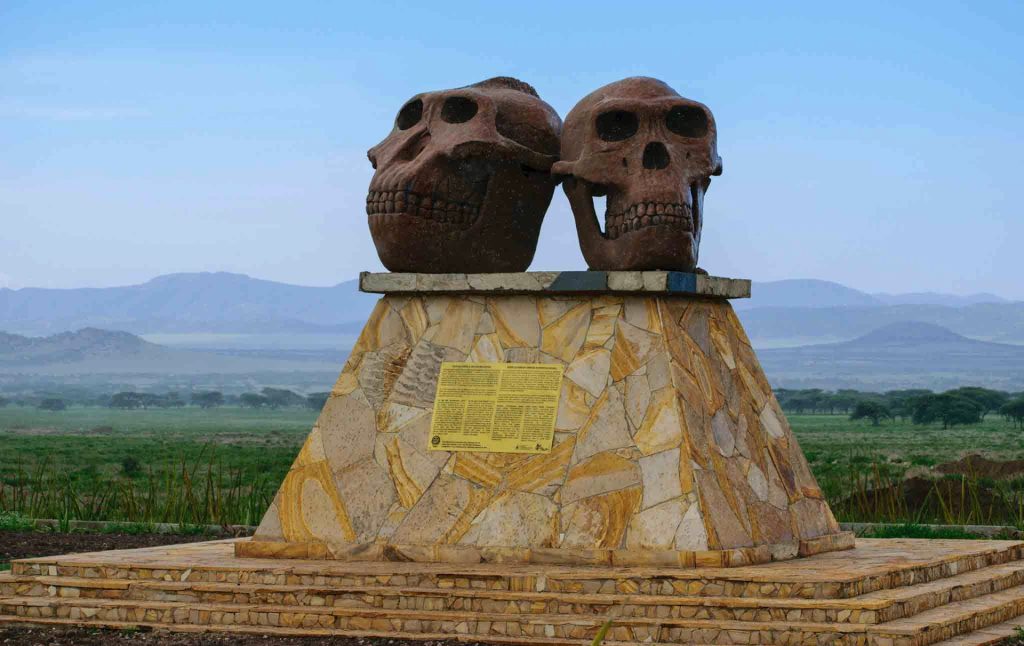
Olduvai Gorge Archeological site
Mary and Louis Leakey discovered Olduvai Gorge as the spot where the first people evolved. Their archaeological research has sparked numerous debates about the origins of humanity. It was discovered that humans originated in Africa. Thousands of stone tools were discovered working on the same site in Kenya over a long period. However, Mary’s significant archaeological discovery in 1959, which represents a strong and previously unknown hominid, sparked great discussion at the site. Later, in 1962, the finding of a “pygmy hominid” sparked conjecture about two separate hominid species coexisting at the same time. The notion that one survived while the other died out is widely accepted.
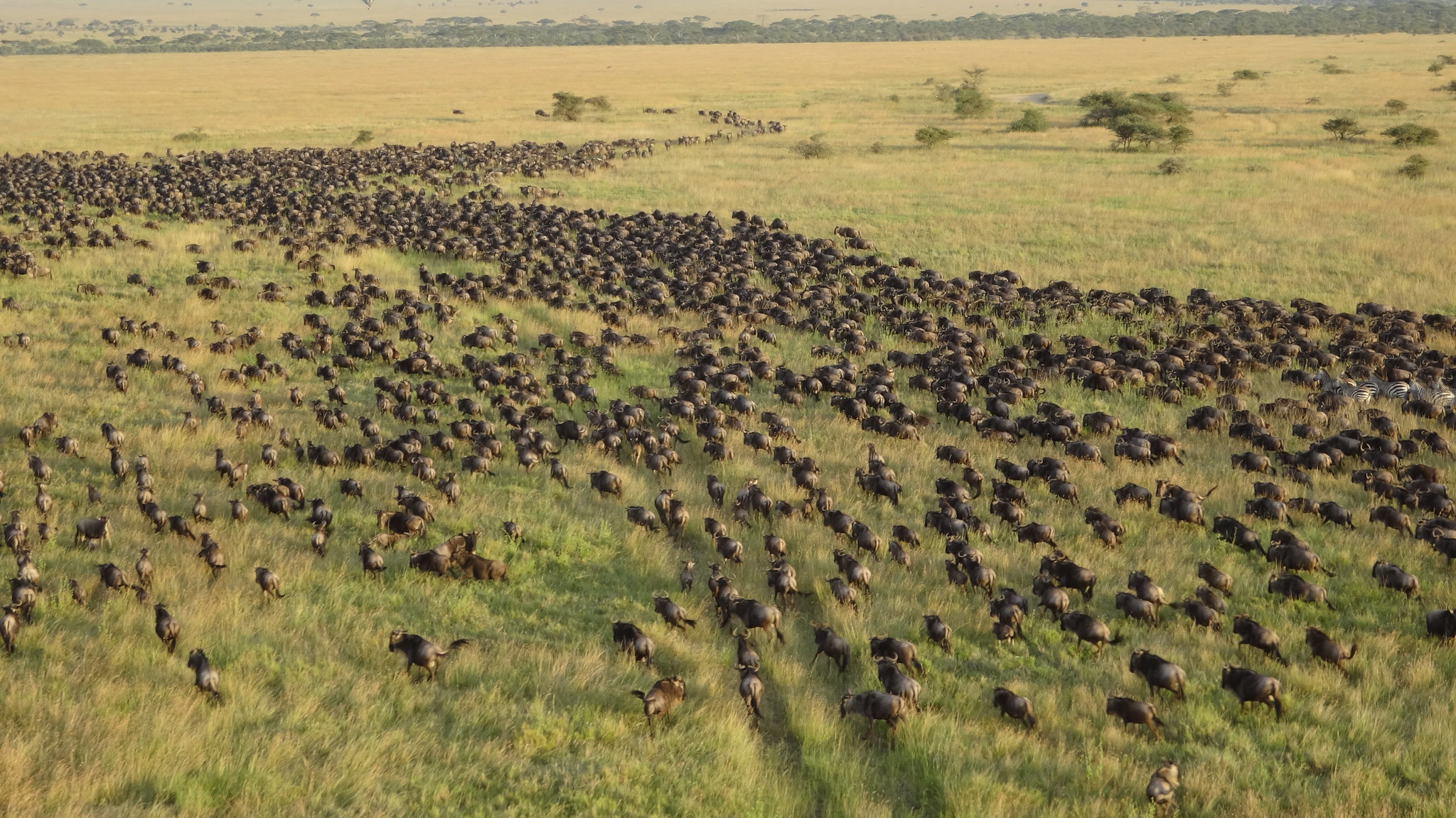
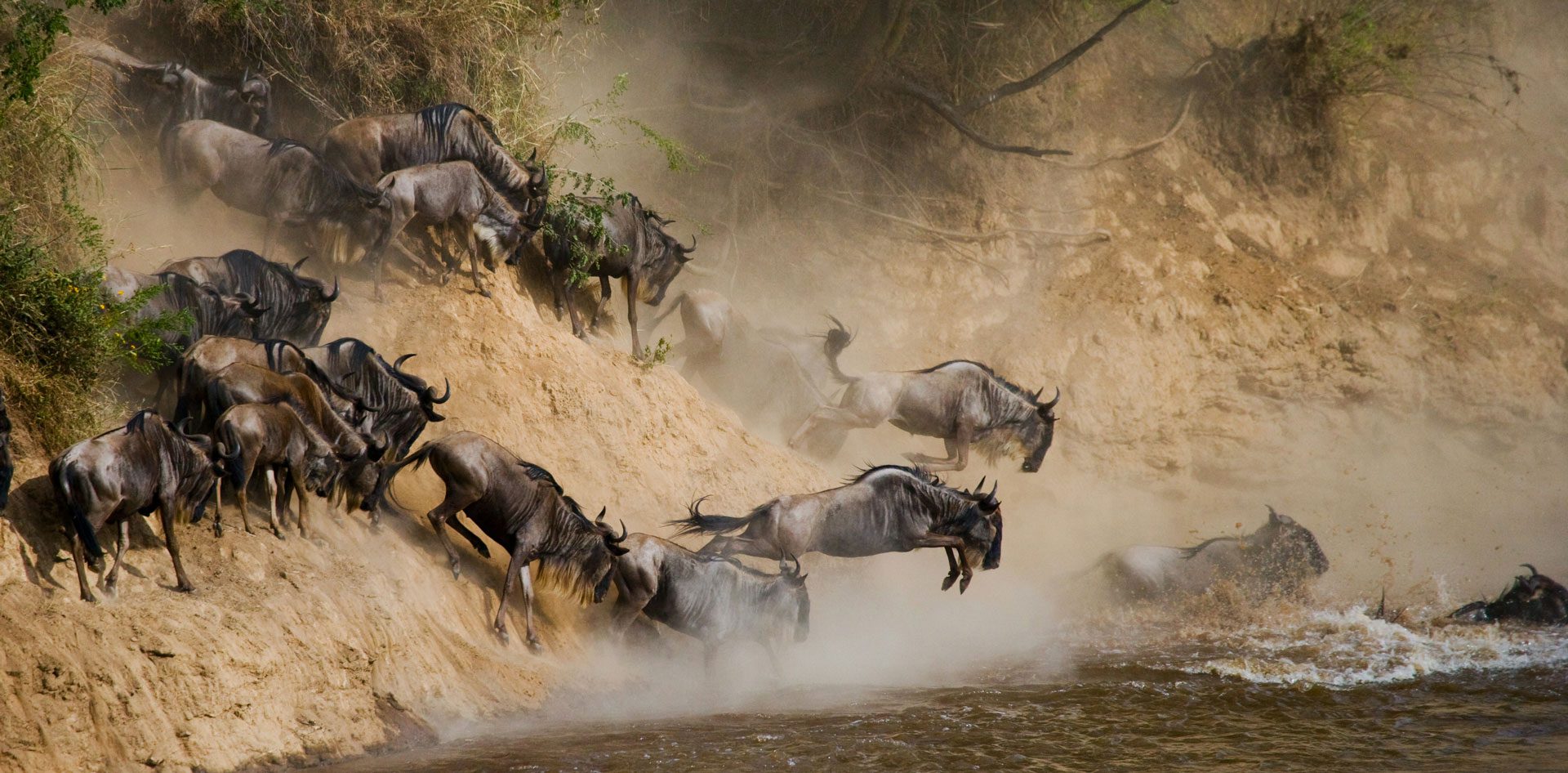
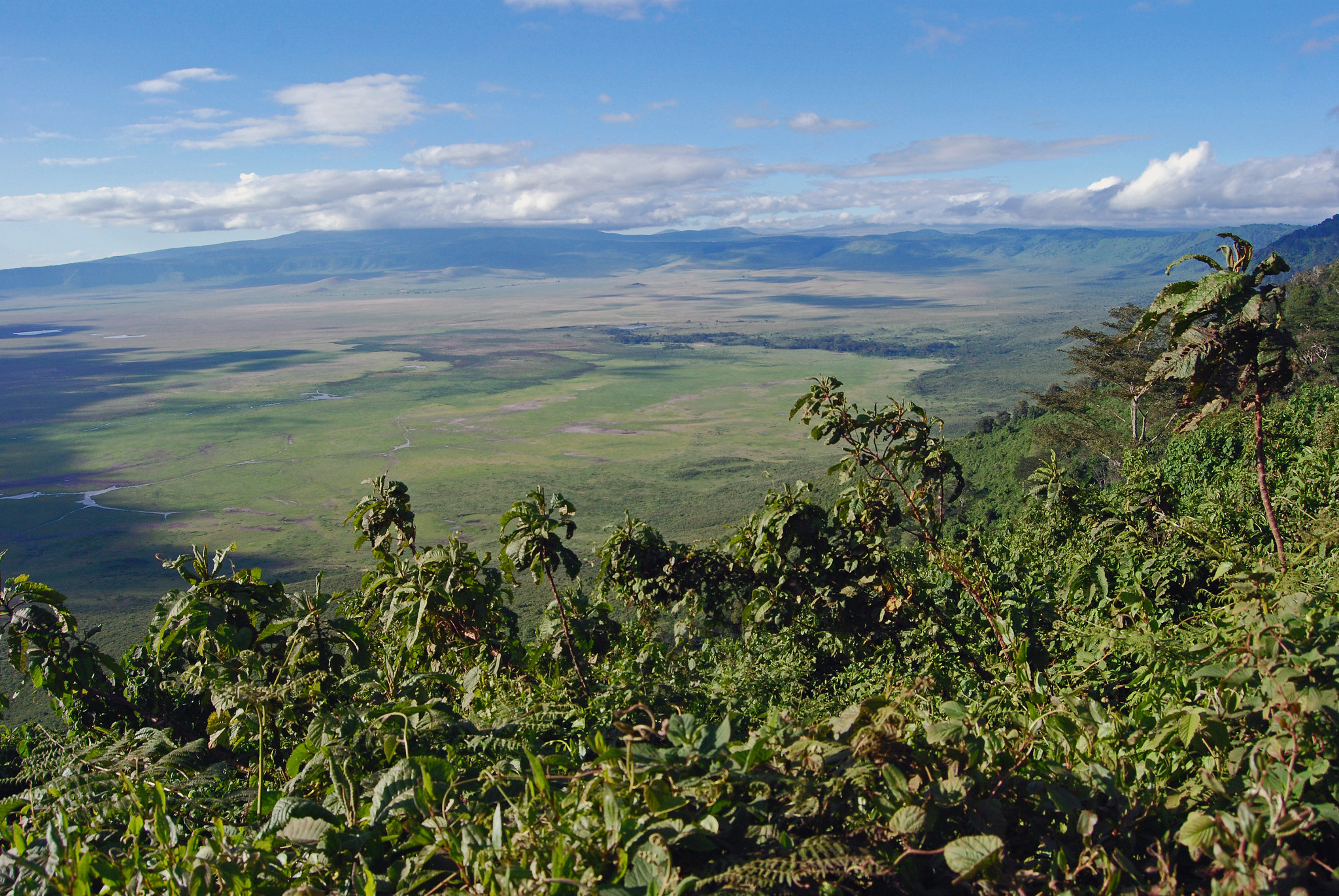
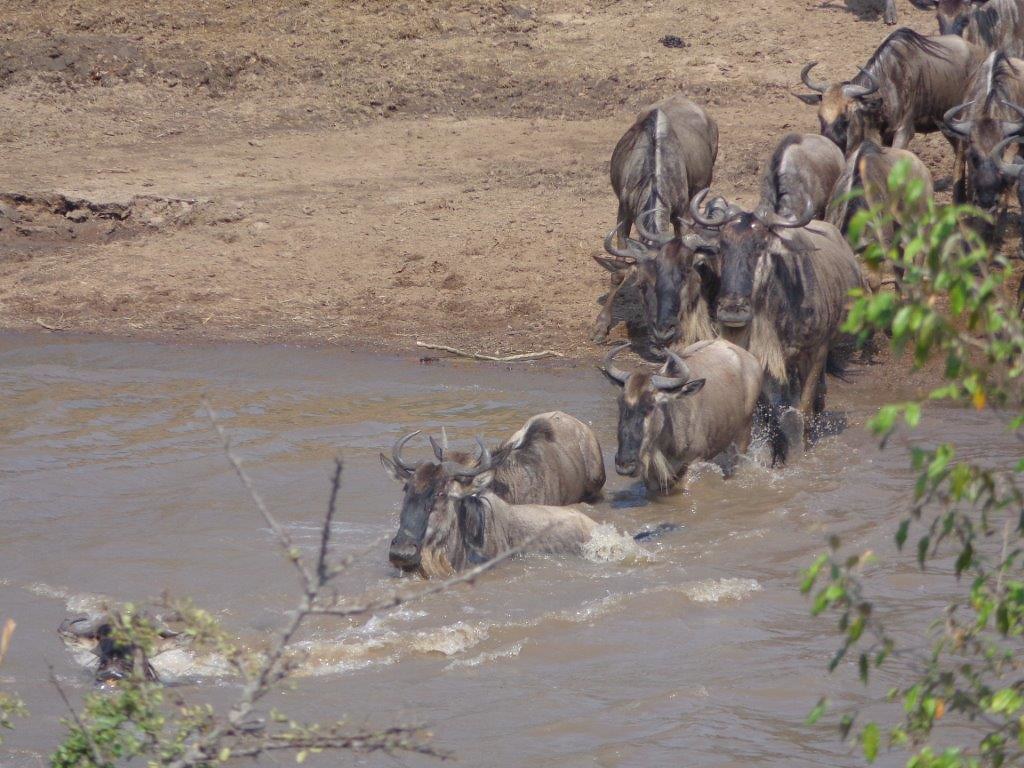
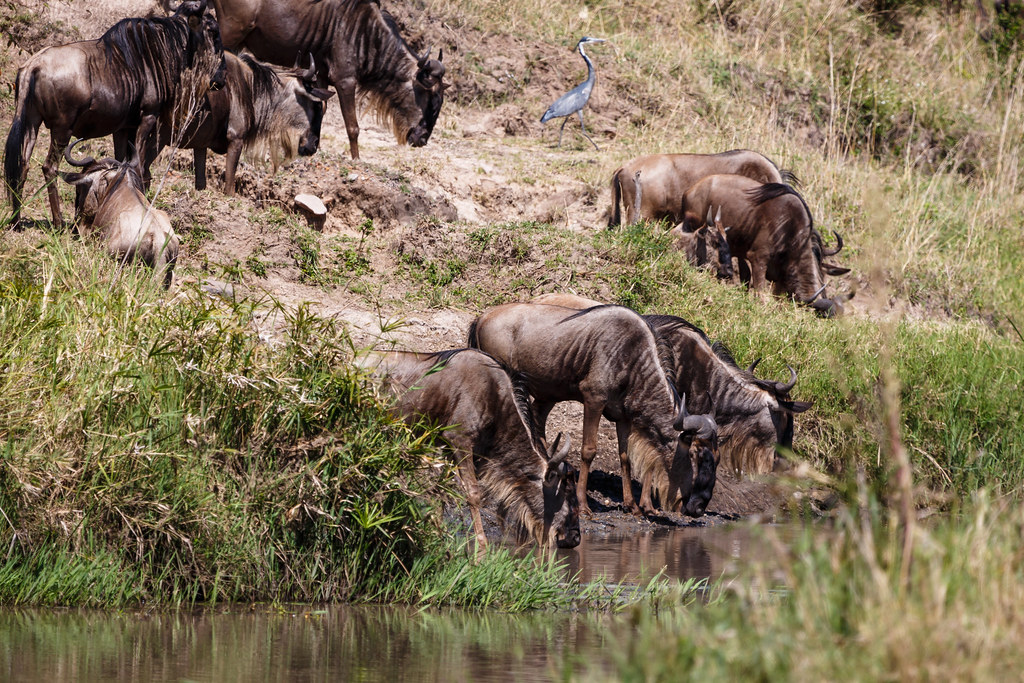
The Olduvai Gorge is located in the Ngorongoro Conservation Area, which is a UNESCO World Heritage Site, in the eastern Serengeti environment. The Serengeti Plains of Northern Tanzania are famous for hosting the world’s largest yearly wildebeest migration. The Olduvai Gorge is approximately 48 kilometers (30 miles) long. On the rim of the ravine, there is a museum where visitors may learn more about fossil excavation and view exhibits of findings from the gorge and its surroundings. One hall is dedicated to the Leakey family, while another exhibits information on another of Mary Leakey’s findings, the Laetoli fossilized footprints path, which is located 45 kilometers (28 miles) south of Olduvai Gorge.
The Remarkable Bony Debris was discovered by a Leakey family trip to be the first fossils of “Homo habilis,” the Tidy Man. He or she had a larger brain, a more sensitive jaw, and fewer teeth than his or her predecessors. Homo habilis evolved through cutting, crushing, kneading, and scraping food with stone tools; as a result, the structure of the face became polished.
People used to wonder what the hyenas were up to when the Leakeys discovered human forebears at Olduvai Gorge. We were curious about what the hominids ate. Were there several kinds of wall tents? What caused a particular stone instrument to be in hand? What caused the rocks to appear? Femur fossils can be combined with other fossils to learn more about the animal that left them behind. Researchers can piece together a picture of the species based on its size, surroundings, and other indications; the question is whether they will be able to locate evidence of lacustrine in the same place. Fossilization is a difficult process. Water is one of the components that cause changes but does not necessitate the presence of oxygen. Did Homo habilis live near a body of water? Without a doubt, this early version of humanity existed when water was present in lakes across the continent. Olduvai is a misspelling of Oldupai, a Maasai word for a wild sisal plant that grows in the area. The gorge is located in the Great Rift Valley, between Ngorongoro Crater and Serengeti National Park. It is 30 miles from Laetoli, another fossil-rich area. The Olduvai Gorge formed about 30,000 years ago as a result of aggressive geological activity and streams.
A Safari Experience with a Historical Twist
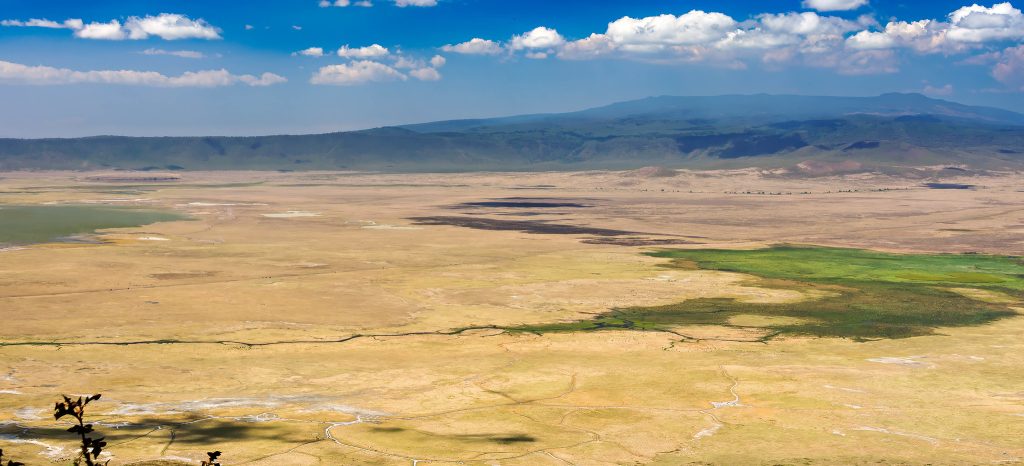
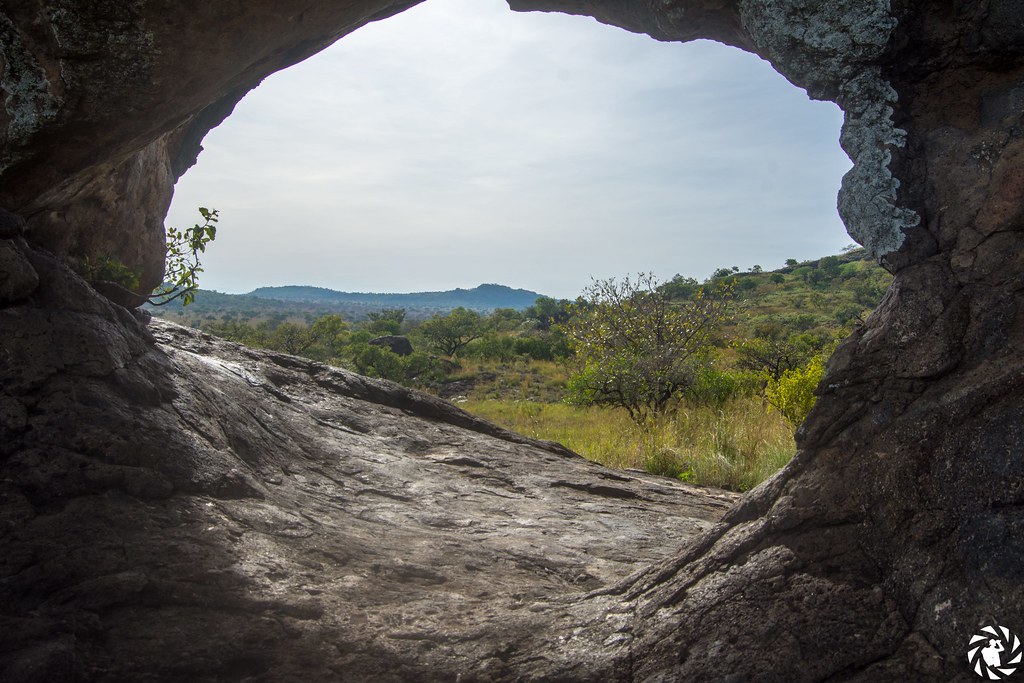
Olduvai Gorge is situated between Ngorongoro Crater and Serengeti National Park, making it a convenient and fascinating stop on a northern Tanzania safari. The gorge stretches approximately 48 kilometers (30 miles) and features stratified layers of soil and rock that document millions of years of evolution.
Visitors can:
-
Walk the museum trails to see fossil reproductions and original artifacts.
-
Take a guided tour to historical excavation sites where early hominids were discovered.
-
Visit nearby active dig sites during the dry season (June–October) to meet researchers.
-
Explore the gorge as part of a multi-day Serengeti or Ngorongoro safari itinerary.
The gorge is accessible by road from Arusha or Ngorongoro, and many safari operators combine Olduvai with trips to Serengeti National Park or Lake Eyasi for a complete cultural and wildlife experience.
Key Features and Highlights
Fossils and Early Humans
Olduvai Gorge has produced thousands of fossils, including early hominids, prehistoric mammals, and stone tools. These findings illustrate the transition from simple stone implements (Oldowan) to more advanced Acheulean tools. Visitors can see fossil skull replicas of Homo habilis and Paranthropus boisei on display at the museum.
Laetoli Footprints
Just 45 km south of Olduvai, the Laetoli footprints preserve impressions left by early hominids walking across volcanic ash 3.6 million years ago. This extraordinary site offers insight into bipedalism and early human social behavior.
Gorge and Museum
The museum at Olduvai Gorge, renovated in 2017, provides a modern, informative experience, with guided presentations, detailed exhibits on hominins, prehistoric animals, and fossilized artifacts. For more visitor information: Olduvai Gorge Museum
Best Time to Visit Olduvai Gorge
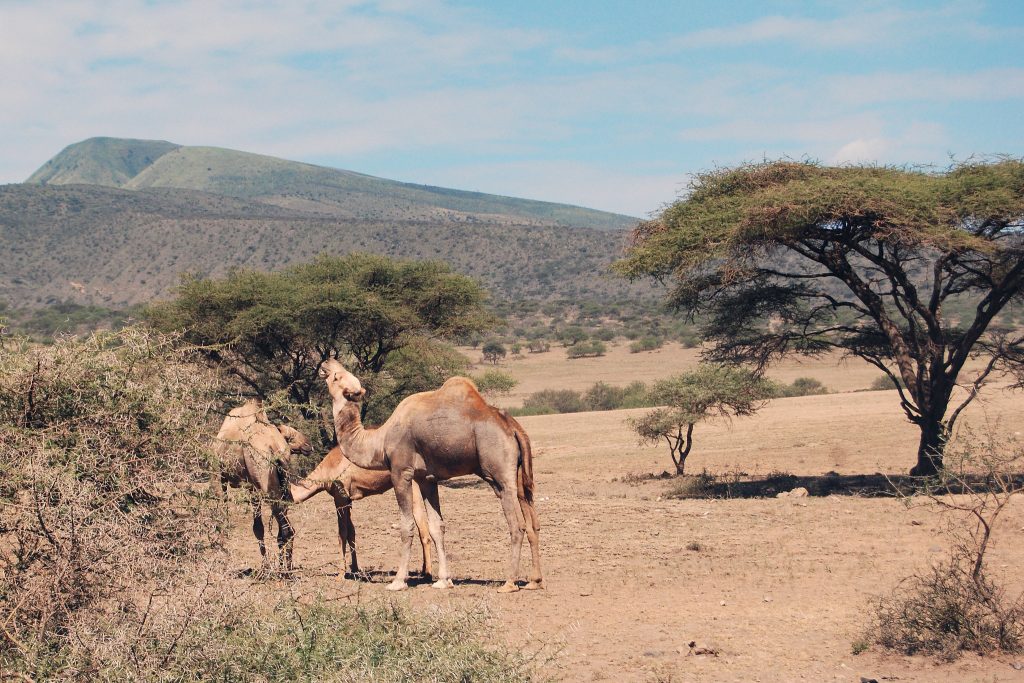
The dry season (June to October) is ideal for visiting, as trails are more accessible and researchers are often working in the field. Wildlife is also more easily observed, as animals congregate near water sources. The wet season offers lush scenery but can make access to excavation sites difficult.