Overview
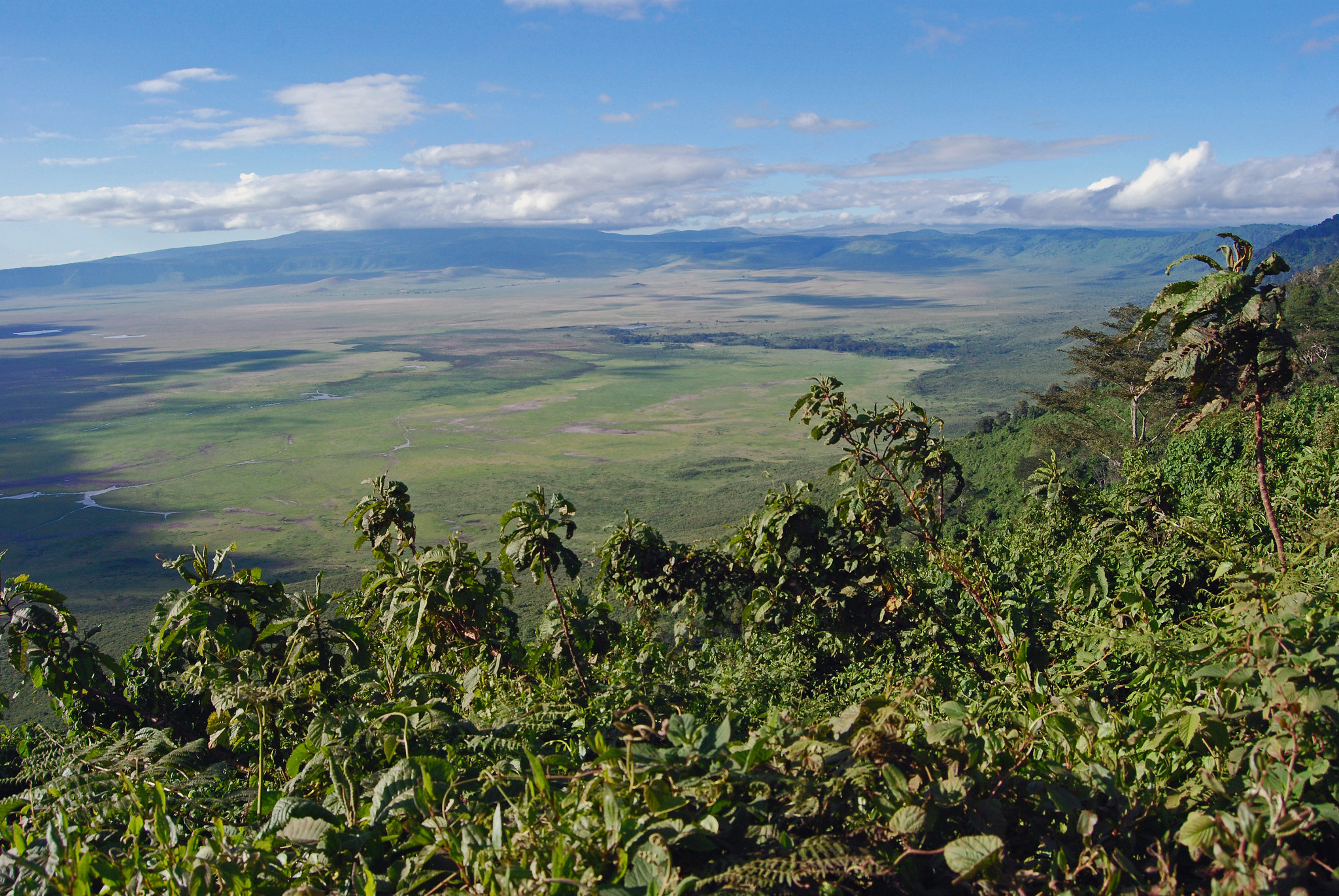
The Ngorongoro Crater and Conservation Area is a UNESCO World Heritage Site located in the heart of Tanzania. Established in 1959, it stretches across a breathtaking expanse of craters, gorges, forests, lakes, rivers, streams, open savanna plains, and dense woodlands. The stunning combination of scenery and wildlife that this extraordinary landscape offers rivals that of the nearby Serengeti and the Maasai Mara National Reserve. The award-winning film “Out of Africa” was partially filmed within the boundaries of Ngorongoro. The Conservation Area encompasses several remarkable landmarks, including the world famous Ngorongoro Crater from which the region takes its name, the historically significant Olduvai Gorge, and a collection of more remote craters of outstanding natural beauty.
The Ngorongoro Crater: Africa’s Garden of Eden
The principal attraction of the Ngorongoro Conservation Area is the Ngorongoro Crater itself -the largest inactive, intact, and unflooded volcanic caldera anywhere on Earth. Formed between two and three million years ago by the collapse of an enormous volcano, the crater plunges 610 meters (2,000 feet) in depth and encompasses an area of 260 square Kilometres (100 square miles). Often referred to as Africa’s Garden of Eden, this extraordinary natural enclosure is home to approximately 25,000 animals, including ungulates, four of the Big Five, and a wide variety of other large mammals. It is one of the finest locations in the world for encountering critically endangered species such as the black rhinoceros, the golden cat, and the African wild dog, all set within a thrillingly action-packed predatorandprey environment.
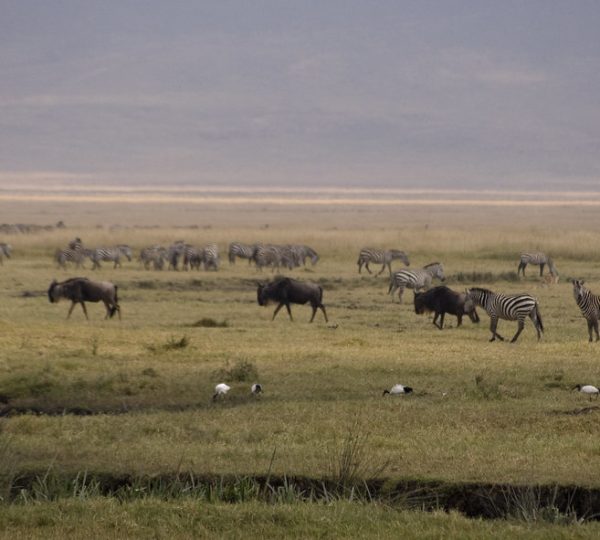
One of the most remarkable aspects of the Ngorongoro Crater is that the animals within it have very little cover in which to hide, meaning that encounters with wildlife are frequent and often remarkably close. Zebras, lions, elephants, wildebeests, and — if fortune smiles on you — black rhinos can be spotted throughout the crater floor in the course of a single visit. It is even possible to make a short detour to the nearby Olduvai Gorge and still witness an extraordinary amount of wildlife in just half a day. For travellers working within a tight schedule, incorporating a Ngorongoro Crater safari into an itinerary is not only easy but also highly rewarding.
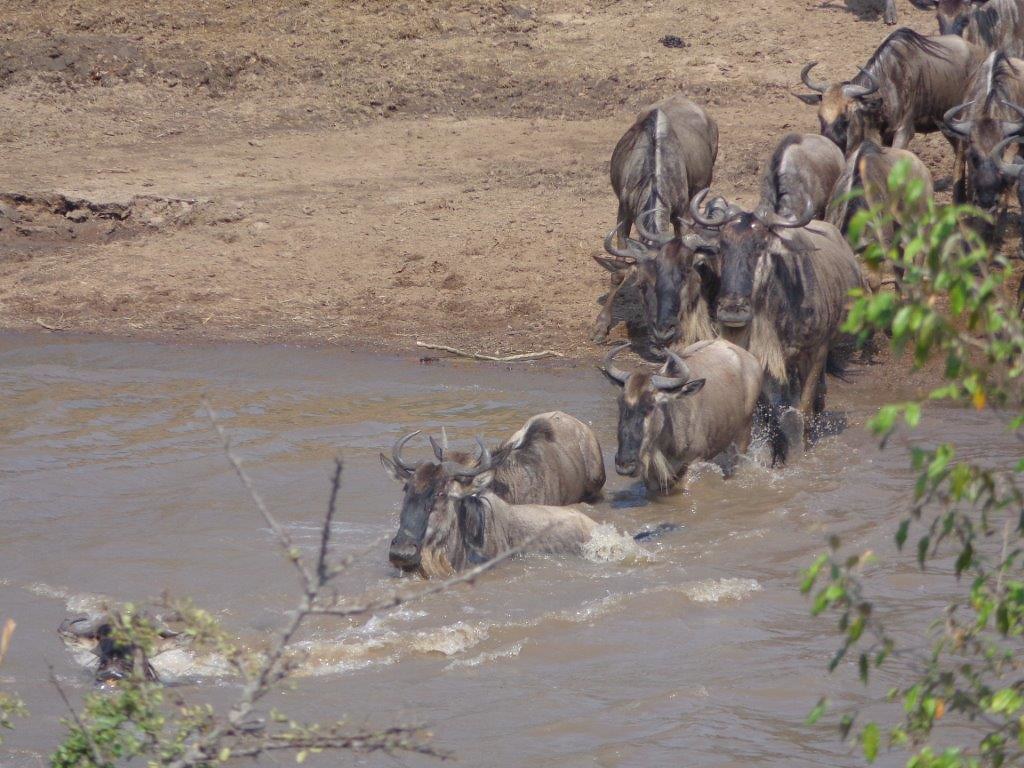
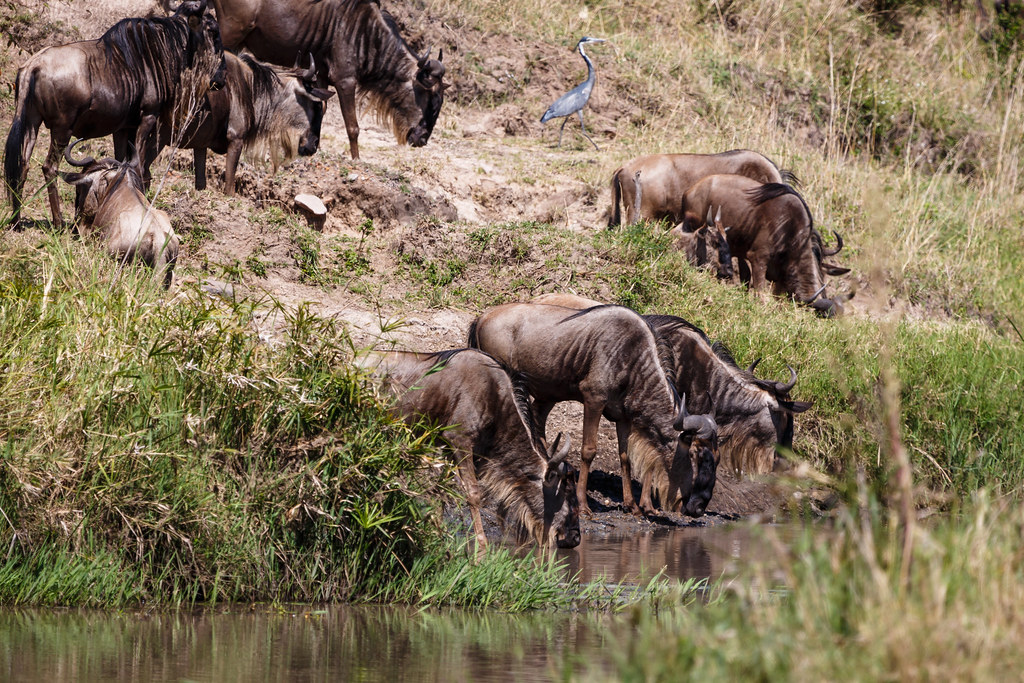
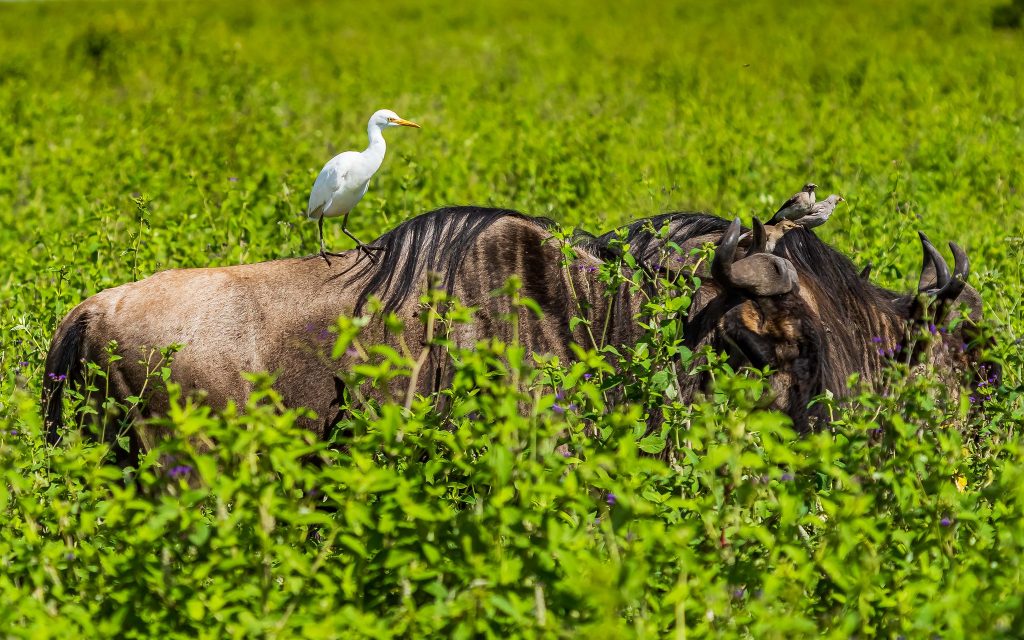
The magnificent environment of the Ngorongoro Crater, combined with its exceptional concentration of animal species, makes it one of the greatest natural wonders found anywhere on the planet. The wildebeest population alone is spectacular, with numbers consistently exceeding one million animals. Each year, these vast herds move through the conservation area as part of the annual Great Migration across the Serengeti ecosystem, arriving at the shortgrass plains of the Conservation Area to calve — a truly awe-inspiring natural spectacle that draws visitors from every corner of the globe.
How to Get to Ngorongoro Conservation Area
Location and Road Access
The Ngorongoro Conservation Area is situated on Tanzania’s northern safari circuit, approximately 153 kilometres west of Arusha, the country’s principal tourist hub. It forms an integral part of the wider Serengeti ecosystem, and the Ndutu region serves as the connecting corridor between the Conservation Area and the southern sections of Serengeti National Park. For travellers planning a broader northern Tanzania itinerary, it is worth noting that Ngorongoro sits 50 Kilometres from Lake Manyara National Park, 139 Kilometres from Tarangire National Park, and 213 Kilometres from Arusha National Park.
The road connecting Arusha to the Lodore entrance gate covers a distance of 160 Kilometres and is now fully paved, making for a comfortable drive of approximately 3.5 to 4 hours. Once inside the Conservation Area and the broader Serengeti region, a four-wheeler vehicle is essential unless you are remaining strictly on the main gravel roads. For those traveling overland from Nairobi, the journey covers a distance of over 400 Kilometres and takes approximately 7 to 8 hours — a long drive that can be tiring, and one that requires careful planning around fuel availability. A more practical alternative is to fly into Nairobi and connect via a regional airline to Arusha.
Flying Into the Area
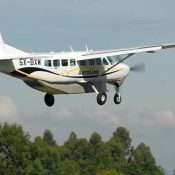
Arusha Airport (ARK), while small, is the most conveniently located airport for visitors heading to Ngorongoro Crater. It is served by regional aircraft connecting from the nearest international airports. For those arriving on international flights, Kilimanjaro International Airport in Moshi — situated at the foot of Mount Kilimanjaro — is the primary gateway. From Moshi, charter planes, taxis, and shuttle services are all available to reach Arusha, which lies approximately 55 Kilometres away and can be reached in around one hour. From Arusha Airport, the drive to Ngorongoro Crater covers roughly 170 Kilometres and takes approximately three hours, though visitors should be aware that some sections of road are unpaved and can be in poor condition.
Descending Into the Crater
The main access route into the crater is via the Senato Descent Road, which enters from the western side. Upon exiting, vehicles take the Lerai Ascent Road, which departs from a point south of Lake Magadi and climbs back to the rim near the park headquarters. For those staying at lodges on the northeastern side of the crater, the Lemala route, located near Ngorongoro Sopa Lodge, is used for both ascent and descent.
If you are planning to combine your safari with a beach holiday, flying on to Zanzibar afterward is a popular and highly recommended addition to the itinerary. To make the most of your time in the region, we recommend beginning your journey in Arusha, Nairobi, or Entebbe in Uganda, which allows you to explore the very best of the northern safari circuit. Incorporating an overland excursion into your plans is another excellent way to enrich your experience, blending wildlife viewing with cultural encounters and scenic landscapes.
Best Time to Visit
Wildlife can be observed throughout the year within the Ngorongoro Crater, but the months of May to October offer particularly favourable conditions. During this drier period, the grass is shorter and less dense, making it considerably easier to spot animals across the crater floor, and wildlife tends to congregate more visibly around water sources.
Park Opening Hours
The crater gates open at 6:00 AM, with the descent closing at 4:00 PM. All vehicles are required to have vacated the crater floor by 6:00 PM. Officially, visitors are permitted to spend up to six hours inside the crater, though this guideline is not always strictly enforced. Self-drive visitors are required to hire a park ranger at an additional cost of $23.60 per vehicle a rule that is now being enforced more consistently than in previous years. All entry fees cover a single 24hour period.
Activities in the Ngorongoro Conservation Area
The Ngorongoro Conservation Area offers a remarkable range of activities for visitors, combining worldclass wildlife encounters with rich cultural experiences and stunning natural landscapes. Whether you are a seasoned safari traveller or embarking on your first African adventure, this destination has something extraordinary to offer.
Game Drives
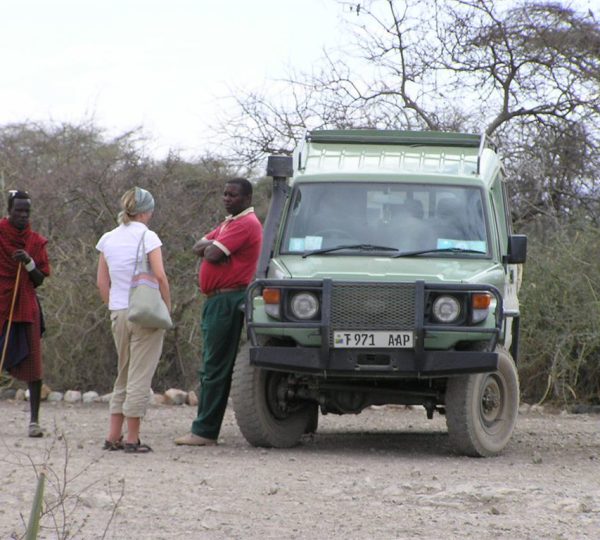
A game drive into the Ngorongoro Crater is one of the most highly recommended safari experiences in all of Tanzania. It is widely considered one of the best places in the country and indeed the world to observe the endangered black rhinoceros living and breeding in a protected natural environment. The crater is also home to leopards and magnificent blackmaned lions, making it an exceptional destination for big cat sightings. Lake Magadi, located on the crater floor, attracts large flocks of flamingos drawn to its alkaline waters, adding a vivid splash of pink to the already extraordinary scenery.
Visitors are driven down into the crater via a series of winding, zigzagging roads that descend the 600meter crater wall – a thrilling ride in itself, full of hairpin bends and sweeping views. As you reach the crater floor, the sheer scale and diversity of the wildlife become fully apparent. Your safari guide will lead you through the crater’s various zones, including the shores of Lake Magadi and the shaded glades of Lerai Forest. In addition to the Big Five, visitors should watch for wildebeests, zebras, elands, Thomson’s and Grant’s gazelles, hippos, flamingos, baboons, jackals, and hyenas all present in impressive numbers.
While trekking down into the crater itself is not permitted, guided walks along the crater rim are available to visitors. The upper rim is richly forested, with tropical trees, shrubs, and climbing plants thriving in the cooler, mistouched altitude. This elevated zone is a spectacular area for birdwatching and offers the occasional sighting of a leopard moving through the dense vegetation. Keen birdwatchers may spot martial eagles, olive sunbirds, cinnamon chested bee eaters, European rollers, and many other species among the canopy.
Olduvai Gorge and Migratory Sandland Tour
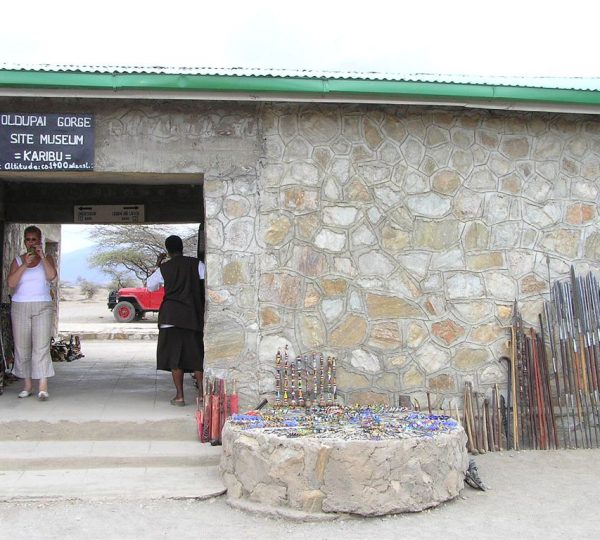
Oduvai Gorge, Tanzania
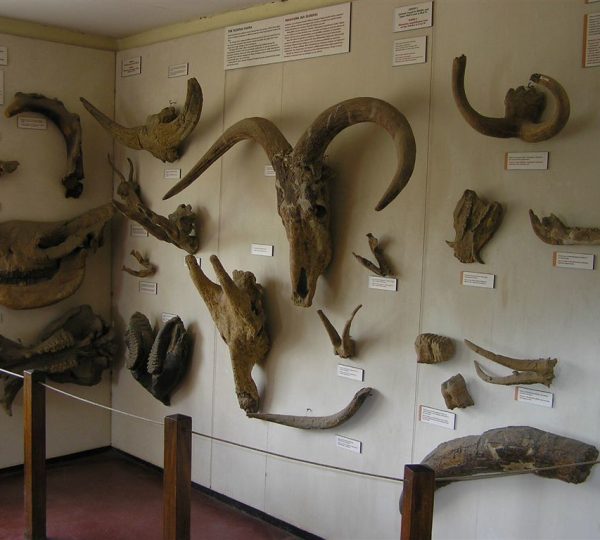
Olduvai Gorge is a 48kilometerlong ravine situated just north of the Ngorongoro Conservation Area’s main route. Of immense archaeological significance, this site has yielded some of the most important early human fossils ever discovered and is widely regarded as one of the cradles of human civilization. The gorge is only about a half-hour’s drive from the crater, making it an ideal and easily accessible addition to any Ngorongoro itinerary.
Birdwatching
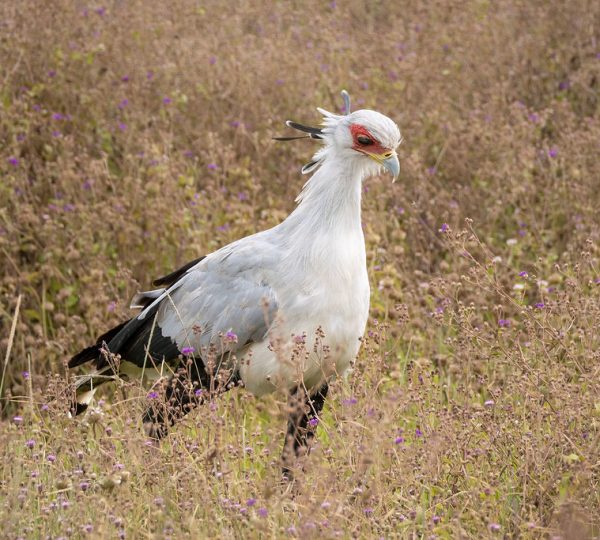
The Ngorongoro Conservation Area is a paradise for birdwatching enthusiasts. The caldera alone is home to over 500 recorded bird species, including ostriches, Egyptian geese, secretary birds, and many more. The best time to visit for birdwatching is between November and April, when large numbers of migratory bird species arrive to join the resident population, transforming the crater and surrounding areas into an avian spectacle of remarkable variety.
Maasai Village Visits
The Ngorongoro Conservation Area was established in part to protect and preserve the traditional way of life of the Maasai people, who were relocated here from the Serengeti Plains. The Maasai of the Conservation Area are nomadic by nature, constructing temporary circular homesteads known as bomas, arranged in a precise order that reflects the seniority of the community’s wives. A number of these communities are now open to visitors, offering a genuinely authentic cultural experience. Inside the bomas, you can observe how the dwellings are built, learn how the community relies on the warmth and energy of communal fires, and gain a deeper understanding of Maasai customs and traditions. Unlike the Maasai communities found further to the east, who have adopted aspects of a more modern Western lifestyle, the Maasai of the Ngorongoro Conservation Area continue to live in a largely traditional manner, maintaining cultural practices that have remained virtually unchanged for centuries.
Wildlife Photography
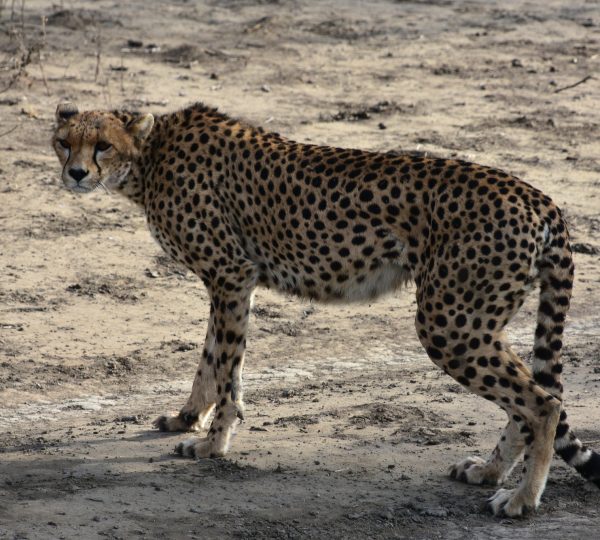
The Ngorongoro Conservation Area offers outstanding opportunities for wildlife and landscape photography. Visitors are encouraged to bring quality video and photography equipment, including a camera fitted with a telephoto lens, as all offroad driving is prohibited within the crater and animals must therefore be photographed from designated tracks. Given the dusty nature of the environment, carrying a dust mask and protective covers for your equipment is strongly advisable. Early morning and late afternoon are the recommended times for photography, when the light is at its most flattering and animal activity is at its peak. It is strictly prohibited to photograph Maasai people encountered along roadsides, though photography is permitted at designated cultural boma sites with prior consent. Bringing multiple devices with fully charged batteries and ample storage is highly recommended.
Safari on and Around Lake Ndutu
The northern boundary of the Ngorongoro Conservation Area is shared with Serengeti National Park, and because the two protected areas are not separated by any fence – only a gravel road marks the transition – wildlife moves freely between them. As a result, vast numbers of wildebeests, zebras, and antelopes that form the Great Wildlife Migration move into the northern section of the Conservation Area around Lake Ndutu during the summer months to graze on its nutrient rich grasses. The calving season, which runs from January to March, is an especially dramatic time to visit, as the plains come alive with newborn animals and the predators that closely follow the migrating herds – a wildlife spectacle that ranks among the most extraordinary experiences East Africa has to offer.