Mount Kenya & Western Kenya: Peaks, Forests, Lakes and Islands
Beyond the celebrated safari plains of southern Kenya and the arid wilderness of the north lies a Kenya that many travelers never discover — a Kenya of soaring mountain peaks wrapped in ancient forest, vast shimmering lakes, lush tea-covered hillsides, and islands of extraordinary beauty and historical significance. From the snow-capped summit of Mount Kenya — the country’s highest mountain and the sacred home of the Kikuyu people’s Supreme Being to the tropical rainforests of Kakamega, the cave elephants of Mount Elgon, and the islands of Lake Victoria, this is a region of breathtaking diversity that rewards the curious traveler with some of the most remarkable and least-crowded experiences in all of East Africa.
Mount Kenya: Africa’s Mountain of Brightness
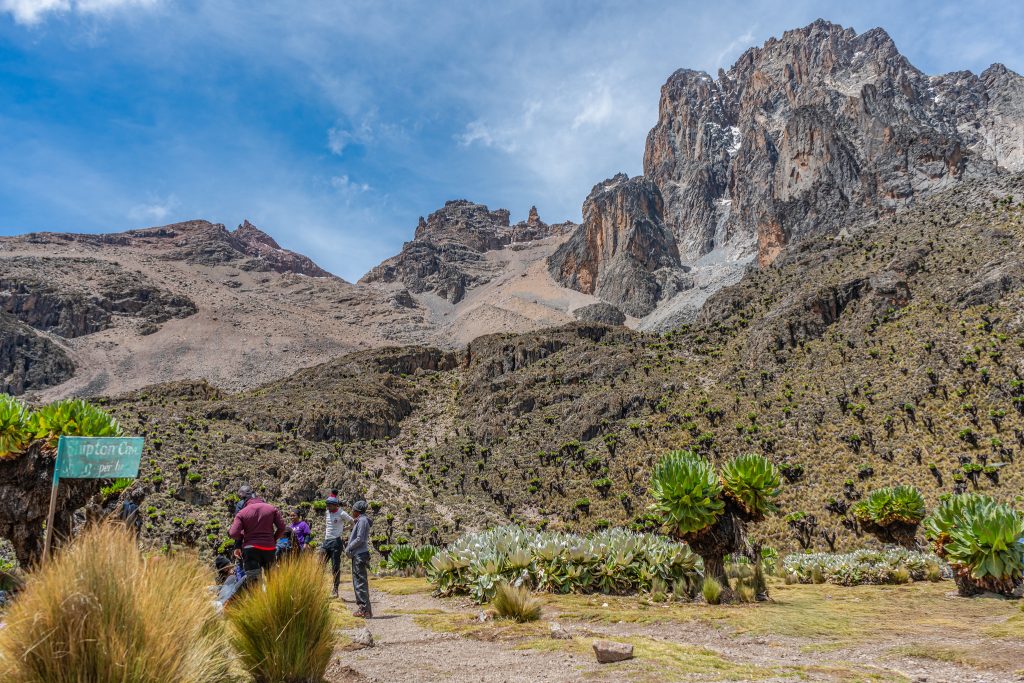
Rising to 5,199 meters above sea level, Mount Kenya is Africa’s second highest mountain and one of the continent’s most magnificent natural landmarks. Its peaks are draped in glaciers and permanent snow, its slopes blanketed in a succession of extraordinary vegetation zones that change dramatically as the altitude increases from dry upland forest at the base, through dense cedar and podo forest above 2,000 meters, into a thick belt of bamboo forest at 2,500 meters, and finally through open heath and moorland to the dramatic, rocky peaks above 3,500 meters. At every level, the mountain reveals something new — a different world of plants, animals, and atmosphere making the ascent one of the most botanically and ecologically rewarding journeys in Kenya.
The mountain’s unique combination of aqua-fresh mountain air, glorious panoramic views, and a profound sense of peace and tranquility is unlike anything else in the country. Several world-class properties in and around the park make Mount Kenya an exceptional destination for both climbers and those who simply wish to experience the mountain’s extraordinary beauty at a more leisurely pace among them the Sweet Waters Game Sanctuary and Tented Camp, the legendary Mount Kenya Safari Club, the Naro Moro River Lodge, and the Serena Mountain Lodge.
Sacred Home of Ngai
To the Kikuyu people — Kenya’s largest ethnic group — Mount Kenya is far more than a geographical landmark. It is the earthly home of Ngai, the Supreme Being, a name also used by the Maasai and Kamba peoples. In traditional prayers and ceremonies, the Kikuyu address Ngai as Mwene Nyaga — the Possessor of Brightness — a name that flows directly from Kere Nyaga, the Kikuyu name for the mountain itself, meaning Mountain of Brightness. To stand on the slopes of Mount Kenya is to stand on sacred ground, in a place where faith, history, and natural wonder are inseparably entwined.
Flora and Fauna
Part of Mount Kenya’s enduring fascination is the remarkable transformation of its flora and fauna as altitude increases. The lower slopes support dry upland forest, giving way to true montane forest of cedar and podo above 2,000 meters. Higher still, dense bamboo forest merges into upper forest of smaller trees draped in high-altitude moss and interspersed with open glades. These forest belts support at least 11 unique species and a rich and varied wildlife community. Visitors can expect to encounter black and white colobus and Sykes monkeys, bushbuck, buffalo, elephant, olive baboon, waterbuck, black rhino, leopard, giant forest hog, genet cat, bush pig, and hyena, as well as the elusive bongo — one of Africa’s rarest and most beautiful forest antelopes.
A number of other rare and endangered species make their home on the mountain, including the Sunni Buck, the Mount Kenya Mole Shrew, various species of skink, and a variety of owls. Occasional sightings of albino zebra have also been recorded – one of the most extraordinary wildlife encounters anywhere in Kenya. Above 3,000 meters, the open heath is dotted with African sage, protea, and helichrysum, while the high moorland above 3,500 meters is shared by high-altitude zebra and eland in the northern reaches.
Climbing Mount Kenya
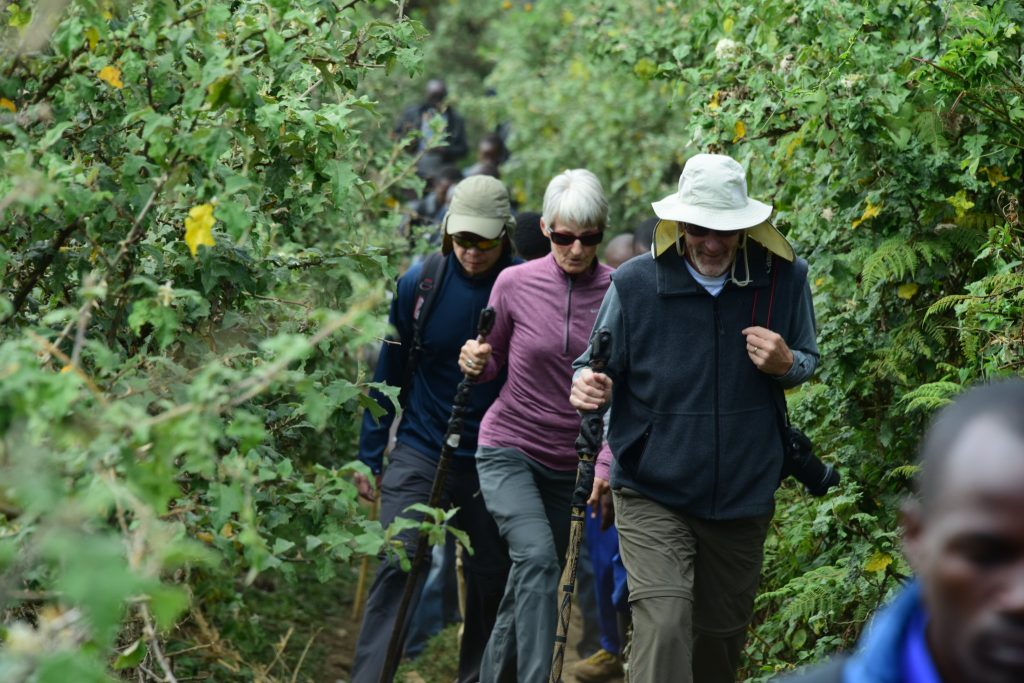
Mount Kenya offers routes to suit every level of experience and ambition — from accessible, well-guided ascents for fit but non-technical climbers to more challenging technical routes for experienced mountaineers. The mountain rewards every level of effort with superb scenic beauty at every stage of the climb. There is one lodge inside the park, seven climbers’ huts, and three self-help banda sites, with three further lodges and an additional banda site located just outside the park boundary.
Western Kenya: Tea Valleys, Rainforests, and the Shores of Lake Victoria
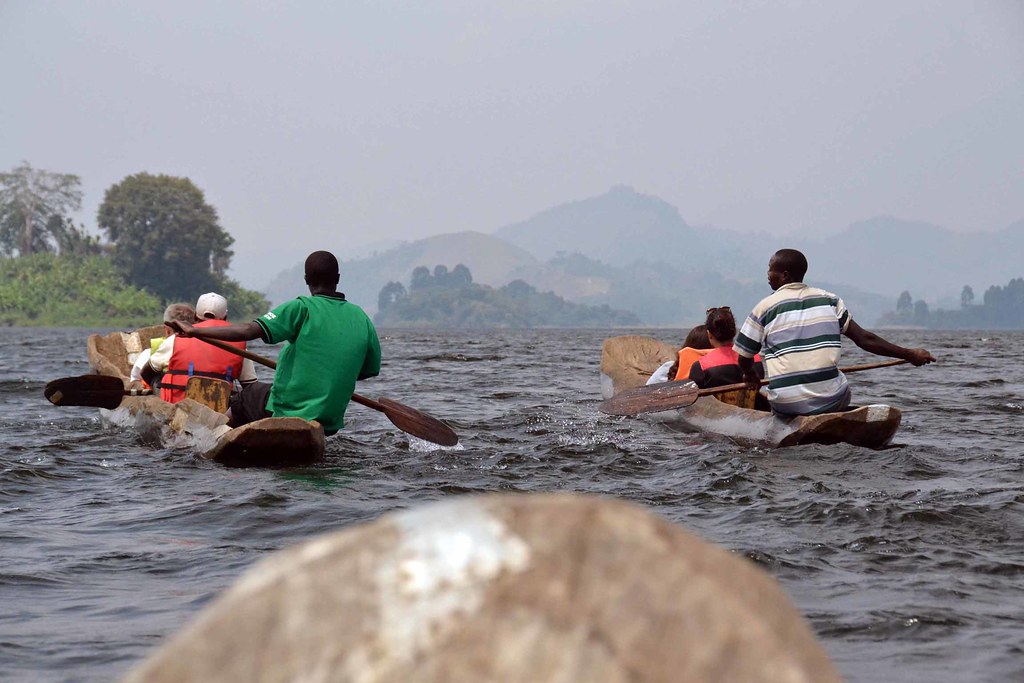
The western part of Kenya is a region of extraordinary and largely undiscovered beauty. Rolling hills blanketed in vivid green tea plantations stretch across the countryside in every direction, while to the far west, Lake Victoria – Africa’s largest lake and the world’s second largest freshwater lake – shimmers on the horizon, its vast surface connecting Kenya, Uganda, and Tanzania in a shared inland sea of immense ecological and cultural significance.
This corner of Kenya is ideally positioned for travelers who wish to combine their safari experience with a journey into Uganda or Tanzania — the border crossings at Busia and Malaba provide straightforward access to Uganda, while Isebania sits directly on the Tanzanian border.
Kisumu: The City on the Lake
Perched on the eastern shores of Lake Victoria, Kisumu is one of Kenya’s most vibrant and characterful cities — a place of easy, warm, African energy with a lively entertainment scene and a strong sense of its own identity. The city is accessible via multiple daily flights from Nairobi, making it a convenient gateway to the wider western Kenya region. The lake here serves as a major transport and commercial hub for all three East African nations, with ferry services connecting Kenya, Uganda, and Tanzania across the water.
A tour of Kisumu offers a genuine window into everyday African urban life, while the city’s attractions — including the Impala Sanctuary, the Bird Sanctuary, Ndere Island National Park, the Kisumu Museum, and the extraordinary Ruma National Park — provide more than enough to keep curious travelers engaged for several days. At Ruma National Park, the last of Kenya’s roan antelope roam freely, and visitors can combine trekking, climbing, safaris, and fishing in one of the country’s least-visited but most rewarding wilderness areas.
Rusinga, Mfangano and Talawiri Islands
Rising from the waters of Lake Victoria, the islands of Rusinga, Mfangano, and Talawiri are rugged, beautiful, and deeply rewarding to explore. Rusinga Island is home to the mausoleum of Tom Mboya — one of Kenya’s most celebrated and beloved independence-era statesmen — as well as the dramatic peak of Mount Kwitutu. These islands offer a pace of life and a quality of natural beauty that feels entirely removed from the modern world, and they are among the most genuinely off-the-beaten-track destinations in all of Kenya.
Kakamega Forest Reserve: Kenya’s Last Tropical Rainforest
In the heart of an intensely cultivated agricultural landscape, Kakamega Forest stands as a superb and irreplaceable slab of virgin tropical rainforest — a living remnant of the great equatorial forest that once stretched unbroken from West Africa to the East African coast. It is a place of extraordinary biodiversity, teeming with wildlife, plants, and birds found nowhere else in Kenya.
Among the forest’s most celebrated residents is the rare De Brazza’s monkey — one of Africa’s most striking and endangered primates — alongside red-tailed monkeys, colobus, and blue monkeys. After dark, the forest comes alive with hammer-headed fruit bats and flying squirrels moving through the canopy in the darkness. The birdlife is nothing short of spectacular — over 300 species have been recorded, and the best months for birdwatching are June, August, and October, when large numbers of migratory species arrive to join the resident population. Look out in particular for the black and white casqued hornbill, Ross’s Turaco, and the greater Turaco. In October, the forest floor is transformed by an extraordinary display of wild flowers and butterflies that makes walking the established forest trails an experience of pure, sensory delight.
Mount Elgon National Park: The Cave Elephants of the Border Mountain
Straddling the Kenya-Uganda border and covering 169 square kilometers, Mount Elgon National Park is home to one of the most extraordinary and celebrated wildlife stories in the world. This ancient, extinct volcano — with its vast crater floor sitting at around 3,500 meters above sea level and hot springs bubbling within the crater itself — offers excellent trekking terrain and a wildlife experience of truly remarkable and unique character.
The park’s greatest and most famous attraction is its elephants — renowned worldwide for their extraordinary habit of venturing deep into the mountain’s network of caves in search of salt and minerals, which they excavate from the cave walls with their tusks and feet. It is widely believed that the elephants themselves have, over countless generations, played a significant role in shaping and enlarging the very caves they inhabit. Four caves are open to visitors: Kitum — where arriving before dawn offers the best chance of encountering the elephants at their most active — Chepnyalil, and Mackingeny, whose entrance is dramatically framed by a cascading waterfall.
The mountain’s flora and fauna are equally spectacular. A lush rainforest at the base gives way to bamboo jungle as altitude increases, and finally to alpine moorland populated by the bizarre and otherworldly giant groundsel and giant lobelia. The park is home to the black and white colobus, crowned crane, and the rare cape clawless and spot-throated otters. Mount Elgon is accessible only on foot via its walking trails, and accommodation is in campsites or simple facilities — an adventure in its purest and most rewarding form.
Western Kenya Safari Highlights
- Exploring the islands of Rusinga and Mfangano on Lake Victoria
- Discovering the cave elephants of Mount Elgon before dawn at Kitum Cave
- Trekking through the Cherangani Hills and descending dramatically into the Kerio Valley
- Walking the forest trails of Kakamega and encountering De Brazza’s monkey and over 300 bird species
- Camping in Ruma National Park and searching for Kenya’s last roan antelope
- Visiting the mausoleum of Tom Mboya on Rusinga Island
- Experiencing the hot springs inside the crater of Mount Elgon
Why Visit Mount Kenya and Western Kenya?
Together, Mount Kenya and Western Kenya offer a safari experience of extraordinary depth and variety — one that goes far beyond the wildlife plains that most travelers associate with Kenya. Here, the country reveals itself as a place of sacred mountains, ancient forests, volcanic caves, living island cultures, and a biodiversity that is matched nowhere else in East Africa. For the traveler who wants to go deeper, see more, and experience Kenya in its fullest and most complete form, this is the journey to take.
Let us at The Travel Cafe help you build the perfect itinerary across Mount Kenya and Western Kenya — combining mountain trekking, forest walks, lake island adventures, and cultural encounters into an unforgettable journey through the heart of this extraordinary country.
NATIONAL PARKS
Recent Posts
Mount Kenya & Western Kenya: Peaks, Forests, Lakes and Islands
Cultural Heritage and Planning Your Safari – Masai Mara
The Crown Jewel of Kenya: Masai Mara National Reserve – Your Ultimate Safari Guide
Do Humans Share 98% of Their DNA With Gorillas?
The Crater Drive: Queen Elizabeth National Park’s Most Underrated Experience
Exploring East Africa Through Your Lens in 2026
Facts about Kibale National Park In Uganda
Attractions in Jinja City the source of river Nile
The truth about Queen Elizabeth National Park in 2026
Bwindi Impenetrable National Park.
Start Planning
Info@inmotiongorillasafaris.com