Exploring Kibale National Park: The Primate Capital of the World
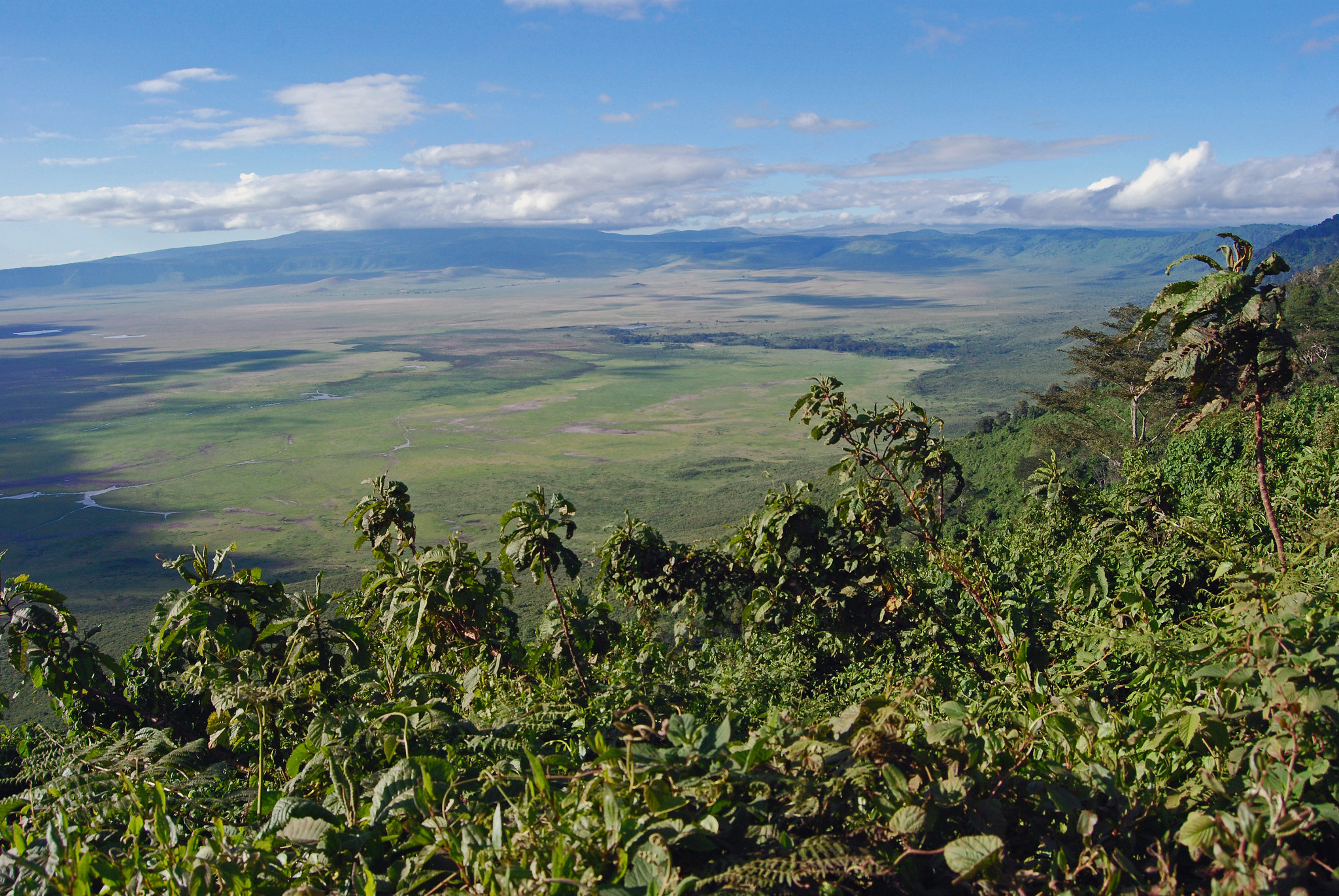
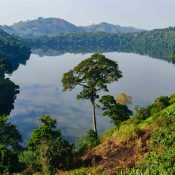
Located in western Uganda, approximately 320 kilometers west of Kampala, Kibale National Park spans 766 square kilometers at elevations ranging from 1,100 to 1,600 meters. This lush protected area primarily features moist evergreen and semi-deciduous rainforest, one of the last remaining expanses in East Africa to include both lowland and montane forests. The park’s diverse landscapes support an extraordinary array of wildlife, making it a premier destination for primate enthusiasts.
Unrivaled Primate Diversity
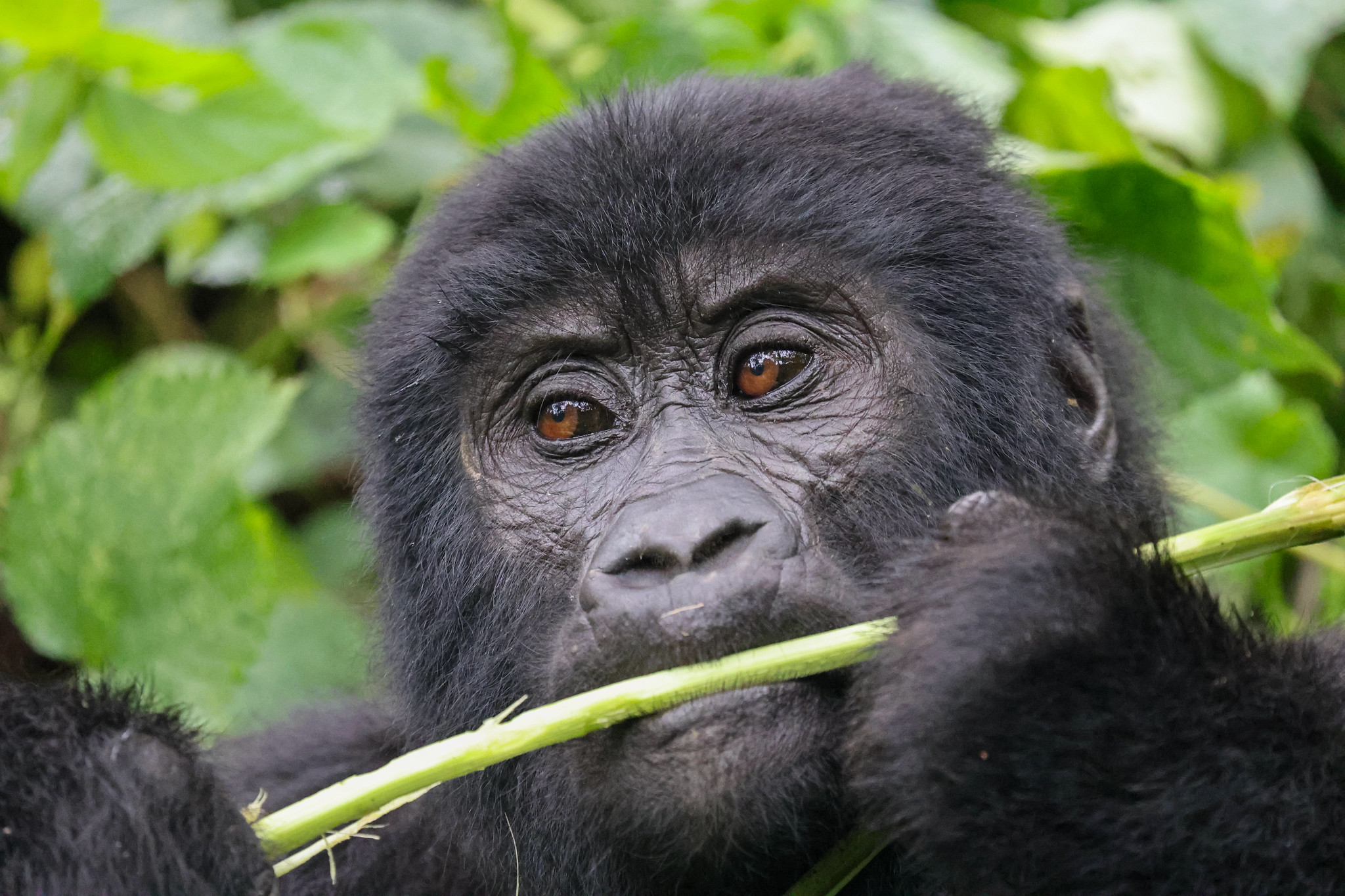
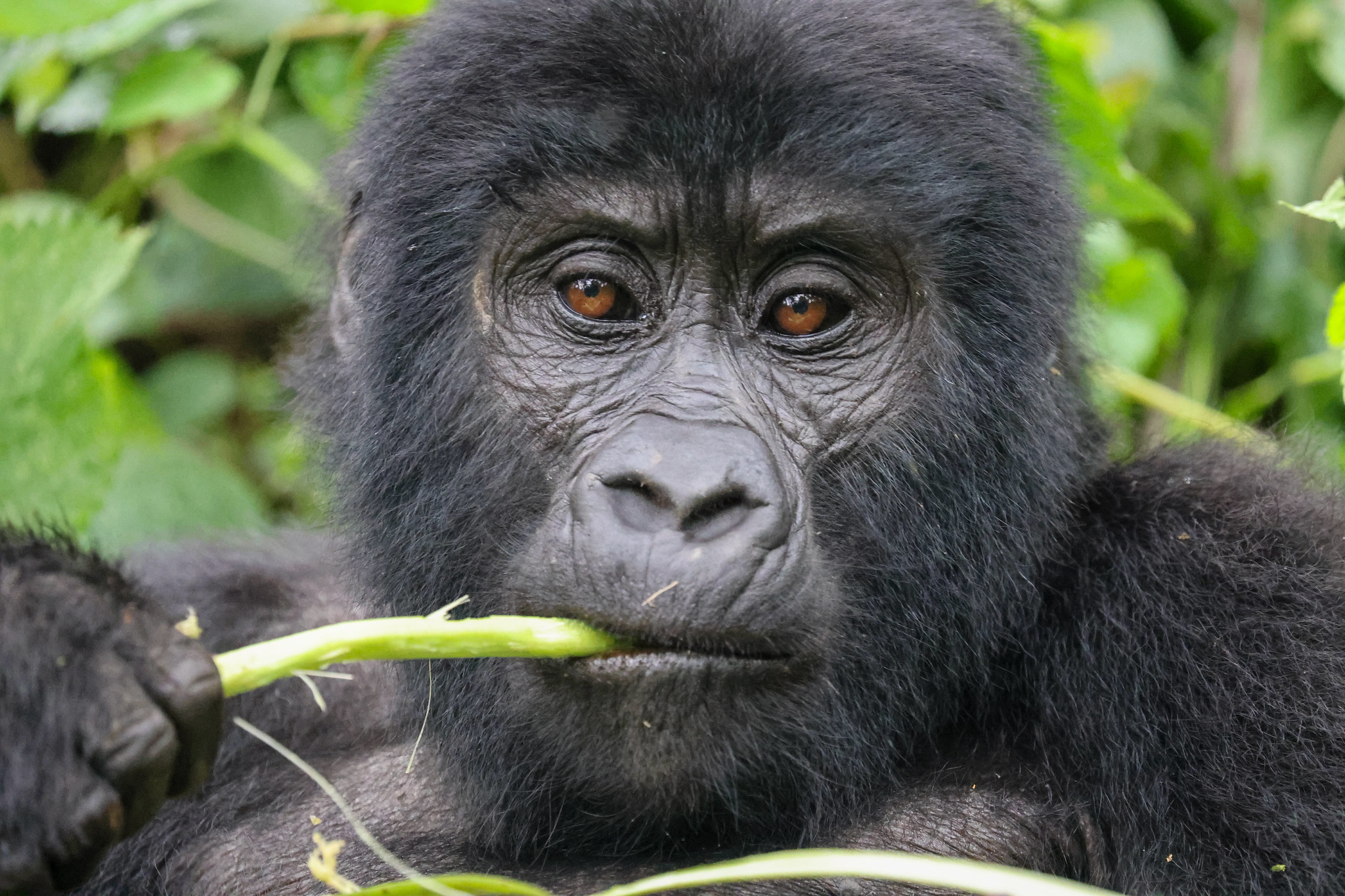
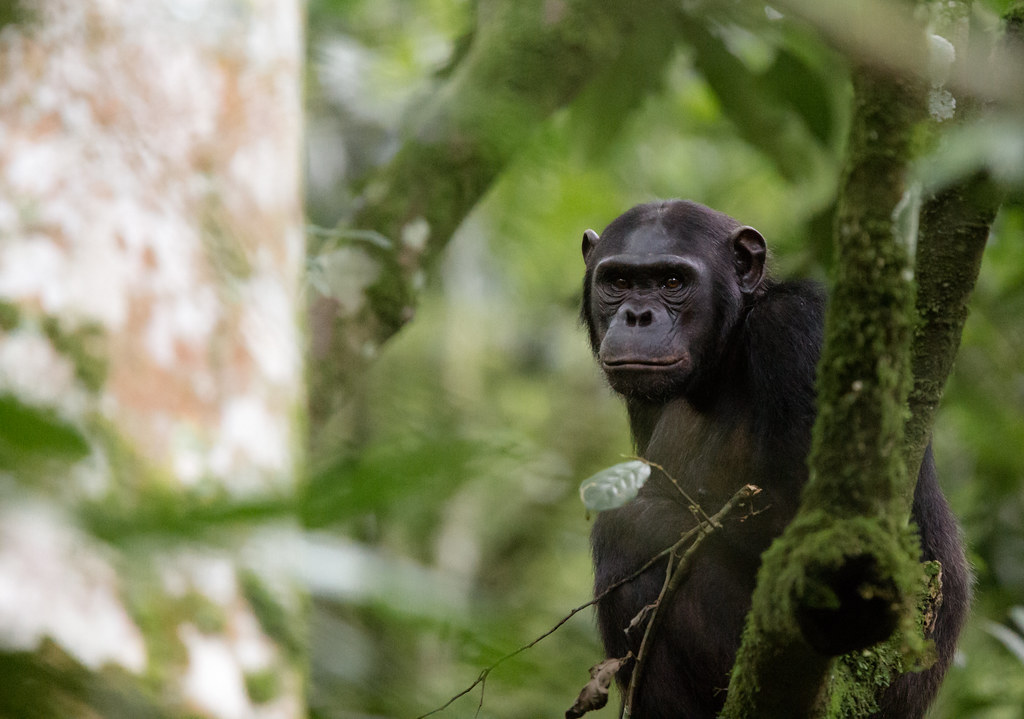
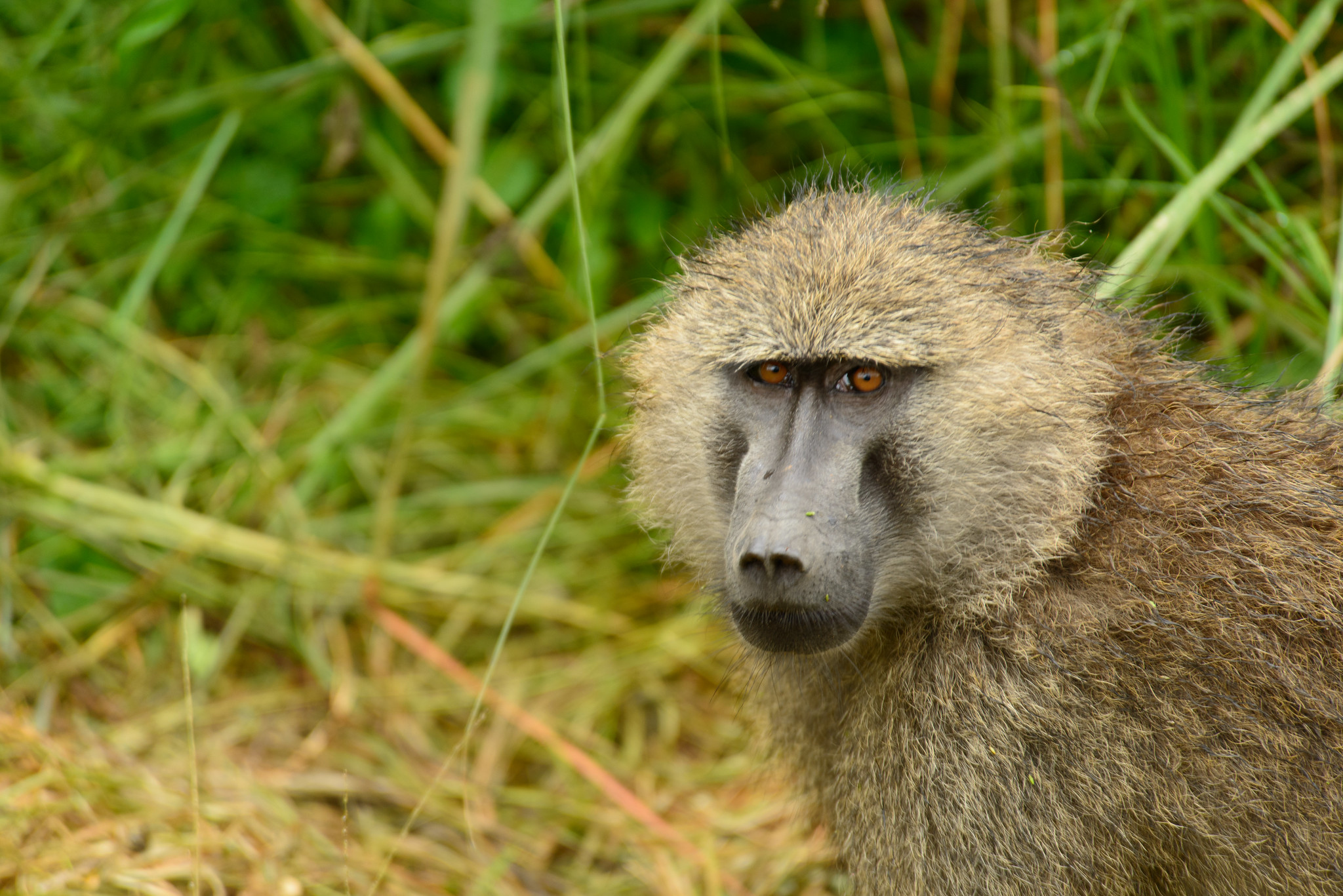
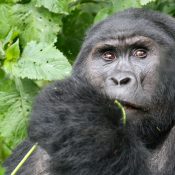
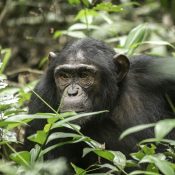
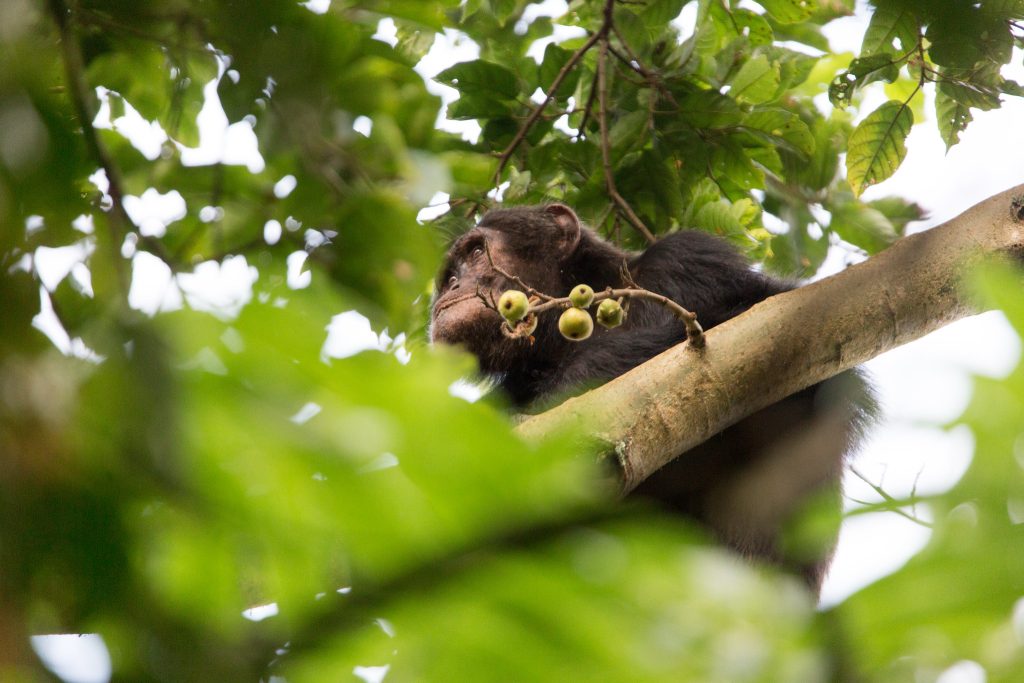
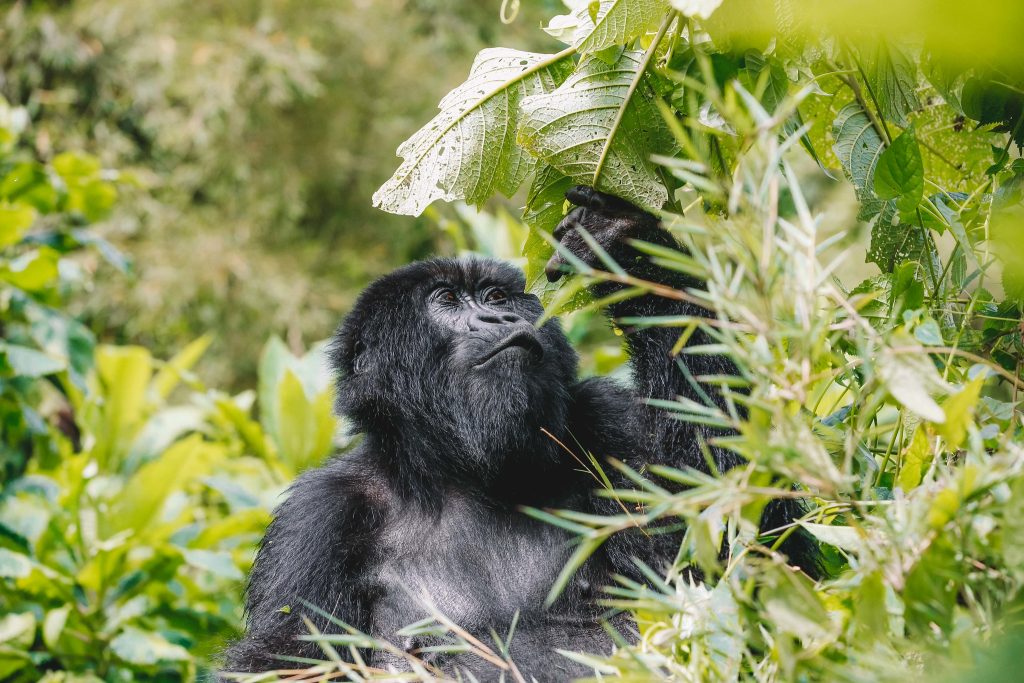
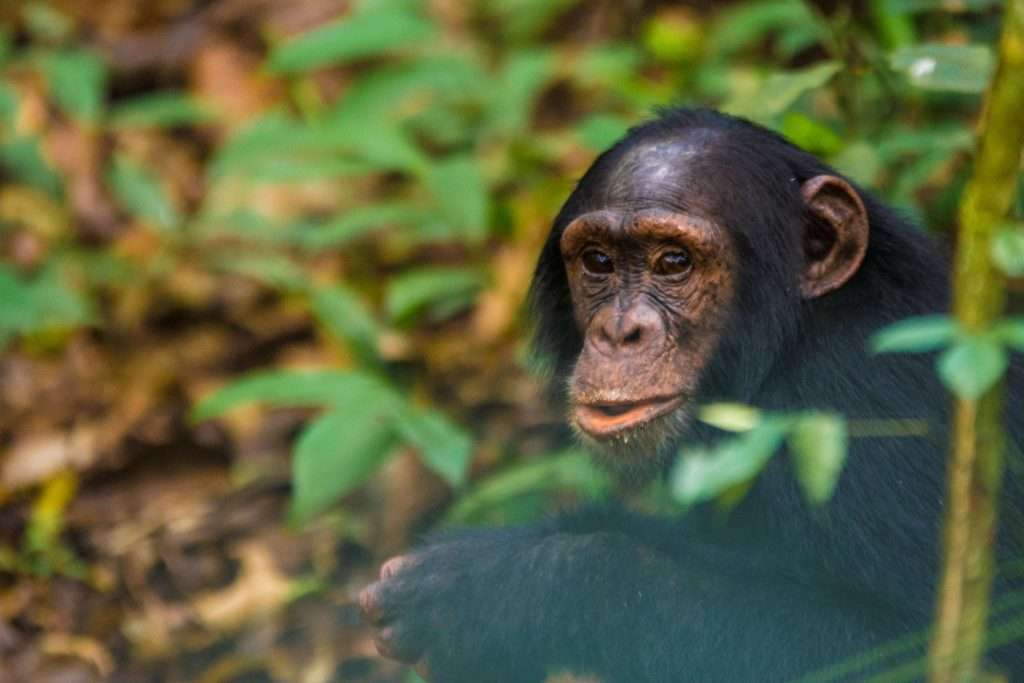
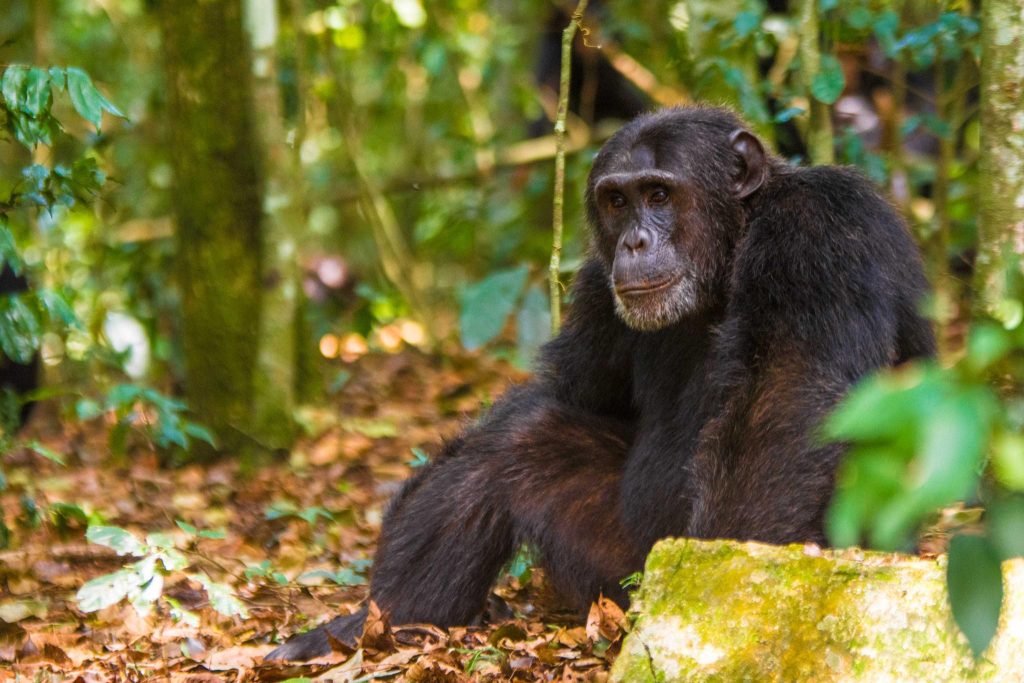
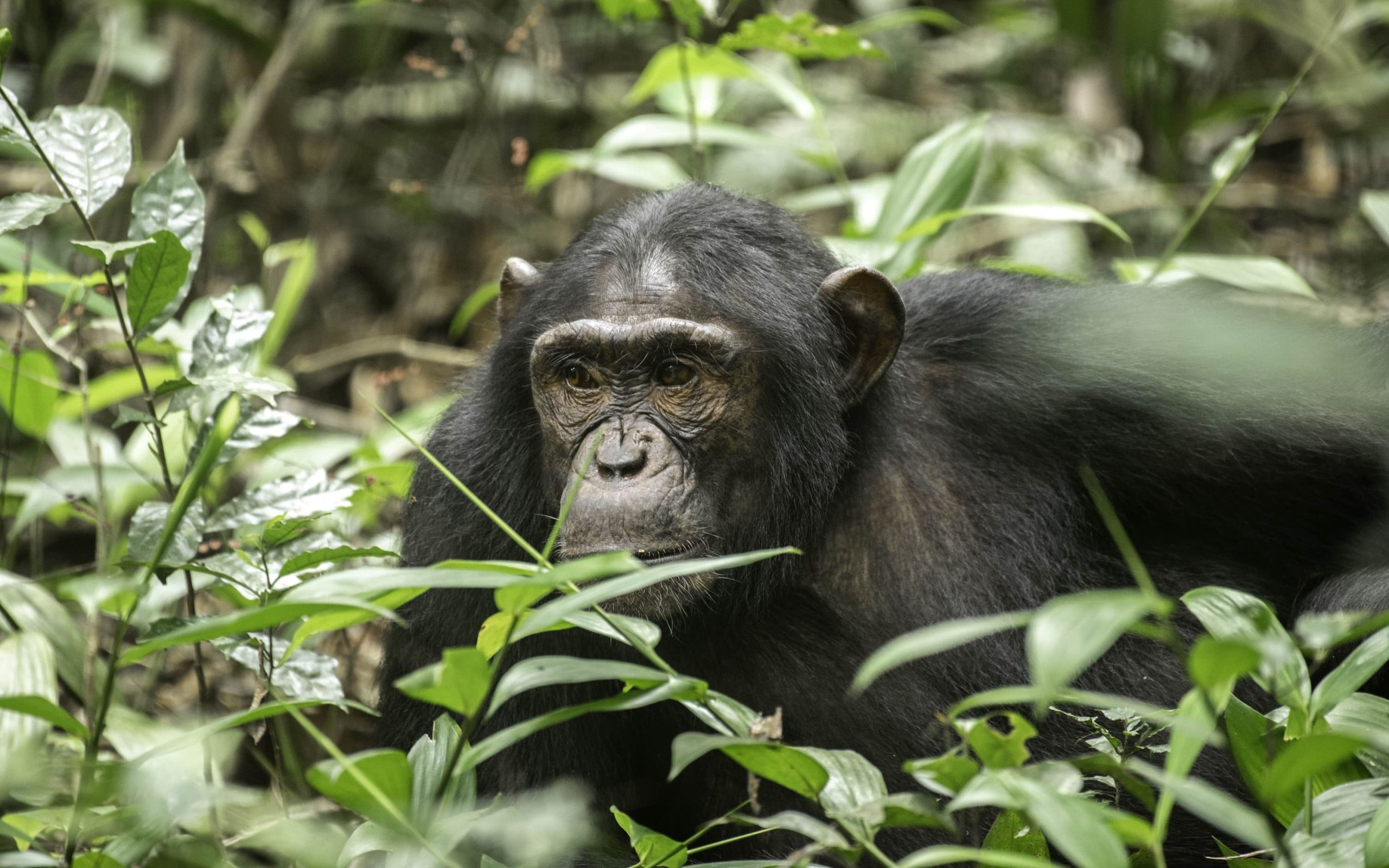
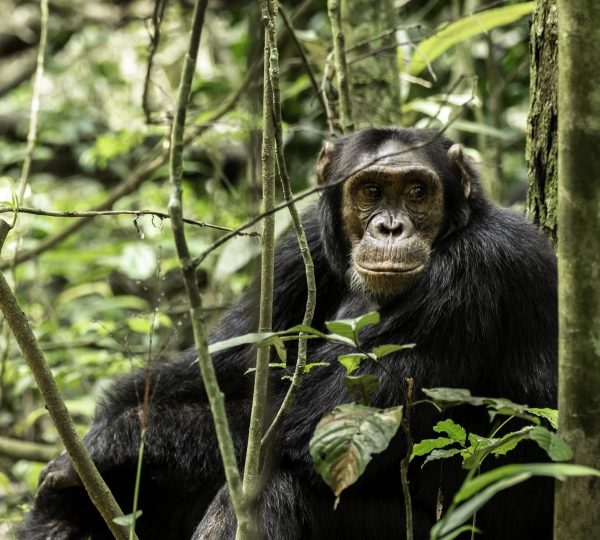
Kibale is renowned for having the highest diversity and concentration of primates in Africa, with 13 species recorded. It hosts a large population of endangered chimpanzees—over 1,500 individuals—as well as the rare L’Hoest’s monkey, Ugandan red colobus, Uganda mangabey, black-and-white colobus, blue monkey, and others. Several chimpanzee communities are habituated for tourism, offering exceptional viewing opportunities.
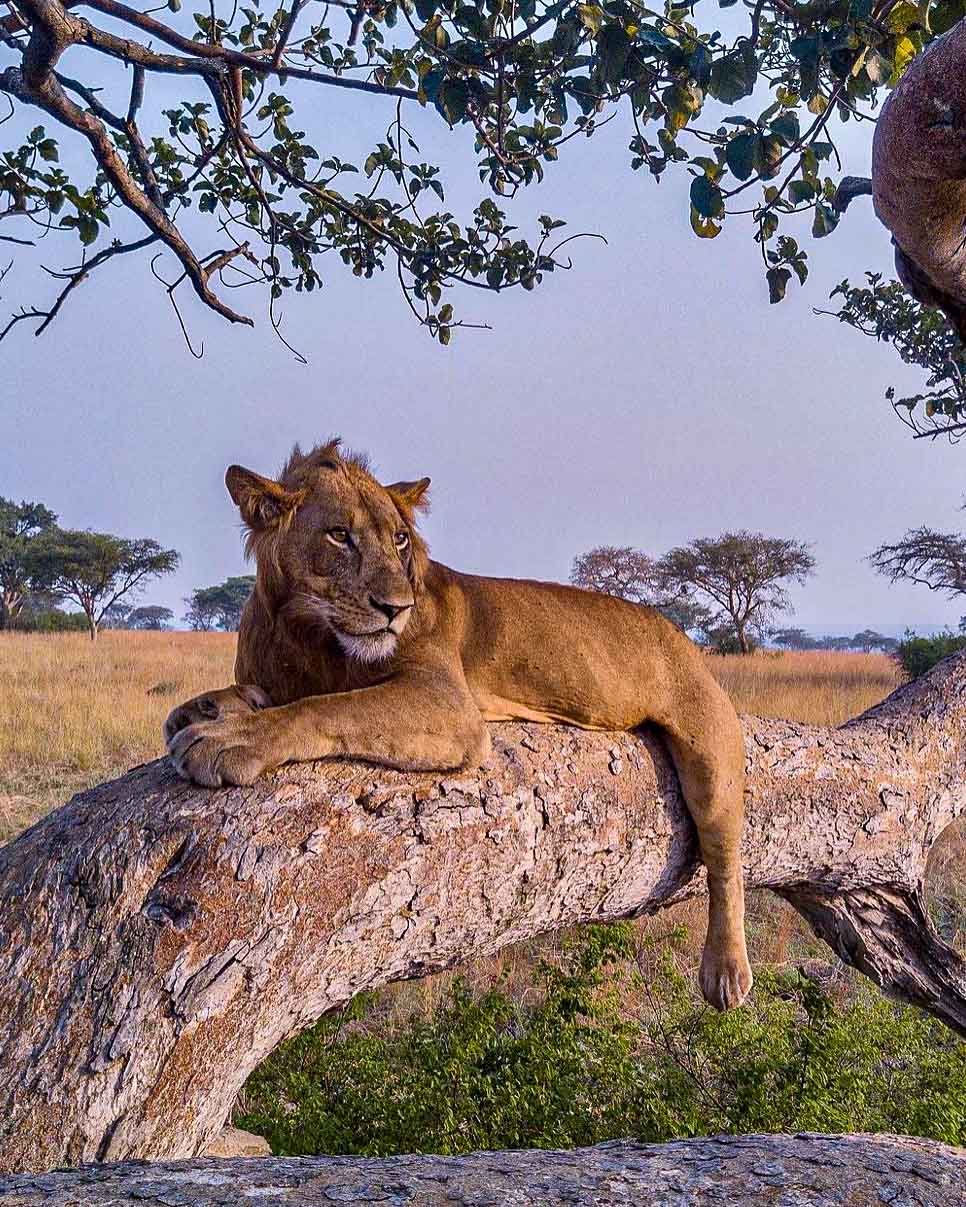
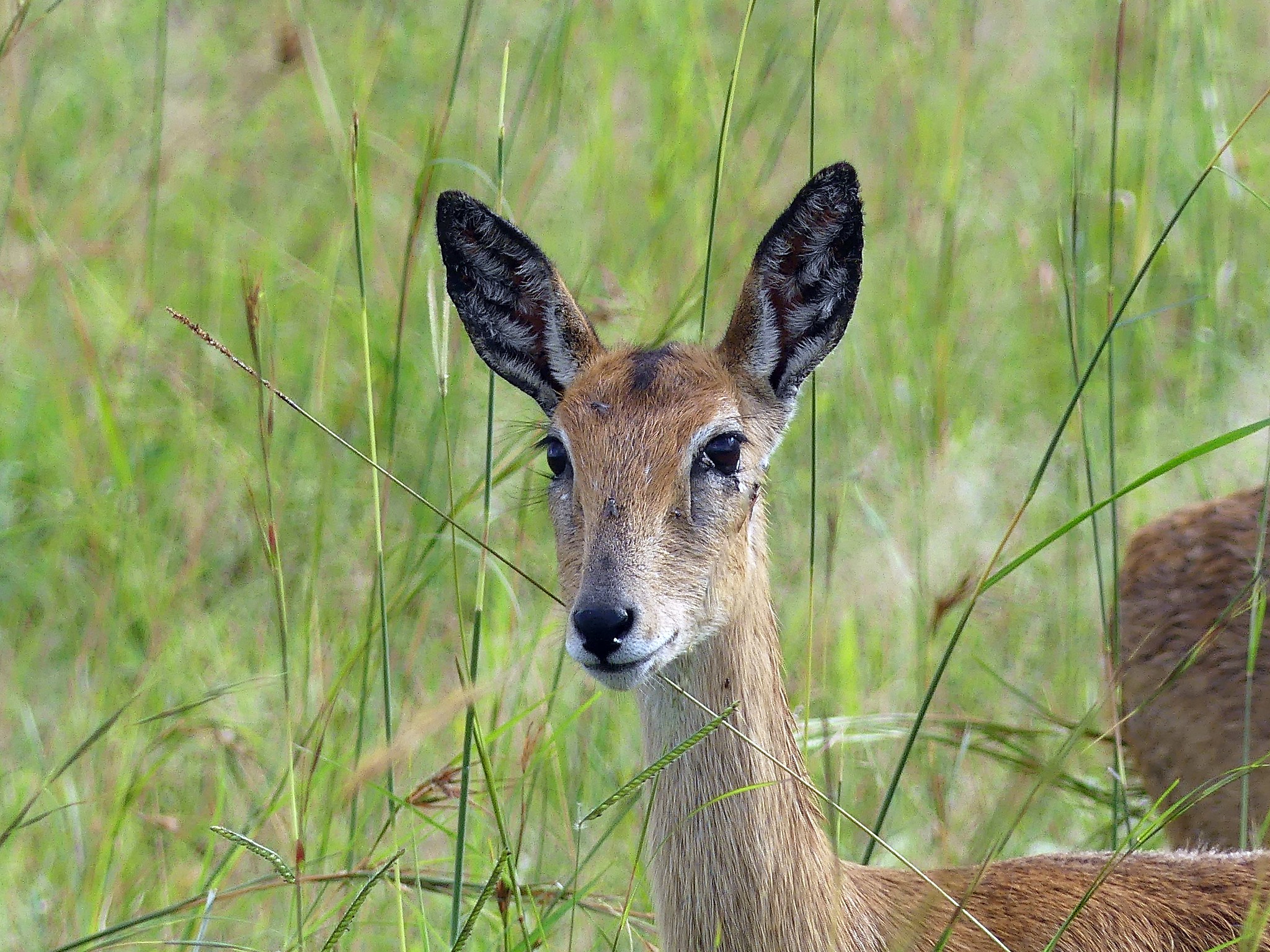
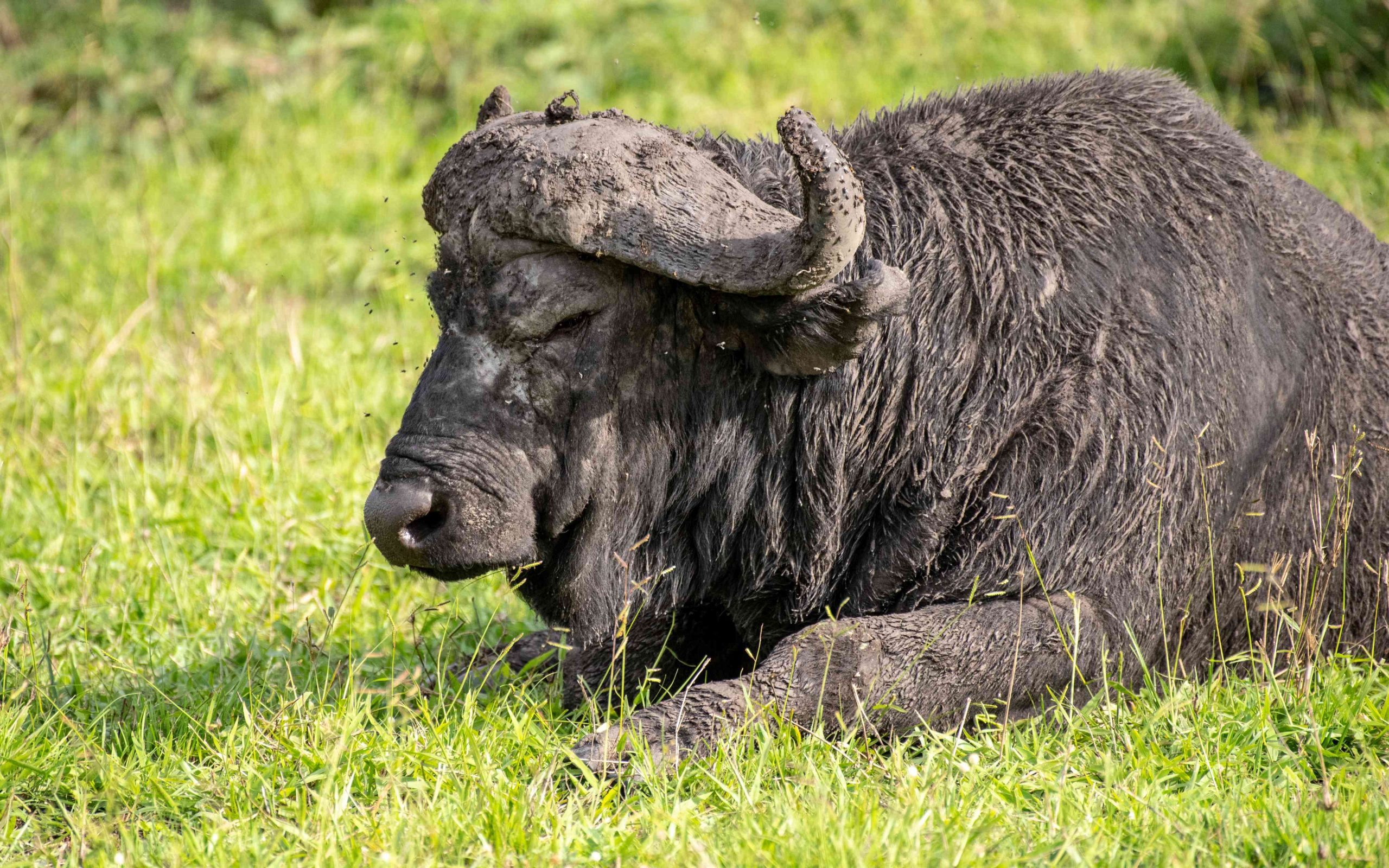
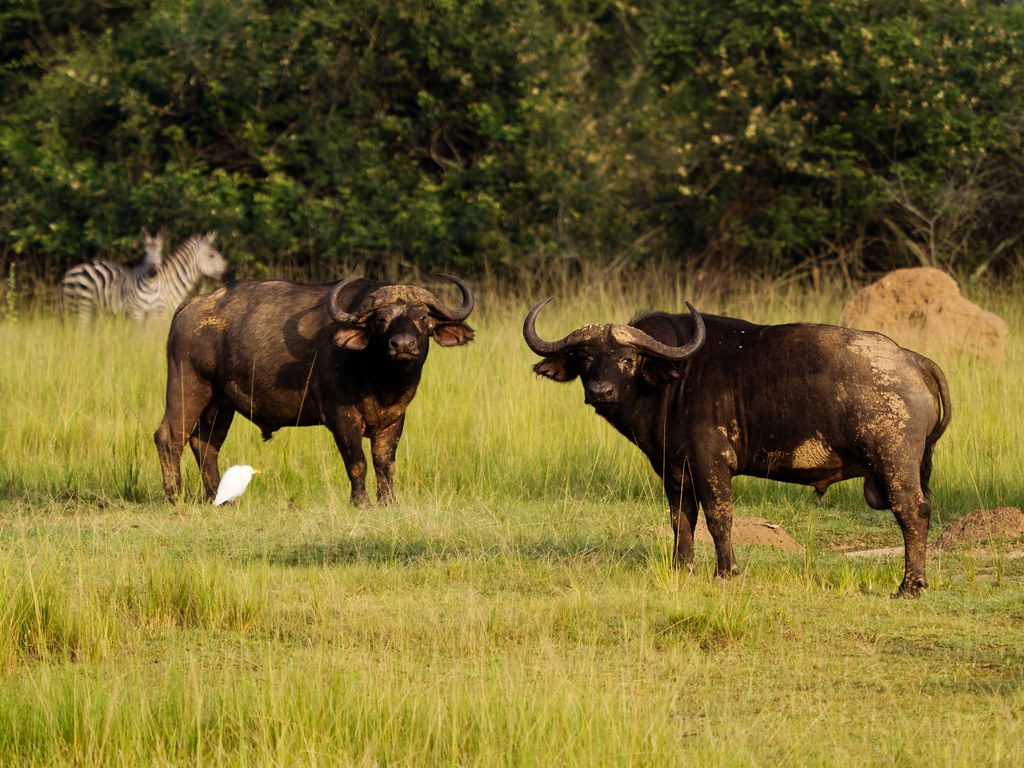
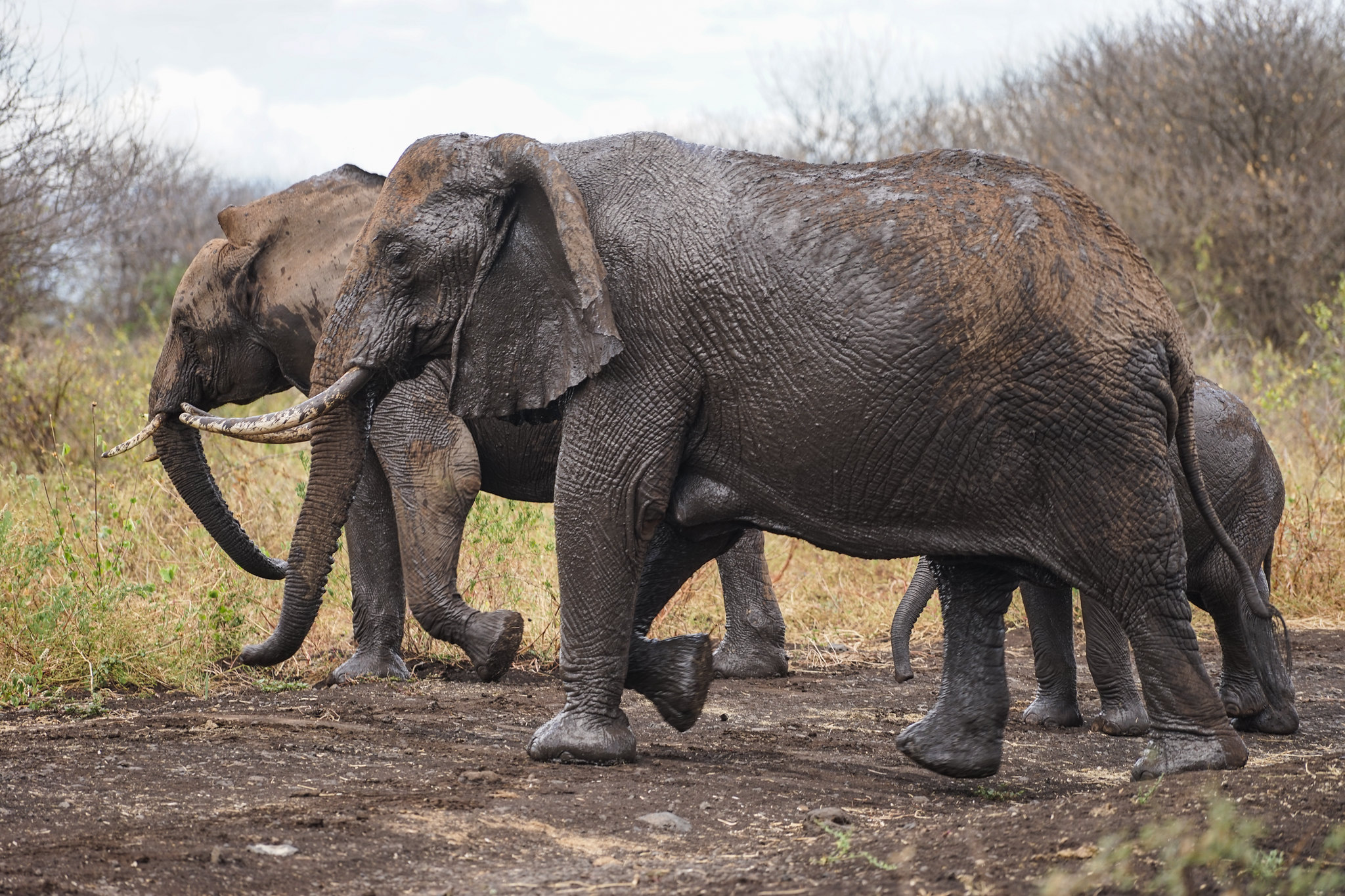
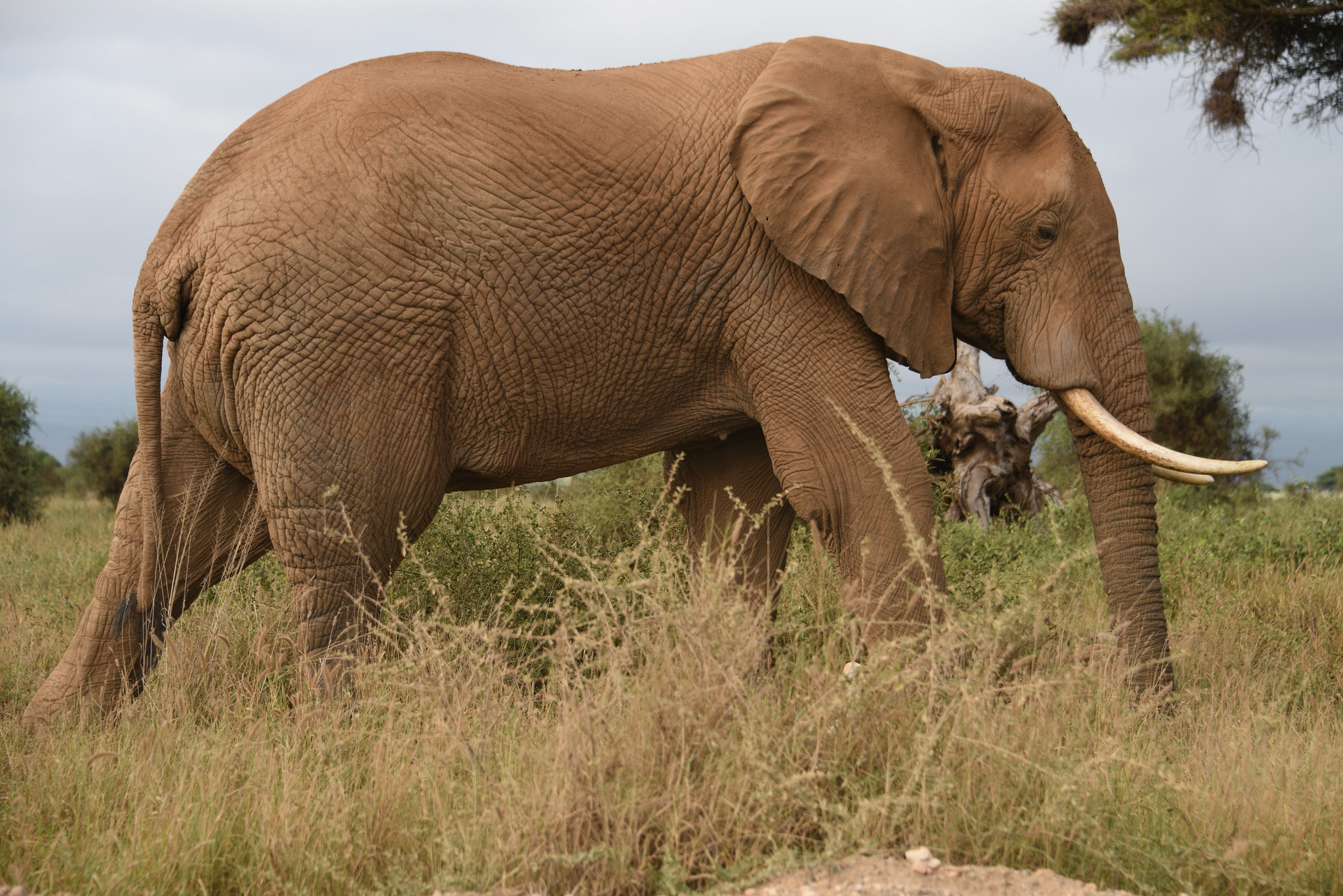
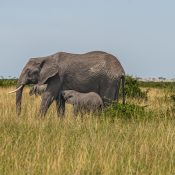
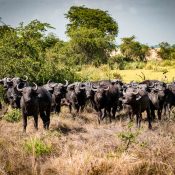
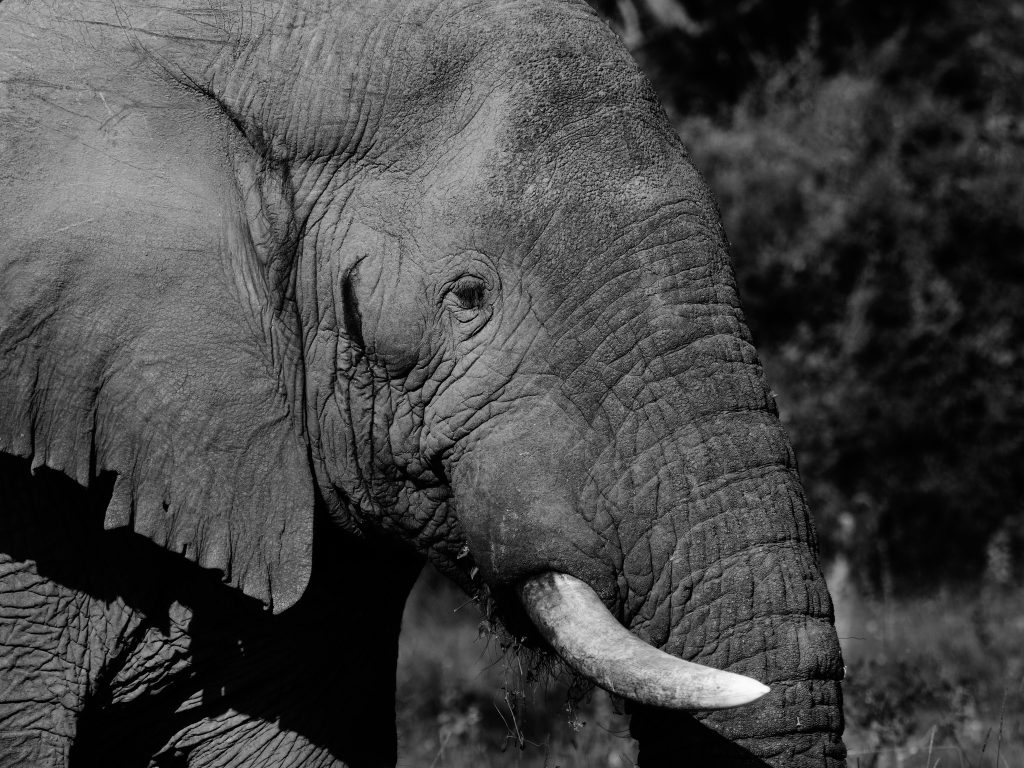
Beyond primates, the park is home to at least 60 other mammal species, including forest elephants (which migrate between Kibale and adjacent Queen Elizabeth National Park), red and blue duikers, bushpigs, warthogs, and buffalo. Four wild felids, such as leopards, also inhabit the area.
Birdlife is equally prolific, with over 325 species sighted, including specialties like the olive long-tailed cuckoo, Western green tinkerbird, African and green-breasted pittas, and the endemic ground thrush (Turdus kibalensis). The park also boasts more than 250 tree species, contributing to its rich biodiversity.
Kibale adjoins Queen Elizabeth National Park to the south, forming a 180-kilometer wildlife corridor that enhances migration and ecological connectivity.
Unmissable Activities
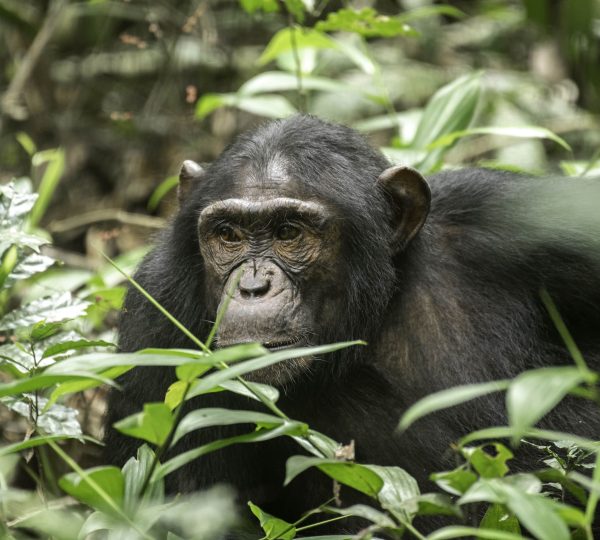
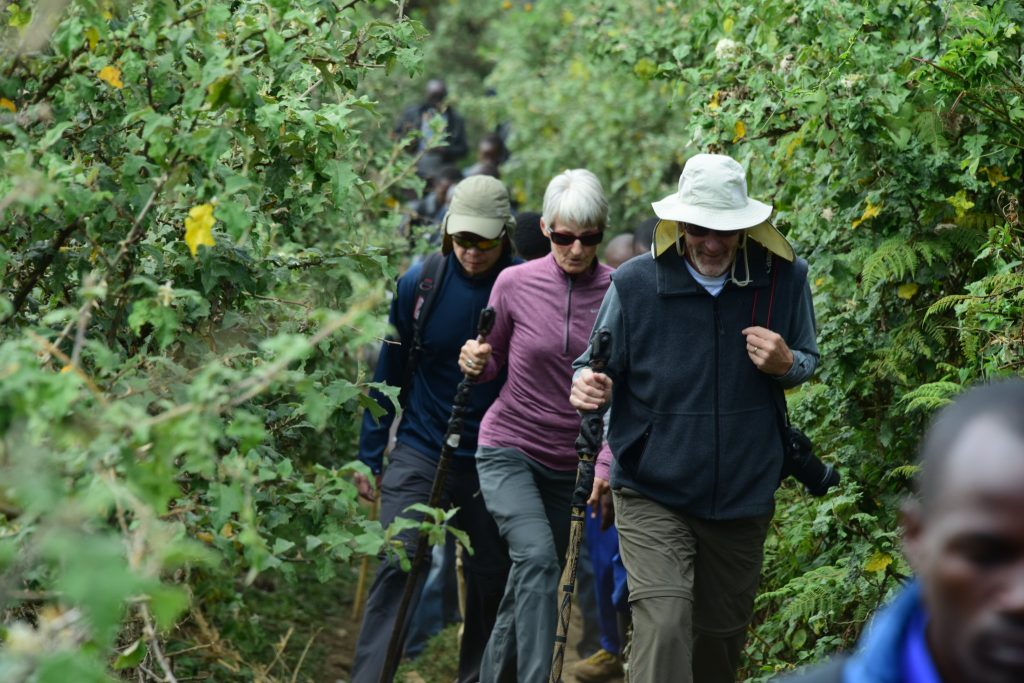
The star attraction is chimpanzee trekking, starting from the Kanyanchu Visitor Centre. Treks depart twice daily (morning and afternoon), lasting 2-5 hours depending on the chimpanzees’ location, with one hour allowed for observation once found. Groups are limited in size for a more intimate experience.
For a deeper immersion, the Chimpanzee Habituation Experience (CHEX) allows visitors to spend a full day with a semi-habituated community, accompanying researchers from dawn to dusk.
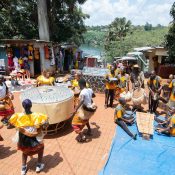
Other highlights include guided nature walks through the forest for spotting additional primates and birds, night walks to encounter nocturnal creatures like pottos and galagos, and visits to the nearby Bigodi Wetland Sanctuary for community-based ecotourism, birdwatching, and cultural encounters with local Batoro and Bakiga communities.
How to Get There
Kibale National Park is accessible year-round, with the main tourism hub at Kanyanchu, about 35 kilometers southeast of Fort Portal town.
By Road:
The drive from Kampala takes 5-6 hours (around 300-350 km). The preferred northern route is via Mubende to Fort Portal (mostly tarmacked), followed by a short drive south to Kanyanchu. An alternative southern route via Mbarara and Kamwenge is longer (7-8 hours) but scenic. Most visitors use a private 4WD vehicle through a tour operator or self-drive. Public buses run daily from Kampala to Fort Portal; from there, hire a taxi or boda-boda (motorcycle) to the park.
By Air:
Scheduled or chartered flights operate from Entebbe International Airport or Kajjansi Airfield to nearby airstrips like Kasese (about 1-2 hours’ drive to the park) or Nyakisharara. Airlines such as Aerolink handle these, with ground transfers arranged.
The dry seasons (December-February and June-September) are ideal for easier trekking on drier trails and better wildlife viewing, though the park is rewarding anytime. Kibale National Park offers an unforgettable journey into Uganda’s primate-rich rainforest, blending adventure, conservation, and natural wonder.