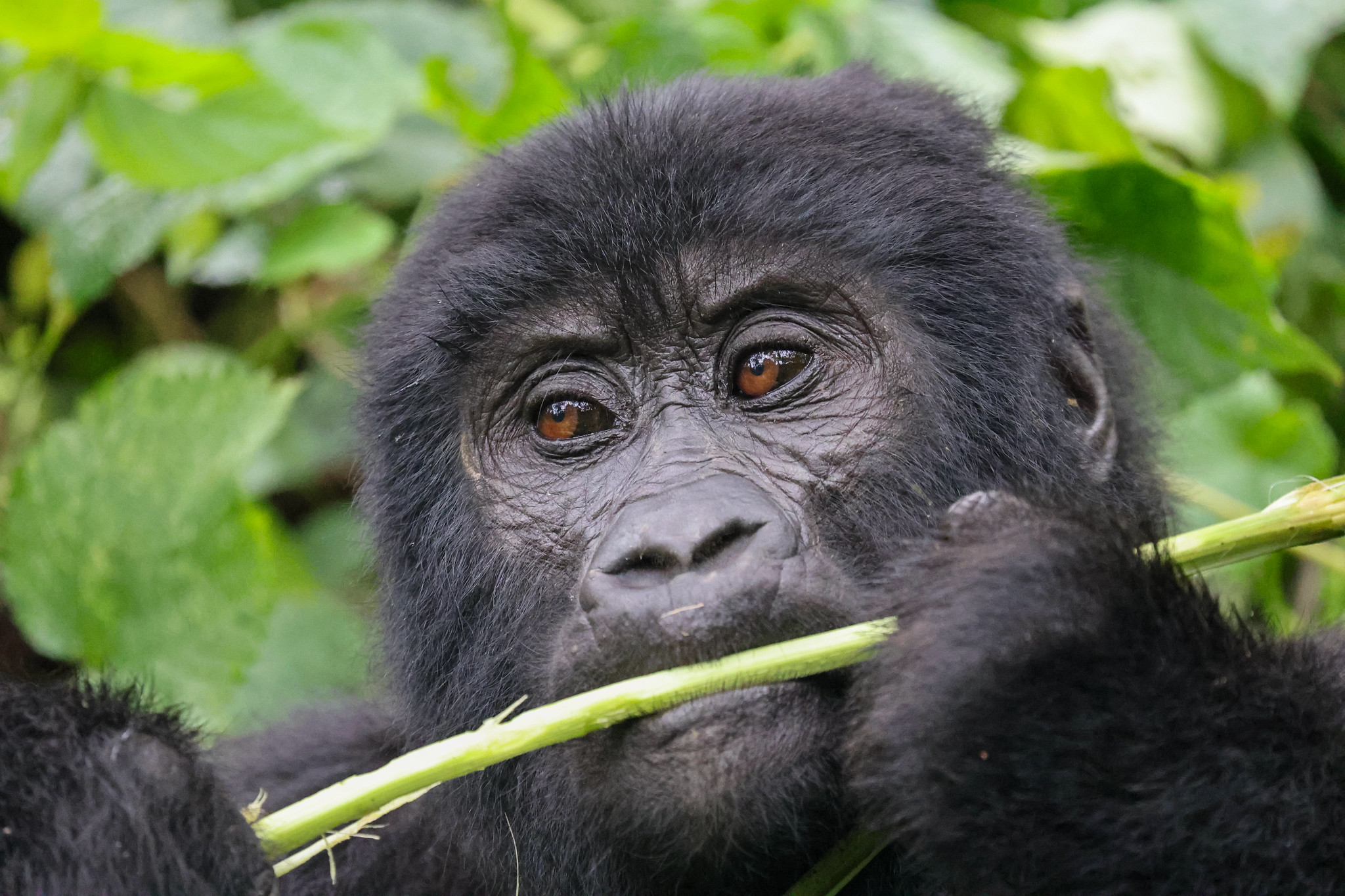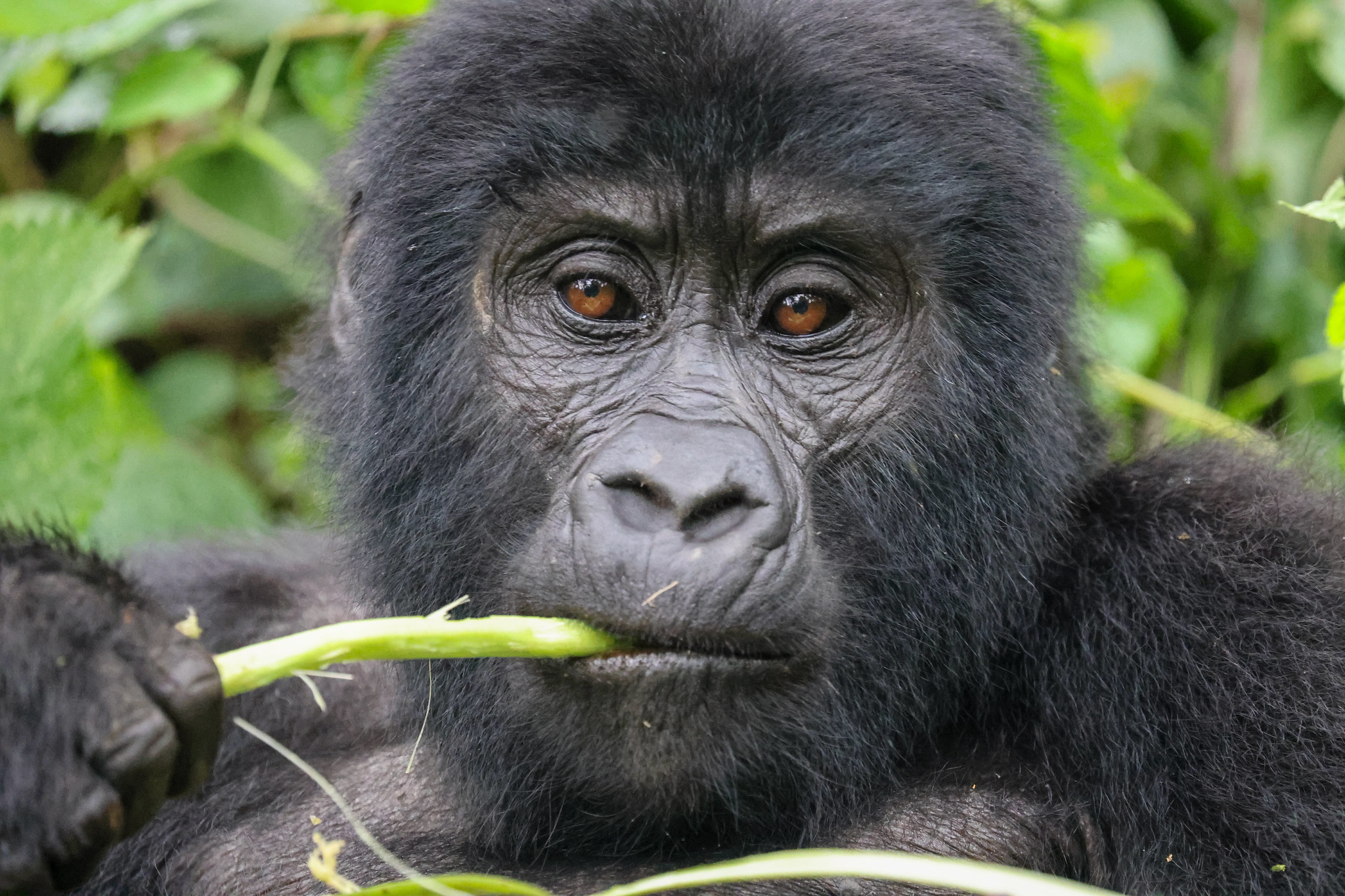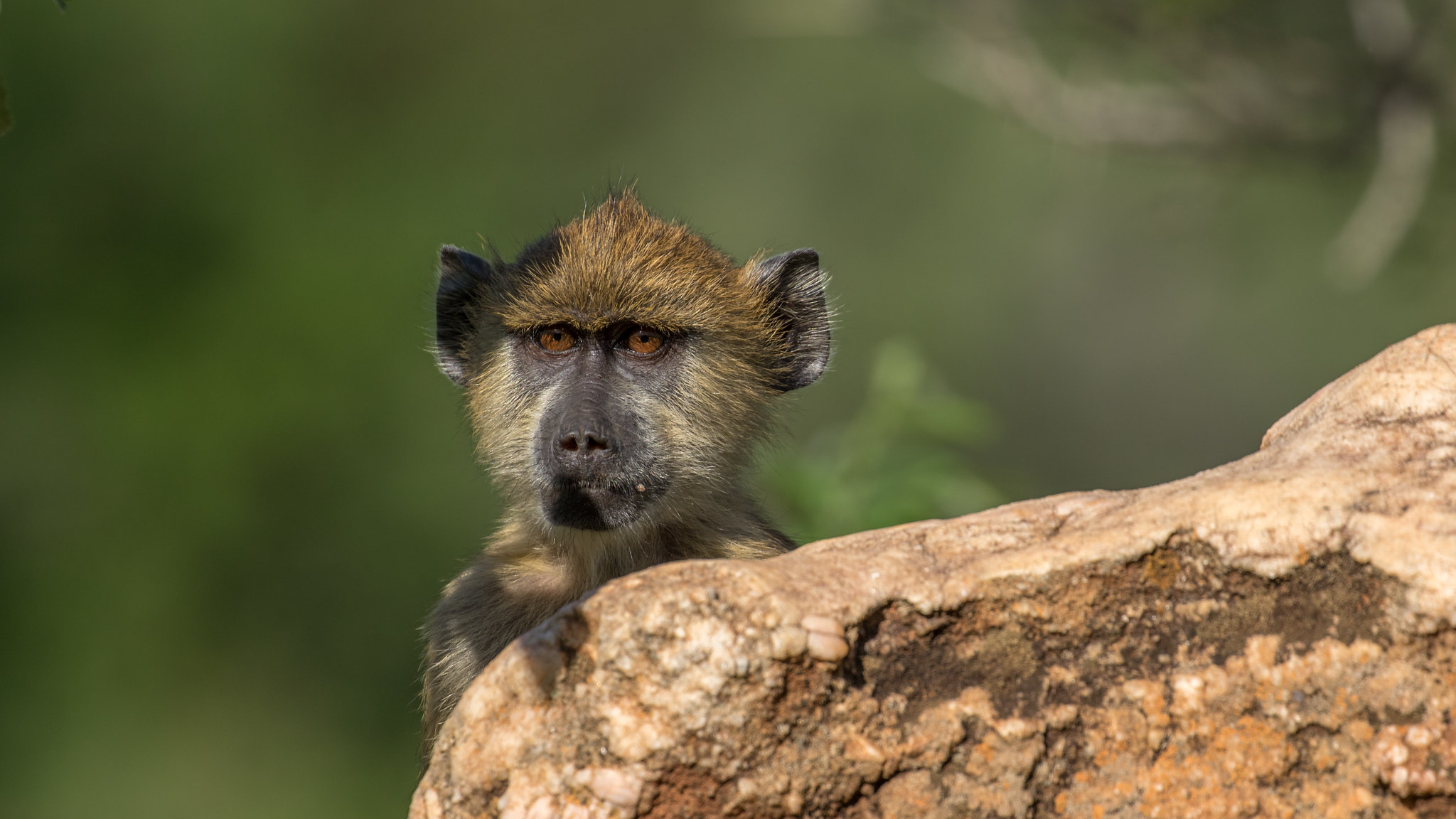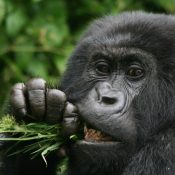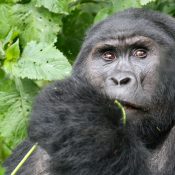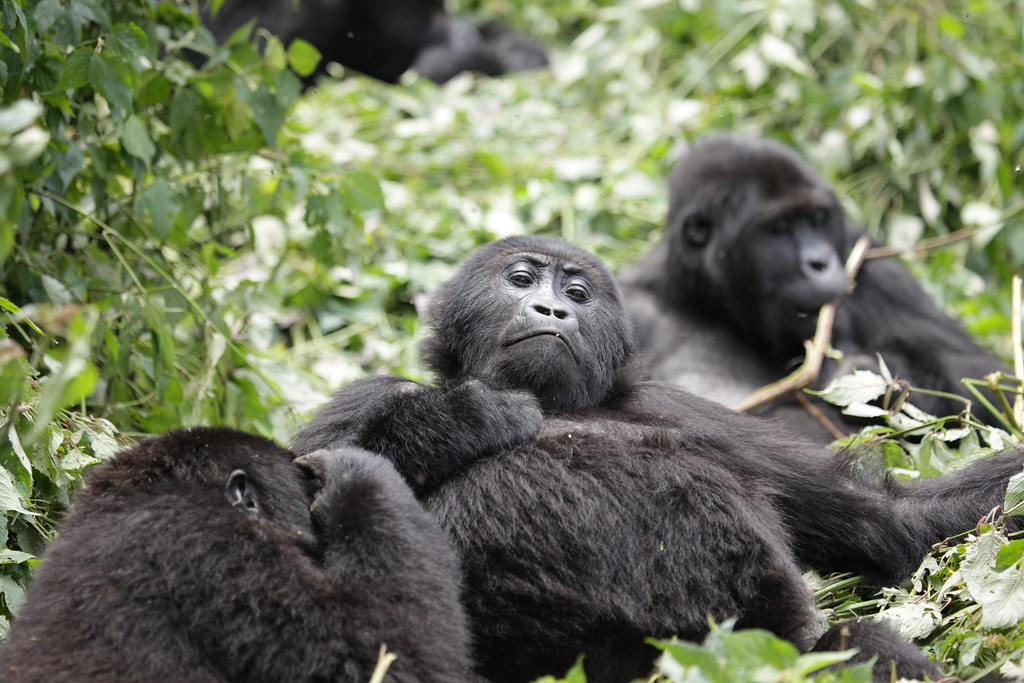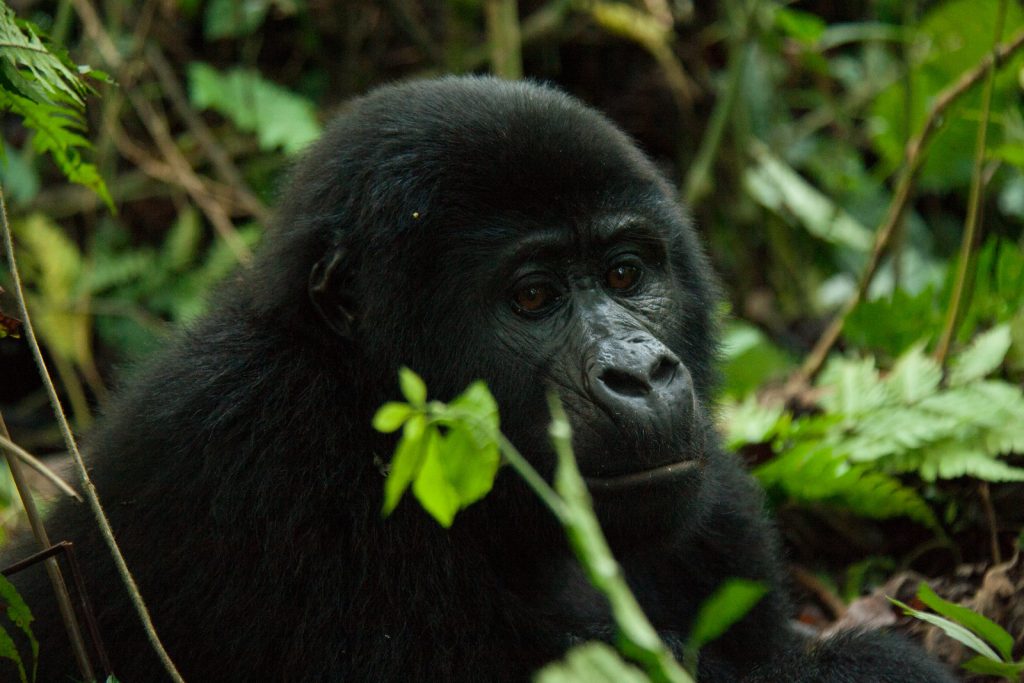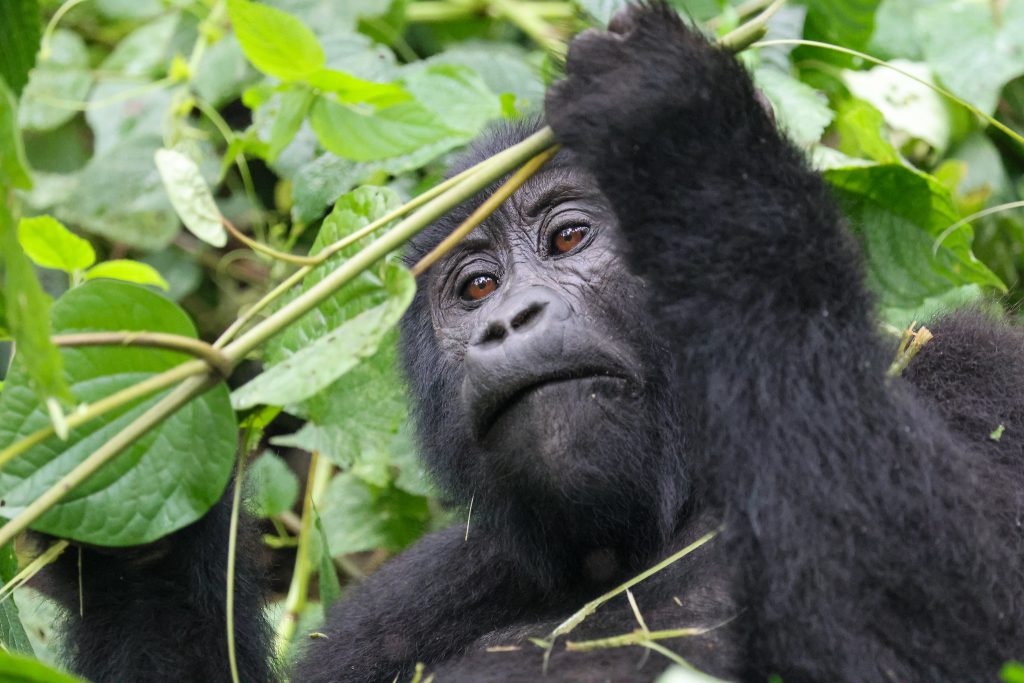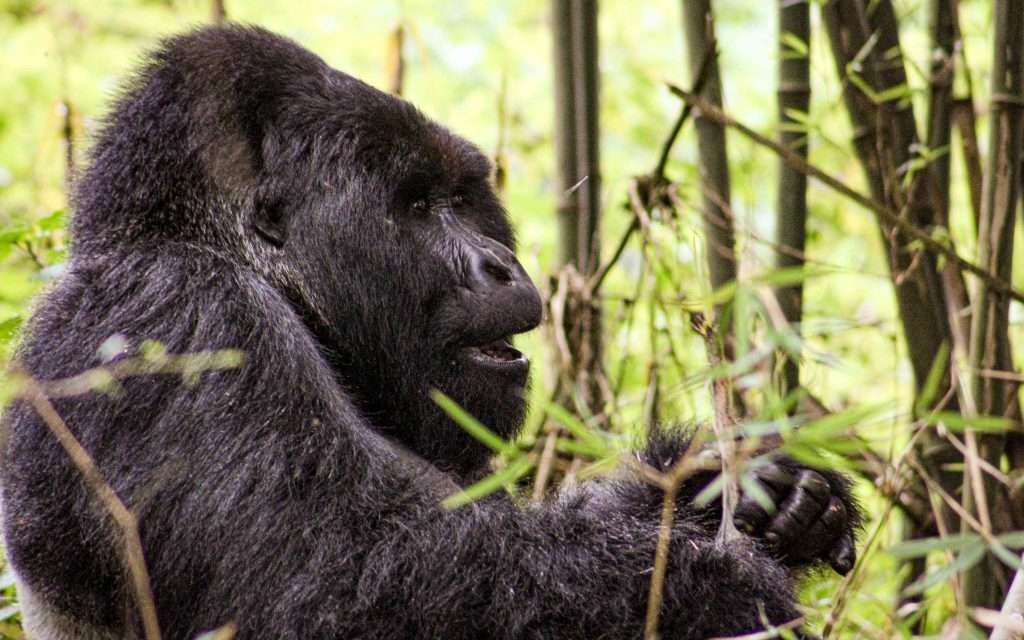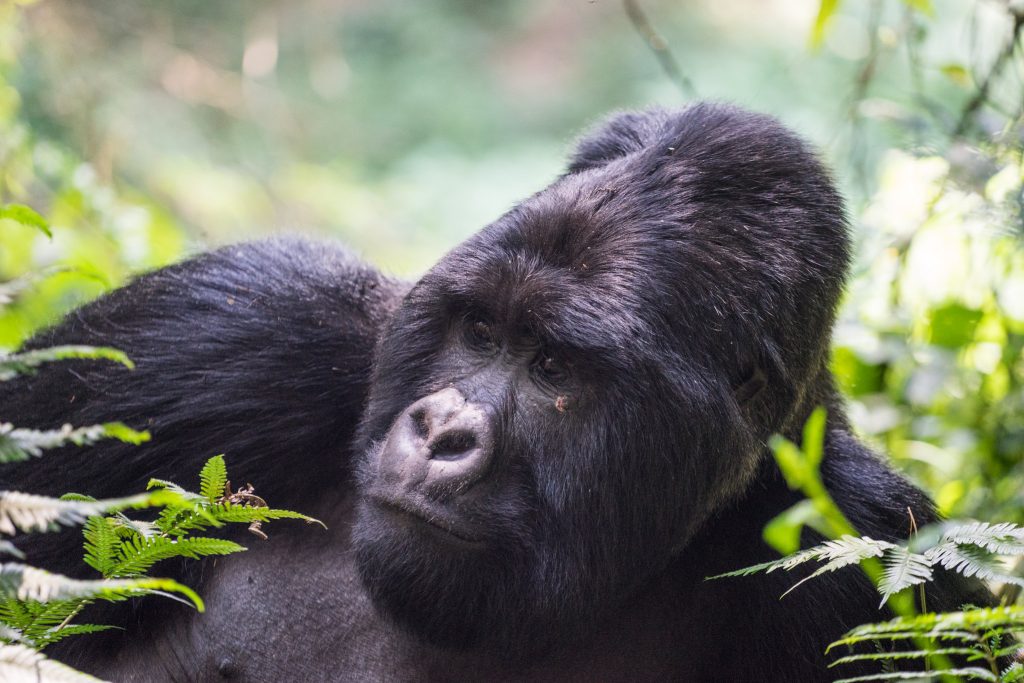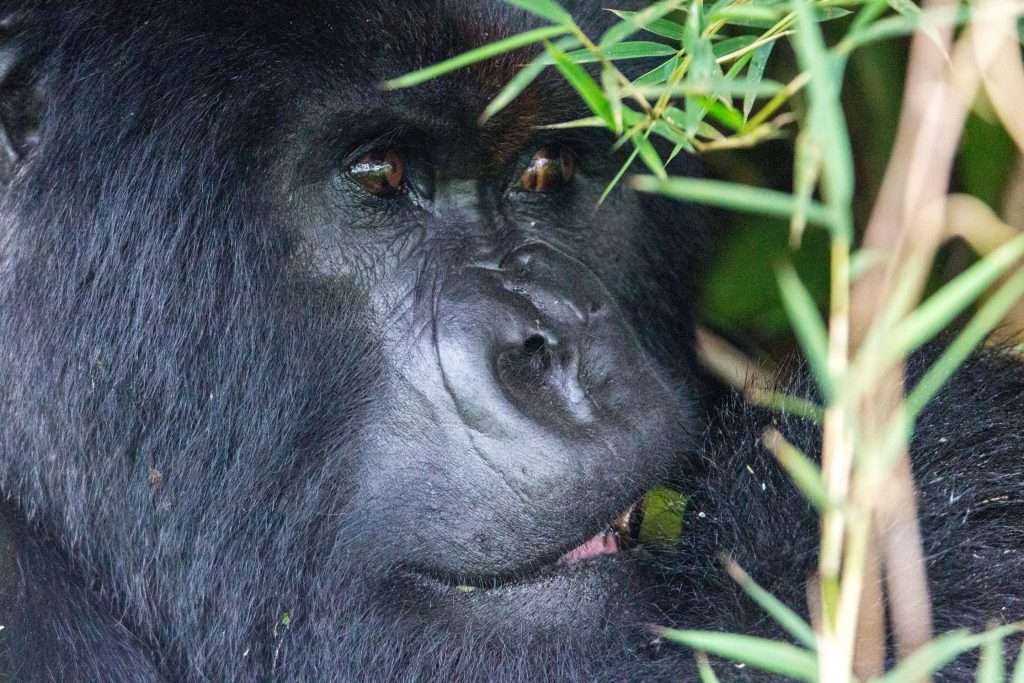
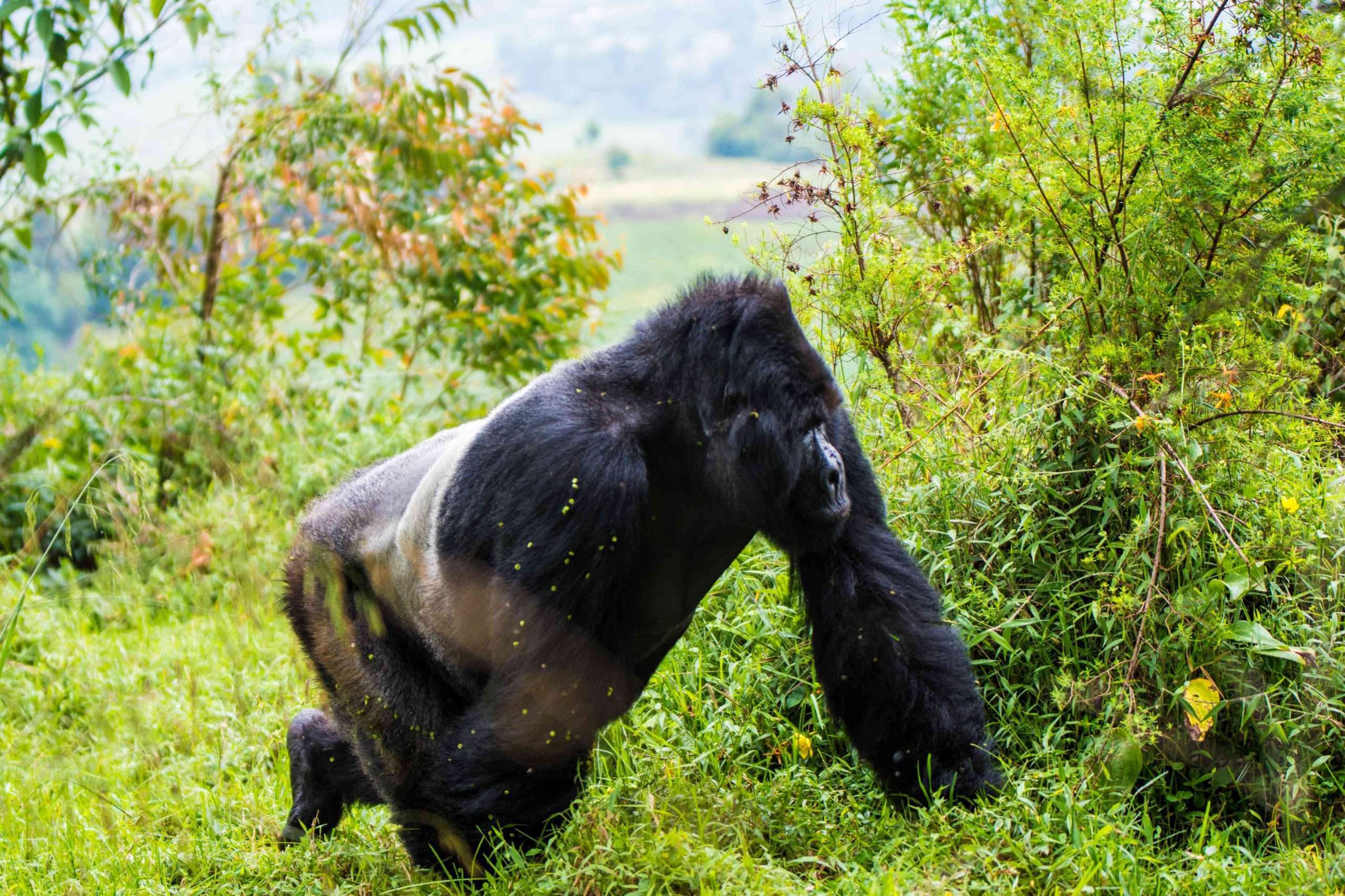
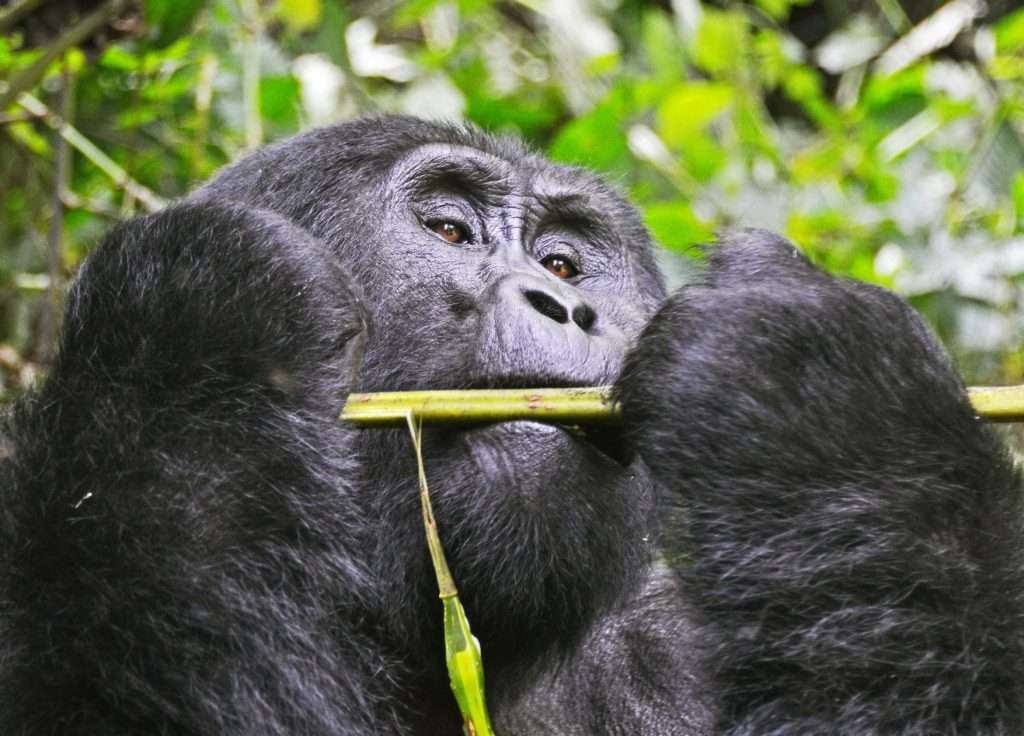
Gorillas, particularly adult male silverbacks, possess extraordinary strength, weighing 300–500 pounds and capable of lifting up to 1,800 pounds—about 10 times their body weight. Their bite force reaches 1,300 PSI, with grip strength estimated at 500–1,000 pounds, enabling them to crush bones or deliver fatal blows in seconds. Built for short, explosive bursts rather than endurance, they rely on intimidation, speed (up to 25 mph in charges), and thick muscle and skin to dominate threats. Individually, a single human—regardless of training—stands no chance bare-handed against such power.
Humans, while physically weaker, bring numbers, endurance, and adaptability. An average adult can punch with 100–400 pounds of force and grip at 100–200 pounds per hand, but excels in prolonged effort and targeting vulnerabilities like eyes, throat, or joints. Success depends on swarming: distracting the gorilla frontally while others attack from behind, piling weight to immobilize it. Each human adds roughly 180 pounds; exceeding the gorilla’s lifting capacity (around 1,800 pounds) requires coordinated piling and choking to exhaust it quickly.
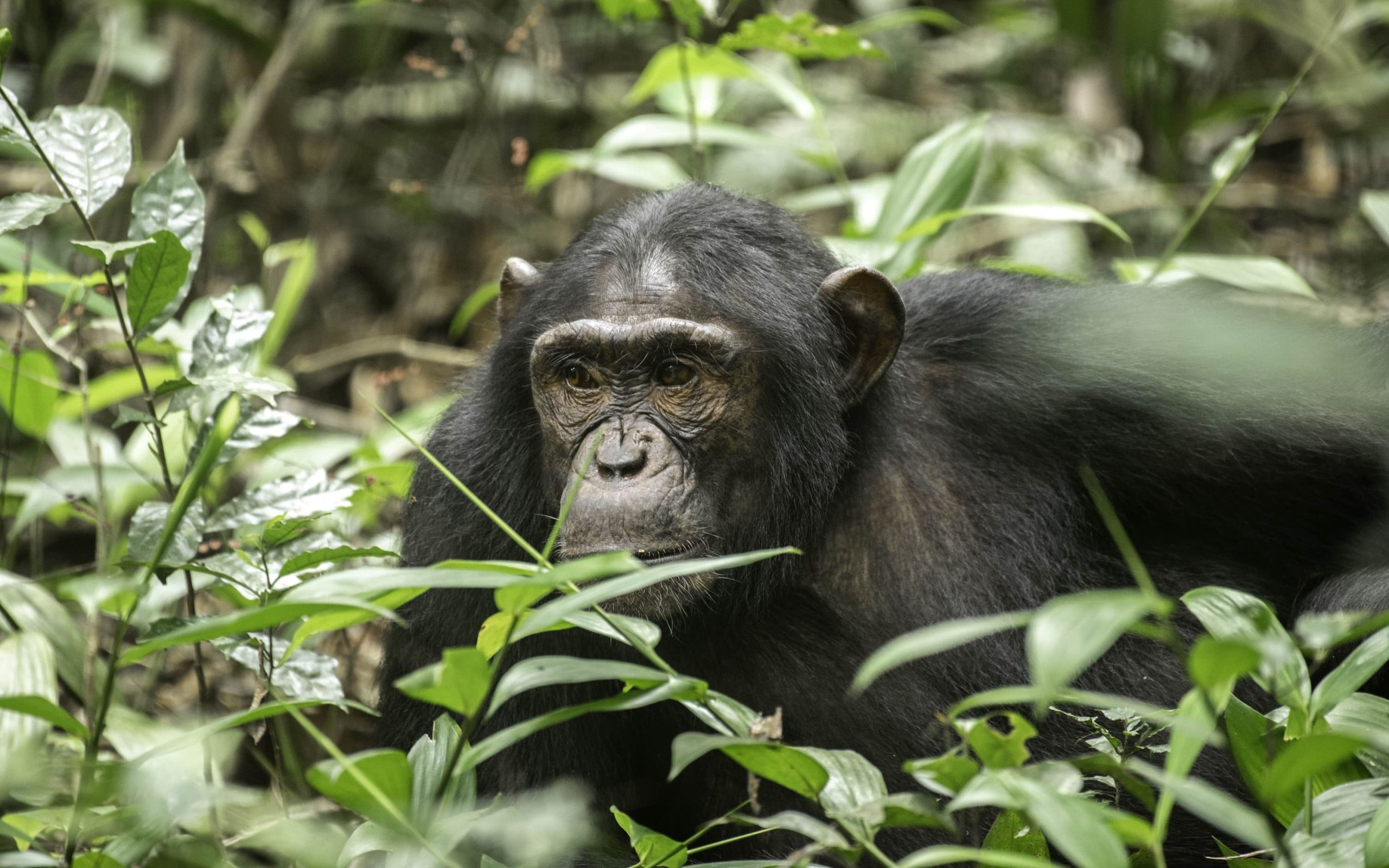
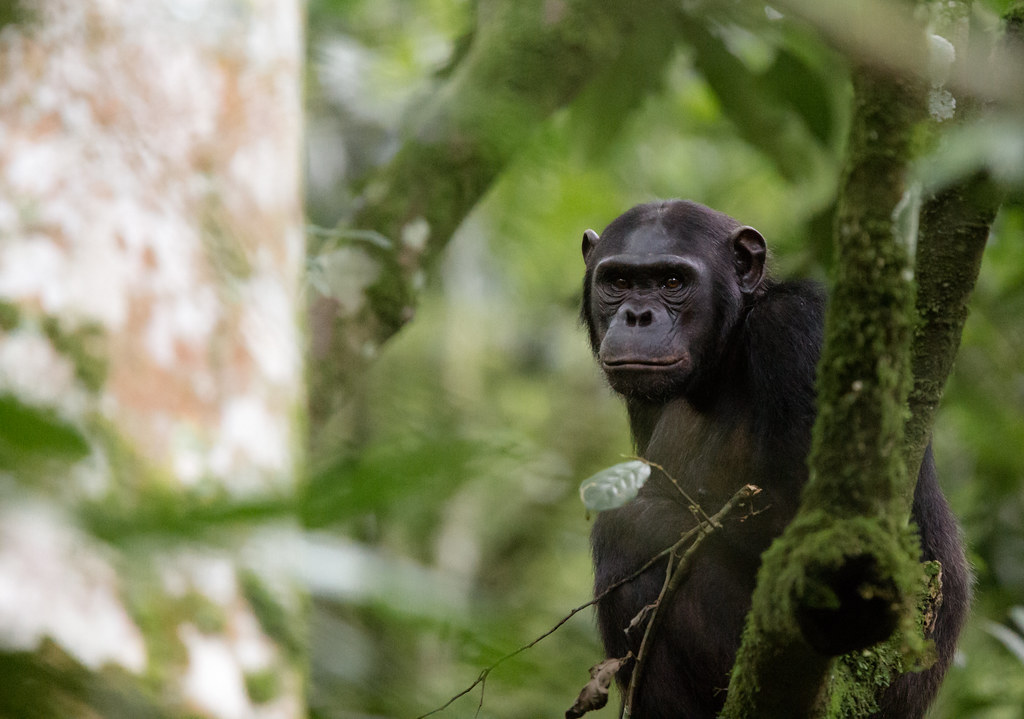
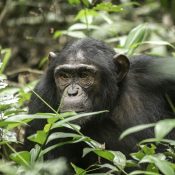
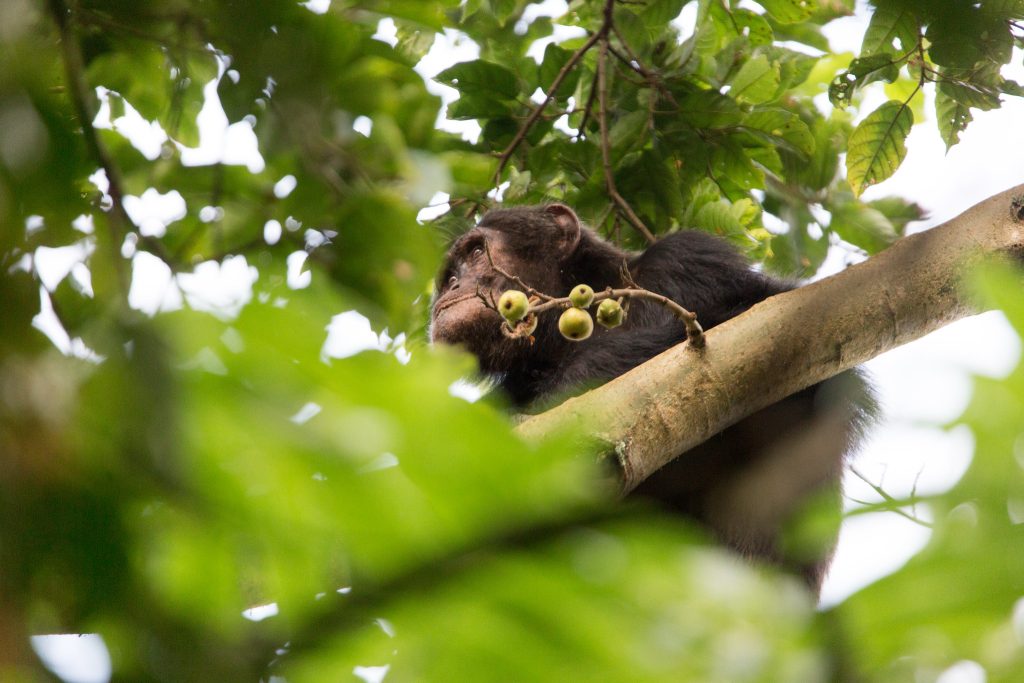
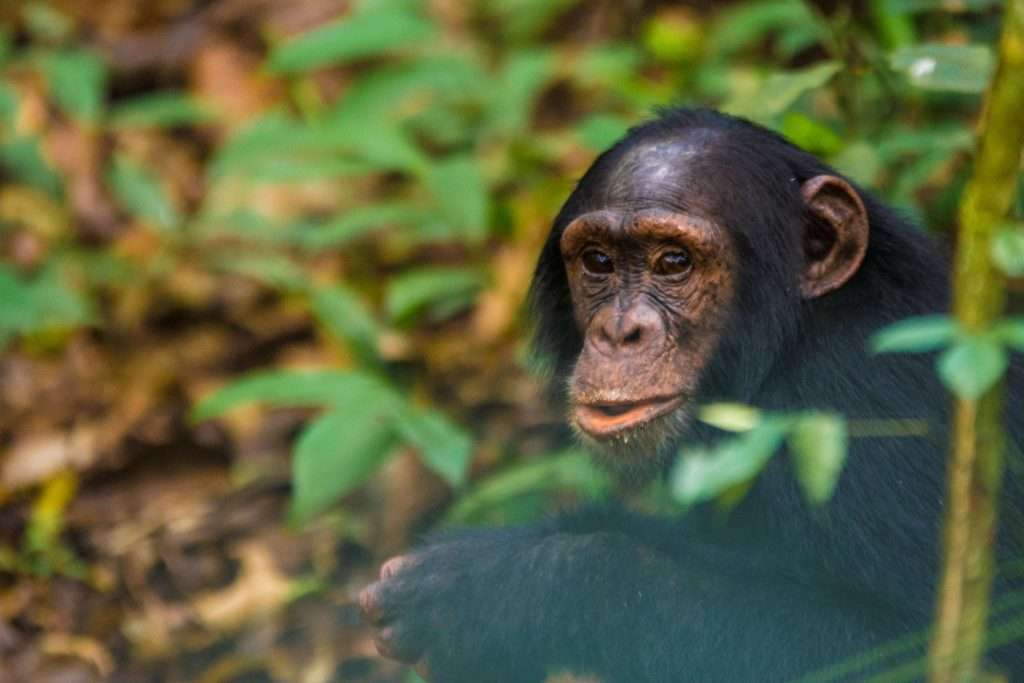
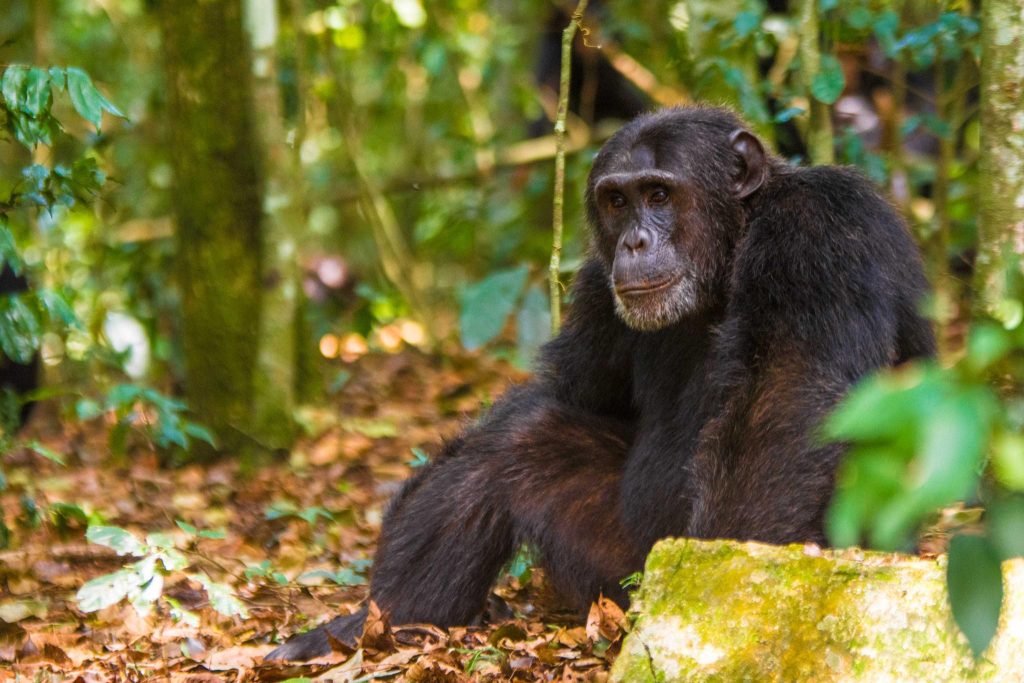
Real-world analogies and expert estimates align on scale. Chimpanzees, half the size of gorillas, require 4–5 humans to subdue bare-handed; scaling up suggests gorillas demand double. Zoo incidents show even 4–6 handlers struggle without tools, and primatologists note silverbacks tire against persistent group attacks. Physics supports this: 8–10 humans pulling together match one gorilla arm’s strength, and 6+ bodies can pin its frame under overwhelming mass.
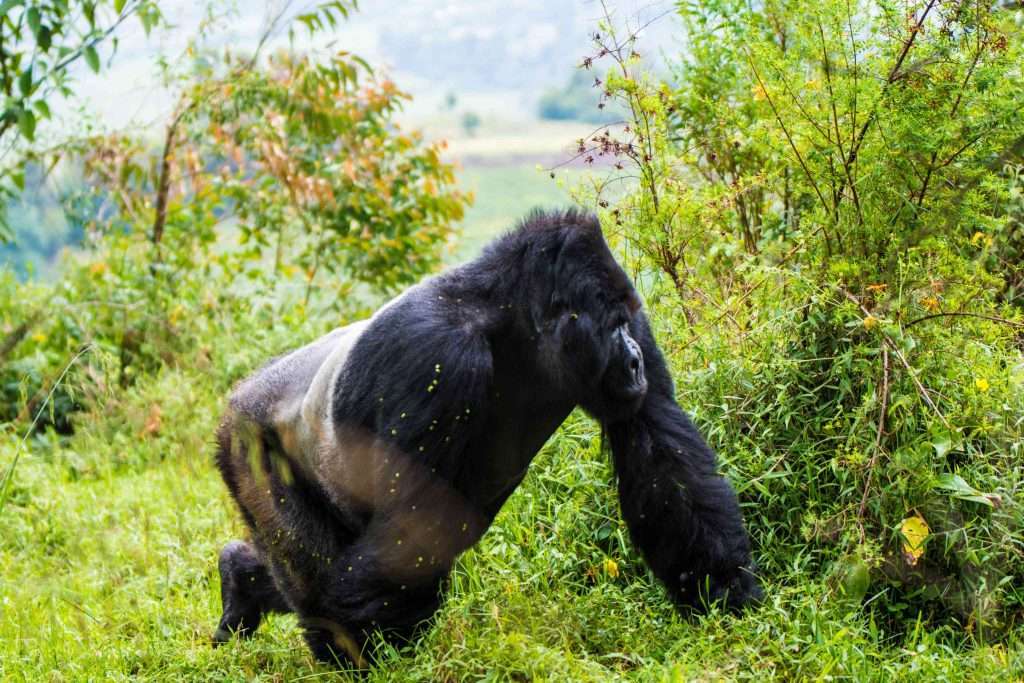
Ultimately, 8 average adult humans represent the reliable threshold to overpower a silverback bare-handed in an open, no-weapons scenario. Five to seven may succeed with luck and bravery, but 8–10 ensure victory—though with likely 1–3 severe casualties. Variables like training, terrain, or gorilla age shift the odds, but cooperation and endurance remain humanity’s edge. This highlights a core evolutionary truth: gorillas rule through raw power, humans through collective strategy. Respect wildlife—never test this in reality.