Many travelers dream about standing face to face with a mountain gorilla, yet hesitate at the final step. The question lingers quietly in their minds: How difficult is gorilla trekking in Rwanda? Is it too steep, too expensive, too physically demanding?
The truth is both reassuring and realistic. Gorilla trekking in Rwanda can be physically challenging but it is rarely impossible. And for most travelers, the emotional reward far outweighs the temporary strain of the climb.
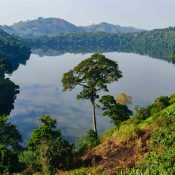
The experience takes place in the mist-covered slopes of Volcanoes National Park, a dramatic landscape of ancient volcanic peaks rising above bamboo forests and thick montane jungle. It is here that Rwanda protects its mountain gorilla families, guiding visitors carefully into their world for one unforgettable hour.
The Terrain: Steep but Achievable
When you arrive in the early morning at Kinigi for your briefing, the air feels cool and fresh. Rangers divide trekkers into small groups and assign each one a specific gorilla family. Some groups are closer; others roam higher up the slopes.
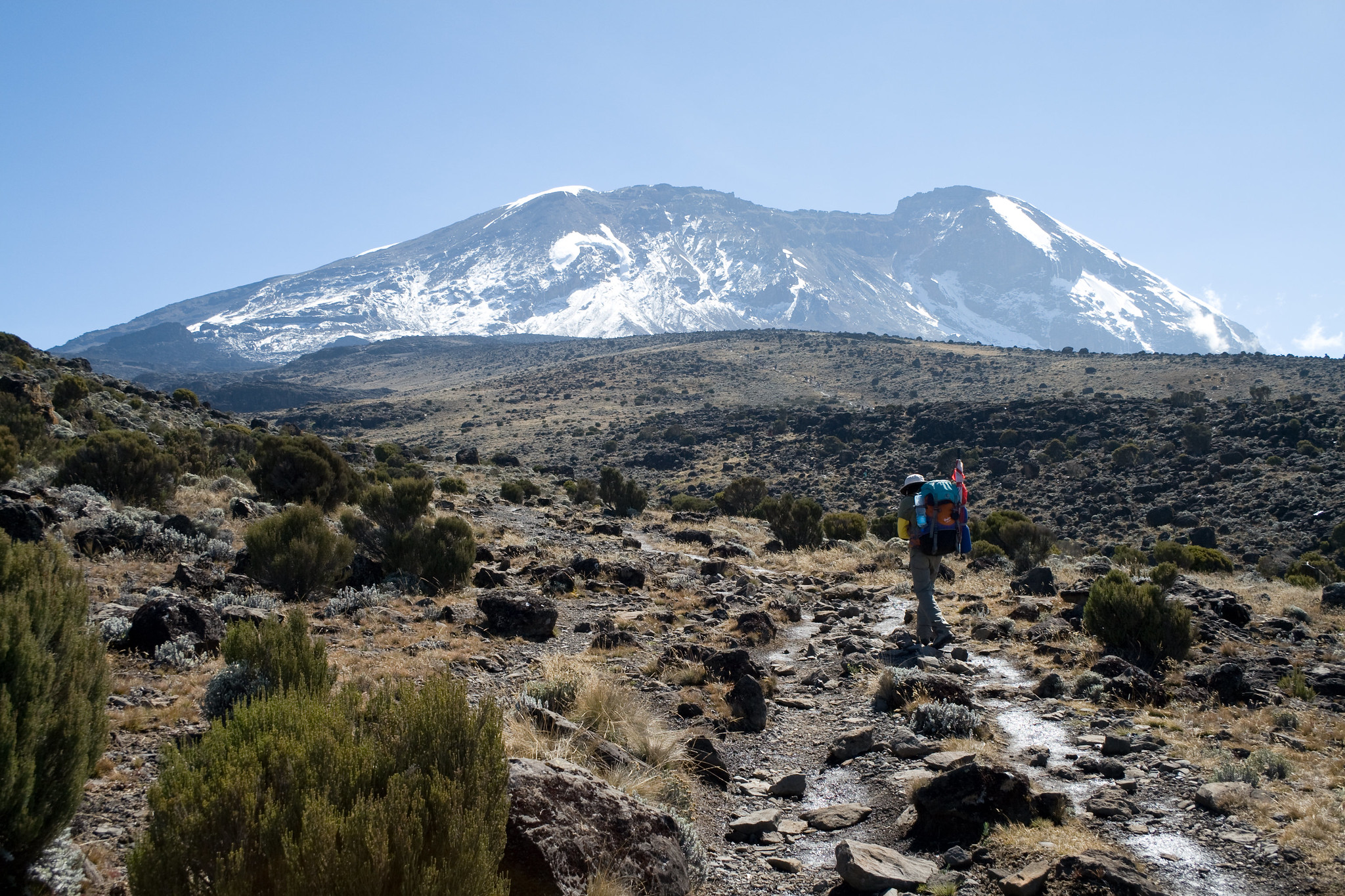
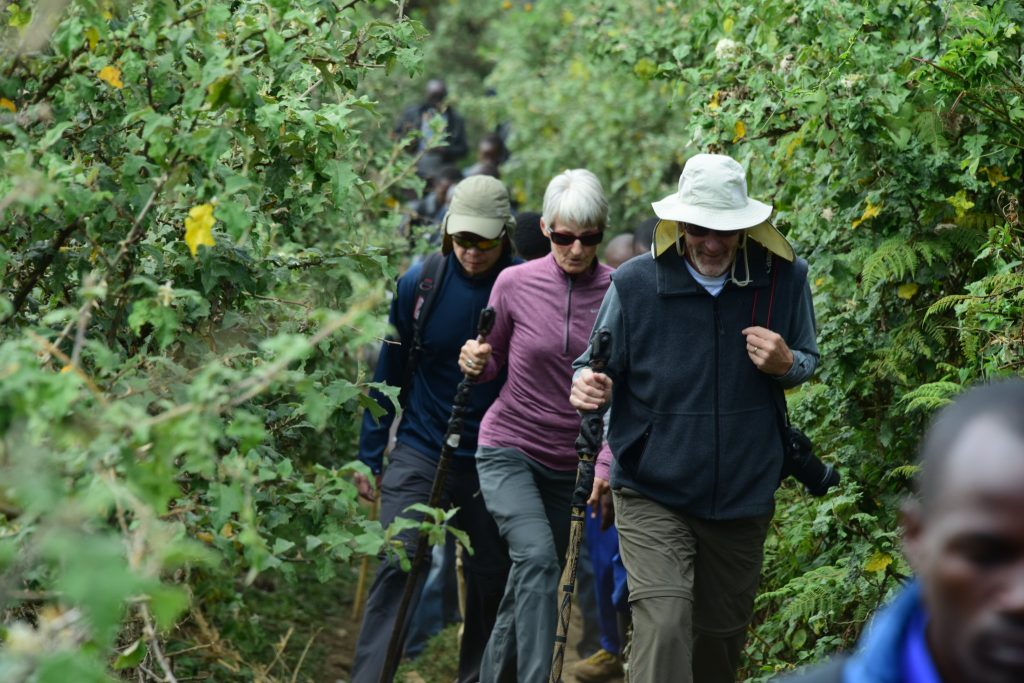
The trek itself can last anywhere between two and five hours, depending on where the gorillas nested the previous night. The terrain is not flat it is volcanic. You may climb through dense vegetation, step over roots, and navigate muddy patches, especially during the rainy season.
Yet this is not a race. The pace is steady and guided. Rangers stop frequently to allow trekkers to catch their breath. Porters, available for hire, not only carry bags but also offer a steady hand during steeper sections. Many visitors who once doubted their fitness find themselves surprised by what they are capable of accomplishing.
The Cost: A Perceived Difficulty
One of the most discussed challenges of trekking in Rwanda is the permit cost. At $1,500 per person, Rwanda’s permit is higher than neighboring destinations. But this fee directly supports conservation, anti-poaching patrols, veterinary care, and local communities who live alongside the gorillas.
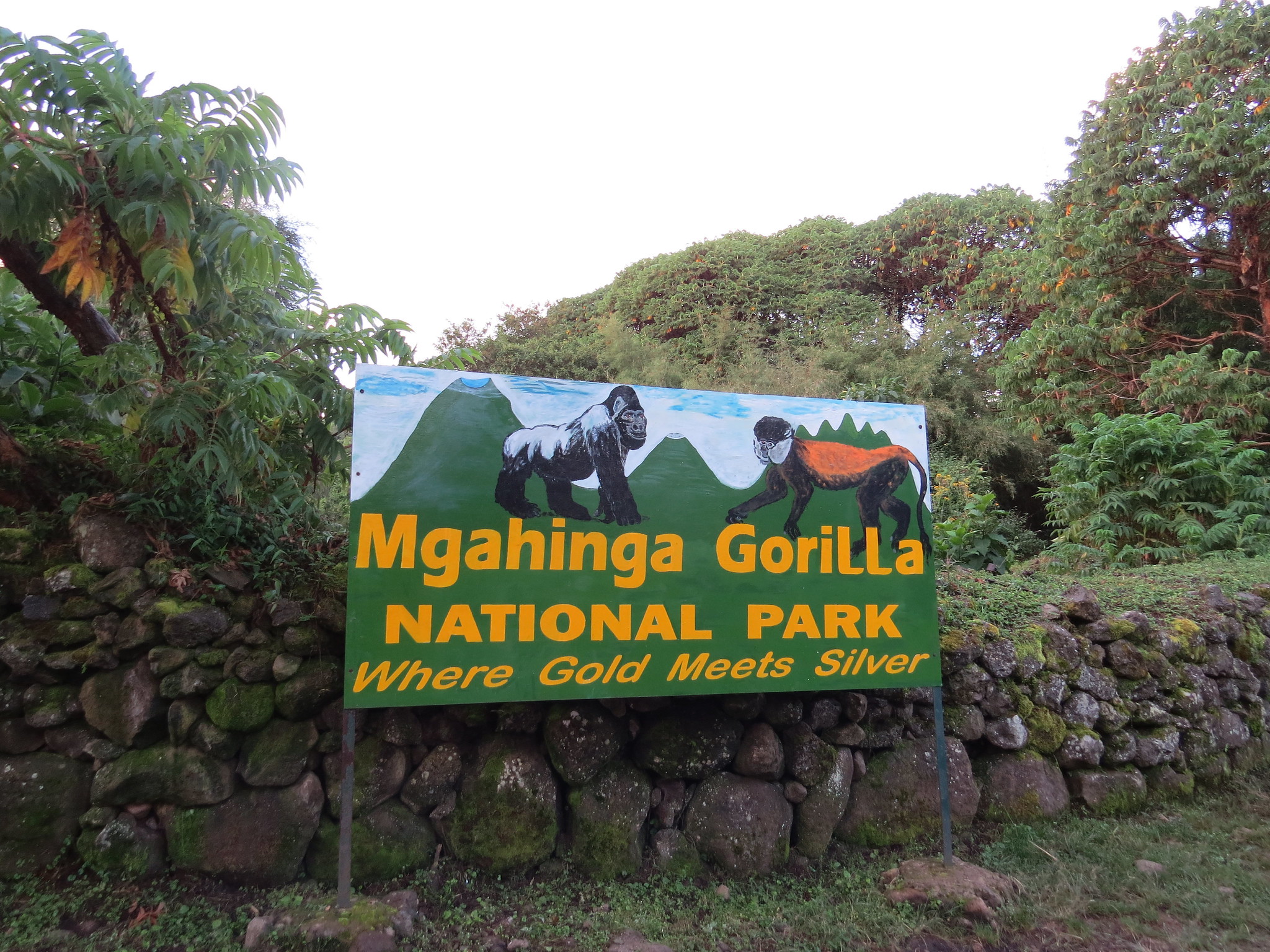
When compared with trekking in Uganda’s Bwindi Impenetrable National Park or Mgahinga Gorilla National Park, the physical experience is similar. What differs is Rwanda’s accessibility. From Kigali International Airport, it takes only about two and a half hours to reach Volcanoes National Park a convenience that many travelers value highly.
The Season: Timing Matters
The difficulty of gorilla trekking often depends on when you visit. During the dry seasons from June to September and December to February the trails are firmer and less slippery. Hiking feels easier, and visibility in the forest improves.
In the rainy months, the jungle becomes wetter and muddier. The climb may feel tougher, but the forest transforms into a lush, emerald world alive with mist and birdsong. For photographers and adventurers who enjoy dramatic landscapes, this season has its own magic.
Age and Fitness: Realistic Expectations
Gorilla trekking in Rwanda has a minimum age of 15 years. This is not meant to exclude, but to protect both visitors and gorillas. The trek requires moderate fitness. You do not need to be an athlete, but you should be comfortable walking uphill for extended periods.
Older travelers often succeed beautifully with the support of porters and experienced guides. The key is to move at your own pace and communicate openly with your ranger.
The Moment That Changes Everything
All thoughts of difficulty fade the instant you see them.
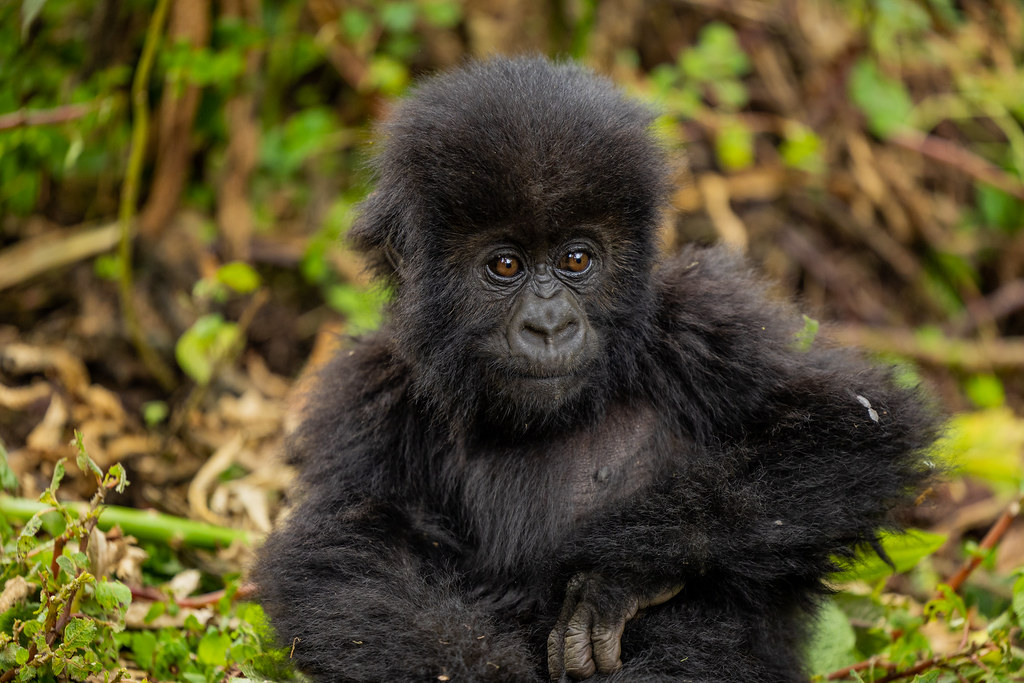
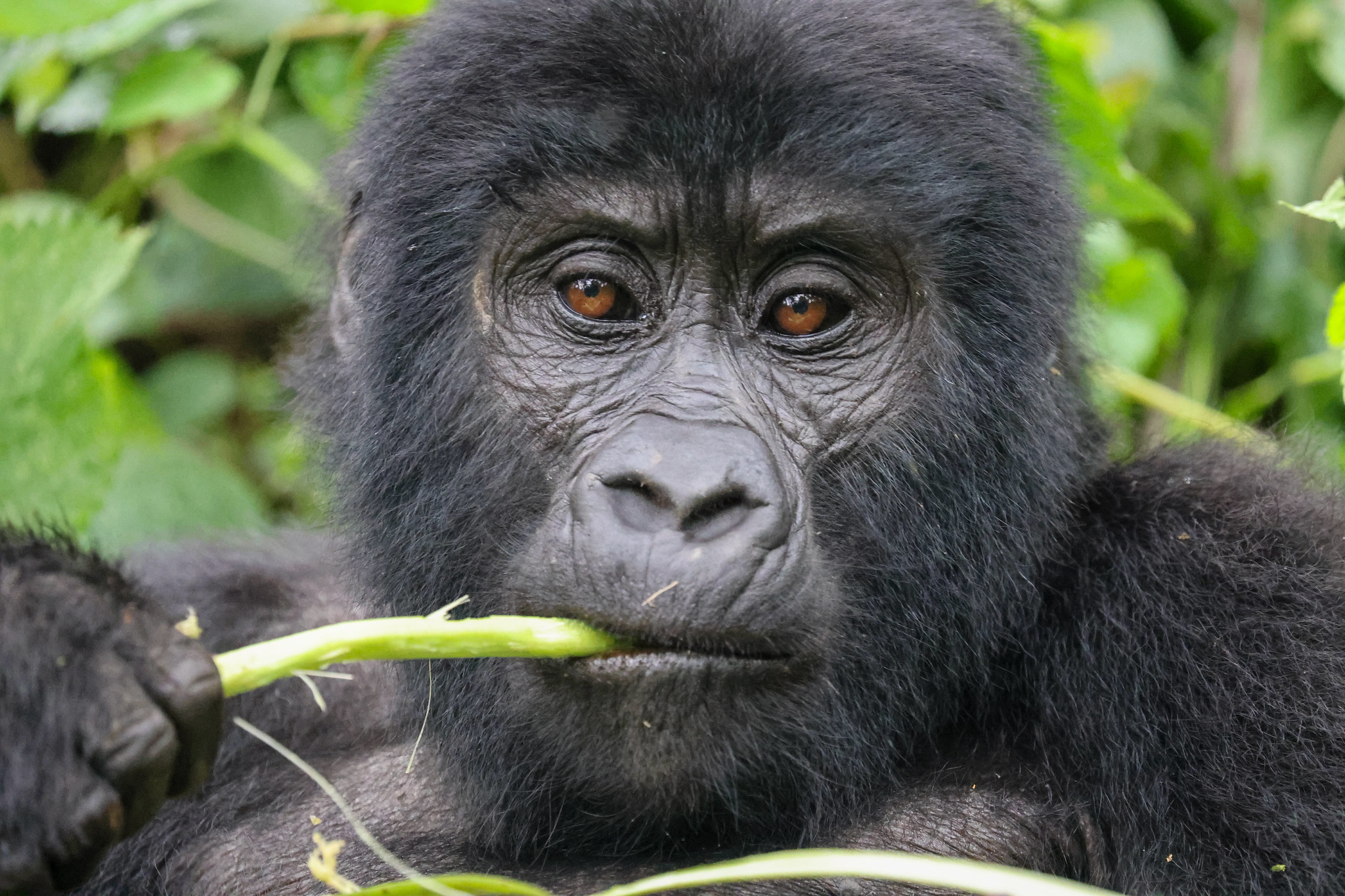
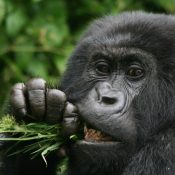
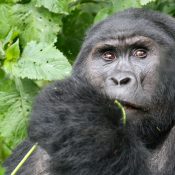
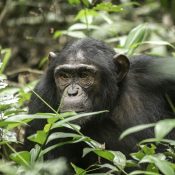
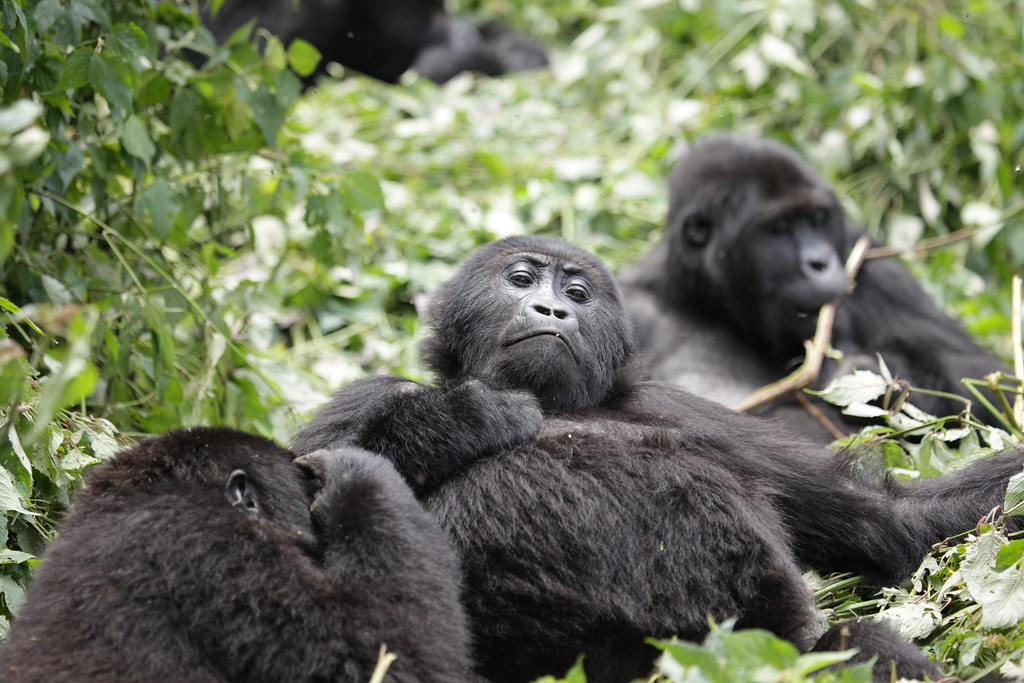
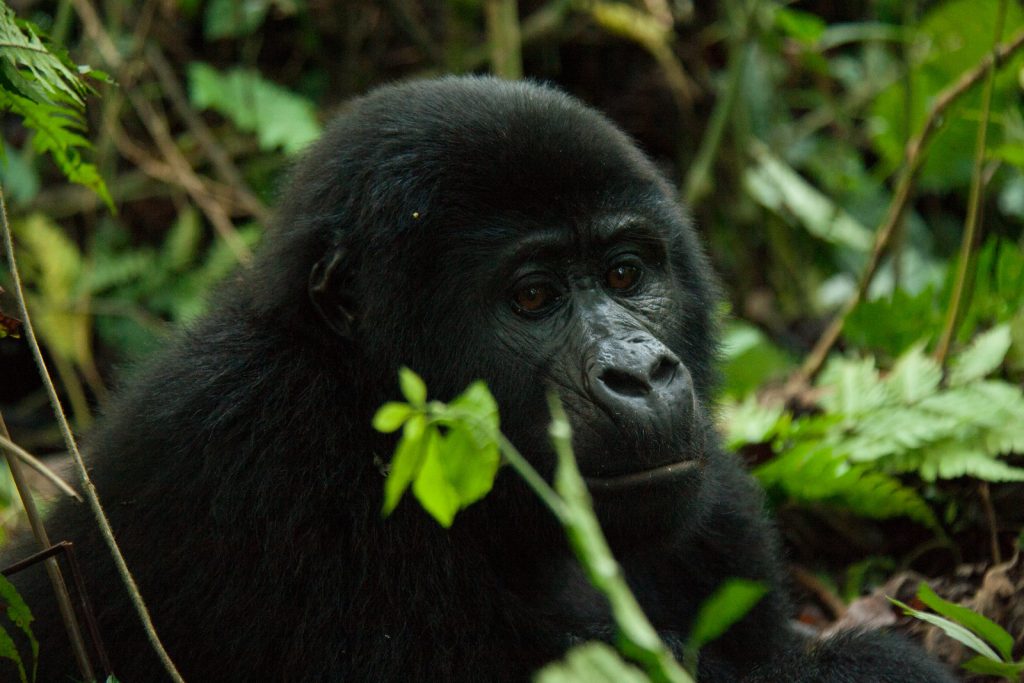
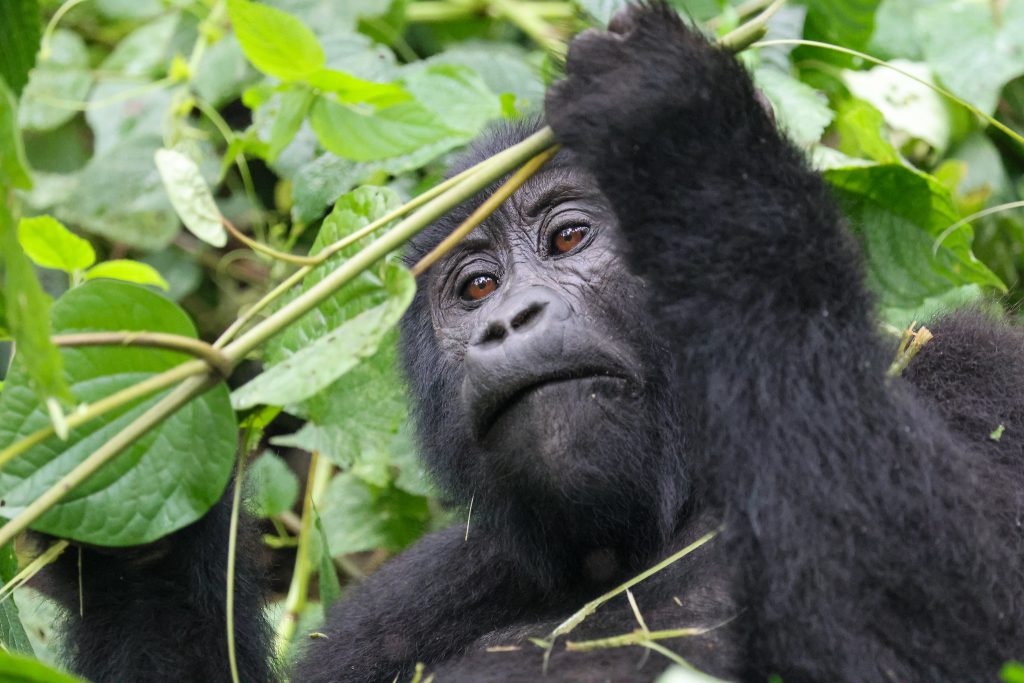
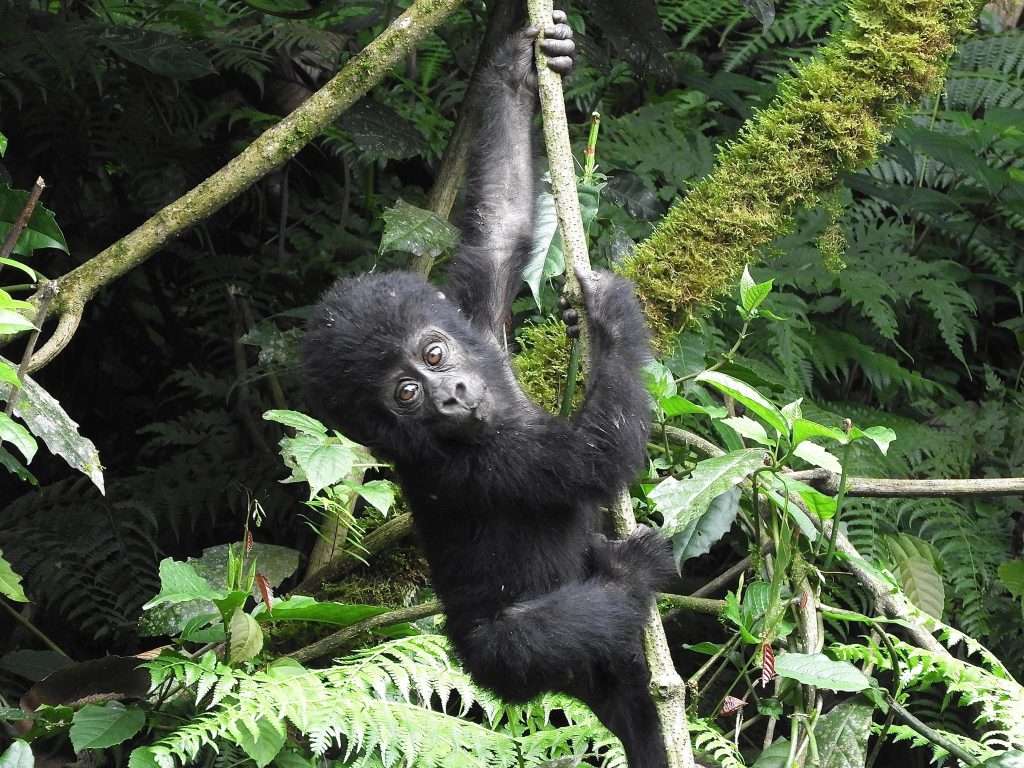
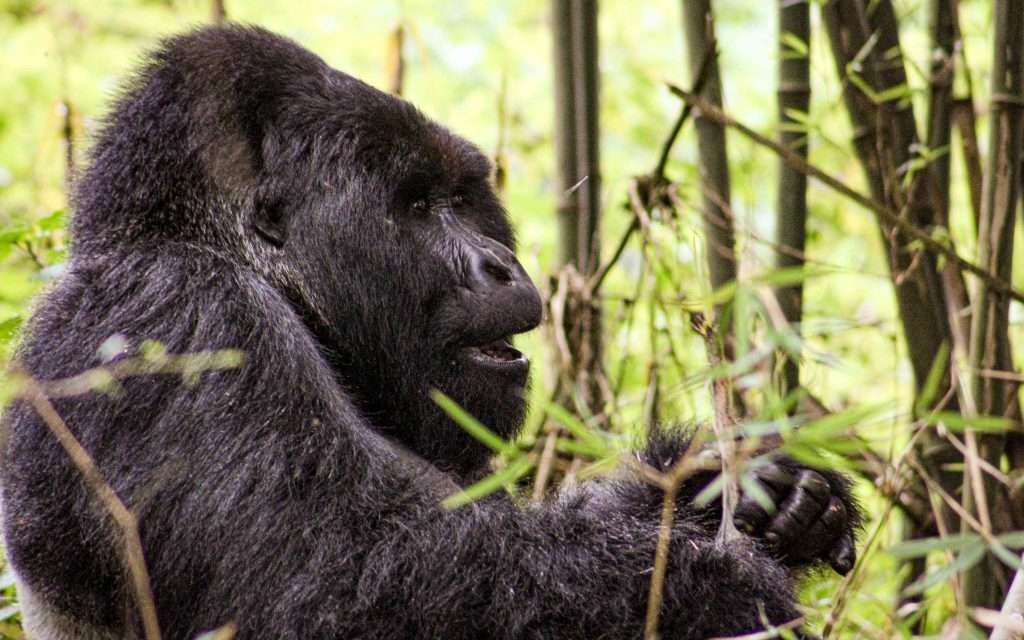
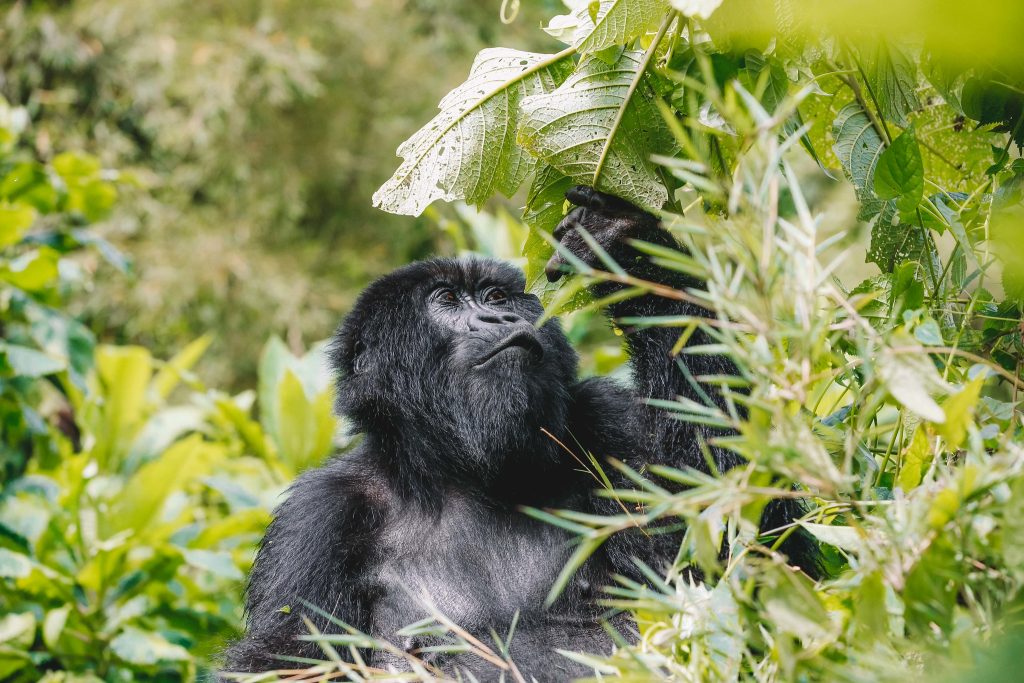
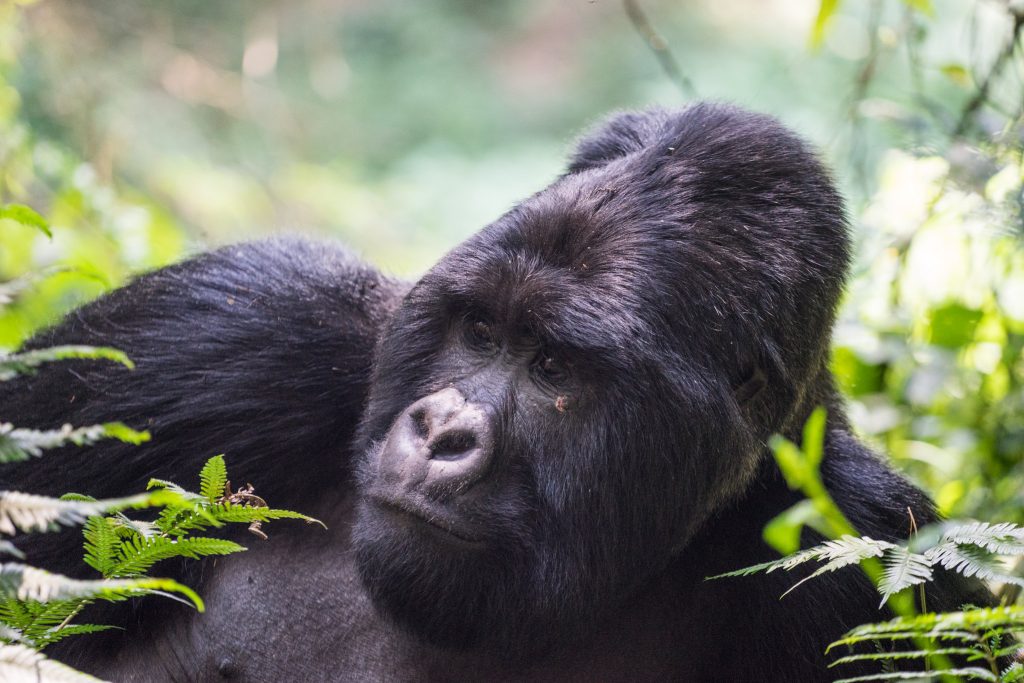
After hours of walking, your guide signals for silence. The forest quiets. Then, through the leaves, you notice movement a massive silverback resting calmly, juveniles tumbling nearby, a mother cradling her infant.
You are just meters away.
For one hour, time slows. The climb, the sweat, the mud on your boots none of it matters anymore. You are witnessing one of the rarest wildlife encounters on Earth, in the heart of Rwanda’s volcanic mountains.
So, Is It Difficult?
Yes, it can be physically demanding. The slopes are real. The forest is wild. But it is a manageable challenge for most reasonably fit travelers.
More importantly, it is deeply rewarding. Fear lasts a moment. Regret lasts much longer.
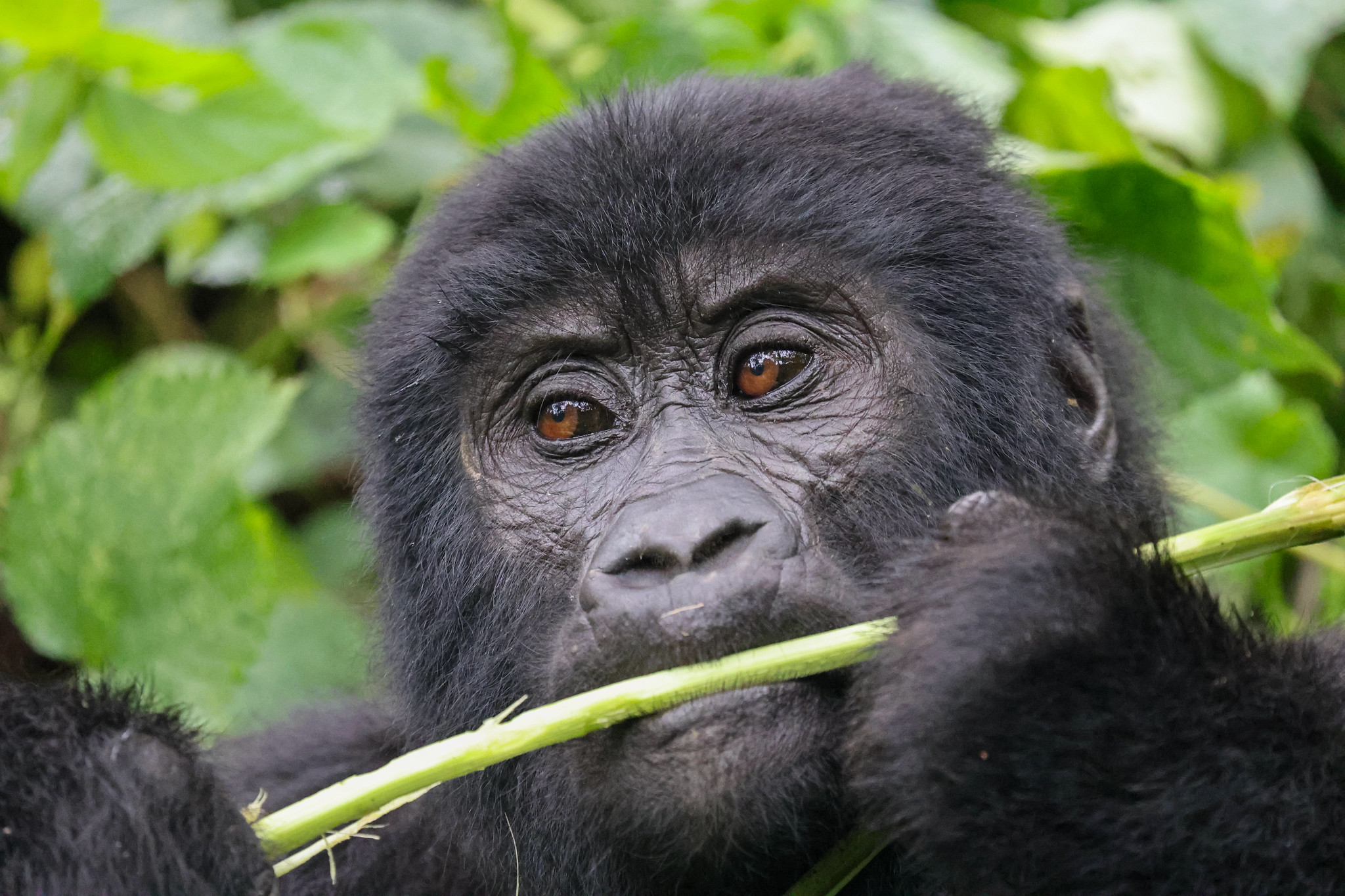
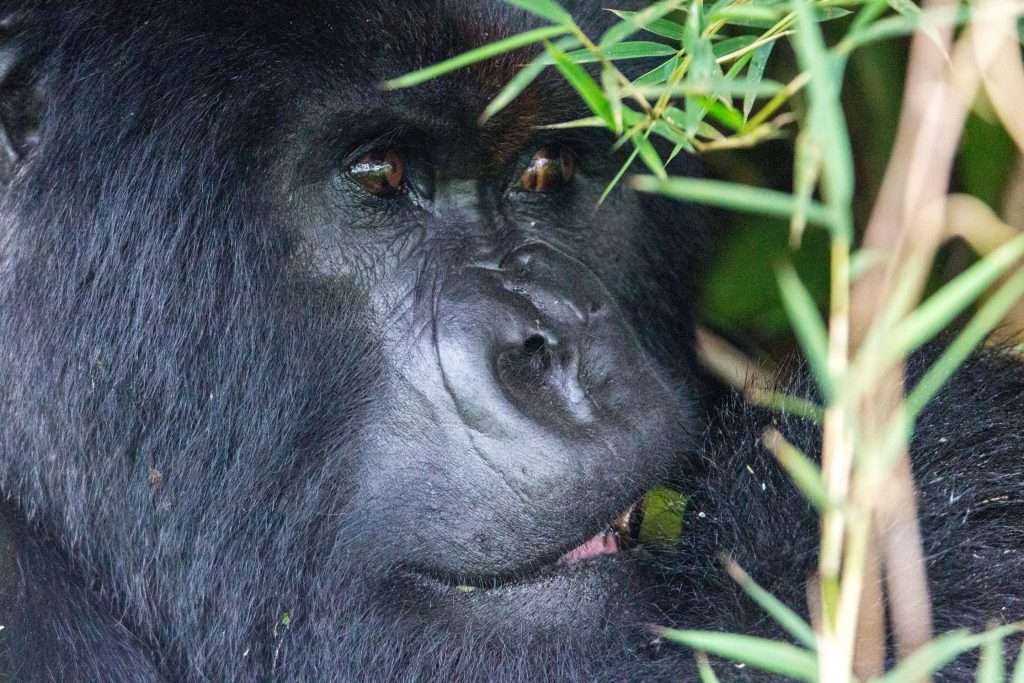
And when you leave Volcanoes National Park with the memory of locking eyes with a mountain gorilla, you will not remember how difficult it was. You will only remember how extraordinary it felt.