A Uganda safari is a journey into the heart of Africa, where travelers explore the country’s rich biodiversity, stunning landscapes, and vibrant culture. From the Big Five wildlife encounters to primate trekking and cultural experiences, Uganda offers a safari adventure for every type of traveler. This guide provides everything you need to know before and during your safari in Uganda.
Best Time for a Safari in Uganda
Uganda is a year-round safari destination, but the dry months are ideal for wildlife viewing and hiking:
High Season: July, August, September, December, January, February – perfect for game drives, primate trekking, and exploring national parks.
Low Season: March, April, May, June, October, November – while rainy, this period offers lush green scenery, fewer crowds, and lower accommodation costs, making it ideal for budget-friendly safaris.
Uganda Safari Costs
Safaris in Uganda vary depending on the type of safari, number of travelers, destinations, and accommodation. Typical costs per person per day:
-
Budget Safari: $350
-
Midrange Safari: $500
-
Luxury Safari: $750
Tailor-made safari packages are also available, with free quotes offered by many tour operators.
Can You Do a Budget Safari in Uganda?
Yes. Traveling during the rainy season can reduce costs, as demand is lower and lodges often offer discounts. The scenery is lush and green, and national parks are less crowded, offering a more serene experience.
The Big Five on a Uganda Safari
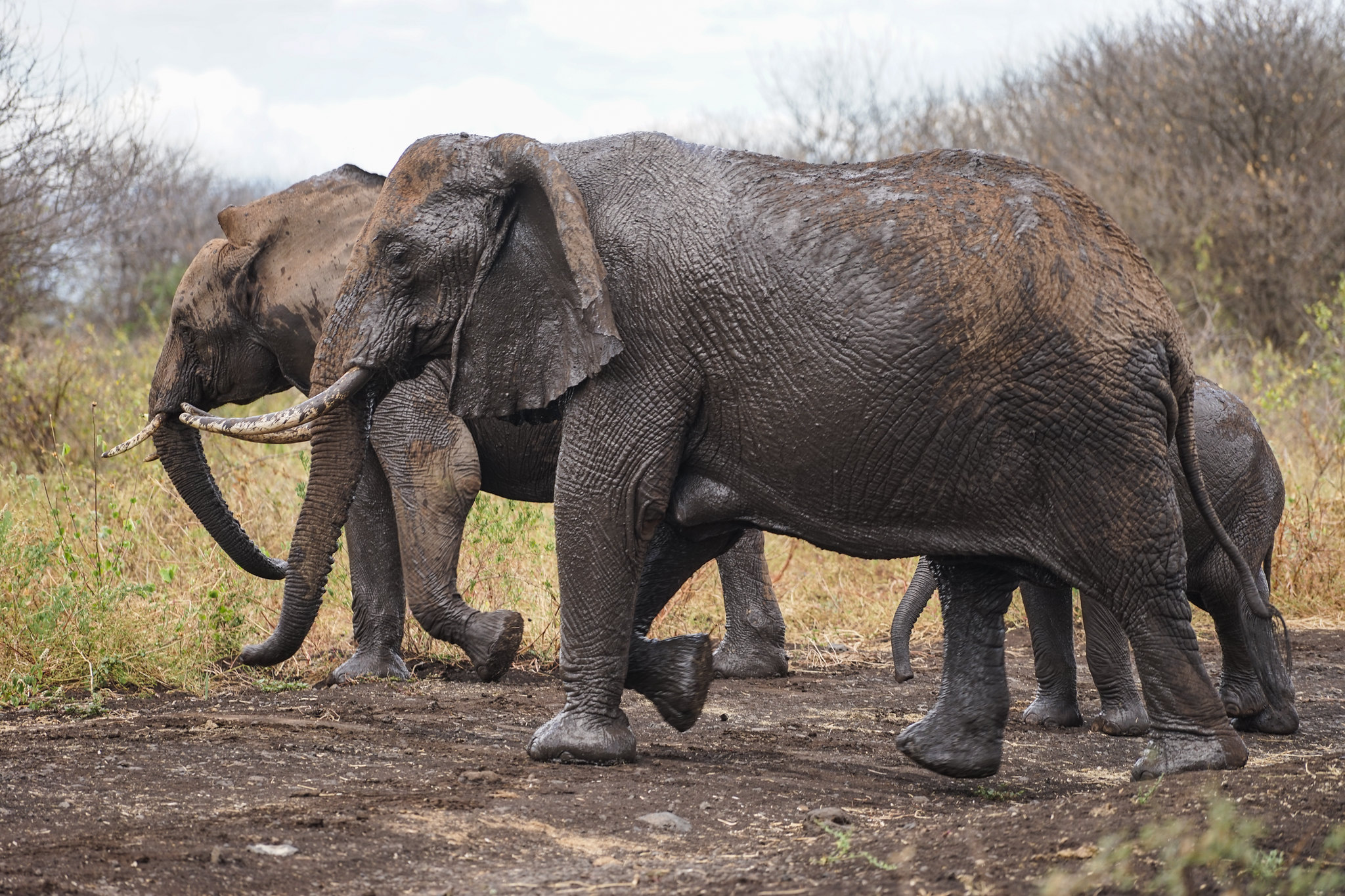
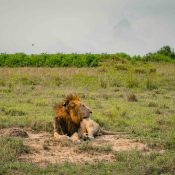
A Big Five safari in Uganda allows tourists to see:
-
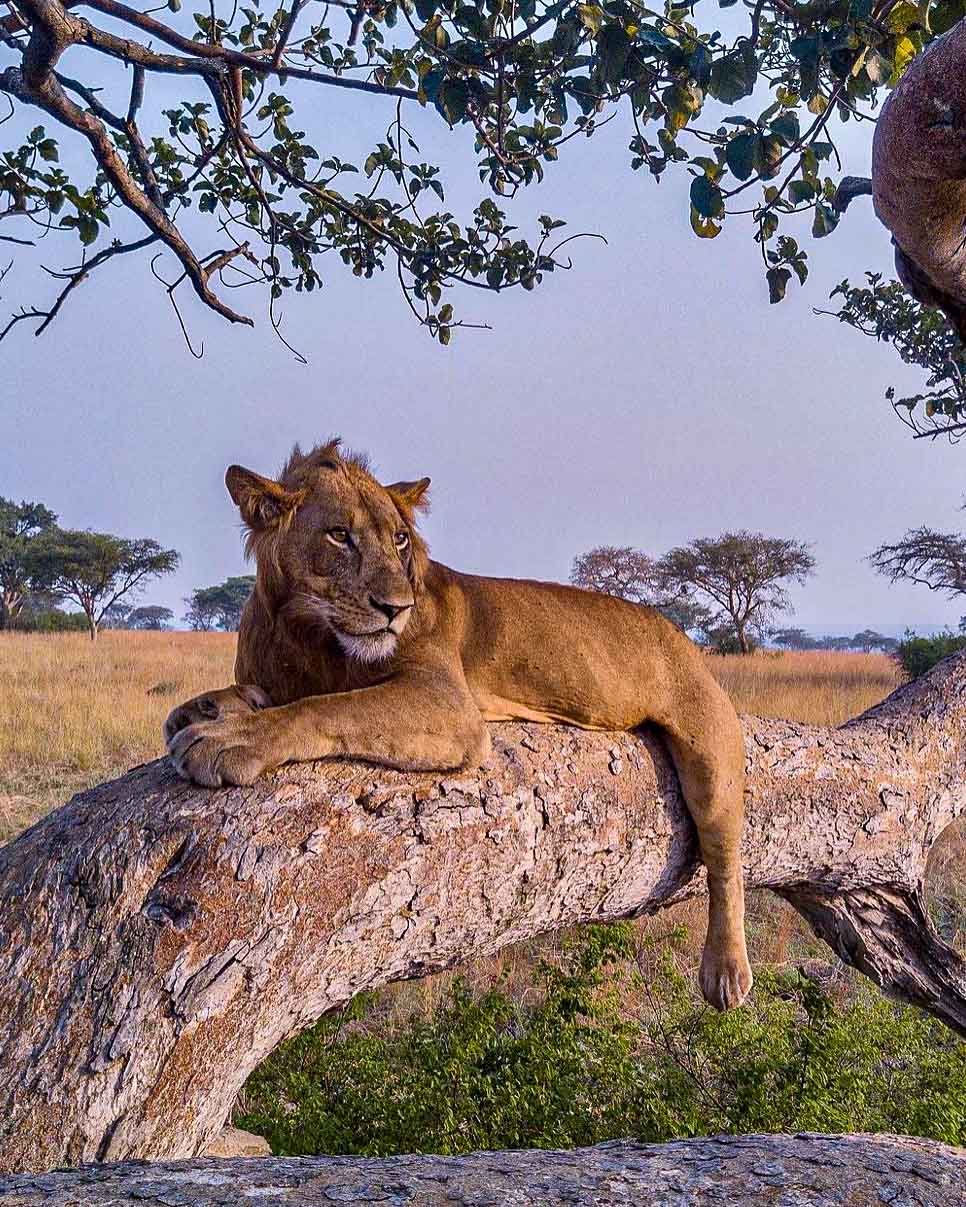
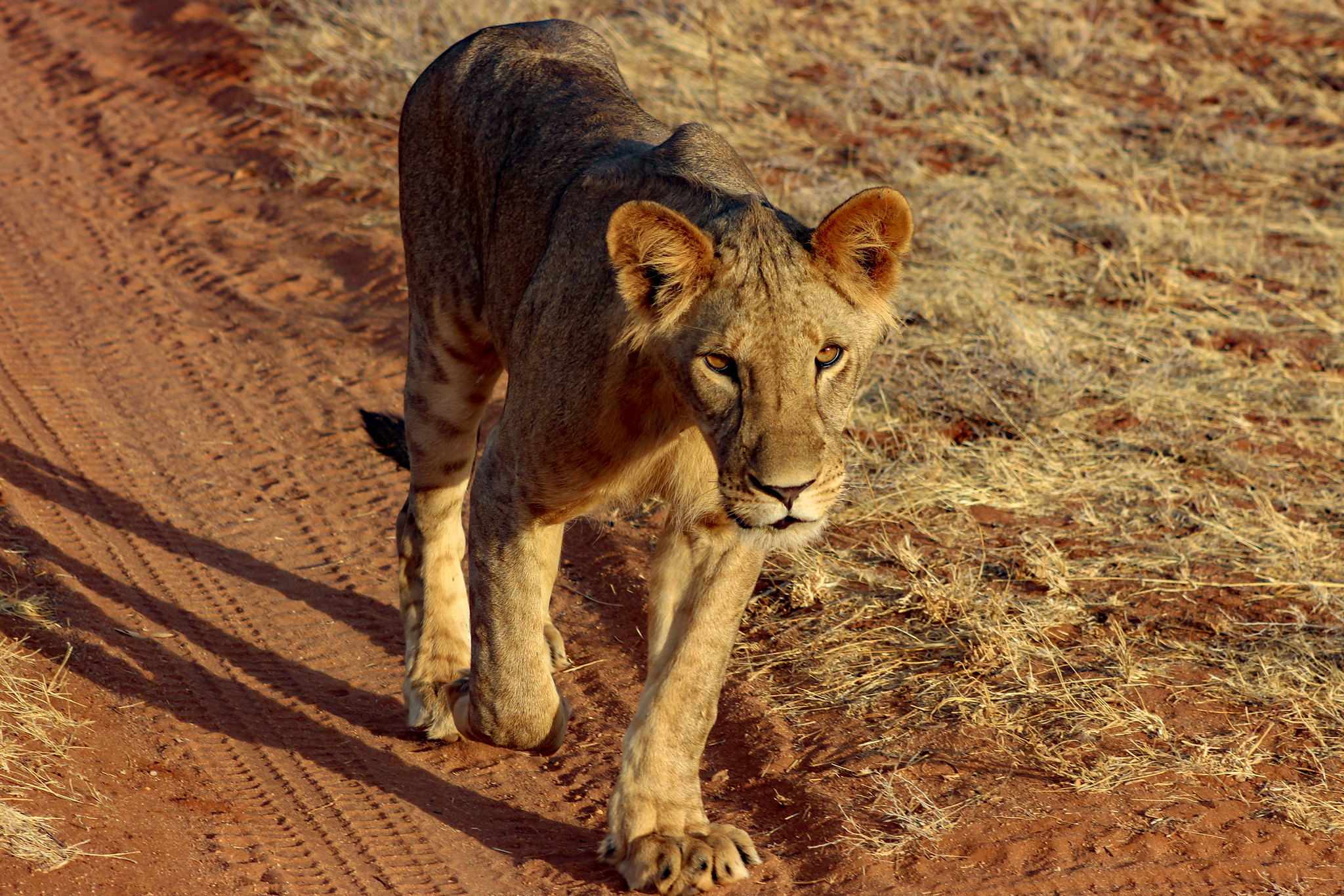
Lion
-
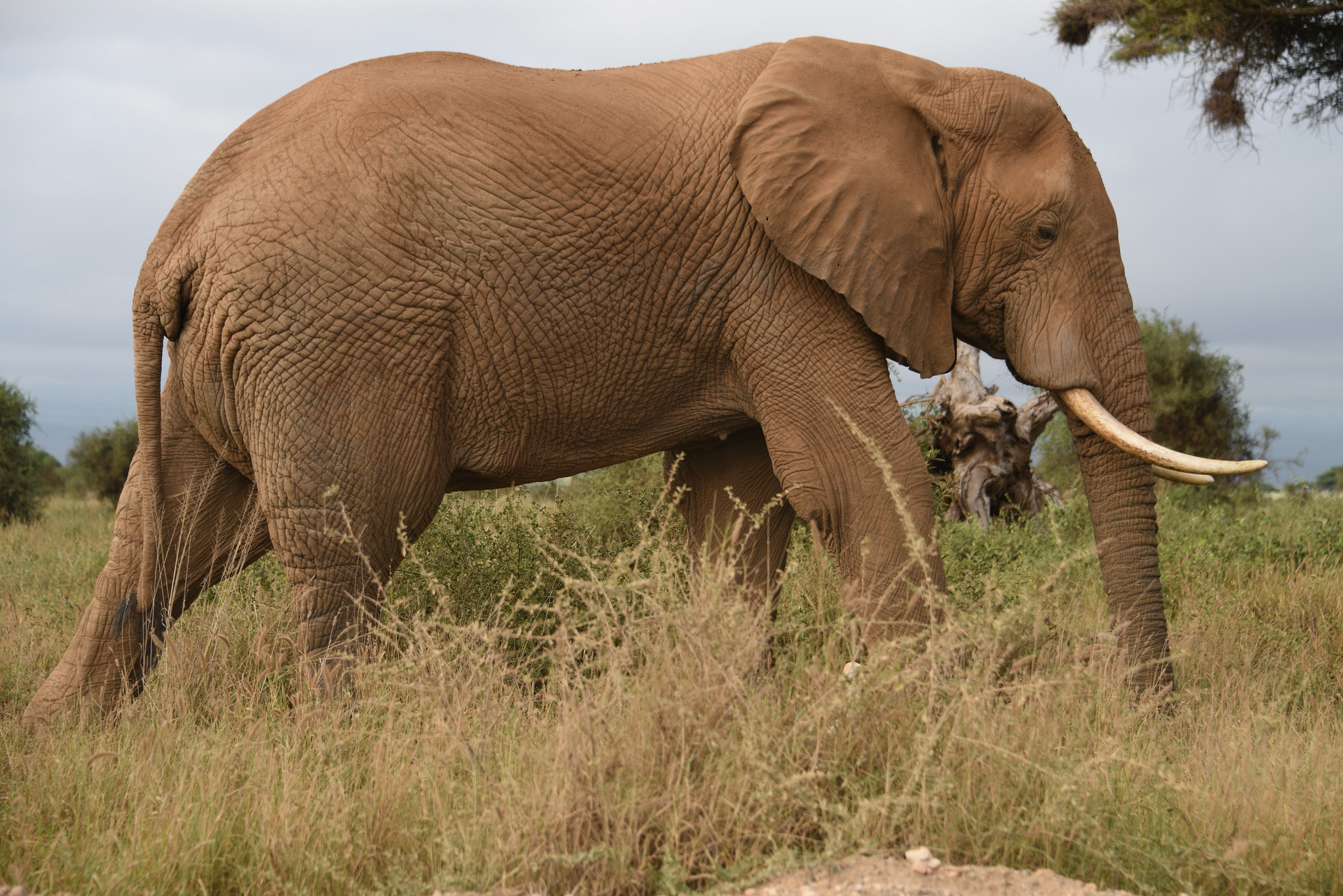
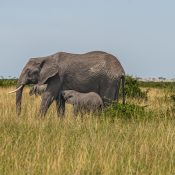
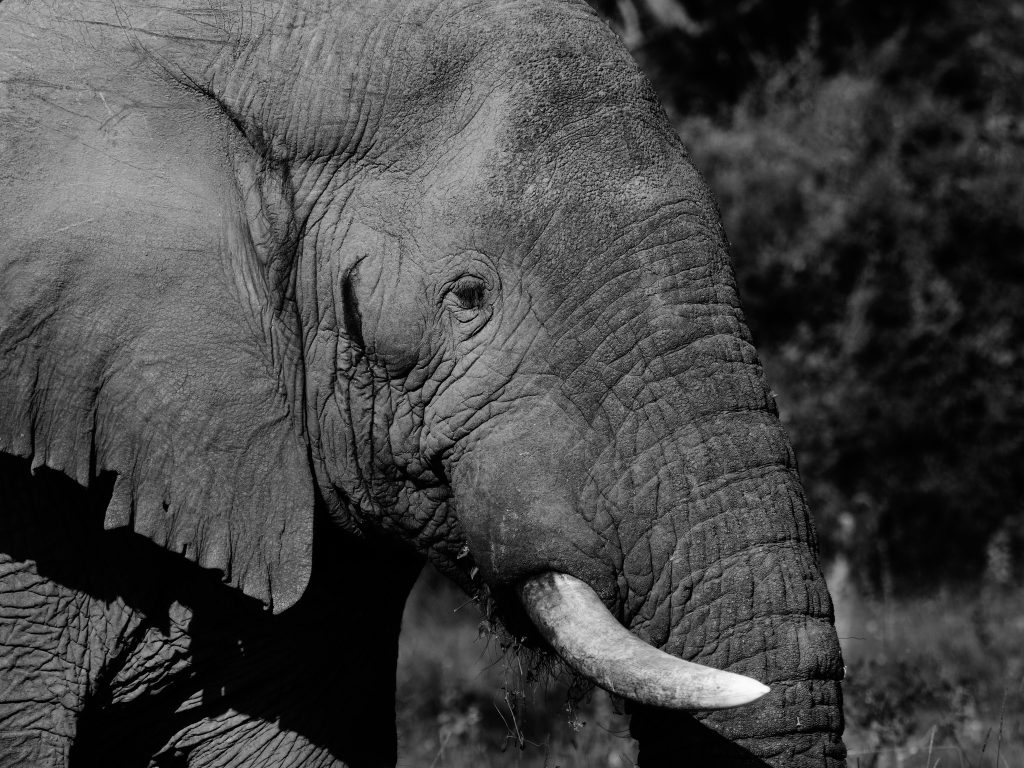
Elephant
-
Leopard
-
Rhinoceros
-
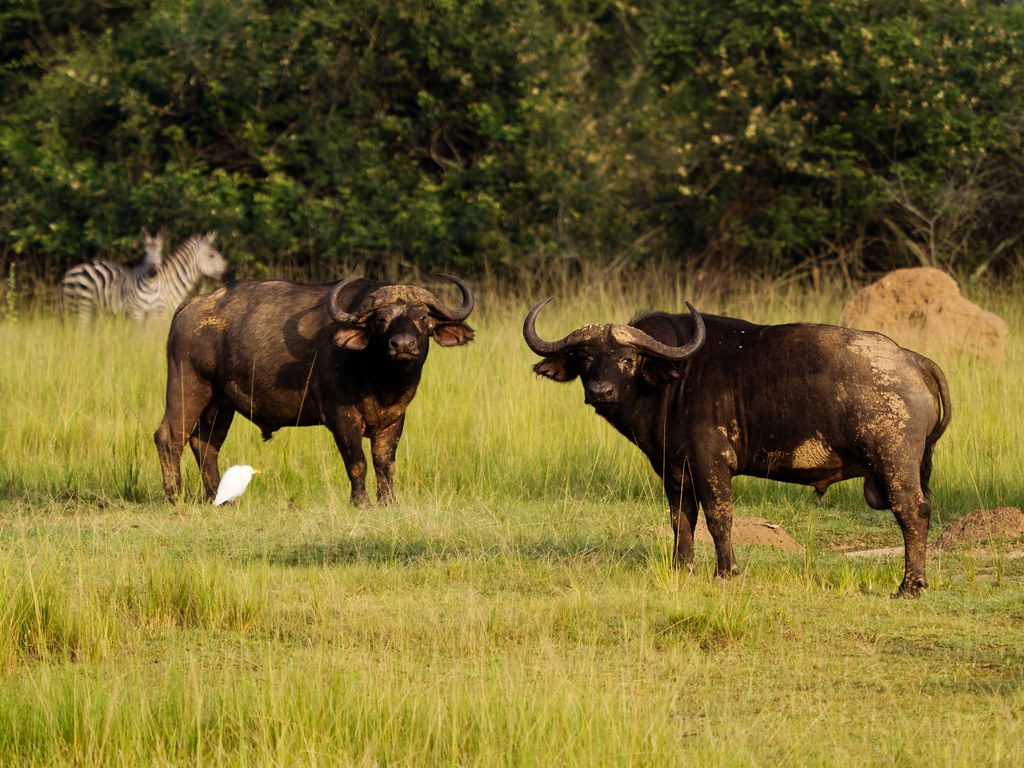
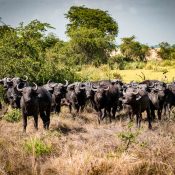
Buffalo
These animals are spread across Uganda’s 10 national parks, including Queen Elizabeth, Murchison Falls, and Bwindi Impenetrable Forest.
Gorilla Safaris in Uganda
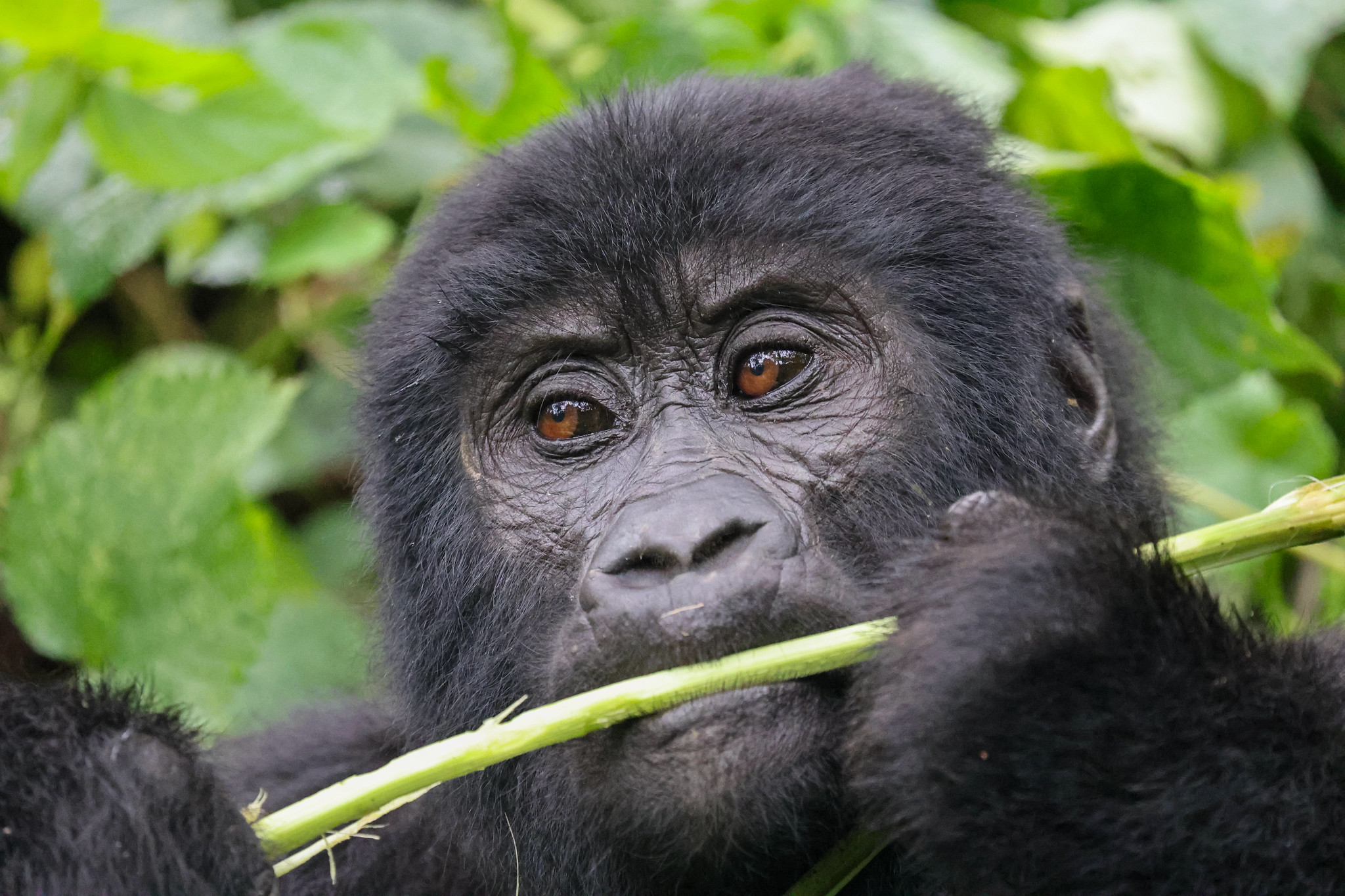
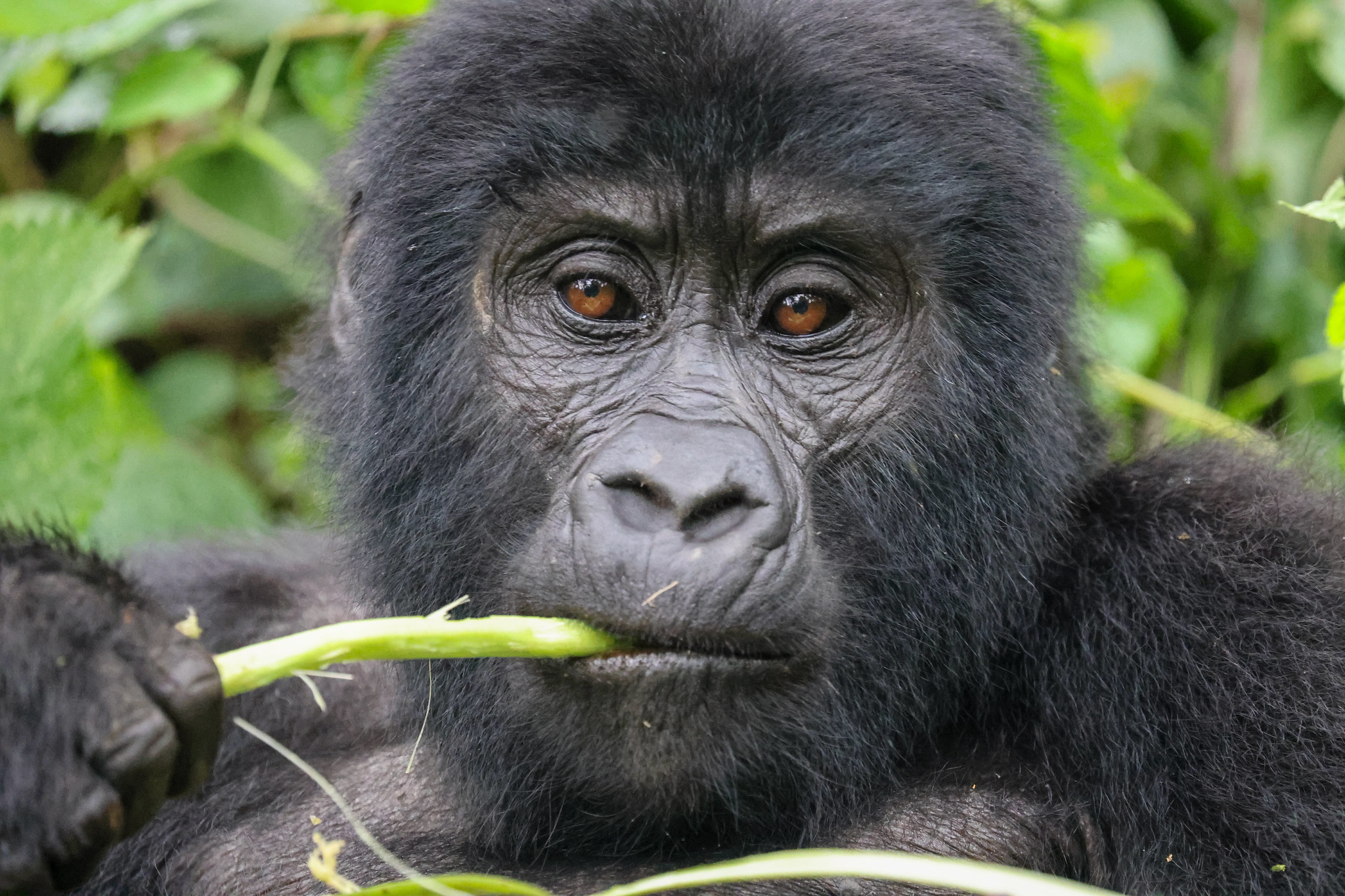
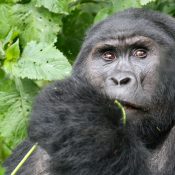
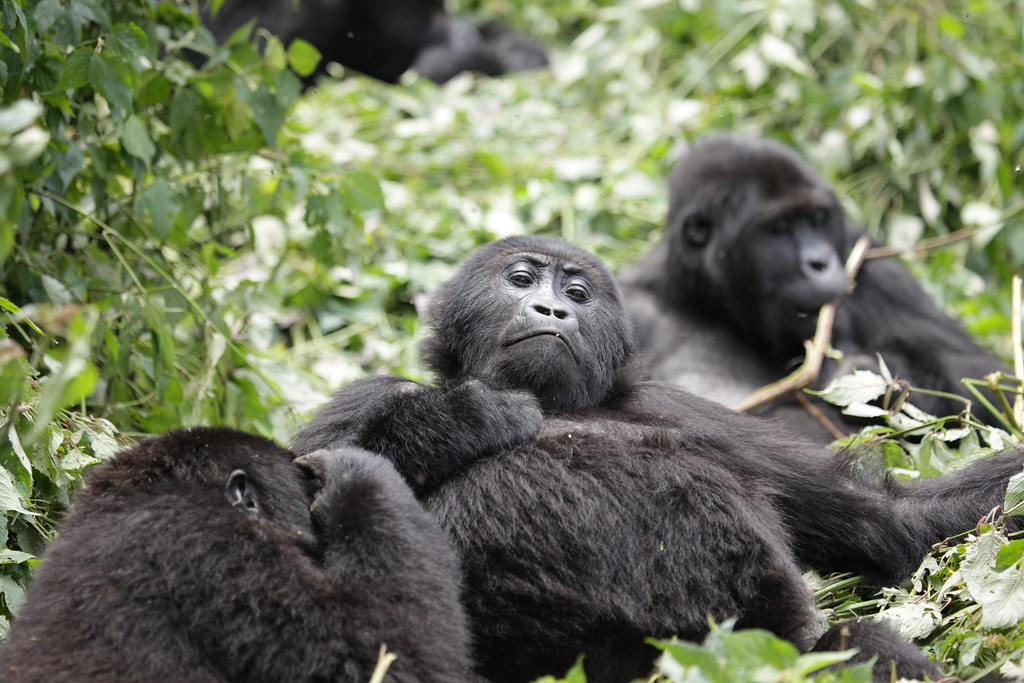
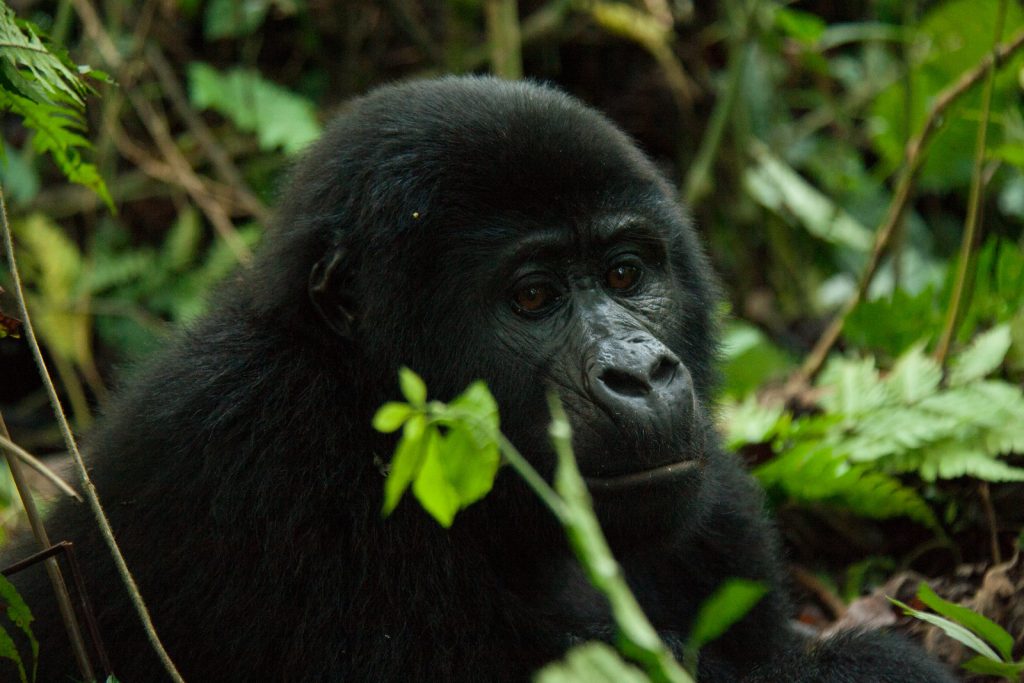
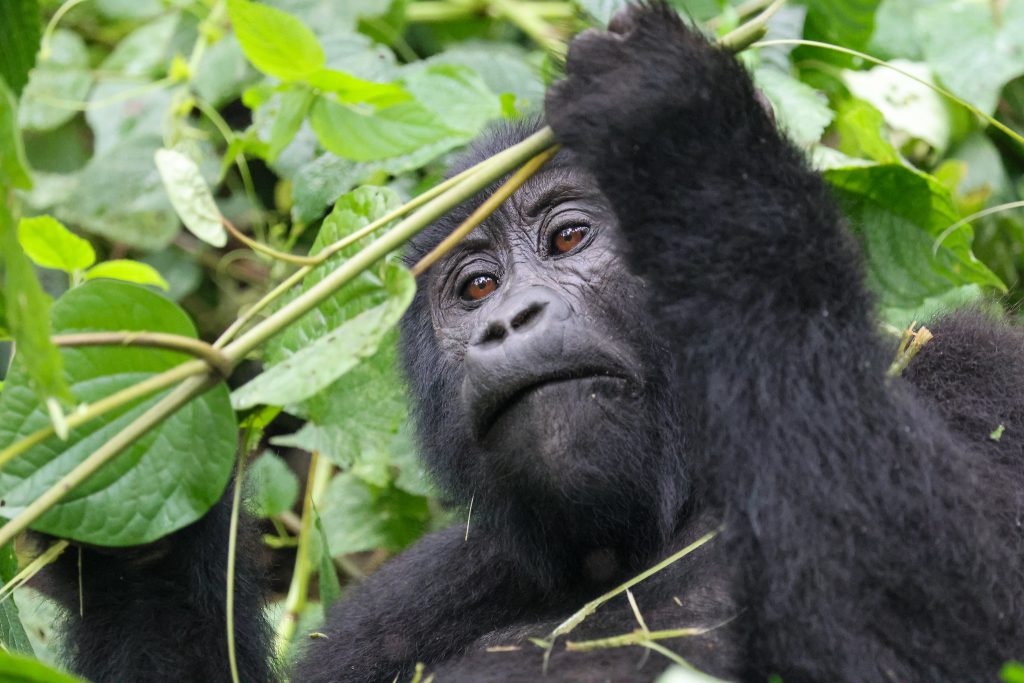
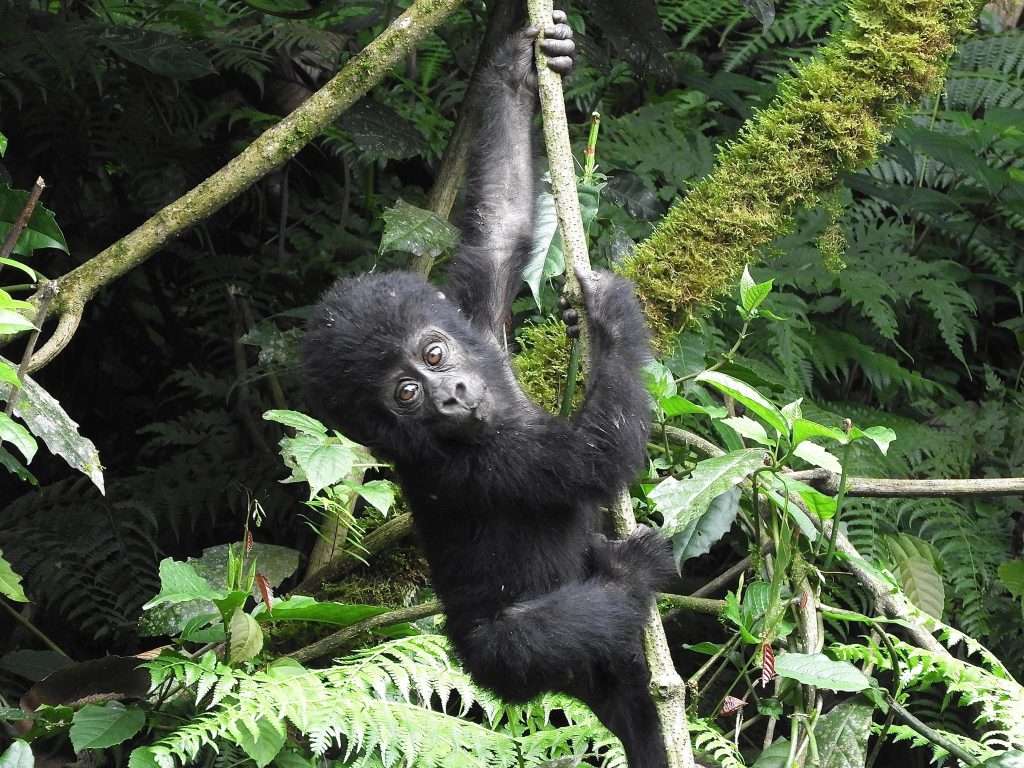
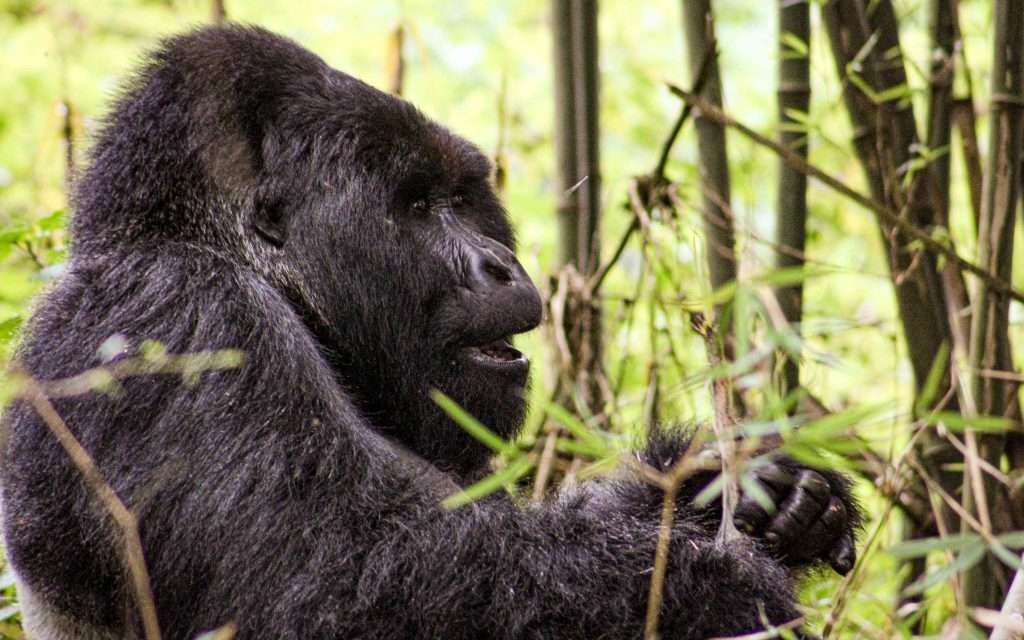
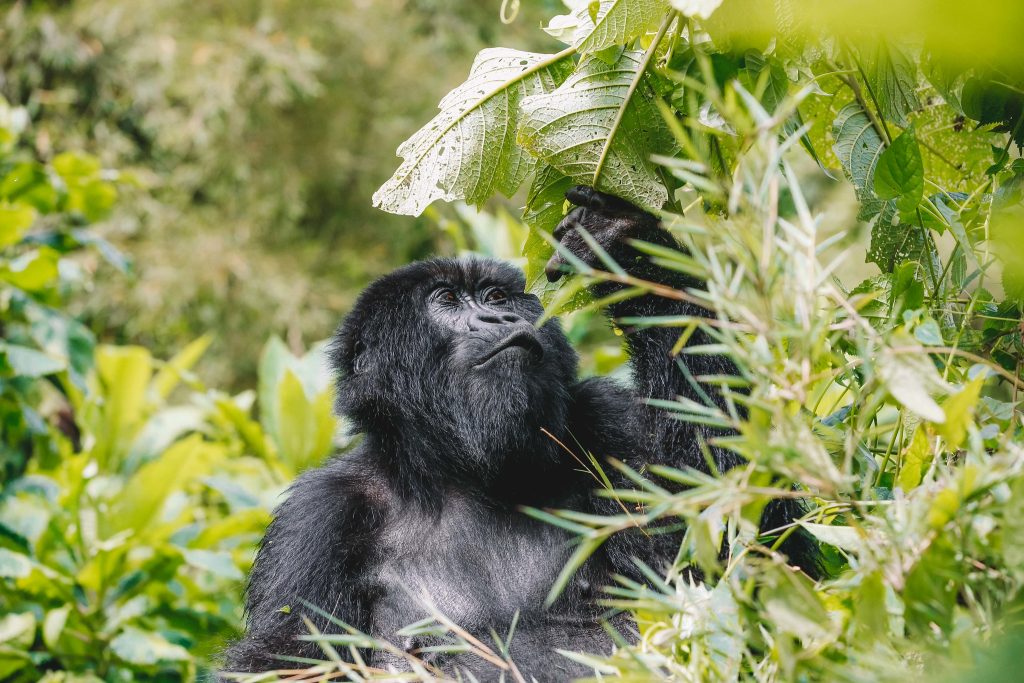
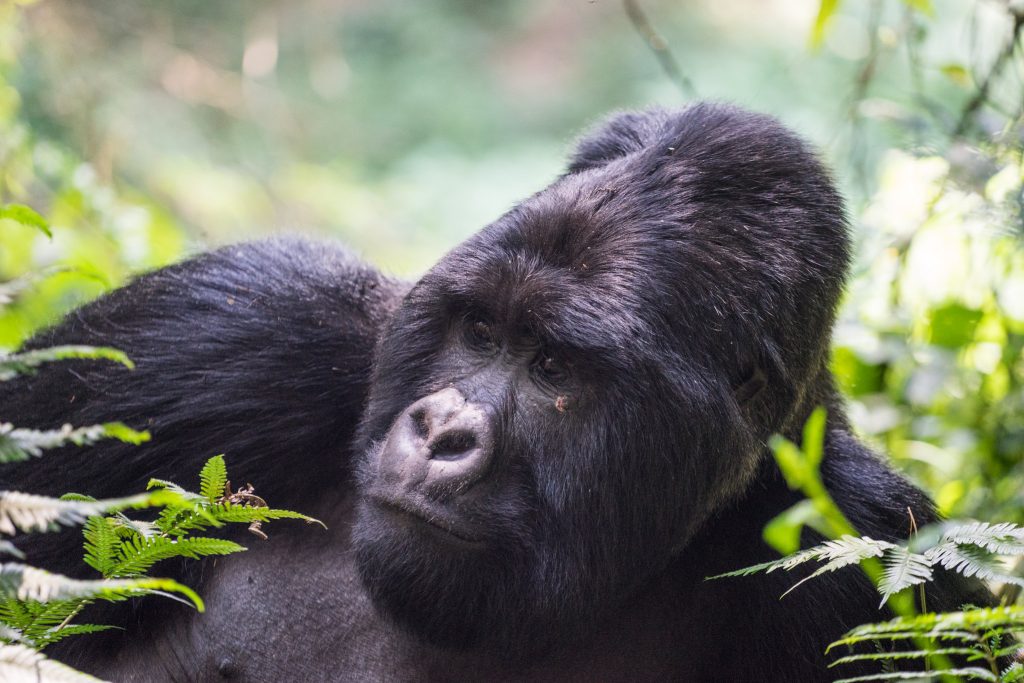
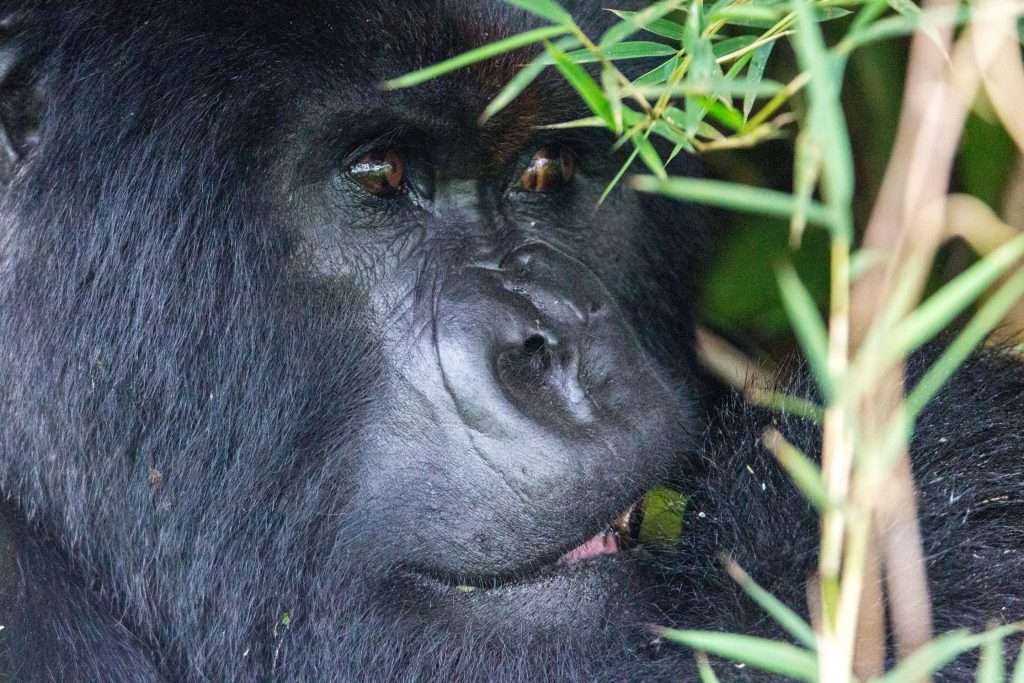
Uganda is famous for its mountain gorillas, found in Bwindi Impenetrable Forest and Mgahinga Gorilla National Park. Gorilla trekking is a must-do experience, available year-round.
Popular Gorilla Safari Packages:
-
2 Days Gorilla Trekking in Bwindi
-
3–6 Days Uganda & Rwanda Gorilla Safari
-
4 Days Volcanoes Rwanda Gorilla Safari
-
10 Days Primate Safari (gorillas in Rwanda + chimpanzees in Uganda)
Important: Gorilla trekking permits must be booked in advance through your tour operator.
Safari Lodges in Uganda
Uganda offers a range of safari lodges and camps to suit every budget, from basic accommodations to luxury lodges with international cuisine. Booking through your tour operator ensures smooth logistics and the best rates.
Wildlife You Can See on a Uganda Safari
Uganda is home to:
-
Mountain Gorillas
-
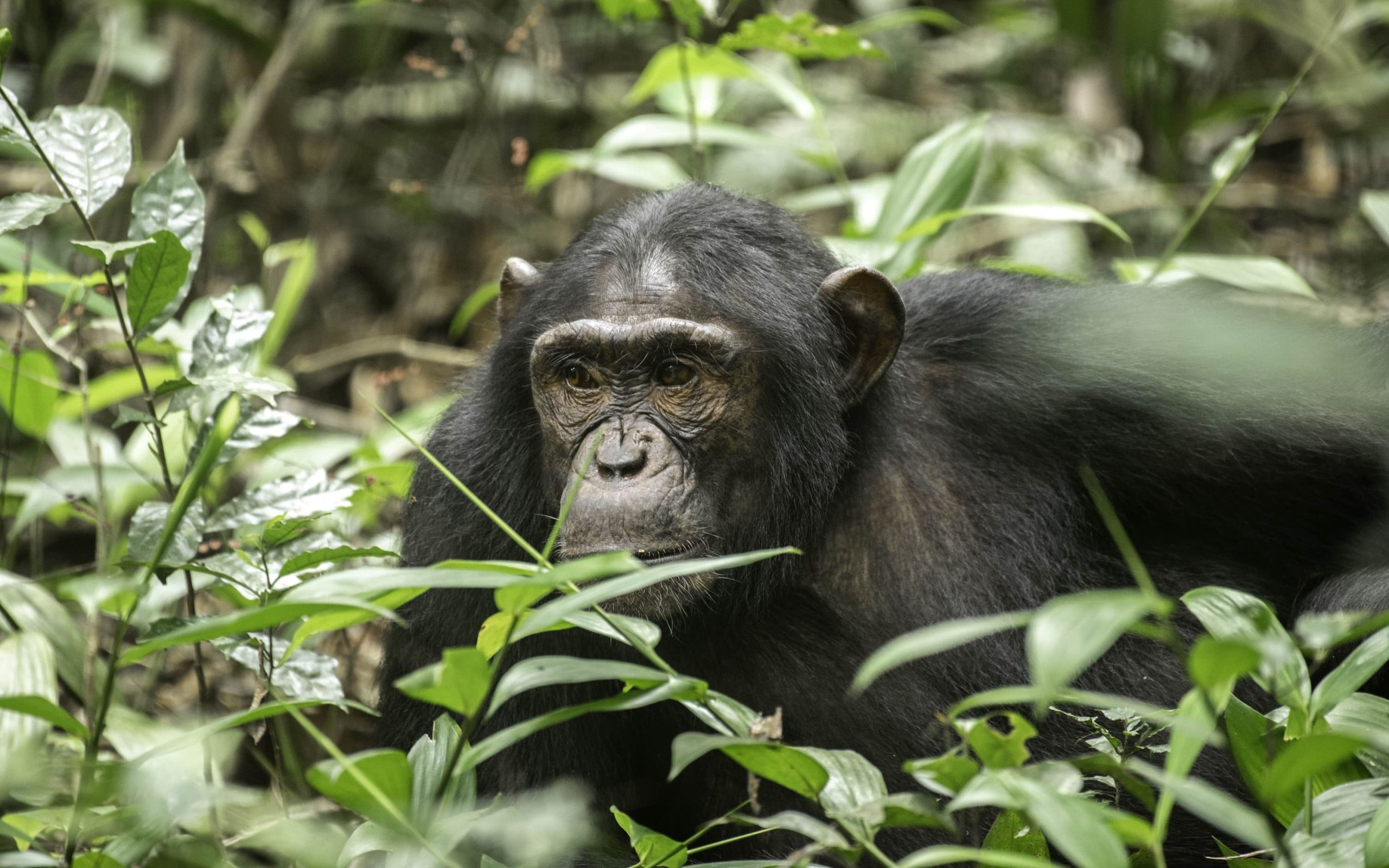
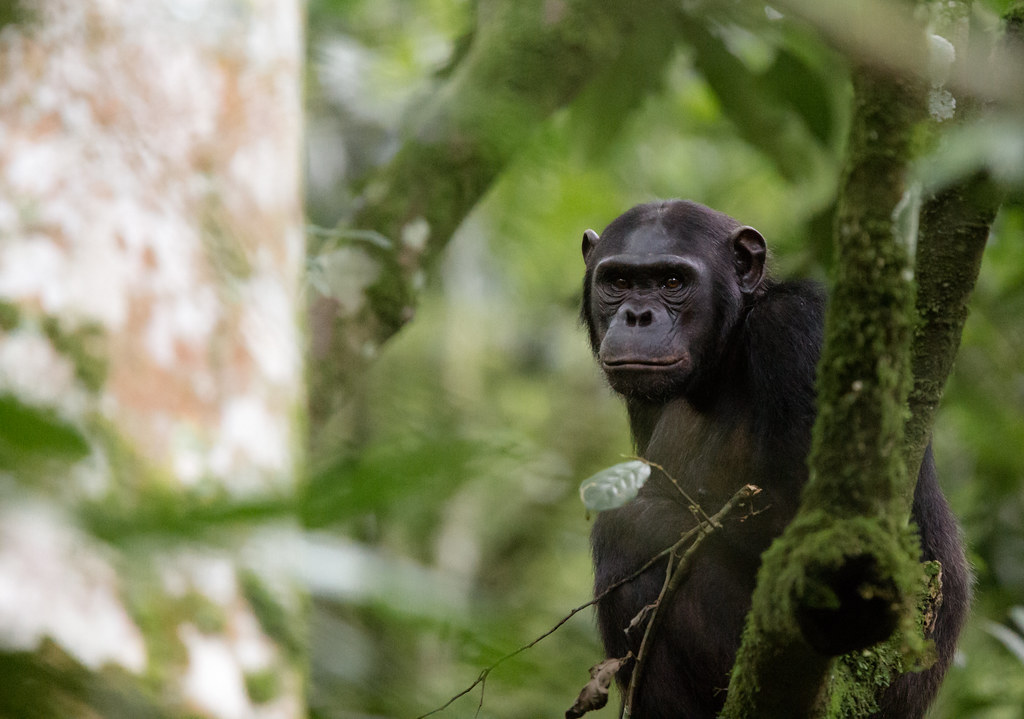
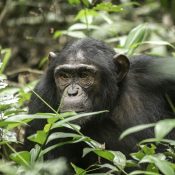
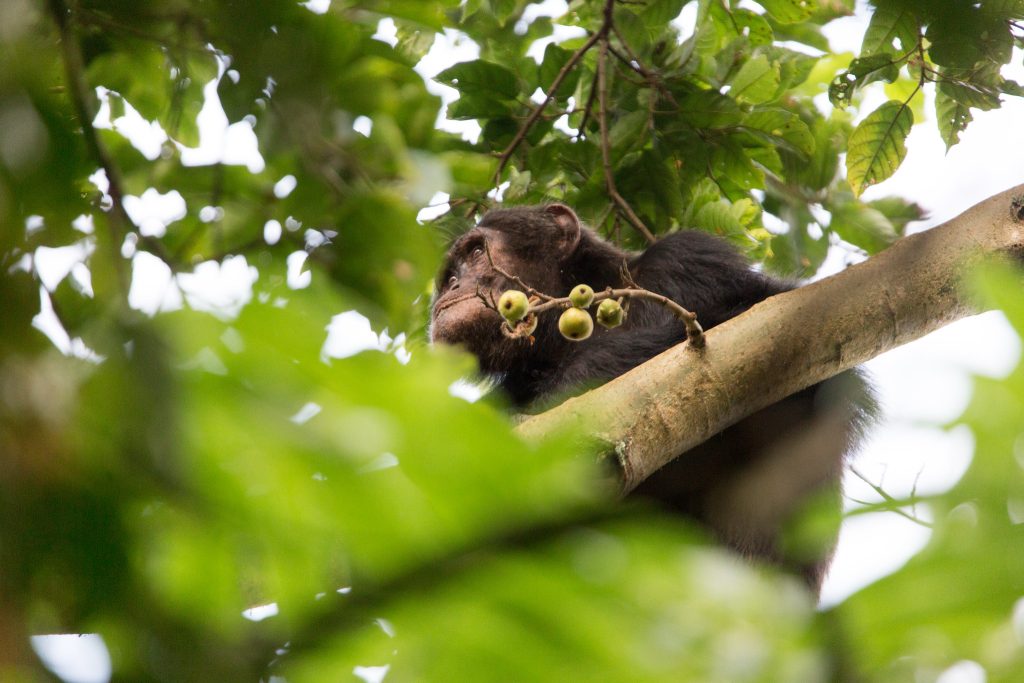
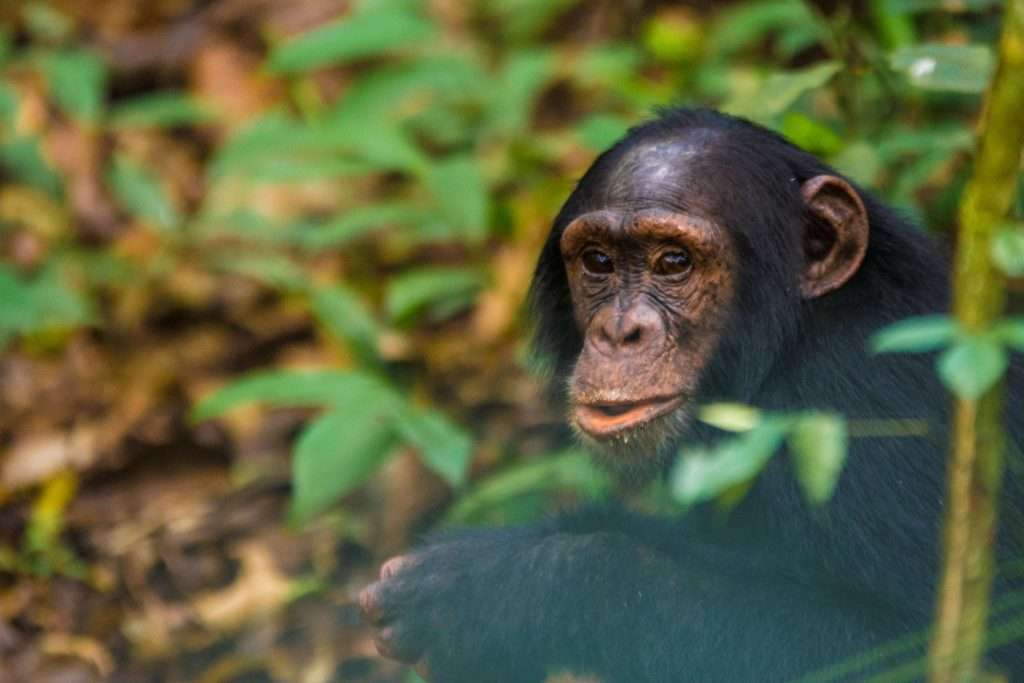
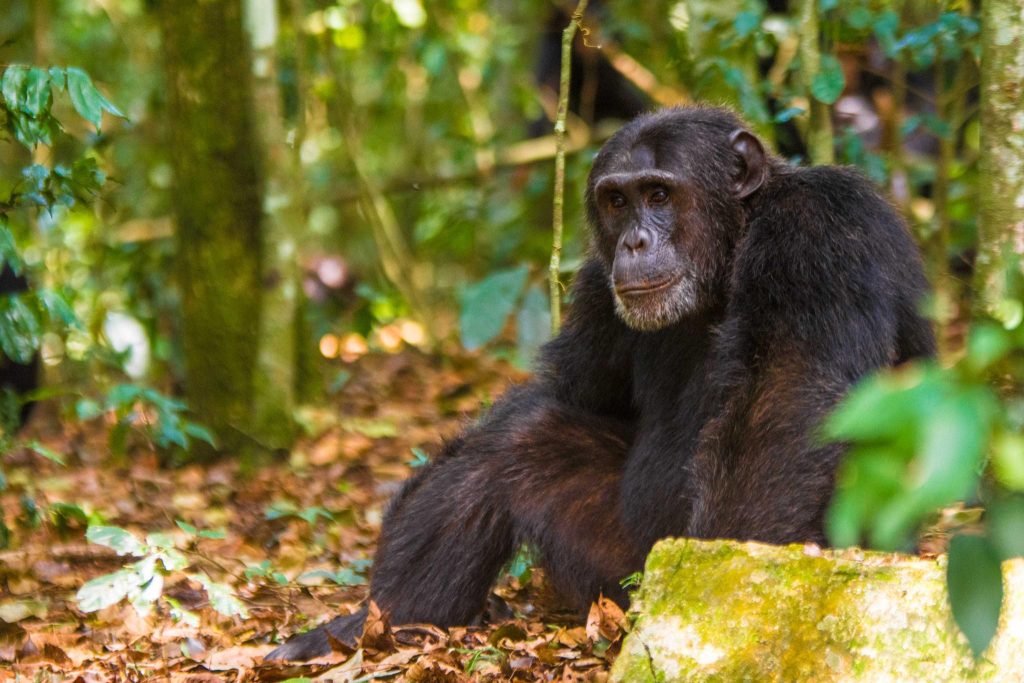
Chimpanzees
-
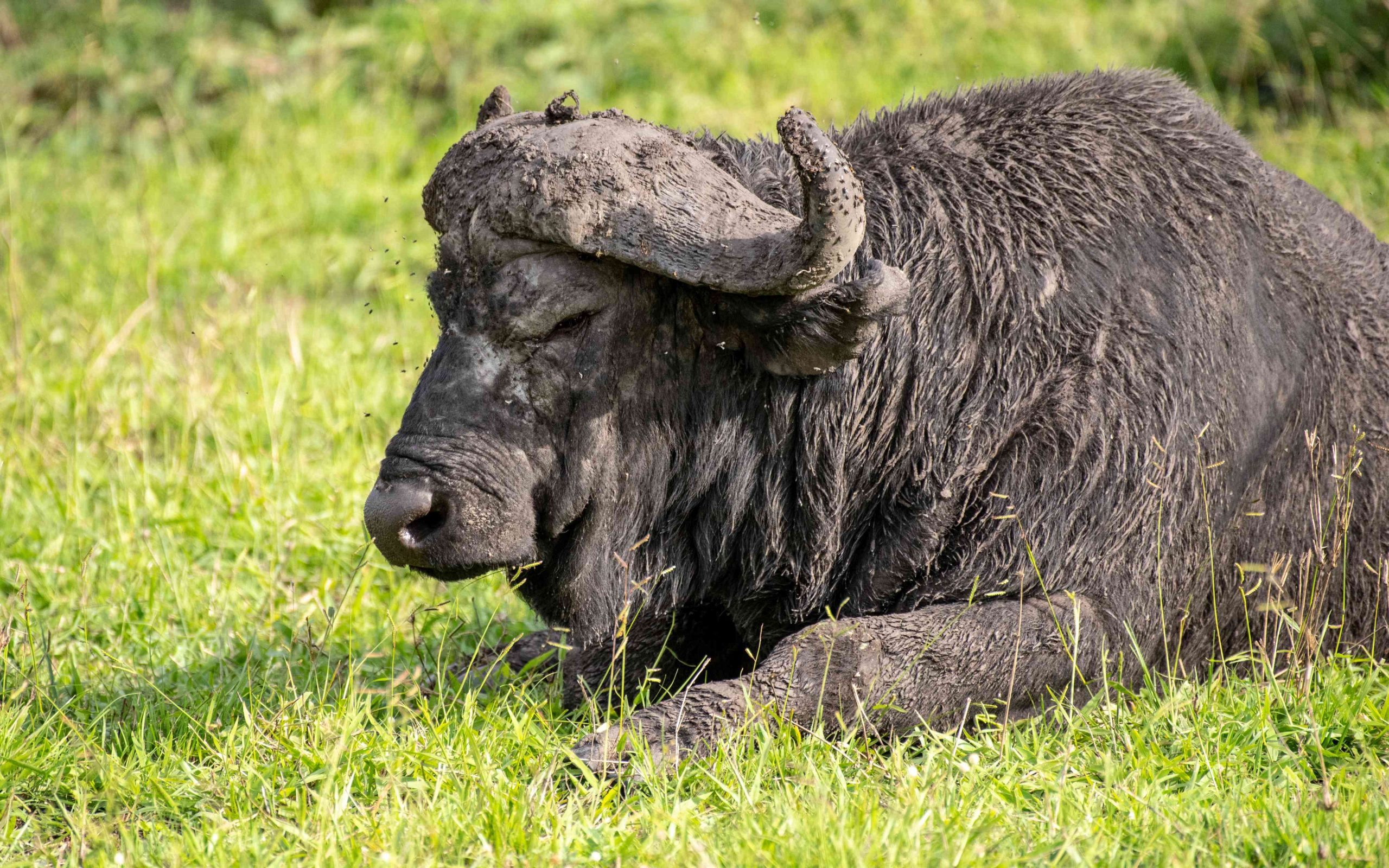
Lions, Leopards, Buffaloes, Elephants
-
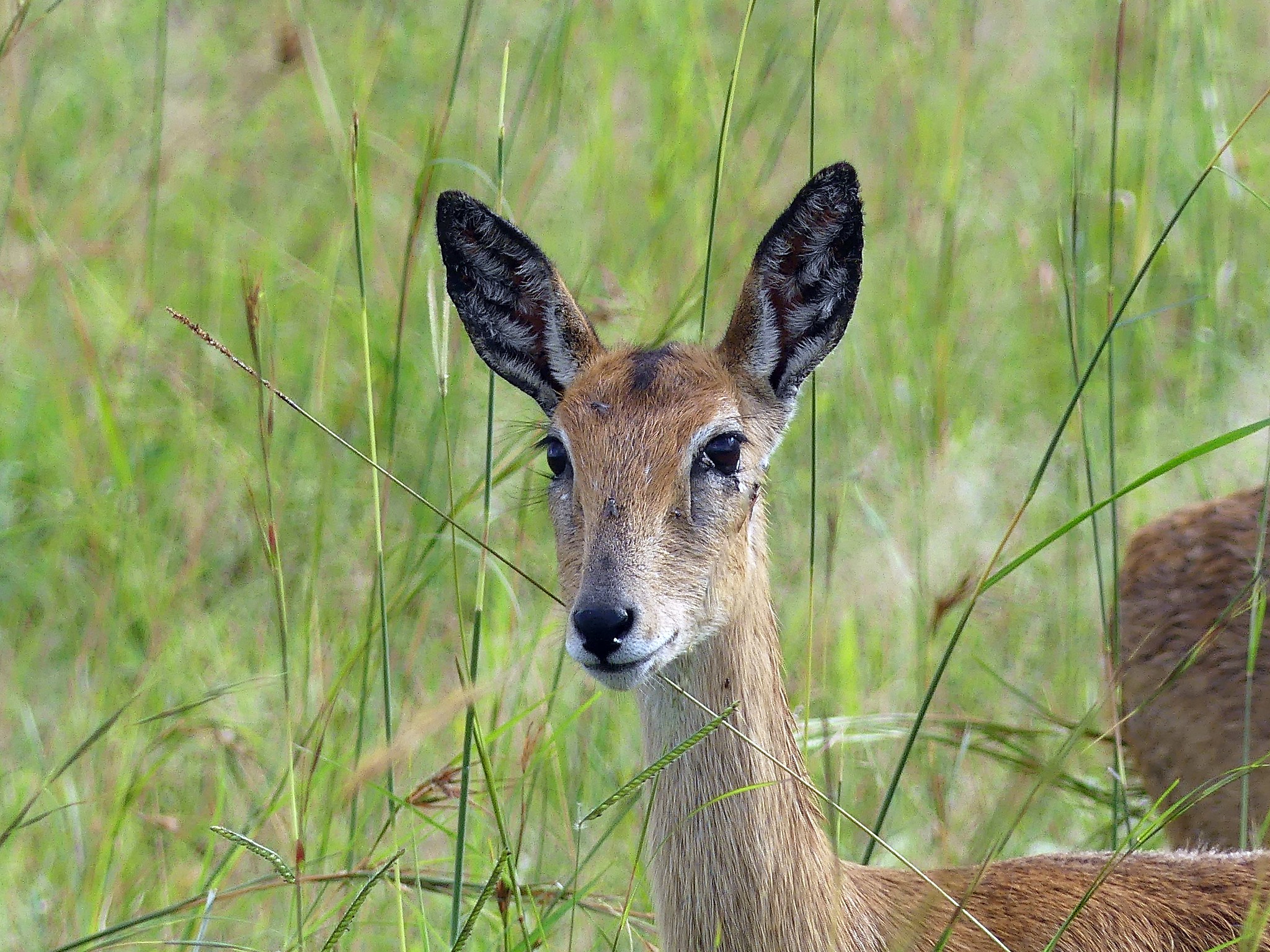
Hyenas, Giraffes, Antelopes
-
Rhinos, Crocodiles
-
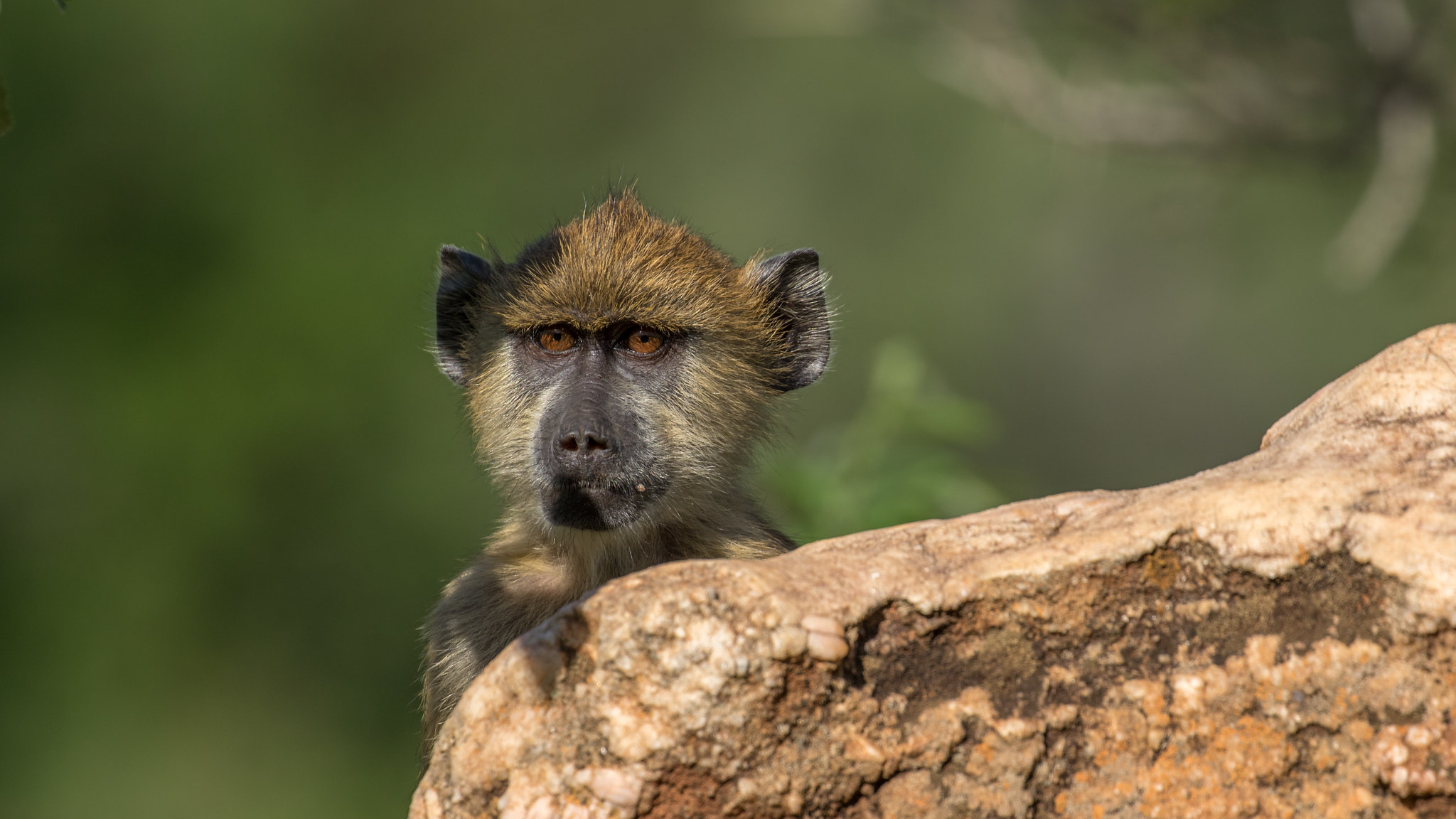
Golden Monkeys, Zebras
These species are distributed across Uganda’s 10 national parks, each offering unique ecosystems and wildlife viewing opportunities.
What to Pack for a Uganda Safari
-
Long trousers and dull-colored shirts
-
Rain hat and lightweight raincoat
-
Sturdy hiking shoes
-
Water bottle
-
Sunglasses and sunscreen
-
Camera with extra batteries and charger
-
Binoculars
-
Insect repellents
Uganda Coffee Safari
A coffee safari combines wildlife and cultural experiences, teaching tourists about coffee growing, processing, tasting, and the opportunity to take home coffee gifts.
Uganda’s 10 National Parks (2024)
-
Queen Elizabeth National Park – Diverse landscapes and wildlife
-
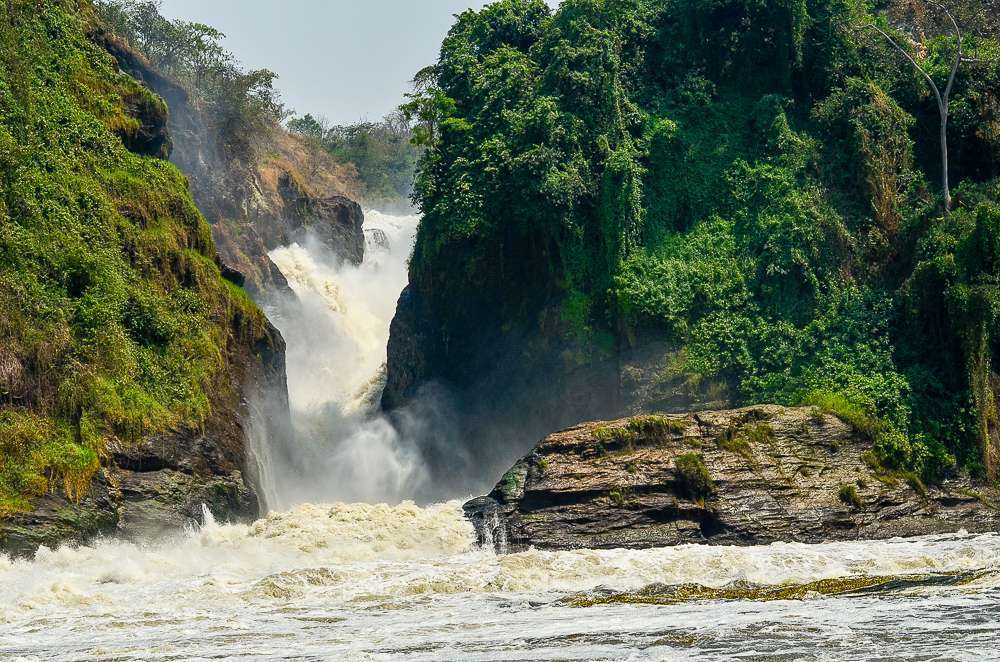
Murchison Falls National Park – World’s most powerful waterfall
-
Bwindi Impenetrable Forest – Ultimate gorilla experience
-
Kidepo Valley National Park – True African wilderness
-
Lake Mburo National Park – Rolling hills and wildlife
-
Kibale Forest National Park – Primate capital of Africa
-
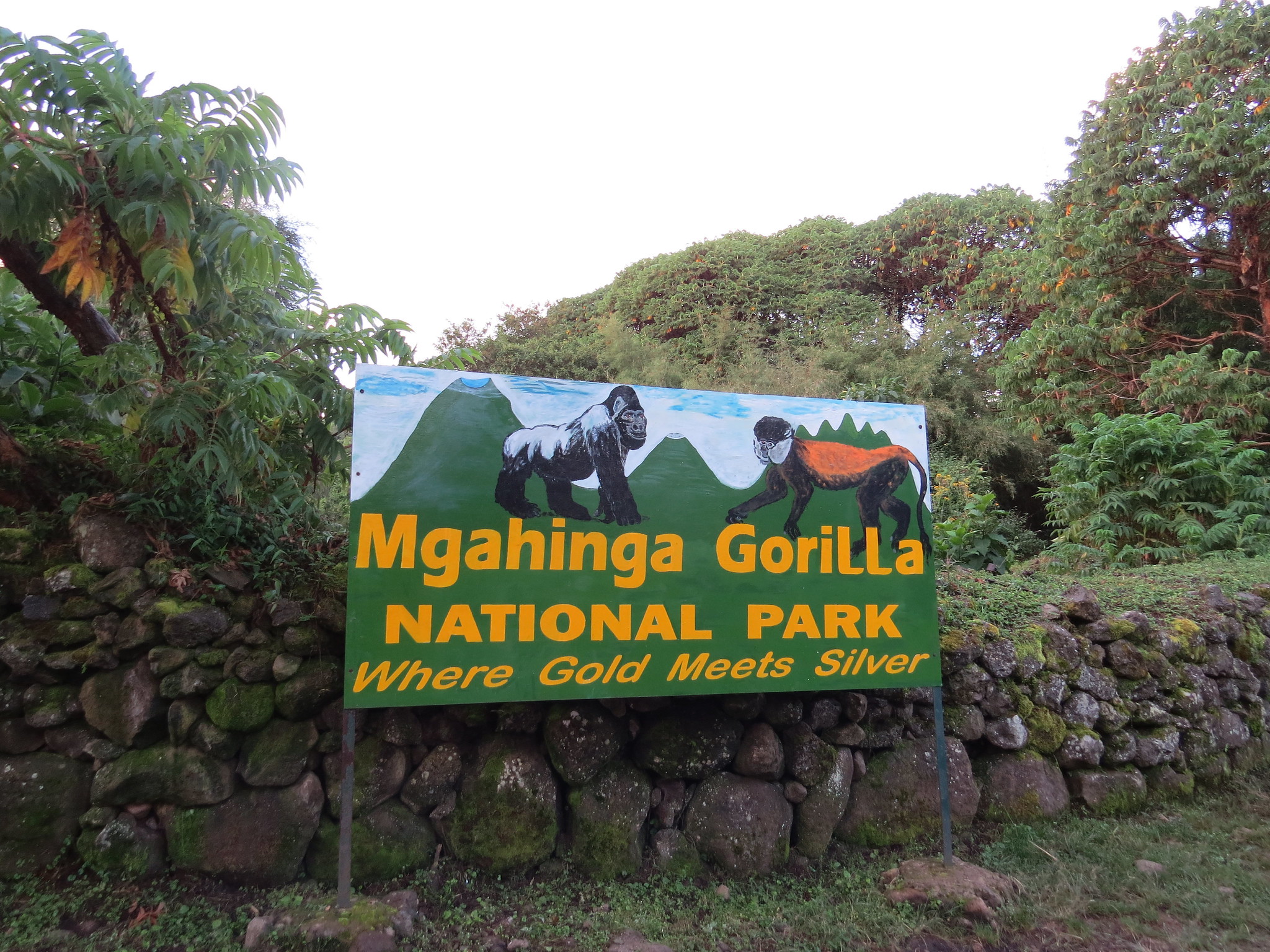
Mgahinga Gorilla National Park – Smallest park, home to gorillas
-
Mount Rwenzori National Park – The mystical “Mountains of the Moon”
-
Semliki National Park – Birdwatcher’s paradise
-
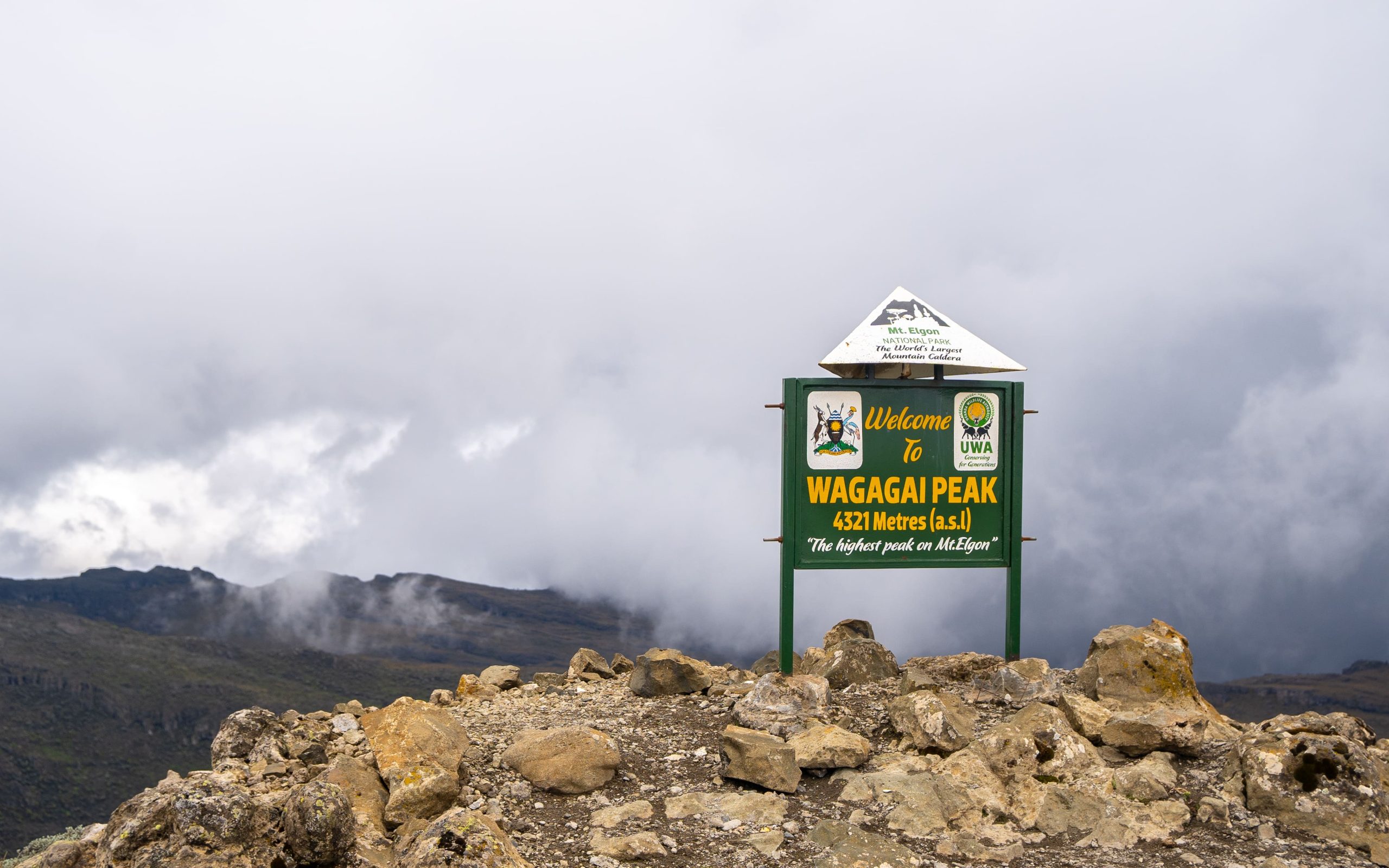
Mount Elgon National Park – Largest mountain caldera in East Africa
-
Smallest Park: Mgahinga (34 km²)
-
Largest Park: Murchison Falls (3,890 km², oldest park, established 1952)
Uganda Safari Tips
-
Choose your preferred destination
-
Plan your travel dates
-
Consult your tour operator
-
Book activities and accommodations in advance
-
Obtain permits and visas
-
Prepare pre-travel medications
-
Pack the right safari gear
-
Arrange your finances
-
Warm up for your adventure by reading about your destinations
-
Travel and enjoy the Pearl of Africa
Clothing Recommendations
-
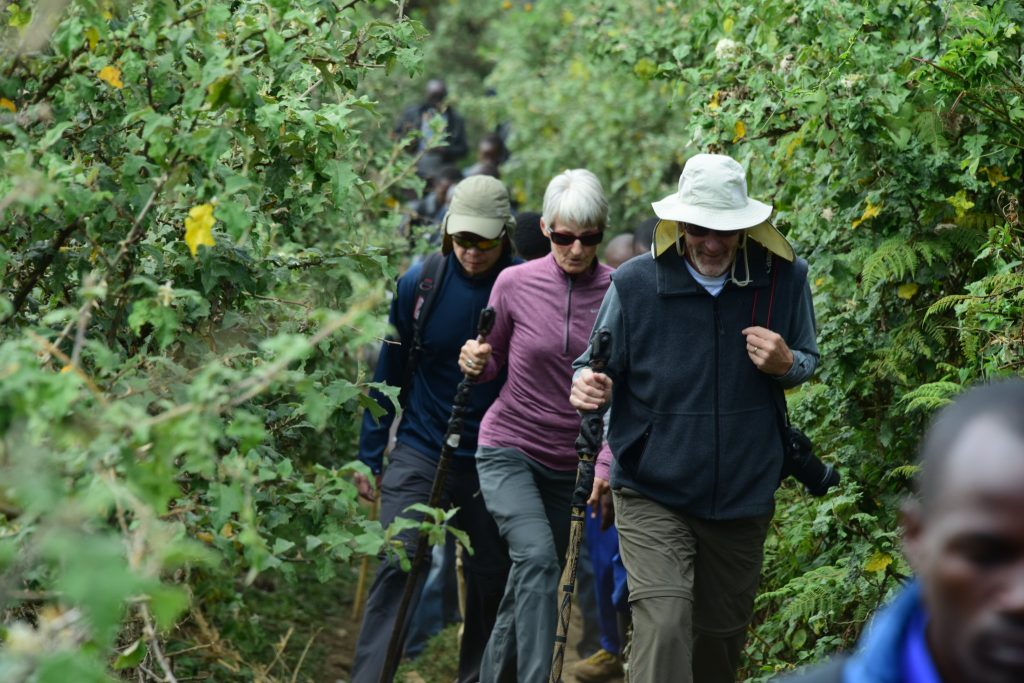
Primate safaris: Heavier attire for cold rainforest conditions
-
Savannah game drives: Lighter clothing for warm, open areas
-
General: Long-sleeved shirts and trousers in neutral colors
Uganda Safari with Kids
Family safaris are possible. Children can participate in eco-friendly hotel activities while adults go on primate trekking adventures.
Is Uganda Safe for a Safari?
Absolutely. Uganda is politically stable, with welcoming locals and well-protected national parks. Tourists can enjoy wildlife and cultural experiences with peace of mind.
Booking a Uganda Safari
Safari bookings can be made through tour operators, ensuring seamless coordination of activities, accommodations, and permits.
Multilingual guides are available in French, German, Dutch, Italian, Chinese, and other languages.
Tourist visas can be applied online and issued on arrival at Entebbe International Airport.