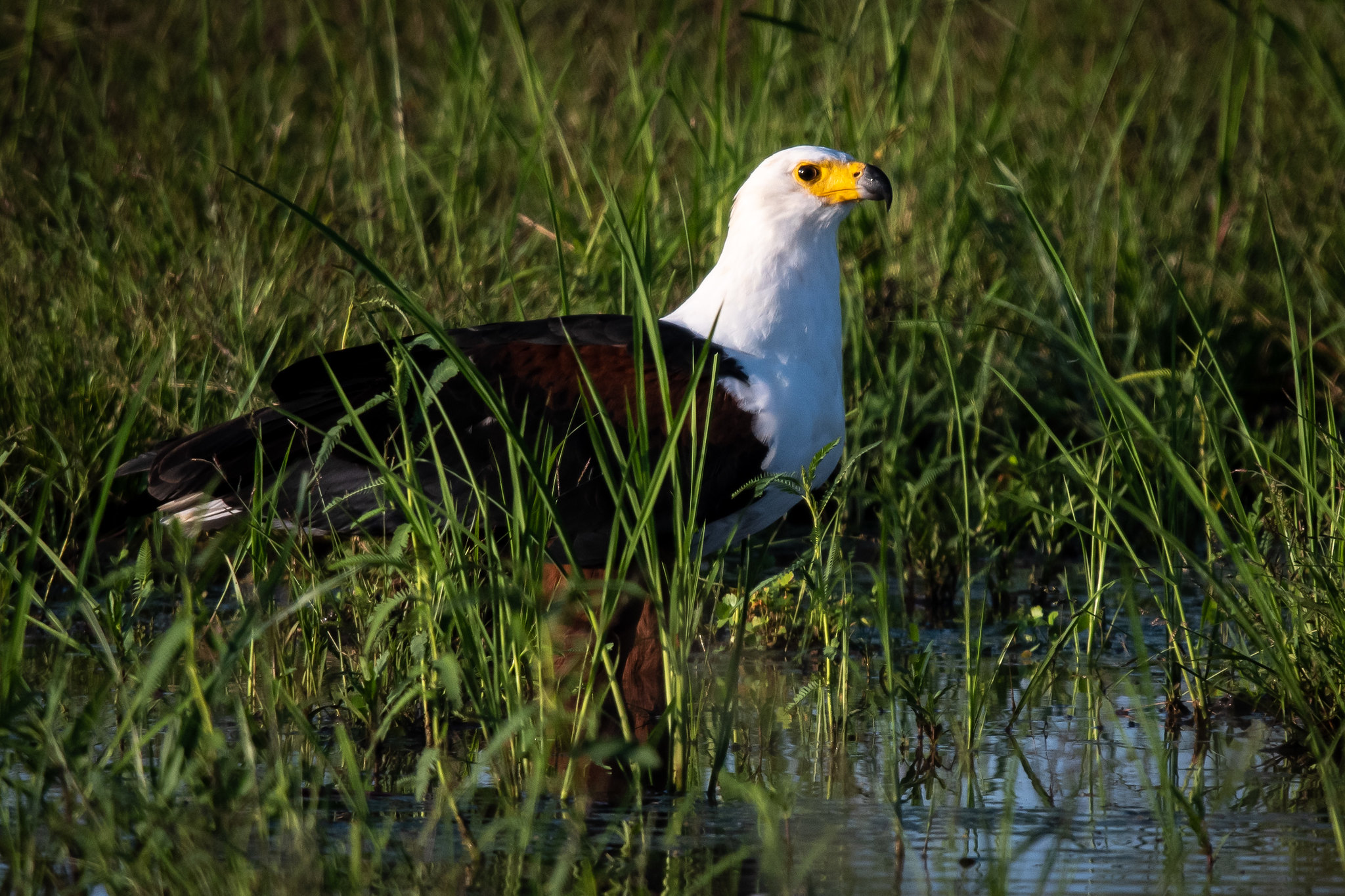
Tarangire National Park is a remarkable destination for bird watching, boasting a recorded list of over 500 bird species. The park’s permanent swamps, which remain green throughout the year, provide ideal breeding grounds for numerous bird species and are among the most important bird habitats in the entire park. Tarangire is also home to several dry-country bird species found at the edge of their range in Tanzania, including the pied babbler and the striking vulturine guinea fowl.
Birding enthusiasts can look out for large flocks of colorful yellow-collared lovebirds, rufous-tailed weavers, and ashy starlings, all commonly seen in the dry savannah of north-central Tanzania. From November through April, the park becomes even more rewarding as many migratory bird species arrive, adding to Tarangire’s impressive diversity.
Notable Bird Species in Tarangire National Park
Tarangire is home to some of Africa’s most remarkable birds, including the ostrich, the world’s largest bird, and the kori bustard, the heaviest flying bird on earth. Smaller species such as hornbills are also frequently seen in the park’s drier areas. With its varied habitats and abundant food sources, Tarangire National Park is a must-visit destination for bird watchers of all levels.
The park is particularly important for conservation, as it hosts Tanzania’s three endangered bird species: the rufous-tailed weaver, the ashy starling, and the yellow-collared lovebird. The wet floodplains in the southern and eastern sections of the park serve as vital breeding grounds for Eurasian migratory birds.
Habitats and Birding Hotspots
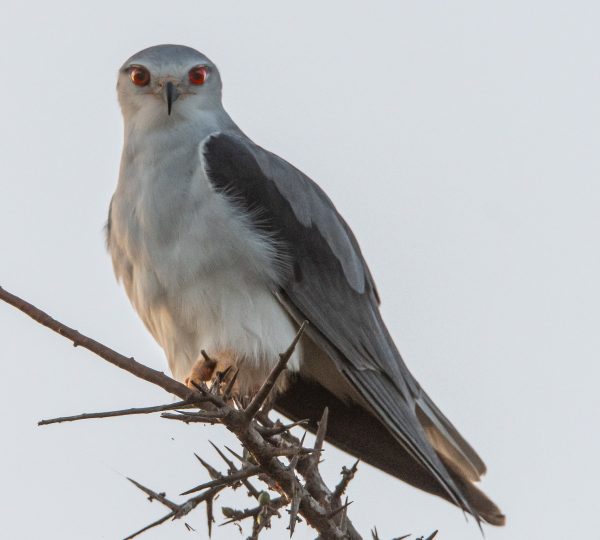
Tarangire’s savannah grasslands, woodlands, and riverine forests support a wide range of birdlife. Commonly sighted species include hoopoes, hornbills, white-bellied go-away birds, and earth-toned parrots. The park is also home to numerous game birds such as yellow-necked spurfowl, helmeted guinea fowl, and francolins.
Other frequently observed birds include lilac-breasted rollers, barbets, mousebirds, striped swallows, starlings, swifts, hammerkops, bee-eaters, cordon bleus, and plovers. The diversity of species makes every birding excursion in Tarangire a rewarding experience.
Birds of Prey in Tarangire National Park
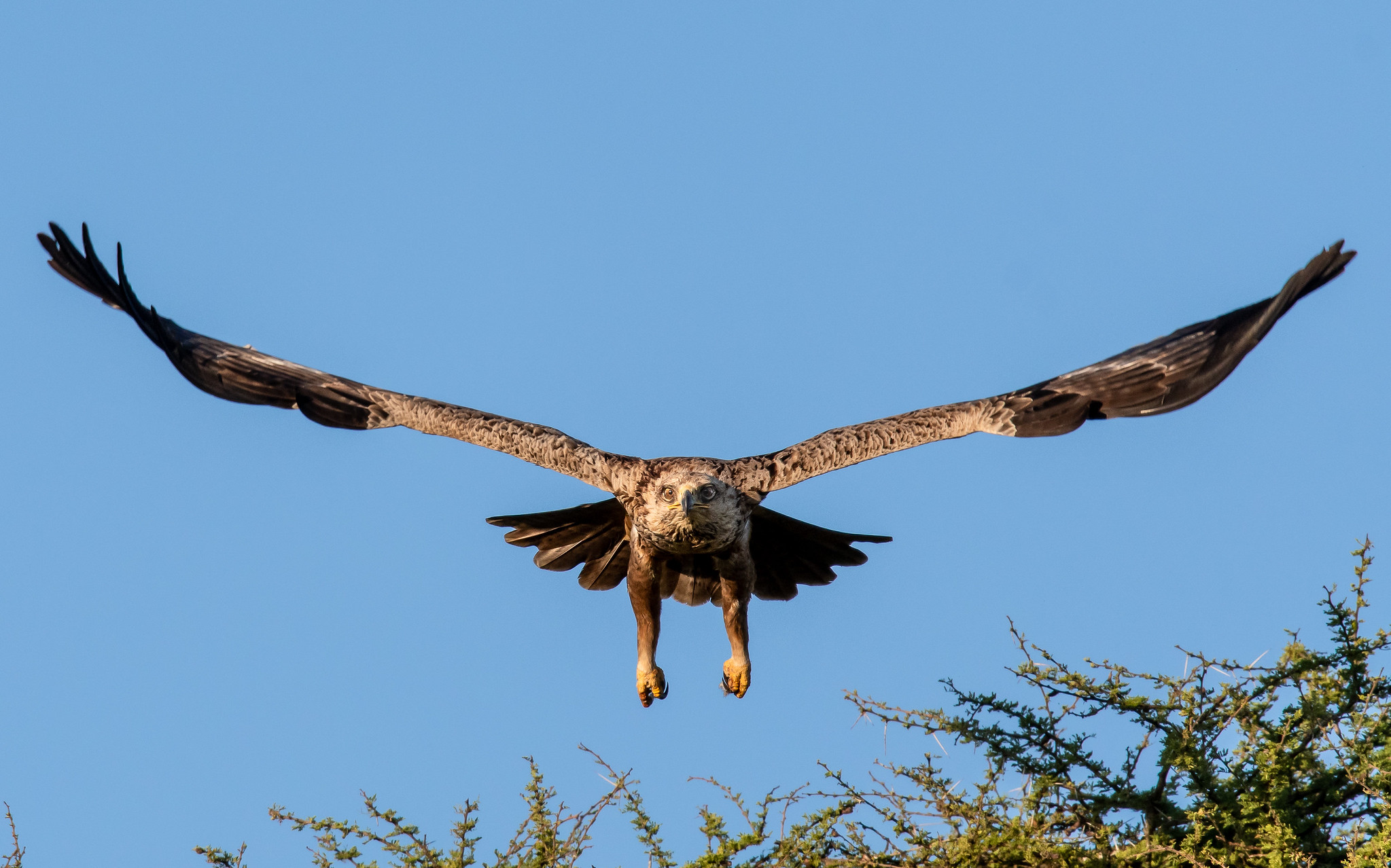
The slopes and open landscapes of Tarangire National Park are home to more than 50 species of raptors. These include majestic bateleur eagles, steppe falcons that migrate from Russia, and the impressive lappet-faced vultures. Watching these birds of prey soar above the park’s plains is one of the highlights of bird watching in Tarangire.
Why Tarangire Is a Birder’s Paradise
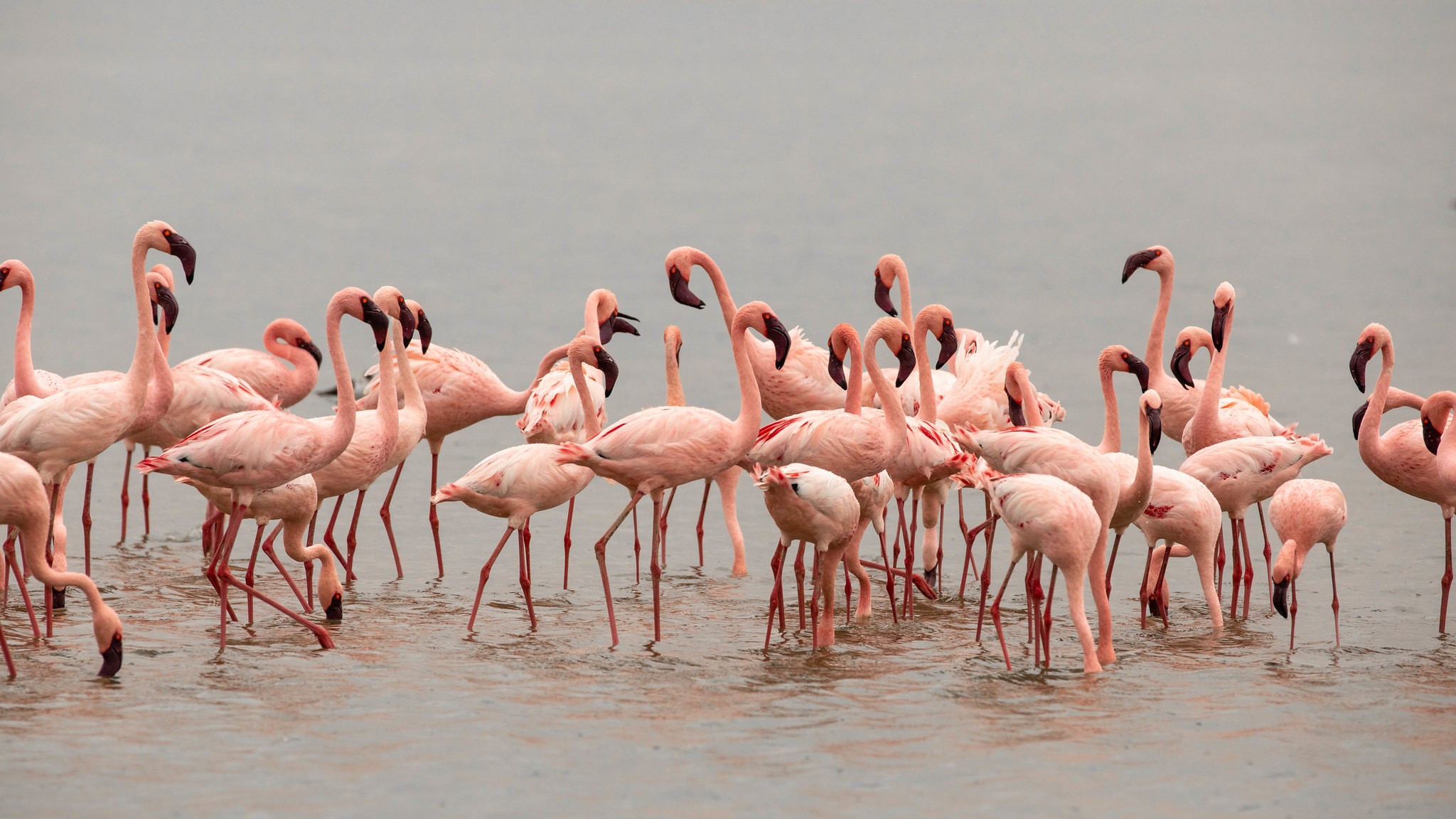
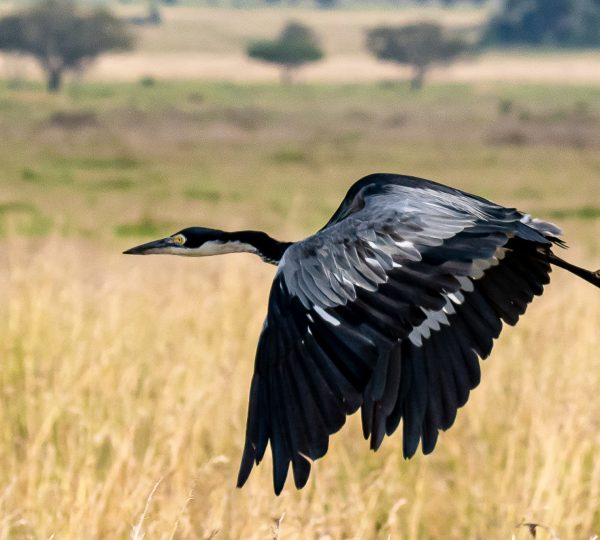
Bird watching is one of the most popular tourist activities in Tarangire National Park, which is widely regarded as one of Tanzania’s top birding destinations. The park’s constantly changing landscapes support an equally diverse range of bird species. Wetlands attract water birds such as pelicans, storks, and spoonbills, while the drier areas are home to kori bustards, ostriches, and ground hornbills.
Colorful lovebirds, weavers, barbets, African hoopoes, martins, vultures, falcons, and bateleurs further enhance the park’s reputation as a true birding paradise.
Best Time for Bird Watching in Tarangire National Park
Tarangire National Park offers excellent bird-watching opportunities throughout the year. However, the best time for birding is from November to April, when migratory birds arrive from Europe and Northern Africa. During this period, resident species are also nesting, making it easier to observe birds in their breeding plumage.
From June to October, while migratory birds are fewer, visitors enjoy clearer vegetation and better wildlife viewing, making this season ideal for combining bird watching with classic game viewing.