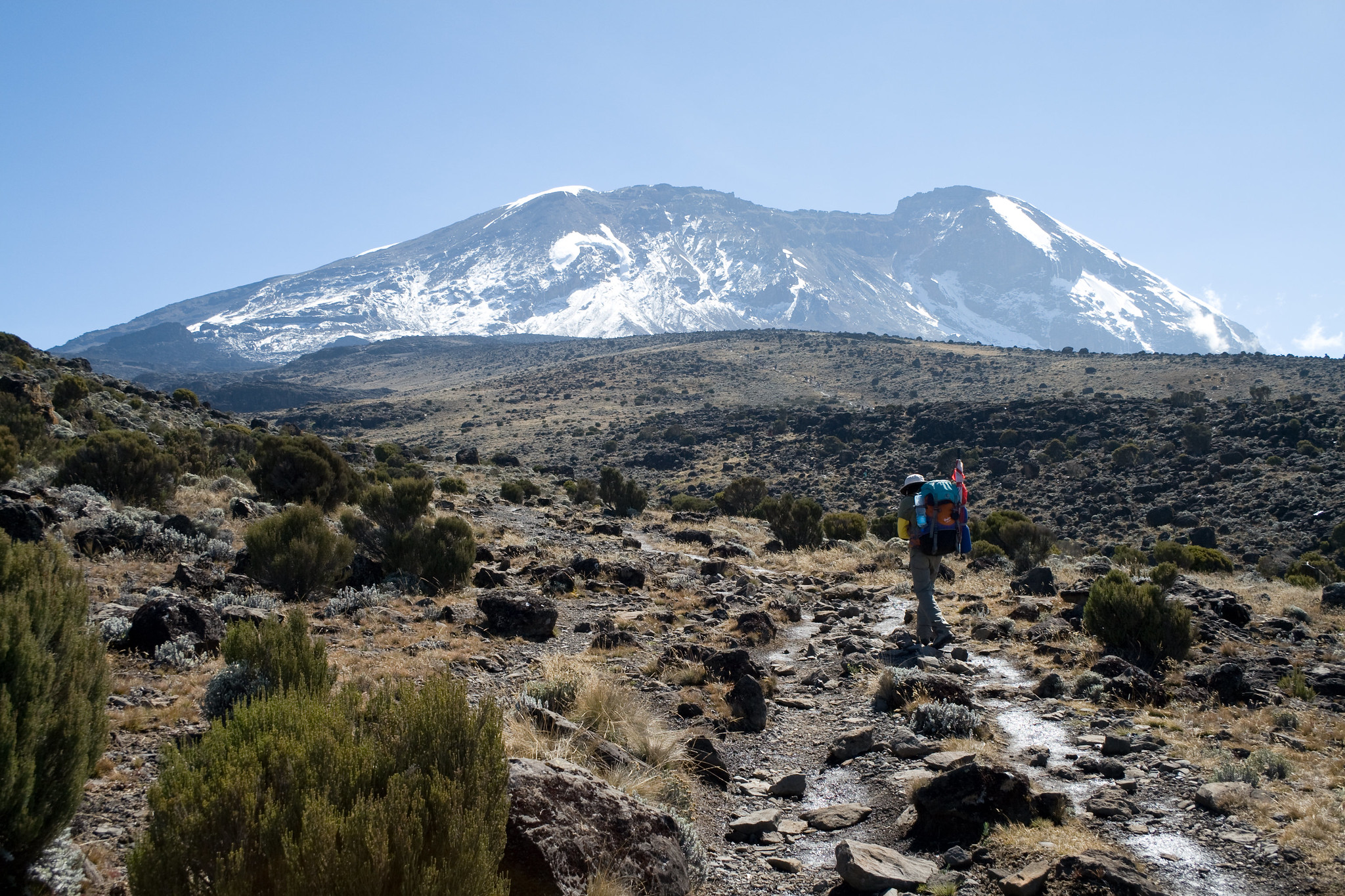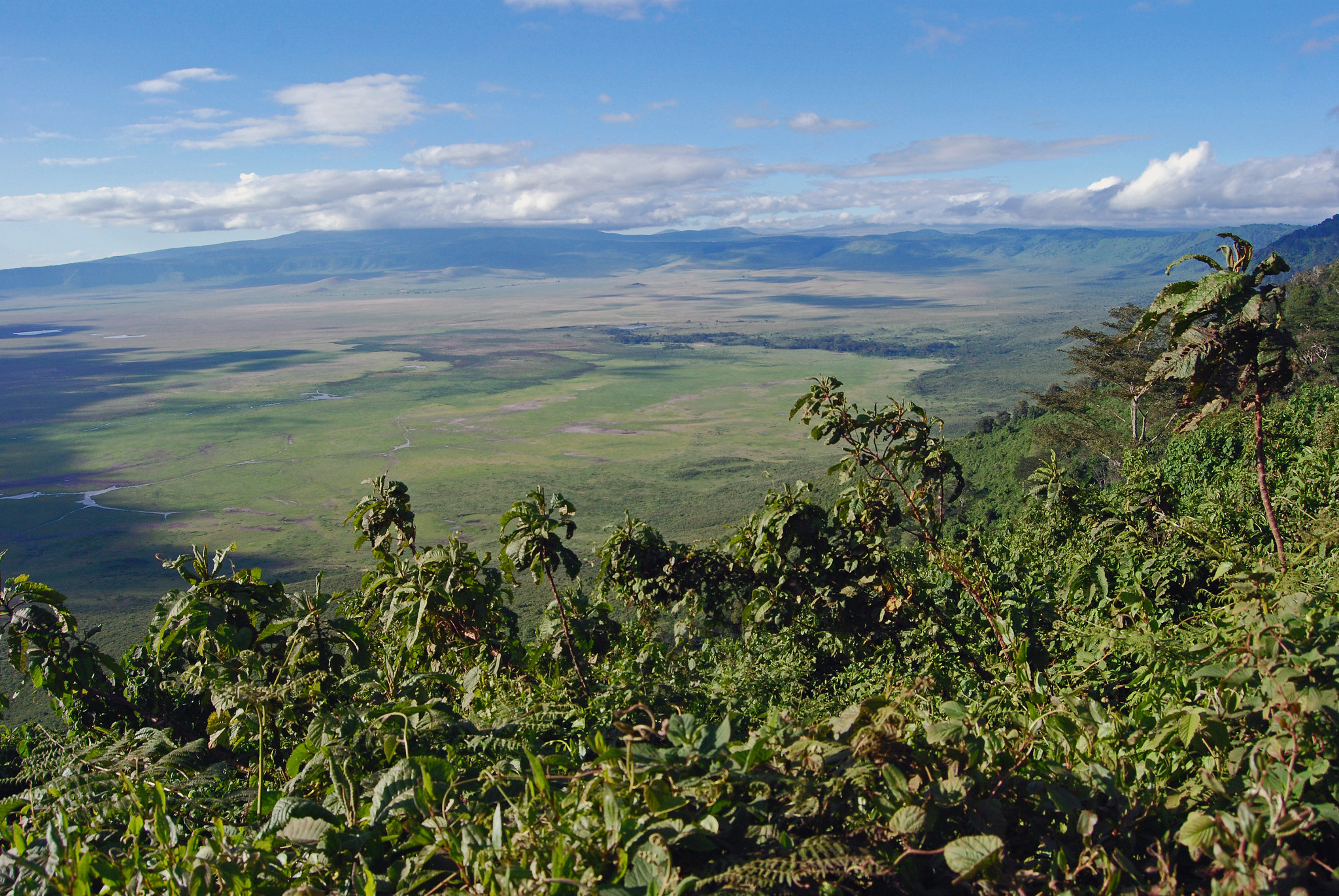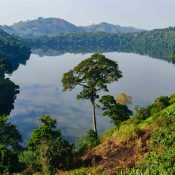
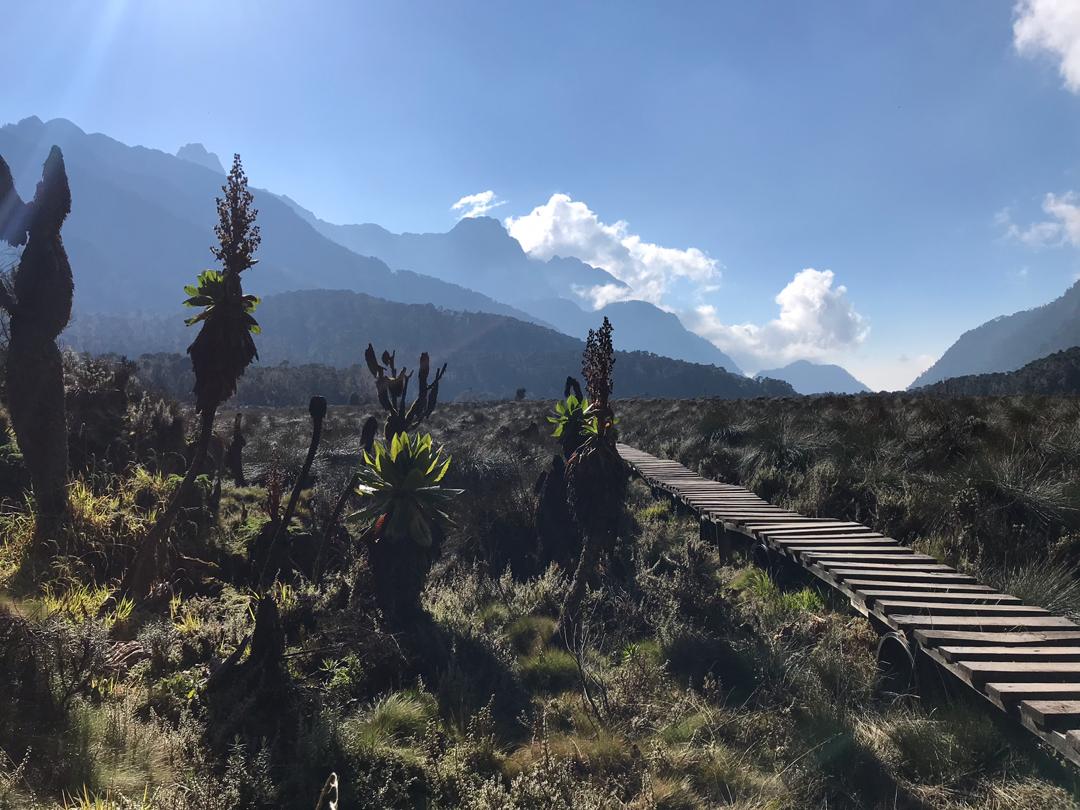
The Rwenzori Mountains, often referred to as the “Mountains of the Moon,” offer one of Africa’s most rewarding and least crowded trekking experiences. Located in western Uganda, Rwenzori Mountains National Park is a UNESCO World Heritage Site recognized for its exceptional biodiversity, dramatic landscapes, and snow-capped peaks on the equator. You can learn more about the park’s conservation significance through UNESCO’s official listing:
Although the Rwenzori Mountains can be visited throughout the year, the timing of your trek plays an important role in comfort, safety, and overall enjoyment.
Best Seasons for Trekking in the Rwenzori Mountains
The Rwenzoris receive rainfall in most months due to their high altitude and dense vegetation. As a result, trails can be muddy and slippery even during relatively dry periods. For trekkers, the most favorable conditions are usually found during Uganda’s drier seasons, when rainfall is reduced and visibility is better.
The best time to hike the Rwenzori Mountains is generally from July to August and from December to February. During these months, trail conditions are more manageable, river crossings are safer, and campsites are easier to access. These periods are especially suitable for multi-day treks and summit attempts.
Official park information and trekking regulations can be found through the Uganda Wildlife Authority, which manages Rwenzori Mountains National Park:
Quiet Trails and a True Wilderness Experience
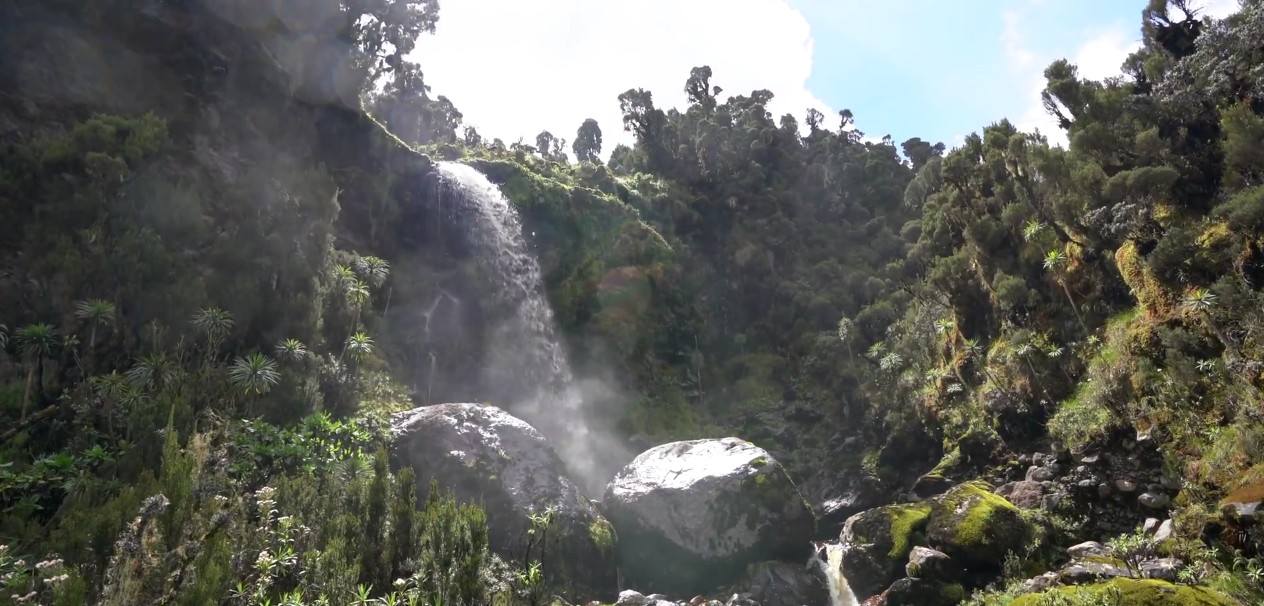
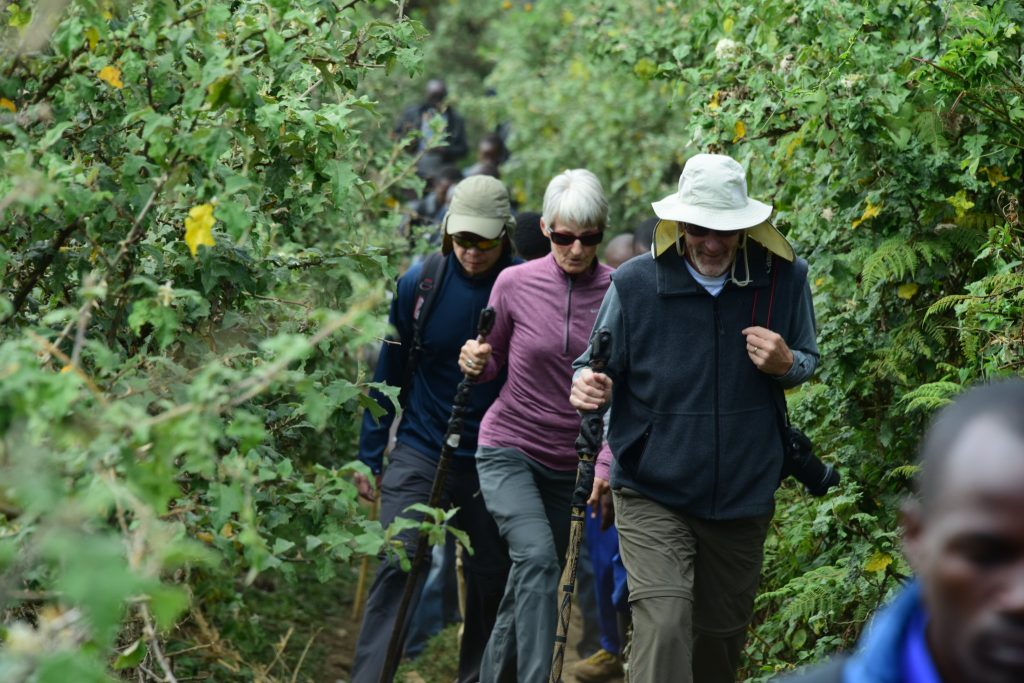
One of the Rwenzori Mountains’ greatest strengths is their lack of mass tourism. Unlike more famous mountain destinations, the park never feels overcrowded. Even during the drier trekking months, you’ll rarely encounter large groups on the trails. There is no real “peak season” here, making the Rwenzoris ideal for travelers seeking solitude, immersion in nature, and a genuine sense of exploration.
This quiet atmosphere allows hikers to fully appreciate the park’s changing vegetation zones, from tropical rainforest and bamboo forests to alpine moorland and glacial terrain.
High-Altitude Hiking and Mount Speke
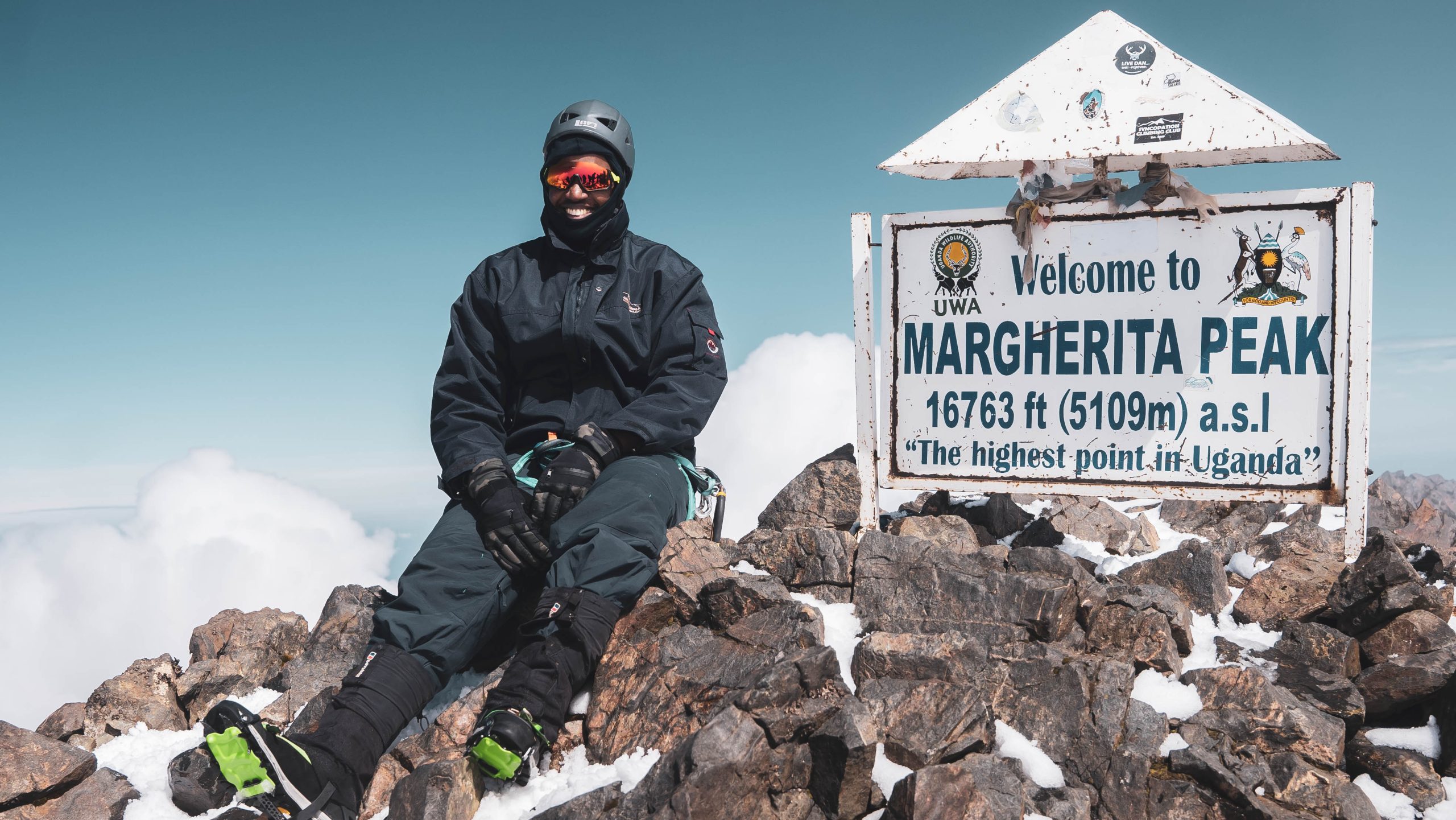
For experienced trekkers, the Rwenzori Mountains present serious high-altitude challenges. Mount Speke (4,890 m) is the second-highest peak in the range after Mount Stanley and remains one of the most rewarding climbs in the park. Reaching higher elevations reveals dramatic scenery, unique Afro-alpine plants, and, in some areas, remnants of equatorial glaciers.
Travel guides such as Lonely Planet provide helpful background for those planning their first visit to the region:
For broader context on the geography and significance of the Rwenzori Mountains, National Geographic also offers valuable insights into this remarkable mountain range:
Planning Your Rwenzori Trek
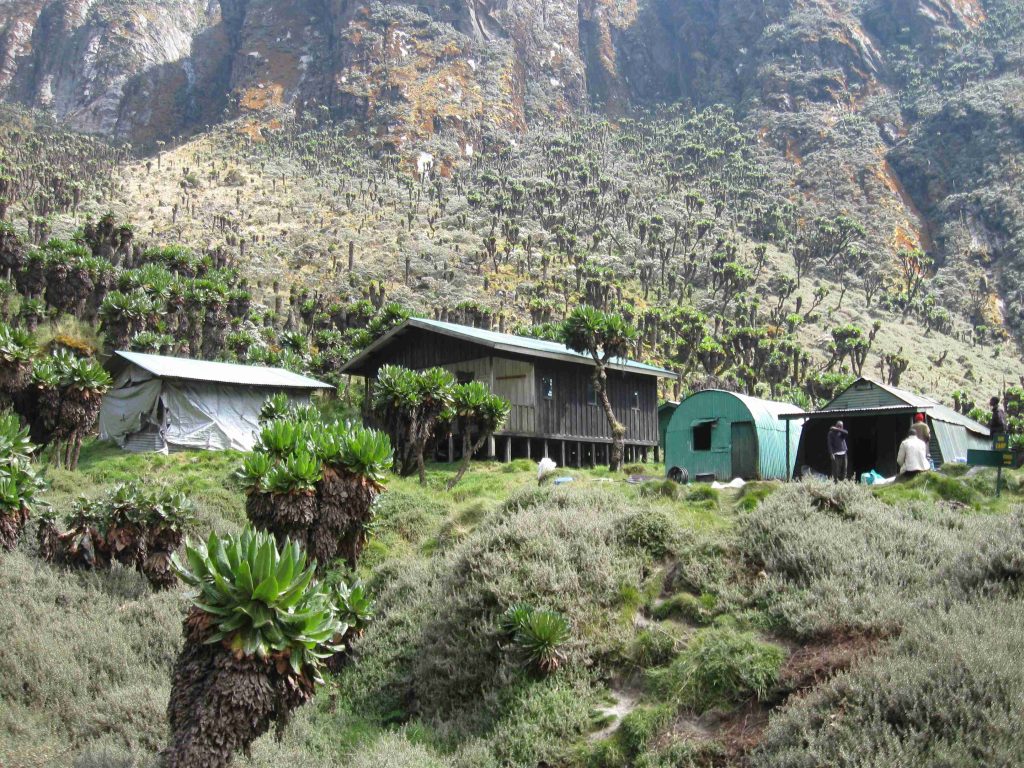
A successful Rwenzori trek depends on proper planning, realistic expectations, and the right timing. Weather conditions can change quickly, and the terrain is demanding, making experienced guides and good preparation essential. Choosing the right season not only improves trail conditions but also enhances safety and enjoyment throughout the journey.
If you’re considering a trek in the Rwenzori Mountains and would like advice on the best time to go, route options, or logistical planning, feel free to get in touch. We’re always happy to help you plan a trek that suits your interests, fitness level, and travel schedule.
Have you visited Rwenzori Mountains National Park before? Whether you’ve hiked its trails or simply admired its peaks, we’d love to hear about your experience—and see your photos if you’re happy to share them.