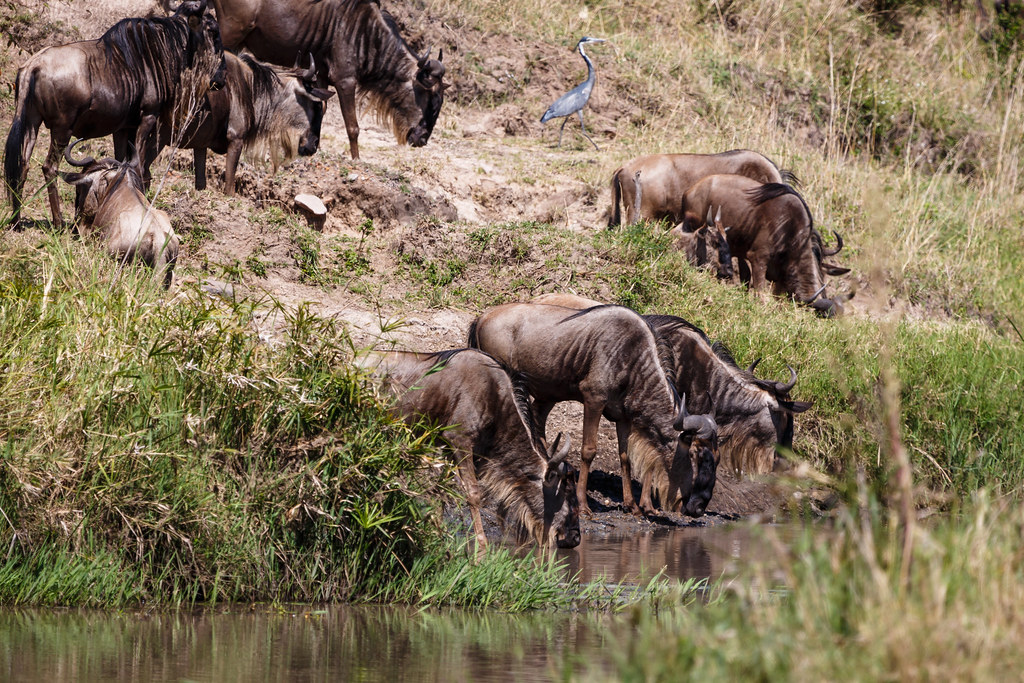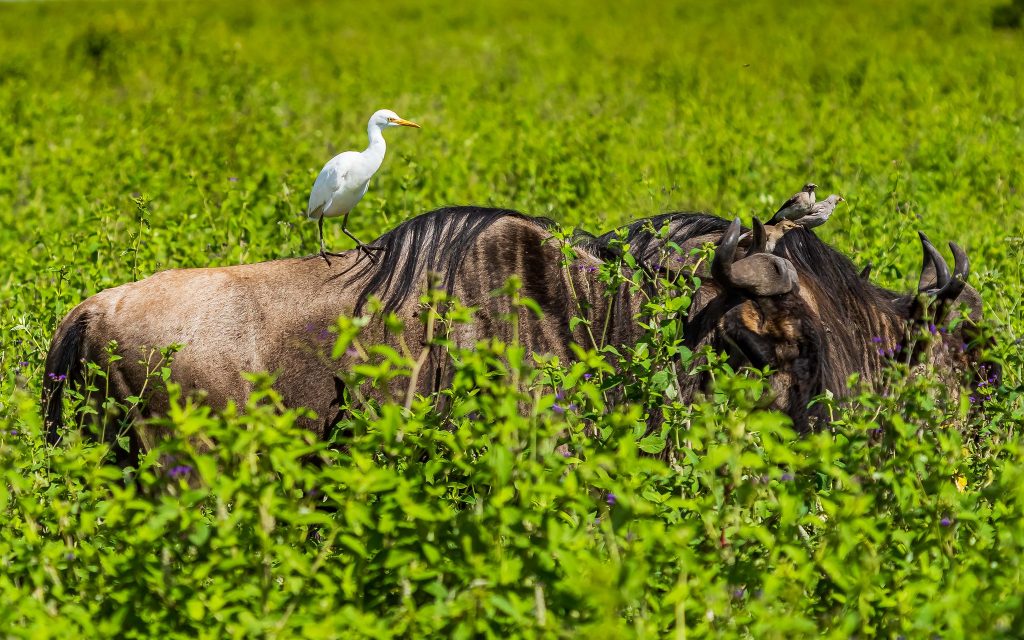
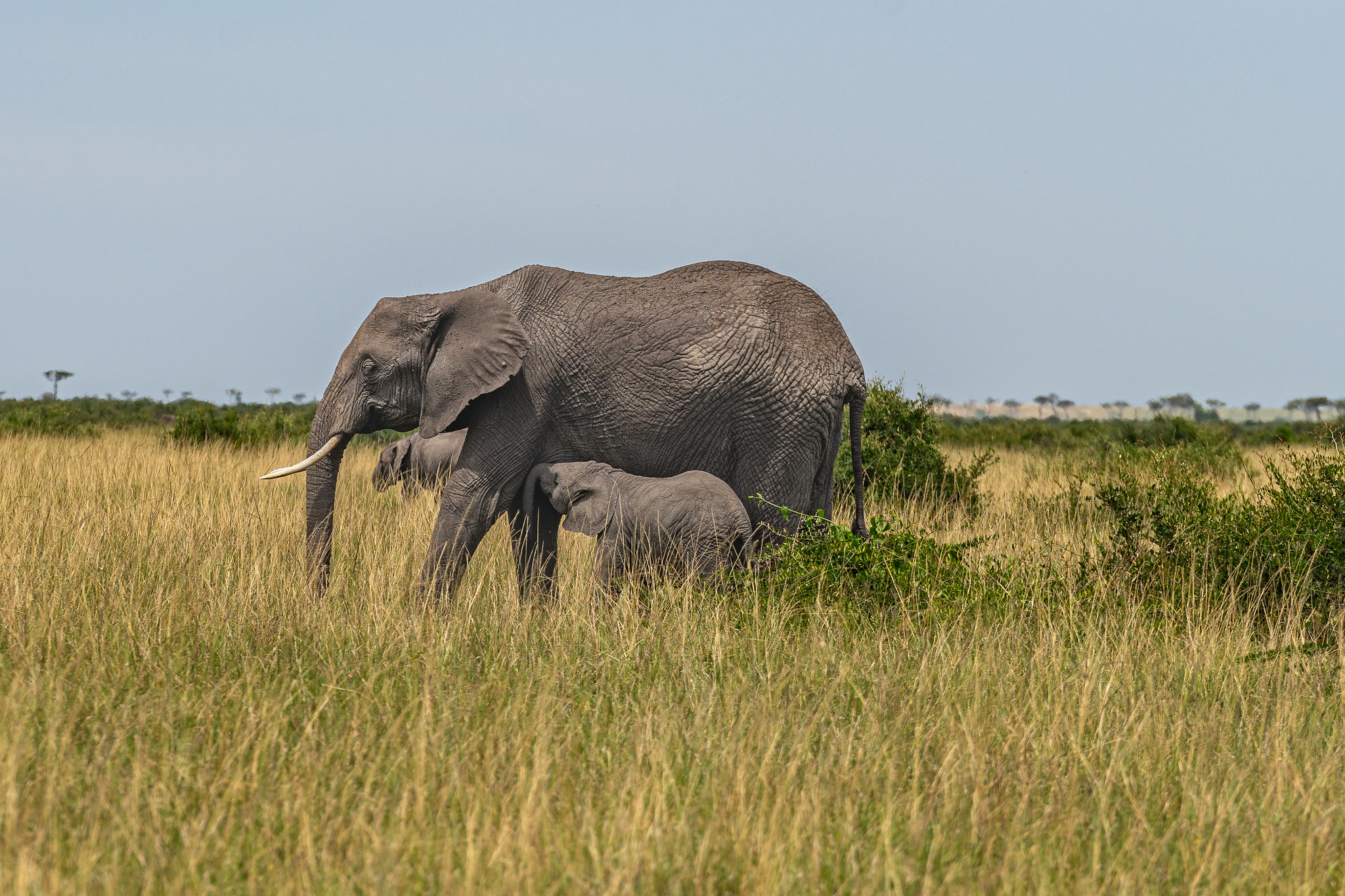
Nestled about 300 km southwest of Nairobi, the Masai Mara National Reserve reigns as Kenya’s premier wildlife destination and the northern extension of the vast Serengeti ecosystem. This iconic reserve delivers some of the planet’s most thrilling safari experiences, from dramatic predator-prey encounters to the world’s greatest wildlife spectacle: the Great Wildebeest Migration.
The Great Migration: Nature’s Greatest Show on Earth
Each year, more than 1.5 million wildebeest, accompanied by hundreds of thousands of zebras and gazelles, embark on an epic circular journey driven by rainfall and fresh grazing. The herds move from Tanzania’s Serengeti into Kenya’s Masai Mara, creating one of Africa’s most breathtaking natural events.
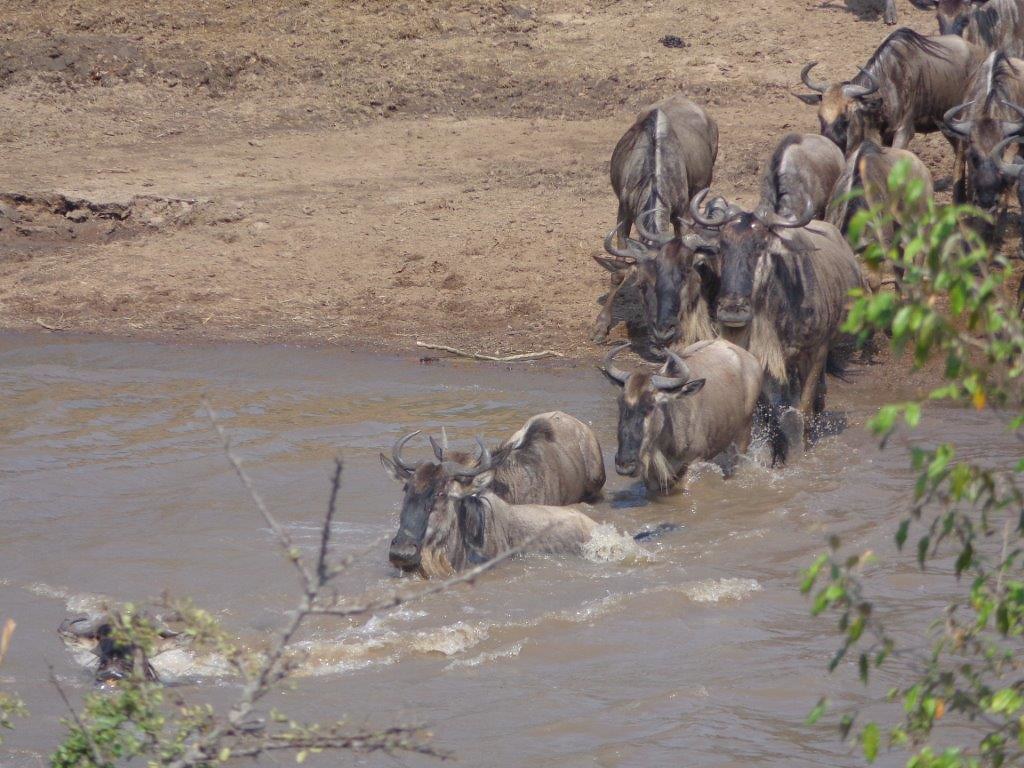
The highlight unfolds from July to October, with peak drama in July–September. Massive herds converge on the Mara River, plunging into crocodile-infested waters in chaotic river crossings. These heart-pounding moments—thousands of animals leaping into strong currents amid lurking predators—offer raw, unforgettable wildlife theater. In 2026, expect similar patterns: late July–August for northern arrivals and major crossings, extending into September–October for continued action and southward returns.
Incredible Wildlife Diversity: The Big Five and Beyond
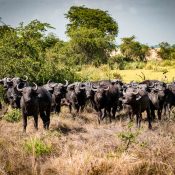
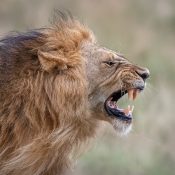
The Masai Mara boasts reliable sightings of Africa’s legendary Big Five: lion, leopard, elephant, Cape buffalo, and black rhino (the latter supported by ongoing conservation tech like real-time tracking in key areas). But the reserve’s richness goes far beyond:
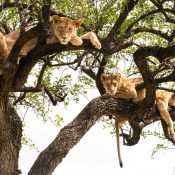
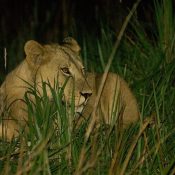
- Predators — Thriving populations of cheetahs, lions (often in prides), and elusive leopards draped in acacia branches.
- Herbivores — Vast plains teeming with zebras, giraffes, topi, eland, impala, Thomson’s and Grant’s gazelles, hippos in the rivers, and elephants in family groups.
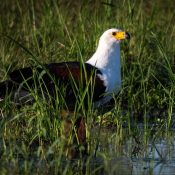
- Birdlife — Over 500 species, from colorful rollers and bee-eaters to secretary birds and martial eagles—making it a top spot for birdwatchers.
Don’t overlook the charming Little Five: elephant shrew (often called “elephant” in the name), antlion, leopard tortoise, rhinoceros beetle, and buffalo weaver. These miniature marvels add delightful layers to any game drive.
The Magic of Mara Mornings
Few experiences rival dawn in the Masai Mara. As the first golden light spills across the savanna, nature’s orchestra awakens: birdsong mingles with hyena whoops, distant lion roars, and the rustle of grass under hooves.
Early game drives reveal peak activity in cooler hours:
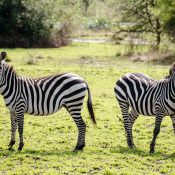
- Playful zebras greeting each other with nuzzles and kicks.
- Graceful jackals hunting small prey through tall grasses.
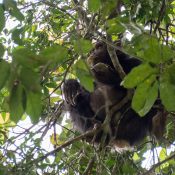
- Chattering baboon troops socializing in the trees.
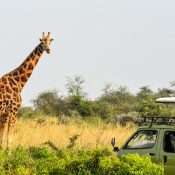
- Towering giraffes browsing acacias, casting curious glances at vehicles.
Lucky sightings might include lions finishing a nocturnal kill or a leopard savoring breakfast high in the branches—vivid reminders of the untamed circle of life.
The Ultimate Experience: Hot Air Balloon Safari
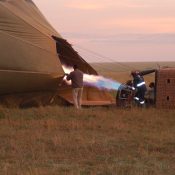
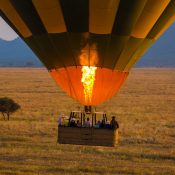
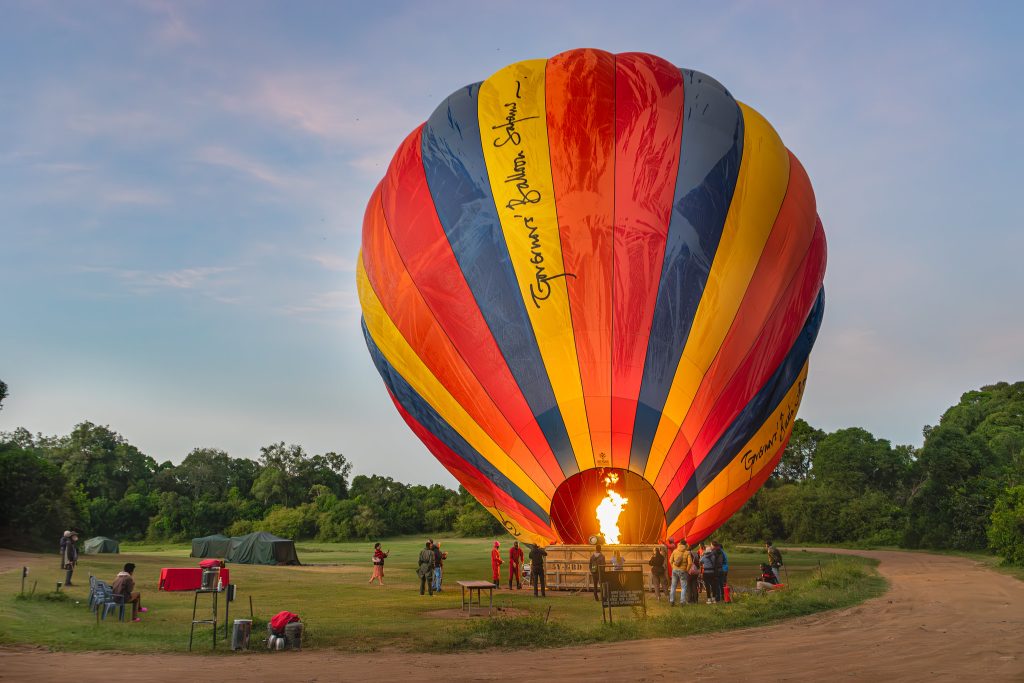
Elevate your adventure with a sunrise hot air balloon safari. Drifting silently 1,000 feet above the plains at dawn reveals the landscape’s vast scale: golden grasslands dotted with wildlife herds, winding rivers, and distant escarpments.
Flights last about an hour, followed by a classic bush champagne breakfast—complete with fresh fruits, pastries, and bubbly—served tableside in the wilderness. In 2026, expect costs around $450–$600 per person (varying by operator, season, and location; book 8–12 months ahead for peak July–October slots). It’s a luxurious, serene contrast to ground drives and often hailed as a trip highlight.
Game Viewing Tips for an Unforgettable Safari
Maximize your time in the Mara with these essentials:
- Start early — Wildlife is most active at dawn and dusk; morning drives often yield the best light and sightings.
- Be patient — Prime moments reward quiet observation; let your guide scan horizons and listen for alarm calls.
- Look beyond the obvious — Scan treetops, riverbanks, and grass for leopards, cheetahs, or the Little Five.
- Bring binoculars — Spot distant birds, predators, or subtle behaviors up close.
- Listen actively — Animal sounds often guide you to action before visuals appear.