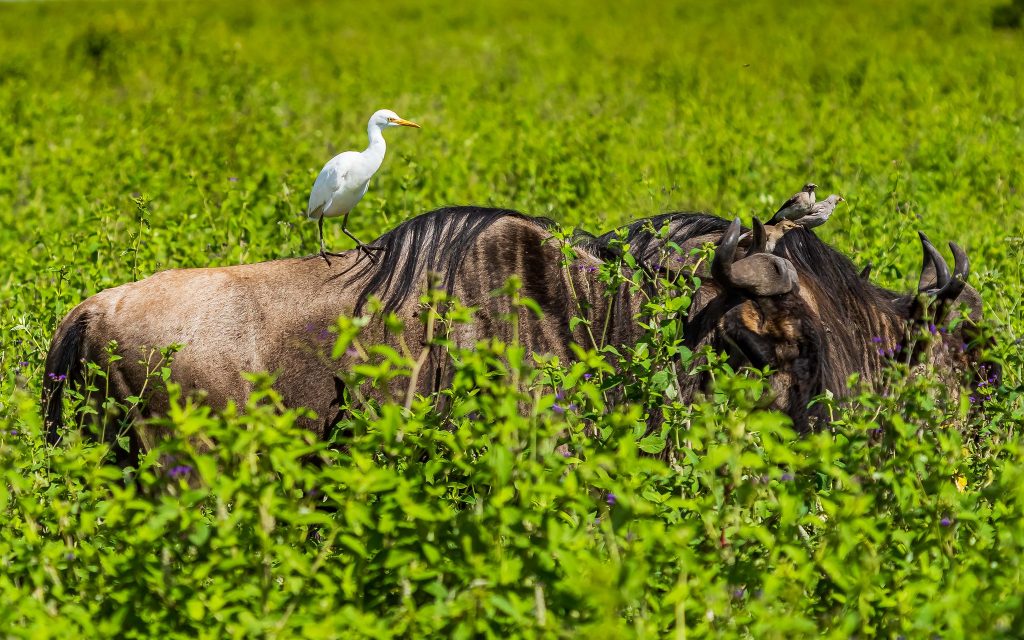
Serengeti National Park is Tanzania’s most famous safari destination and one of Africa’s greatest natural wonders. Renowned across the globe, the park is best known for hosting the Great Wildebeest Migration, an extraordinary natural spectacle where hundreds of thousands of wildebeest, zebras, and gazelles move between Tanzania’s Serengeti and Kenya’s Maasai Mara in search of fresh grazing lands.
Covering approximately 14,763 square kilometers, Serengeti National Park is Tanzania’s largest and most important protected area. It borders Kenya’s Maasai Mara to the north and stretches close to Lake Victoria in the west, forming the core of the vast Serengeti Ecosystem. This ecosystem supports one of the highest concentrations of wildlife anywhere on Earth.
The name Serengeti is derived from the Maasai word “Siringet,” meaning endless plains a fitting description of the sweeping savannahs, rolling grasslands, and dramatic horizons that define this iconic landscape.
Why Visit Serengeti National Park?
A Tanzania safari is truly incomplete without experiencing the Serengeti. The park offers a rare combination of breathtaking scenery, abundant wildlife, and raw wilderness that few places on the planet can match. Visitors are treated to endless plains dotted with acacia trees, glowing sunrises and sunsets, and extraordinary wildlife encounters throughout the year.
Serengeti is home to an incredible diversity of animals, including elephants, giraffes, buffaloes, and large herds of antelope species. It also shelters endangered species such as the black rhinoceros and has been featured in countless National Geographic documentaries, solidifying its reputation as one of the world’s premier wildlife destinations.
Wildlife and the Serengeti Ecosystem
As a UNESCO World Heritage Site, Serengeti National Park forms part of a larger interconnected ecosystem that includes the Ngorongoro Conservation Area, Maswa Game Reserve, Ikorongo and Grumeti Game Reserves, and the Loliondo Game Controlled Area.
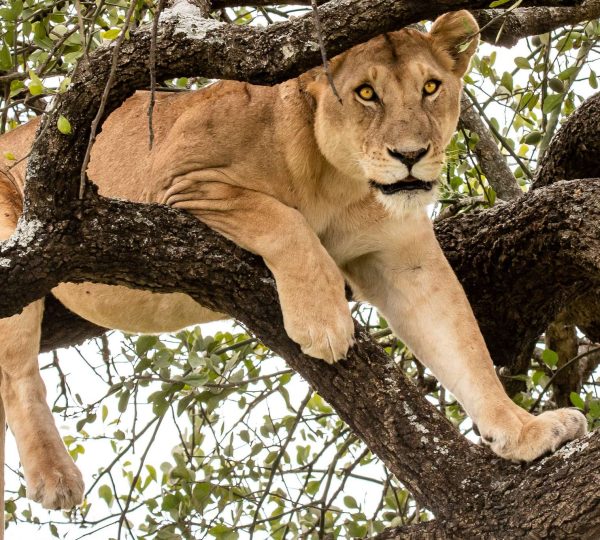
This vast ecosystem sustains remarkable wildlife populations, from massive herds of herbivores to Africa’s most iconic predators. Lions, leopards, cheetahs, and hyenas thrive here, offering visitors unforgettable predator-prey encounters that define the classic African safari experience.
The Great Wildebeest Migration – One of Nature’s Greatest Spectacles
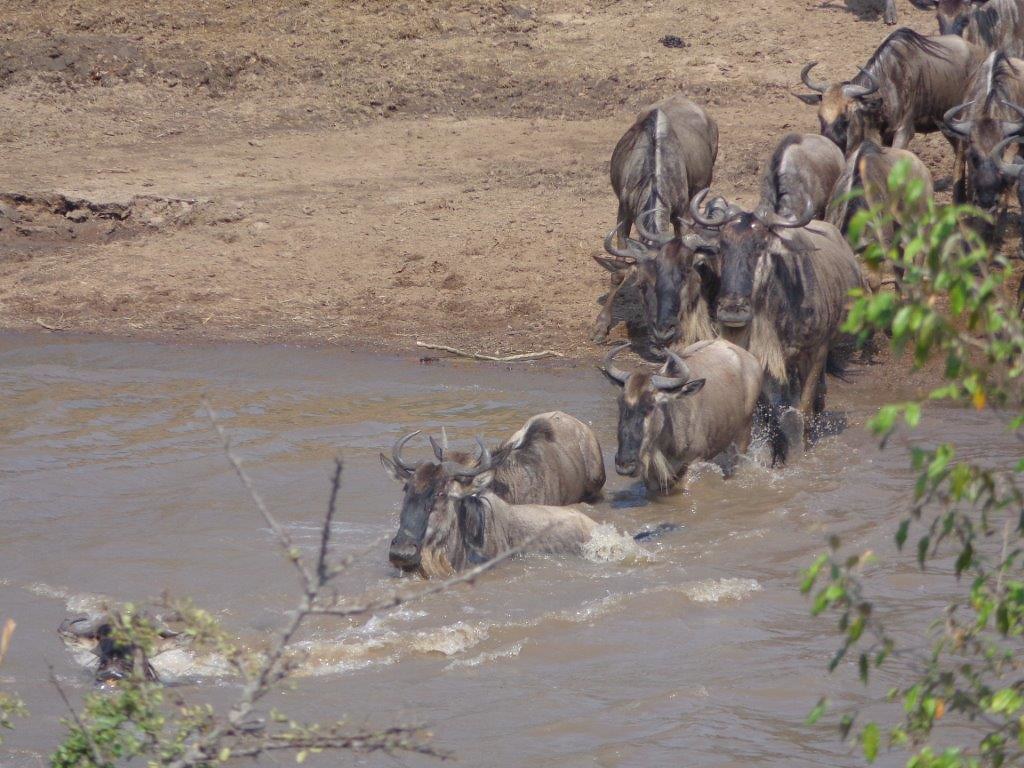
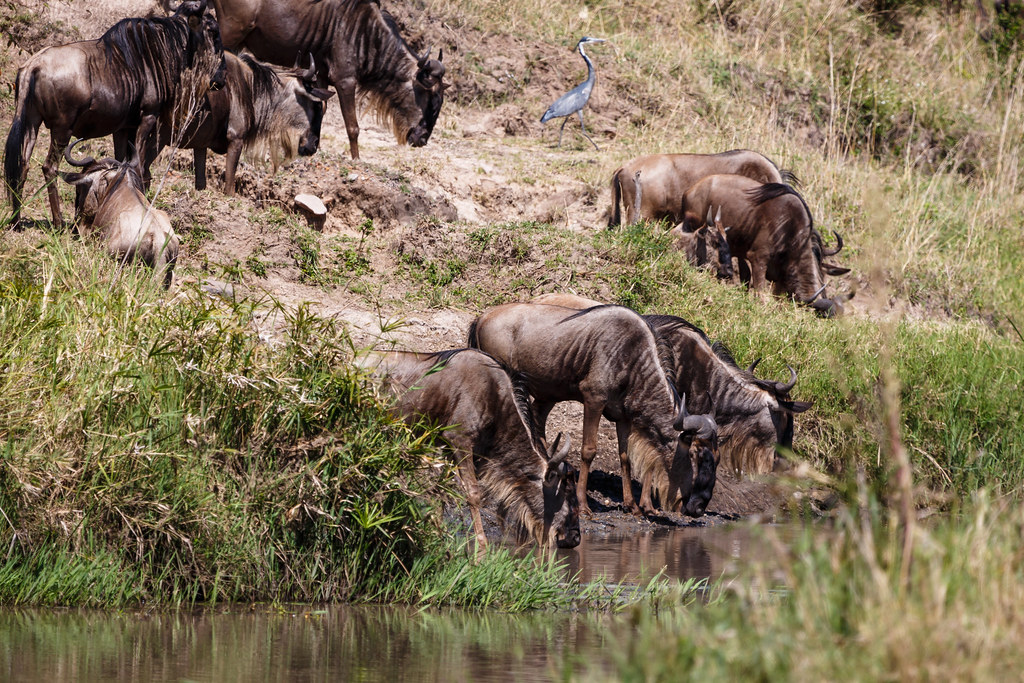
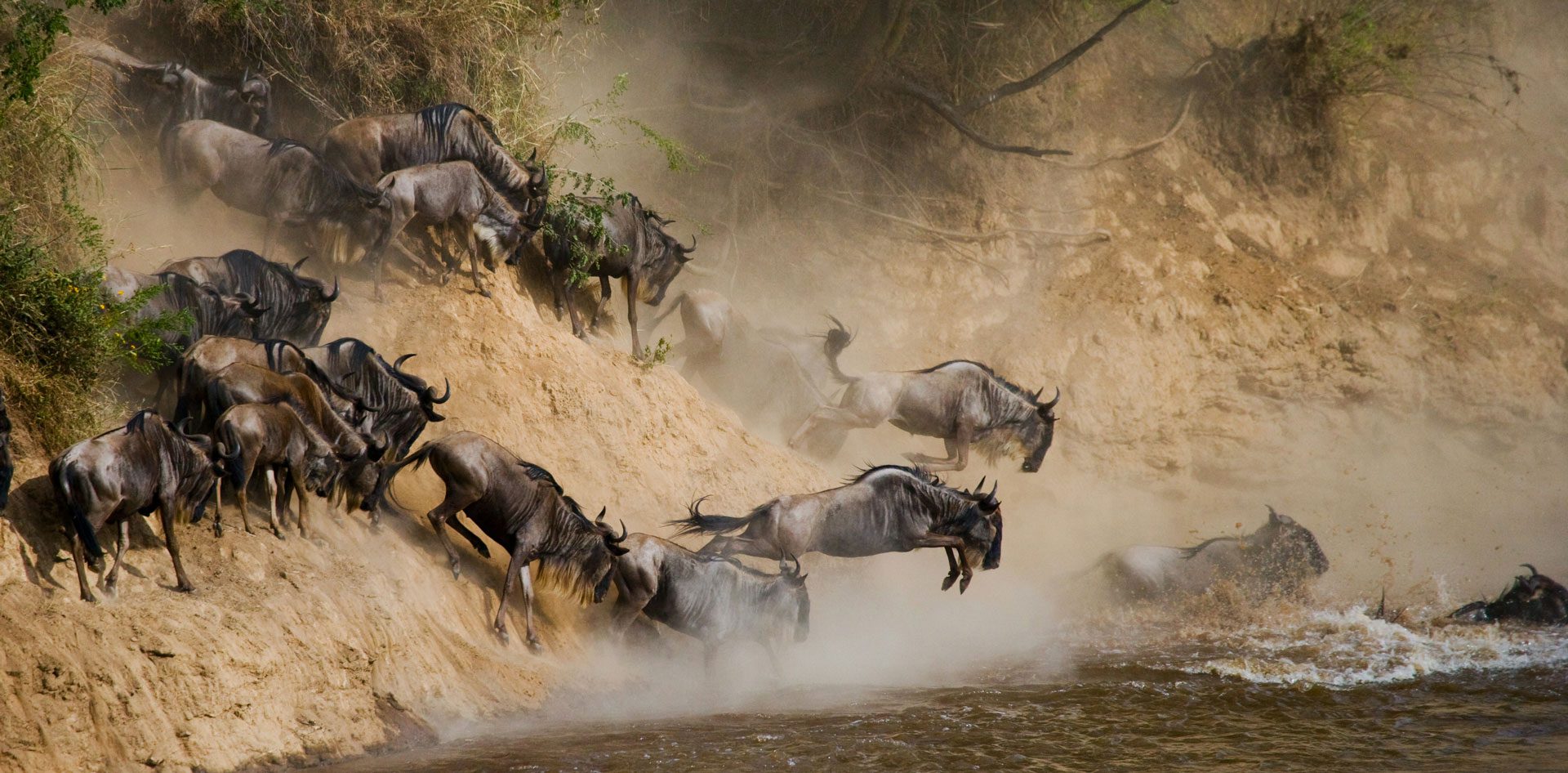
The Great Wildebeest Migration is Serengeti’s most famous attraction and one of the greatest wildlife events on Earth. Millions of wildebeest, accompanied by zebras, gazelles, and elands, move continuously across the plains in a timeless cycle driven by rainfall and grazing conditions.
The dramatic river crossings at the Grumeti and Mara Rivers are among the most thrilling moments of the migration, as crocodiles lie in wait and predators stalk the herds. While these crossings are iconic, the migration is a year-round phenomenon, making careful planning with experienced safari operators essential for the best viewing opportunities.
The phrase “Serengeti will never die” perfectly captures the park’s enduring beauty and endless wildlife action throughout the year.
Top Activities in Serengeti National Park
Game drive safaris are the most popular way to explore Serengeti National Park. Early morning game drives, starting at dawn, offer the best chances to spot predators such as lions, leopards, cheetahs, and hyenas as they conclude their nighttime hunts. Afternoon game drives are equally rewarding, especially around water sources where animals gather.
For a truly unforgettable perspective, hot air balloon safaris provide a breathtaking aerial view of the Serengeti plains at sunrise. Floating silently above the savannah, visitors can watch wildlife roaming below before enjoying a champagne breakfast in the bush.
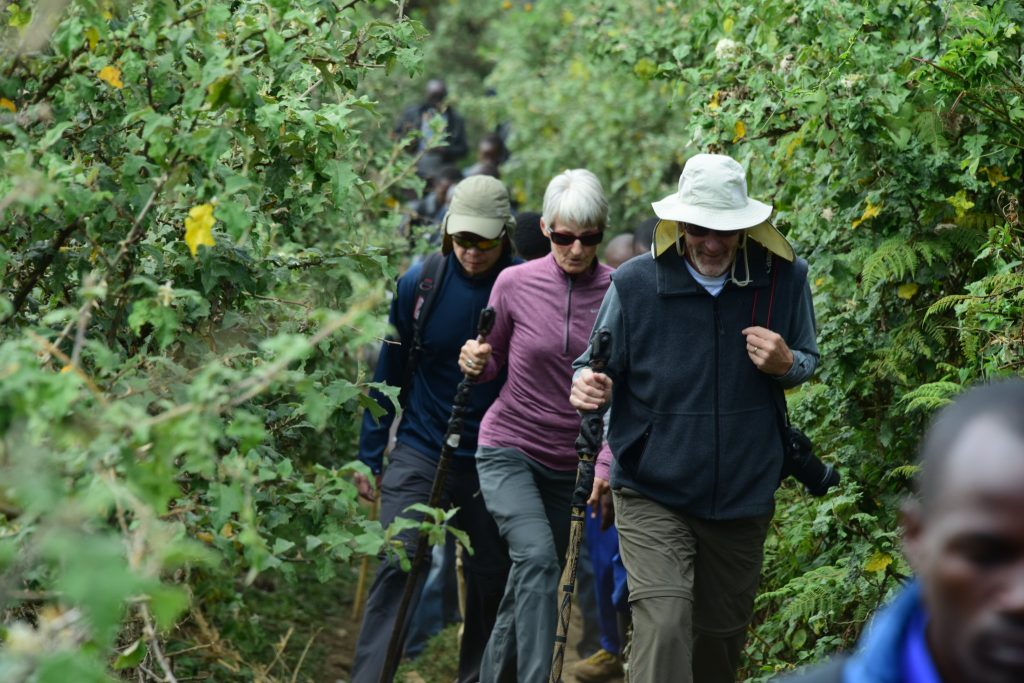
Walking safaris and guided nature walks allow guests to experience the Serengeti on foot, focusing on animal tracks, birdlife, plants, and the smaller details of the ecosystem that are often missed on game drives.
Camping safaris offer an authentic wilderness experience, from basic public campsites to luxurious tented camps. Falling asleep to the sounds of the African night and waking up to sunrise over the plains is one of Serengeti’s most memorable experiences.
Cultural Encounters with the Maasai
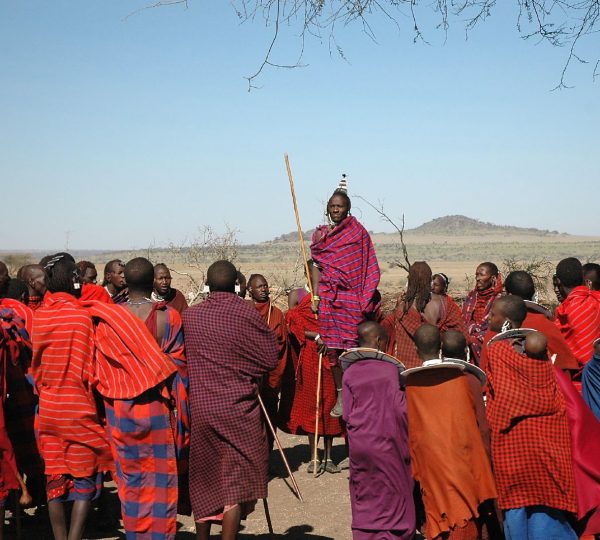
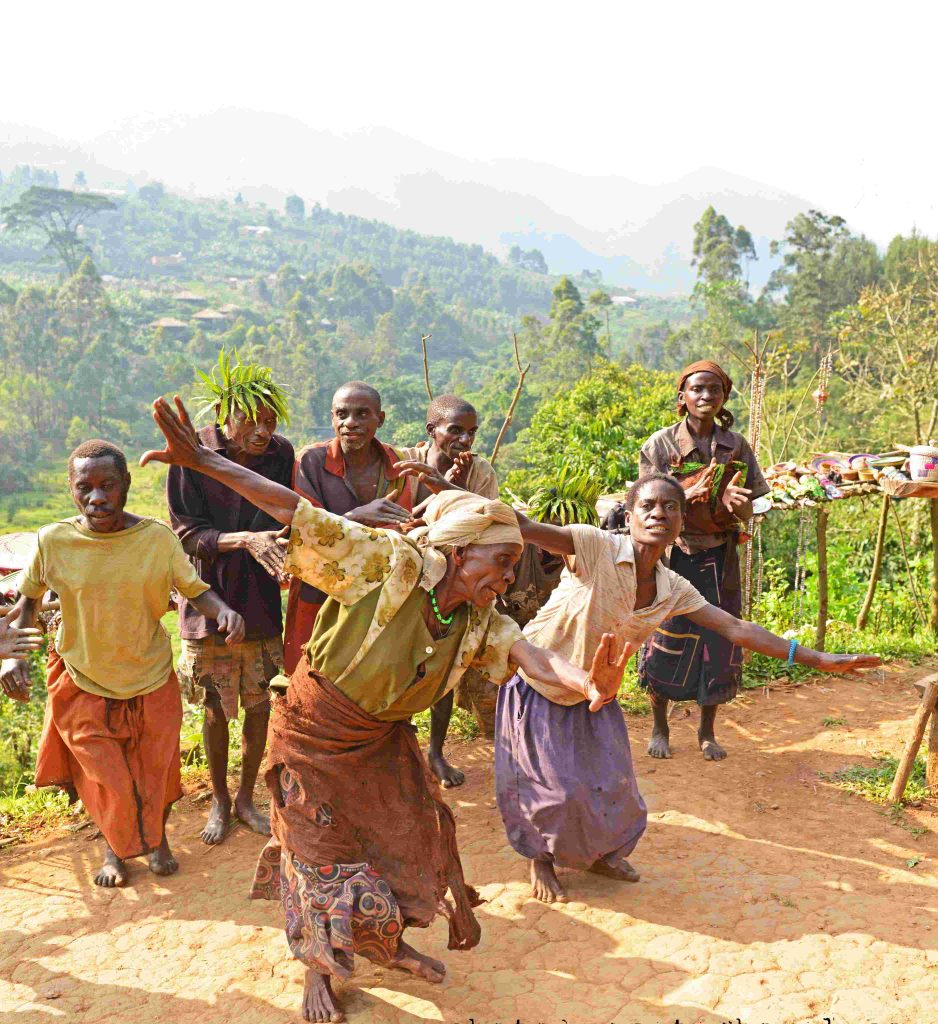
Beyond wildlife, the Serengeti region is rich in cultural heritage. The Maasai people, who have lived alongside wildlife for centuries, offer visitors a chance to experience traditional dances, songs, storytelling, and village life. These cultural encounters provide deeper insight into the harmonious relationship between people, livestock, and wildlife in East Africa.
Other Attractions in Serengeti National Park
In addition to game viewing, Serengeti offers several unique attractions, including the Serengeti Visitor Center, Olduvai Gorge—known as the Cradle of Mankind—Moru Kopjes, Lobo Valley, Bologonja Springs, hippo pools, and exceptional birdwatching with over 500 recorded bird species. Many visitors also combine their Serengeti safari with excursions to Lake Natron.
Getting to Serengeti National Park
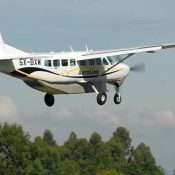
Most visitors access Serengeti National Park via Kilimanjaro International Airport (JRO) or Arusha Airport (ARK). From there, travelers can choose between scheduled or charter flights to Serengeti airstrips, road safaris in 4×4 vehicles, or a combination of both. Upon arrival, safari guides transfer guests to their lodges or camps.
Best Time to Visit Serengeti National Park
The dry season from June to October is considered the best time for wildlife viewing, offering excellent visibility and prime opportunities to witness migration river crossings. The green season from February to May transforms the landscape into lush greenery, attracts fewer visitors, and is ideal for photography, birdwatching, and witnessing the calving season with intense predator activity.