Masai Mara National Reserve – Kenya’s Ultimate Safari Destination
The Masai Mara National Reserve is one of Africa’s most iconic wildlife destinations, igniting the imagination of travelers across the world. Renowned for its breathtaking landscapes and extraordinary wildlife encounters, the reserve has attracted legendary explorers, royalty, filmmakers, photographers, and global celebrities.
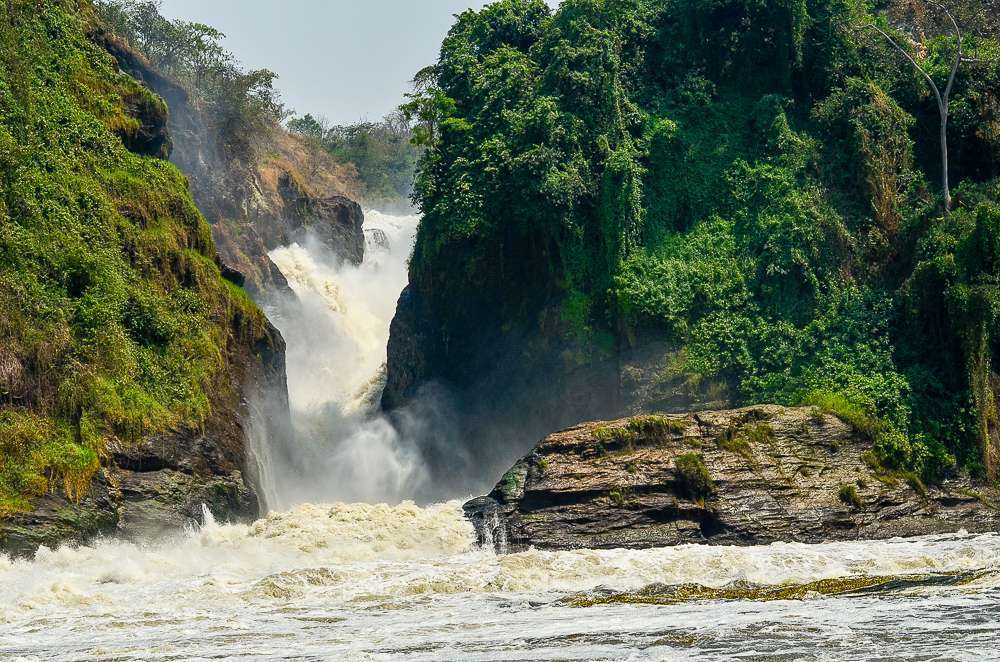
Located in southwestern Kenya, the Masai Mara forms part of the Greater Mara Ecosystem, which includes the main reserve, the Mara Triangle, and surrounding Maasai community conservancies. The Mara River divides the Mara Triangle from the main reserve and plays a vital role in sustaining wildlife, especially during the annual Great Migration.
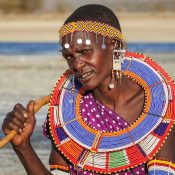
What makes the Masai Mara truly unique is its close connection to the Maasai people, who own and manage much of the surrounding land. Their stewardship has preserved both wildlife and cultural heritage, allowing nature and tradition to coexist harmoniously.
Top Activities in Masai Mara National Reserve
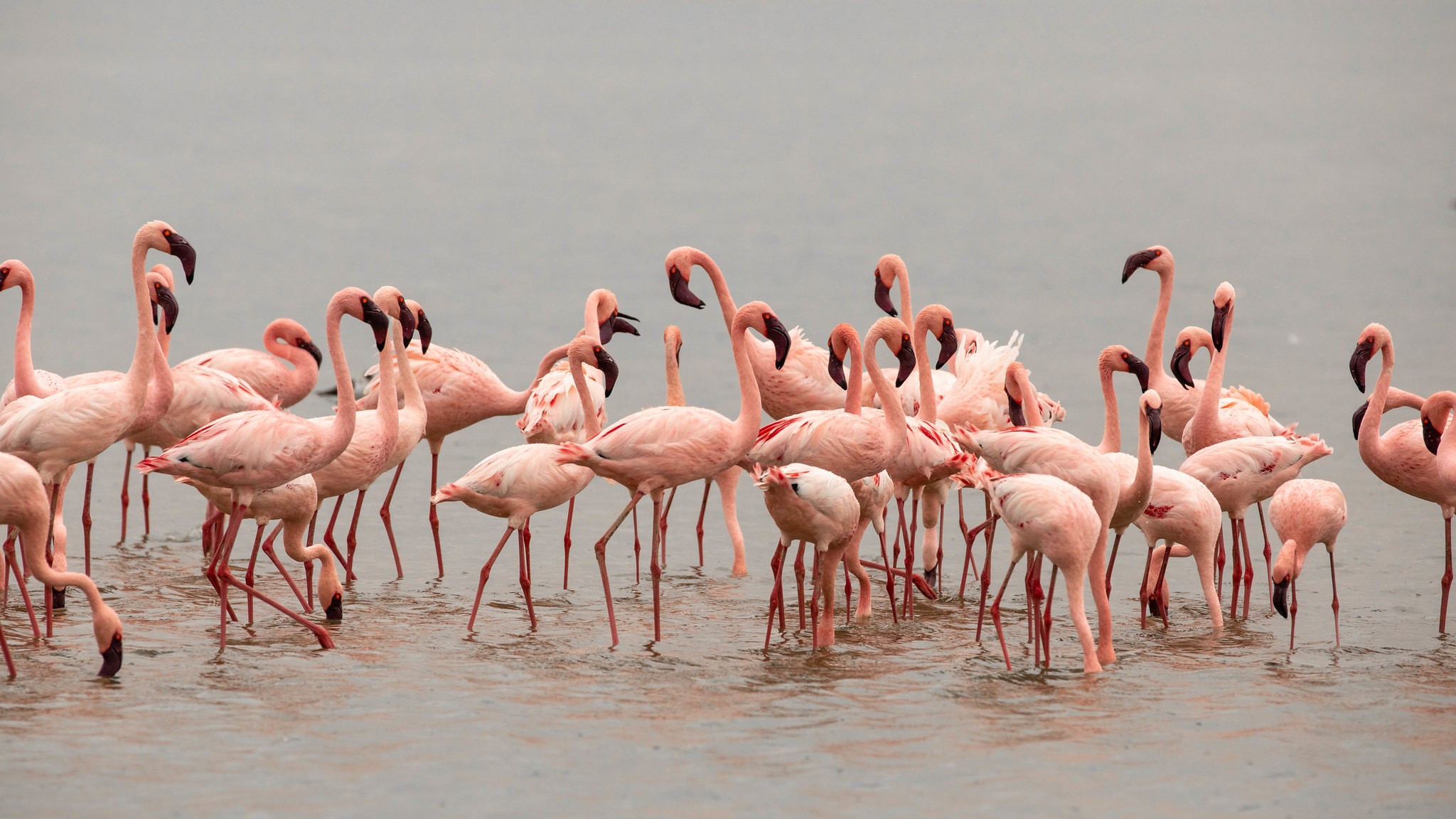
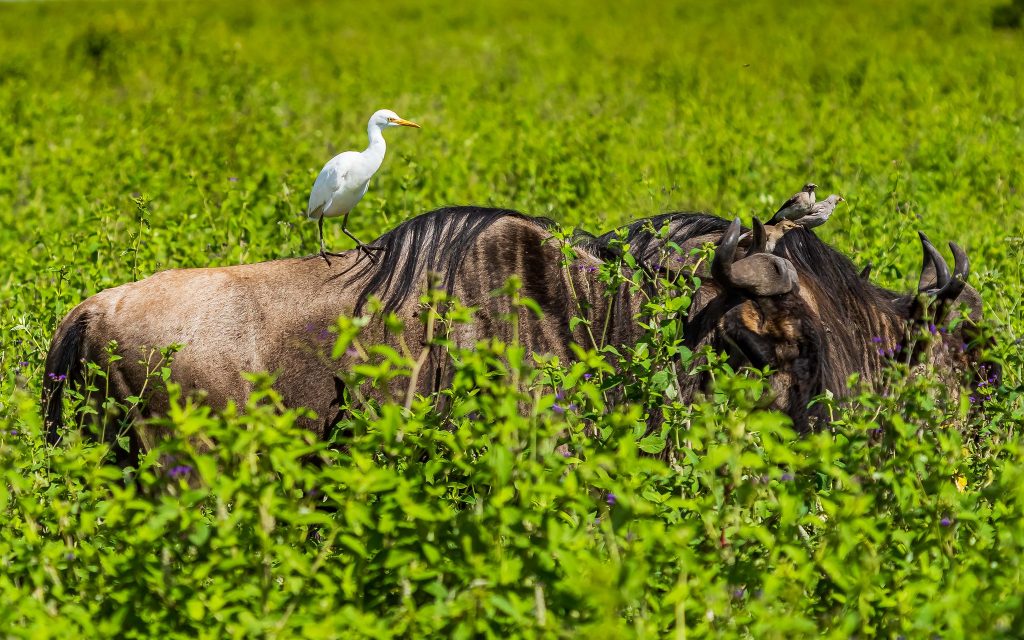
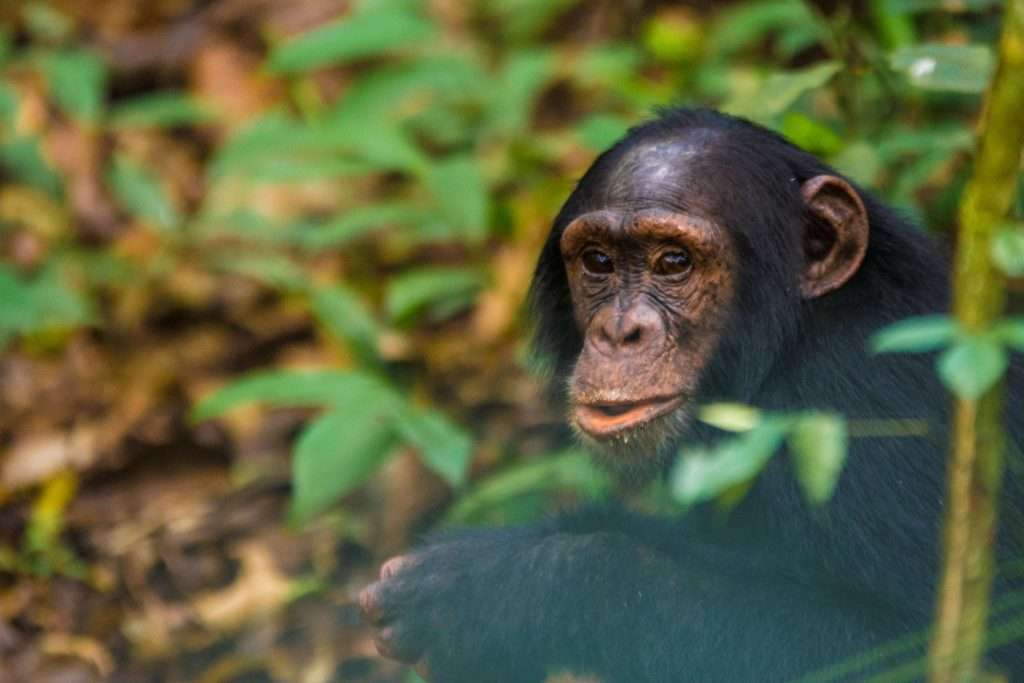
The Masai Mara has repeatedly been named one of the World’s Natural Wonders and is among the best places in Africa for wildlife viewing. Its diverse habitats—grasslands, rivers, wetlands, and forests—support an incredible variety of animals and birds.
Game Drives (Morning & Afternoon)
Game drives are the most popular activity in the Masai Mara and are available year-round. Conducted in specially designed safari vehicles with pop-up roofs, these drives offer excellent wildlife viewing opportunities.
-
Morning drives begin around 6:00 AM when animals are most active
-
Afternoon drives run from about 2:00 PM to 6:30 PM, ideal for spotting wildlife near waterholes
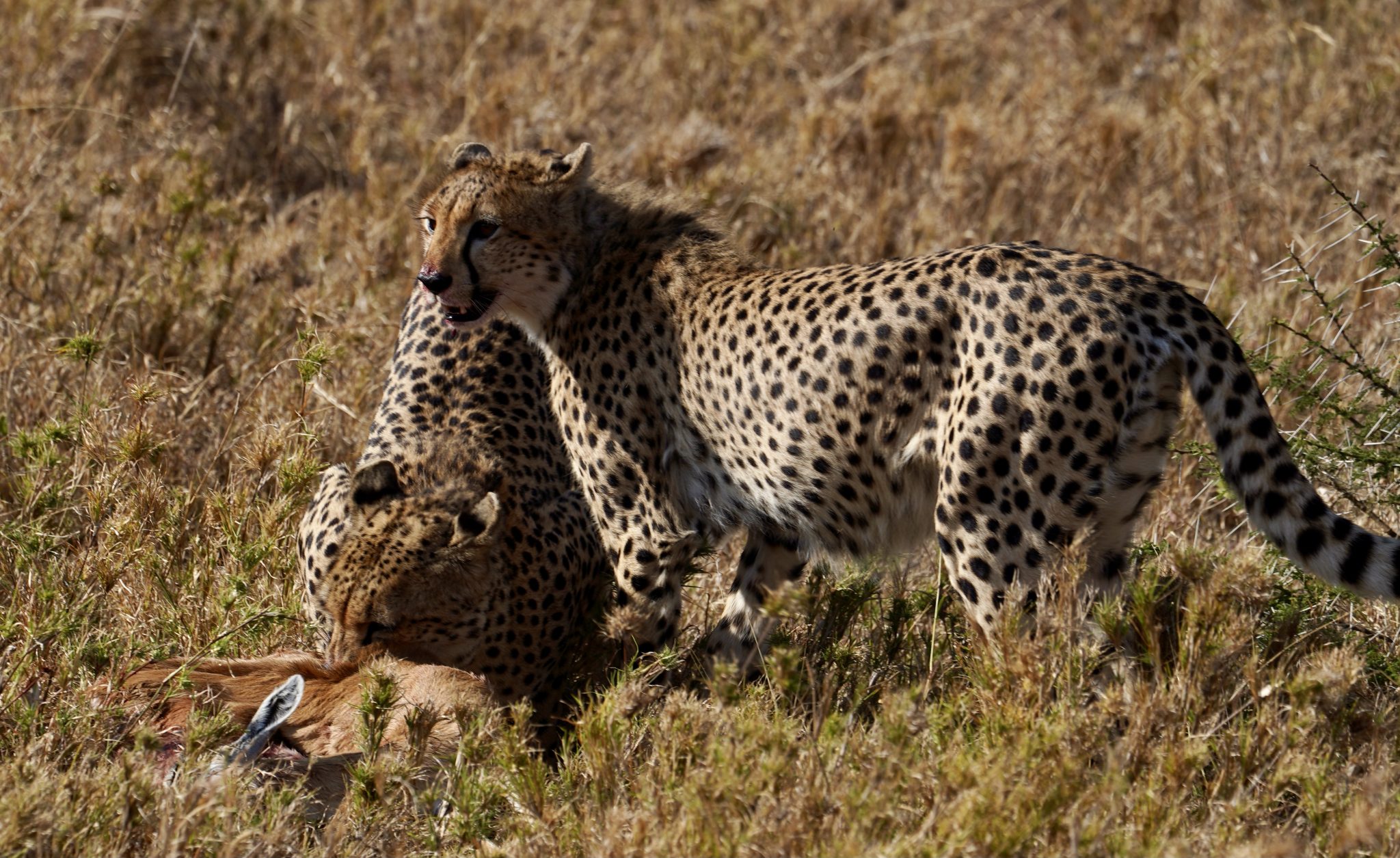
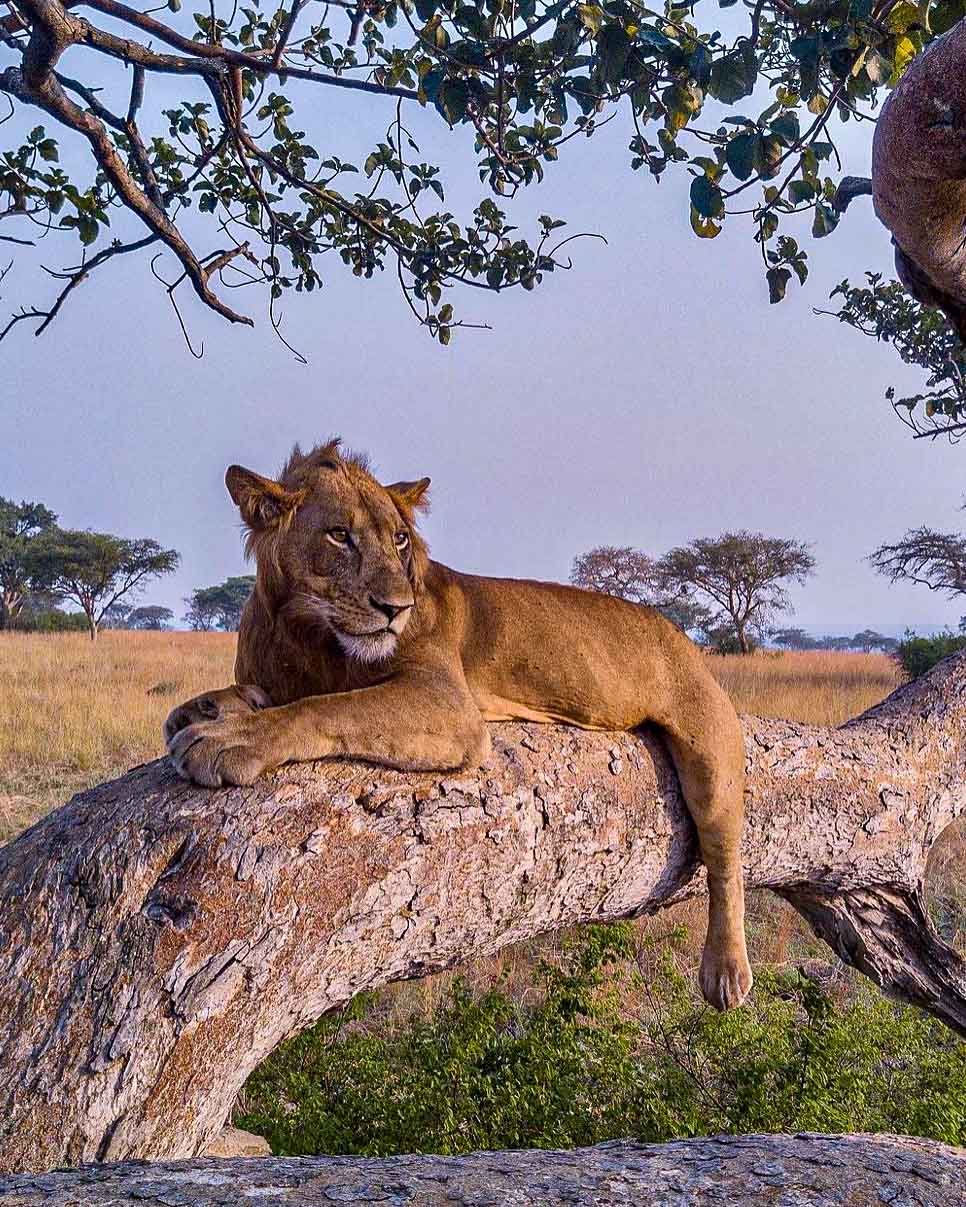
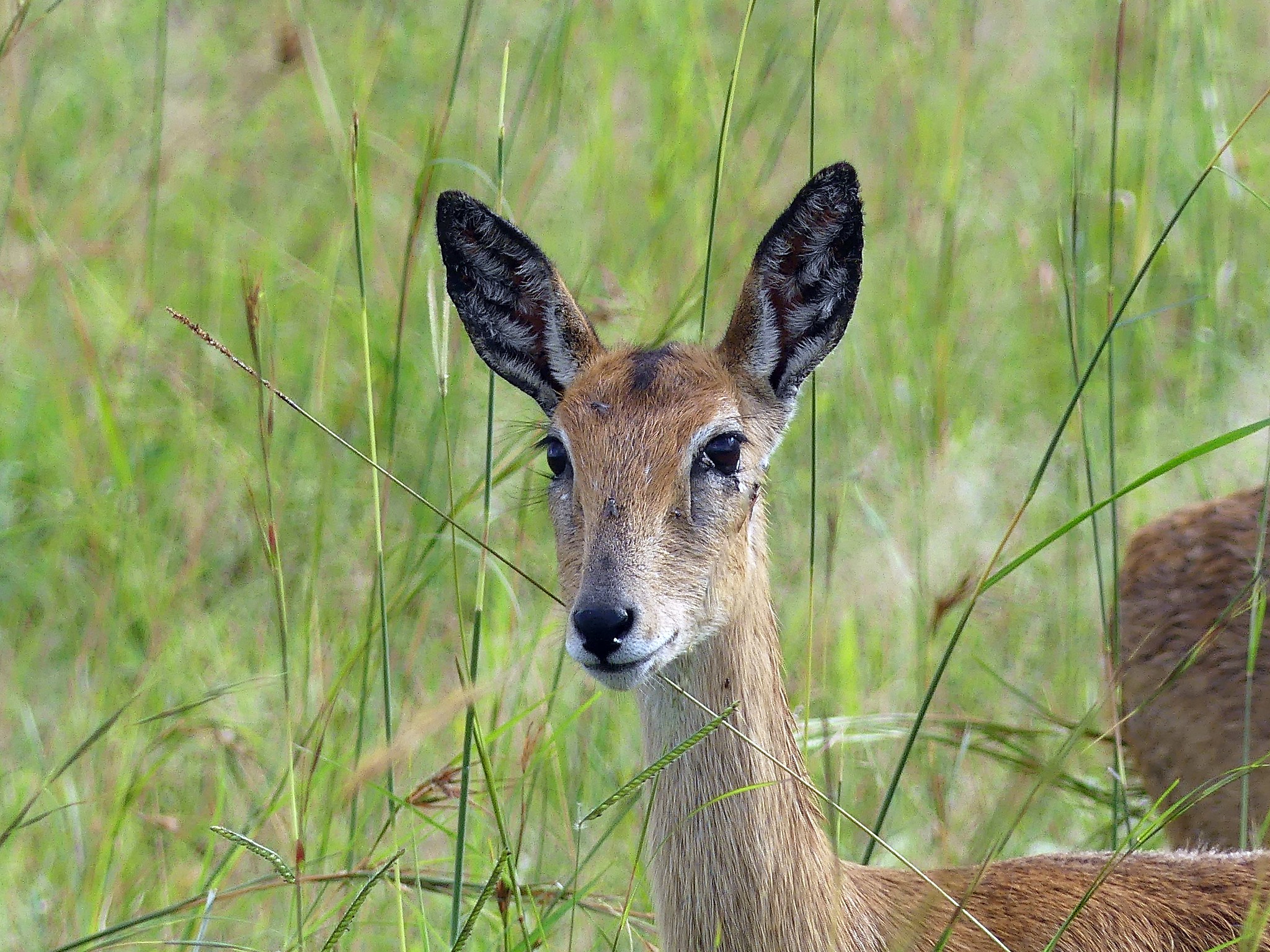
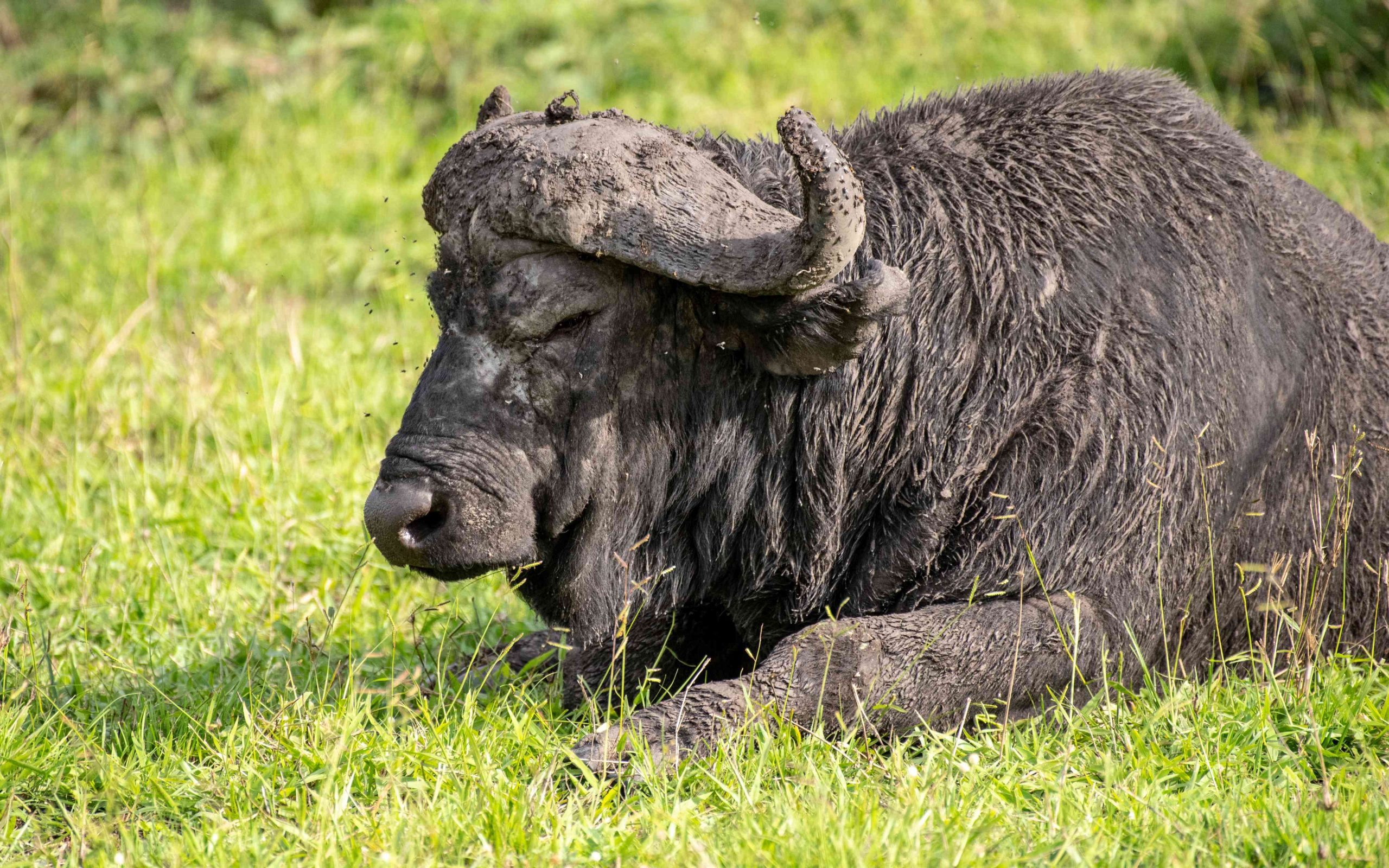
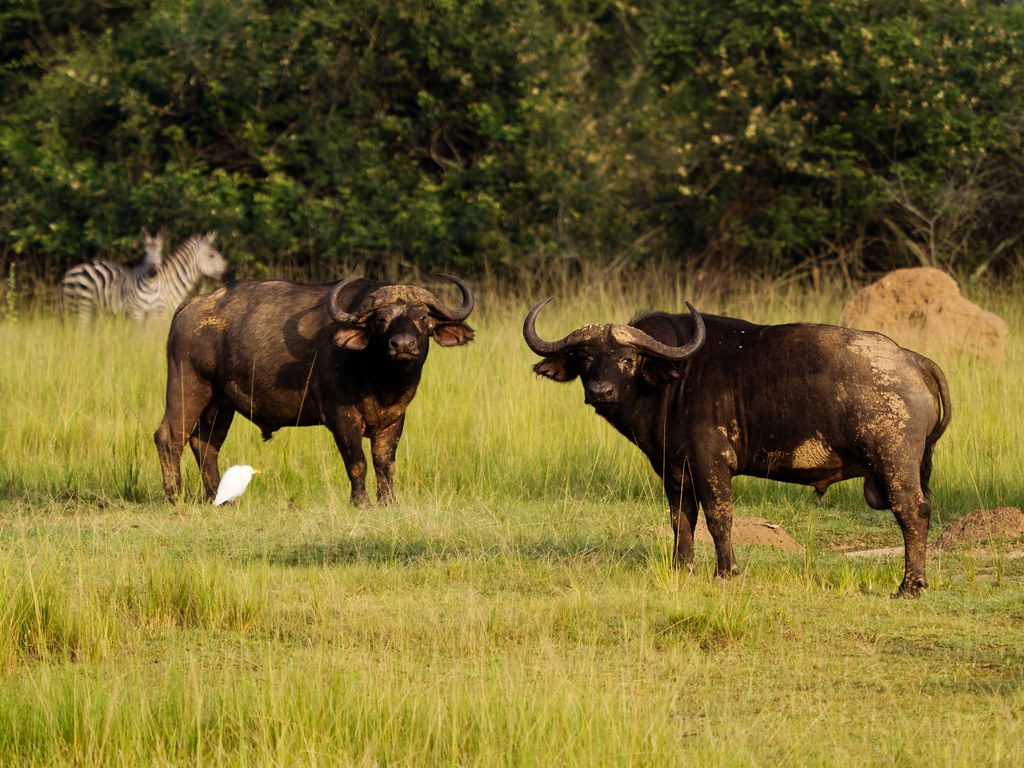
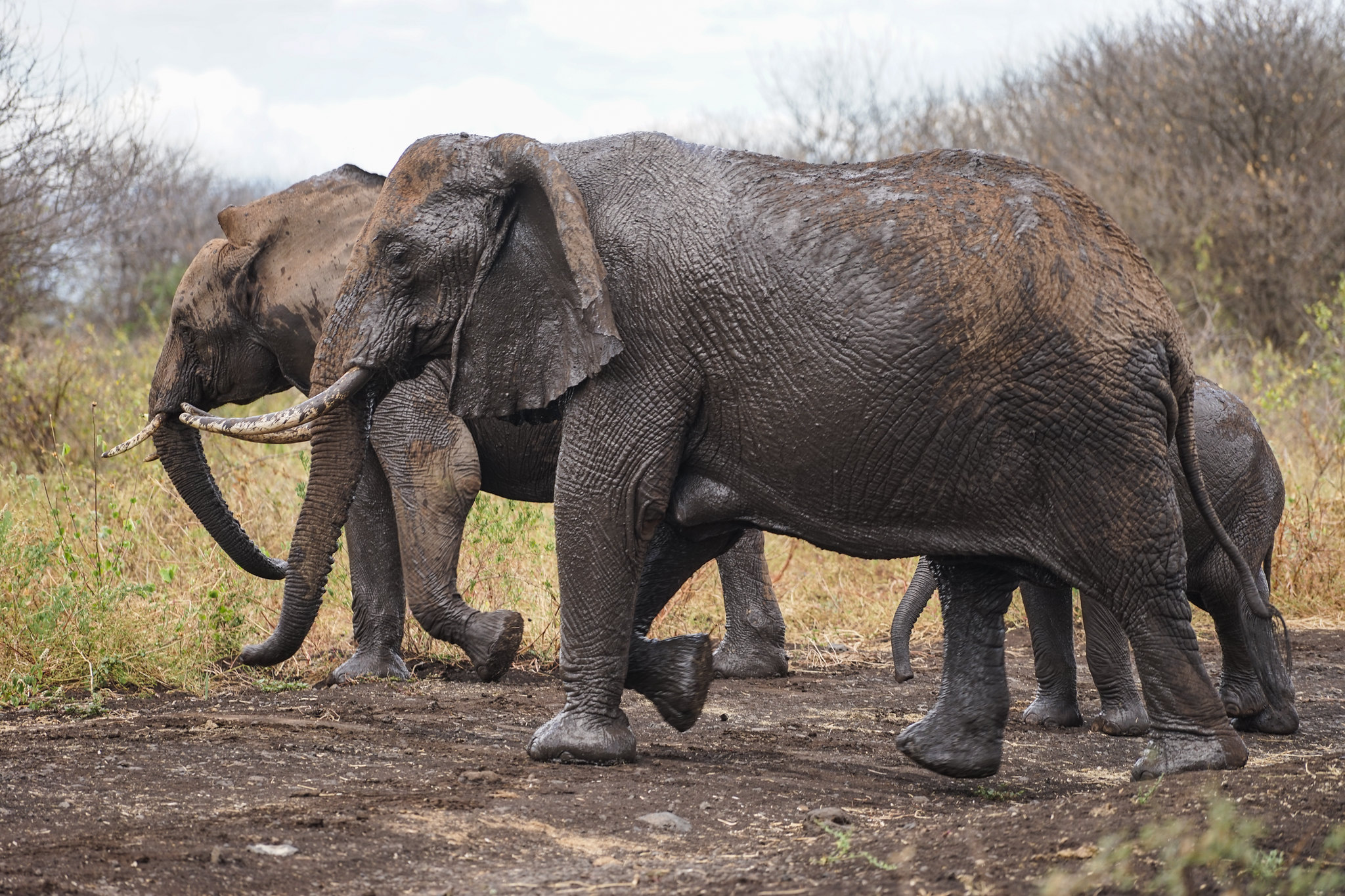
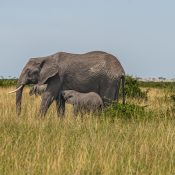
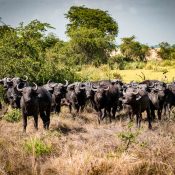
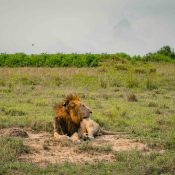
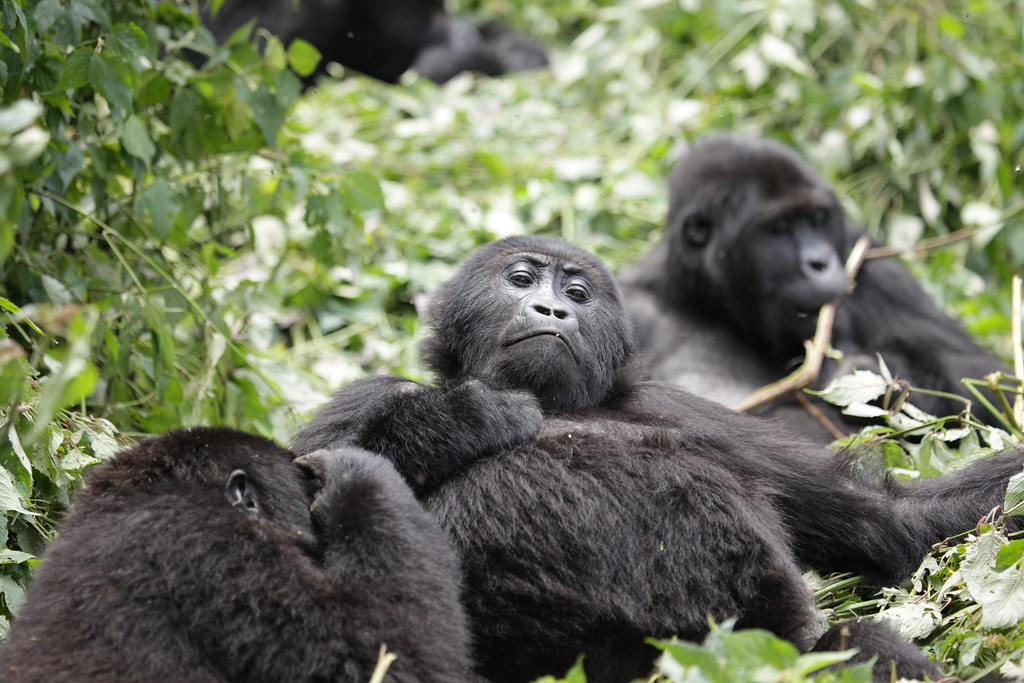
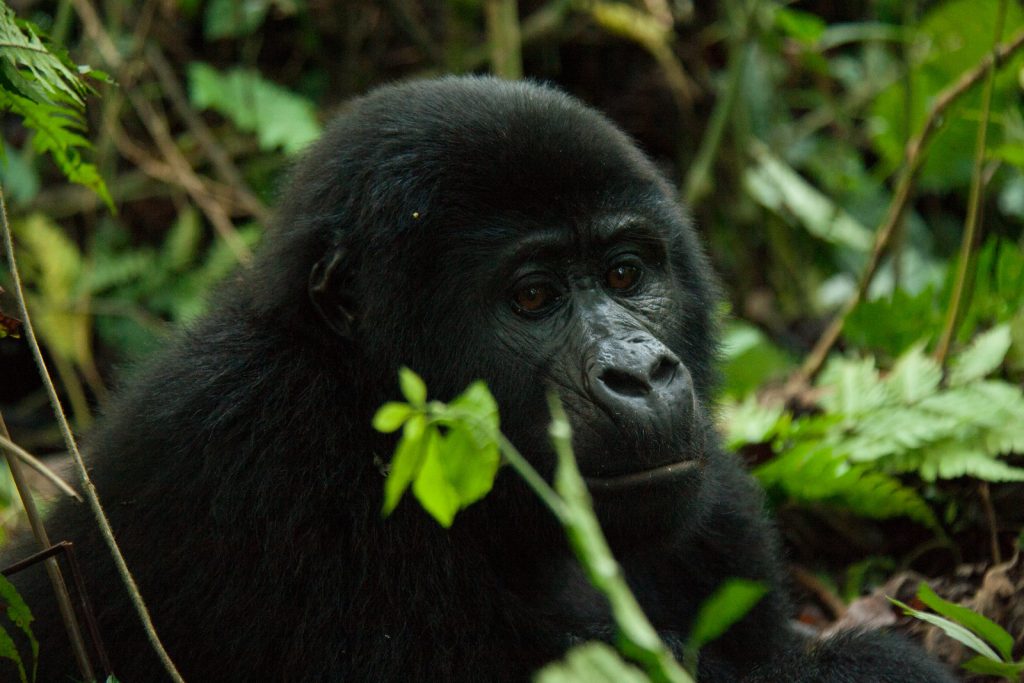
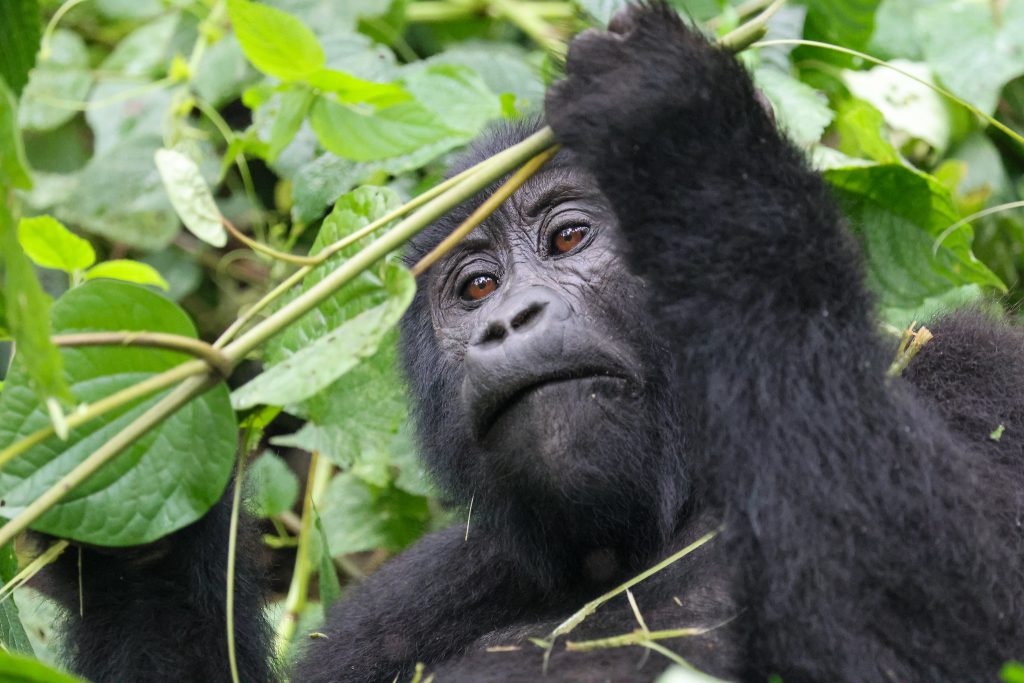
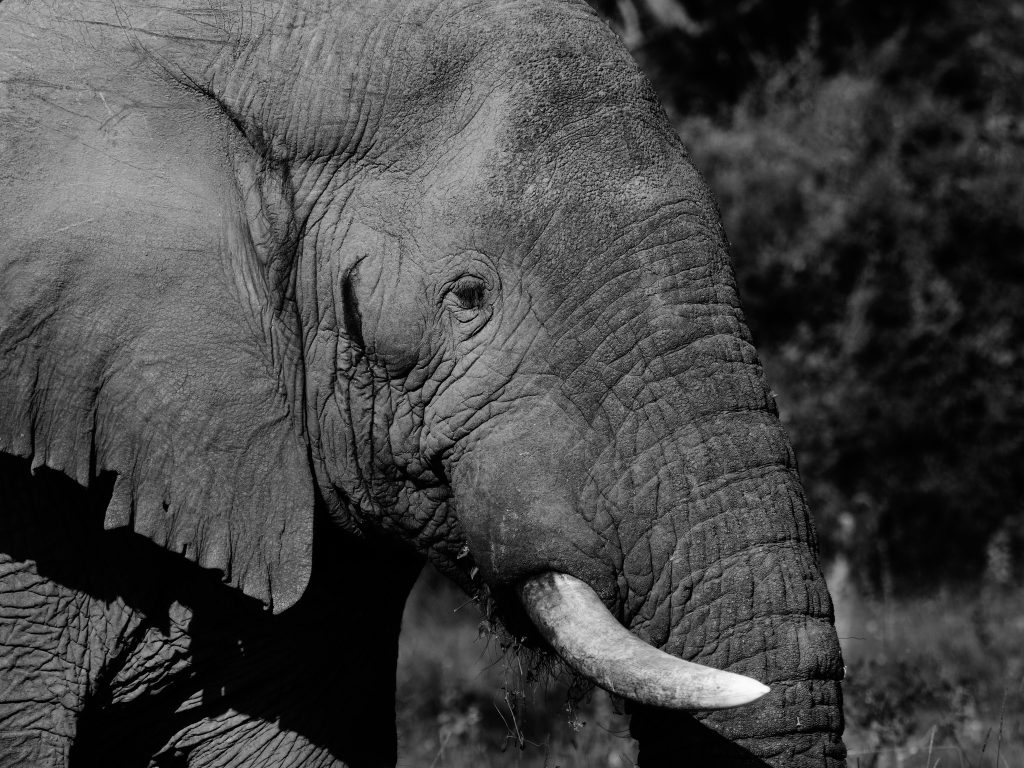
You can expect to see lions, elephants, leopards, buffaloes, and rhinos, as well as giraffes, zebras, gazelles, cheetahs, hyenas, and elands. Picnic lunches in the wilderness can also be arranged after game drives.
Night Game Drives
Night safaris are available in private conservancies and offer a rare opportunity to observe nocturnal wildlife. With the guidance of experienced rangers, visitors may spot leopards, lions, hyenas, owls, and other night-active species.
Guided Nature Walks
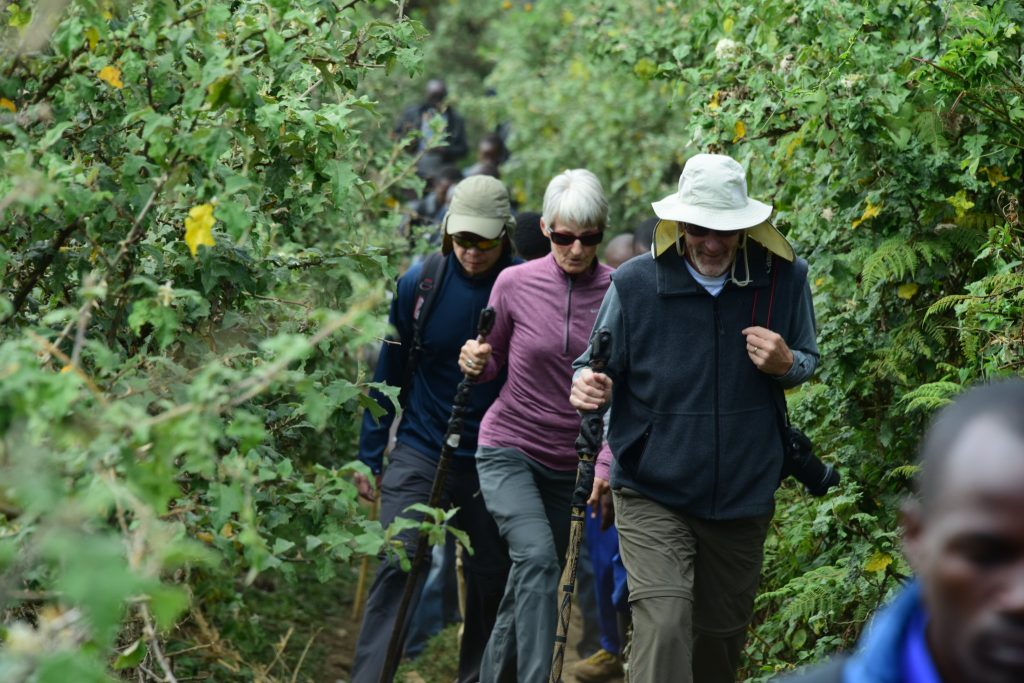
Walking safaris allow visitors to explore the savannah on foot, offering a deeper connection with nature. Led by knowledgeable Maasai guides or armed rangers, these walks focus on tracking animals, identifying plants, and understanding the ecosystem.
Photography Safaris
The Masai Mara is a paradise for photographers. Specialized photographic vehicles provide unobstructed views, swivel seats, and customized setups for capturing wildlife in action against dramatic landscapes.
The Great Wildebeest Migration
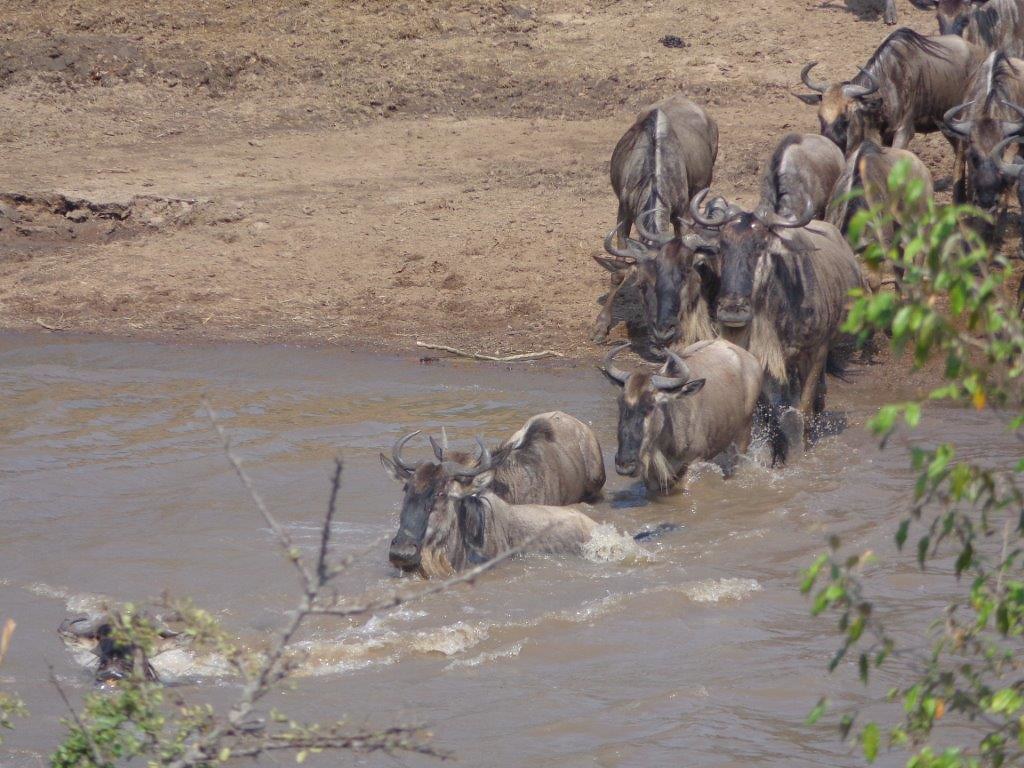
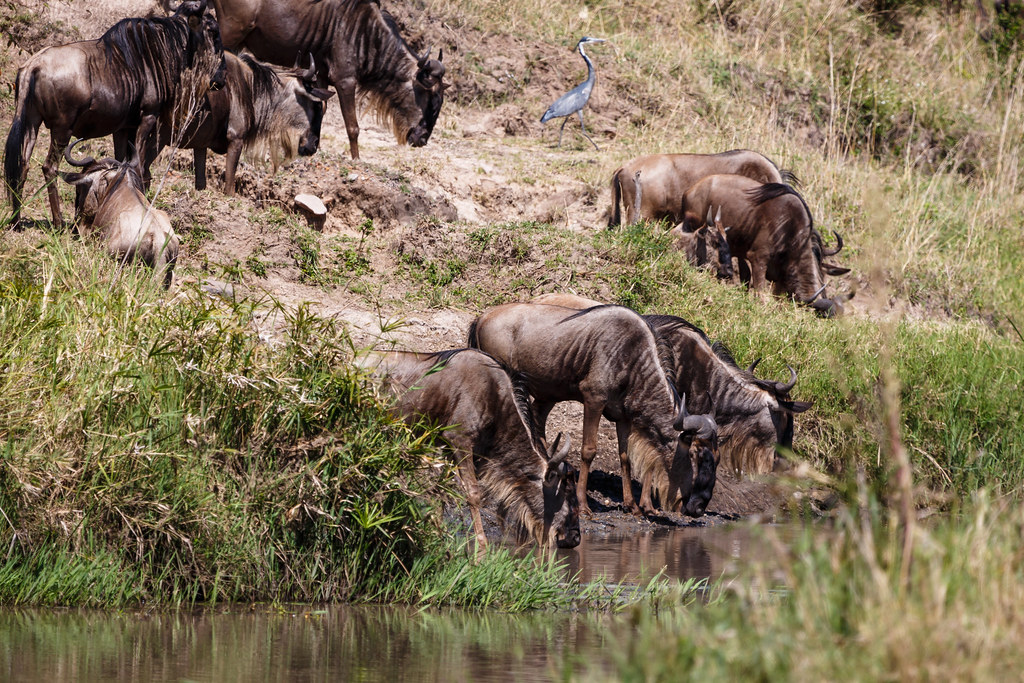
From June to November, the Masai Mara hosts one of the greatest wildlife spectacles on Earth—the Great Wildebeest Migration. Over 1.5 million wildebeest, accompanied by zebras and gazelles, cross the crocodile-filled Mara River in search of fresh grazing. This dramatic event showcases intense predator-prey interactions and is a highlight for safari enthusiasts.
Hot Air Balloon Safaris
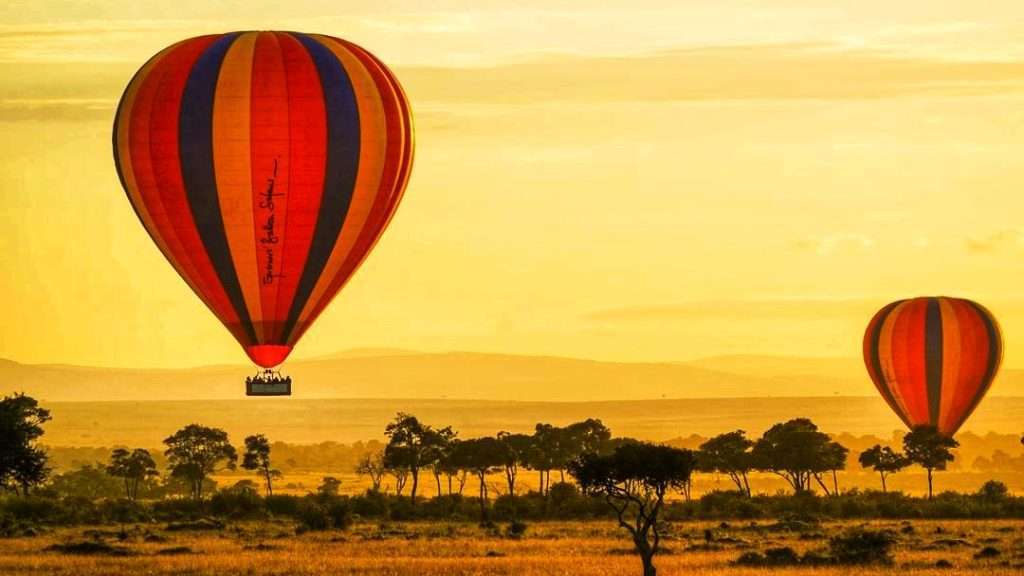
A hot air balloon safari offers a breathtaking aerial view of the Mara plains at sunrise. The experience lasts about an hour and ends with a champagne breakfast in the savannah. It’s ideal for families, honeymooners, and photographers.
Best Time to Visit Masai Mara National Reserve
The Masai Mara is a year-round safari destination with generally pleasant weather and excellent wildlife viewing.
Dry Season (July – October)
This is the best time for wildlife viewing and the Great Migration. Vegetation is sparse, making animals easier to spot. However, it is also the busiest and most expensive season.
Wet Season (March – May)
Known as the long rains, this period transforms the landscape into lush greenery. It’s ideal for birdwatching and photography, with fewer tourists and lower accommodation rates.
Short Rains (November – December)
Wildlife disperses slightly due to abundant water, but road conditions remain good, and visitor numbers are lower except during the festive season.
Booking a Safari to Masai Mara National Reserve
Planning a Masai Mara safari involves choosing the right tour operator, accommodation, travel dates, transport, and activities. Reputable operators are members of KATO (Kenya Association of Tour Operators), ensuring quality service and reliability.
Key Booking Considerations
-
Travel dates and season
-
Group size and room configuration
-
Transport options: road safari (tour van or 4×4 Land Cruiser) or fly-in safari
-
Accommodation level: budget, mid-range, or luxury
-
Optional activities: balloon safaris, Maasai village visits, bush walks
Payments are typically made via credit or debit cards through secure online systems, with deposits required to confirm bookings.
Accommodation Options in Masai Mara
-
Luxury lodges & tented camps: Boutique-style, eco-friendly, and intimate
-
Mid-range camps: Comfortable, affordable, and well-equipped
-
Budget lodges & camps: Located mostly outside the reserve, ideal for cost-conscious travelers
Most safari packages include accommodation, meals, game drives, park fees, and transfers.
Packing List for Masai Mara Safari
Pack light and dress in layers. Domestic flights usually limit luggage to 15 kg per person.
Essential Items
-
Neutral-colored safari clothing (khaki, green, beige)
-
Light jacket or fleece for early mornings
-
Comfortable walking shoes or safari boots
-
Hat, sunscreen, sunglasses
-
Insect repellent
-
Camera, binoculars, chargers, and travel adapters
-
Personal toiletries and medications
-
Travel documents (passport, insurance, tickets)
Note: Plastic bags are banned in Kenya, and camouflage clothing is not permitted.