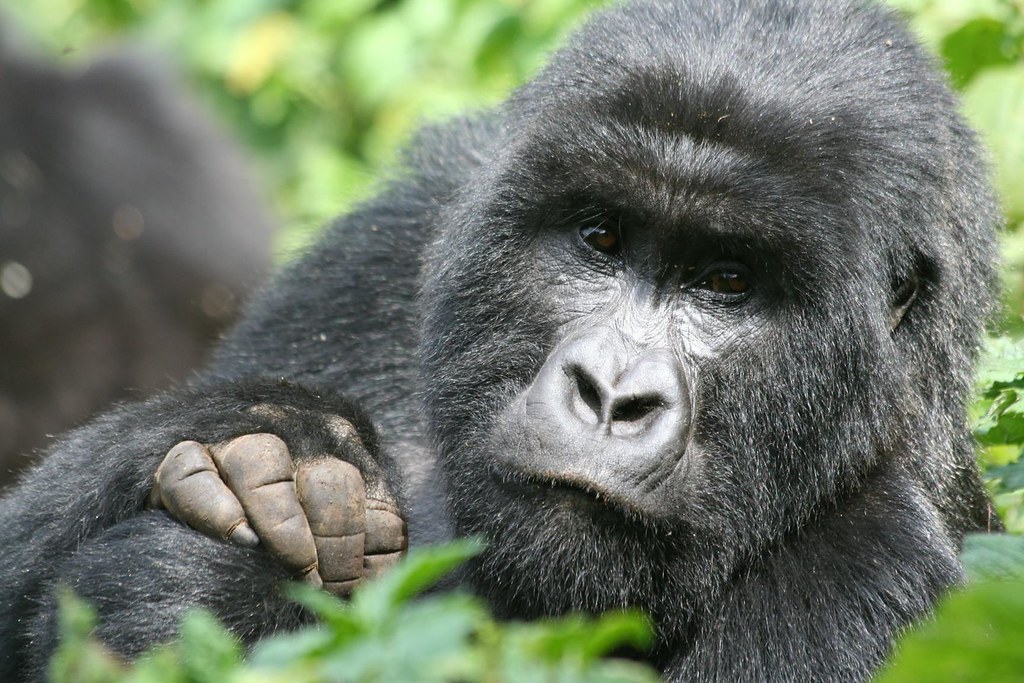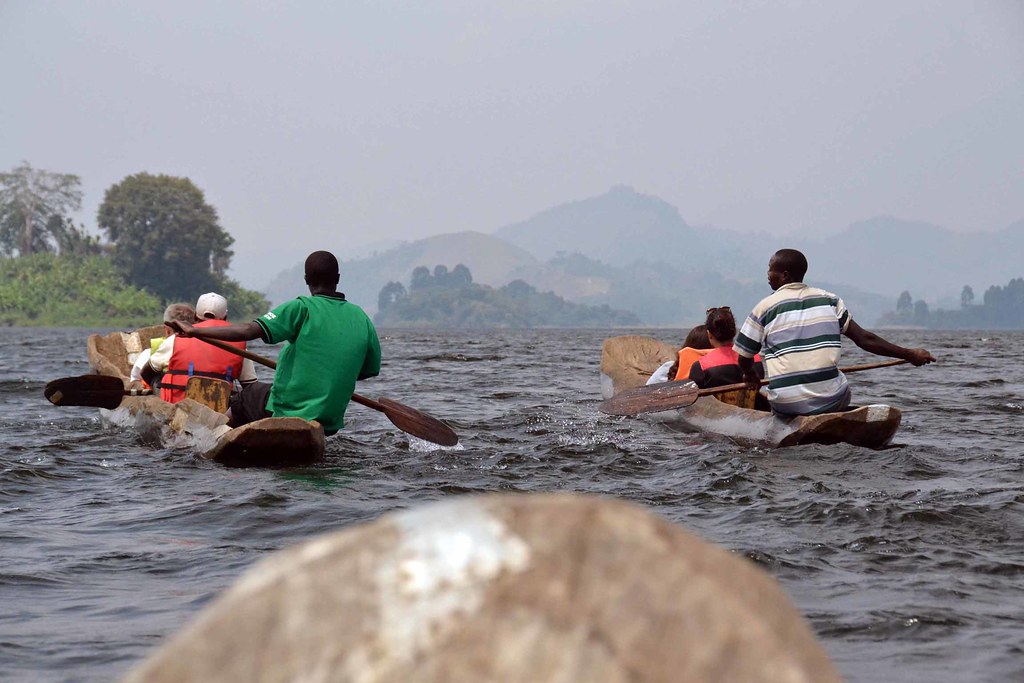
Nestled in the northern safari circuit of Tanzania, Lake Manyara National Park is a compact yet incredibly diverse gem that perfectly blends breathtaking scenery, abundant wildlife, and unique adventures. Situated about 126 km west of Arusha at the base of the dramatic Great Rift Valley escarpment, the park spans approximately 325 km² (with roughly two-thirds covered by the shallow, alkaline Lake Manyara itself). This makes it one of Tanzania’s smaller national parks, but don’t let the size fool you it’s packed with variety, from lush groundwater forests and acacia woodlands to open savannah plains and the shimmering lake that often turns pink with thousands of flamingos.
Ernest Hemingway famously called it one of the most beautiful places in East Africa, and it’s easy to see why. Whether you’re on your first safari or seeking something beyond the classic Serengeti crowds, Lake Manyara offers an intimate, rewarding experience and serves as an ideal starting point for northern Tanzania itineraries that include Tarangire, Ngorongoro Crater, and the Serengeti.
What Makes Lake Manyara Truly Special
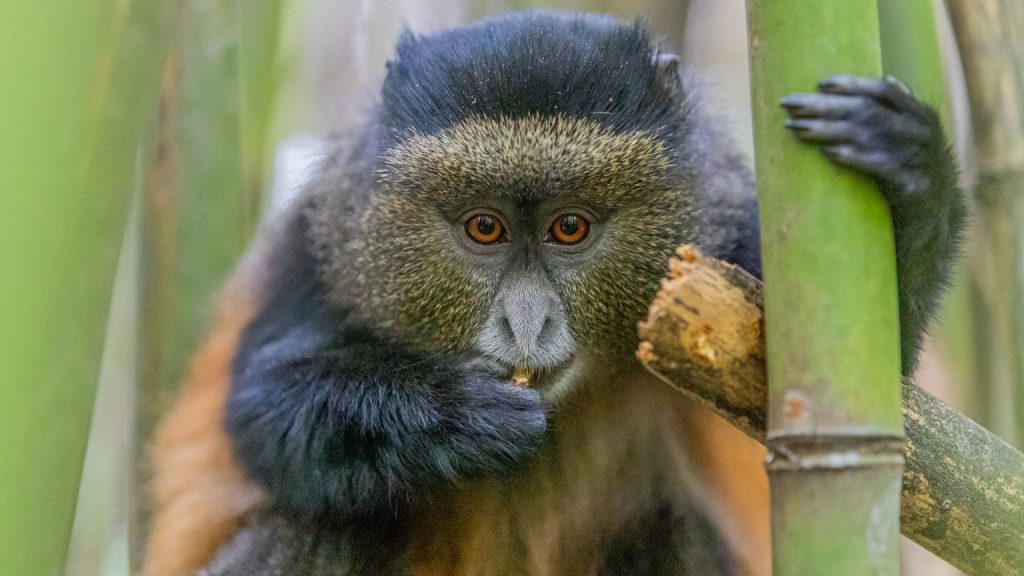
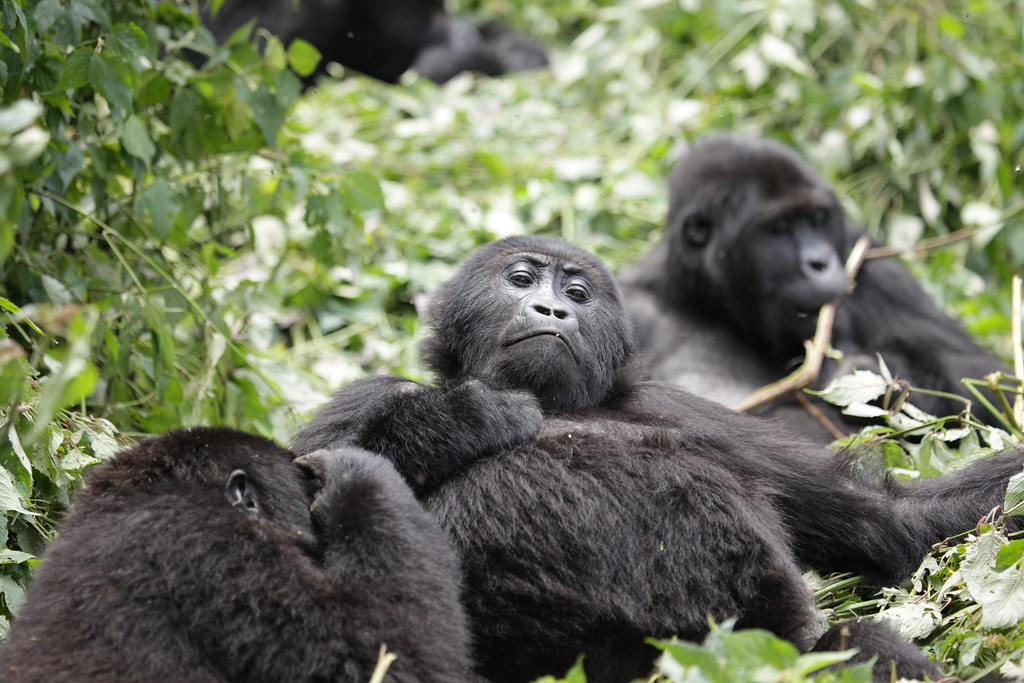
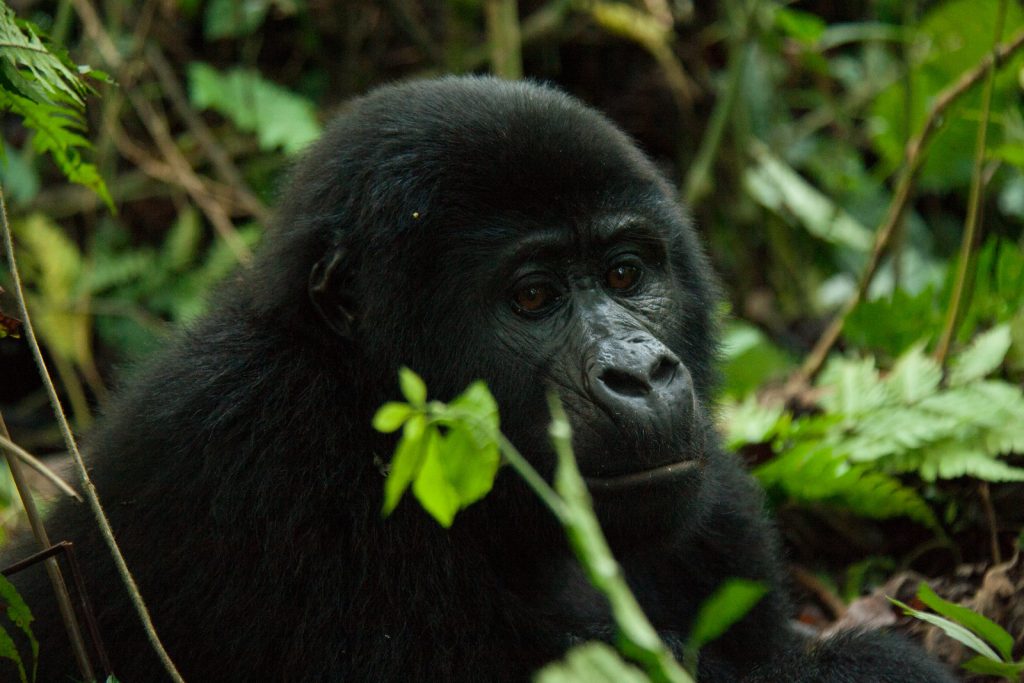
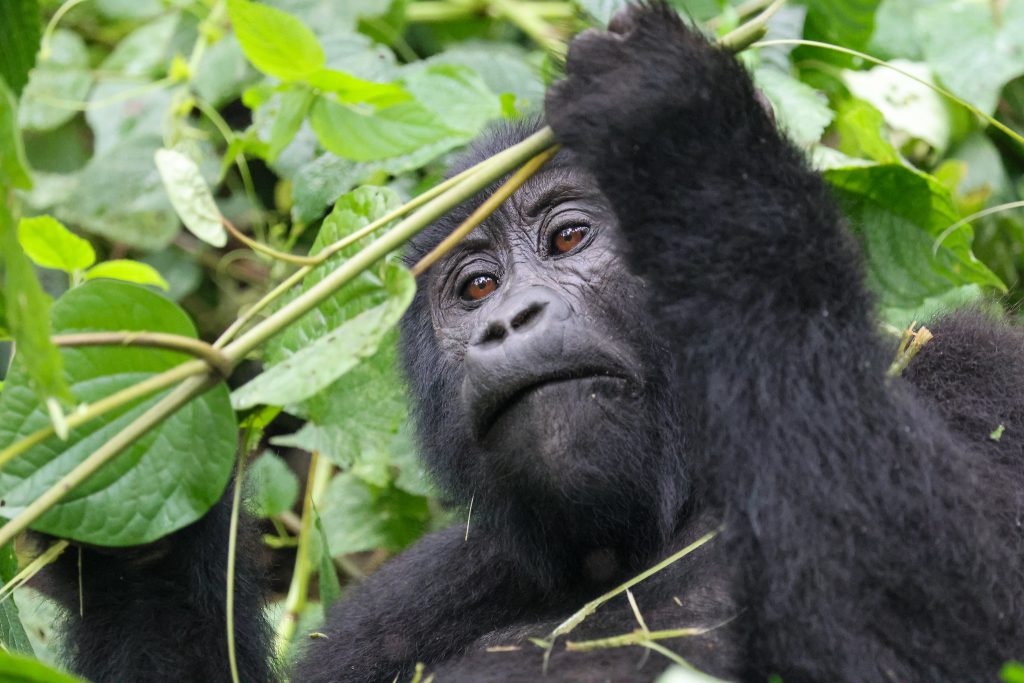
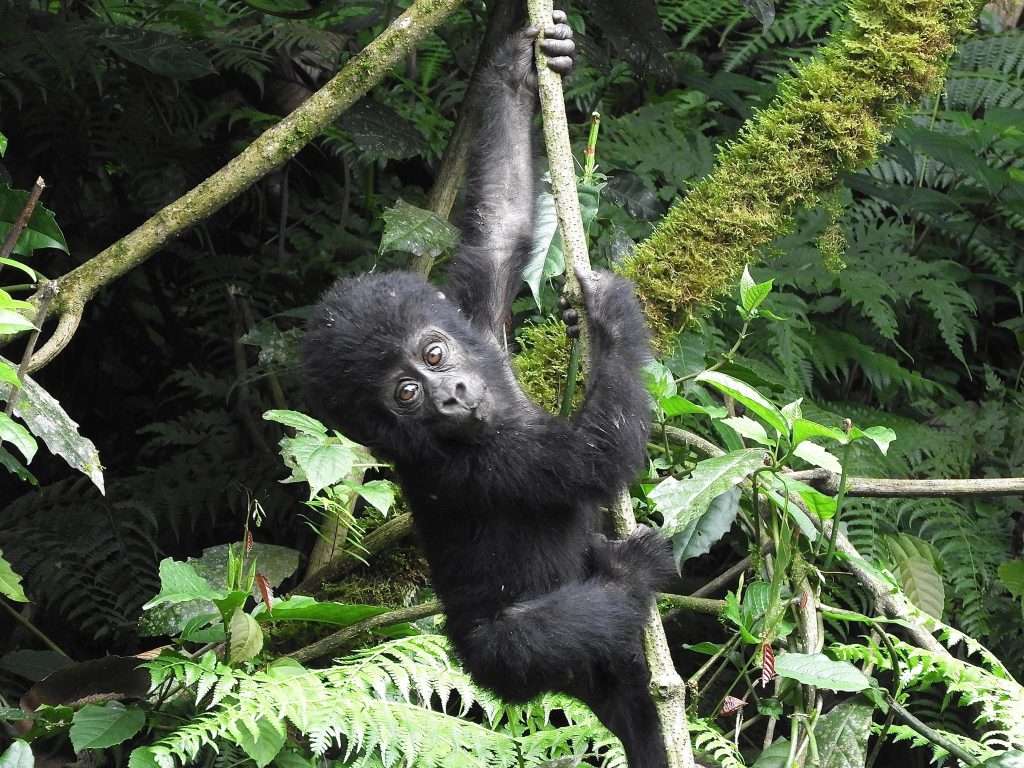
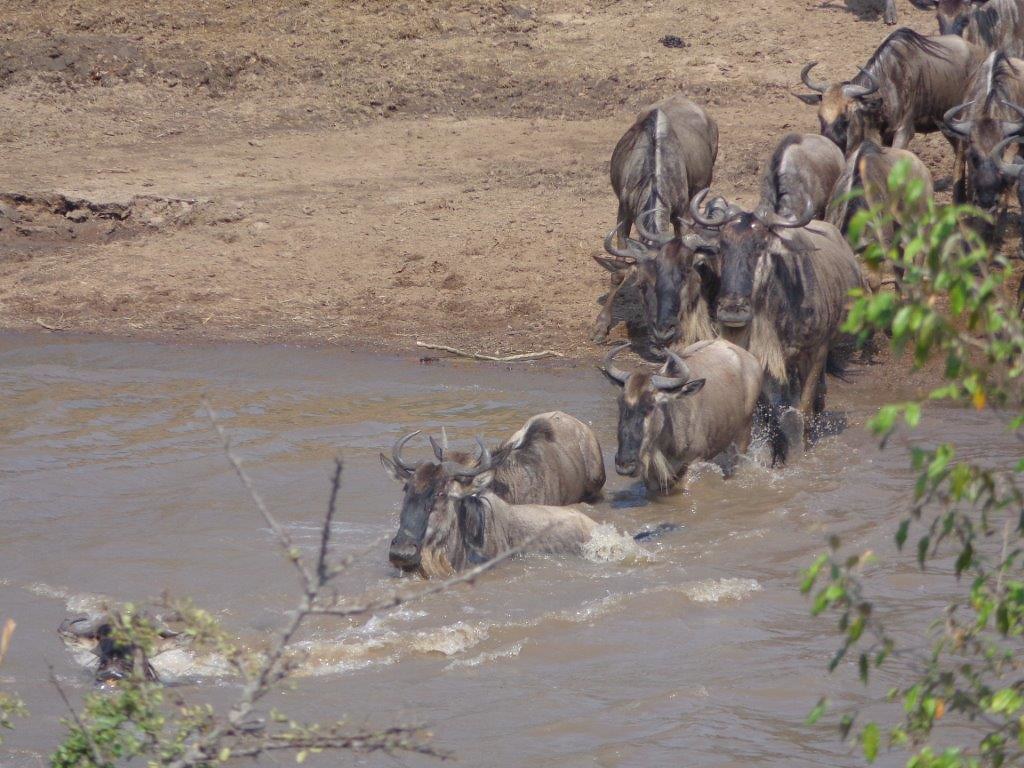
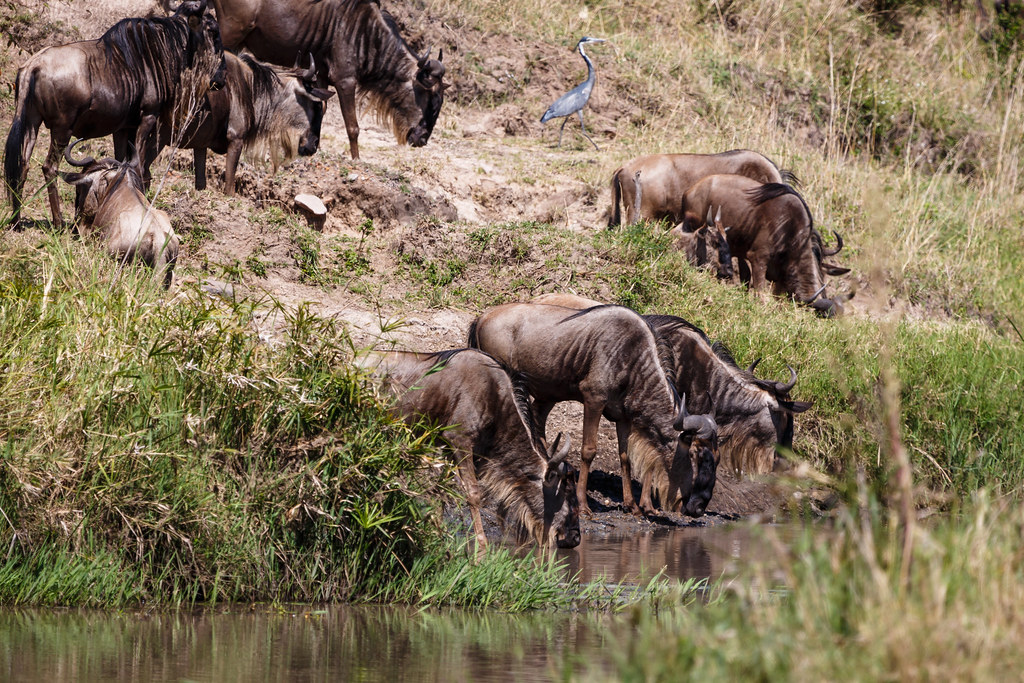
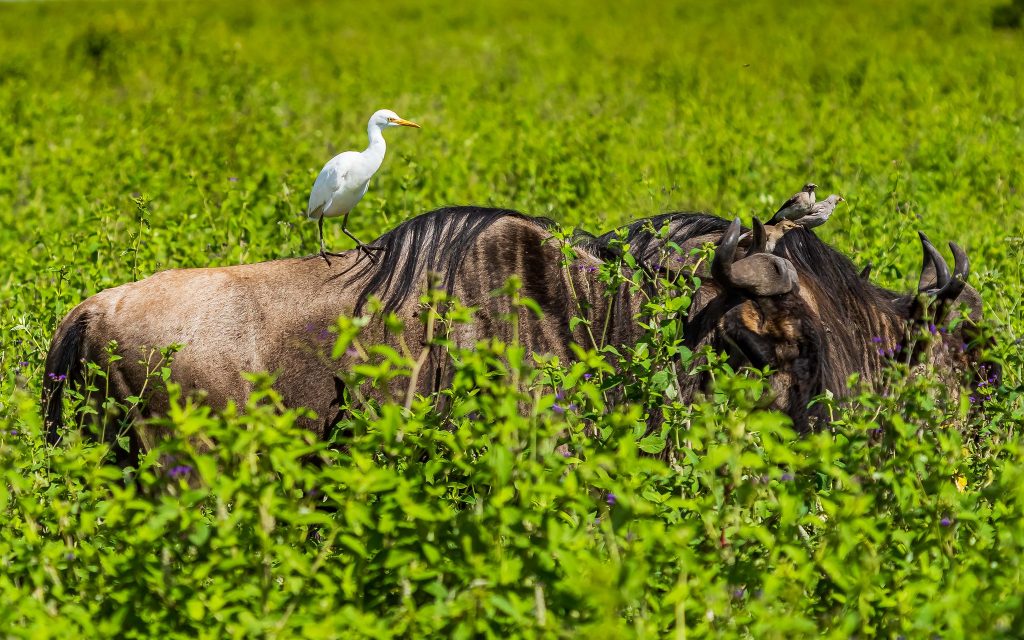
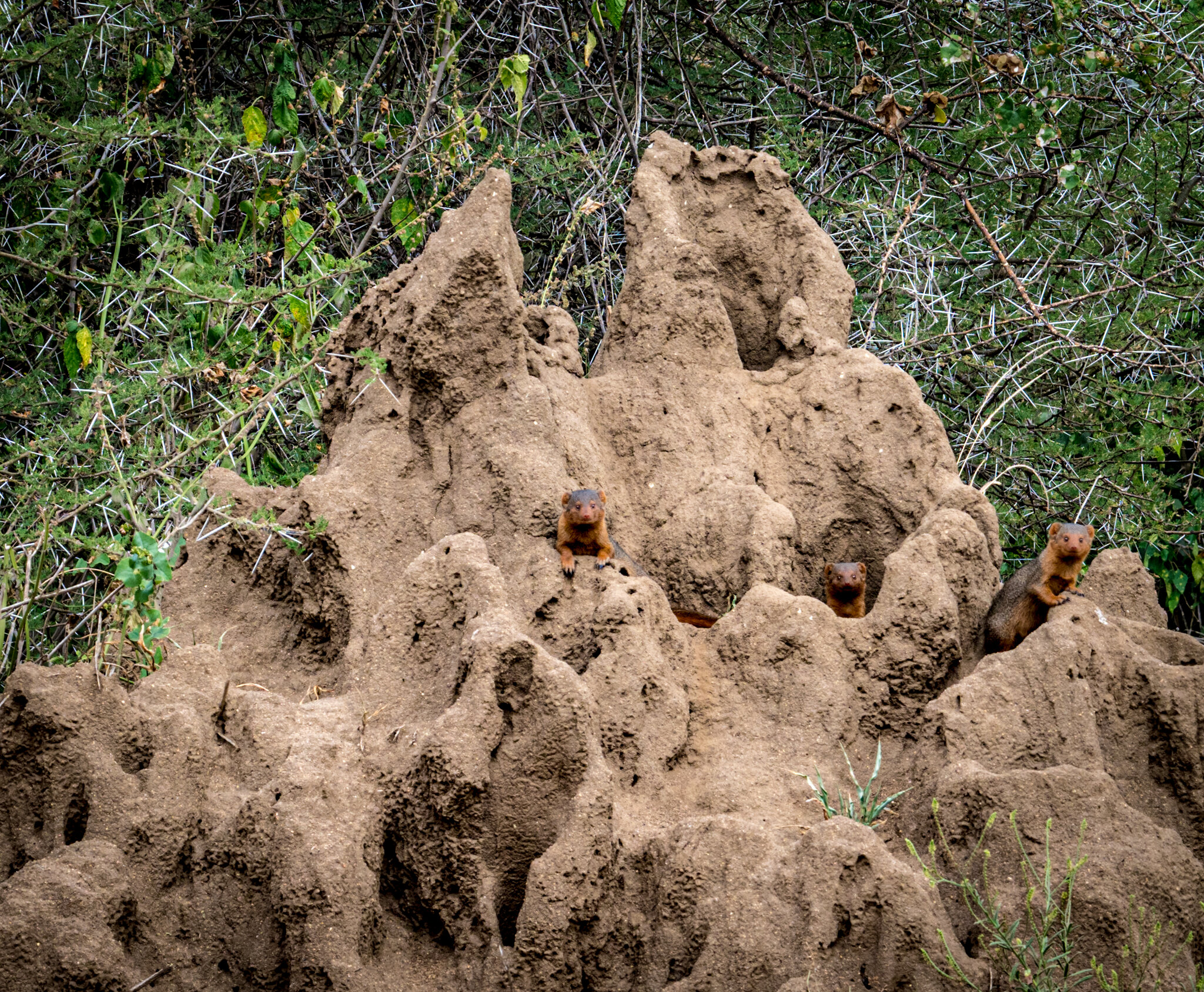
The park boasts an astonishing diversity of habitats up to 11 ecosystems in a relatively small area supporting a rich array of wildlife. Expect to encounter large herds of elephants (one of the highest concentrations in Africa), playful troops of baboons (among the largest anywhere), blue monkeys swinging through mahogany trees, bushbucks, dik-diks, hippos wallowing in pools, and buffalo grazing on the plains.
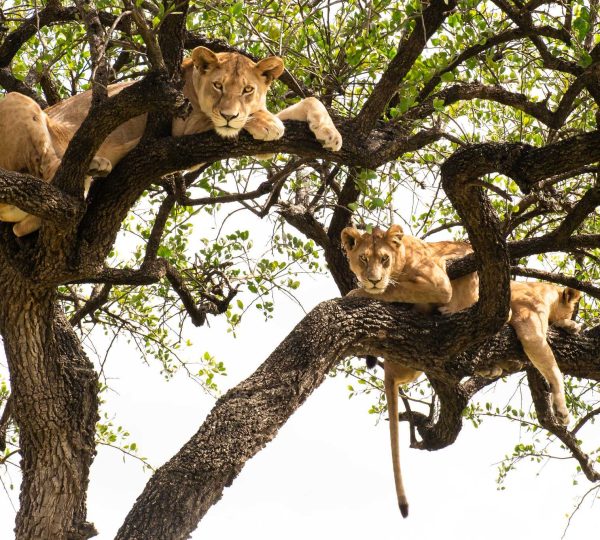
But the undisputed stars are the park’s famous tree-climbing lions. Unlike most lions that stick to the ground, Manyara’s lions regularly climb into acacia and fig trees to rest, escape biting insects like tsetse flies, catch cooler breezes, or survey their territory. Spotting these majestic cats lounging on branches sometimes with cubs playfully scrambling is a rare and unforgettable highlight, making Lake Manyara one of the few places in Africa where this behavior is reliably observed.
Birdlife is equally spectacular, with over 400 species recorded. The lake attracts massive flocks of lesser flamingos, pelicans, cormorants, and storks, while the forests host colorful residents like the gray-crowned crane and migratory visitors from Eurasia.
Top Activities in Lake Manyara National Park
- Game Drives (Day and Night): The park’s compact layout means game drives feel personal and productive. Day drives reveal active elephants, baboons, and antelopes, while night drives offer chances to spot nocturnal predators like leopards and lions on the hunt.
- Treetop Canopy Walkway: A thrilling 370-meter suspension bridge system rises up to 18 meters above the forest floor, giving you a bird’s-eye (and primate’s-eye) view of monkeys, birds, and the canopy ecosystem. Knowledgeable guides enhance the experience with insights into the forest’s biodiversity.
- Wildlife Photography: Golden-hour light during sunrise and sunset drives creates magical conditions for capturing elephants under baobabs, flamingos against the lake, or lions in trees. Specialized safari vehicles and expert guides help photographers get the perfect shot.
- Camping Safaris: Spend a night under the stars in a mobile camp or basic tent site near the lake. Fall asleep to the grunts of hippos, roars of lions, and rustling leaves for an immersive bush experience.
- Bird Watching: Prime for enthusiasts, especially during wetter months when migratory birds boost numbers.
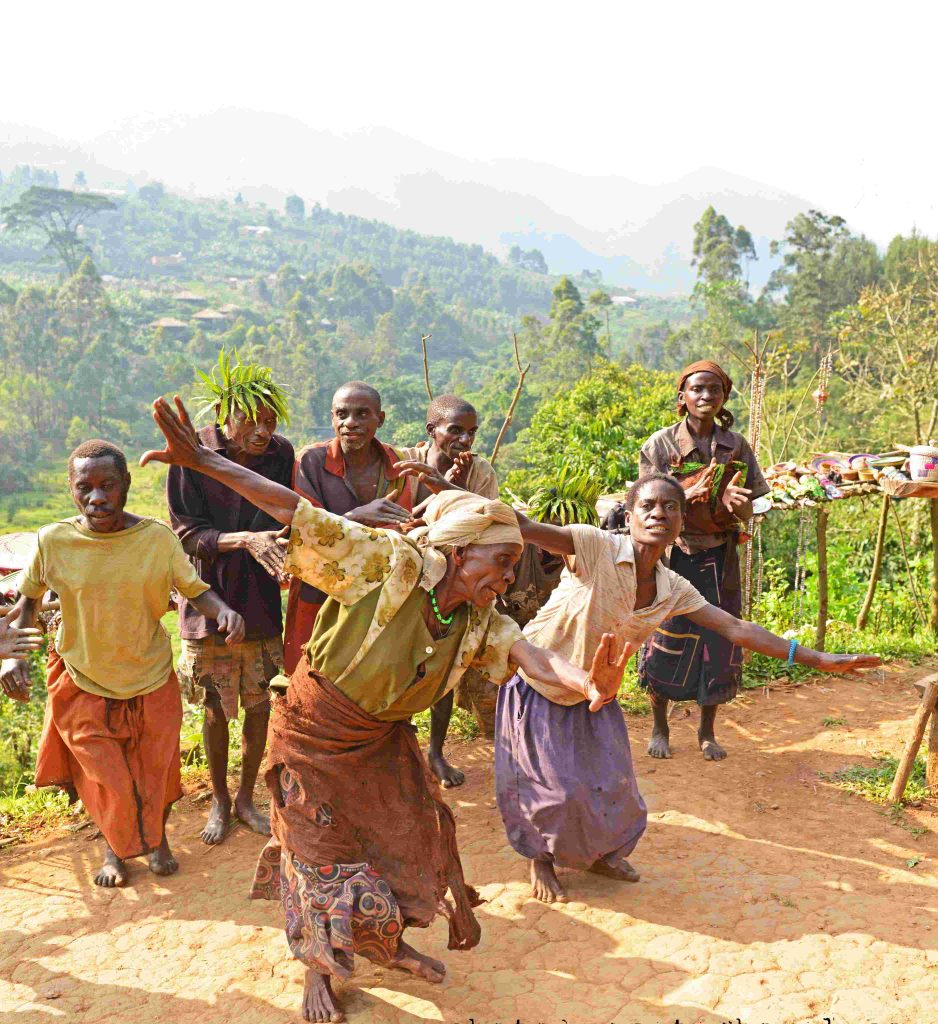
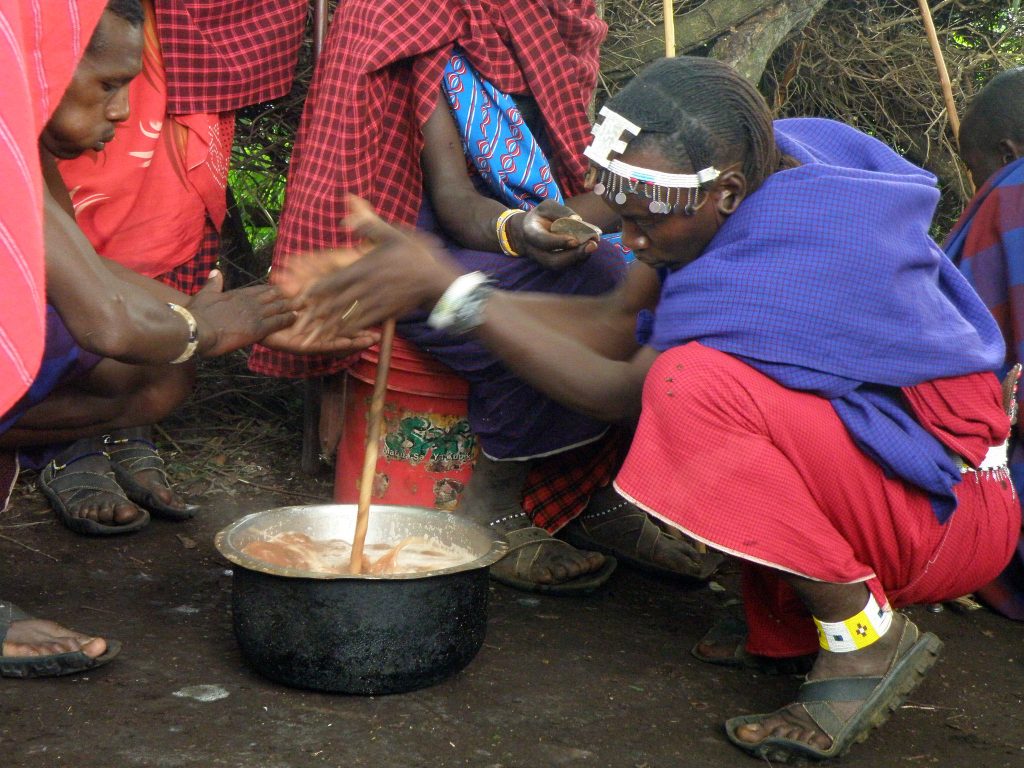
- Cultural Encounters: In Maasai territory, arrange visits to nearby villages to learn about pastoral traditions, enjoy traditional dances, songs, and hospitality.
How to Get to Lake Manyara
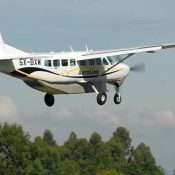
- By Air: Fly into Kilimanjaro International Airport (JRO) or Arusha Airport (ARK), then take a charter flight to Lake Manyara Airport (LKY) for a quick transfer to the gate.
- By Road: A scenic 1–2 hour drive from Arusha on paved roads via Babati or Mto wa Mbu. 4×4 vehicles are recommended, especially in wet seasons. The park sits conveniently en route to Ngorongoro and Serengeti.
Best Time to Visit
- Dry Season (June–October): Prime for wildlife viewing—animals congregate around water sources, vegetation thins for better spotting, and roads stay accessible. Great for mammals and tree-climbing lion sightings.
- Short Dry Season (January–February): Warm, good for birdlife on the lake.
- Wet Season (November–May): Lush greenery, cascading waterfalls on the escarpment, fewer crowds, and excellent bird watching (including flamingo flocks). Avoid peak rains (March–April) if concerned about road conditions, though recent management has improved accessibility.