Overview
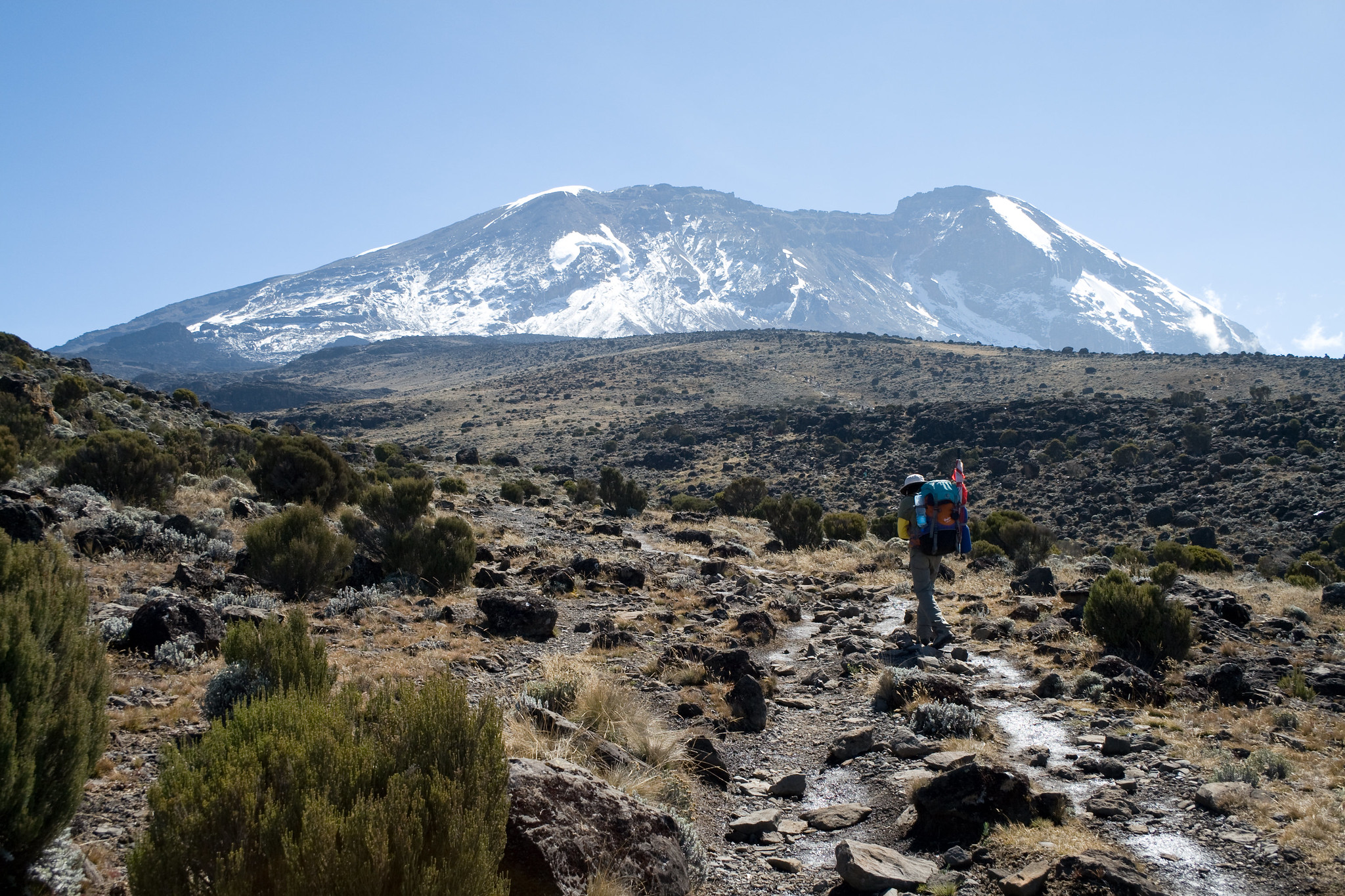
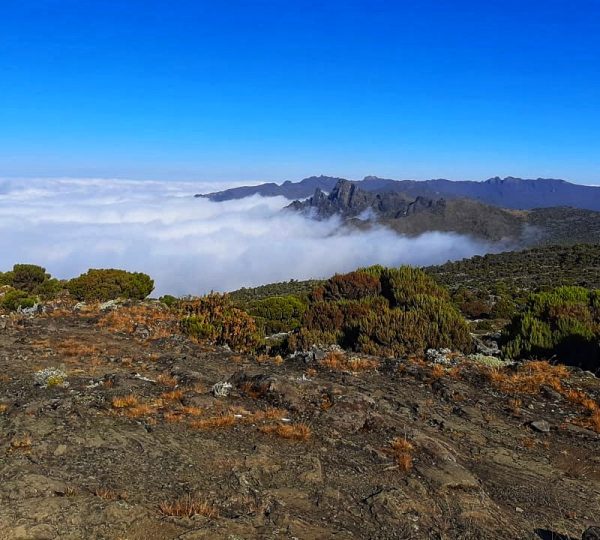
True to its name, this remarkable park is home to the iconic Mount Kilimanjaro, which rises majestically over the surrounding landscape at 5,895 meters (19,340 feet), making it not only the highest peak on the African continent but also the world’s largest freestanding mountain. Kilimanjaro represents the very essence of East African natural beauty. The sight of a giraffe and an elephant interacting on open grassland beneath the canopy of an acacia tree, with Kilimanjaro’s snow-capped summit dominating the background, is one of the most iconic images associated with Africa. Beyond its undeniable visual grandeur, Mount Kilimanjaro’s natural environment is so extraordinary and distinctive that it was designated a UNESCO World Heritage Site in 1987. The mountain is divided into five major vegetation zones, which, listed in ascending order, are the lower slopes, montane woodlands, heath and moorland, high alpine desert, and the summit zone.
Wildlife and Natural Riches
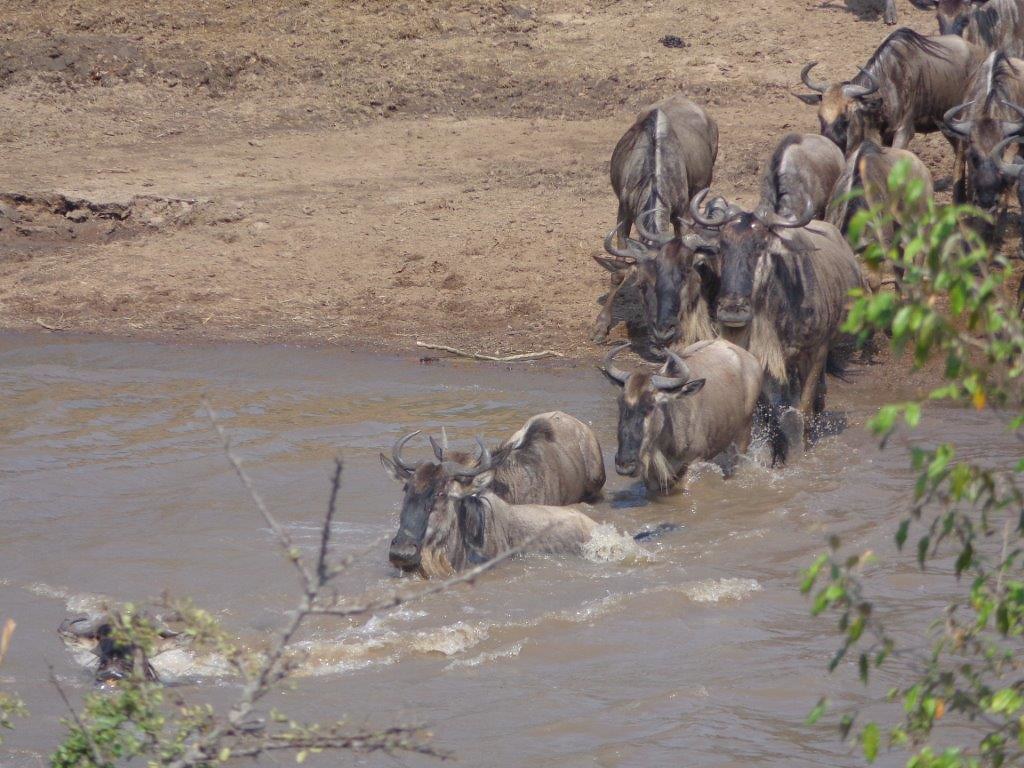
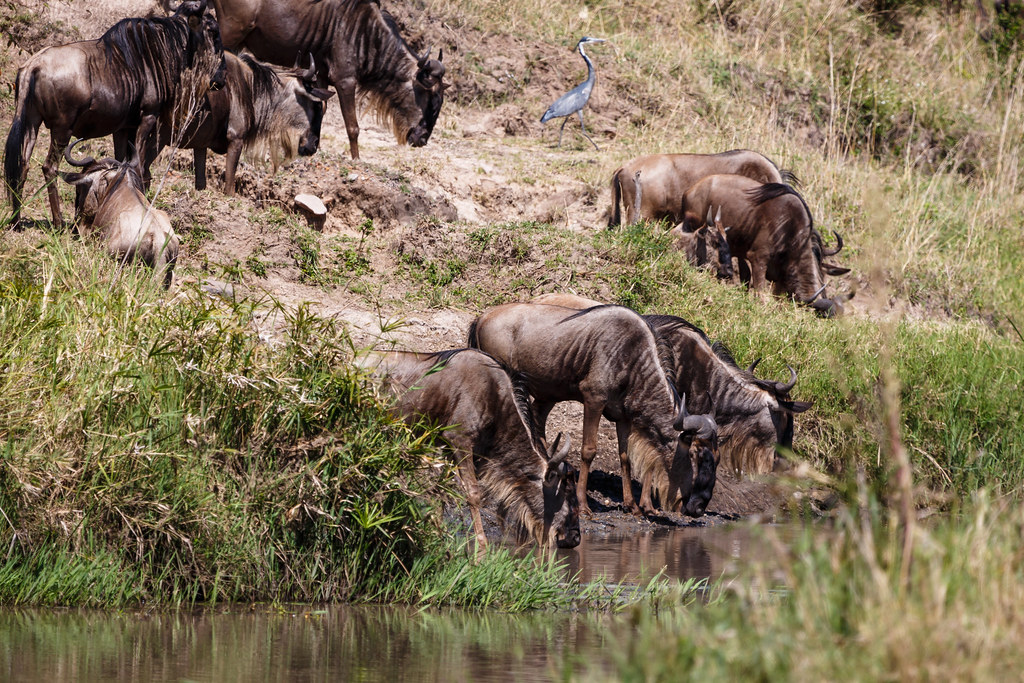
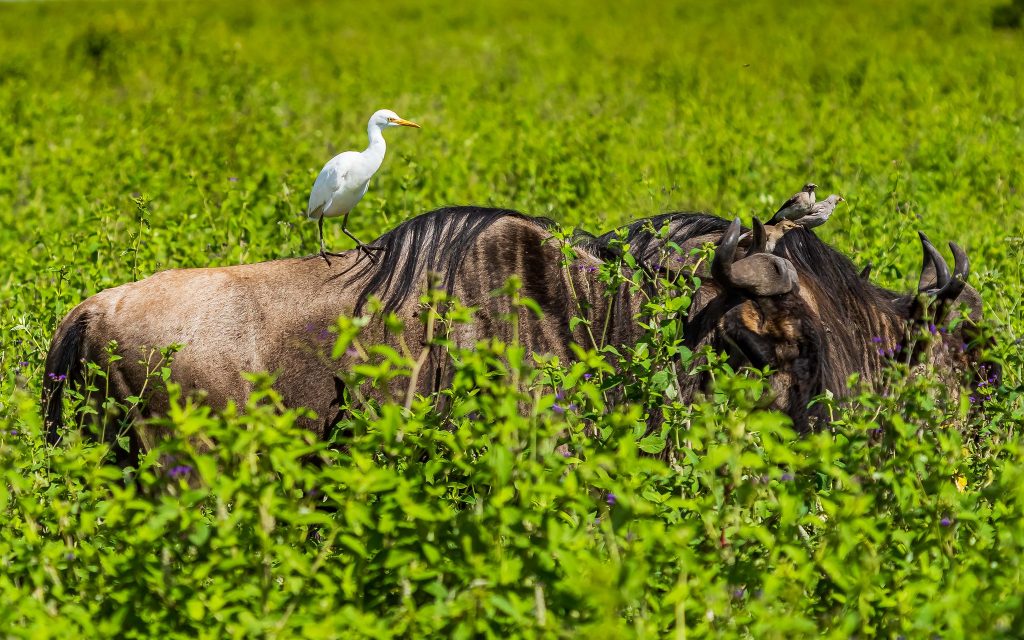
Owing to the remarkable diversity of its ecosystems and its mineral-rich volcanic soil, Kilimanjaro is home to an astonishing 671 recorded bird species, along with grazing herds of zebra, wildebeest, buffalo, and abundant gazelles. Underground water sources fed by the gradual melting of glaciers provide water in generous quantities, which is why some of Africa’s largest elephant herds can be found roaming here. The volcanic soil is also responsible for the region’s celebrated coffee plantations. Moshi, a charming town nestled at the base of the mountain, is considered one of Tanzania’s most picturesque settlements, surrounded by rolling fields of coffee, bananas, cassava, and maize. A guided visit to one of the local coffee estates is highly recommended as a way to gain insight into the fascinating journey from raw bean to finished latte.
Climbing Kilimanjaro
Ultimately, however, the central attraction and primary goal of the majority of visitors who include this park in their Tanzanian itinerary is Mount Kilimanjaro itself. Very few mountains in the world can rival the prestige, altitude, and sweeping vistas that the so-called “Roof of Africa” offers to those who make the journey. Standing at the summit is genuinely an epic and profoundly memorable achievement, and for many travelers it represents the fulfillment of a lifelong ambition.
The Three Volcanic Peaks
Mount Kilimanjaro is composed of three main volcanic peaks: Kibo, Mawenzi, and Shira. The true origin and meaning of the name “Kilimanjaro” remains a subject of debate and mystery. Various interpretations suggest it could mean Mountain of Light, Mountain of Greatness, or Mountain of Caravans. Kilimanjaro National Park itself has evolved considerably over the decades it was first established as a game reserve in 1910, reclassified as a forest reserve in 1921, and officially declared a national park in 1973. Public access to the park’s recreational areas became available shortly after 1977. UNESCO recognized the park as a World Heritage Site in 1987, and it was subsequently named one of Africa’s Seven Natural Wonders in 2013. Kilimanjaro is situated in northern Tanzania, approximately 48 kilometers from the town of Moshi, and covers a total area of 1,668 square kilometers.
Choosing Your Route
When compared to the other Seven Summits the highest mountains on each of the world’s continents reaching the top of Kilimanjaro is considered relatively accessible. While physical endurance and mental determination are certainly required, there are seven recognized routes to the summit, several of which are well within reach for moderately fit and even less experienced hikers. The Machame Route is widely regarded as one of the more manageable options for first-time climbers, offering not only a rewarding experience but also the added comfort of hut accommodations rather than tent camping along the way. This route typically takes five days to complete, though an optional sixth day can be added to allow for better acclimatization to the altitude. Camping-based routes such as Lemosho, Shira, and Machame are better suited to more seasoned trekkers but reward the effort with considerably more dramatic and breathtaking scenery.
If the process of choosing the most appropriate route feels overwhelming, there is no need for concern. That is precisely the kind of guidance that the team at The Travel Cafe specializes in providing. Based on your individual fitness level, experience, and personal preferences, we will carefully assess all available options before recommending the route best suited to help you achieve your goal of reaching the summit safely while enjoying every moment of the journey.
What to Do in Kilimanjaro National Park
The striking image of Mount Kilimanjaro towering magnificently above the surrounding landscape is etched permanently into the memories of the countless people who have witnessed it. It is, without question, a sight that, once experienced, is virtually impossible to forget. Yet many visitors are surprised to discover that Mount Kilimanjaro is far more than just the mountain it is also an expansive national park that surrounds the peak and offers a wealth of attractions and activities. This 291-square-mile park holds UNESCO World Heritage status and contains a variety of experiences that should not be overlooked.
Kilimanjaro’s gleaming, cloud-wreathed summit presides over the vast plains of South Amboseli, which form part of the broader Kilimanjaro National Park setting. Although the mountain is clearly and spectacularly visible from Amboseli National Park in Kenya offering some of the finest wildlife photography opportunities on the continent with the mountain as a dramatic backdrop Mount Kilimanjaro is geographically situated within Tanzania. This is due to the fact that when the colonial boundary between German and British East African territories was formally established, Kilimanjaro was allocated to Germany, a decision that required drawing a deliberate bend in what would otherwise have been a straight border line. The following is a selection of the most popular and rewarding activities available within Kilimanjaro National Park.
Guided Walks to Shira Plateau
Located several kilometers to the west of Mount Kibo along one of the established routes up the mountain, the Shira Plateau is a remarkable and historically significant landscape. This expansive high-altitude plain is recognized as a caldera — the remnant of an ancient volcanic crater. As you traverse the plateau, you will encounter the eroded remains of a volcanic vent that became extinct many thousands of years ago. The area is a favorite destination for wildlife enthusiasts, owing to its exceptional biodiversity. With patience and a keen eye, visitors can spot elephants, buffalo, eland, and lions in this environment, though the density of the vegetation means that identifying good vantage points is often necessary to observe the animals effectively.
Kibo Peak
If reaching one of the most dramatic high-altitude viewpoints in the world is on your bucket list, then Kibo Peak is a must. As one of Mount Kilimanjaro’s three volcanic cones and the highest point on both the mountain and the entire African continent, Kibo offers extraordinary panoramic views throughout the year. The main summit is permanently snow-capped and presents a serious technical challenge that should only be attempted by well-prepared and experienced climbers. That said, there are numerous base camps and staging areas at lower elevations where visitors can set up camp and drink in the surrounding scenery at a more relaxed pace.
Trekking to the Summit
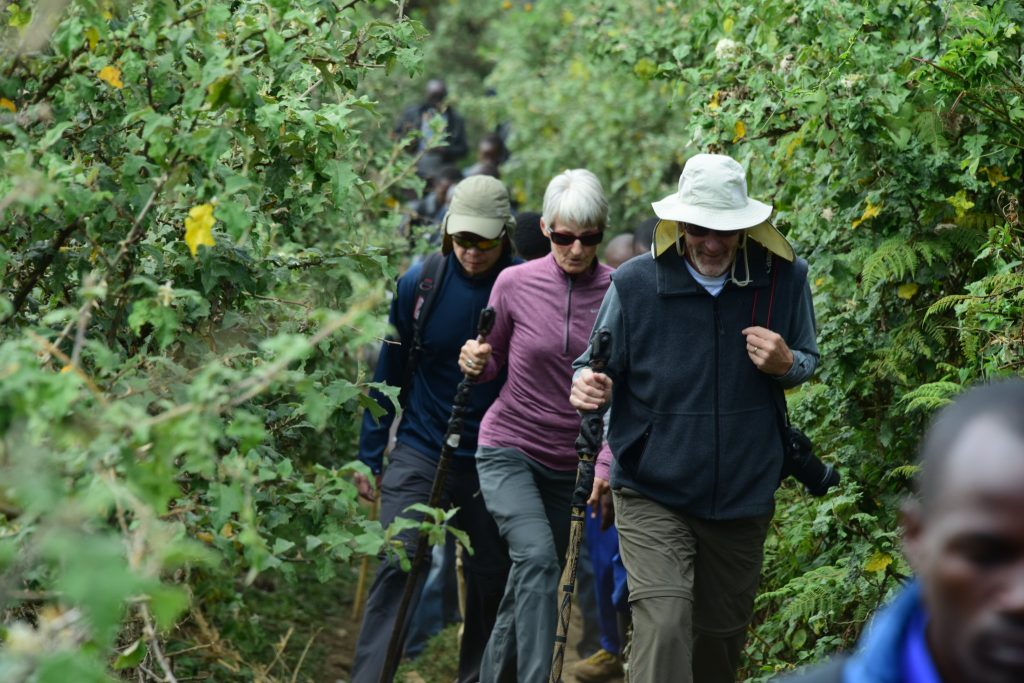
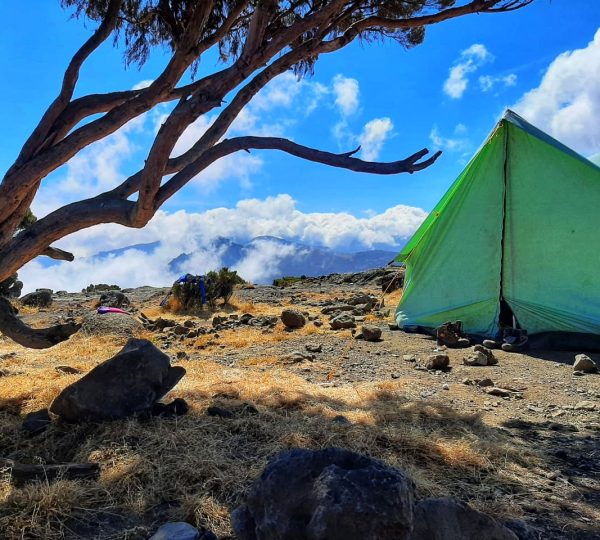
Thousands of visitors travel to Tanzania each year with the primary ambition of climbing Mount Kilimanjaro an experience that many describe as the most extraordinary and unforgettable of their lives. It is widely considered the crowning jewel of Kilimanjaro National Park and is arguably one of the greatest natural achievements available to travelers anywhere in Tanzania. Independent climbing without a guide is not permitted in the highland zones, meaning all trekkers are required to hire a licensed guide. Multiple routes offer different combinations of scenery, distance, and difficulty; the Marangu Route and the Machame Route remain the most frequently chosen. Depending on the route selected, the full climb typically takes between four and seven days.
Exploring Olpopongi Maasai Cultural Village
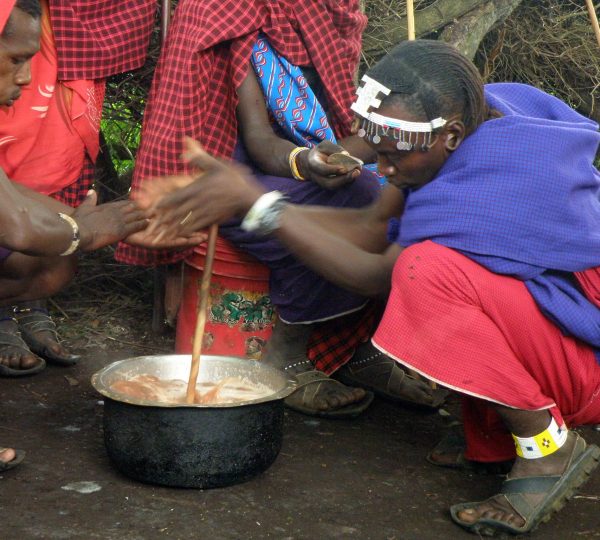
For those interested in cultural immersion, Olpopongi offers one of the most authentic and respectful Maasai cultural experiences available anywhere in Africa. Here, visitors have the opportunity to explore the traditional kraals that have been home to Maasai communities for generations, learn about family rituals and long-held customs, sample locally sourced and prepared foods, and engage meaningfully with Maasai people in a way that celebrates their heritage. What makes Olpopongi particularly special is its commitment to providing genuine cultural exchange without disrupting the normal rhythms of daily Maasai life or intruding upon private homes and personal spaces within their communities.
Lake Chala
Nestled in the shadow of Kilimanjaro, the stunning crater lake known as Chala is a truly mesmerizing sight. Depending on the time of year and the angle of the light, the lake’s waters can shift dramatically in color from vivid turquoise blue and deep midnight blue to a lush, luminous green. This pristine body of water straddles the border between Kenya and Tanzania and is the kind of place that inspires wonder. Visitors can hike around the rim of the crater lake, descend the steep crater walls to the water’s edge, and search for the rare and endangered Chala tilapia, a fish species found nowhere else on Earth. Additional activities are available at the lake, though they may be limited during the low season when visitor numbers drop. Swimming is permitted in the lake, though there are no lifeguards on duty.
A Park of Extraordinary Diversity
Kilimanjaro National Park encompasses a remarkably varied range of habitats as it ascends from the open savannahs and bush lands of the local Maasai people to the park’s official boundary of 1,668 square kilometers (641 square miles) at an elevation of approximately 800 meters. Meltwater trickling down from the mountain’s glaciated summit nourishes a lush belt of tropical rainforest where some of the most impressive elephant herds on the entire continent move freely through the trees matriarchs accompanied by their daughters, granddaughters, and great-grandchildren, joined by enormous, aging bull elephants over 50 years old, their heads bowed low under the sheer weight of their massive ivory tusks. If you look carefully, you may be fortunate enough to spot the endangered Abbott’s duiker moving quietly through the undergrowth, accompanied by a supporting cast of elands and various species of monkey.
The Summit Zone
Above the treeline, as the landscape grows harsher and more austere, only mosses and lichens are able to cling to the exposed rock surfaces before snowfields take over and lead to the three dormant volcanic craters: Mawenzi, Shira, and Kibo – the summit – where geothermal fumaroles remain periodically active, even though the mountain’s last major eruption occurred approximately 200,000 years ago. If you are ready to take on the challenge of scaling Africa’s highest peak, we warmly invite you to join us on a guided Uhuru Trails climbing expedition.