Arusha National Park, often called the “Little Serengeti,” is a compact but diverse park in northern Tanzania, offering an impressive mix of flora, fauna, and landscapes. Visitors can explore lush forests, grassy plains, volcanic craters, and alkaline lakes—all within a short drive from Arusha and Moshi. Despite its modest size of 552 square kilometers, the park offers a wide range of wildlife encounters and adventure activities, making it perfect for day trips or longer safaris.
Wildlife and Scenery in Arusha National Park
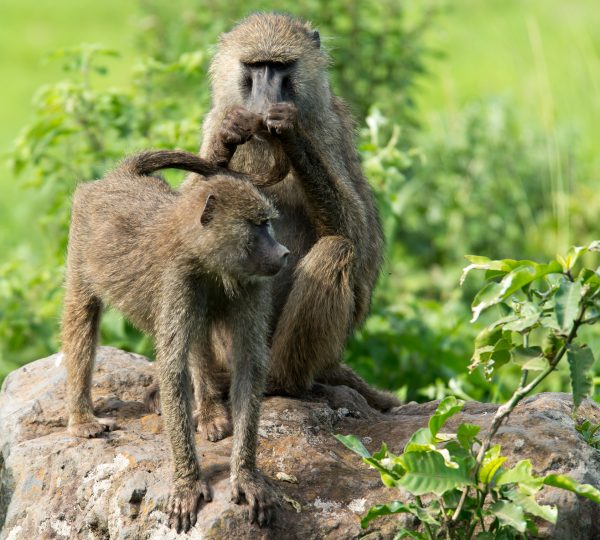
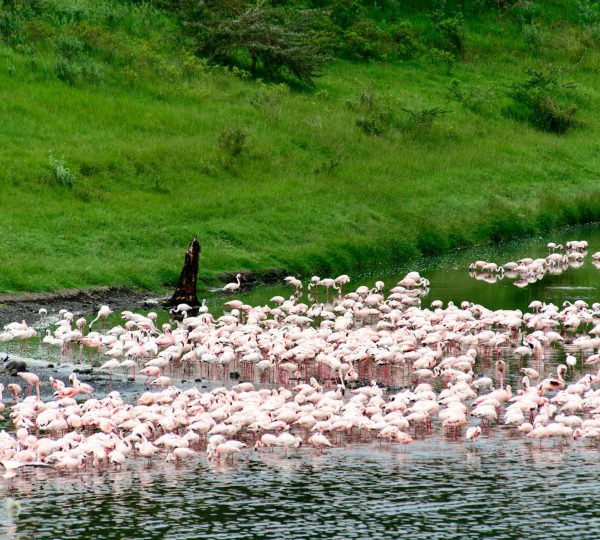
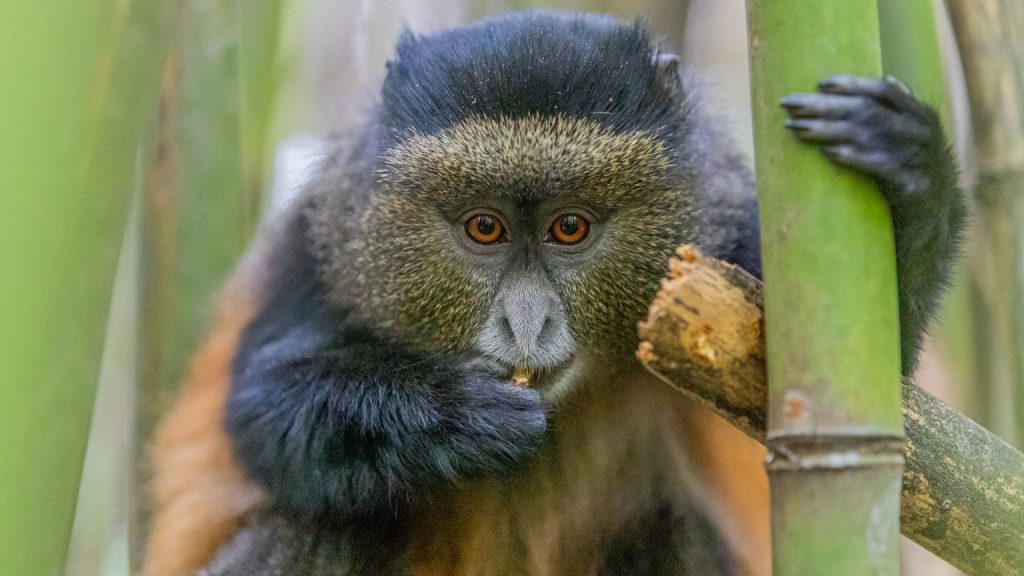
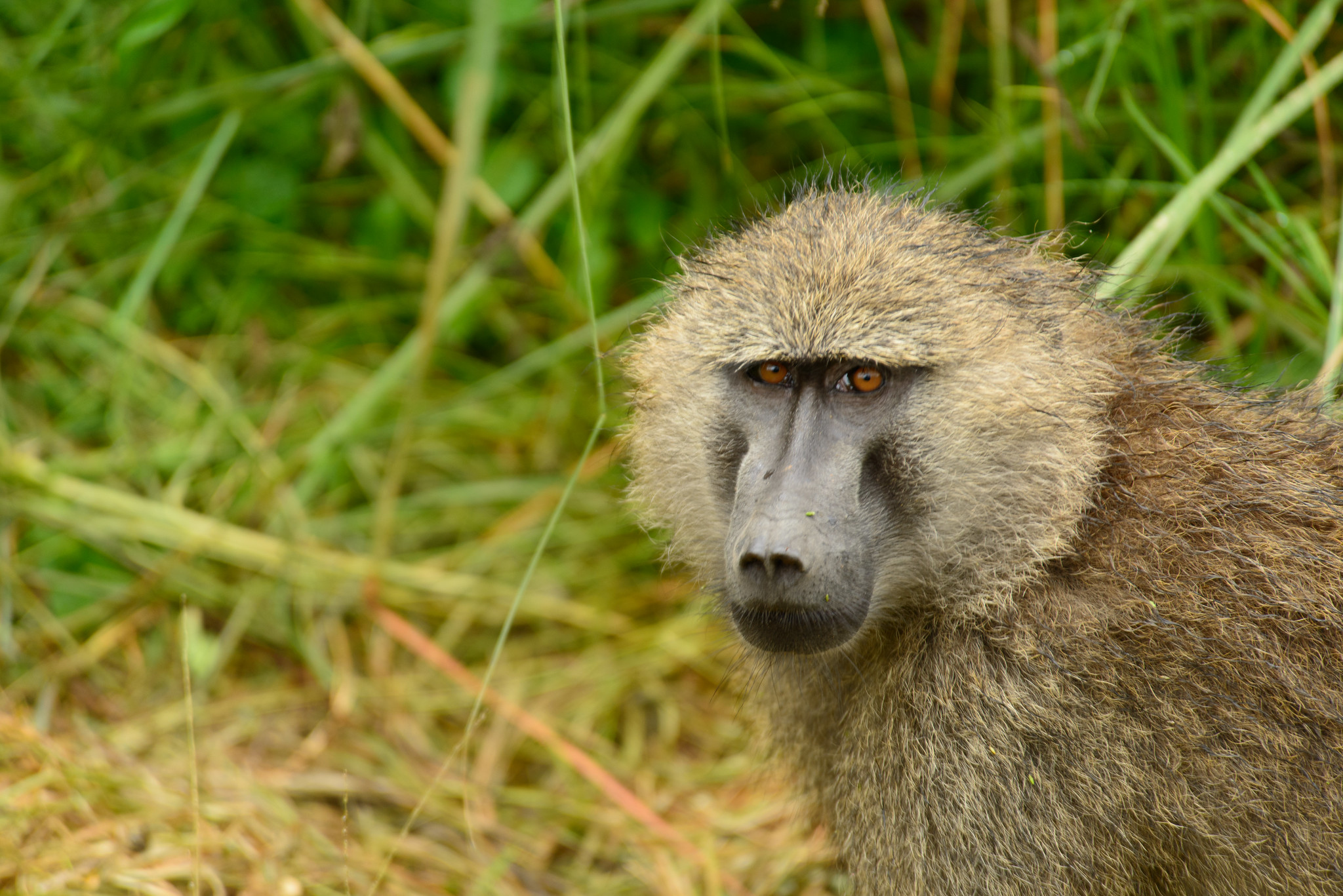
On a game drive through the “Little Serengeti,” you may spot herds of gentle buffalo, shy bushbucks at the forest edge, warthogs, and zebras. The park’s lush jungles are home to agile black-and-white colobus monkeys and playful blue monkeys. One of the park’s highlights is the Ngurdoto Crater, a 3 km-circumference depression resembling a smaller Ngorongoro Crater. In its wetland, buffaloes may often be seen grazing.
Mount Meru, Africa’s fourth-highest mountain at 4,566 meters, dominates the park and provides stunning backdrops from the Meru Crater in the west to the Ngurdoto Crater in the southeast, and from the grasslands to the alkaline Momella Lakes in the northeast.
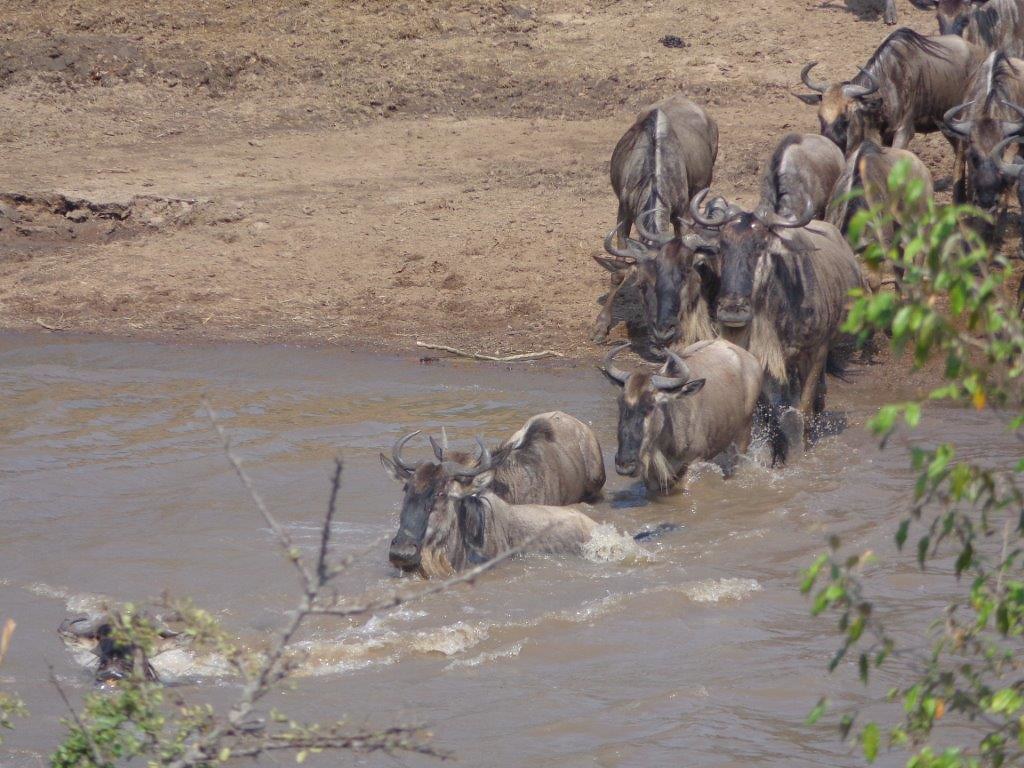
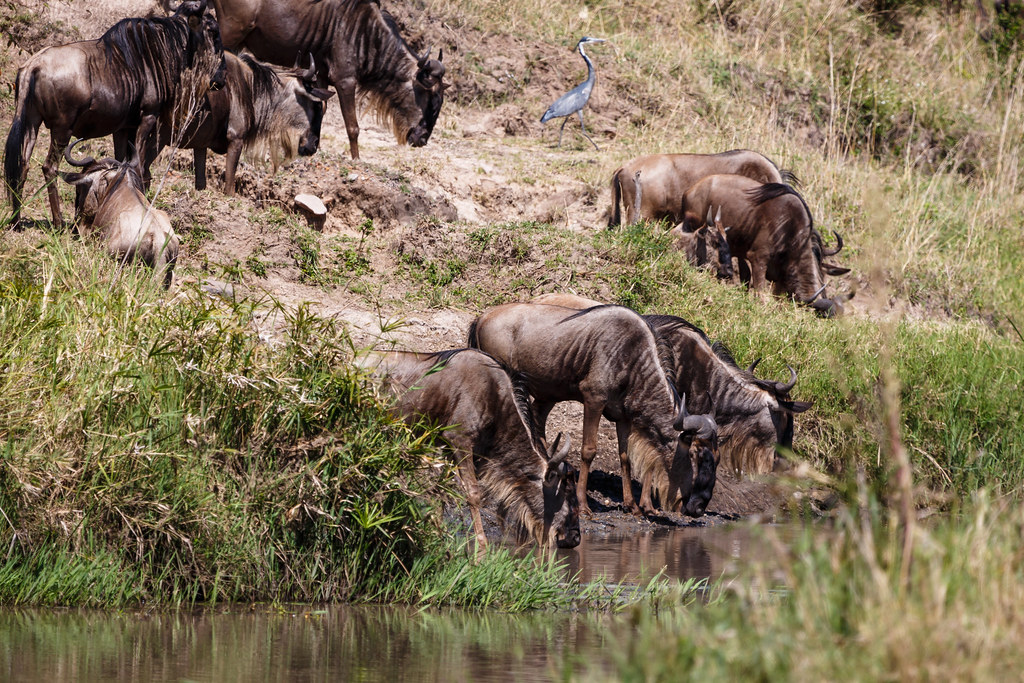
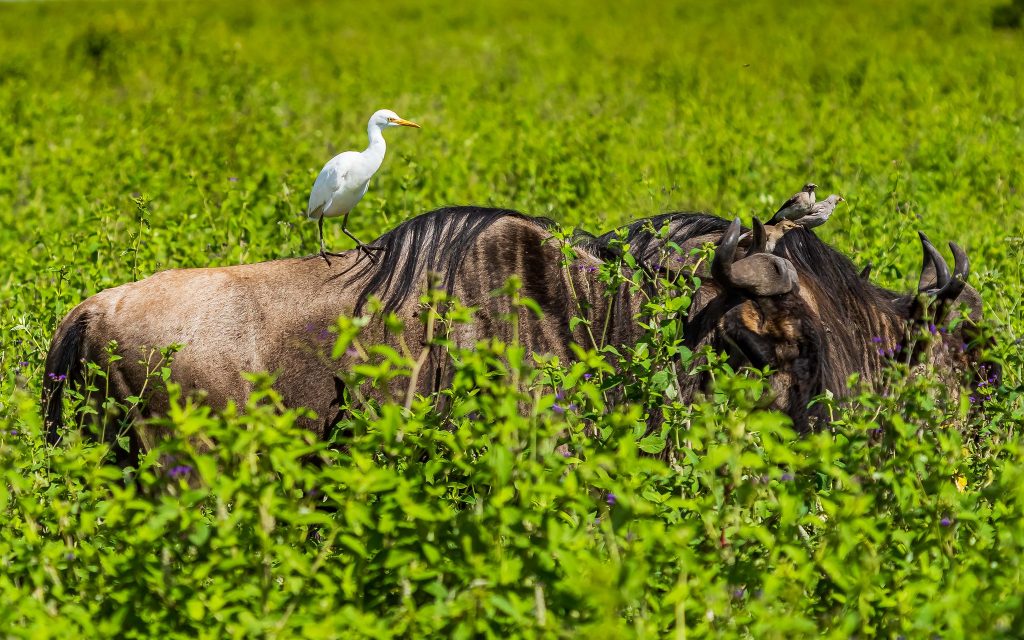
Arusha National Park is home to elephants, hippos, buffalo, zebras, giraffes, and occasionally wildebeest. Walking and canoeing safaris allow visitors to explore the park closely, while bird enthusiasts will delight in the park’s 400-plus bird species.
Walking Safaris in Arusha National Park
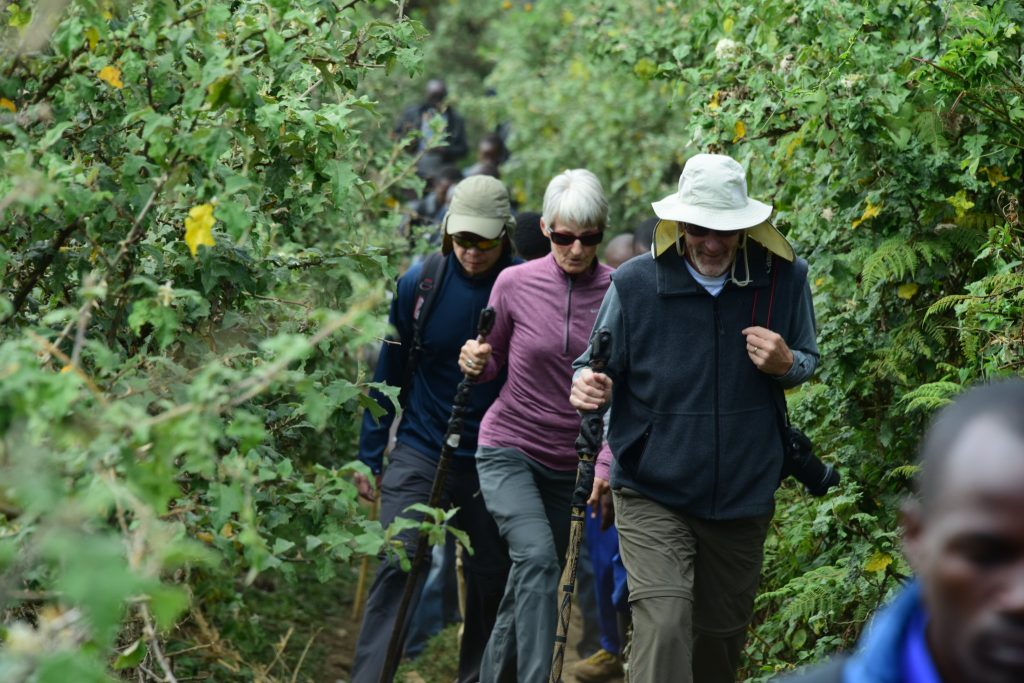
Walking safaris are a unique feature of Arusha National Park due to the low number of predators. Guided by armed park rangers, guests can explore moss-covered forests and open plains. Wildlife commonly spotted includes buffalo, warthogs, giraffes, and birds such as silver-cheeked hornbills and crested serpent eagles. Walks often include visits to Tricia Falls and end at Momela Lake, offering peaceful, immersive experiences in the African bush.
Canoeing and Kayaking on Momella Lake
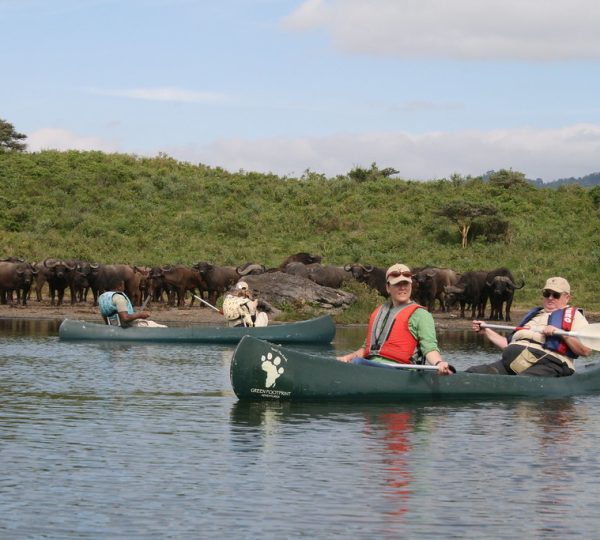
Cape Buffalo on Momella Lake
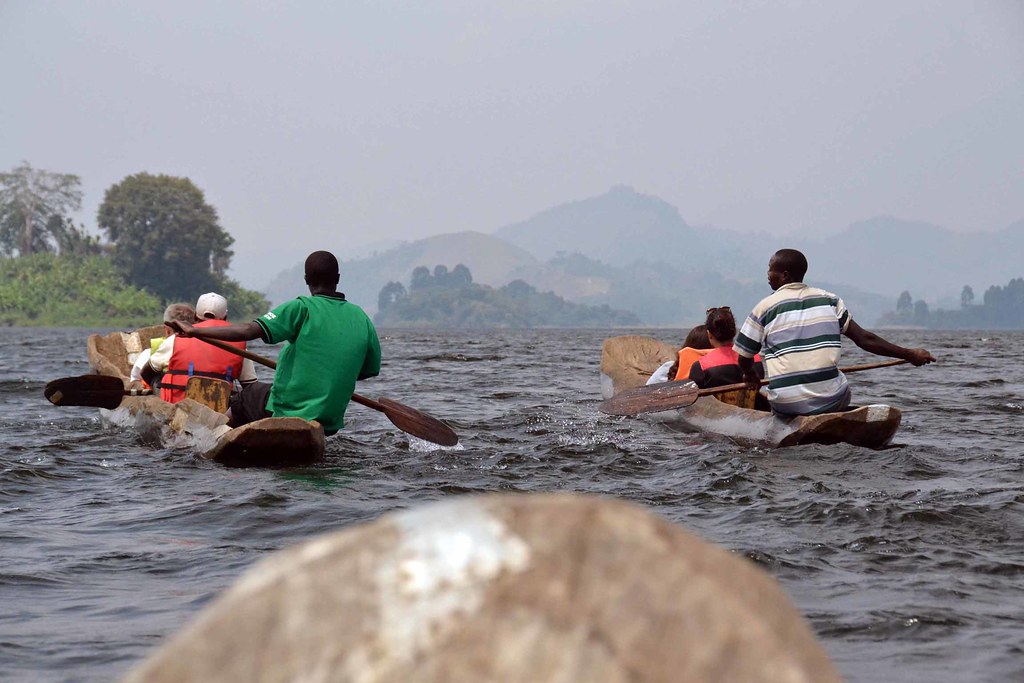
Canoeing and kayaking on Momella Lake provide once-in-a-lifetime opportunities to get close to wildlife. These safaris last about three hours and offer sightings of buffaloes, giraffes, waterbucks, and diverse bird species. On clear days, paddlers can enjoy breathtaking views of Mount Kilimanjaro and the Meru Mountains while gliding across the calm, alkaline waters.
Hot Air Balloon Safaris
Hot air balloon safaris over Arusha National Park are popular during the “green season” from November to June. Early morning flights allow visitors to drift over lush landscapes while observing wildlife below. Guests enjoy the breathtaking scenery and can follow animal migrations from the air. Balloon safaris conclude with a luxurious bush breakfast, offering a memorable start to the day in Tanzania’s wilderness.
Museums and Cultural Experiences
Arusha offers unique cultural and educational experiences for visitors. The National Natural History Museum, housed in the Old German Boma built in 1886, features permanent exhibits on human evolution and entomology. The Laetoli Footprints, fossilized early human tracks, are among the museum’s main attractions.
The Cultural Heritage Center provides a glimpse into local art, crafts, and Tanzanian history. Visitors can also explore Lake Duluti, Meserani Snake Park, and the Maasai Cultural Museum for hands-on cultural experiences.
Hiking Mount Meru
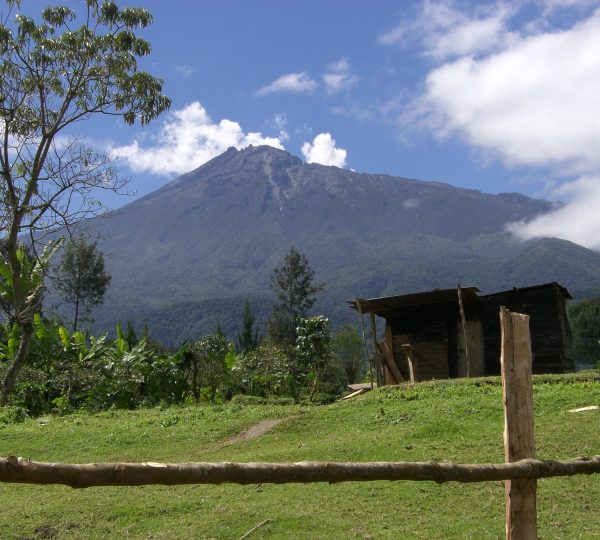
Hiking Mount Meru is a highlight for adventure seekers. The four-day trek begins in Arusha National Park, passing through dense jungle, volcanic landscapes, and high-altitude forests. Wildlife sightings may include elephants, buffalo, wild boar, monkeys, giraffes, and diverse bird species. Hikers stay in well-maintained mountain huts, enjoying panoramic views of the surrounding plains and Mount Kilimanjaro.
Cycling Safaris
Cycling safaris offer an active way to explore the park. Rides typically start at Ngurdoto Crater and circle the rim, providing spectacular views of wildlife and the surrounding landscapes. A park ranger accompanies cyclists to ensure safety and to assist with wildlife spotting, which may include colobus monkeys, buffaloes, giraffes, and numerous bird species.
Best Time to Visit Arusha National Park
The dry season, from June to October, is ideal for game viewing. Bird watching is excellent year-round, with November to April offering the best opportunities to observe migratory species arriving from Europe and North Africa. Climbing Mount Meru is possible from June to February, although November can be rainy.
Accessing Arusha National Park
The park is located just northeast of Arusha city, 25 km from the main gate, 58 km from Moshi, and 35 km from Kilimanjaro International Airport (KIA). Visitors can reach the park by:
-
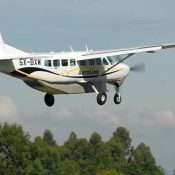
Air: Fly to KIA or Dar es Salaam (DAR) and take a domestic flight to Arusha Airport (ARK).
-
Road: Shuttle buses from Nairobi (NBO) are available, often coordinated by tour operators.
Arusha National Park can be included as a half-day excursion or as part of the Northern Tanzania Safari Circuit, which covers Serengeti, Ngorongoro Crater, Tarangire, and Lake Manyara National Parks.