 Overview
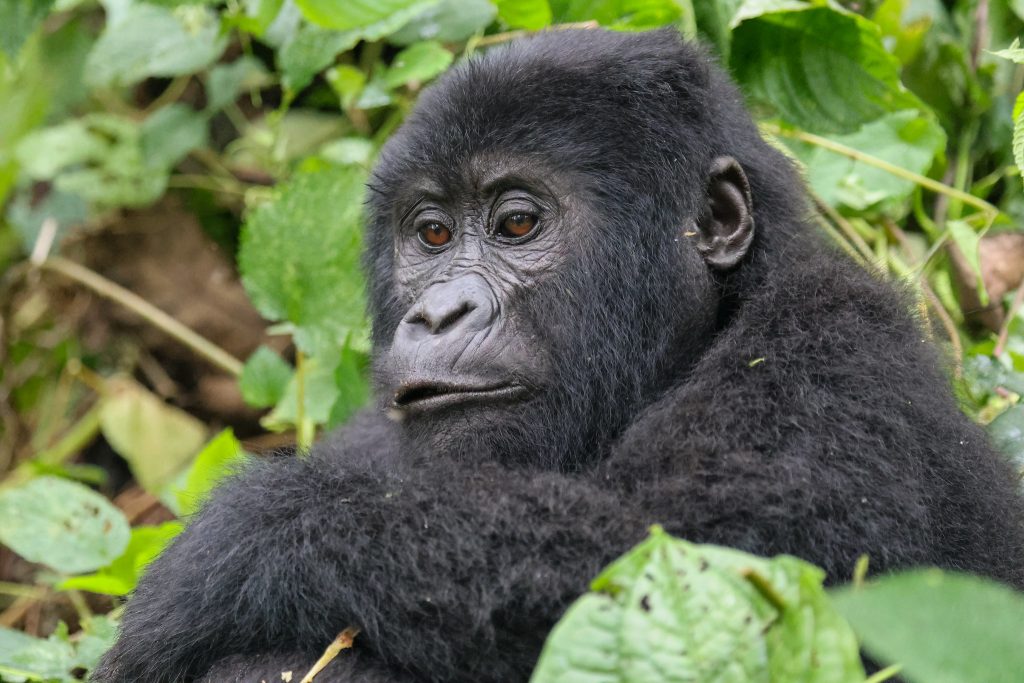
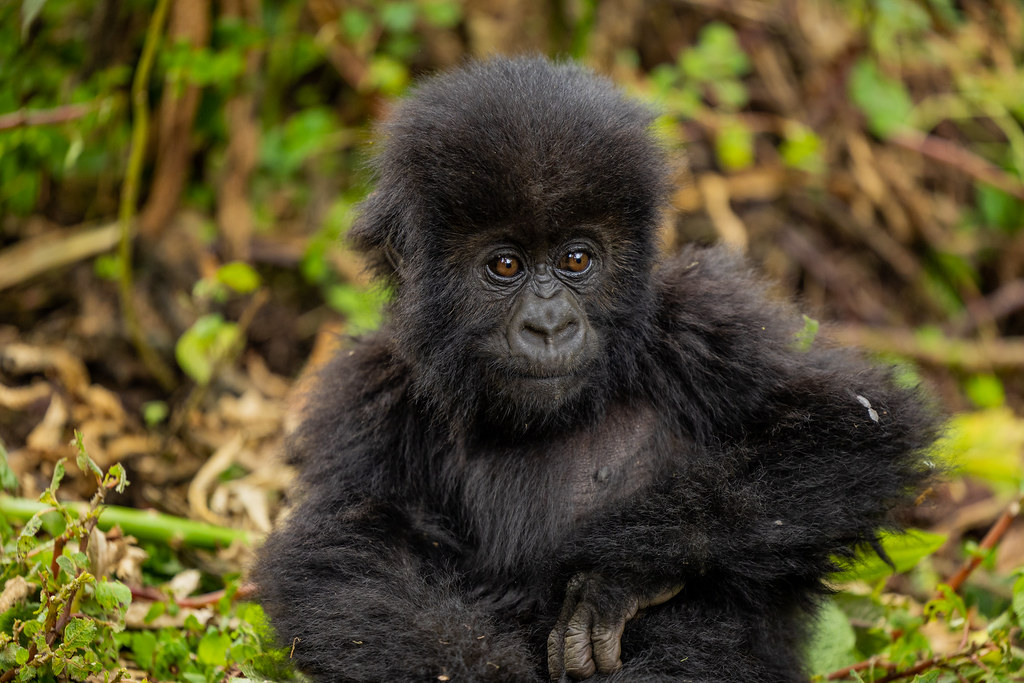
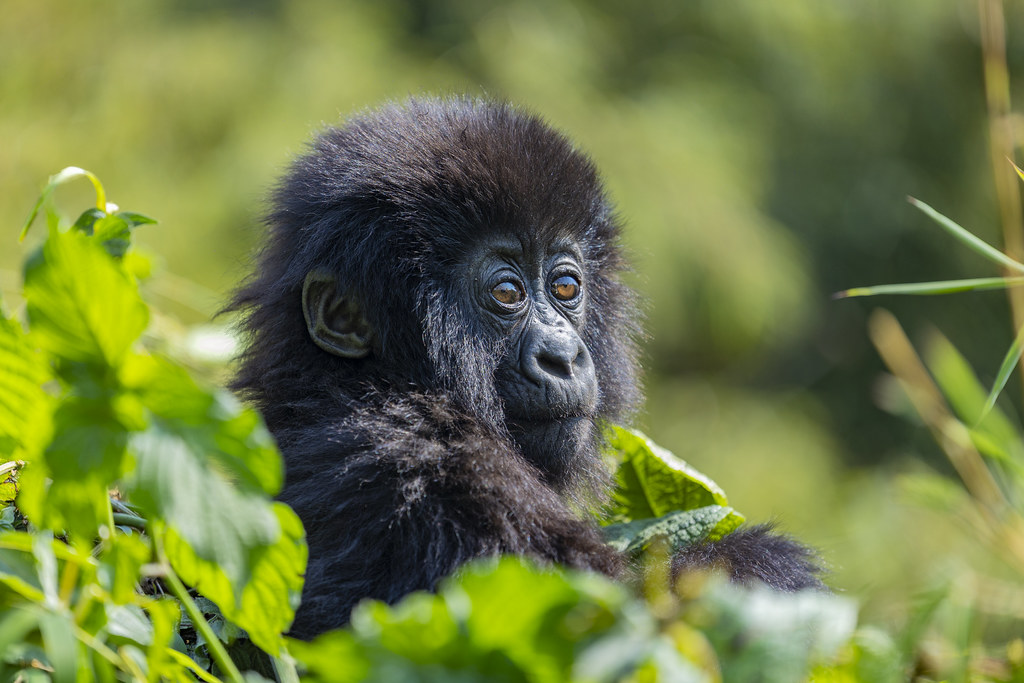
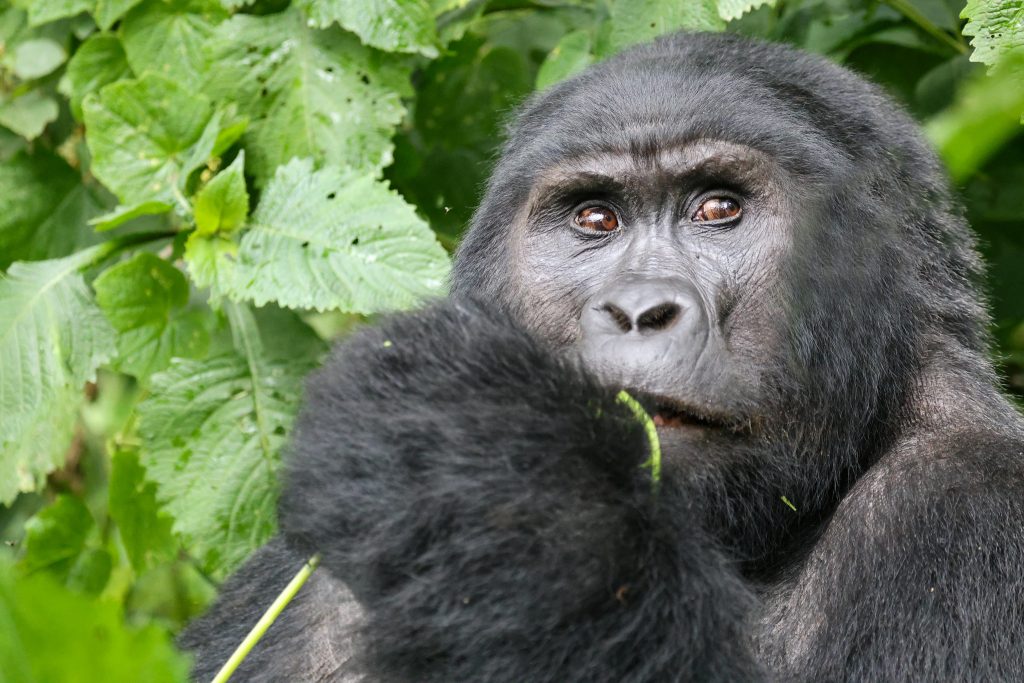
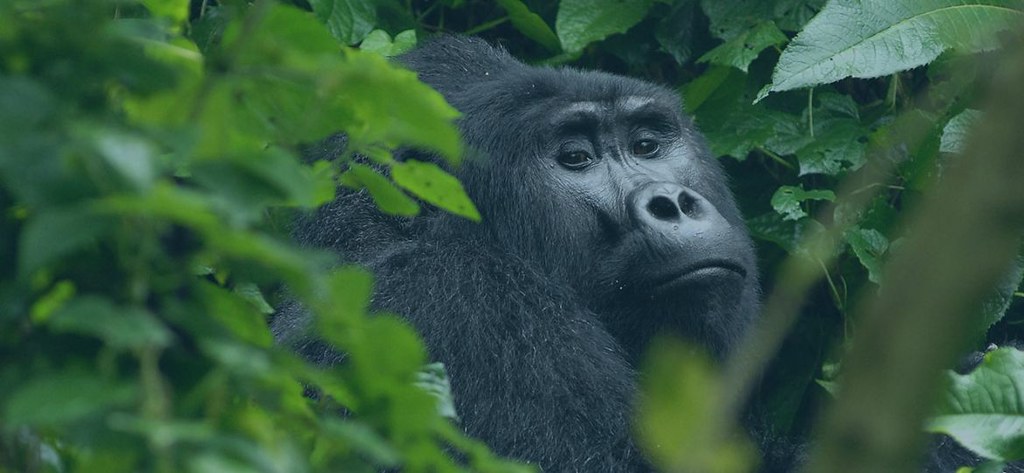
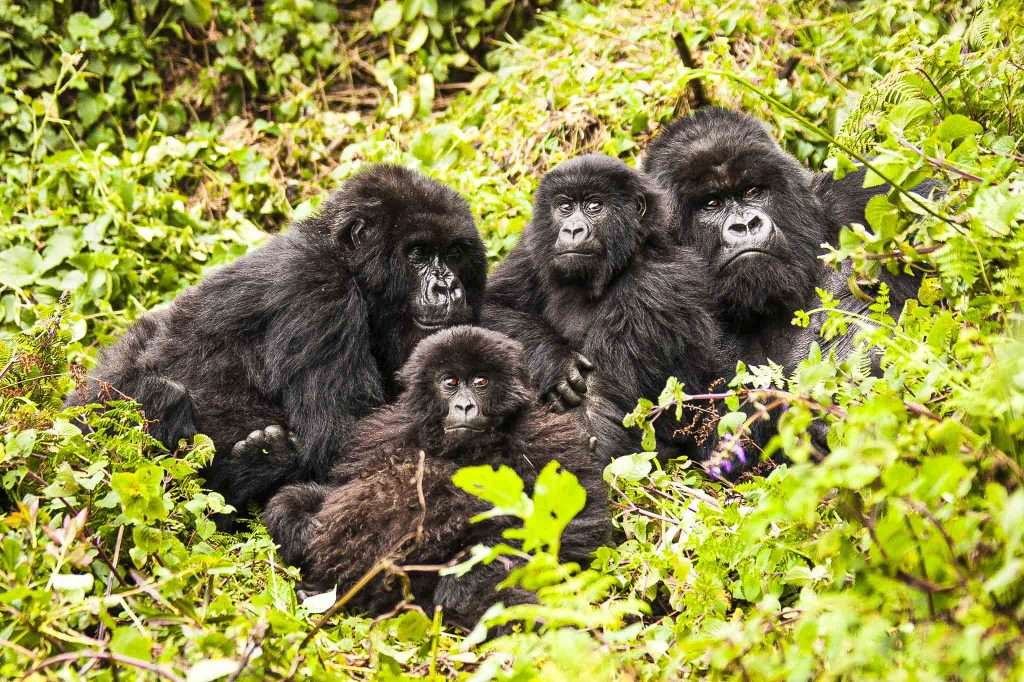
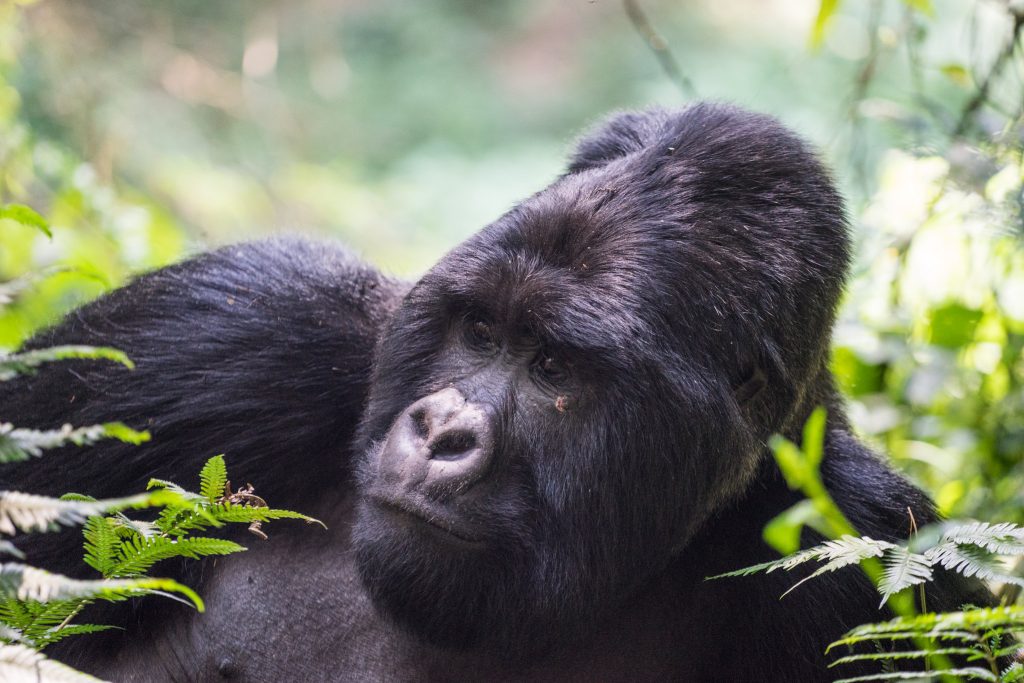
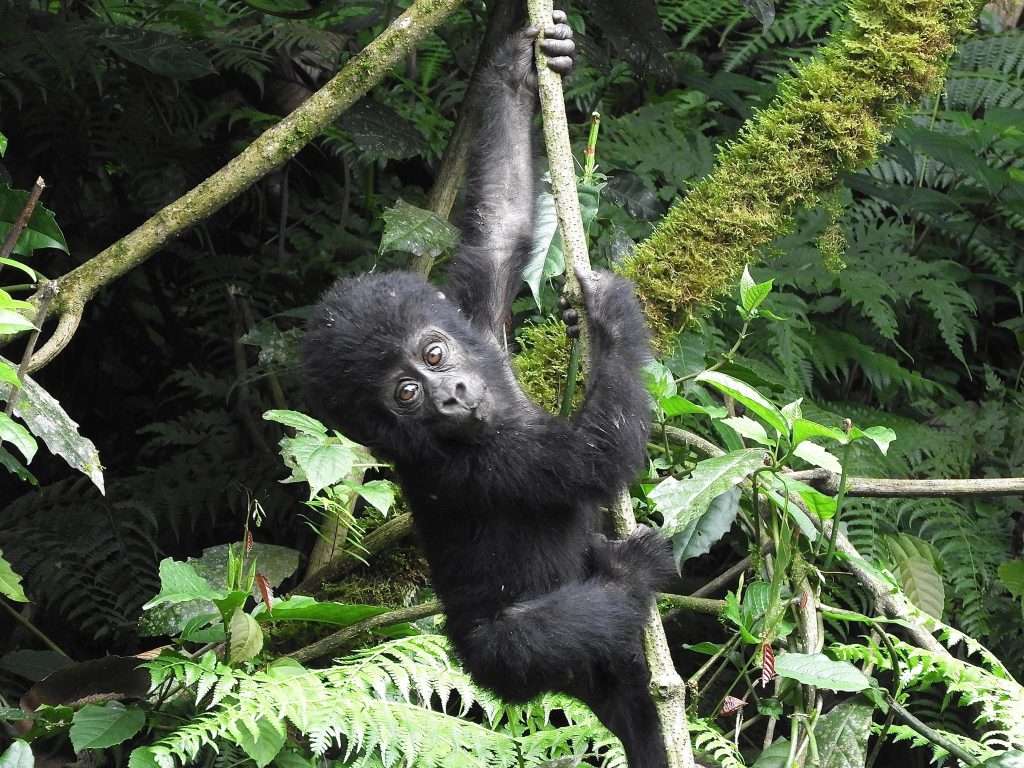
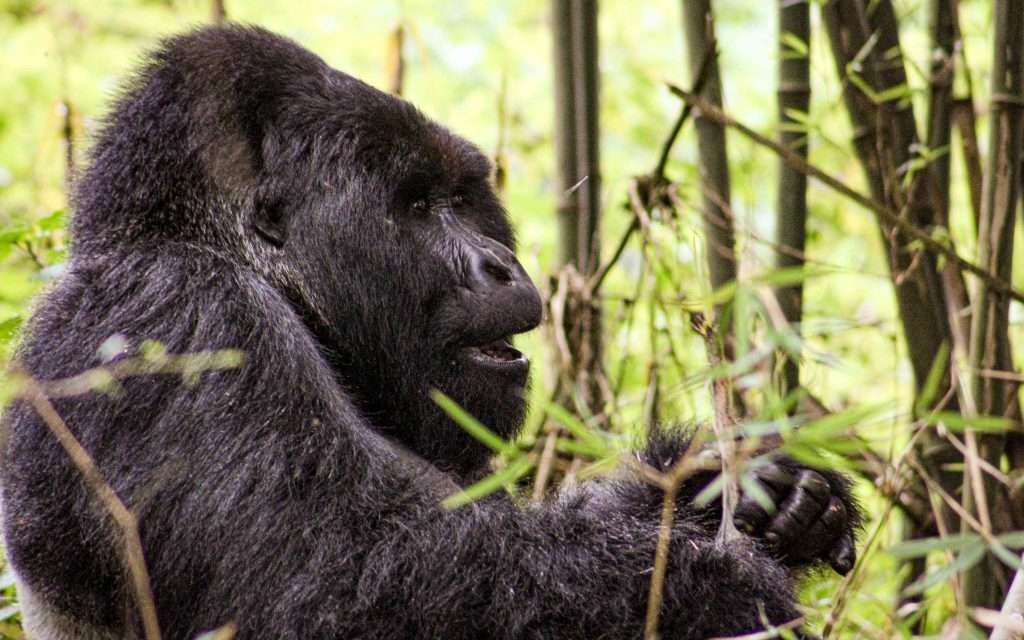
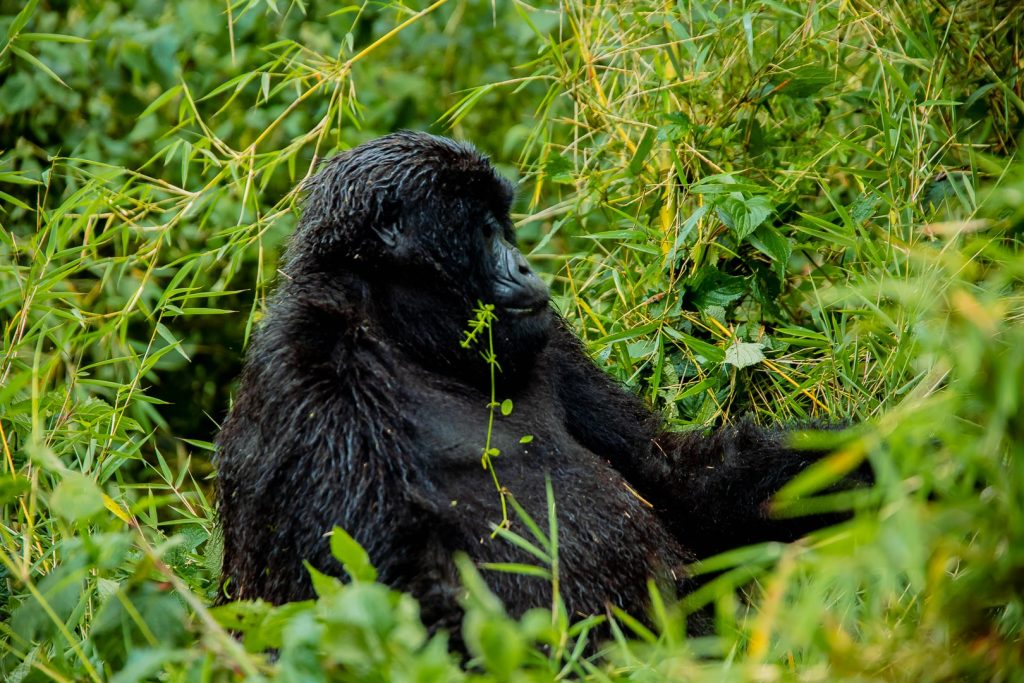
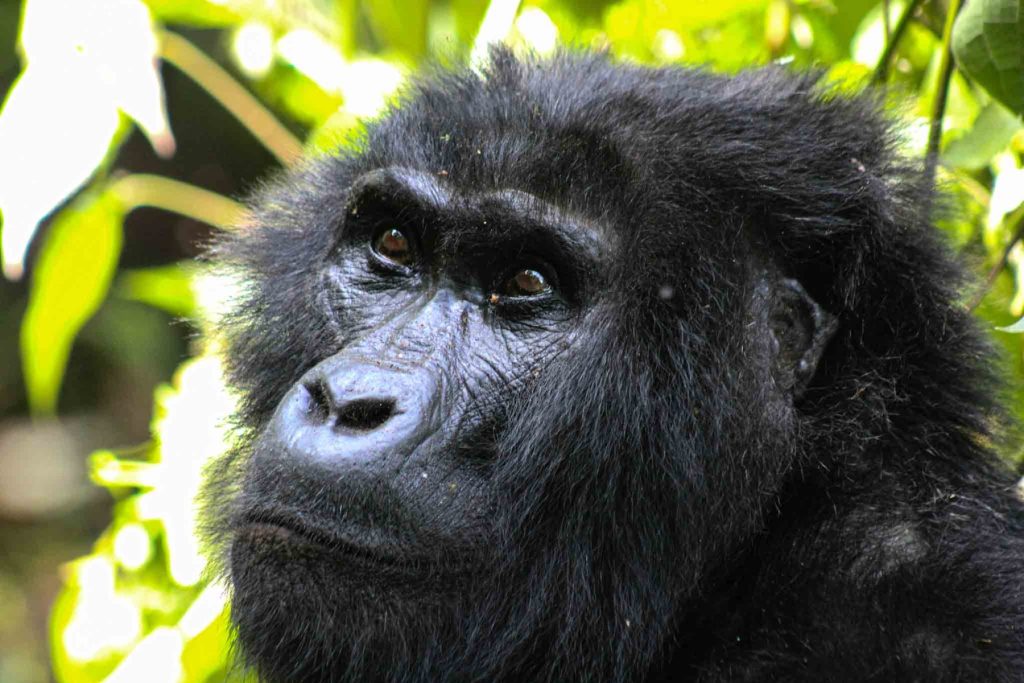
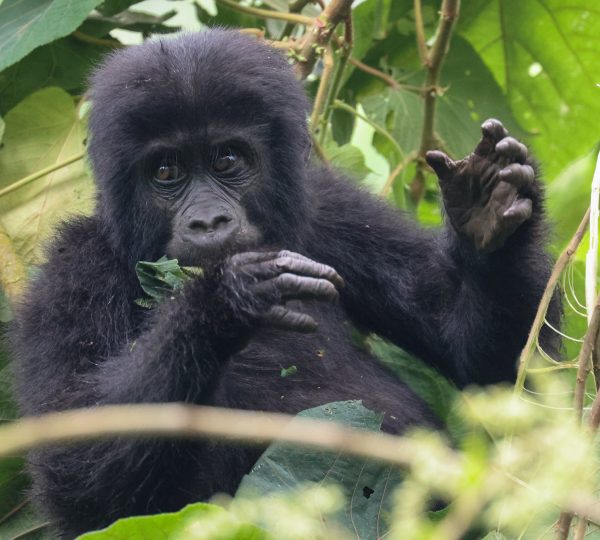
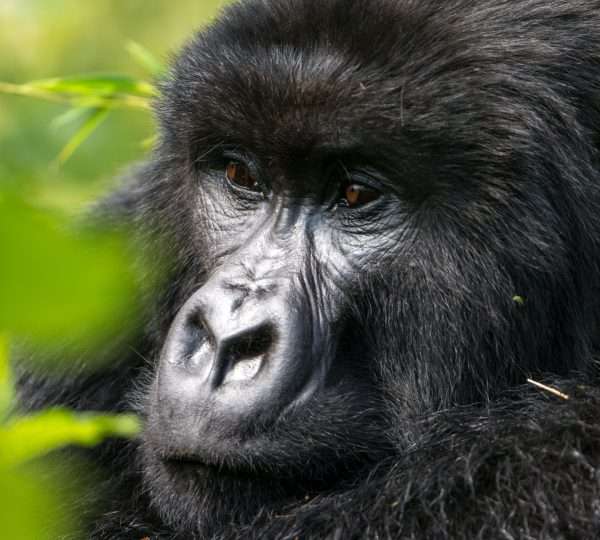
Deep within the mist-shrouded slopes of the Virunga Mountains in northwestern Rwanda lies one of the most extraordinary wildlife encounters on the face of the earth. Volcanoes National Park — known in French as Parc National des Volcans — is home to more than one third of the world’s remaining mountain gorillas, making it the undisputed premier destination for gorilla trekking on the African continent. To stand just a few meters from a dominant silverback, watching him survey his family with quiet authority, or to witness a young gorilla tumbling playfully through the undergrowth, is an experience so profoundly moving that travelers consistently describe it as the single most life-changing moment of their lives.
Rwanda has positioned itself as the luxury gorilla trekking capital of Africa — a destination that combines world-class wildlife encounters with exceptional infrastructure, outstanding safety, and a deep, nationally embedded commitment to conservation. Whether you are a seasoned safari traveler, a dedicated wildlife enthusiast, or someone simply searching for the ultimate bucket list adventure, gorilla trekking in Rwanda will exceed every expectation you bring with you.
Volcanoes National Park: The Heart of Gorilla Country
Established in 1925, Volcanoes National Park holds the distinction of being one of Africa’s oldest national parks. It occupies 160 square kilometers of rugged, high-altitude terrain in Rwanda’s northwestern province, forming part of the much larger Virunga Conservation Area that extends across the borders of Uganda and the Democratic Republic of Congo. Within Rwanda’s borders, the park encompasses five of the eight Virunga volcanic peaks: Mount Karisimbi (4,507 meters — Rwanda’s highest point), Mount Muhabura (4,127 meters), Mount Bisoke (3,711 meters), Mount Gahinga (3,474 meters), and Mount Sabyinyo (3,669 meters).
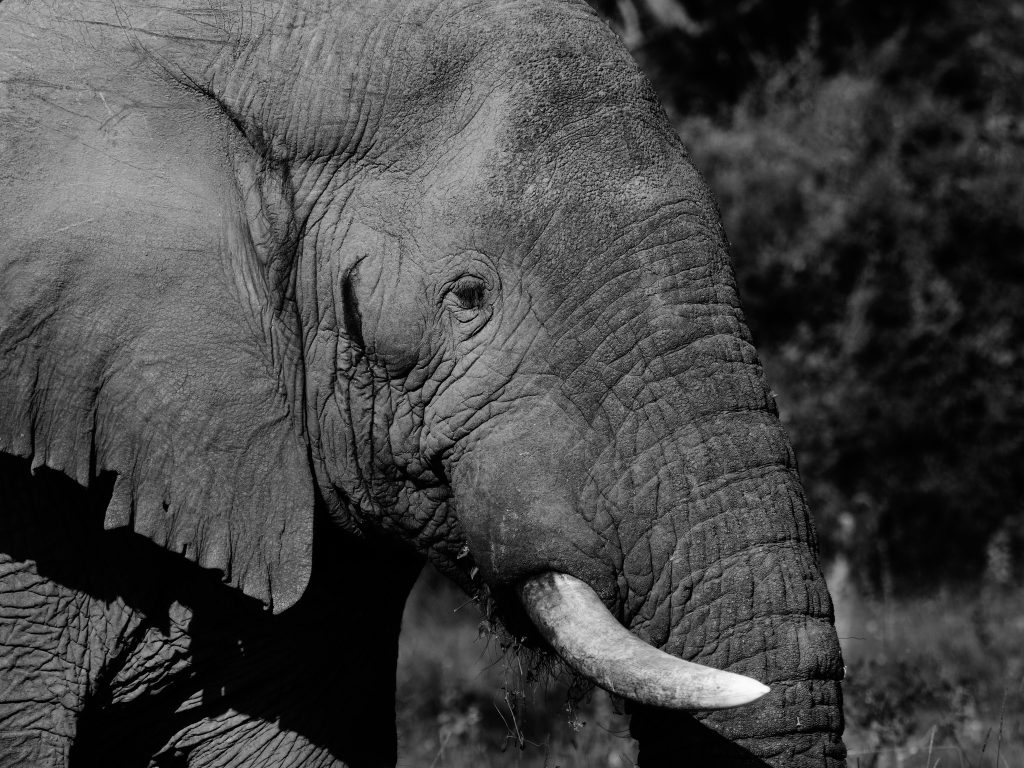
The park’s elevation ranges from 2,400 meters to 4,507 meters above sea level, creating a series of remarkably distinct vegetation zones. The lower slopes are blanketed in dense bamboo forests — the preferred habitat of the endangered golden monkey — while higher elevations give way to hagenia-hypericum woodlands, open alpine meadows, and eventually the exposed volcanic ridgelines near the summits. This varied topography supports an exceptional breadth of biodiversity, including over 200 bird species, forest elephants, buffalo, and a rich array of smaller mammals, all set within a landscape of breathtaking, otherworldly beauty.
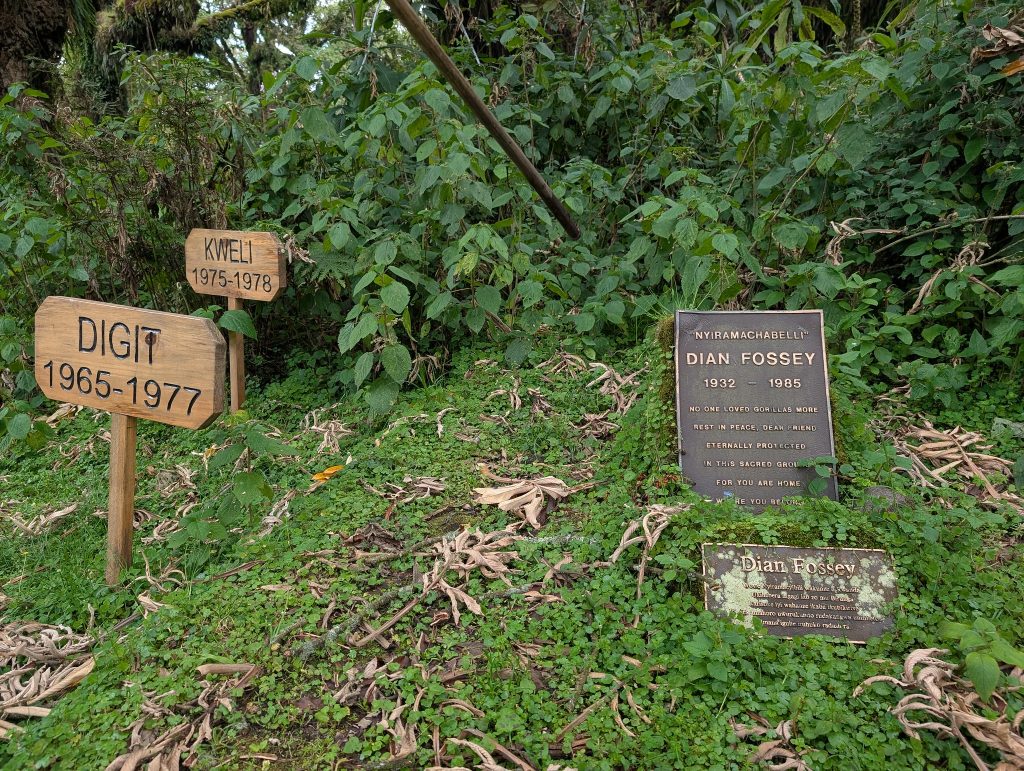
It was here, in these ancient forests, that the pioneering primatologist Dian Fossey conducted her groundbreaking research on mountain gorillas throughout the 1960s and 1970s. Her work — immortalized in the book and film “Gorillas in the Mist” — brought global attention to the plight of the mountain gorilla and laid the foundation for the conservation movement that continues to protect these extraordinary animals today. A visit to Dian Fossey’s tomb at the historic Karisoke Research Center remains one of the most poignant and meaningful excursions available within the park.
The Mountain Gorillas of Rwanda
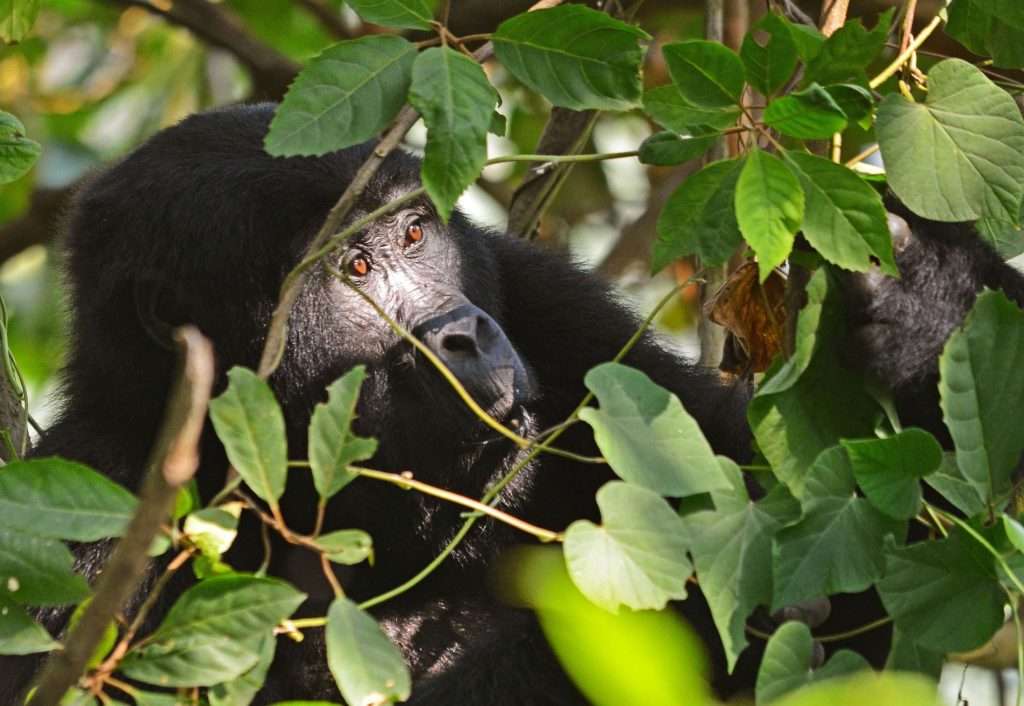
There are approximately 1,000 mountain gorillas remaining in the wild — a population that exists exclusively across the Virunga Mountains shared by Rwanda, Uganda, and the Democratic Republic of Congo, and in Uganda’s Bwindi Impenetrable Forest. Rwanda’s Volcanoes National Park is home to around 604 individuals within the Virunga Massif, organized into family groups — or troops — each led by at least one dominant silverback male, accompanied by several females, juveniles, and infants.
There are currently 11 habituated gorilla families available for trekking within the park, including the well-known Susa, Igisha, Karisimbi, Sabyinyo, Amahoro, Agashya, Kwitonda, Umubano, Hirwa, Bwenge, Ugenda, and Muhoza families. The habituation process — during which gorillas are gradually and carefully accustomed to human presence over a period of years — ensures that the animals remain calm and untroubled during visitor encounters, while stringent regulations ensure that these encounters cause minimal disruption to the gorillas’ natural behavior and daily routines.
Thanks to decades of dedicated conservation efforts, including anti-poaching patrols, veterinary care, habitat preservation, and robust community development programs, Rwanda’s mountain gorilla population has grown steadily — a remarkable conservation success story in a world where so many species are in decline.
Gorilla Trekking Permits
Securing a gorilla trekking permit is the single most critical step in planning your Rwanda gorilla safari. Permits are issued and managed by the Rwanda Development Board (RDB) and cost $1,500 USD per person as of 2026. A low season discount is available between November and May, reducing the permit cost to $1,050 per person for travelers who also spend at least two nights in either Nyungwe Forest National Park or Akagera National Park — a saving of approximately 30%.
Only eight permits are issued per gorilla family per day, meaning a maximum of 80 trekking permits are available across the park each day. This strict limitation is fundamental to the park’s conservation philosophy, ensuring that each gorilla family is exposed to no more than one hour of human contact daily — enough to provide an extraordinary visitor experience while protecting the wellbeing of the animals.
Given the high demand for permits — particularly during the peak dry season months of June through September and December through February — it is strongly recommended to book as far in advance as possible. Permits can be reserved up to two years ahead of your intended travel date. Booking through a reputable and experienced tour operator is the most reliable way to secure your permit and ensure a seamless trekking experience.
It is worth noting that the premium cost of a Rwanda gorilla permit is not simply a luxury price point. The revenue generated directly funds ranger salaries, anti-poaching operations, veterinary care for injured or sick gorillas, and community development projects in the villages surrounding the park. When you purchase a gorilla permit in Rwanda, you are making a direct and meaningful contribution to the survival of one of the world’s most endangered species.
What to Expect on Trekking Day
The Morning Briefing
All visitors are required to report to the Rwanda Development Board’s tourism offices at the park headquarters in Kinigi by 7:00 AM on the day of their trek. Here, you will attend a comprehensive pre-trek briefing conducted by experienced English and French-speaking park rangers, who will explain the rules, safety guidelines, and protocols for visiting the gorillas. Your permit will be verified against your passport, and your group will be allocated a specific gorilla family to track based on your fitness level and age. Those who prefer an easier trek — including older visitors or those with lower fitness levels — can request to be assigned a family that tends to remain closer to the trailhead.
The Trek Itself
Once the briefing is complete, you will set off into the forest under the guidance of expert trackers and rangers. The duration of the hike to locate your assigned gorilla family can vary enormously — from as little as 30 minutes to as many as six or seven hours — depending on how far the gorillas have moved since they were last located the previous evening. The terrain is dense, steep, and often muddy, crossing volcanic slopes blanketed in bamboo, nettles, and tangled undergrowth. Walking sticks — available at the trailhead — are strongly advised, and hiring one of the park’s local porters is an excellent idea, both for practical assistance on the trail and as a way of directly supporting the livelihoods of the surrounding community.
The Encounter
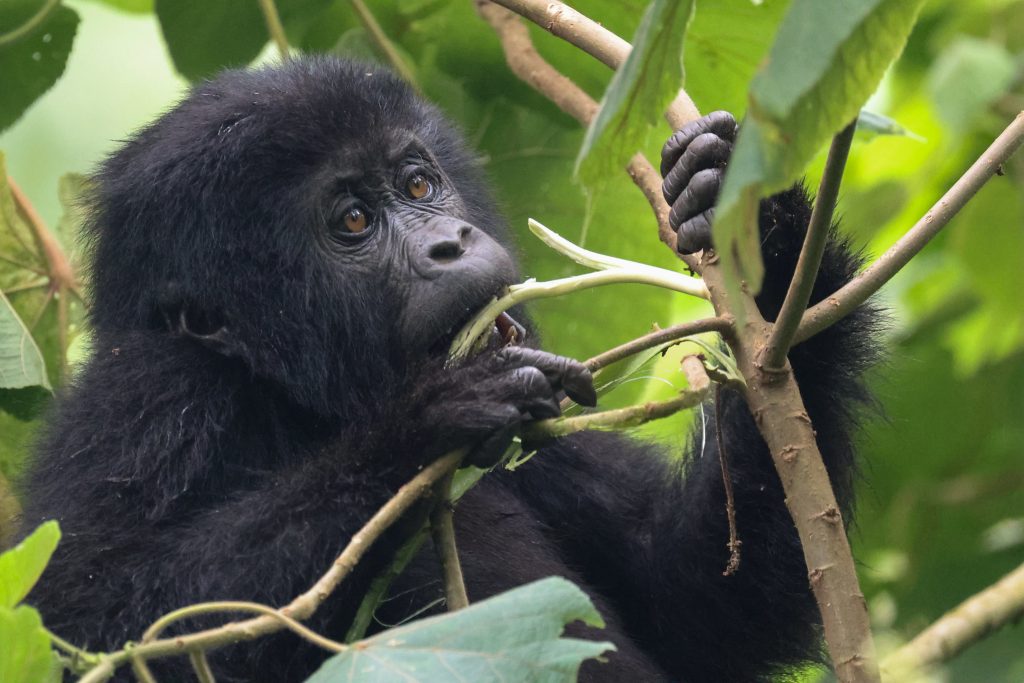
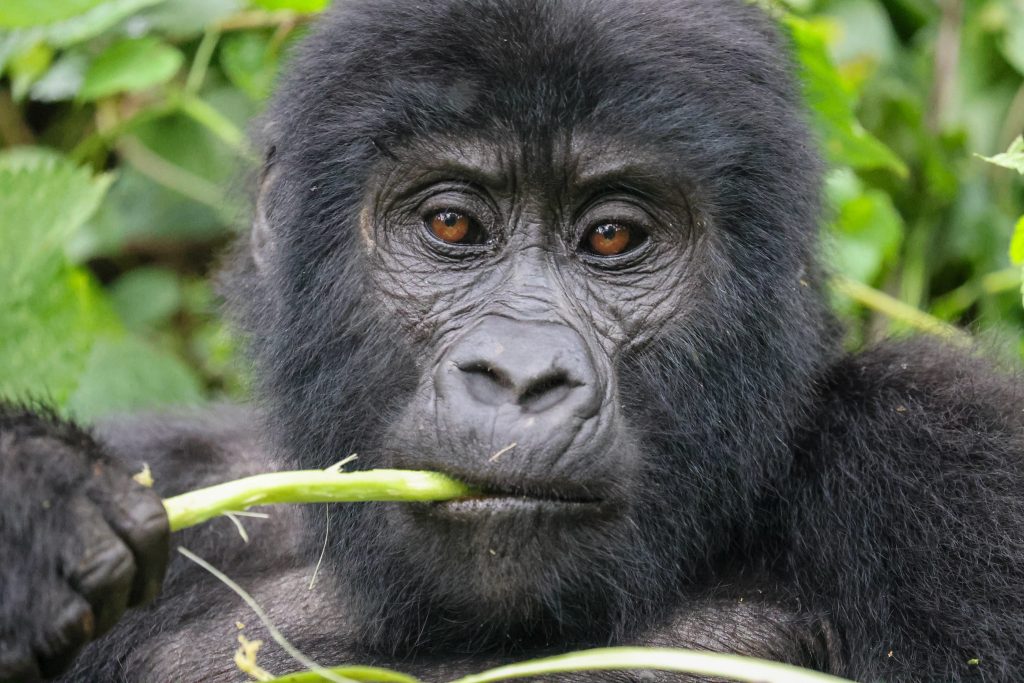
When your trackers locate the gorilla family, the clock starts. You will have exactly one hour in the presence of the gorillas — a rule that is strictly enforced. During this time, you are required to maintain a minimum distance of seven meters from the animals, though the gorillas themselves frequently move closer on their own terms, and it is not uncommon to find yourself just a few feet from a young gorilla investigating you with wide, curious eyes.
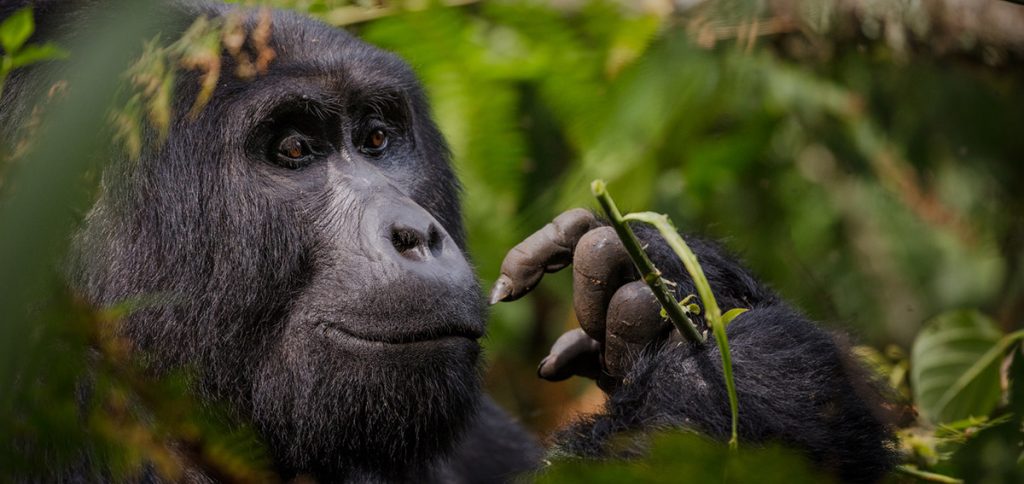
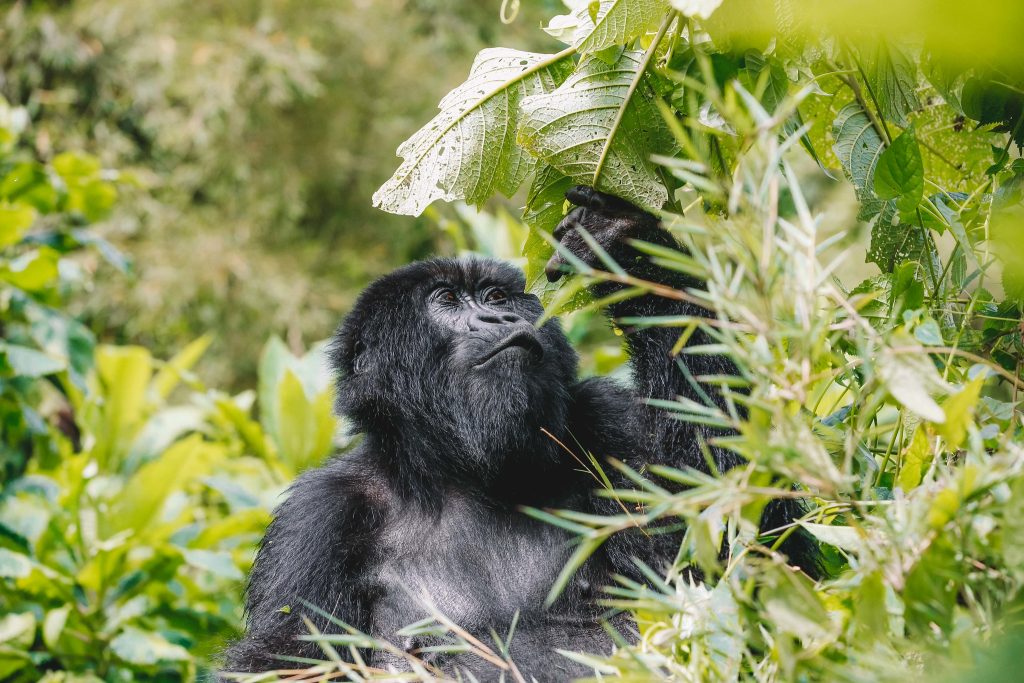
The experience of watching a gorilla family go about its daily life — feeding, playing, grooming, and resting — at such close proximity is utterly unlike any other wildlife encounter in the world. The sheer physical presence of a silverback, combined with the unmistakable intelligence and expressiveness of these animals, creates a connection that is difficult to put into words. Many visitors find themselves moved to tears. All visitors agree that the hour passes far too quickly.
Rules and Responsible Trekking
To protect the health and safety of both the gorillas and visitors, the following guidelines must be observed at all times:
Visitors who are unwell with a cold, flu, or any other contagious illness must not trek, as mountain gorillas are highly susceptible to human diseases. A minimum distance of seven meters must be maintained from the gorillas at all times unless the animals themselves choose to approach. Voices must be kept low and movements slow and deliberate to avoid startling the animals. No flash photography is permitted. Spitting in the park is strictly prohibited, and if you need to cough, you must cover your mouth and turn away from the gorillas. Trekking is only permitted for individuals aged 15 and above.
Beyond Gorilla Trekking: Other Activities in Volcanoes National Park
Golden Monkey Tracking
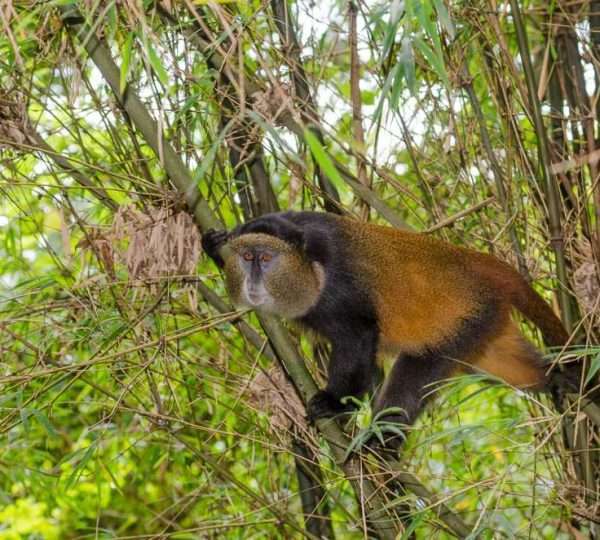
The bamboo forests of Volcanoes National Park are home to the endangered golden monkey — a strikingly beautiful primate endemic to the Virunga region. Golden monkey tracking is a wonderful complement to gorilla trekking, offering a more affordable and equally thrilling primate encounter. These highly social and energetic animals move in large, boisterous troops through the bamboo canopy, and watching them leap and chase each other through the treetops is a joyful and memorable experience.
Volcano Hiking
The five volcanic peaks within the park offer a range of hiking experiences for visitors with the energy and enthusiasm to explore beyond the forest floor. Mount Bisoke is the most popular hiking destination, featuring a beautiful crater lake at its 3,711-meter summit. The round-trip hike takes approximately six hours and passes through several distinct vegetation zones, offering extraordinary views across the Virunga chain. For the more ambitious, Mount Karisimbi — Rwanda’s highest peak at 4,507 meters — is a two-day expedition that rewards climbers with sweeping views across Rwanda, Uganda, and the Democratic Republic of Congo on a clear morning. Mount Sabyinyo offers one of the park’s most dramatic hikes, reaching a summit ridge that sits at the meeting point of three countries.
The Dian Fossey Tomb Hike
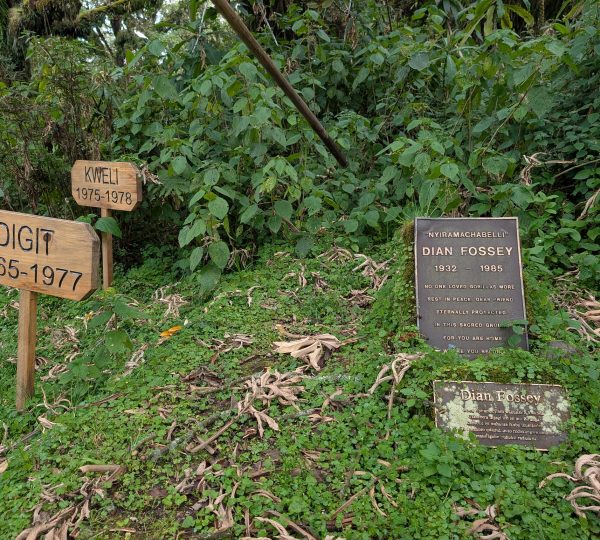
A hike to the Karisoke Research Center and the grave of Dian Fossey is one of the most historically and emotionally significant excursions available in the park. The trail passes through the forest where Fossey conducted her legendary research, and the site itself — where she is buried alongside several of the gorillas she spent her life protecting — is a deeply moving place of pilgrimage for all who make the journey.
The Gorilla Guardians’ Village
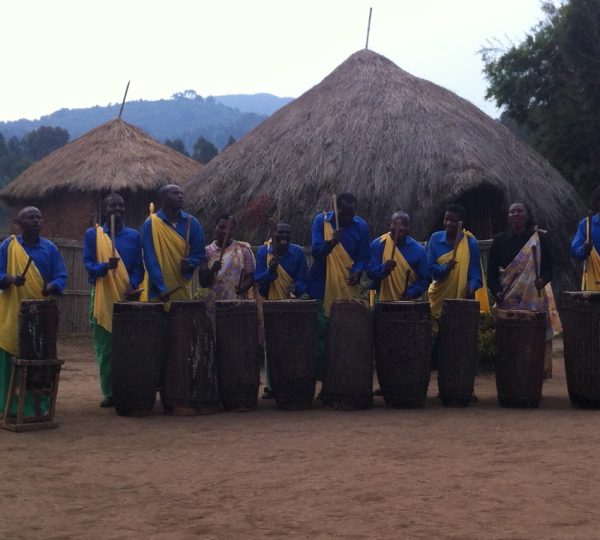
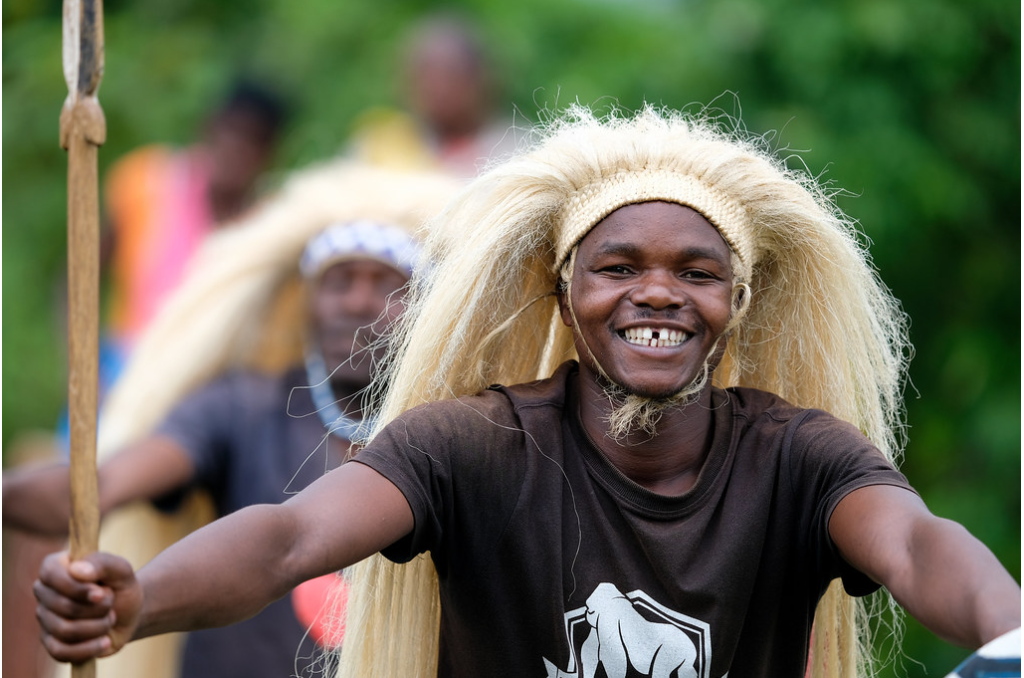
Located near the park entrance at the foothills of the Virunga Mountains, the Gorilla Guardians’ Village — formerly known as the Iby’Iwacu Cultural Village — offers one of Rwanda’s richest and most authentic cultural experiences. The village is made up of reformed poachers and members of local communities who have transitioned from threatening wildlife to actively protecting it. Visitors can enjoy traditional music, dance, and storytelling, and gain a profound appreciation for the role that community empowerment plays in conservation success.
Birdwatching
With over 200 bird species recorded within its boundaries — including 29 endemic to the Rwenzori Mountains and Virunga region — Volcanoes National Park is a destination of serious interest to birdwatching enthusiasts. The park’s varied elevation and vegetation zones create ideal conditions for a remarkable diversity of avian life.
The Kwita Izina Ceremony

Held annually, the Kwita Izina baby gorilla naming ceremony is a nationally celebrated cultural event that honors the birth of new gorillas and highlights Rwanda’s extraordinary conservation achievements. The ceremony is accompanied by music, dancing, community gatherings, and discussions about the future of gorilla conservation — a joyful and deeply meaningful occasion that draws visitors and dignitaries from around the world.
How to Get to Volcanoes National Park
From Kigali
Volcanoes National Park is located approximately 116 kilometers from Kigali International Airport — a scenic two-hour drive along well-maintained paved roads that wind through Rwanda’s famously terraced hillsides. The journey itself offers a beautiful introduction to the Rwandan landscape, and many visitors choose to stop in the town of Musanze (also known as Ruhengeri) — the gateway to the park — before continuing to their lodge near the park entrance.
From Musanze to Kinigi
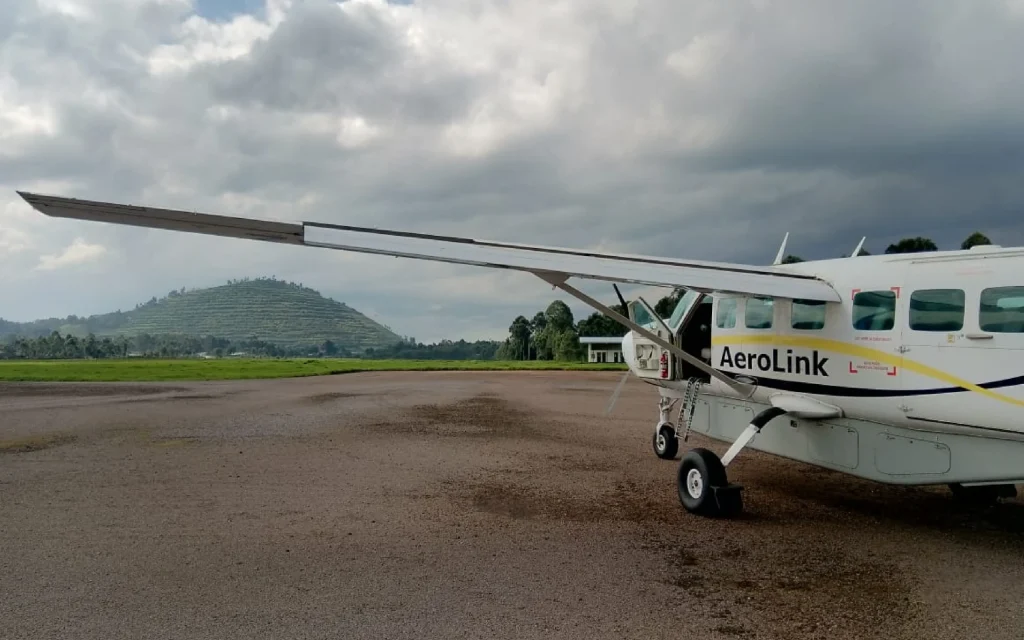
From Musanze town, the park headquarters at Kinigi is a short drive of approximately 15 to 30 minutes. Most lodges in the area are conveniently situated within this distance from the trekking starting point. For those preferring a faster transfer, helicopter charter flights to Kinigi are available through Akagera Aviation.
Best Time to Visit
Gorilla trekking in Volcanoes National Park is possible throughout the year, as the gorillas are present regardless of the season. However, the dry seasons — June through September and December through February — are generally considered the best times to visit. During these periods, the trails are drier and more navigable, vegetation is less dense, and the overall trekking experience tends to be more comfortable. The wet seasons from March to May and October to November bring heavier rainfall, making the trails muddier and more challenging, though the forest is lush and strikingly beautiful, and permit prices are lower during these months.
What to Pack for Gorilla Trekking
Preparing properly for your trek will significantly enhance your comfort and enjoyment on the day. Essential items include sturdy waterproof hiking boots with good ankle support, long-sleeved shirts and long trousers to protect against stinging nettles and brambles, a waterproof rain jacket, gardening or hiking gloves, a daypack containing snacks and bottled water, insect repellent, and sunscreen. A good quality camera with a telephoto lens will allow you to capture memorable images without encroaching on the gorillas’ space — though no flash is permitted at any time. Bringing multiple fully charged batteries and ample memory cards is strongly advised.
Accommodation Near Volcanoes National Park
The area surrounding Volcanoes National Park offers a wide range of accommodation options to suit different budgets and travel styles. At the luxury end of the market, lodges such as Bisate Lodge and Sabyinyo Silverback Lodge offer world-class facilities and extraordinarily immersive settings within sight of the volcanic peaks. Mid-range options are clustered around the park headquarters area in Kinigi, while budget-friendly guesthouses can be found in Musanze town. Regardless of your budget, staying as close to the park as possible is advisable, given the early morning 7:00 AM reporting time.
Why Choose Rwanda for Gorilla Trekking?
Rwanda is consistently ranked as one of the safest, cleanest, and most politically stable countries in Africa — qualities that translate directly into an exceptionally well-organized and hassle-free gorilla trekking experience. The country’s road infrastructure is excellent, the park’s guiding and ranger teams are highly trained and professional, and the broader tourism ecosystem — from accommodation to logistics — operates with a level of efficiency and quality that is rare in the region.
While gorilla permits in Rwanda are priced at a premium compared to Uganda ($800) and the Democratic Republic of Congo ($400), the experience offered in Rwanda is widely regarded as the most polished, accessible, and comfortable available anywhere. For travelers seeking to combine an extraordinary wildlife encounter with a seamless, luxurious safari experience, Rwanda is simply without equal.
Join us at The Travel Cafe and let us help you plan the gorilla trekking adventure of a lifetime. From securing your permits and arranging your transfers, to selecting the perfect lodge and building a complete Rwanda itinerary around your trek – we are here to ensure that every detail is taken care of, so that all you need to focus on is the moment you come face to face with the giants of the Virunga Mountains.