The Maasai People – Guardians of the Mara
The Masai Mara National Reserve in Kenya derives its name from the Maasai people, the semi-nomadic pastoralists who have inhabited these vast savannas for centuries. Their deep connection to the land has made them integral guardians of this iconic ecosystem, where wildlife thrives alongside their traditional lifestyle. A safari to the Masai Mara feels incomplete without engaging with Maasai culture, which offers profound insights into resilience, harmony with nature, and a way of life that has endured despite modern pressures.
A Culture of Enduring Grace and Tradition
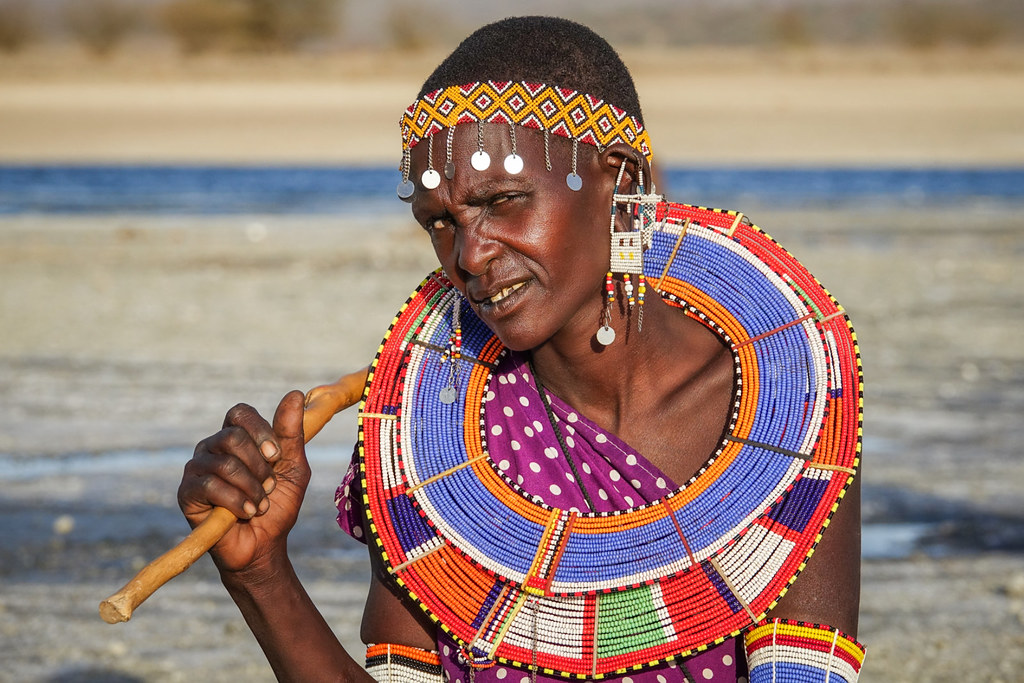
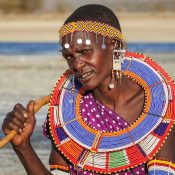
The Maasai have preserved much of their ancient pastoral culture remarkably intact. Known for their striking red shuka cloths, intricate beadwork, and proud bearing, they embody grace and strength. Their semi-nomadic life revolves around herding cattle, goats, and sheep, moving seasonally in search of fresh pastures and water. This lifestyle has helped sustain the open grasslands essential for the region’s wildlife.
Central to Maasai identity is their profound relationship with cattle. Cattle are far more than livestock—they symbolize wealth, social status, security, and even a spiritual bond. Maasai oral traditions hold that all cattle in the world were a divine gift to them from Ngai (the sky god), reinforcing their stewardship over the land and its resources.
Warriors, Morans, and Evolving Traditions
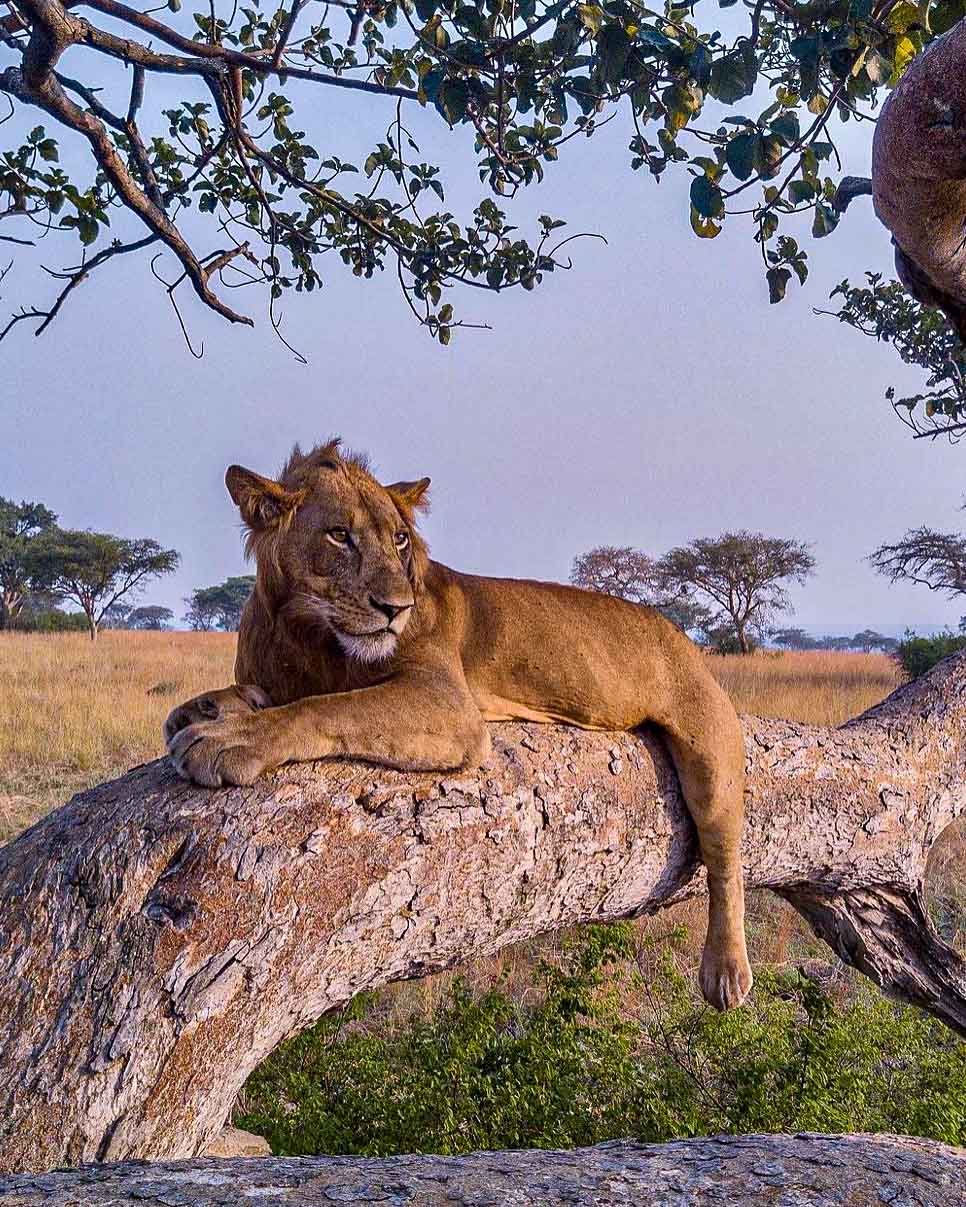
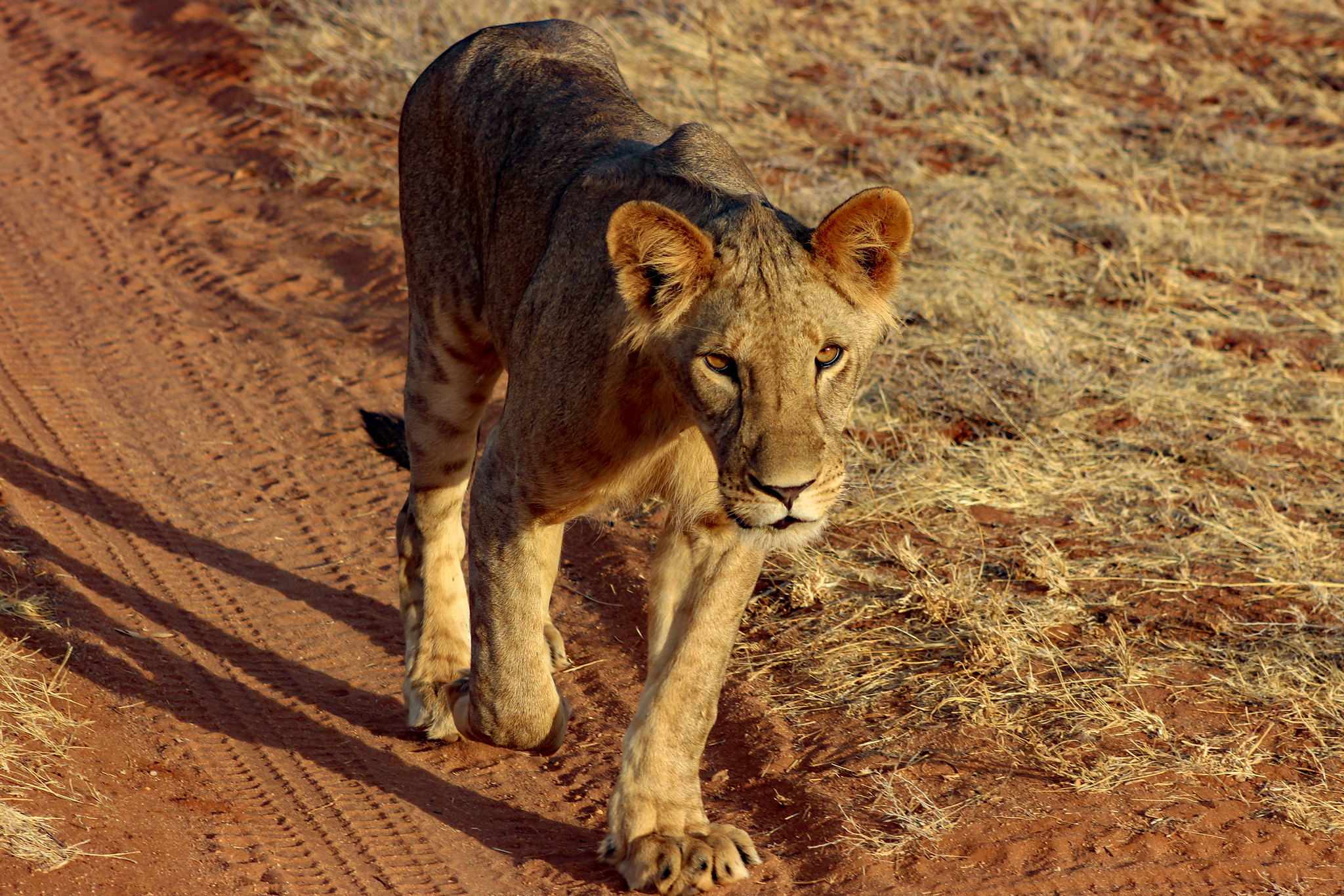
The moran—young unmarried Maasai men—undergo rigorous training and rites of passage that emphasize courage, discipline, and community protection. Historically, a key element was the ritual lion hunt (olamayio), where a warrior proved manhood by spearing a lion, often in defense of livestock or as a symbol of bravery. This practice has largely ended due to conservation laws, declining lion populations, and community-led initiatives.
Today, many Maasai warriors channel their skills into conservation. Programs like the Maasai Olympics replace hunting with athletic competitions (jumping, running, and spear-throwing), rewarding participants with prestige while promoting lion protection. Others serve as Lion Guardians, tracking prides, alerting herders to prevent conflicts, and fostering coexistence. Retaliatory killings still occur if lions threaten livestock, but the shift toward guardianship highlights the Maasai’s evolving role as modern wildlife stewards.
Immersive Cultural Experiences for Visitors
A highlight of any Masai Mara visit is a trip to a Maasai village (manyatta). Opt for ethical, community-led experiences to ensure respect and direct benefits to locals. Responsible tours often include:
- Informative talks on Maasai history, customs, and their cattle-centric worldview
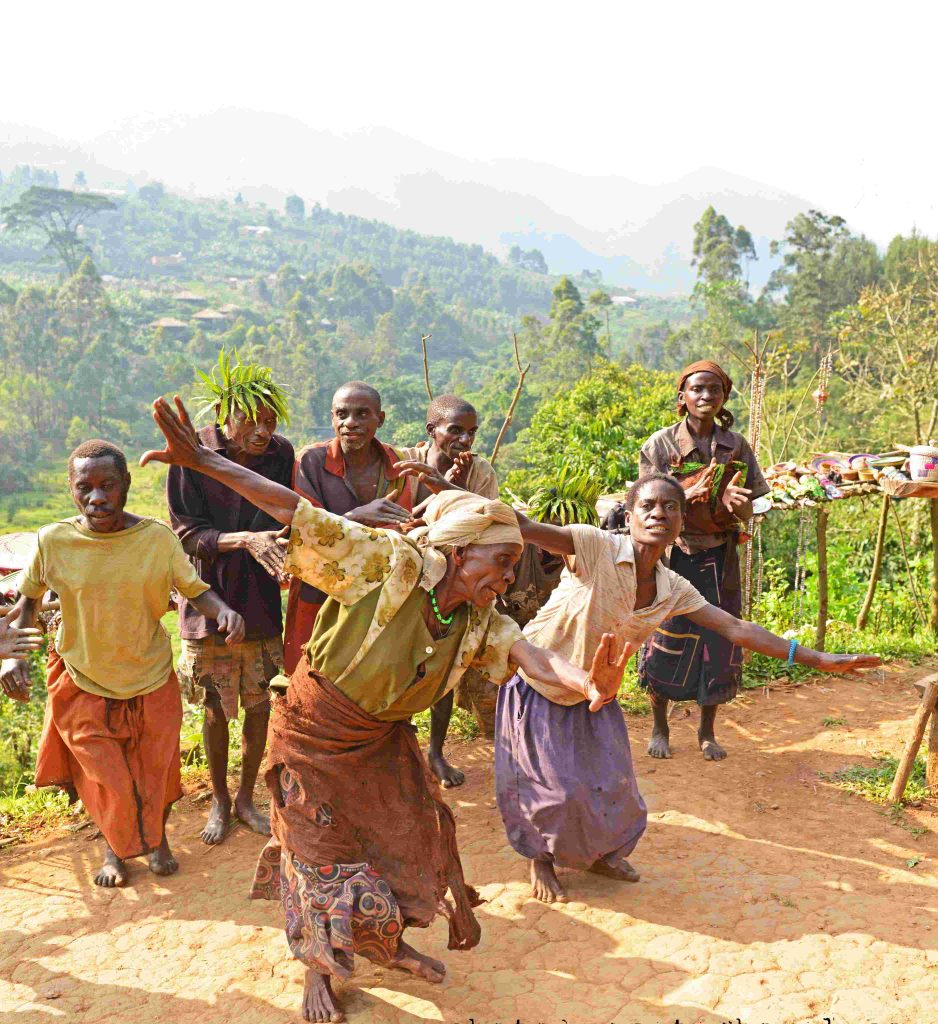
- The iconic Adumu (jumping dance), where warriors leap high in rhythmic displays of strength and agility, accompanied by chanting
- Opportunities for genuine interaction and dialogue with community members
- Demonstrations of traditional beadwork and crafts
- Tours of manyattas—circular homes made of mud, sticks, and cow dung, designed for communal living
These visits foster appreciation for Maasai contributions to conservation and provide economic support through fair fees. Choose operators committed to ethical tourism to avoid staged or exploitative encounters.
Planning Your Masai Mara Safari
Getting There
The reserve lies about 300 km southwest of Nairobi.
- By air: Daily flights from Nairobi (45–60 minutes) land at all-weather airstrips near lodges, offering stunning views over the Great Rift Valley.
- By road: A 5–6 hour drive through scenic Kenyan countryside, ideal for those wanting a more immersive journey.
Accommodation for Every Traveler
The Masai Mara boasts diverse options:
- Luxury tented camps: Spacious en-suite tents, gourmet meals, private decks, and prime locations for game viewing—blending romance with five-star comfort.
- Upmarket lodges and camps: Modern amenities like pools, family facilities, and guided activities.
- Budget options: Clean lodges, public campsites, or affordable tented camps with access to wildlife drives; some hire equipment for authentic bush camping.
Factors to consider: budget, preferred style (luxury vs. rustic), location (inside the reserve for convenience or adjacent conservancies for exclusivity and community benefits), group size, and season. Book early for peak times.
Best Time to Visit
Game viewing is strong year-round, but highlights vary:
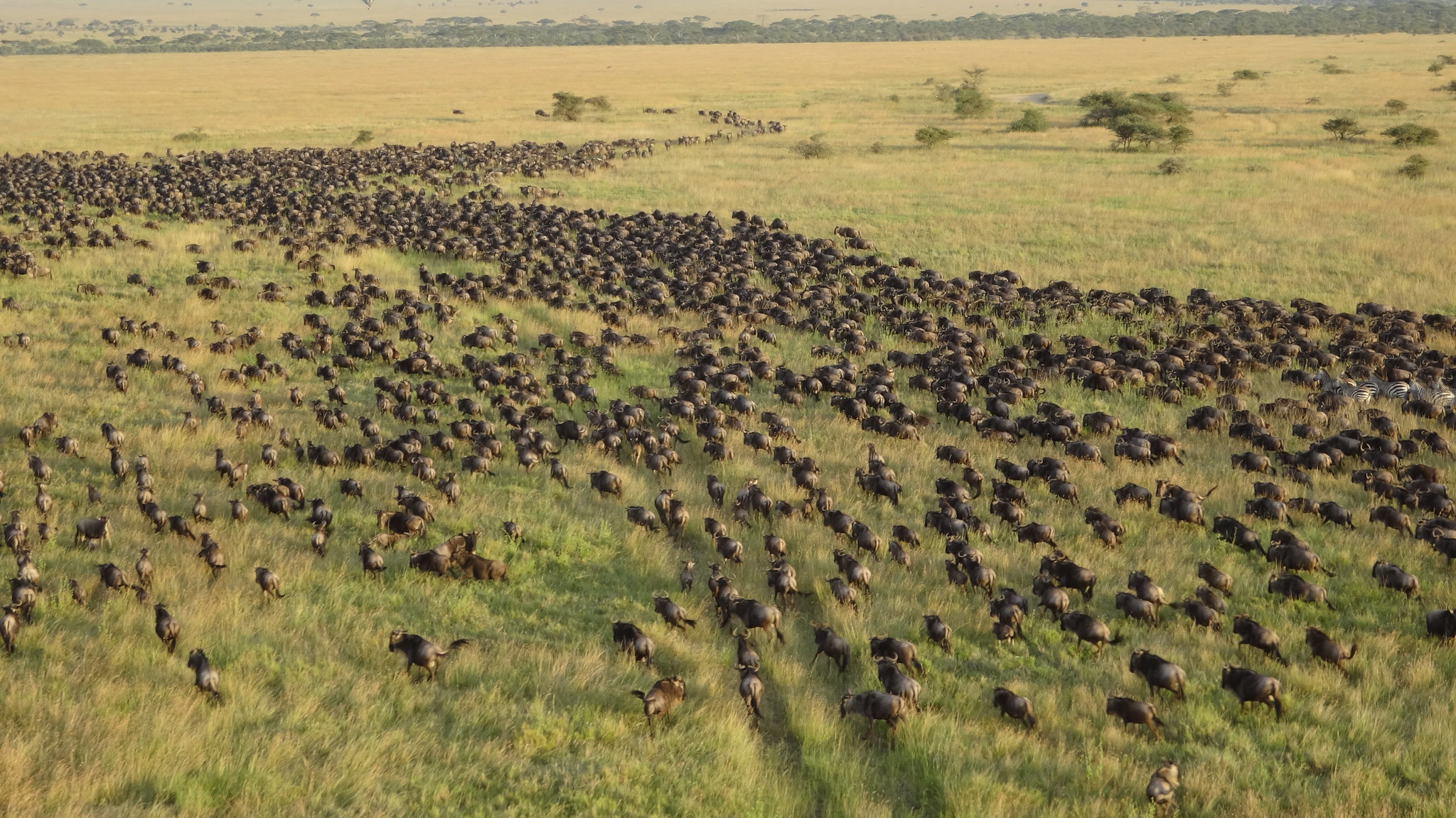
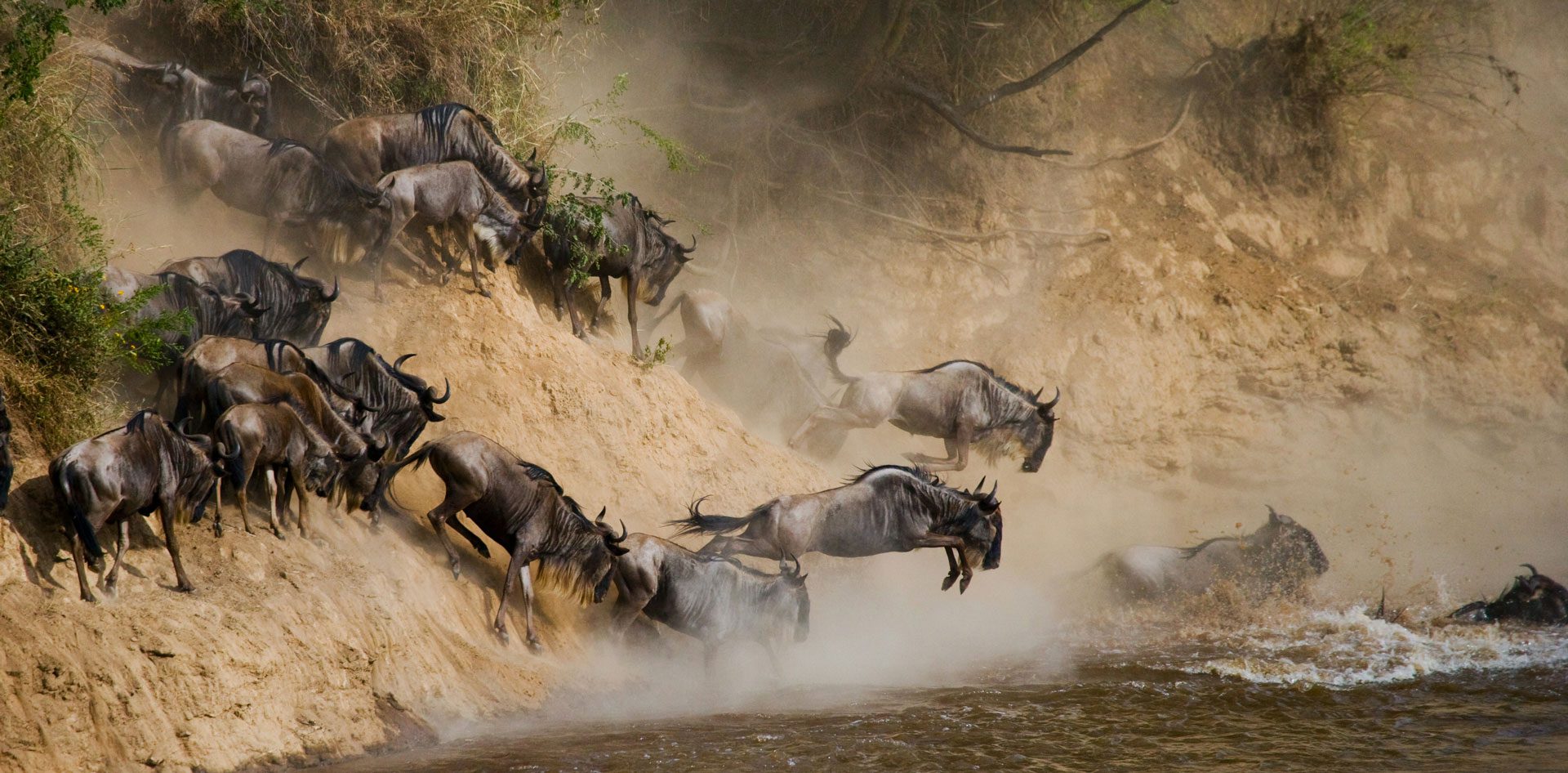
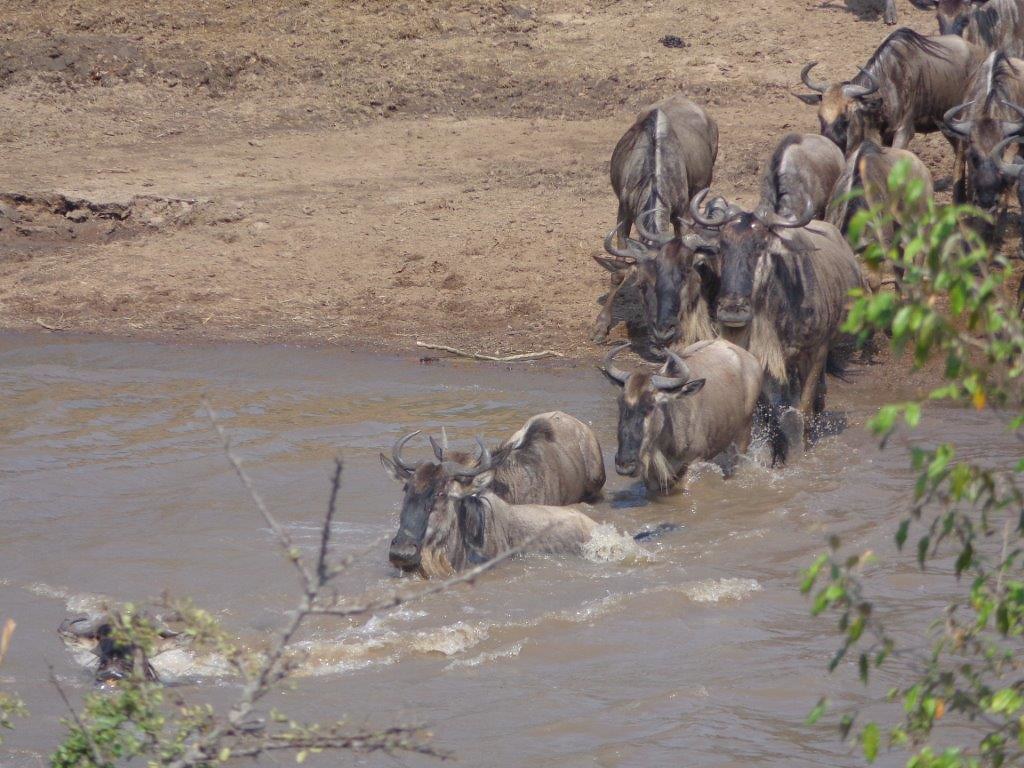
- July–October (dry season): Peak of the Great Wildebeest Migration, with massive herds in the Mara and dramatic Mara River crossings (best in August–September).
- September–October: Continued migration action with fewer crowds.
- December–March: Excellent wildlife, calving season, and lush green landscapes.
- April–May: Long rains bring lower prices and verdant scenery, though some roads may be challenging.
Safari Package Essentials
Most packages include accommodation, full-board meals, daily game drives, transfers, and sometimes extras like hot air balloon rides or cultural visits. Add a Maasai experience for deeper context.
The Importance of Cultural Engagement
Interacting with the Maasai enriches your safari, providing perspective on conservation. Their pastoral practices have preserved habitats for wildlife, and responsible tourism supports communities economically, incentivizing protection efforts amid challenges like land pressures and climate change.
Conclusion
The Masai Mara delivers an unparalleled blend of thrilling wildlife spectacles and profound cultural immersion. The Maasai, with their enduring traditions, hospitality, and growing conservation leadership, are as essential to the experience as the Big Five or the thundering migration. Whether in a luxury camp overlooking the plains or a budget site under the stars, a thoughtful visit—including an ethical Maasai encounter—creates lasting memories and supports a sustainable future for this extraordinary place. Plan your journey to the Mara, and let the guardians of these lands inspire you.