Virunga National Park: Home of Congo’s Mountain Gorillas
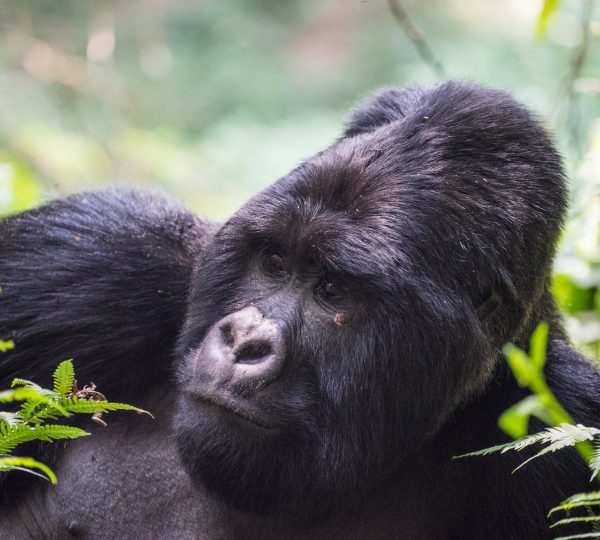
Virunga National Park is one of Africa’s most iconic wildlife destinations and harbors the largest population of mountain gorillas in the Democratic Republic of Congo. The park forms part of the greater Virunga Conservation Area, a transboundary ecosystem that spans four national parks across three countries in the Virunga region.
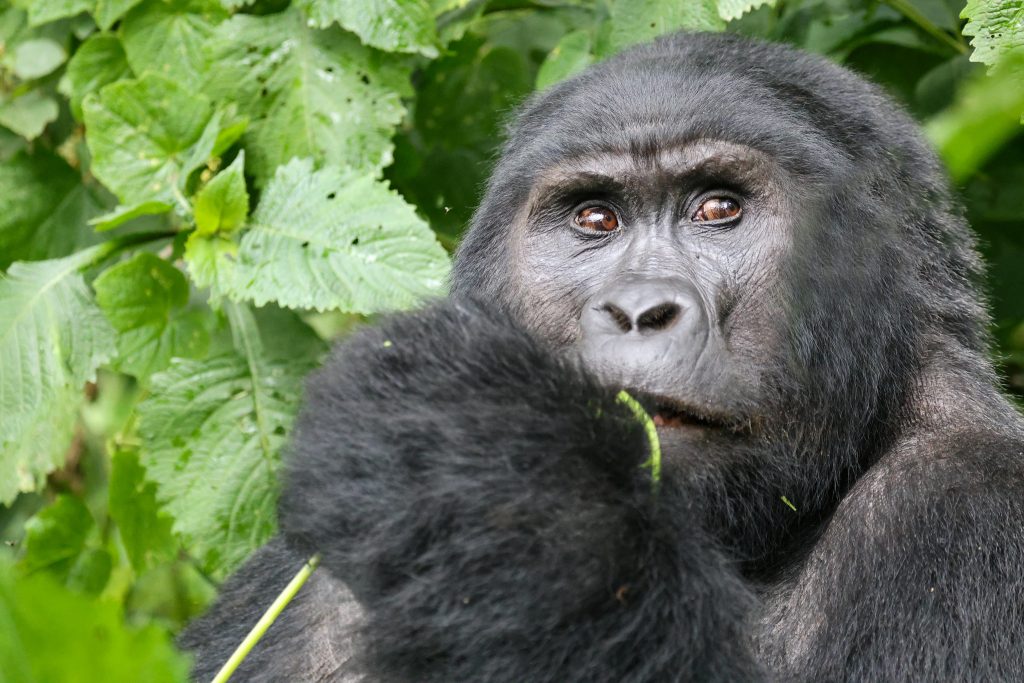
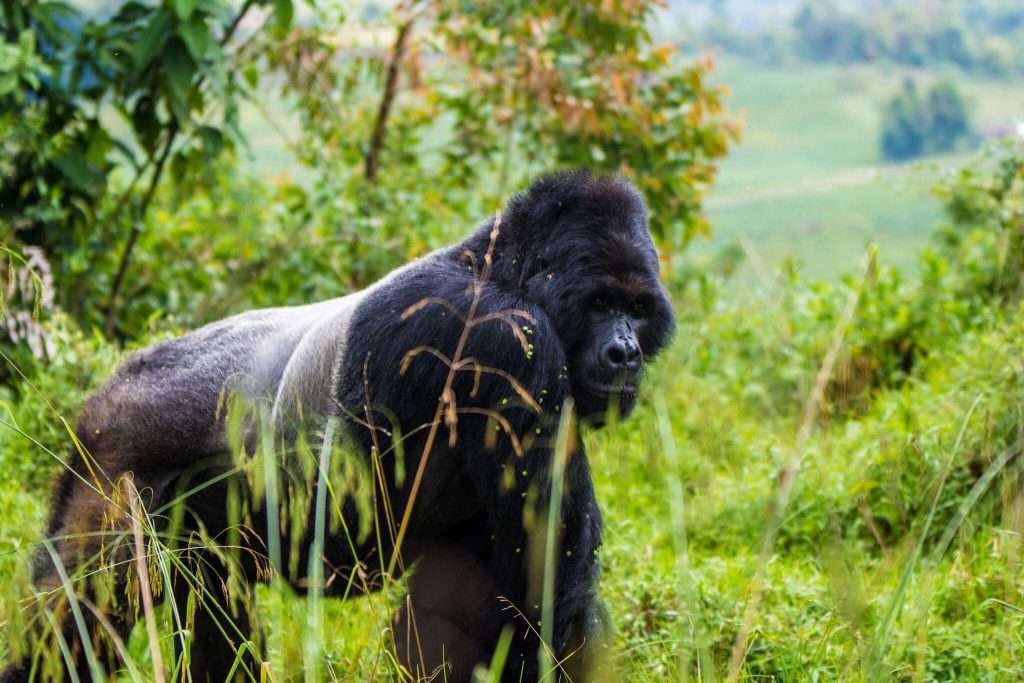
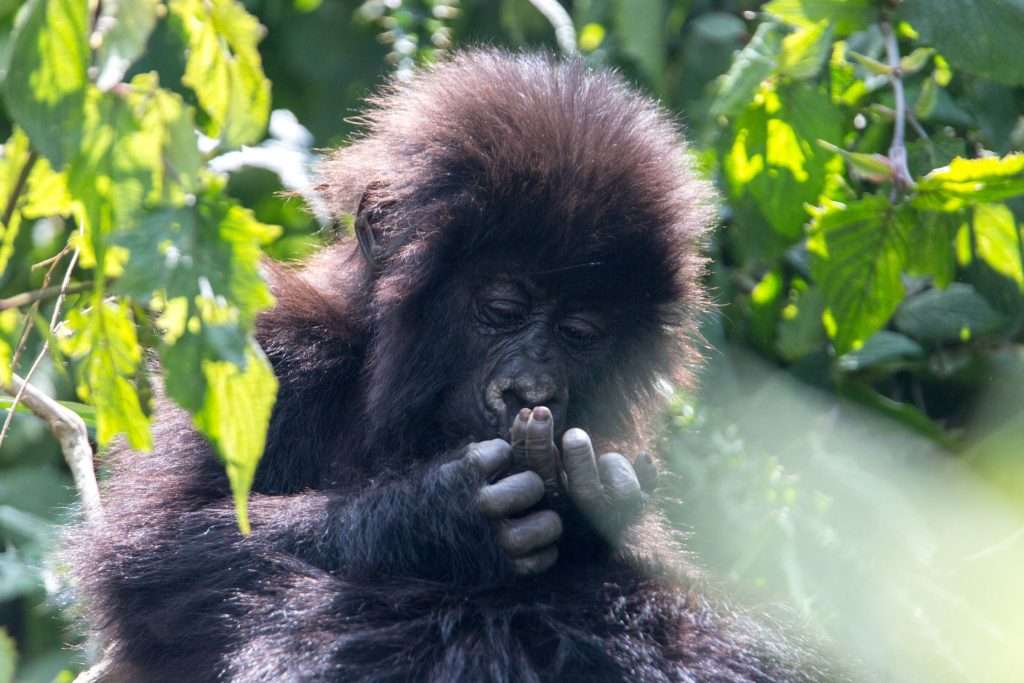
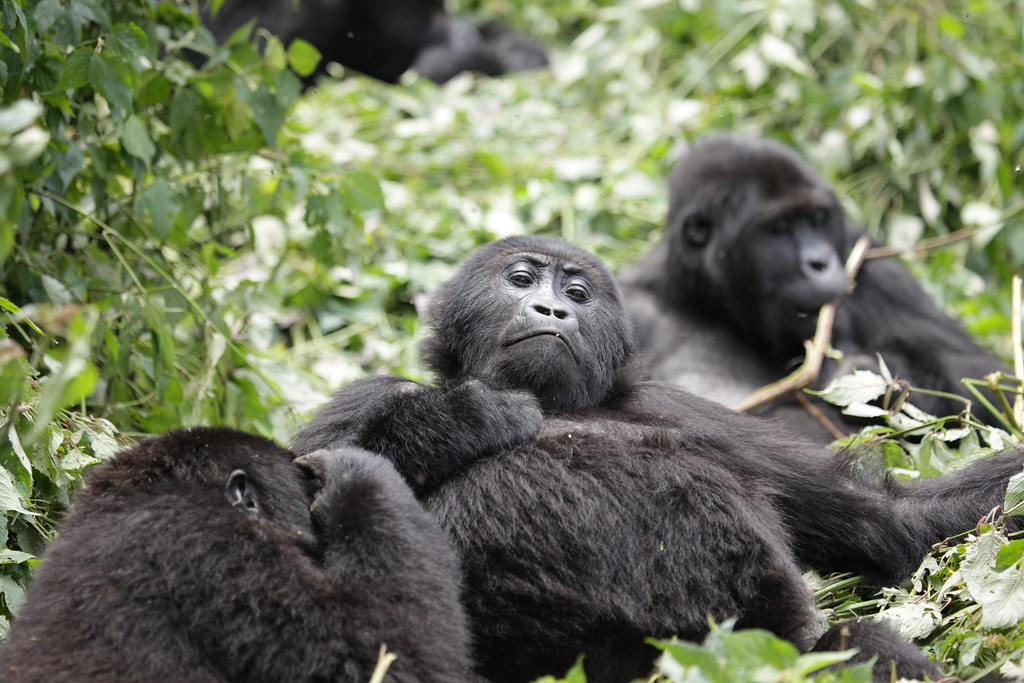
Established in 1925, Virunga National Park is Congo’s oldest national park and one of the oldest protected areas in Africa. The park is home to over 350 endangered mountain gorillas, living in several gorilla families across its forested slopes. Of the approximately 10 gorilla families found in the park, 8 are fully habituated and available for trekking, offering visitors exceptional opportunities to encounter these magnificent primates in the wild.
Covering an impressive 7,769 square kilometers, Virunga National Park boasts extraordinary ecological diversity. Its landscapes range from dense tropical rainforests and savannah plains to snow-capped mountains, lava fields, and active volcanoes. Due to its outstanding natural value and biodiversity, the park was designated a UNESCO World Heritage Site in 1994.
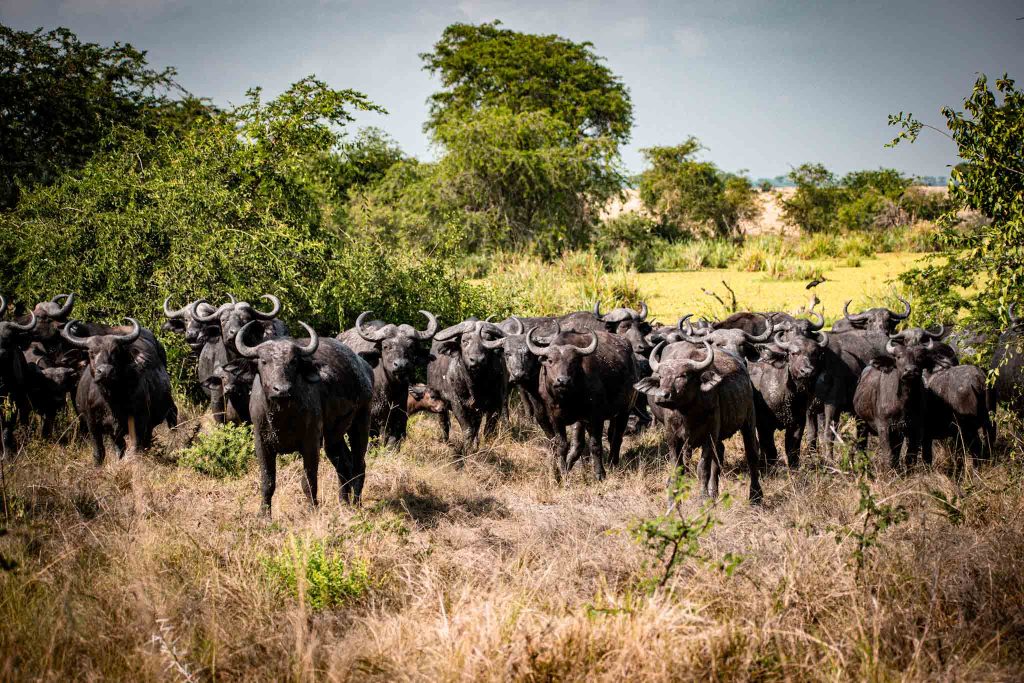
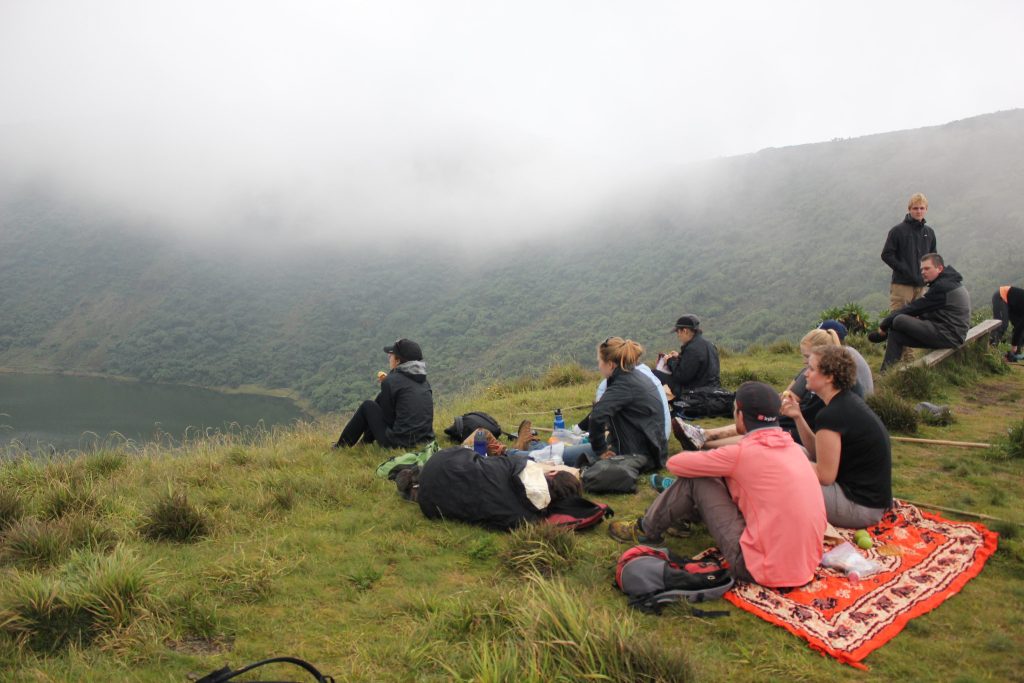
Beyond gorilla trekking, Virunga offers a wealth of attractions. Visitors can explore the dramatic volcanic scenery of the Virunga Mountains, trek to see chimpanzees, enjoy boat rides on Lake Kivu, and witness rich wildlife and birdlife across varied habitats.
With its rich history, breathtaking landscapes, and unmatched mountain gorilla experiences, Virunga National Park stands as one of the most remarkable conservation areas in Africa and a must-visit destination for adventurous travelers.
Kahuzi-Biega National Park: An Unforgettable Gorilla Trekking Adventure
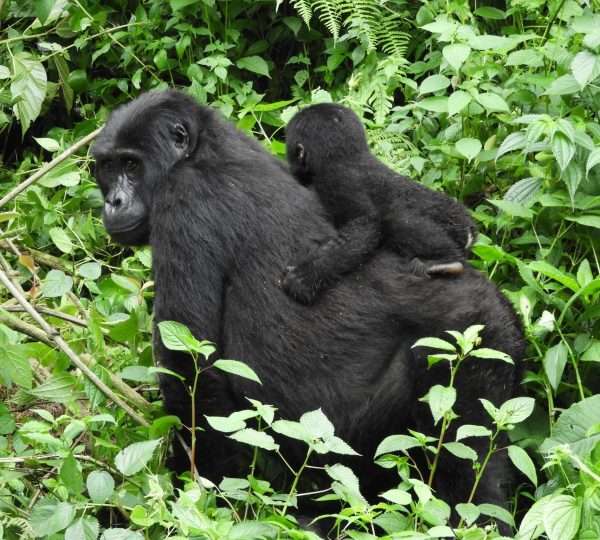 Located in eastern Democratic Republic of Congo, Kahuzi-Biega National Park is one of Africa’s most extraordinary destinations for gorilla trekking. Established in 1970 and covering about 6,000 square kilometers, the park protects vast rainforests and dramatic volcanic landscapes.
Kahuzi-Biega is home to around 250 rare eastern lowland gorillas, the largest gorilla subspecies in the world. These gentle giants live mainly in the park’s lowland bamboo forests at the base of the mountains, offering visitors a rare and intimate trekking experience in their natural habitat.
With fewer visitors than other gorilla destinations, Kahuzi-Biega provides a more exclusive, authentic encounter with wildlife. Its rich biodiversity, breathtaking scenery, and unique gorilla experiences make it a must-visit destination for adventurous travelers seeking something truly special in Africa.
Gorilla Trekking Rules and Regulations in Congo
Before embarking on a gorilla trekking safari in the Democratic Republic of Congo, all visitors are required to attend a mandatory briefing by park rangers. This briefing outlines the rules and regulations that govern gorilla trekking and explains the expected code of conduct while in the forest. These guidelines are designed to protect the endangered gorillas, conserve their natural habitat, and ensure a safe and rewarding experience for visitors.
Key Gorilla Trekking Guidelines
- Only a maximum of eight visitors are allowed to trek and visit a single gorilla family at a time. Limiting group size reduces crowding and stress on the gorillas, helping to prevent defensive or aggressive behavior.
- Visitors must be at least 15 years old to participate in gorilla trekking. This age requirement ensures that trekkers can understand and follow instructions from guides and rangers throughout the experience.
- Anyone suffering from infectious or airborne illnesses such as flu, cough, or COVID-19 is not permitted to trek. Gorillas share over 99% of their DNA with humans, making them highly susceptible to human diseases.
- While observing gorillas, visitors should avoid surrounding them. Encircling gorillas may make them feel threatened and trigger defensive instincts.
- If a nature call arises during the trek, a ranger will assist in digging a pit about two feet deep, which must be covered afterward. This practice prevents the spread of human-borne diseases within the gorillas’ habitat.
- Visitors are strictly advised to avoid spitting in the forest. Gorillas feed mainly on vegetation such as leaves, shoots, and roots, and contact with human saliva may expose them to harmful pathogens.
- Feeding gorillas is strictly prohibited. Human food can alter their natural diet, cause illness, and disrupt their survival skills in the wild.
- All trekkers must carry out any litter they bring into the forest. Maintaining a clean and natural environment is essential to protecting wildlife and preserving the ecosystem.
- In the rare event of a silverback charge, visitors should remain calm and follow the ranger’s instructions—usually by lowering themselves in a submissive posture. Silverback charges are uncommon and typically meant to warn rather than harm. Fighting back or making sudden movements should be avoided.
Respecting Wildlife
Gorillas are wild animals with natural instincts and should always be treated with respect. By following these rules and regulations, visitors help ensure the long-term survival of these magnificent primates while enjoying one of Africa’s most unforgettable wildlife experiences.