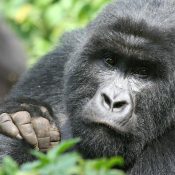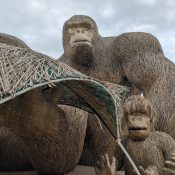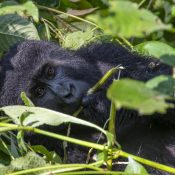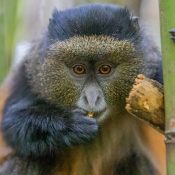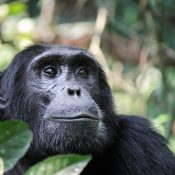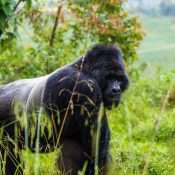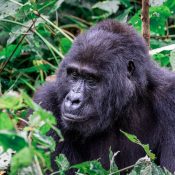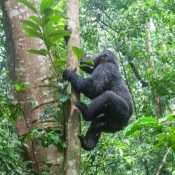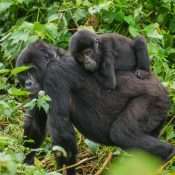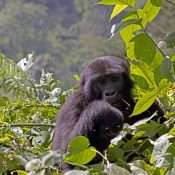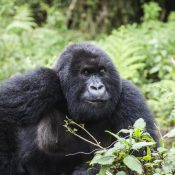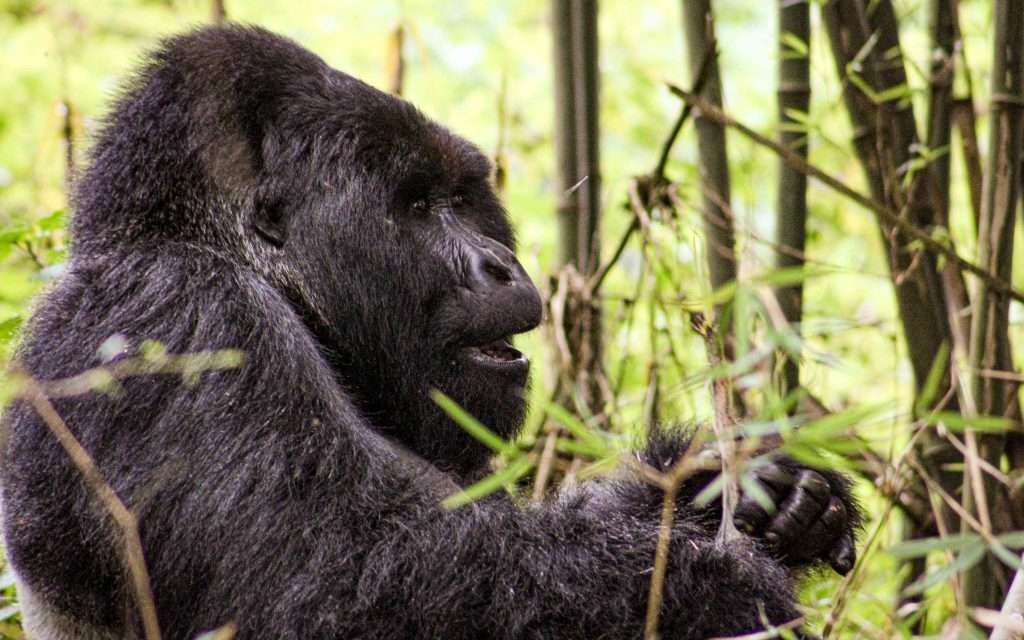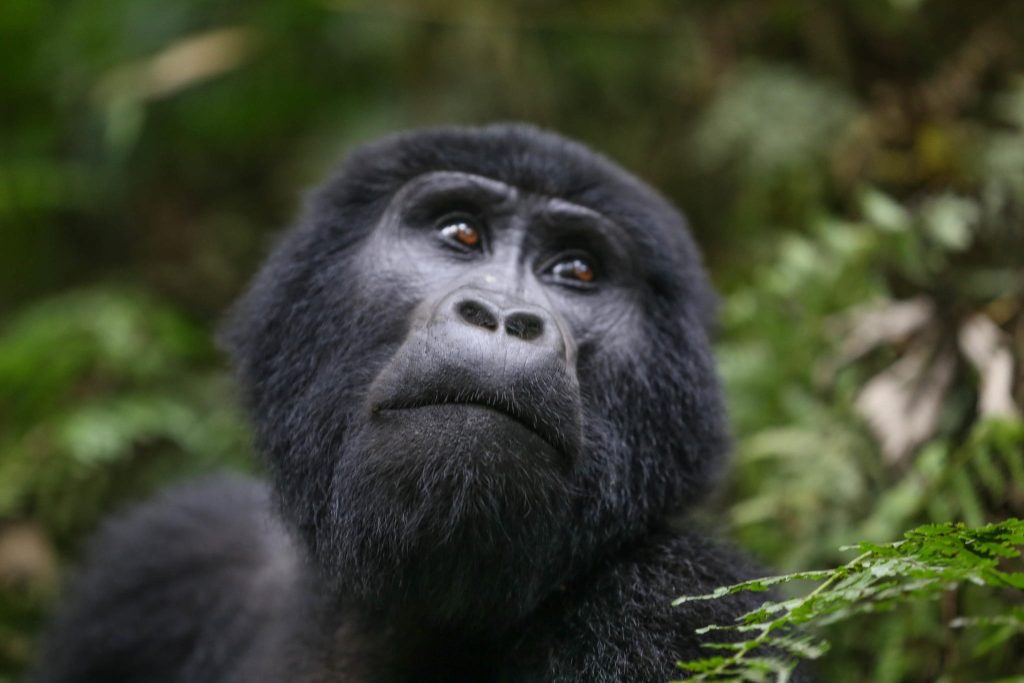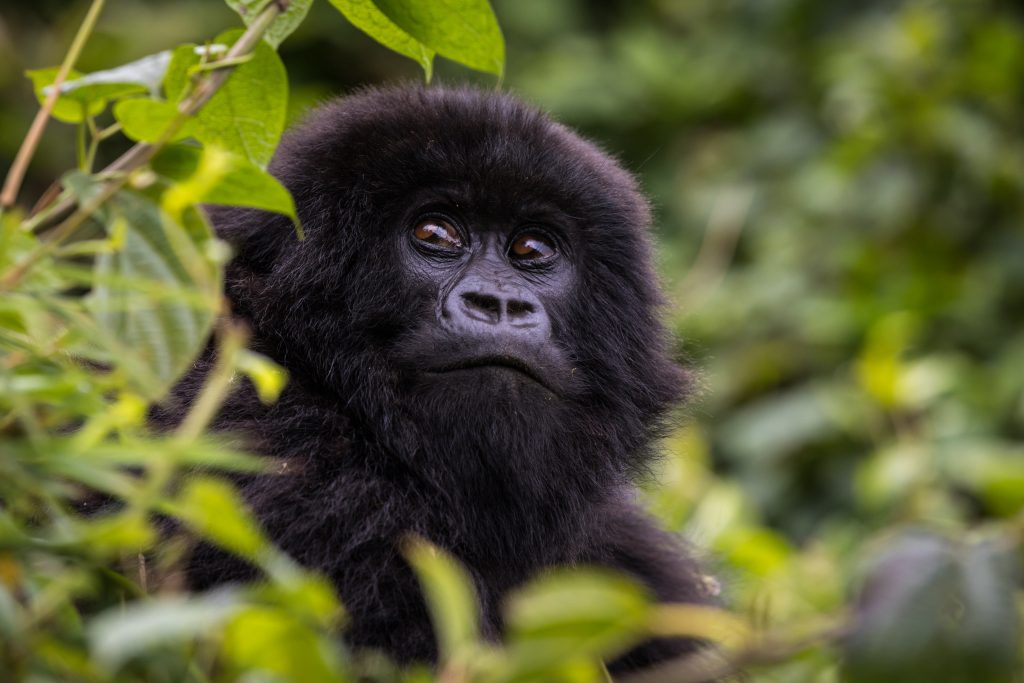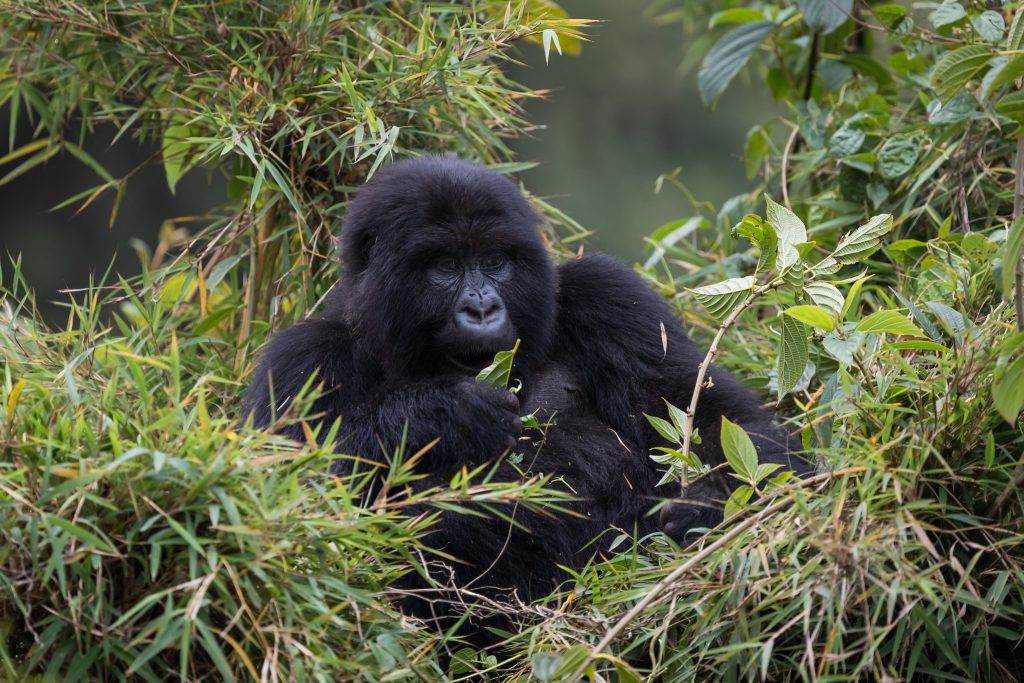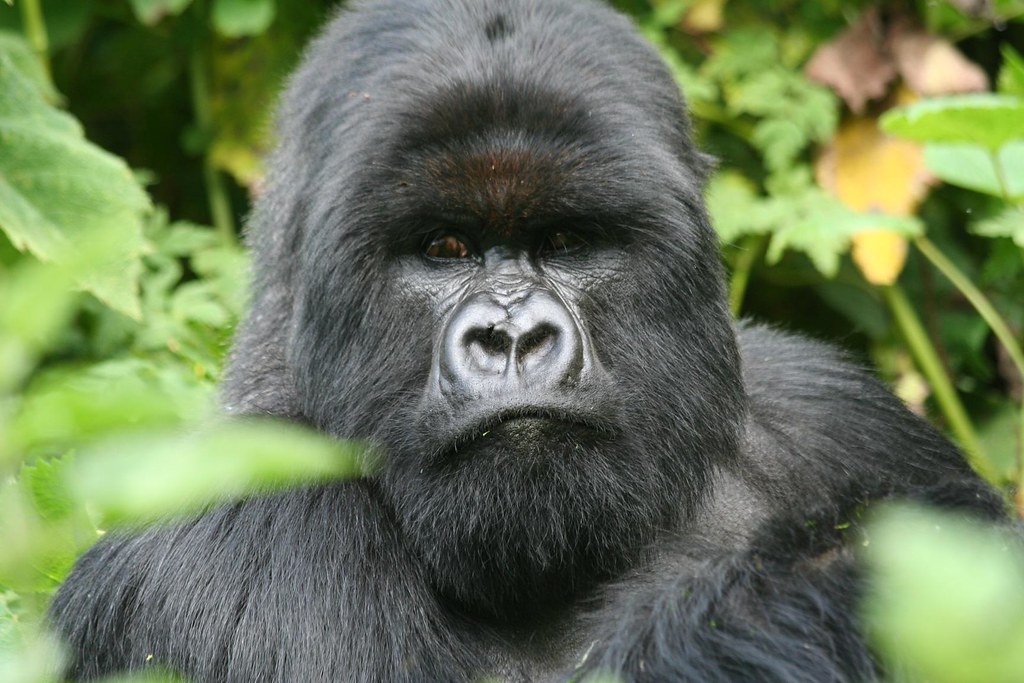
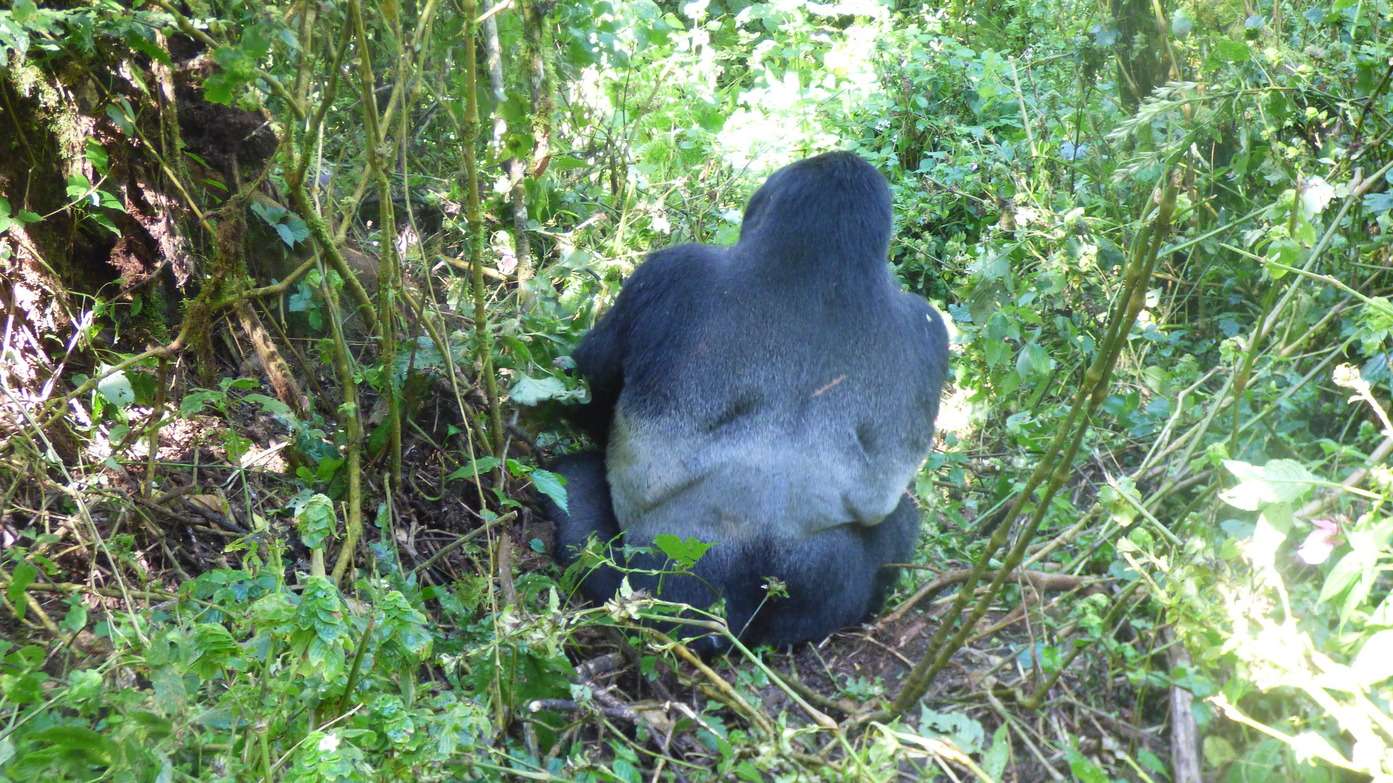
Mountain gorillas are among the most fascinating and rare primates on Earth. These critically endangered animals live in the misty highlands of Central Africa, with one of their most important habitats located in Volcanoes National Park in northern Rwanda. Visiting these magnificent creatures in their natural environment is one of the most extraordinary wildlife experiences in the world.
At In Motion Gorilla Safaris, travelers are guided through unforgettable gorilla trekking adventures that allow them to observe mountain gorillas up close while supporting conservation and local communities.
Mountain Gorillas in Rwanda
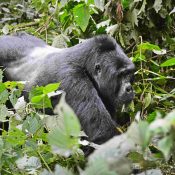
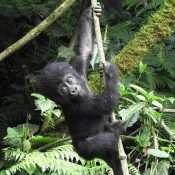
Mountain gorillas are a subspecies of the eastern gorilla that inhabit the mountainous forests of the Virunga region. These primates live at high altitudes, which is why they are known as mountain gorillas.
Today, only a small population remains in the wild, making them one of the world’s most endangered primate species. Their conservation success story has been largely driven by eco-tourism and strict protection policies in parks like Volcanoes National Park.
Mountain gorillas are particularly fascinating because they share over 98% of their DNA with humans, making them one of our closest relatives in the animal kingdom.
Gorilla Families and Social Structure
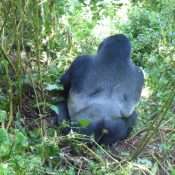
Mountain gorillas are highly social animals that live in groups known as gorilla families. Each family is led by a dominant adult male called a silverback.
The silverback plays a vital role within the group. He is responsible for protecting the family, making decisions about feeding locations, and maintaining harmony among members.
Although some groups may have several adult males, there is always one dominant silverback who leads the group. If the dominant leader dies or becomes weak, another male may take over leadership.
In Volcanoes National Park, more than 13 habituated gorilla families are available for trekking. Habituation means these gorillas have become accustomed to the presence of humans without losing their natural behaviors.
Unique Features of Mountain Gorillas
Mountain gorillas have several distinctive characteristics that set them apart from other primates.
Size and Strength
Mountain gorillas are the largest primates in the region. An adult silverback can weigh over 195 kilograms, while adult females typically weigh up to 100 kilograms.
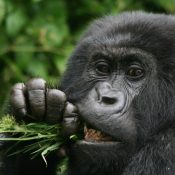
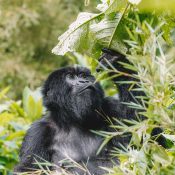
To maintain their massive size, gorillas consume large amounts of vegetation daily. A silverback may eat up to 34 kilograms of plants each day, while females can consume around 18 kilograms.
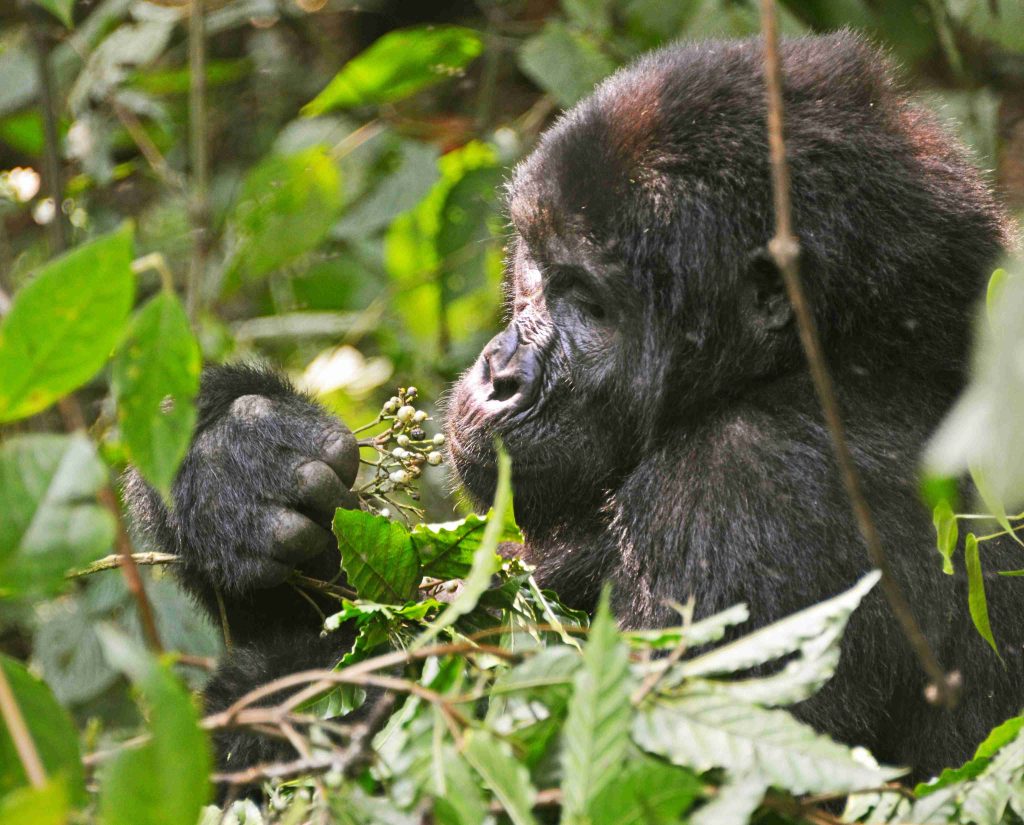
Their diet mainly consists of leaves, stems, bamboo shoots, fruits, and occasionally insects such as ants.
Physical Appearance
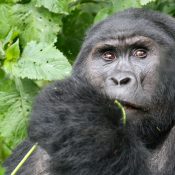
Mountain gorillas have a powerful and muscular body covered with thick dark fur that helps them survive the cold temperatures of high-altitude forests.
One of the most recognizable features is the silver patch of fur on the back of mature males, which gives them the name silverbacks.
Other key characteristics include:
-
Long and powerful arms used for climbing and defense
-
Large heads and strong jaws
-
32 teeth, including large canine teeth
-
A powerful bite force used to process tough vegetation
Although they primarily move using their knuckles, mountain gorillas can stand and walk briefly on two legs.
Volcanoes National Park: Home of Rwanda’s Mountain Gorillas
Volcanoes National Park is one of Africa’s most important conservation areas and the main destination for gorilla trekking in Rwanda.
Located in the Musanze District of northern Rwanda, the park covers about 160 square kilometers and forms part of the larger Virunga Conservation Area, which spans Rwanda, Uganda, and the Democratic Republic of Congo.
This mountainous park features dense montane forests, bamboo vegetation, and volcanic landscapes that create an ideal habitat for mountain gorillas and other wildlife species.
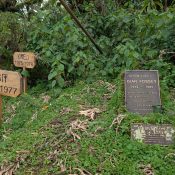
The park also gained international recognition through the work of renowned primatologist Dian Fossey, who founded the Karisoke Research Center to study and protect mountain gorillas.
The Virunga Volcanoes in Rwanda
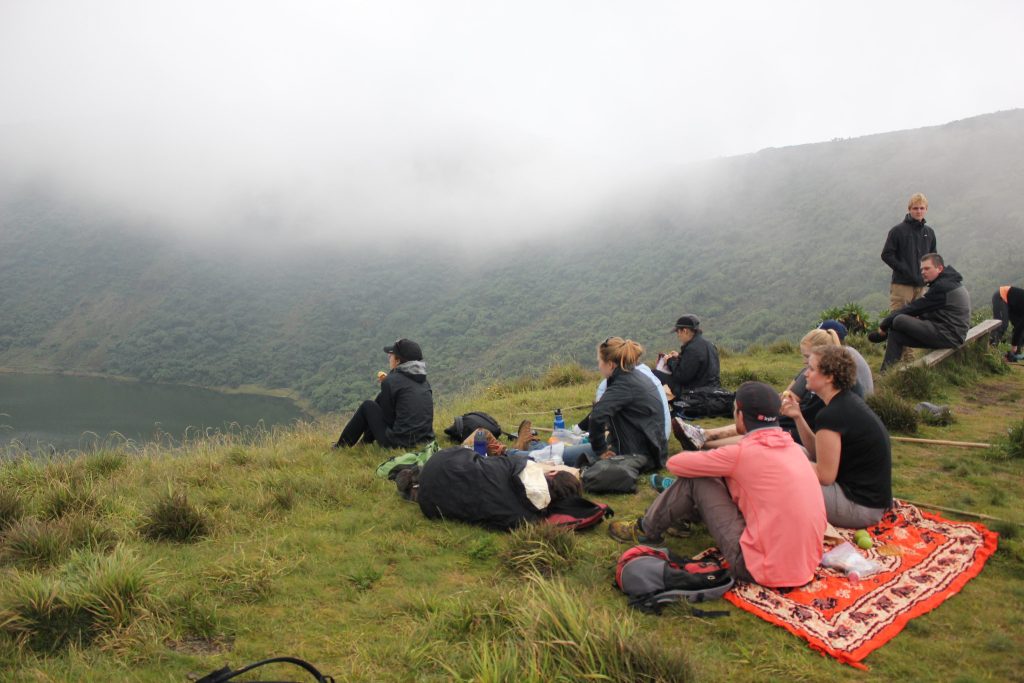
Mount Bisoke stands at 3,711 meters
The park is dominated by several extinct and dormant volcanoes that form part of the Virunga Mountain Range.
Mount Karisimbi
Mount Karisimbi is the highest volcano in the Virunga range, rising to 4,507 meters above sea level. It lies along the border between Rwanda and the Democratic Republic of Congo.
The name Karisimbi comes from the Kinyarwanda word “amasimbi,” meaning snow, as patches of snow occasionally appear near its summit.
Mount Bisoke
Mount Bisoke stands at 3,711 meters and is famous for its beautiful crater lake. It is also one of the more recently active volcanoes in the region, with its last eruption recorded in 1957.
Mount Sabyinyo
Mount Sabyinyo is an extinct volcano whose rugged summit forms the meeting point of Rwanda, Uganda, and the Democratic Republic of Congo. Its name comes from a Kinyarwanda word meaning “old man’s teeth,” referring to its jagged peaks.
Mount Muhabura
Mount Muhabura rises to 4,127 meters and lies along the Rwanda–Uganda border. The name means “the guide” in Kinyarwanda, as the mountain is visible from many parts of the region.
Mount Gahinga
Mount Gahinga is the smallest of the Virunga volcanoes in Rwanda, standing at 3,474 meters. Its name refers to the pile of volcanic stones found near its summit.
Gorilla Trekking in Volcanoes National Park
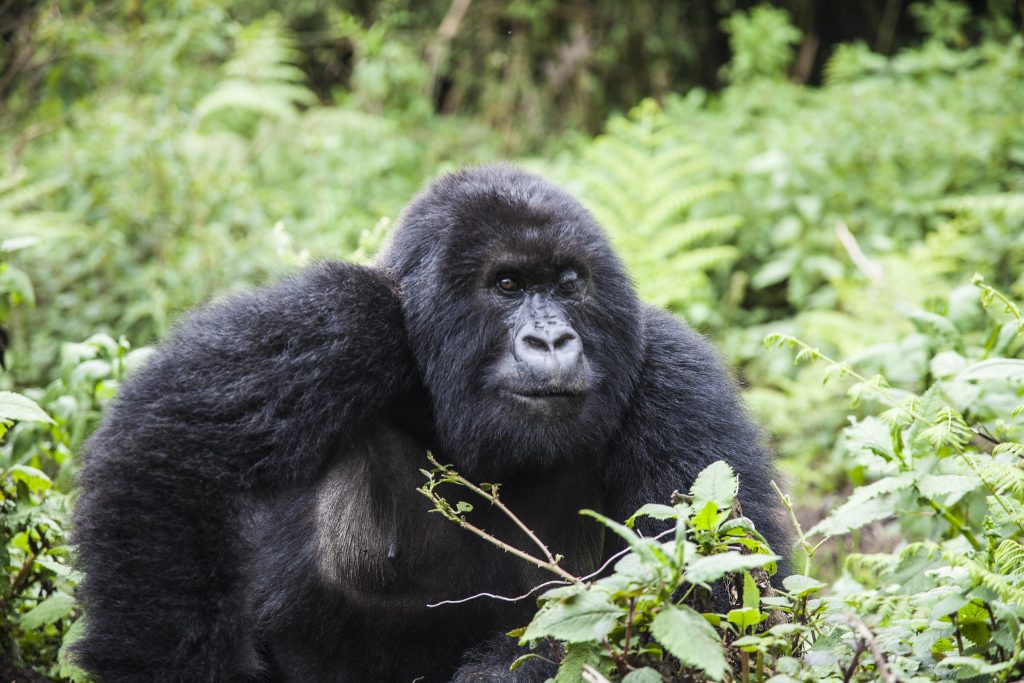
The only way to encounter mountain gorillas in Rwanda is through gorilla trekking.
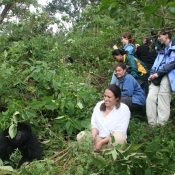
This adventure involves hiking through dense forests and mountainous terrain in search of a habituated gorilla family.
Gorilla trekking begins early in the morning with a briefing at the park headquarters in Musanze. During the briefing, visitors learn about trekking guidelines, safety measures, and gorilla conservation rules.
Each gorilla group can be visited by a maximum of eight tourists per day, ensuring minimal disturbance to the animals.
Once the gorillas are located, visitors are allowed to spend one unforgettable hour observing and photographing them in their natural habitat.
With In Motion Gorilla Safaris, travelers enjoy well-organized trekking experiences led by professional guides who ensure safety, comfort, and unforgettable wildlife encounters.
Cost of Gorilla Trekking Permits in Rwanda
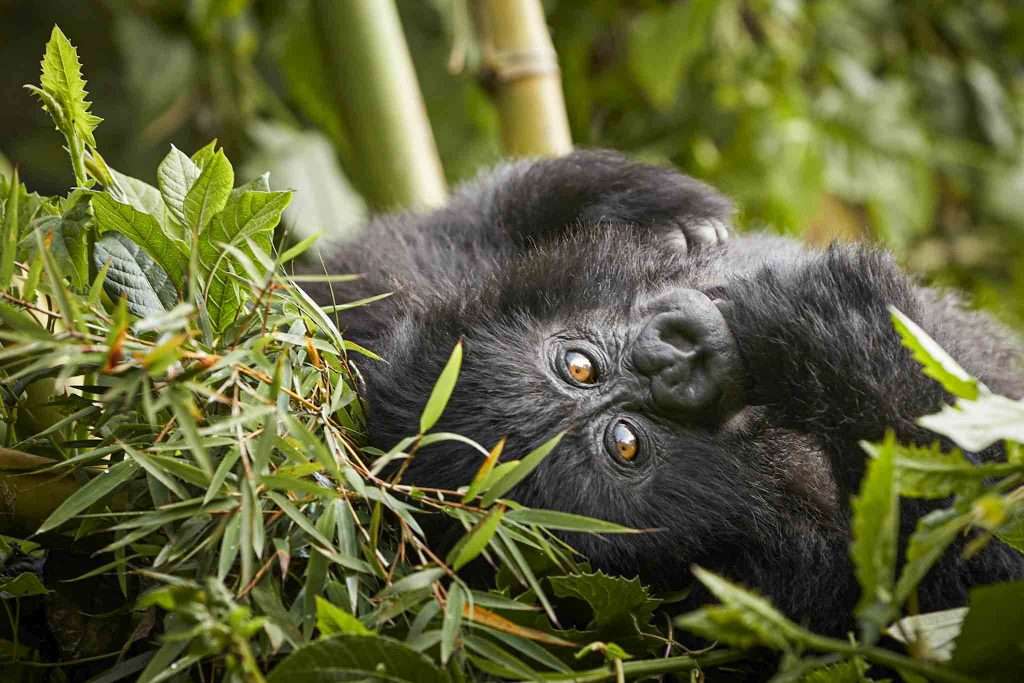
Mountain Gorillas in Volcanoes National Park
To participate in gorilla trekking in Volcanoes National Park, visitors must obtain a gorilla trekking permit issued by the Rwanda Development Board.
The permit prices are:
-
Foreign Non-Residents: USD 1,500 per person
-
Foreign Residents: USD 500 per person
-
Rest of Africa: USD 500 per person
-
East African Citizens and Rwandans: USD 200 per person
These permits help fund conservation efforts and protect mountain gorillas while supporting local communities.
Booking through In Motion Gorilla Safaris ensures that travelers secure their permits in advance while enjoying a professionally organized Rwanda gorilla trekking safari.
Conclusion
Rwanda truly lives up to its reputation as the Land of a Thousand Hills. The majestic Virunga volcanoes, lush forests, and rare wildlife create one of the most extraordinary natural environments in Africa.
A visit to Volcanoes National Park offers travelers a once-in-a-lifetime opportunity to encounter endangered mountain gorillas in their natural habitat.
With In Motion Gorilla Safaris, visitors can explore Rwanda’s breathtaking landscapes while experiencing the magic of gorilla trekking and contributing to the conservation of these remarkable primates.
Rwanda Gorilla Tours
Plan Your Safari
Plan your Rwanda gorilla trek with our experts. Explore our Rwanda safaris or start planning.