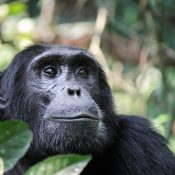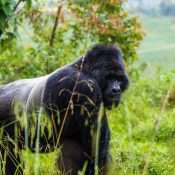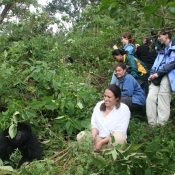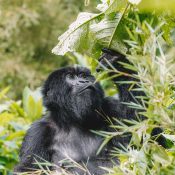
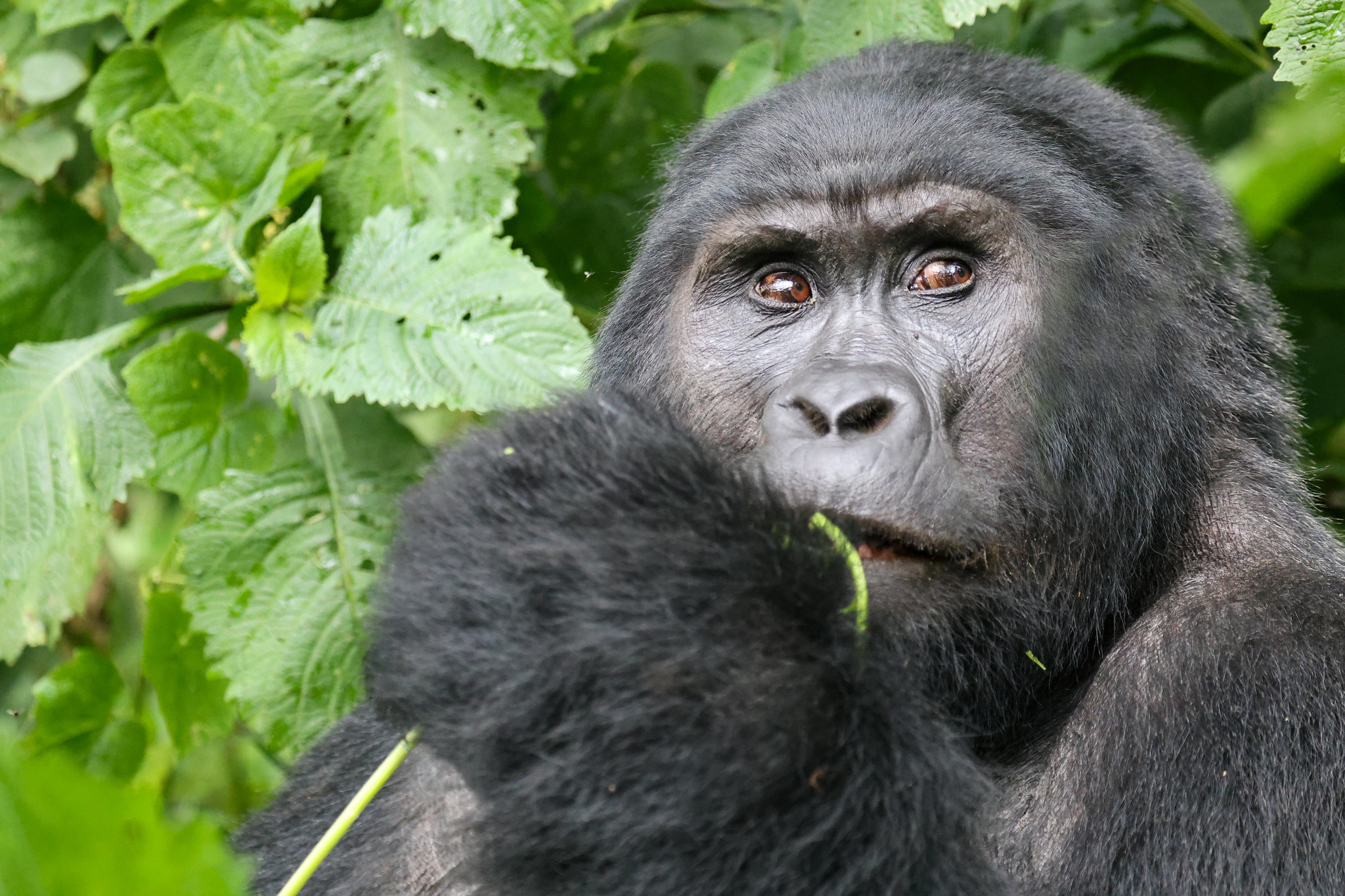
One of the most fascinating facts visitors hear while on a gorilla safari is that humans share about 98% of their DNA with gorillas. This remarkable connection often leaves travelers amazed—and curious to learn more.
But what does this really mean, and why does it matter when you are trekking through Africa’s forests in search of these gentle giants?
A Shared Ancestry, Not the Same Species
What the 98% DNA Link Really Means
Humans did not evolve from modern gorillas. Instead, both humans and gorillas evolved from a common ancestor that lived millions of years ago. Over time, each species followed a different evolutionary path, adapting to its own environment.
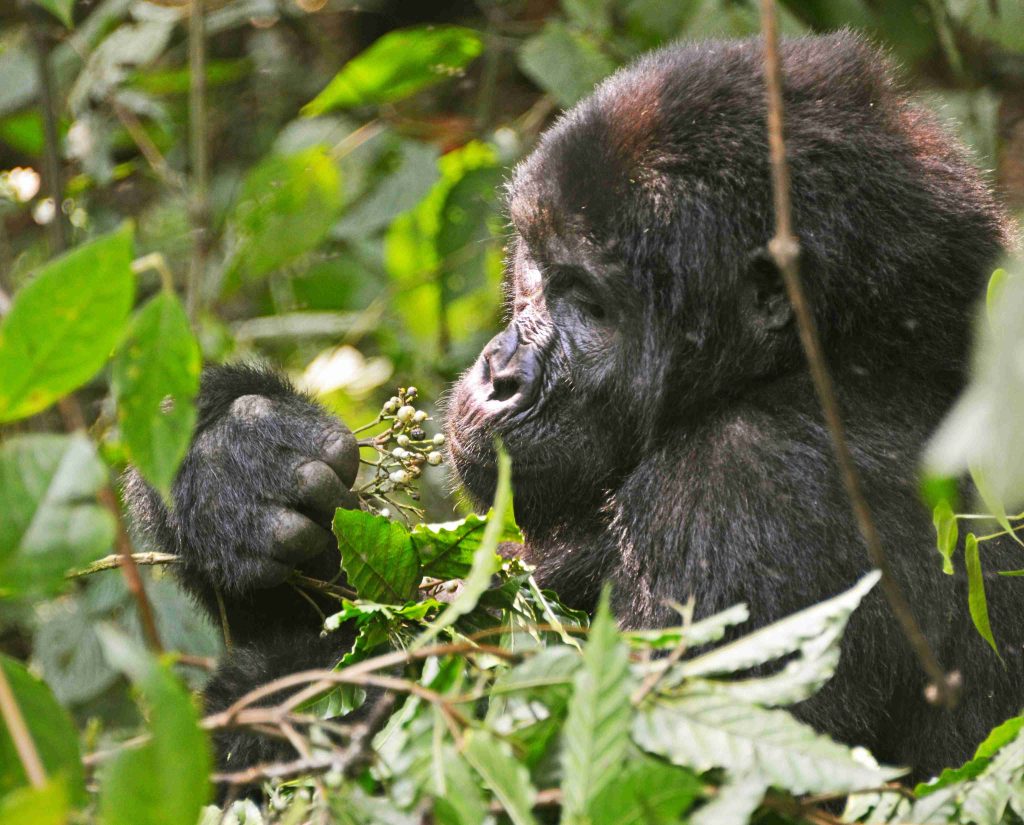
This shared ancestry explains why gorillas and humans have:
-
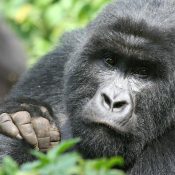
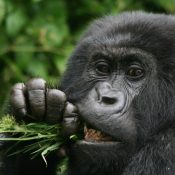
Similar hand structures
-
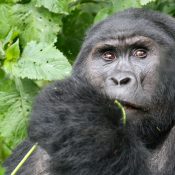
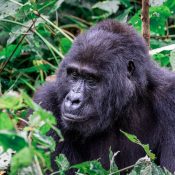
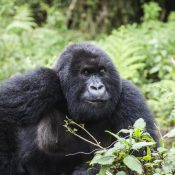
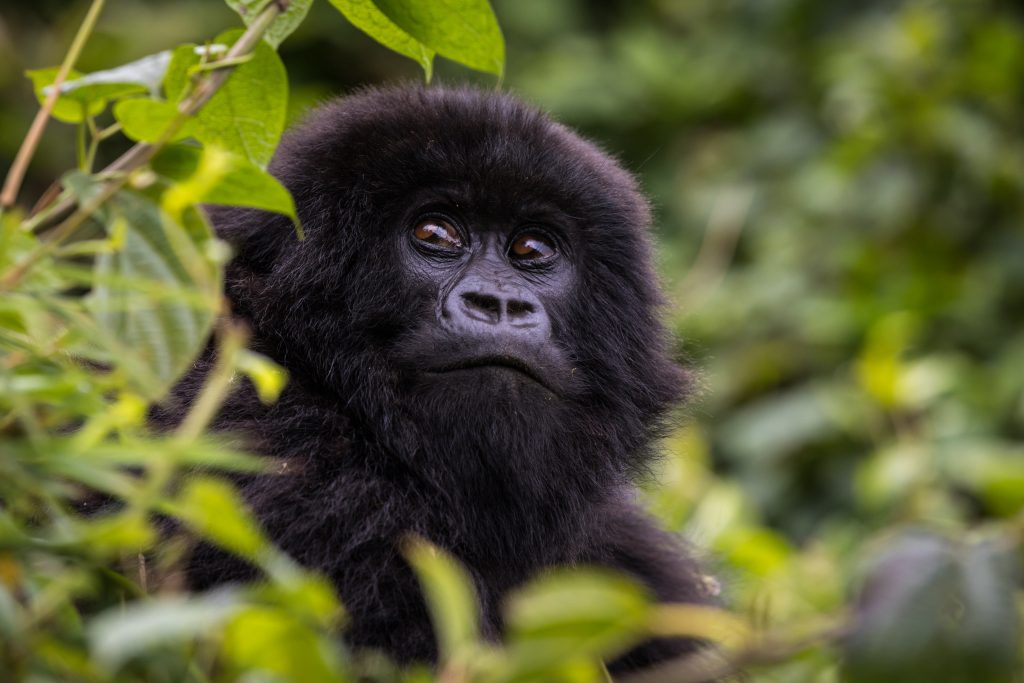
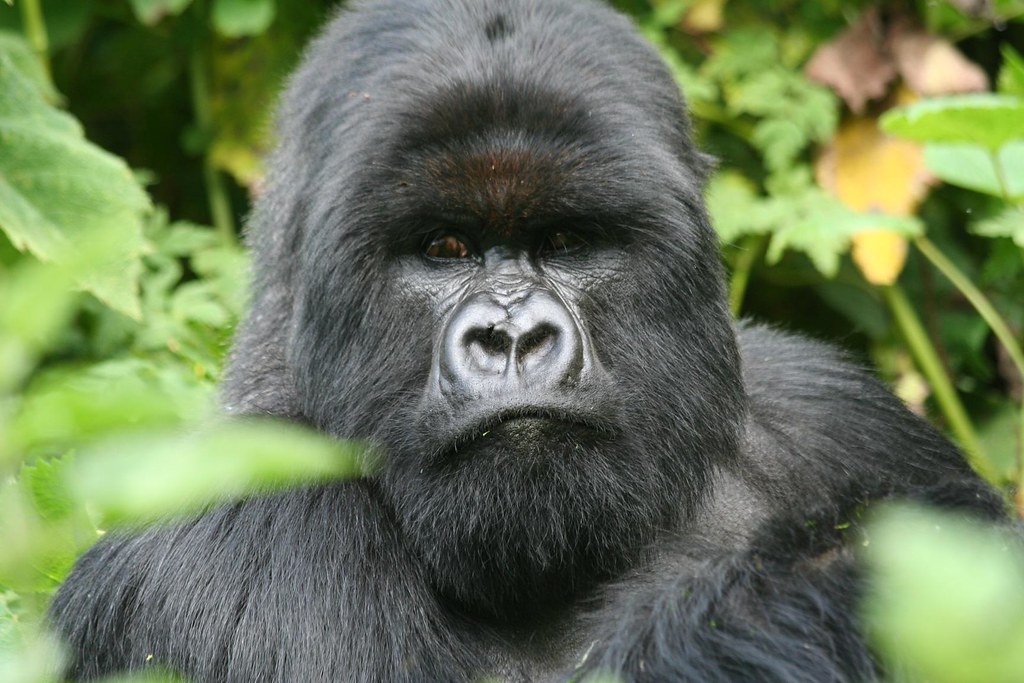
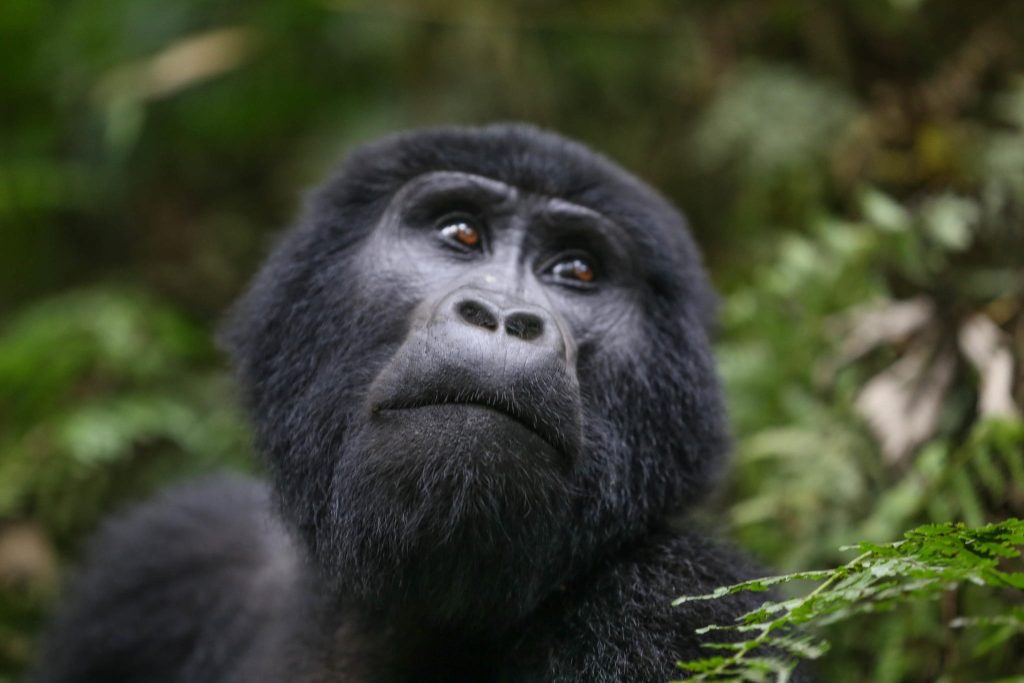
Expressive eyes and facial features
-
Social family groups
-
Strong emotional bonds
Recognising Ourselves in Gorillas
Seeing these traits up close during a gorilla trek often creates a powerful and unforgettable experience for visitors.
Why a Small DNA Difference Matters
While the genetic similarity is high, the small percentage of difference is what makes humans and gorillas unique. That difference shapes:
-
Human language and advanced communication
-
Upright walking and long-distance travel
-
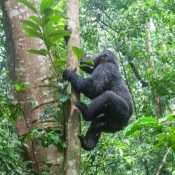
Gorilla strength, knuckle-walking, and forest life
These differences allow gorillas to thrive in dense rainforests, while humans adapted to a wide range of environments across the world.
Encountering Gorillas in the Wild
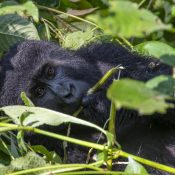
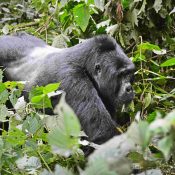
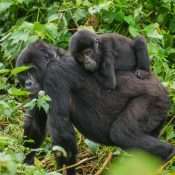
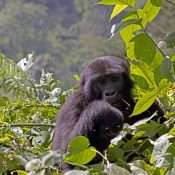
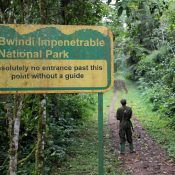
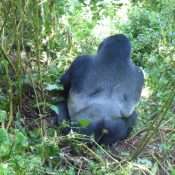
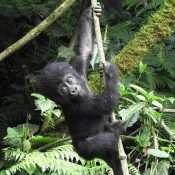
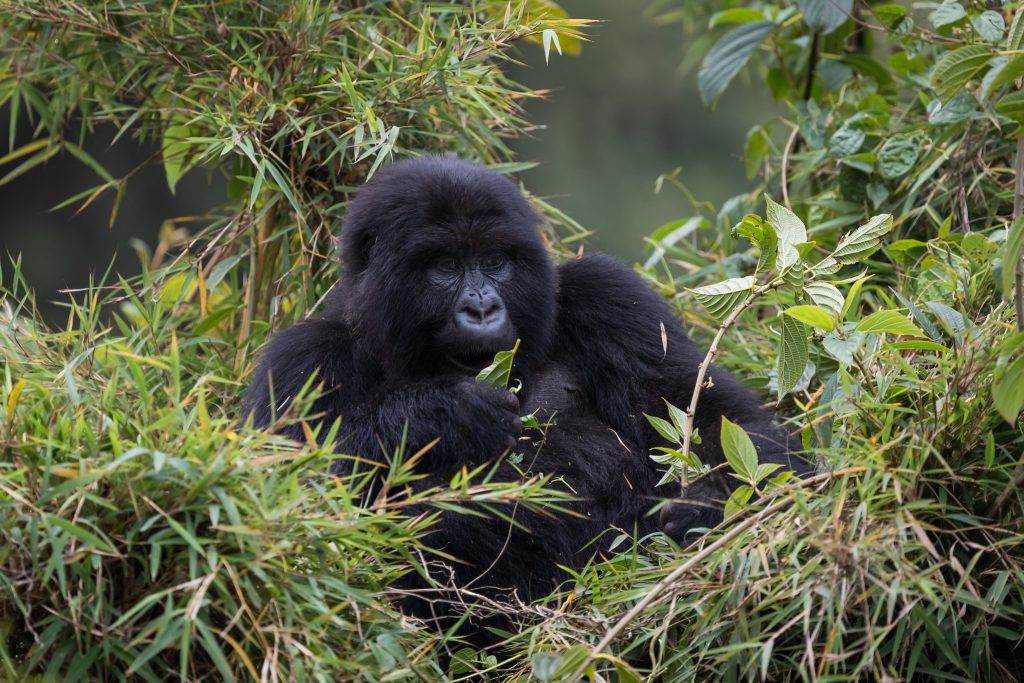
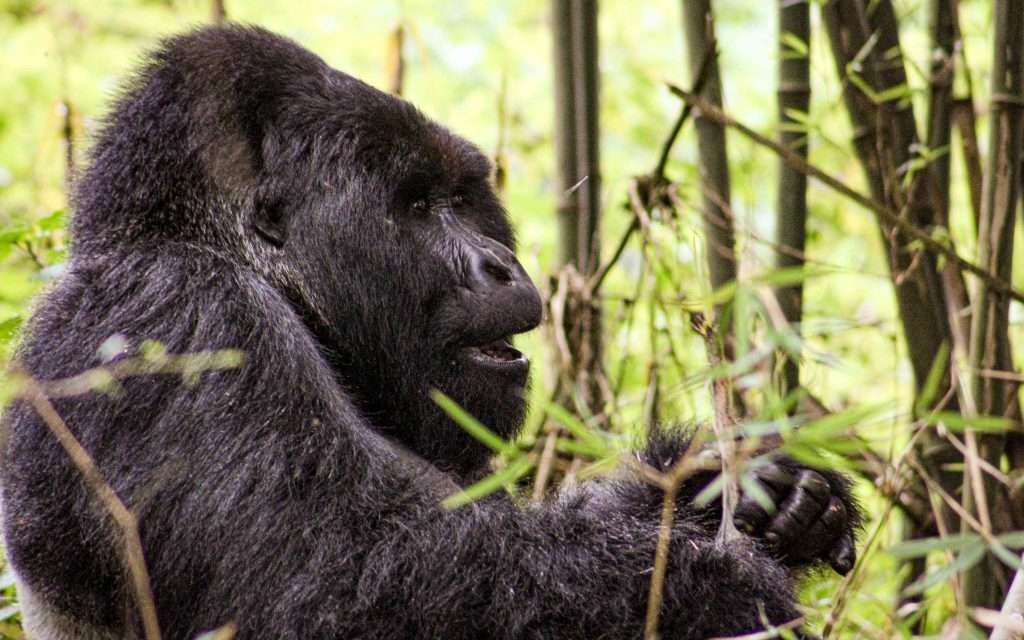
During gorilla trekking in Uganda, Rwanda, or the Democratic Republic of Congo, visitors often notice how familiar gorillas seem. A silverback watching over his family, a young gorilla playing, or a mother grooming her infant can feel surprisingly human.
This sense of connection is one of the reasons gorilla trekking is considered one of the most meaningful wildlife experiences on Earth.
Why This Connection Matters for Conservation
Because humans and gorillas are so closely related, they can share illnesses and are affected by similar environmental threats. Habitat loss, disease, and climate change pose serious risks to gorilla populations.
Tourism plays a vital role in protecting them. Revenue from gorilla permits and safaris supports:
-
Forest conservation
-
Anti-poaching efforts
-
Community livelihoods
-
Veterinary care for endangered gorillas
By visiting responsibly, travelers help ensure gorillas survive for future generations.
A Deeper Meaning to Gorilla Safaris
Knowing that we share so much DNA with gorillas adds depth to the trekking experience. It reminds us that gorillas are not just wildlife attractions—they are our close relatives in the natural world.
Standing quietly in the forest, observing gorillas in their natural habitat, often leaves visitors with a new respect for nature and a stronger desire to protect it.
Conclusion
Yes, humans share about 98% of their DNA with gorillas, and that connection makes gorilla trekking more than just a safari activity. It becomes a journey into our shared evolutionary story.
When you trek to see gorillas in the wild, you are not only witnessing one of nature’s greatest wonders—you are also helping to protect one of humanity’s closest living relatives.
Gorilla Trekking Tours
Plan Your Safari
Meet our closest relatives in the wild. Explore our gorilla trekking safaris or start planning.